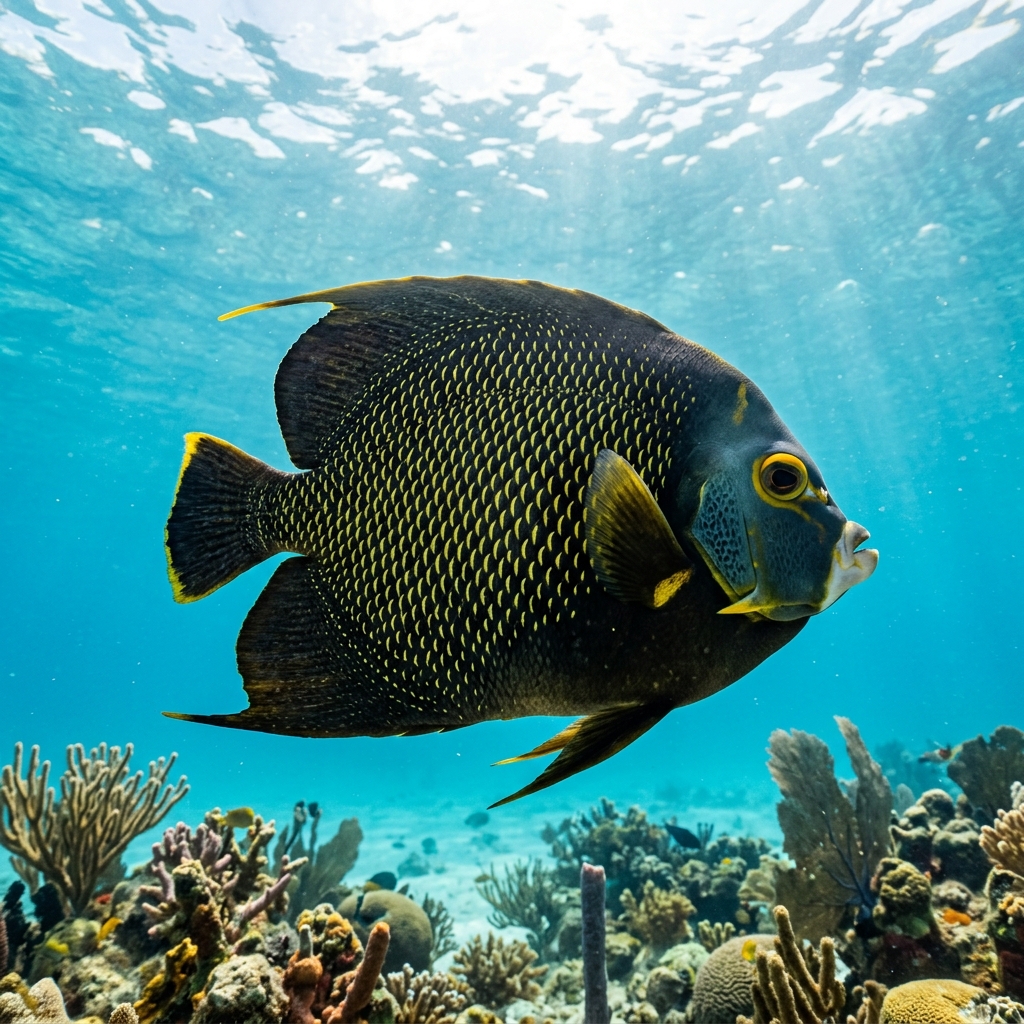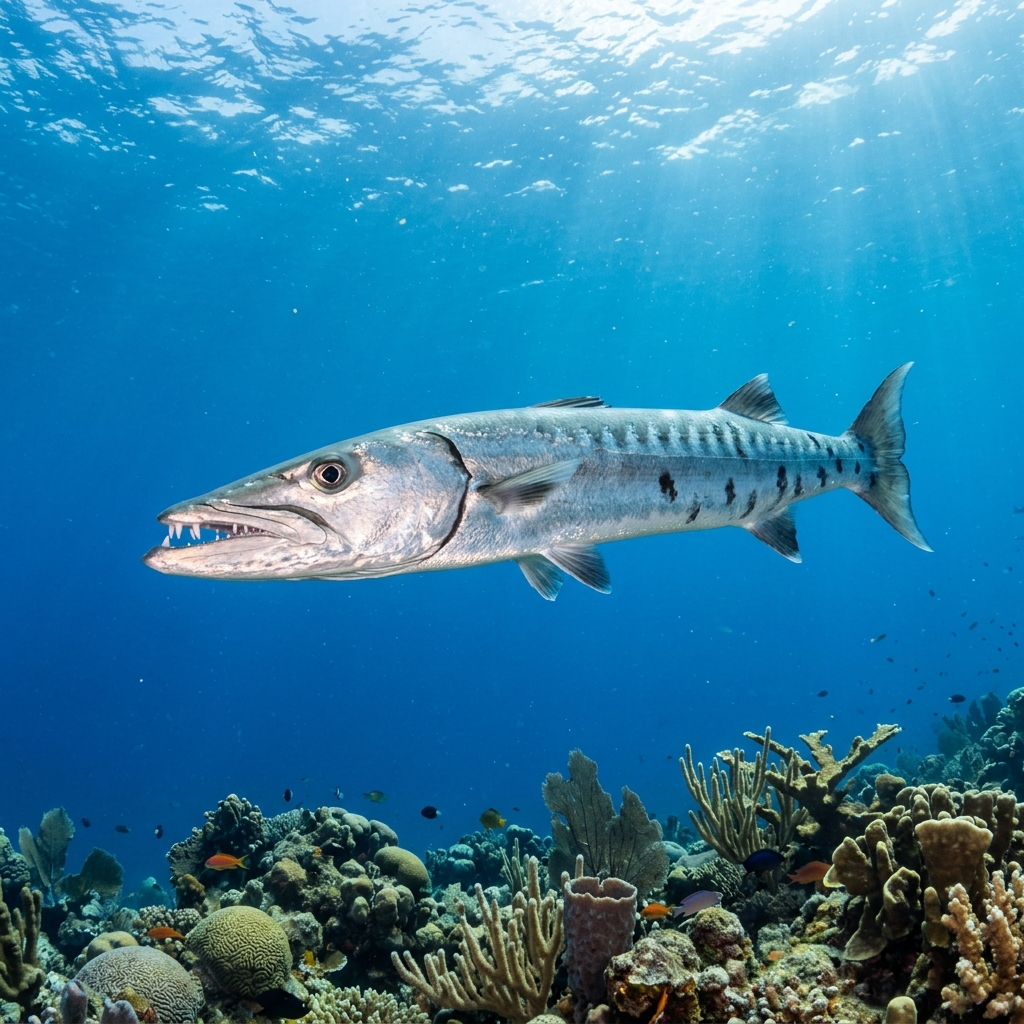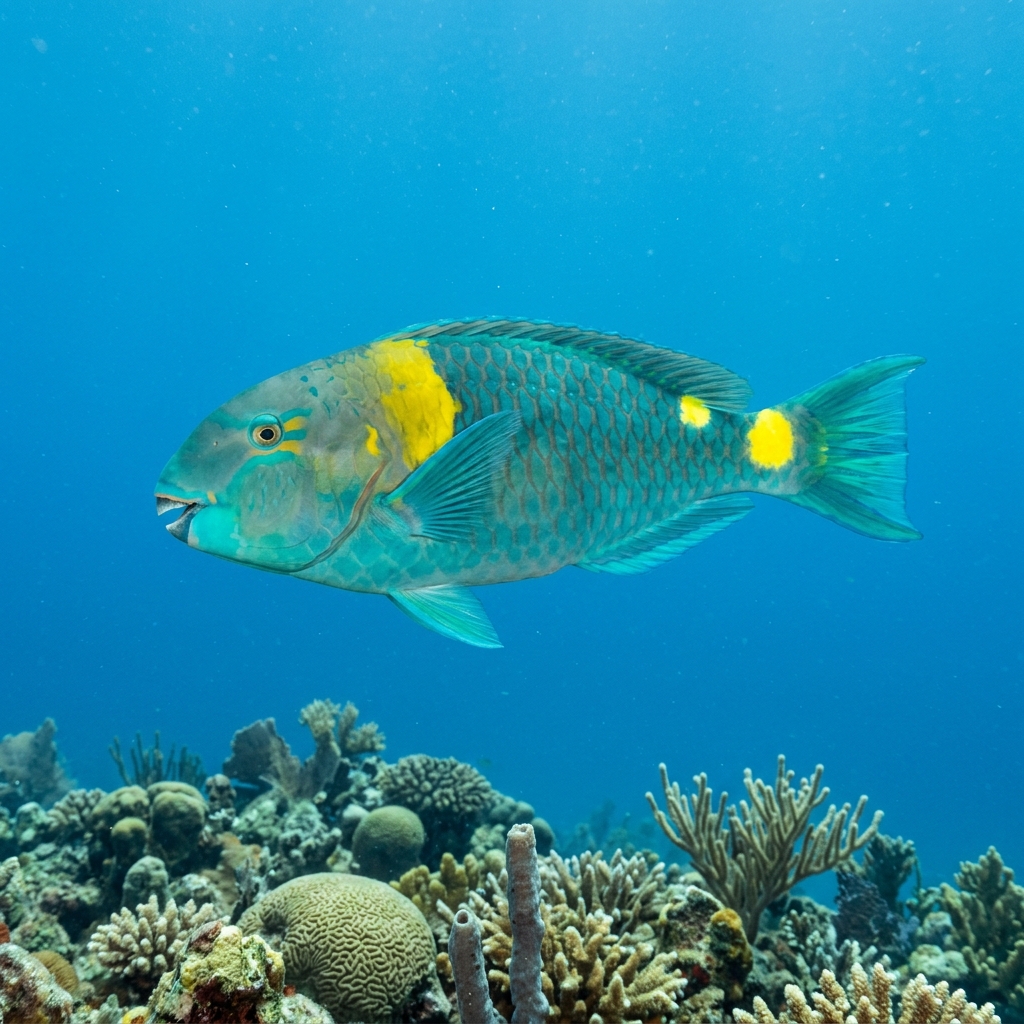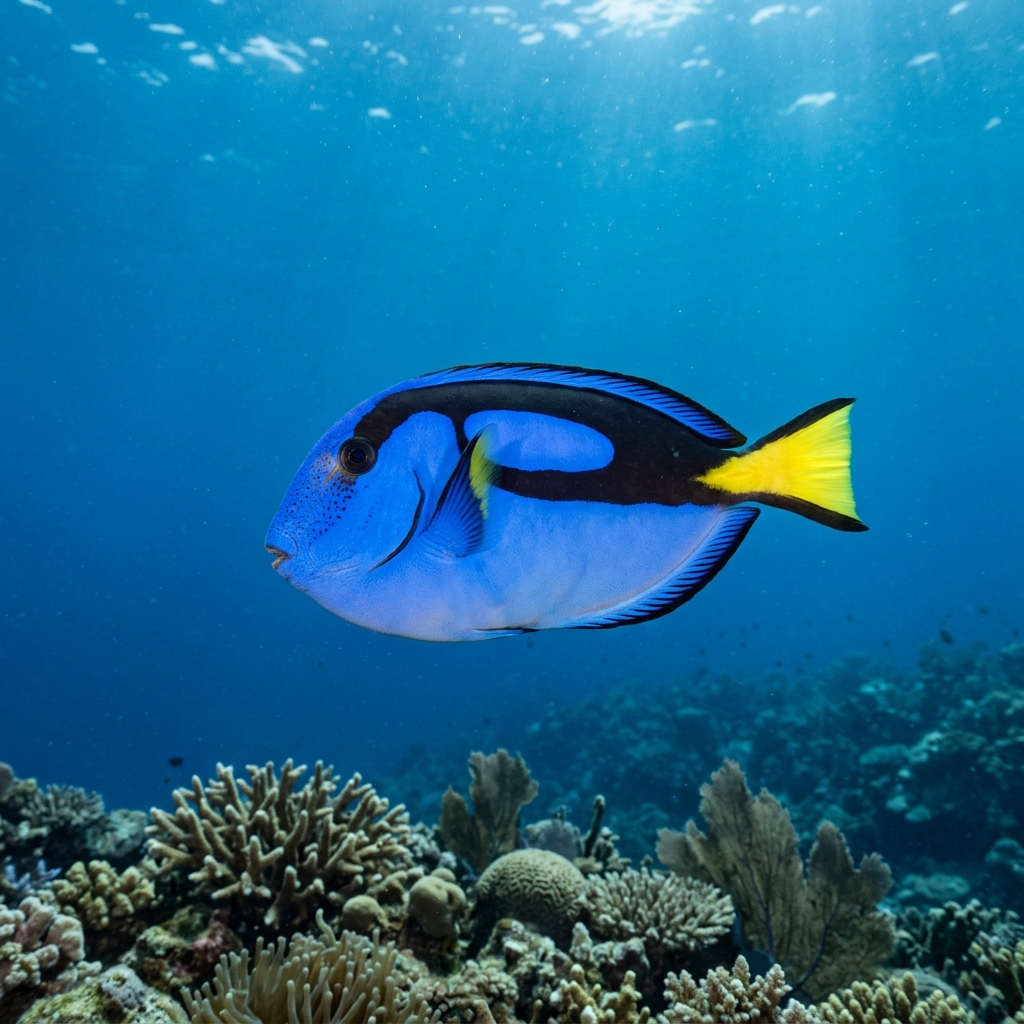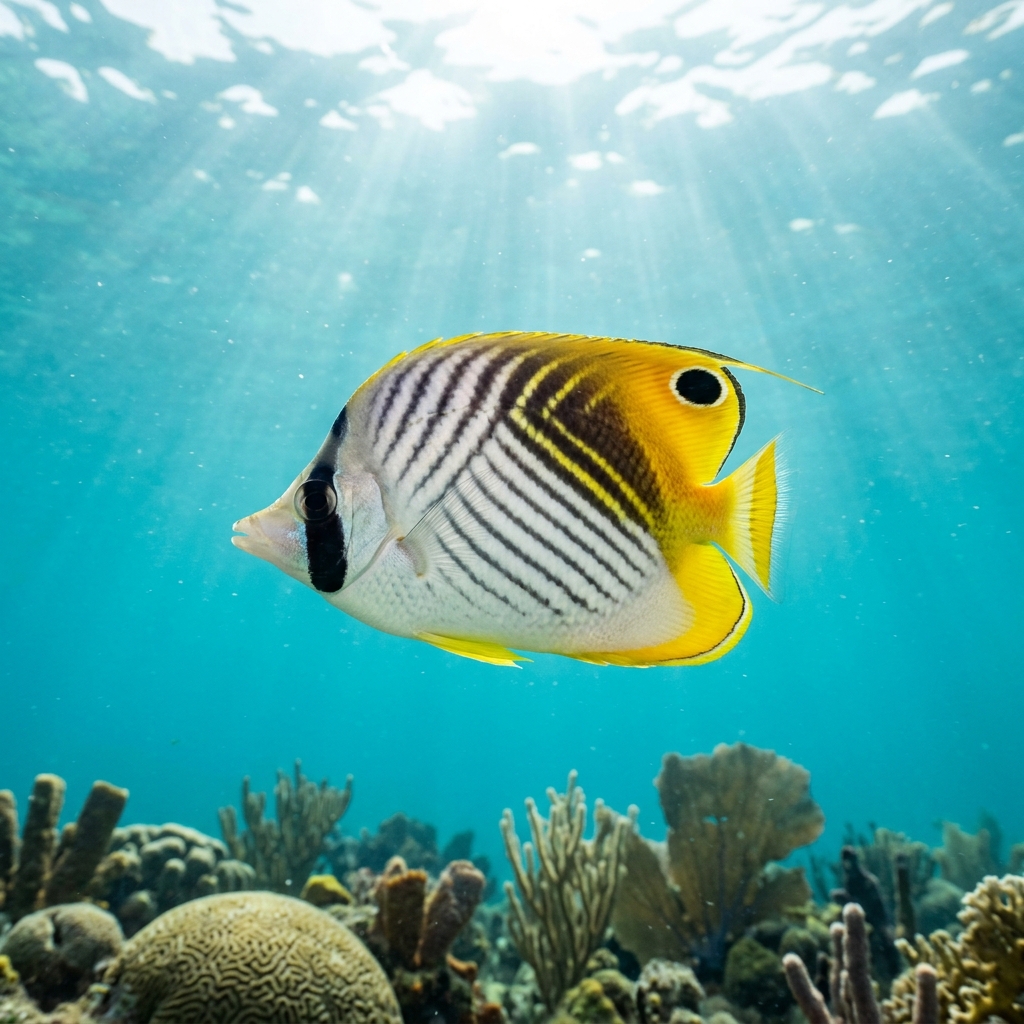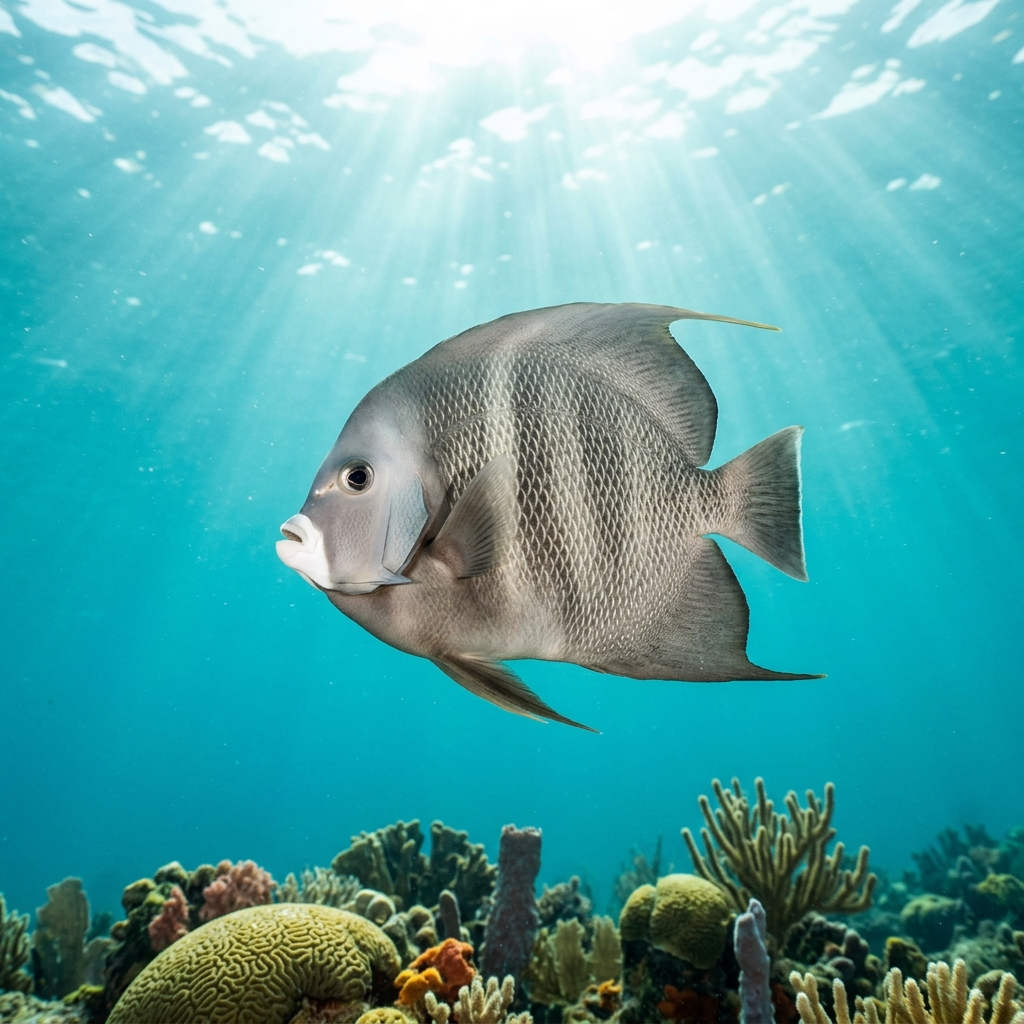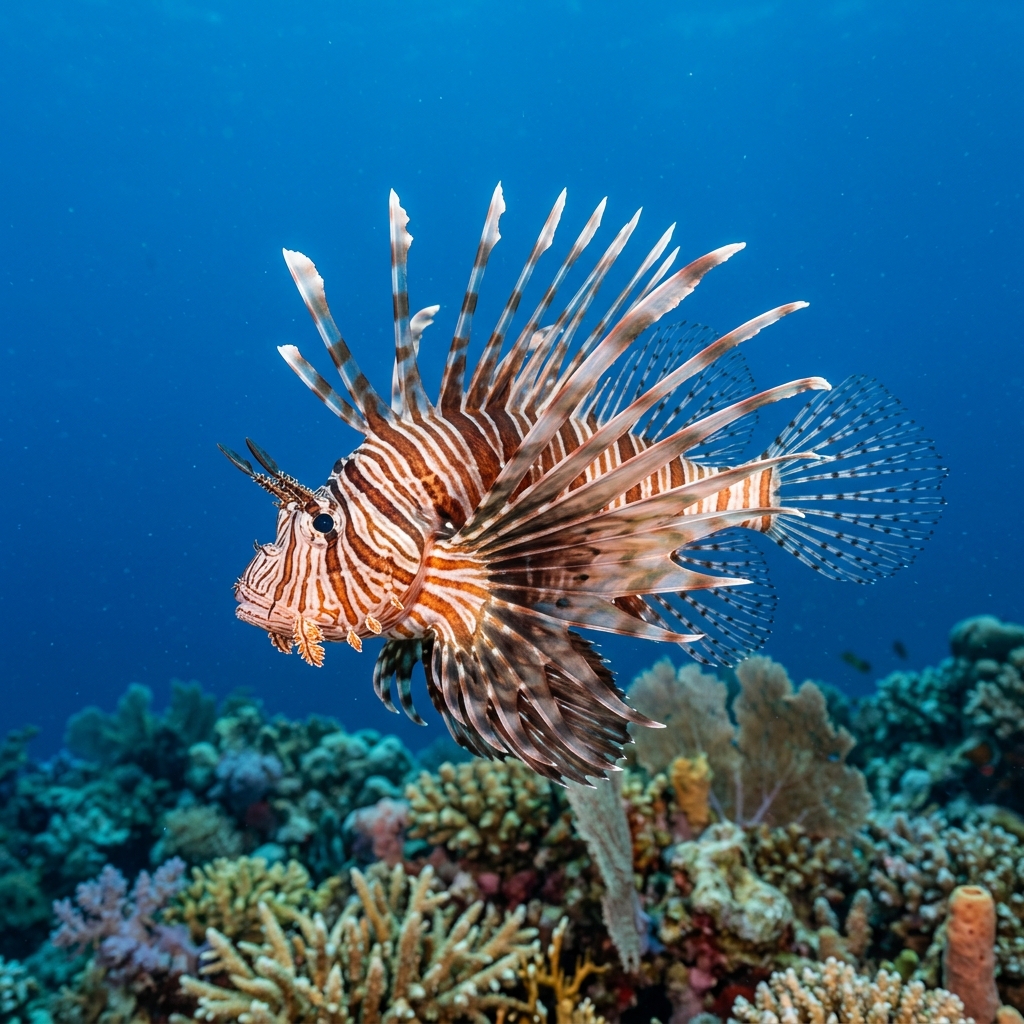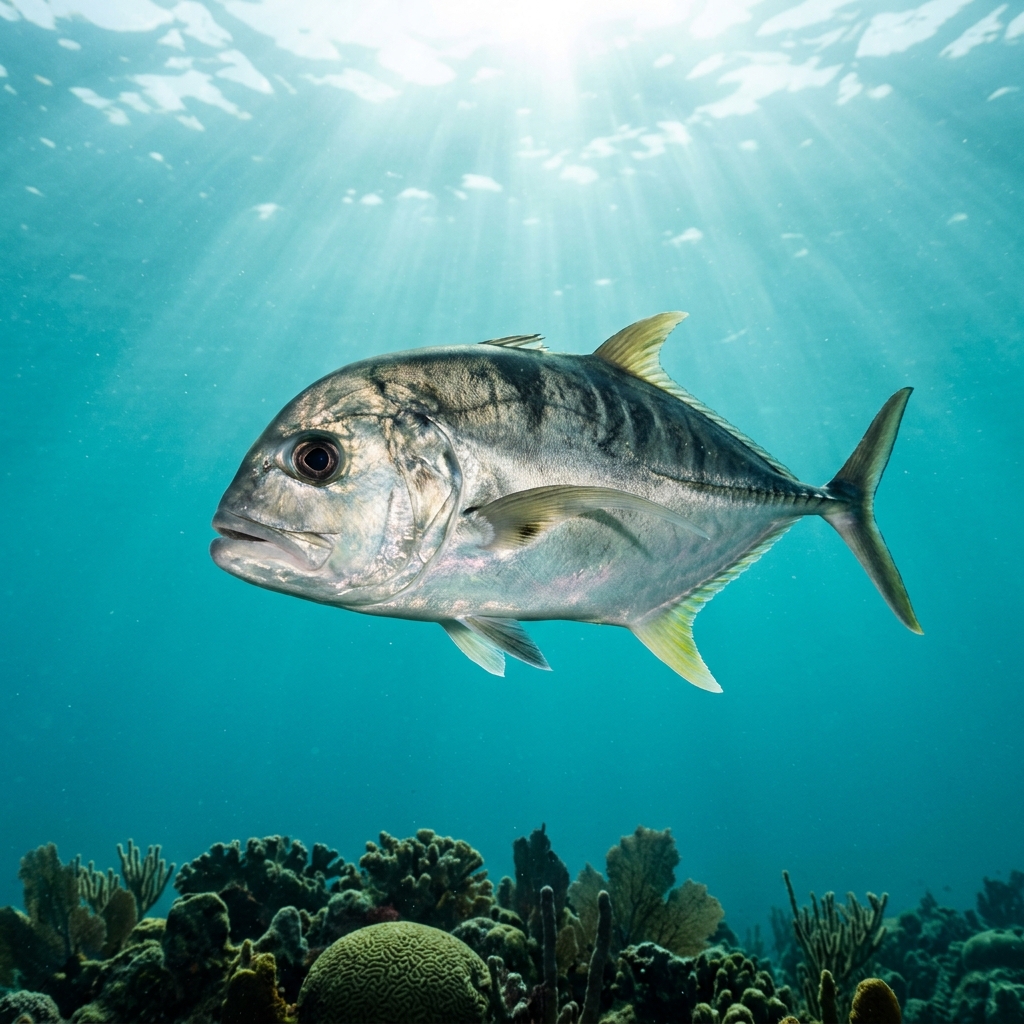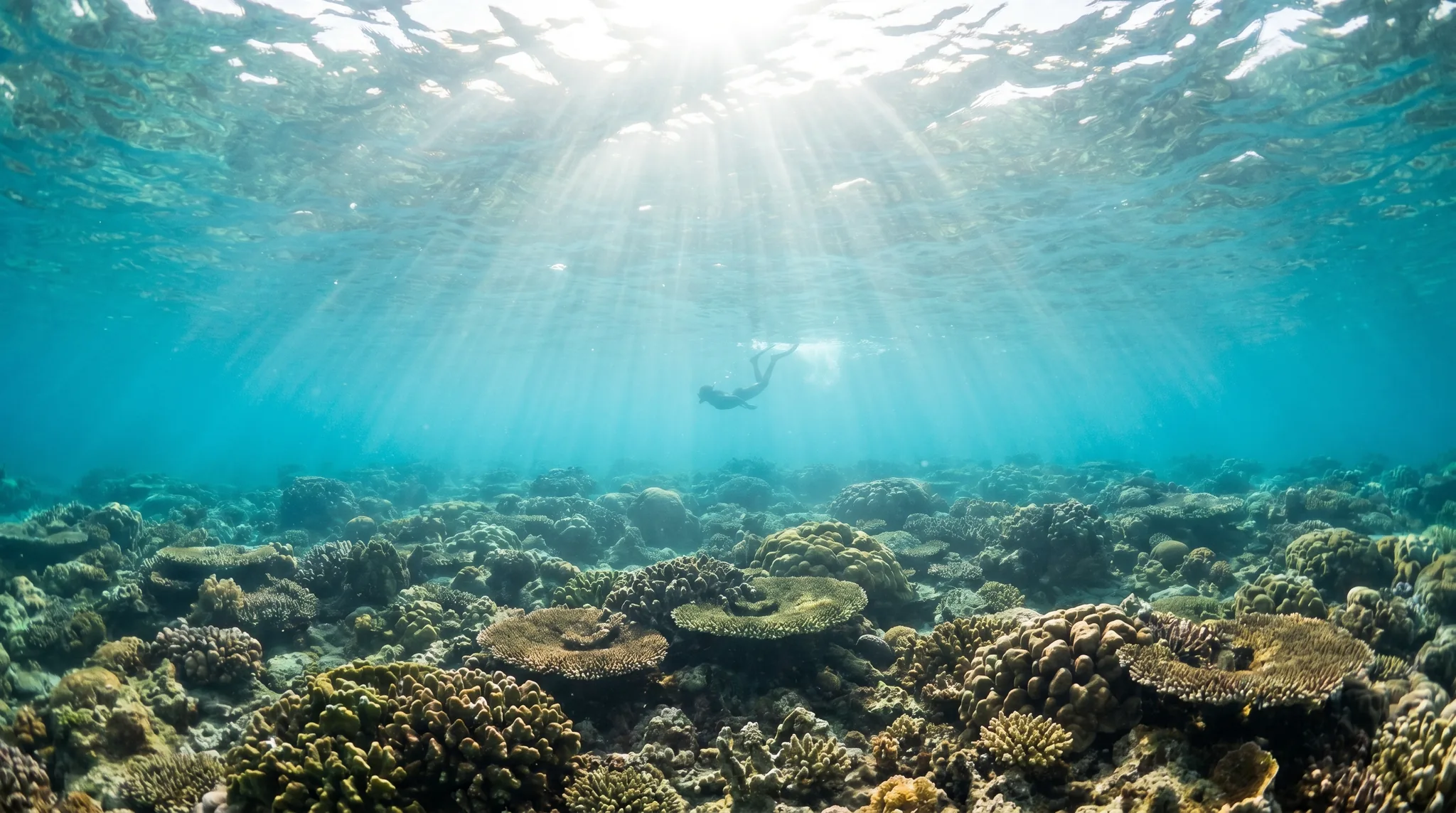
Best for intermediate divers, 4-21m, boat entry, moderate current.
South Gallows Reef is a marine site located 7000 metres from Caye Caulker, Belize. The topography consists of a combination of reef, wall, and seagrass habitats. Divers can expect depths ranging from 4 to 21 metres, with an average depth of 4 metres. Access to this site is by boat only. Conditions at the site are variable, with visibility typically between 10 and 30 metres and moderate currents present. Water temperatures fluctuate throughout the year, ranging from 27C to 30C. Due to the site conditions and depth profile, it is suited for intermediate divers.
17.49400, -88.05820
The dive sites around Spanish Bay consist of sandy drop offs, swim throughs, wall dives and canyon formations.
Accessible by boat from Caye Caulker.
Recorded nearby, within 20km
Depth
4-21m
Visibility
10-30m
Skill Level
Intermediate
Entry
Boat
Boat required
Water Temp
27-30°C
Current
Moderate
The site has a depth range of 4 to 21 metres, with an average depth of 4 metres.
No, this site is intended for intermediate divers.
Access to this site is by boat only, as it is located 7000 metres from the shore.
The site is classified as a dive site for intermediate divers; there is no information provided regarding suitability for snorkelling.
Diving at South Gallows Reef in Caye Caulker requires the following certifications: Open Water Certification. Always dive within your training limits.
A rashguard or 2mm shorty is recommended for diving at South Gallows Reef in Caye Caulker. Water temperatures range from 27°C to 30°C.
Divers at South Gallows Reef in Caye Caulker should be aware of sharks. These encounters are generally rare and avoidable with proper awareness. Follow local safety guidance and maintain a respectful distance from all marine life.
Expect moderate currents at South Gallows Reef in Caye Caulker. Good buoyancy control and some drift diving experience is helpful.
Visibility at South Gallows Reef in Caye Caulker typically ranges from 10 metres to 30 metres. Conditions vary with weather, tides, and seasons.