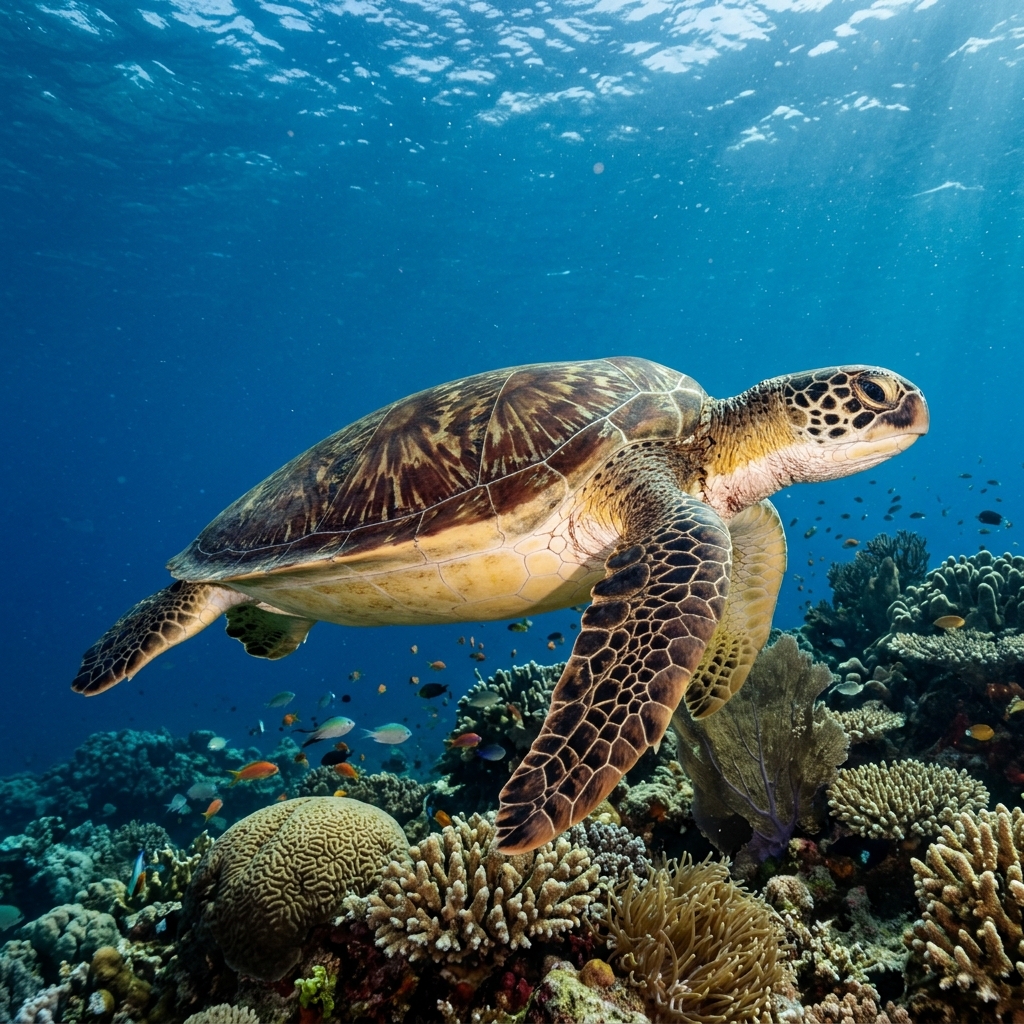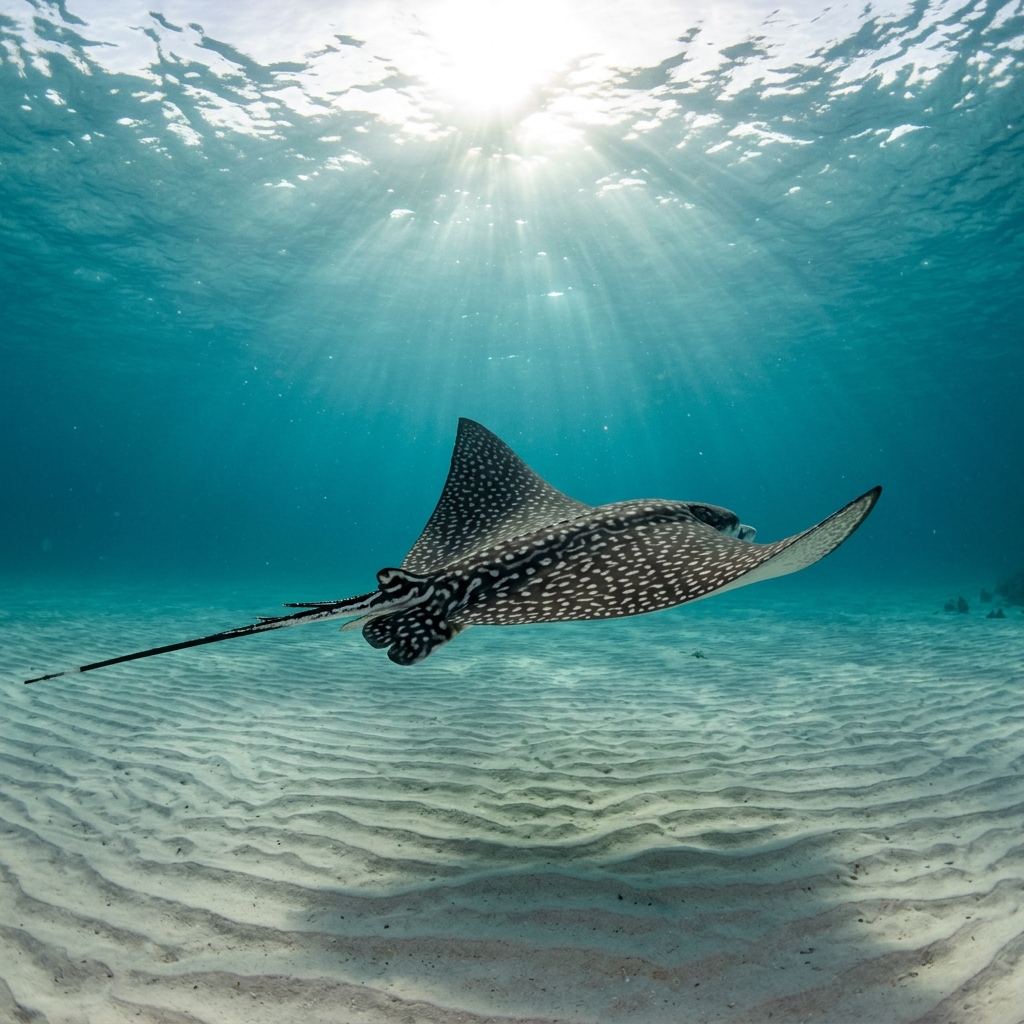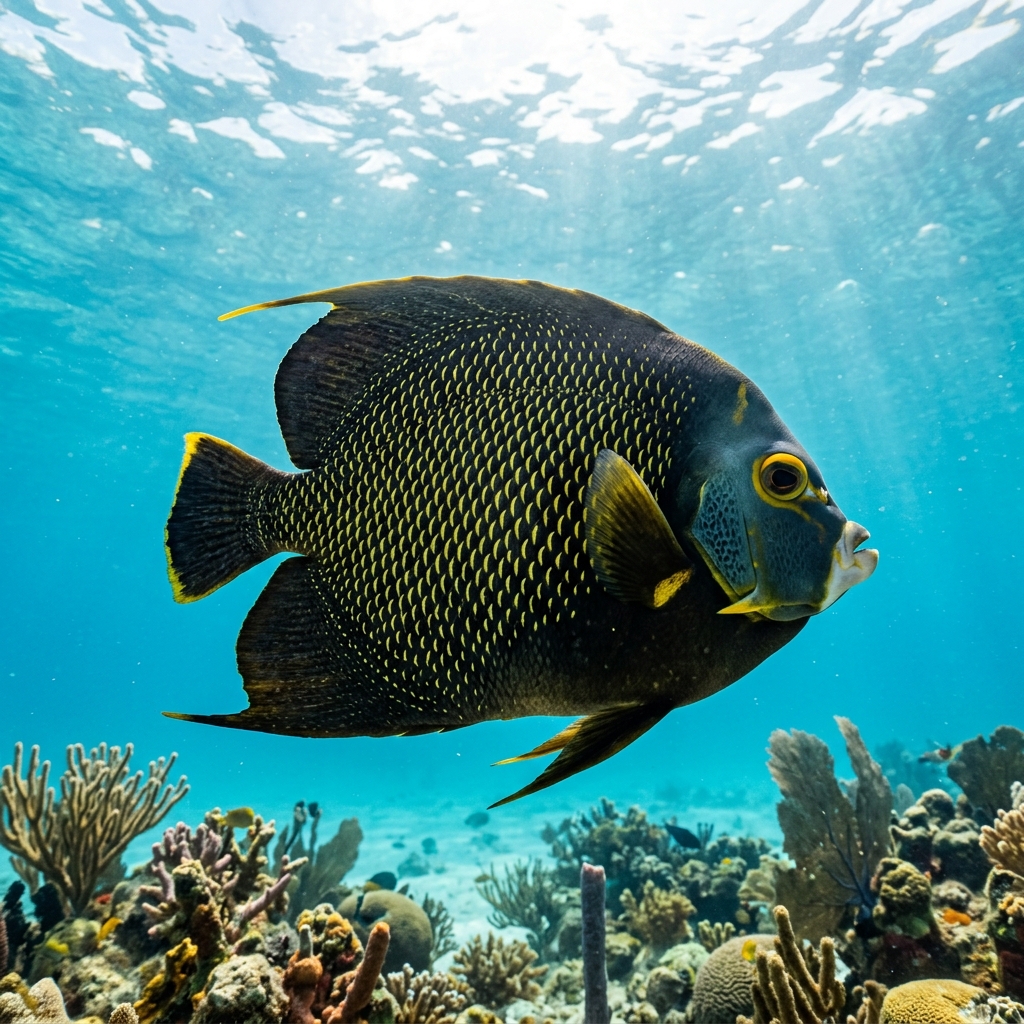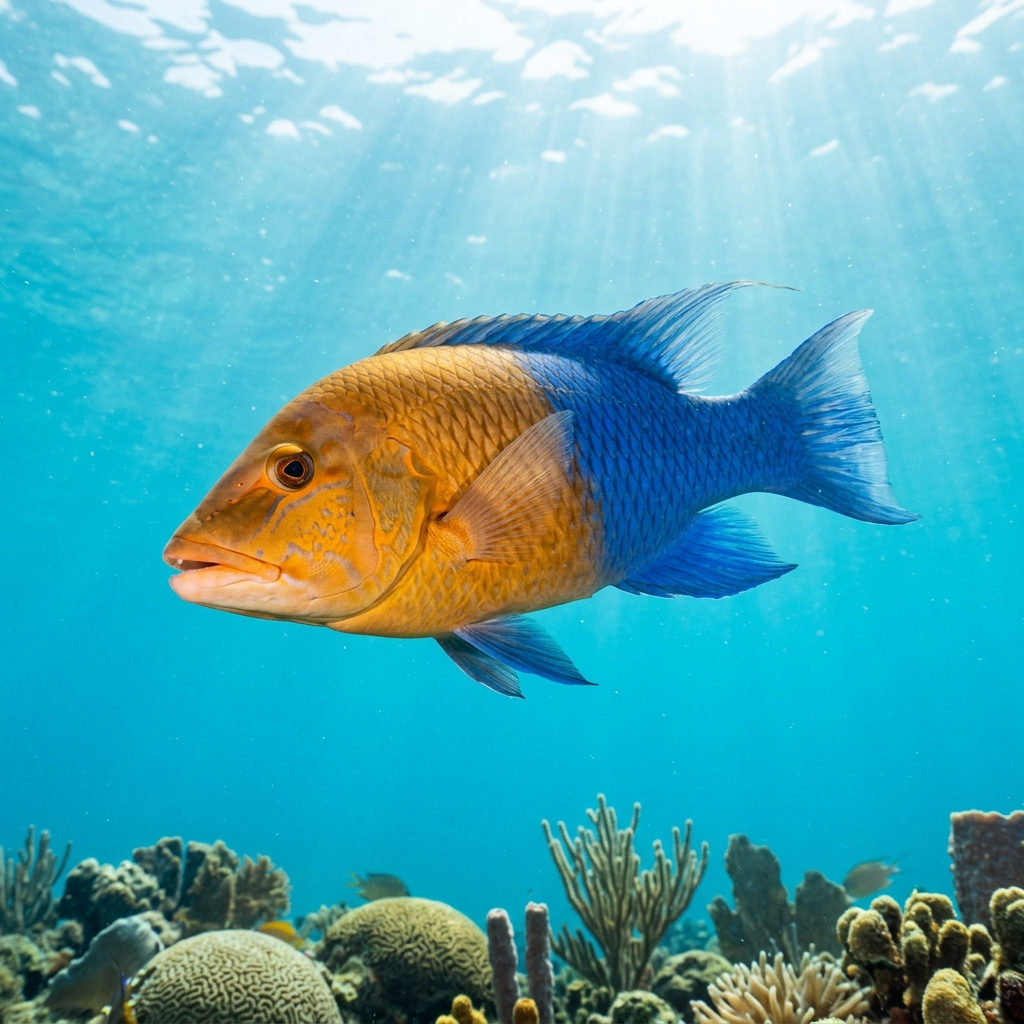
Best for beginner divers, 2-9m, boat entry, mild current.
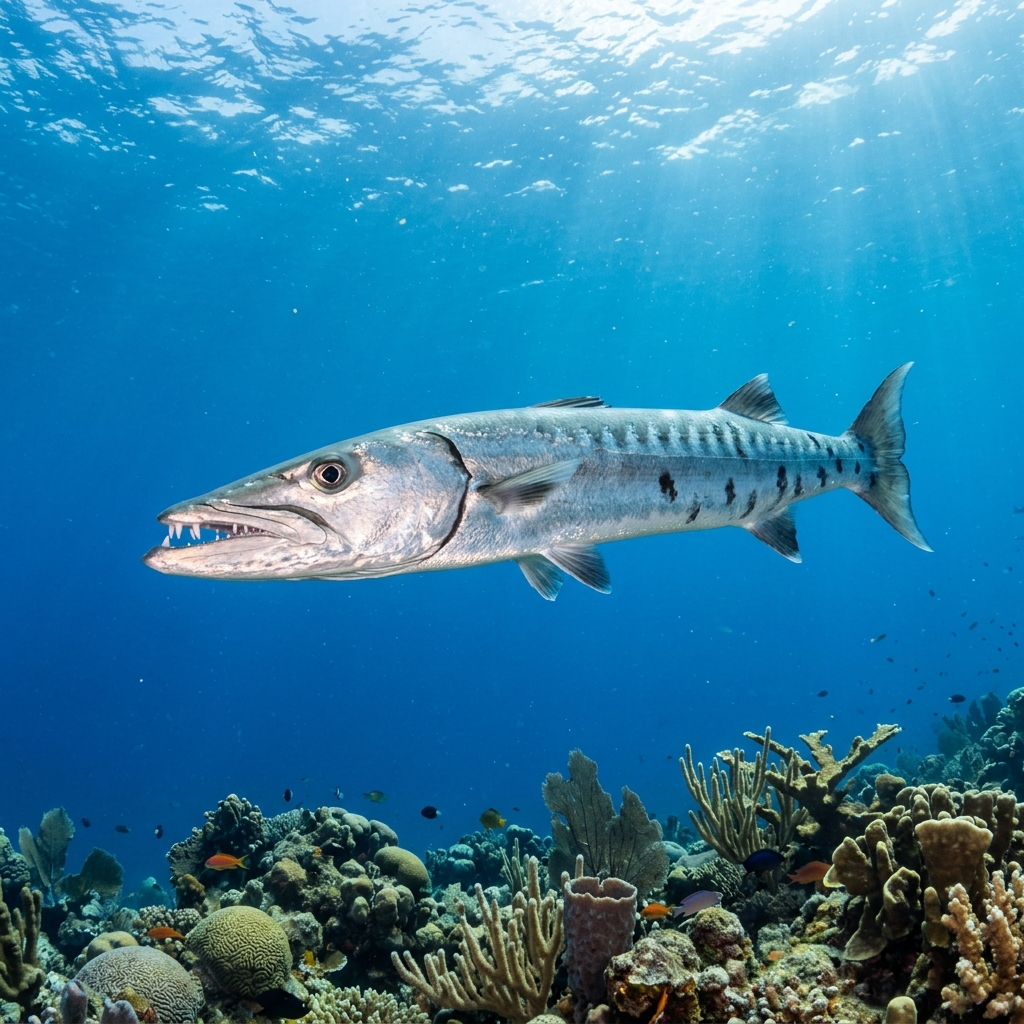
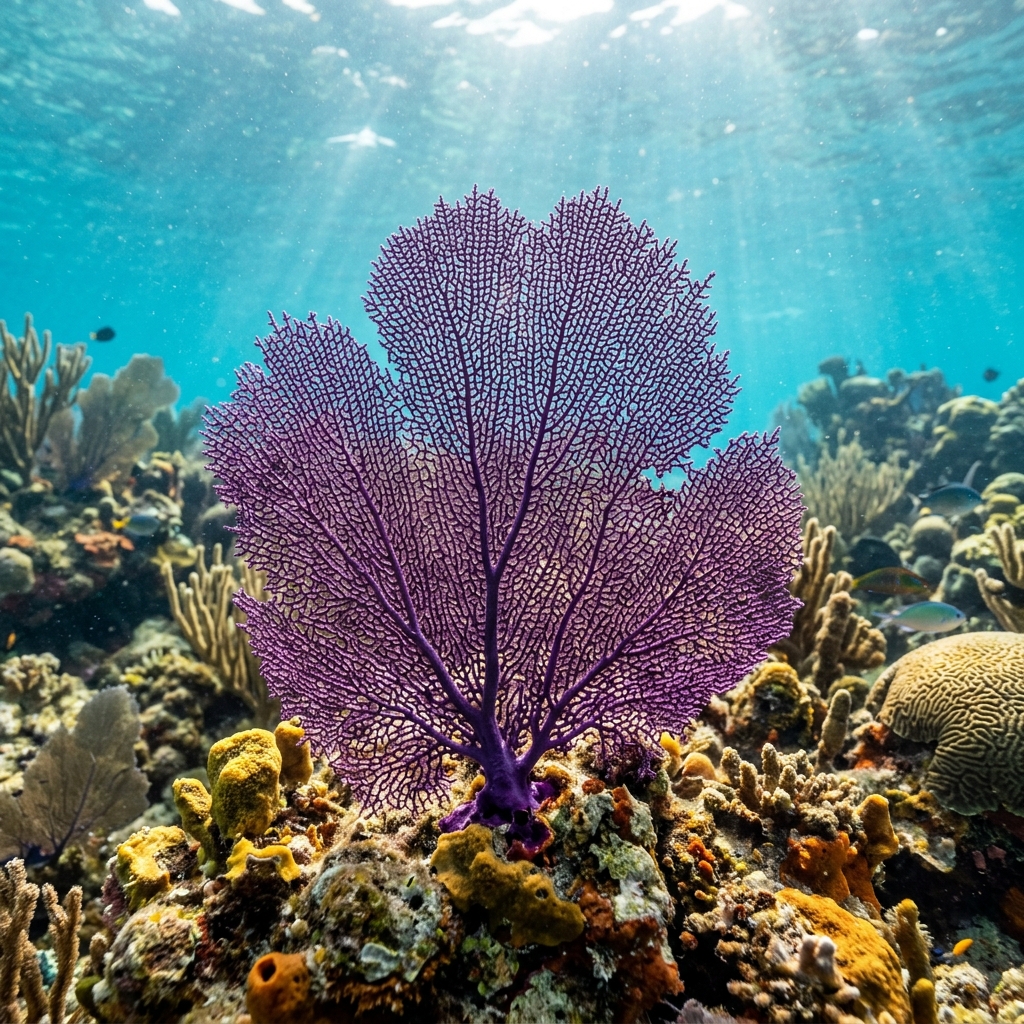
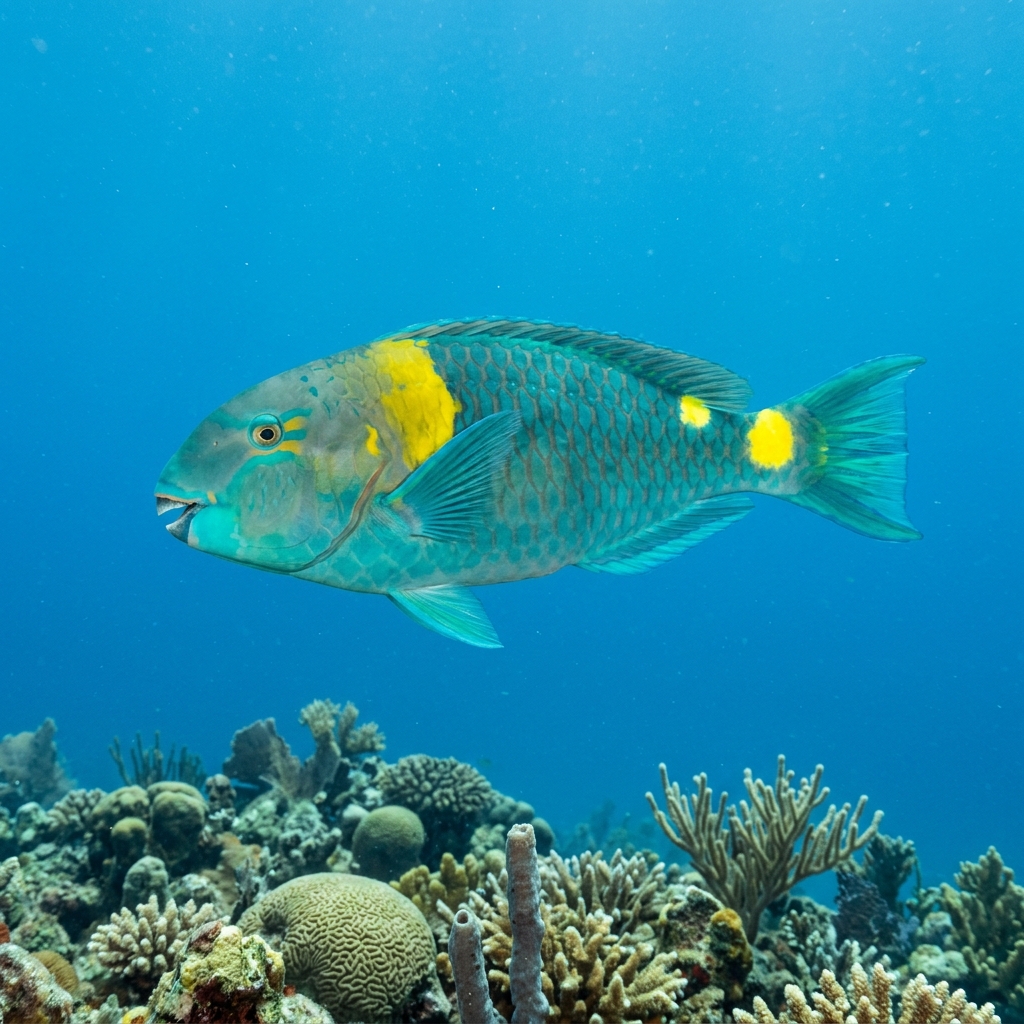
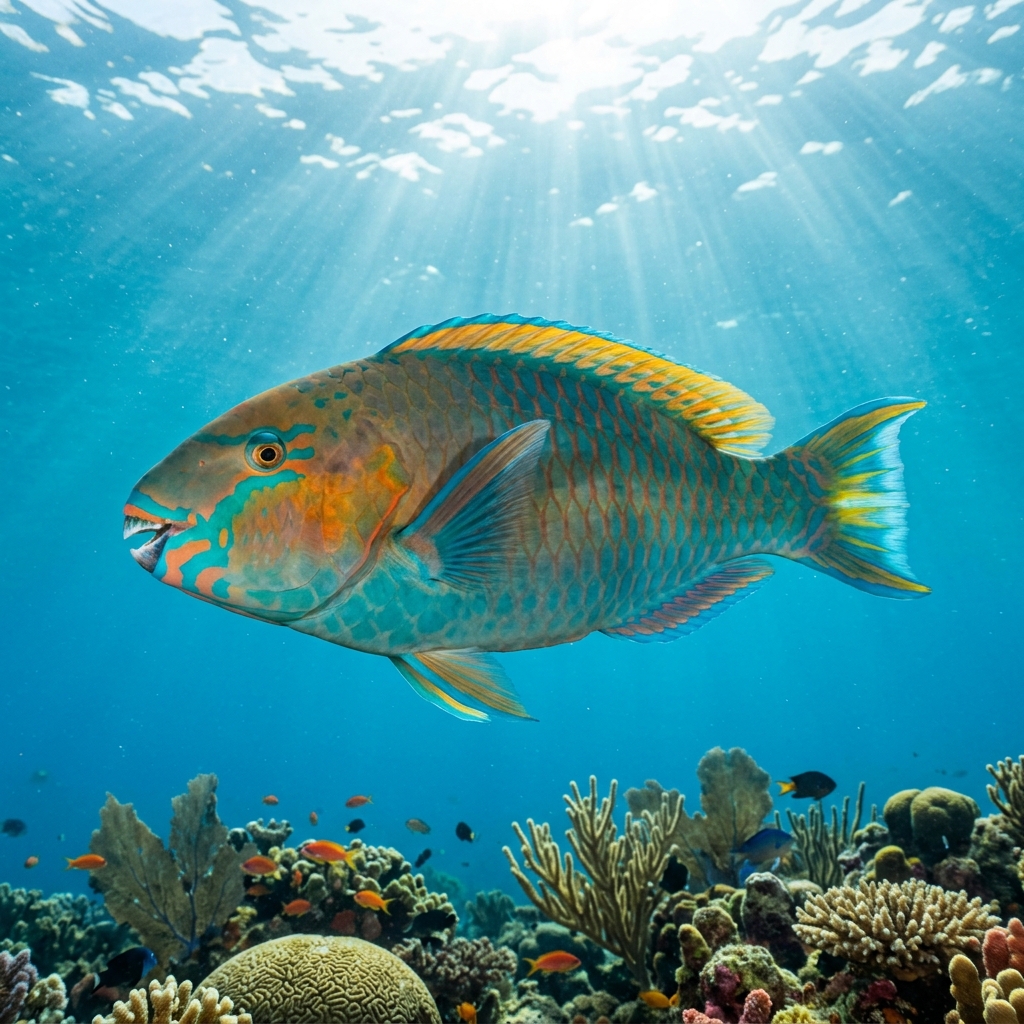
Hol Chan Cut is a protected reef pass located off Ambergris Caye, Belize. This drift dive site features a mix of reef and artificial structures at depths between 2 and 9 metres. Divers and snorkellers frequently encounter nurse sharks, great barracuda, green morays, and various stingrays. The area also hosts wrasses, stoplight parrotfish, blue tang, and queen angelfish among purple sea fans. With visibility ranging from 15 to 30 metres and mild currents, the site is suitable for beginners. Access is by boat only, and visitors should be aware of boat traffic, sea urchins, and sharp coral. Night diving is permitted at this location.
17.86263, -87.97872
The area around the pass is the most spectacular, and the site is often combined with a visit to nearby Shark Ray Alley.
Hol Chan Cut can only be visited during guided boat tours, which leave from San Pedro on Ambergris Caye. It takes 5 to 10 minutes to reach the site by boat.
Recorded at this site
Depth
Up to 9m
Visibility
15-30m
Skill Level
Beginner
Entry
Boat
Boat required
Water Temp
27-30°C
Current
Mild
Typical Dive
150 min
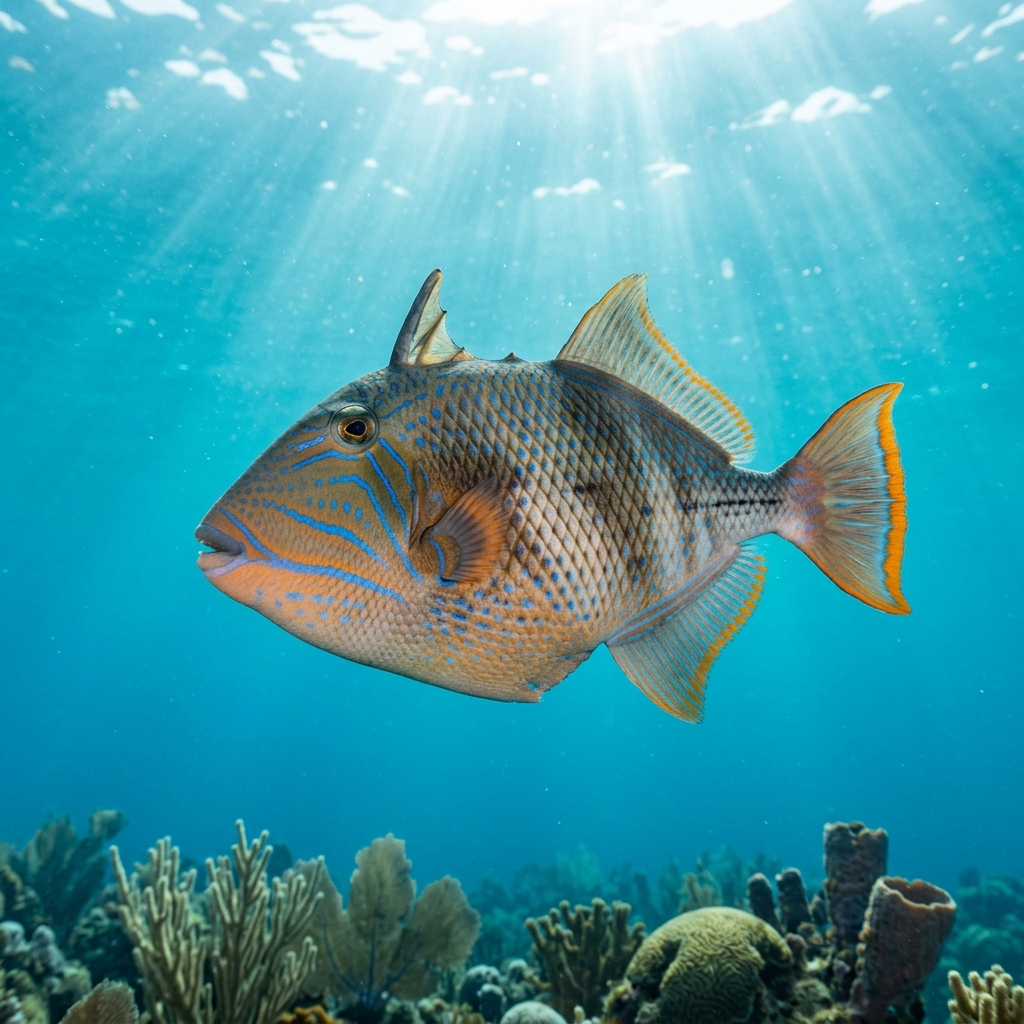
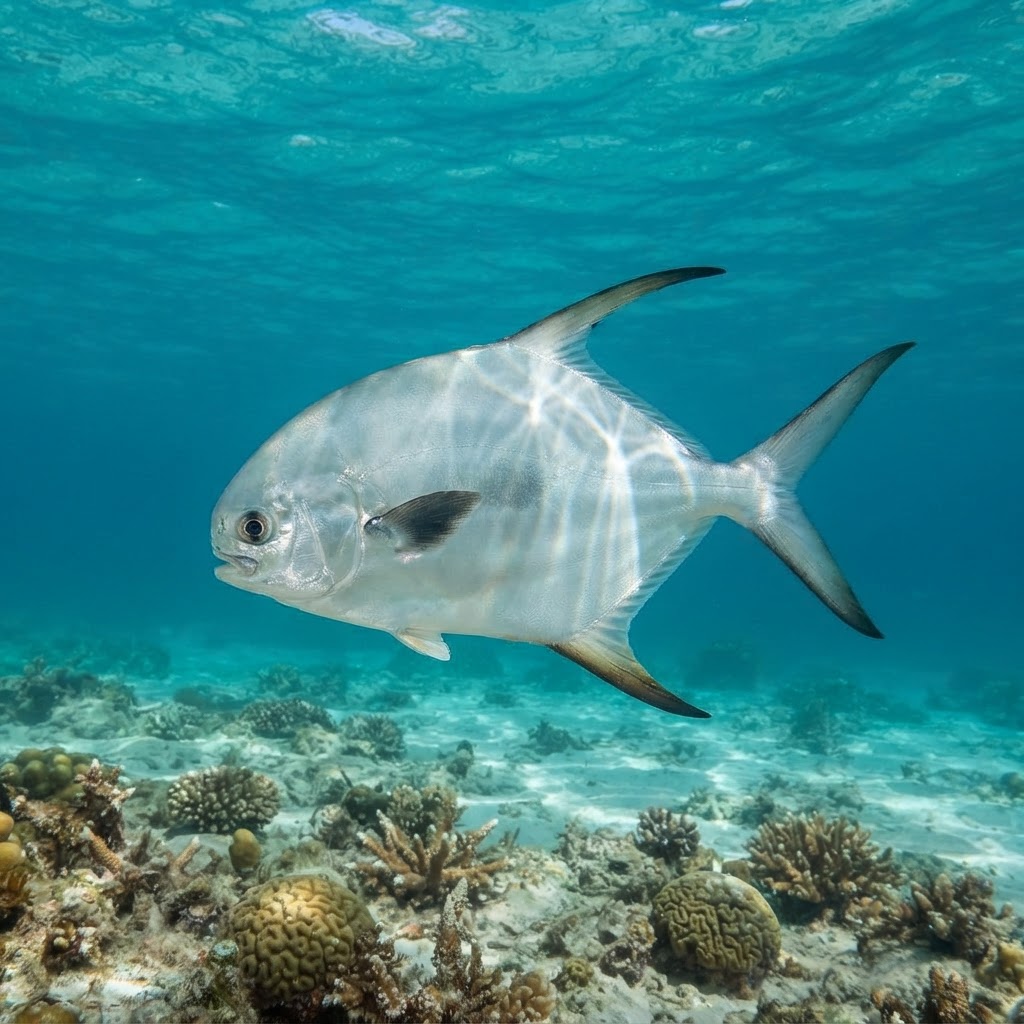
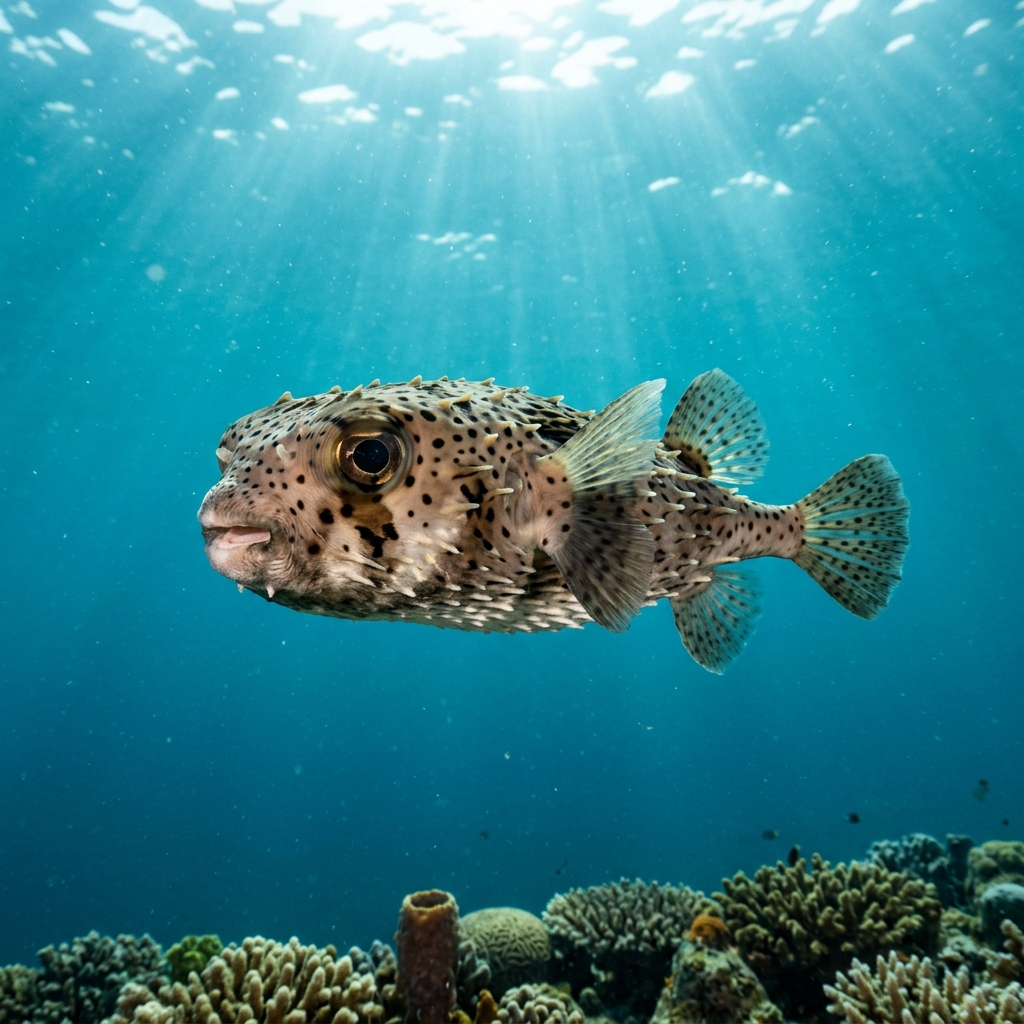
Divers and snorkellers regularly encounter nurse sharks, great barracuda, green morays, stingrays, wrasses, stoplight parrotfish, blue tang, and queen angelfish.
Yes, Hol Chan Cut is suitable for beginners, offering mild currents and depths averaging 9 metres.
The depth at Hol Chan Cut ranges from 2 to 9 metres, with an average depth of 9 metres.
Yes, boat access is required to reach this site, which is located approximately 4800 metres from the shore.
Yes, Hol Chan Cut is a popular location for snorkelling, holding a rating of 4 out of 5 for the activity.
A rashguard or 2mm shorty is recommended for diving at Hol Chan Cut in San Pedro. Water temperatures range from 27°C to 30°C.
Hol Chan Cut in San Pedro typically has mild currents that most divers can handle comfortably.
Visibility at Hol Chan Cut in San Pedro typically ranges from 15 metres to 30 metres. Conditions vary with weather, tides, and seasons.