Balistes vetula
Spot the Queen Triggerfish across Caribbean and Atlantic reefs from Florida to Brazil. Year-round in warm water, 22-28 °C. ID tips and top dive regions inside.
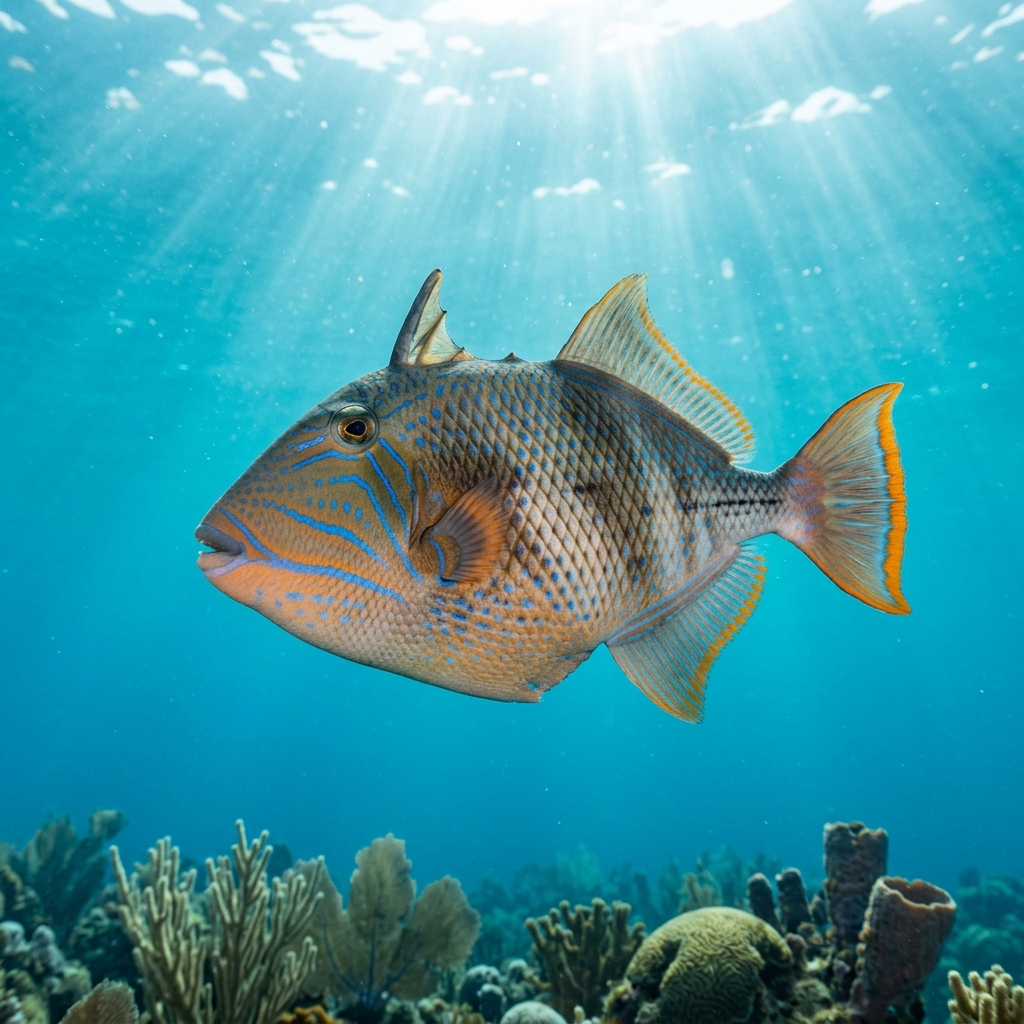
Bold blue lines radiating from the eye and mouth are the easiest field mark, set against a blue-green to yellow-orange body that shifts colour with mood and light. The tail has two elongated streamer lobes in adults, trailing behind like pennants, and the lips are distinctively blue. Compared with other Atlantic triggerfish, the combination of facial linework and streamers makes it one of the more recognisable members of the family.
Usually encountered alone, patrolling sandy rubble patches and reef edges in relatively shallow water, where it uses powerful jaws to bite into urchins, crustaceans, and coral rubble. It tends to be wary rather than bold around divers, often circling slowly before retreating to deeper cover if approached too quickly. Give it space and move slowly and it will often resume feeding, letting you watch at close range.
Queen Triggerfish can change colour intensity rapidly, shifting from muted blue-grey when stressed or resting to vivid blue-green and orange-yellow when active or displaying, making the same individual look strikingly different within seconds.
No clear seasonal peak has emerged from the sighting data, so treat it as a year-round species. It sits comfortably in water between 22 and 28 °C, which describes tropical and subtropical Atlantic reef conditions through most of the year.
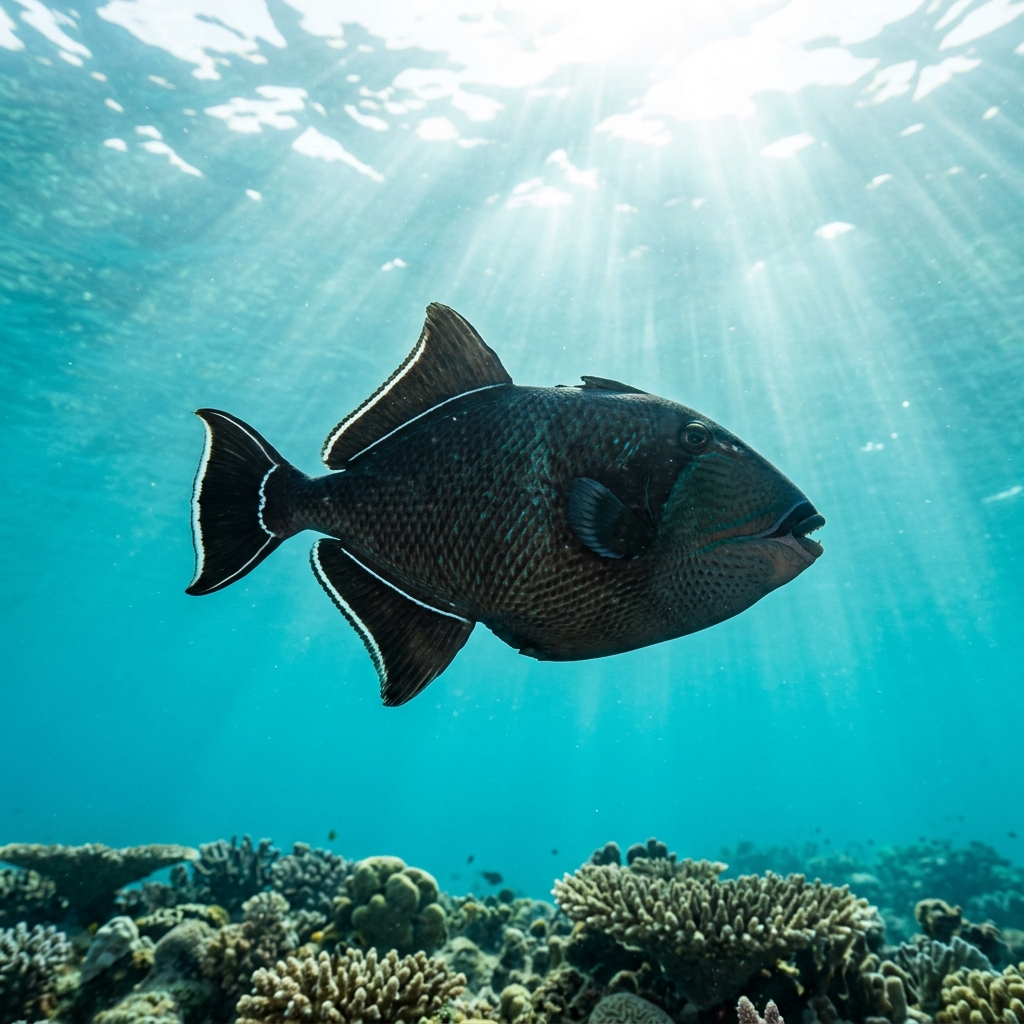
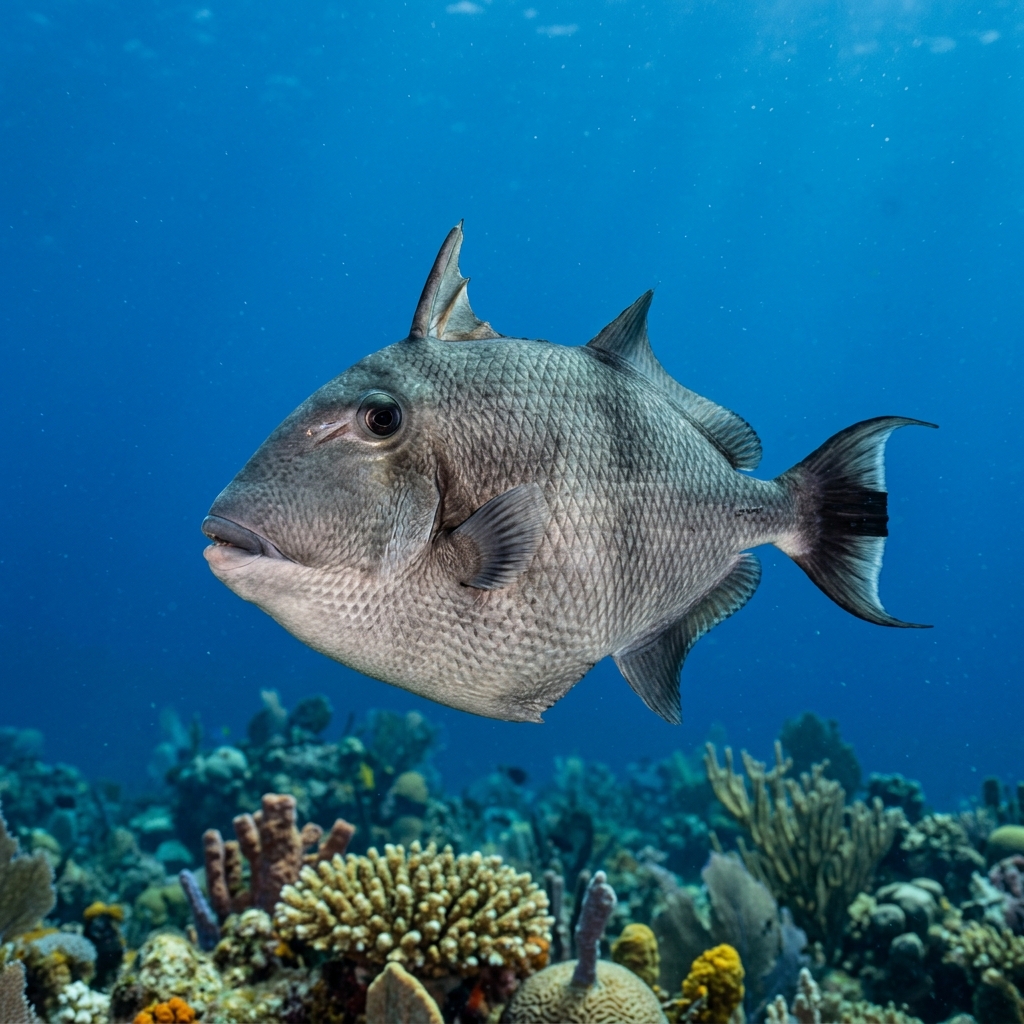
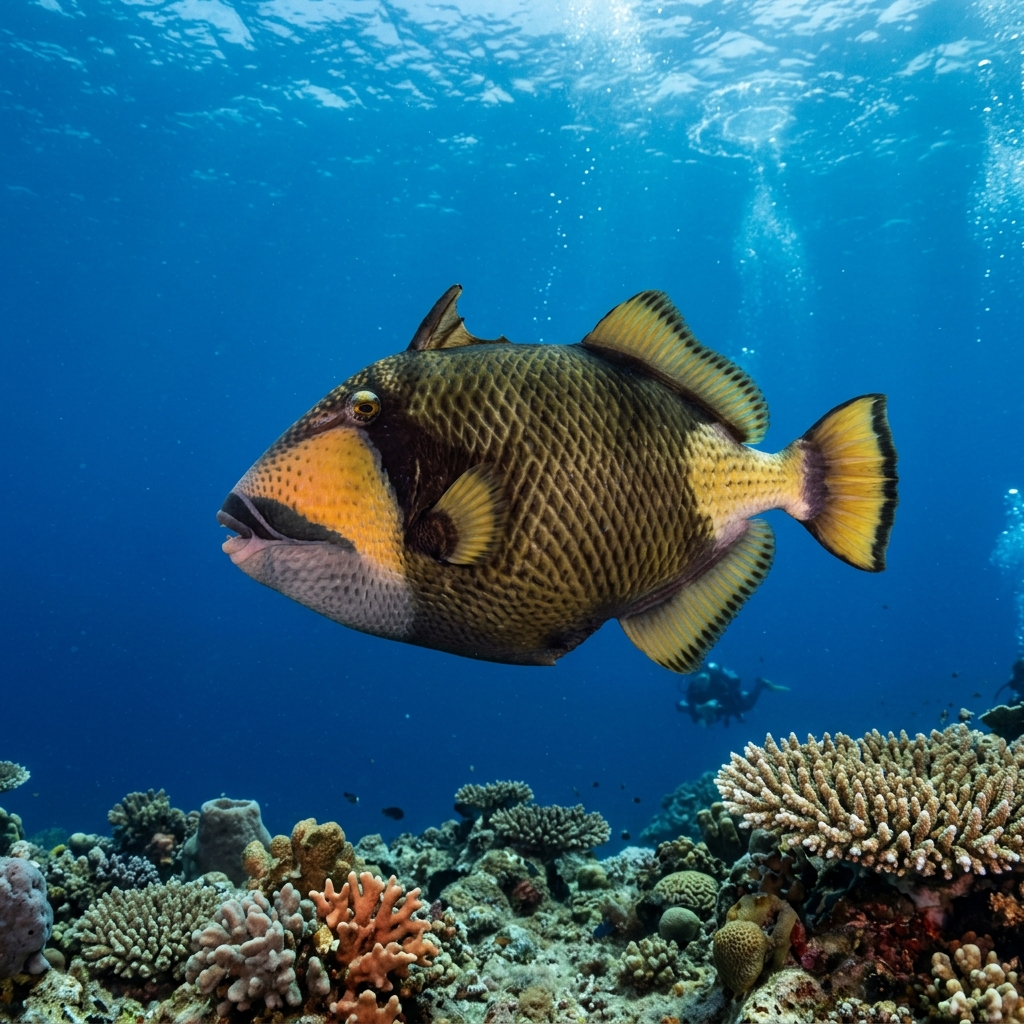
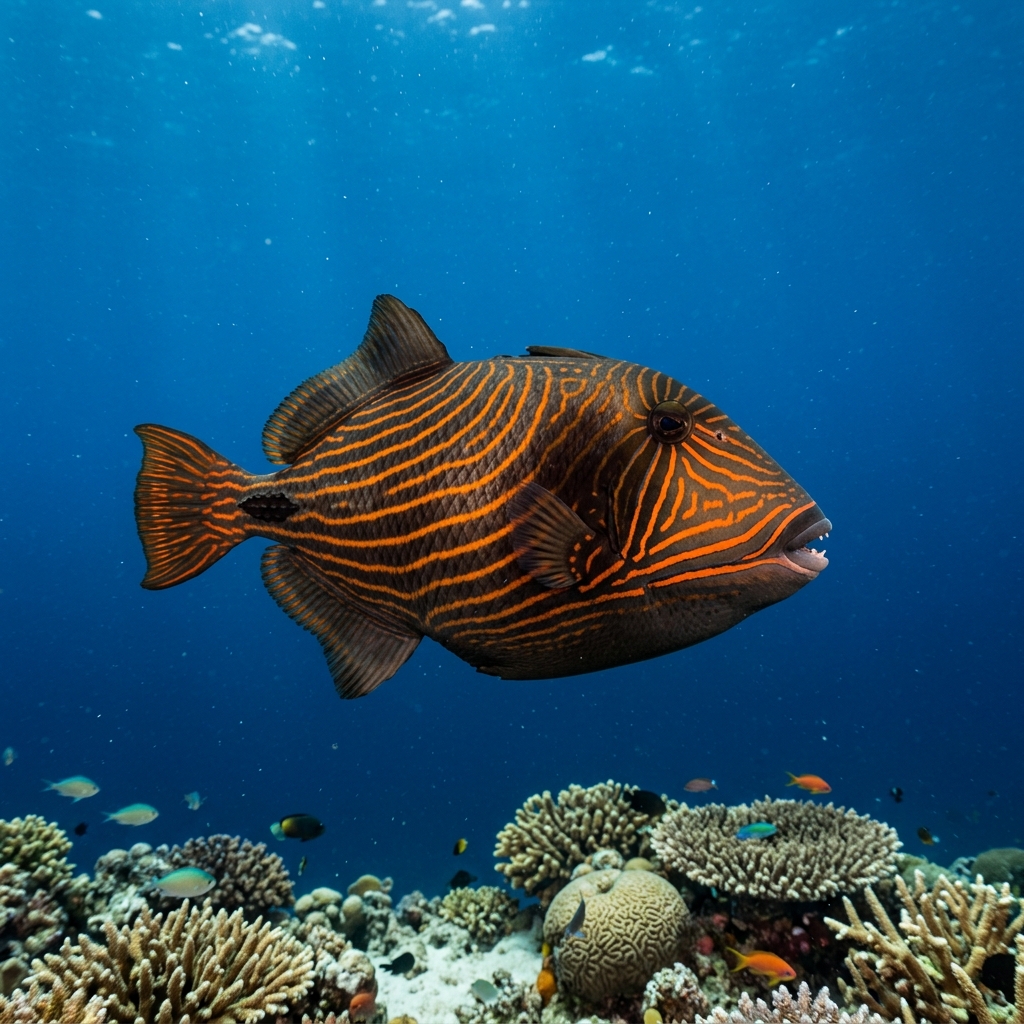
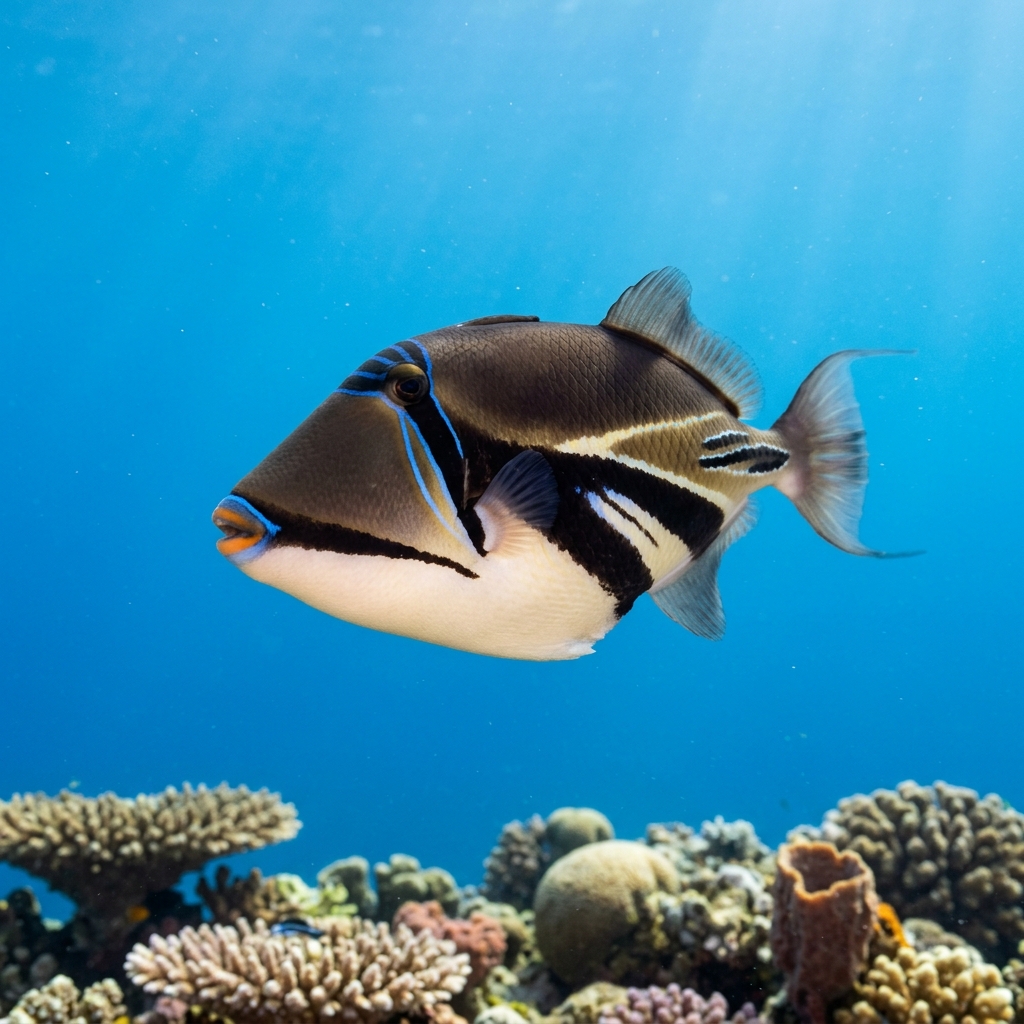
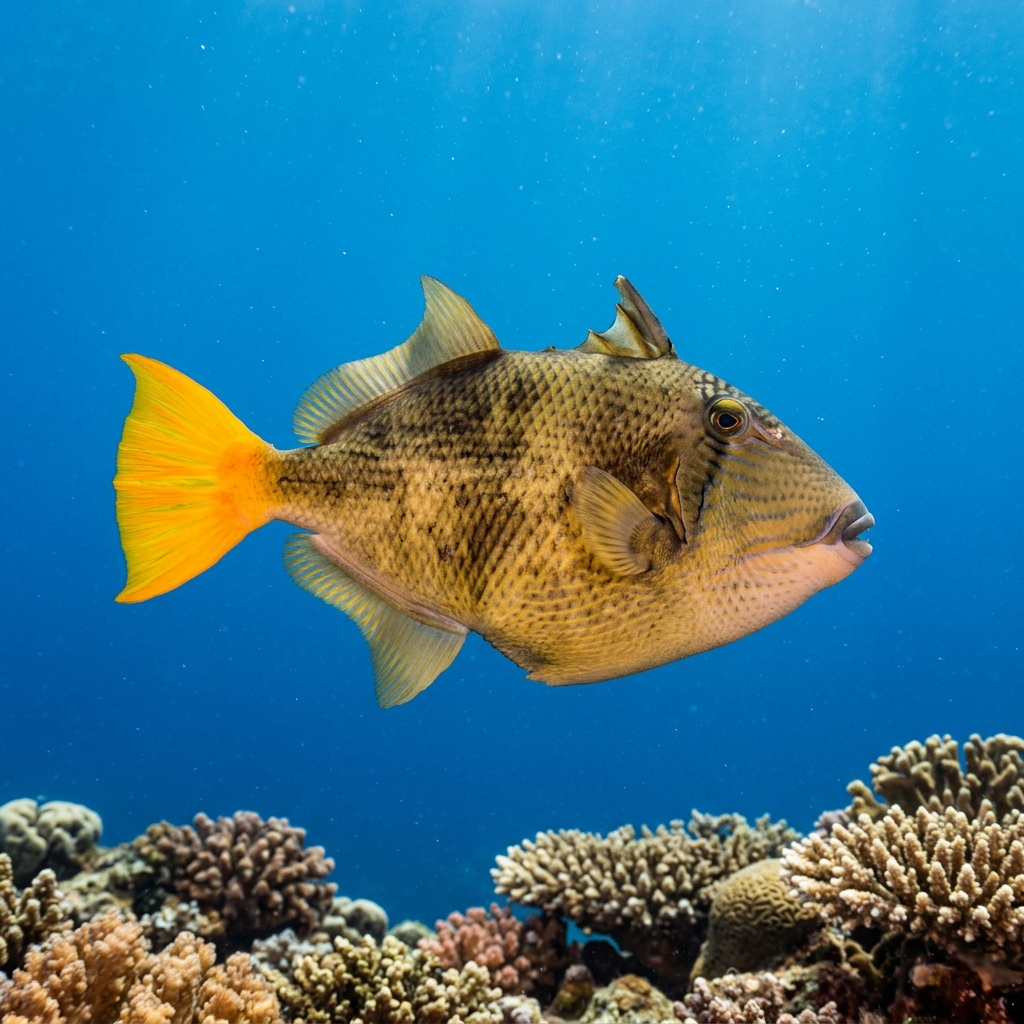
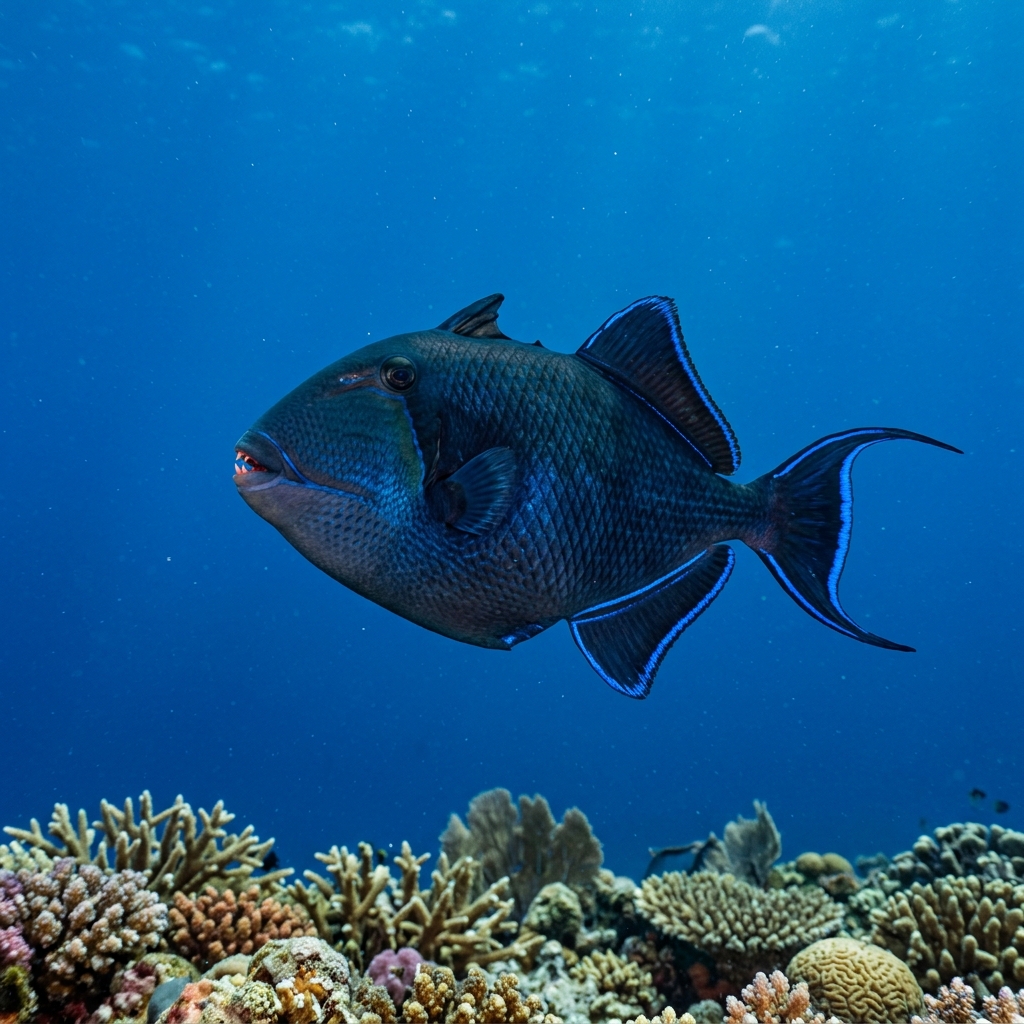
Reef neighbours a diver could mistake it for. Use the identification notes above to tell them apart.
Most strongly represented across the Caribbean and tropical Atlantic, with the largest number of sites logged in the United States (particularly Florida and the Southeast), Brazil (especially the Rio de Janeiro and São Paulo coast and the Northeast Coast), Cuba (notably the Jardines del Rey region), and Venezuela. The Bahamas, Belize, Mexico's Yucatán Peninsula, and the Dominican Republic also offer solid coverage for divers targeting this species.
Mapping where Queen Triggerfish is logged…
The strongest coverage is in Florida, Brazil, Cuba, and the Bahamas, with reliable sites also in Venezuela, Belize, Mexico's Yucatán Peninsula, and the Dominican Republic. It is a Caribbean and tropical Atlantic species, so any healthy reef in that range is worth checking.
Sighting data shows no distinct seasonal peak, so it can be encountered year-round across its tropical and subtropical range. It favours water temperatures between roughly 22 and 28 °C, which tropical Atlantic reefs maintain through most of the year.
Look for bold blue lines radiating from the eye and mouth, blue lips, and two long streamer lobes on the tail. The body colour varies from blue-green to orange-yellow but the facial lines and tail streamers are consistent and unique among Atlantic triggerfish.
Adults typically reach around 40 to 50 cm in length, though the elongated tail streamers can add several centimetres to the apparent body length. On the reef they appear moderately large and robust compared with other triggerfish species.
They are currently listed as Near Threatened by the IUCN, one step below Vulnerable. Populations have declined in some areas due to habitat degradation and fishing pressure, so they are not as abundant as they once were on many Caribbean reefs.
Site and sighting data is aggregated from diver logs, iNaturalist and GBIF. For taxonomy and conservation status:
Lagoon Triggerfish
2,435 sites