Haletta semifasciata
A rarely-logged wrasse of South Australia's shallow rocky reefs, found in cool 15-22C water year-round.
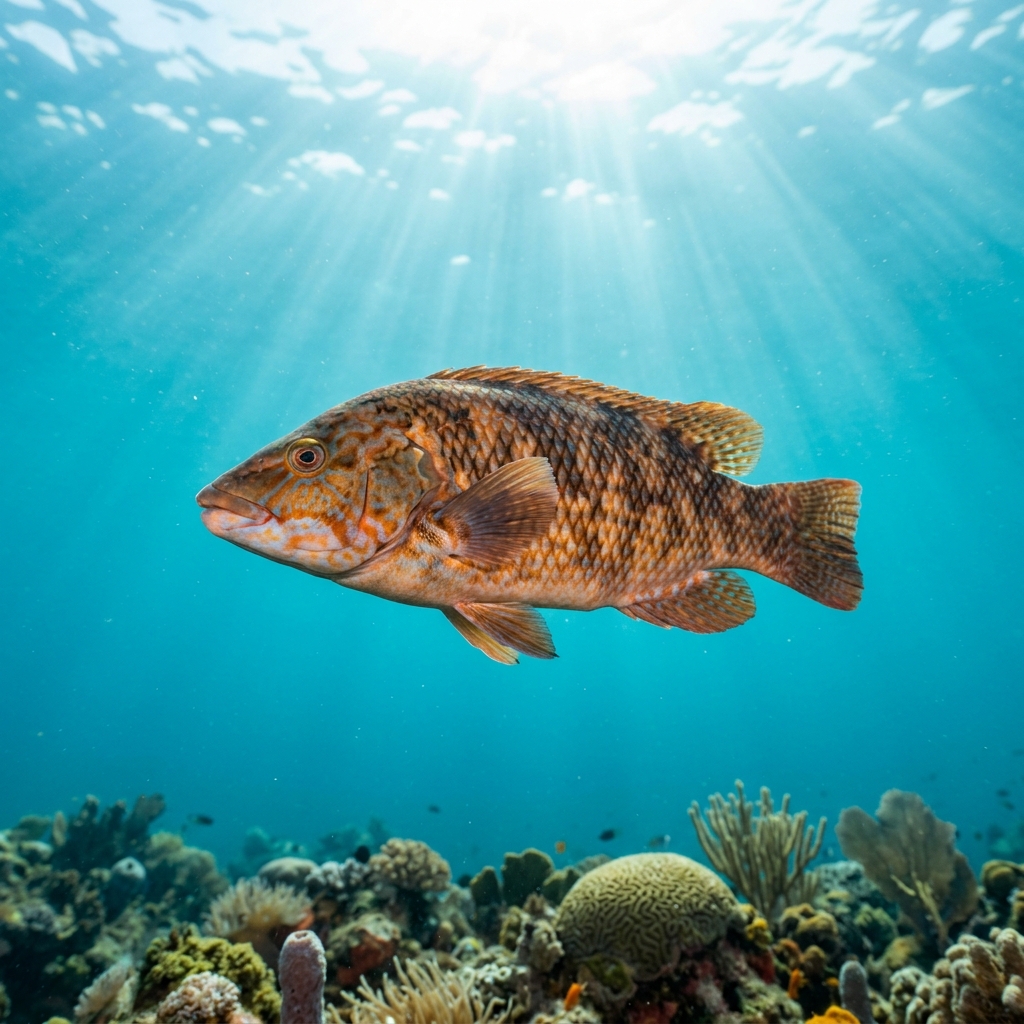
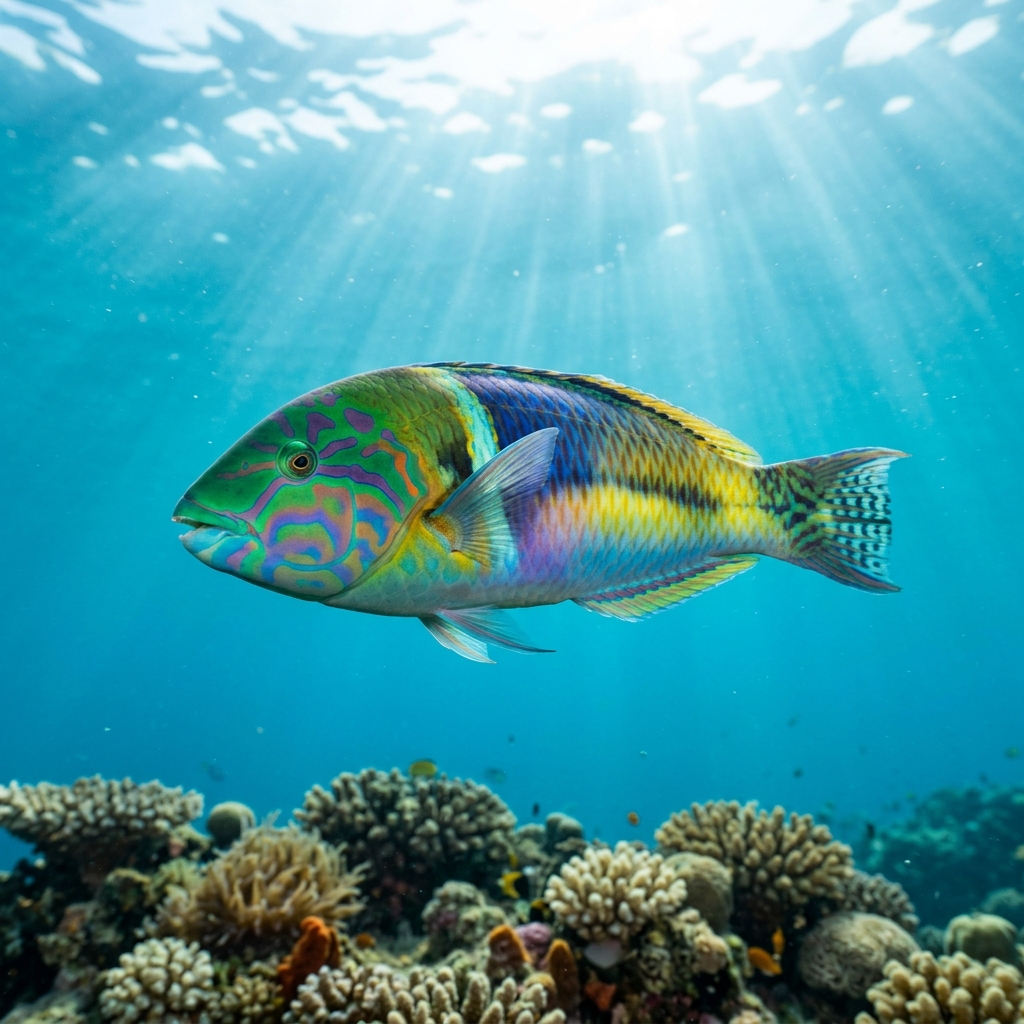
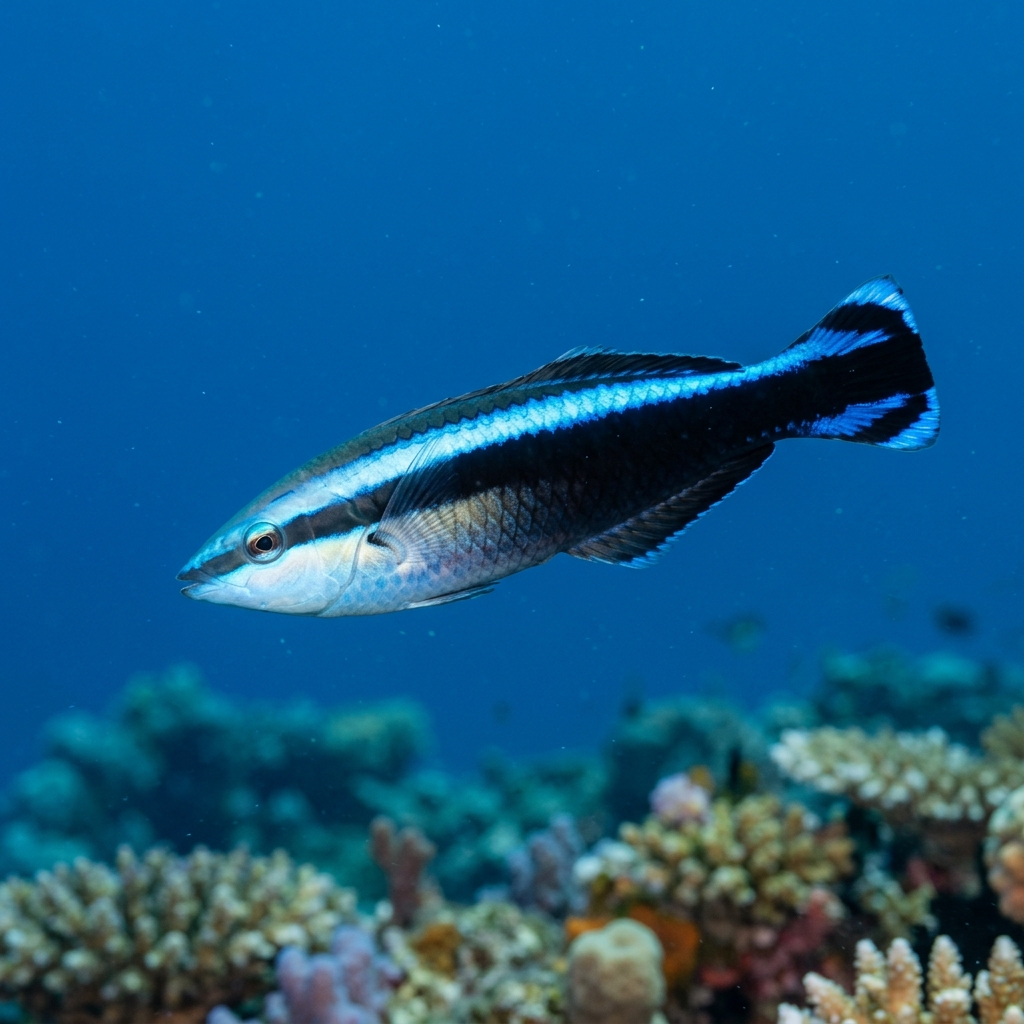
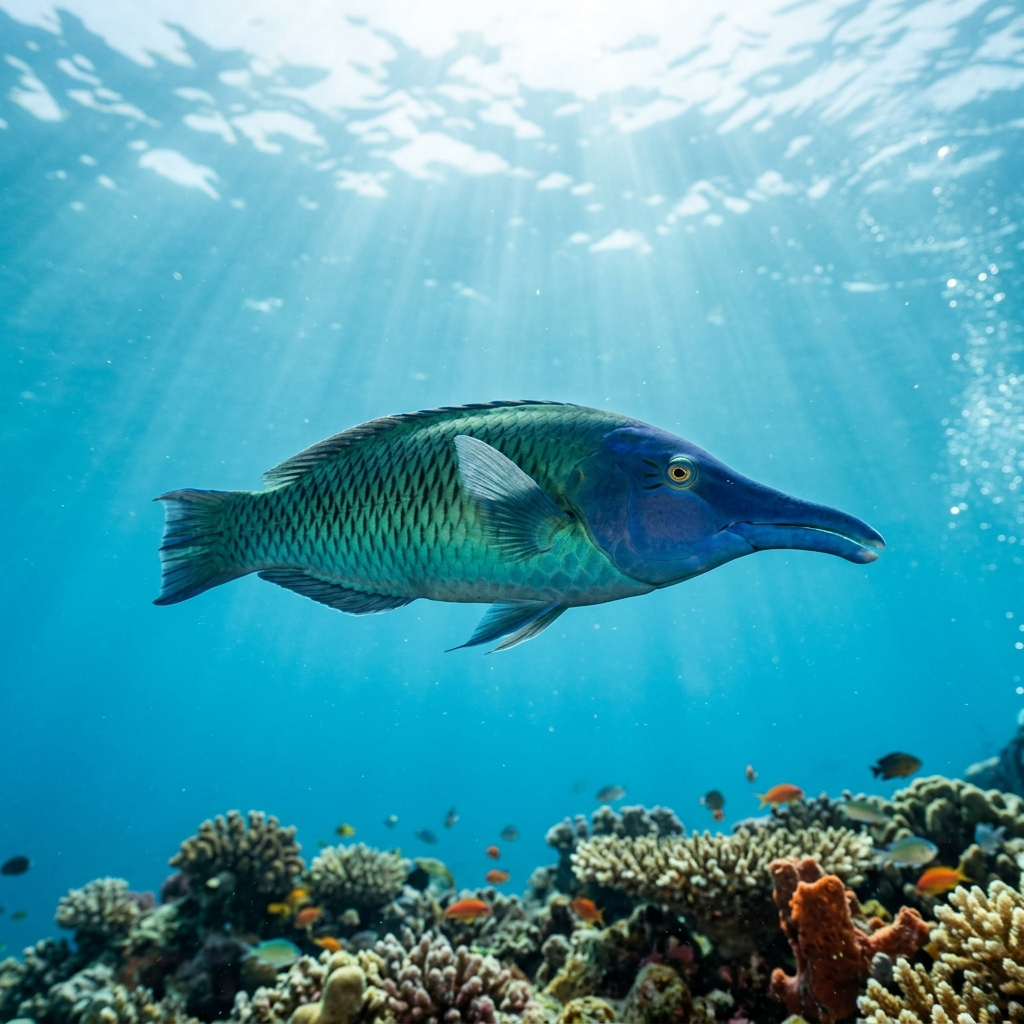
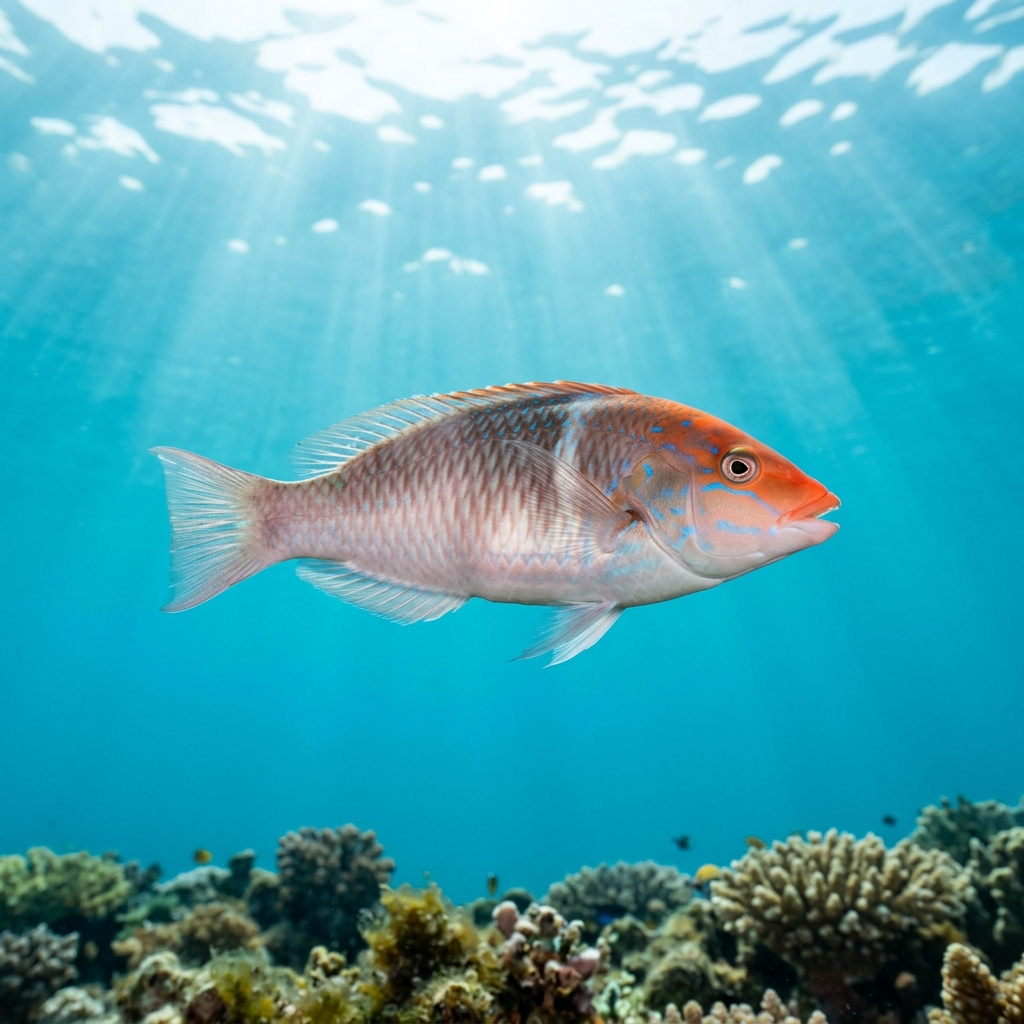
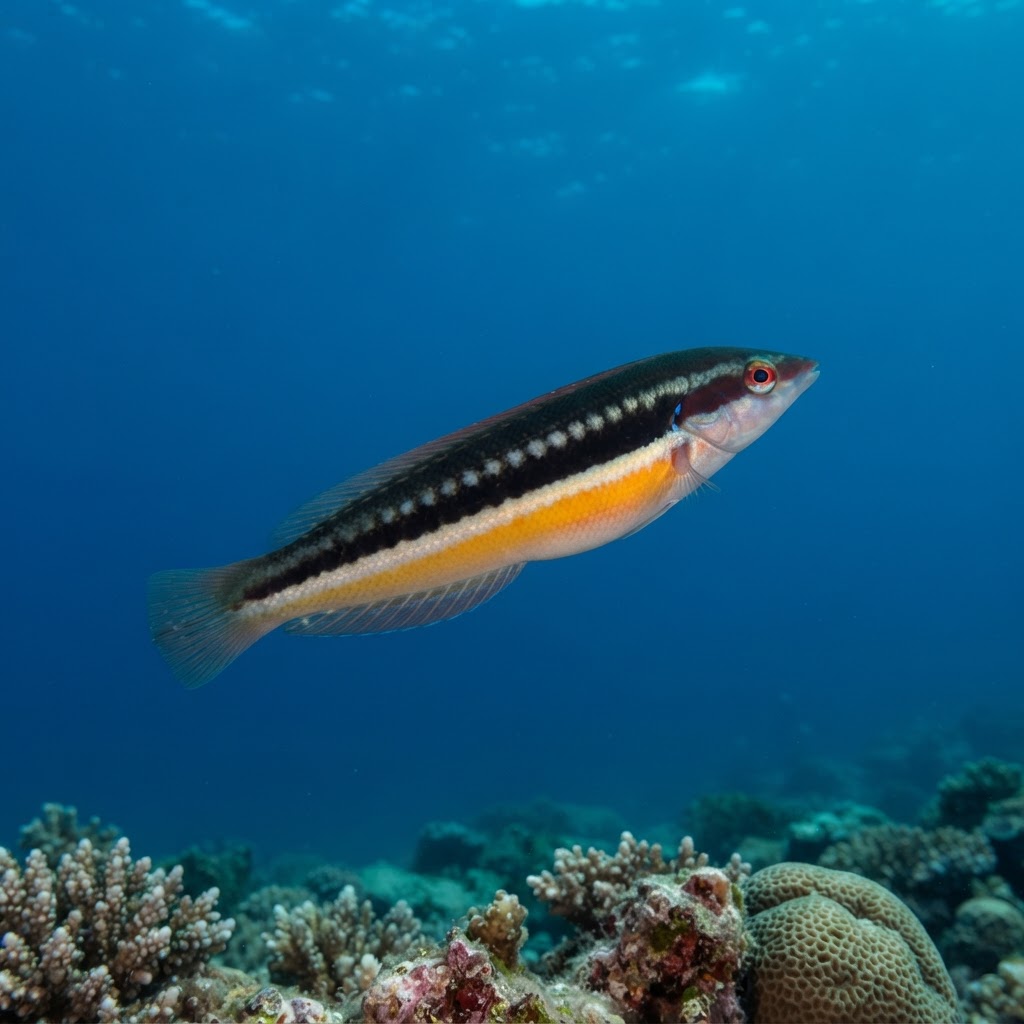
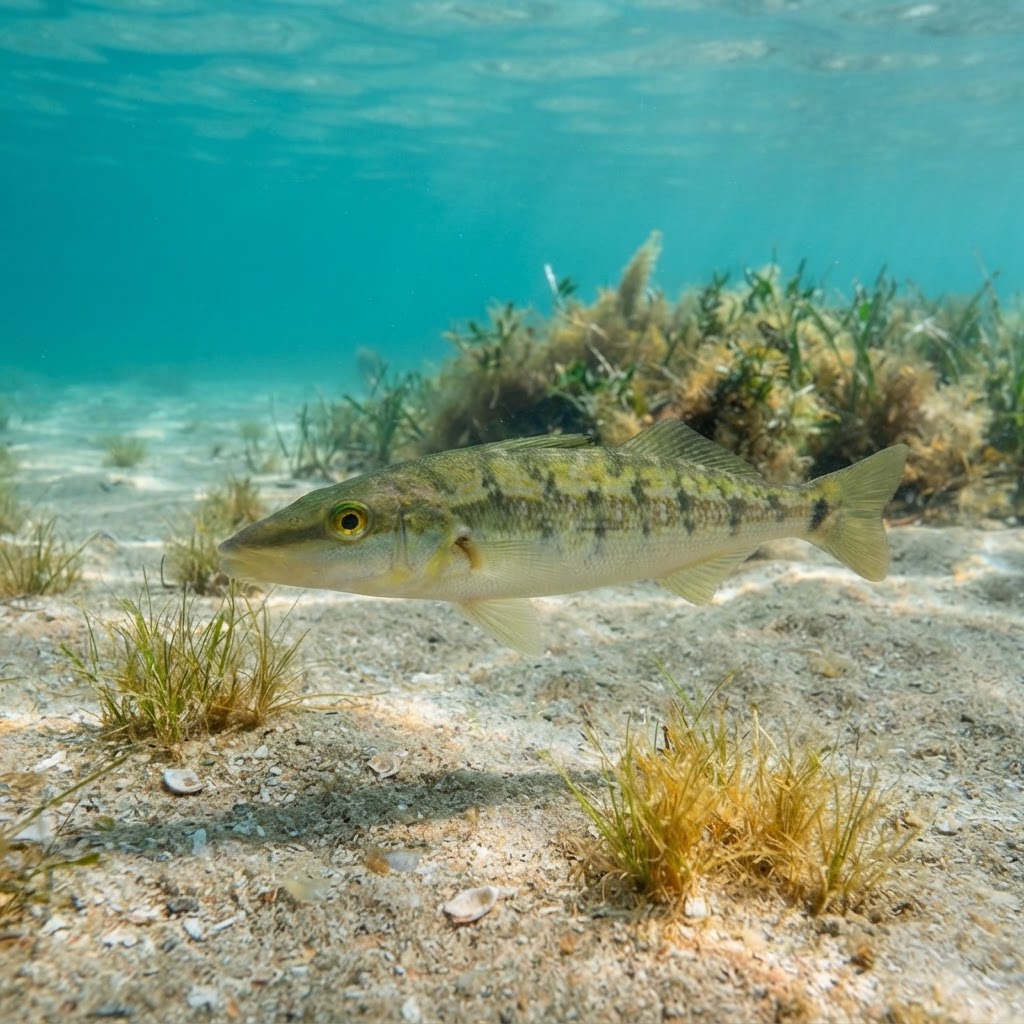
A slim, elongated wrasse around 20 cm long, with a soft blue-grey to olive body and faint darker banding along the flanks that gives it a half-barred look. It swims low and close to the substrate rather than out in open water, with a pointed snout and a slender profile that separates it from the deeper-bodied wrasses on the same reefs. No strong colour split between males and females has been noted in diver reports.
Divers typically find it hovering or picking around low rocky reef and adjacent weed beds in shallow water, rarely deeper than about 7 metres. It tends to stay close to cover and is more often logged as a single fish than in groups, moving off at an unhurried pace rather than bolting when a diver approaches. Most logs describe it as an incidental find while looking over rock and rubble patches rather than a fish divers seek out specifically.
Despite the name it is a wrasse (family Labridae), not a true whiting, and its rarity in logs across most sites suggests it is a fish you have to actively search low reef and rubble to find rather than one that turns up on open swims.
Sightings are spread across the year with no clear seasonal peak in the data, and the observed temperature range of 14.8 to 22.2C matches the cool-temperate water these southern Australian reefs sit in year-round. Plan around the site and depth rather than a particular month.
Almost every logged sighting comes from Australia, with South Australia the strongest area for encounters, followed by Western Australia, Victoria and Tasmania. Sites in these states cover shallow rocky reef and seagrass-fringed rock, the habitat this fish sticks to.
Mapping where Blue Rock Whiting is logged…
It is essentially an Australian species, most reliably logged in South Australia, with further sightings in Western Australia, Victoria and Tasmania. Look for shallow rocky reef habitat rather than open sand or deep drop-offs.
There is no strong seasonal pattern in sightings, so it can turn up year-round on the cool-temperate reefs it favours, where water sits between roughly 15 and 22C.
Look for a slender, blue-grey to olive wrasse around 20 cm long with faint banding along the body, hugging low rocky reef rather than swimming in open water. Its elongated shape and close-to-the-bottom habit are the easiest clues.
They reach around 20 cm in length, making them a small, easy-to-overlook fish among the rocks and weed of southern Australian reefs.
Most divers who log this species describe it as rare or uncommon at the site, with only a handful of locations reporting it as common. It is a fish worth actively looking for in shallow rocky habitat rather than expecting on every dive.
Site and sighting data is aggregated from diver logs, iNaturalist and GBIF. For taxonomy and conservation status:
Bird Wrasses
3,632 sites