Dactylophora nigricans
Dusky morwong turn up on temperate reefs across Victoria and South Australia in cool 14 to 21C water, year-round and usually solo.
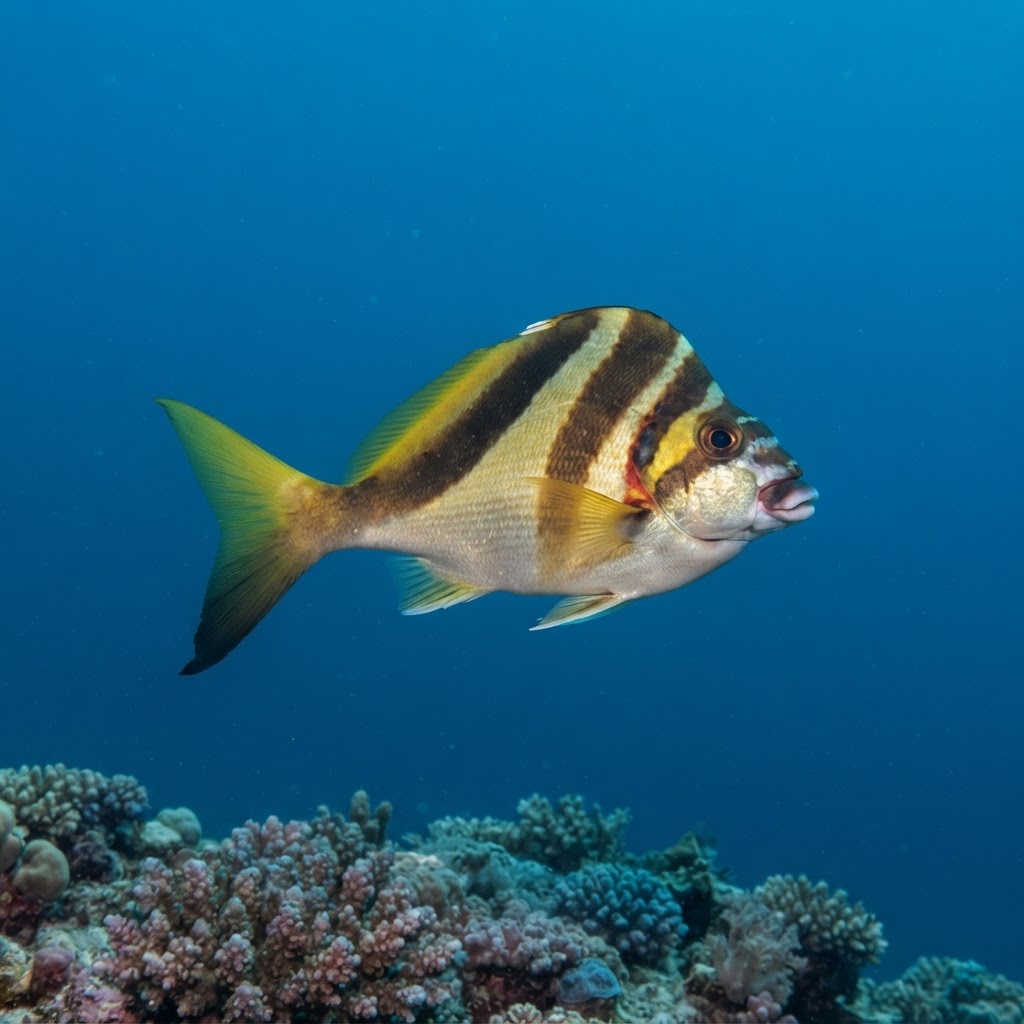
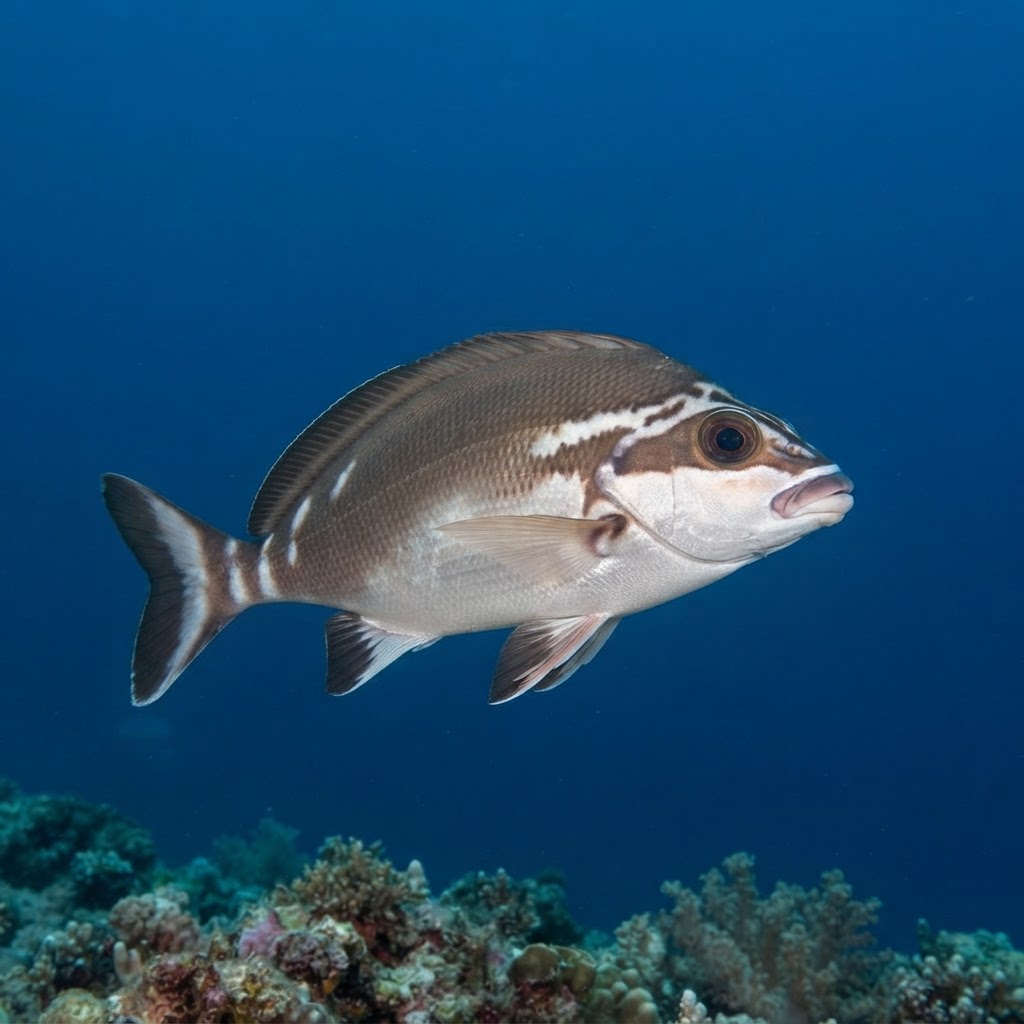
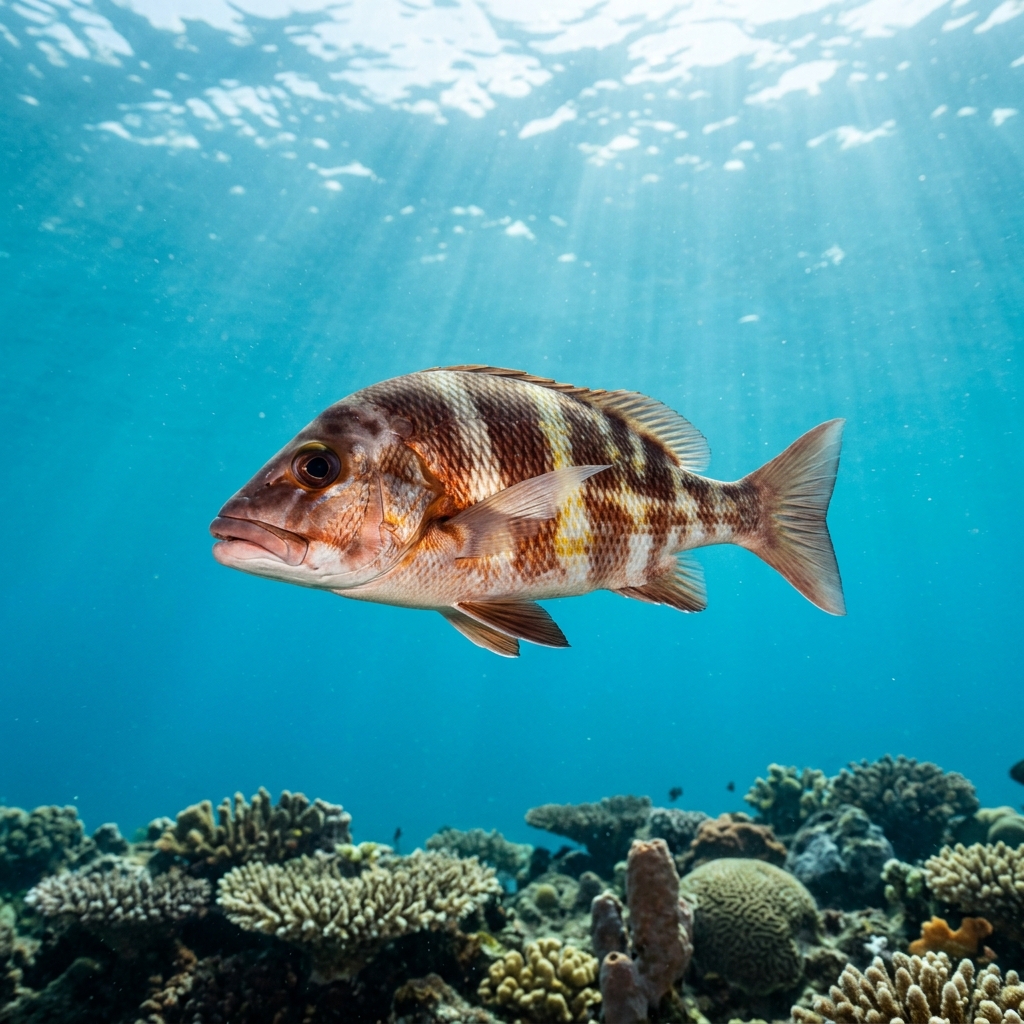
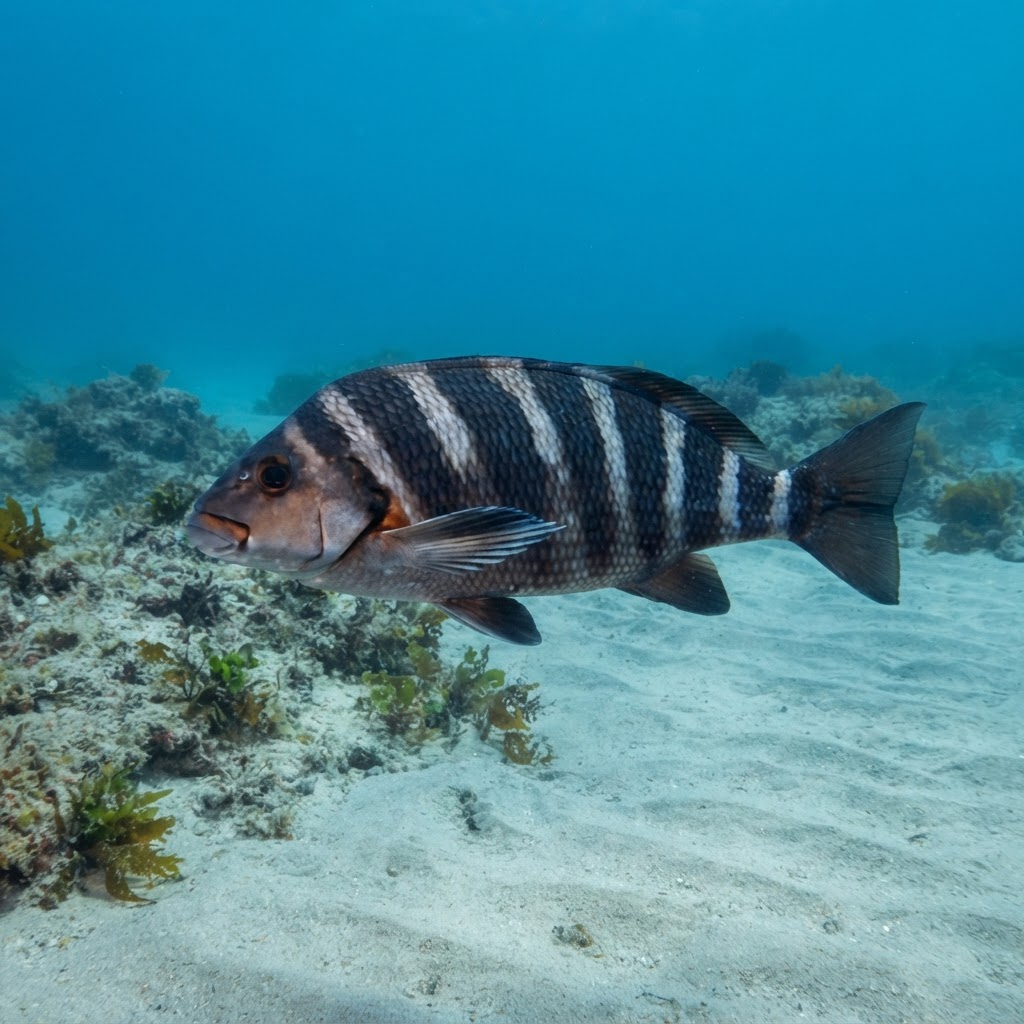
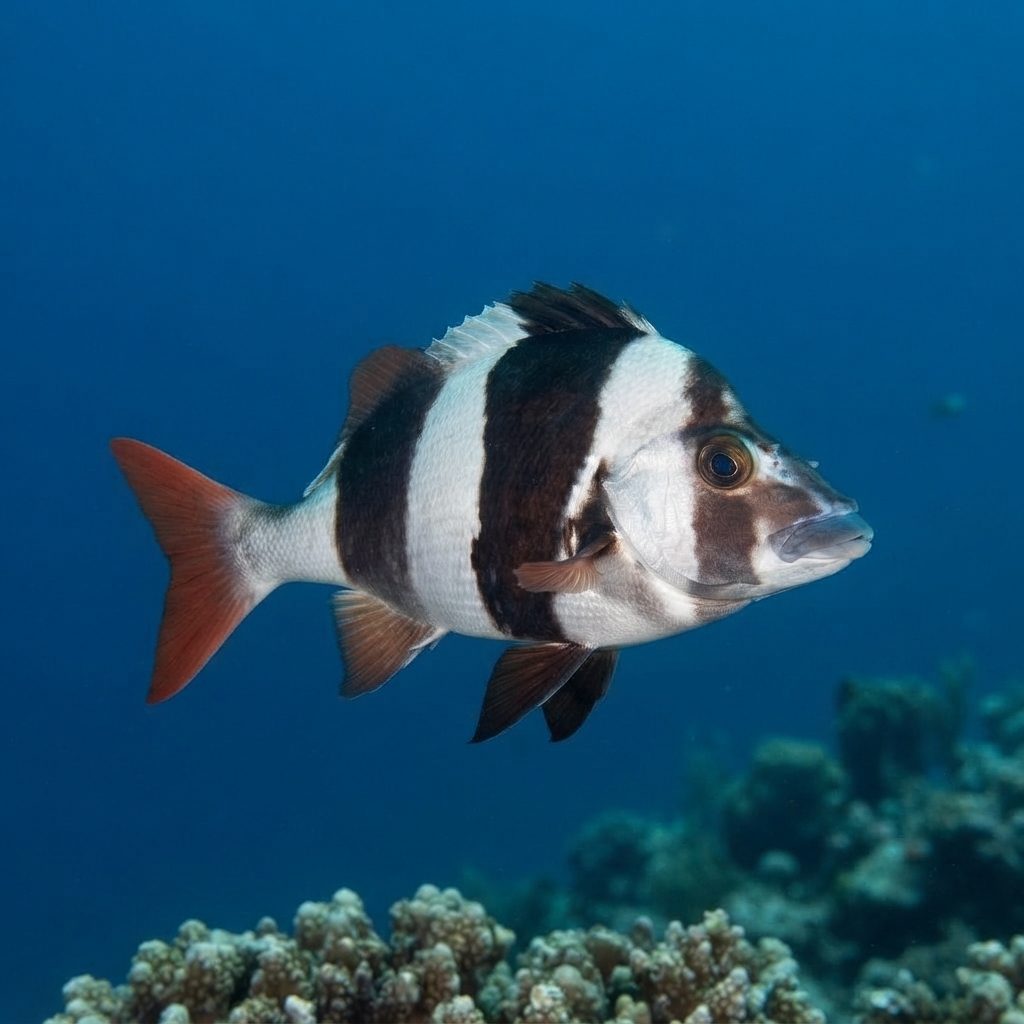
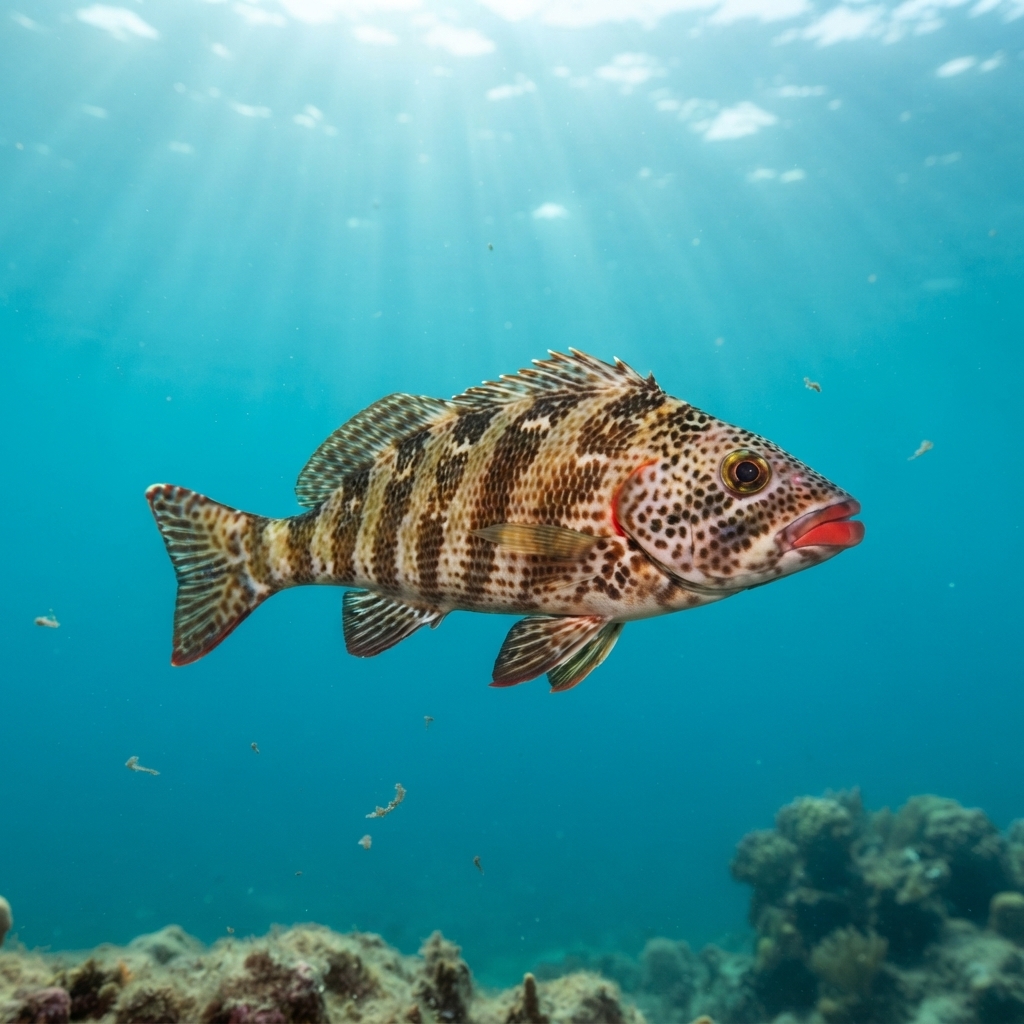
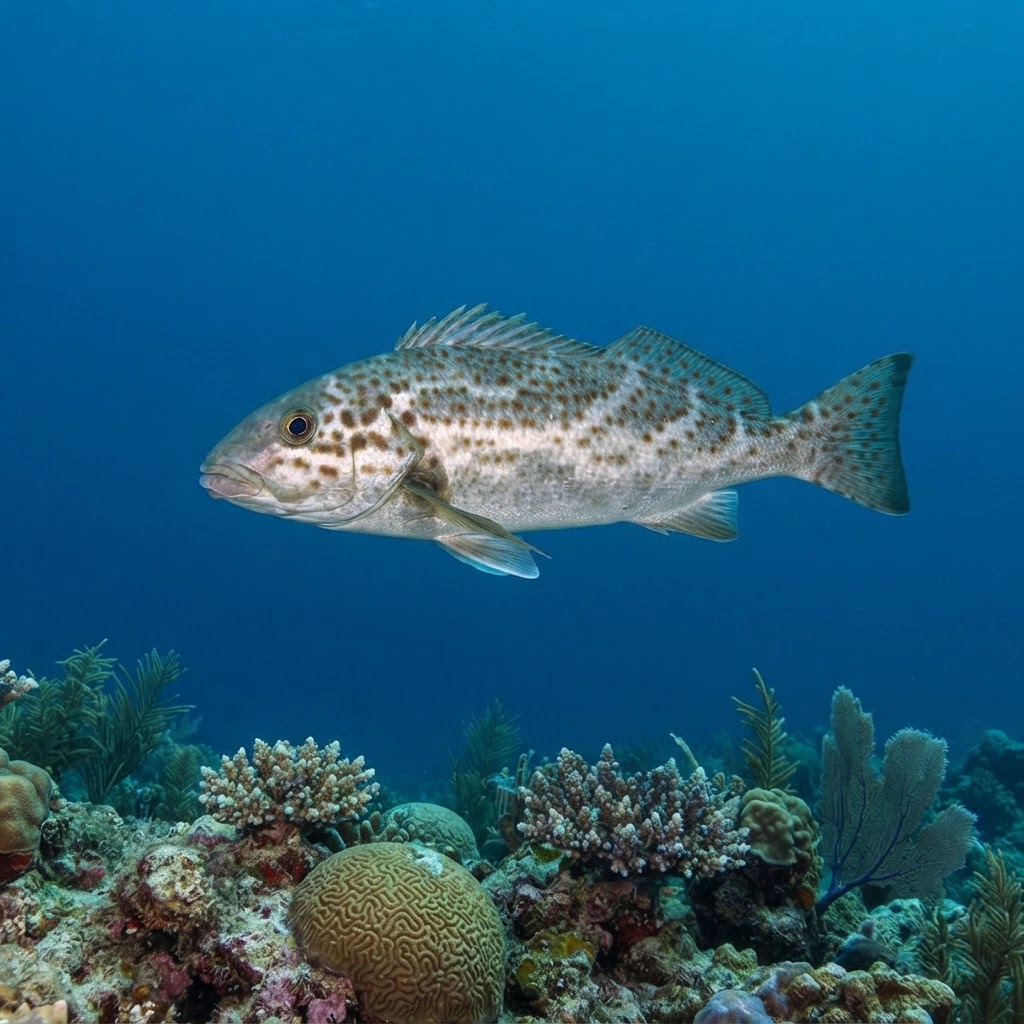
Bulky, elongated body reaching close to a metre, in mottled shades of grey-brown that blend into rocky reef and kelp backgrounds. Look for the humped profile behind the head, thick lips, and a long dorsal fin running most of the back. Divers usually spot one hanging low over reef rubble or resting under a ledge rather than swimming in open water.
Usually seen alone, sitting low near reef structure or drifting slowly close to the bottom rather than schooling or patrolling open water. It tends to hold its ground when divers approach, which makes for an easy, unhurried look rather than a chase. Most logs describe it as uncommon at a given site, so a sighting feels like a highlight of the dive rather than a given.
It is an omnivore, grazing across a mix of invertebrates and algae on the reef, which ties it closely to healthy temperate rocky-reef habitat rather than open sand or rubble.
Sightings show no clear seasonal spike, so it is logged year-round; the observed 14.4 to 20.9C range fits the cool temperate water off southern Australia in any month rather than a warm-season pulse.
Reef neighbours a diver could mistake it for. Use the identification notes above to tell them apart.
Most reliably logged on temperate reefs in Victoria, South Australia and Western Australia, with Victoria carrying the strongest count of sites. This is an Australia-only entry in the data, so it is worth building a temperate reef trip specifically around southern Australian coastlines rather than expecting it elsewhere.
Mapping where Dusky Morwong is logged…
Southern Australia is the place to look, with Victoria, South Australia and Western Australia all producing regular sightings. Victoria has the most logged sites, so temperate reef dives there give the best odds.
There is no strong seasonal pattern in the sightings, so they are logged year-round. Water temperature on these reefs typically sits between about 14 and 21C, which suits this species at any time of year.
Look for a bulky, mottled grey-brown body up to around 84cm, a humped head profile, thick lips, and a long dorsal fin. It is usually found resting near reef structure rather than swimming in the open, which helps separate it from more active reef fish.
They reach roughly 84cm in length, making them one of the larger fish you will encounter resting on southern Australian temperate reefs.
Most dive sites report them as uncommon rather than common, with a smaller number of sites logging them as common. That makes a sighting a nice bonus on a temperate reef dive rather than something to expect every time.
Site and sighting data is aggregated from diver logs, iNaturalist and GBIF. For taxonomy and conservation status:
Crested Morwong
172 sites