Portunus armatus
Look for its paddle-like rear legs and mottled shell on sandy bottoms in Western and South Australia, active in 16-26C water year-round.
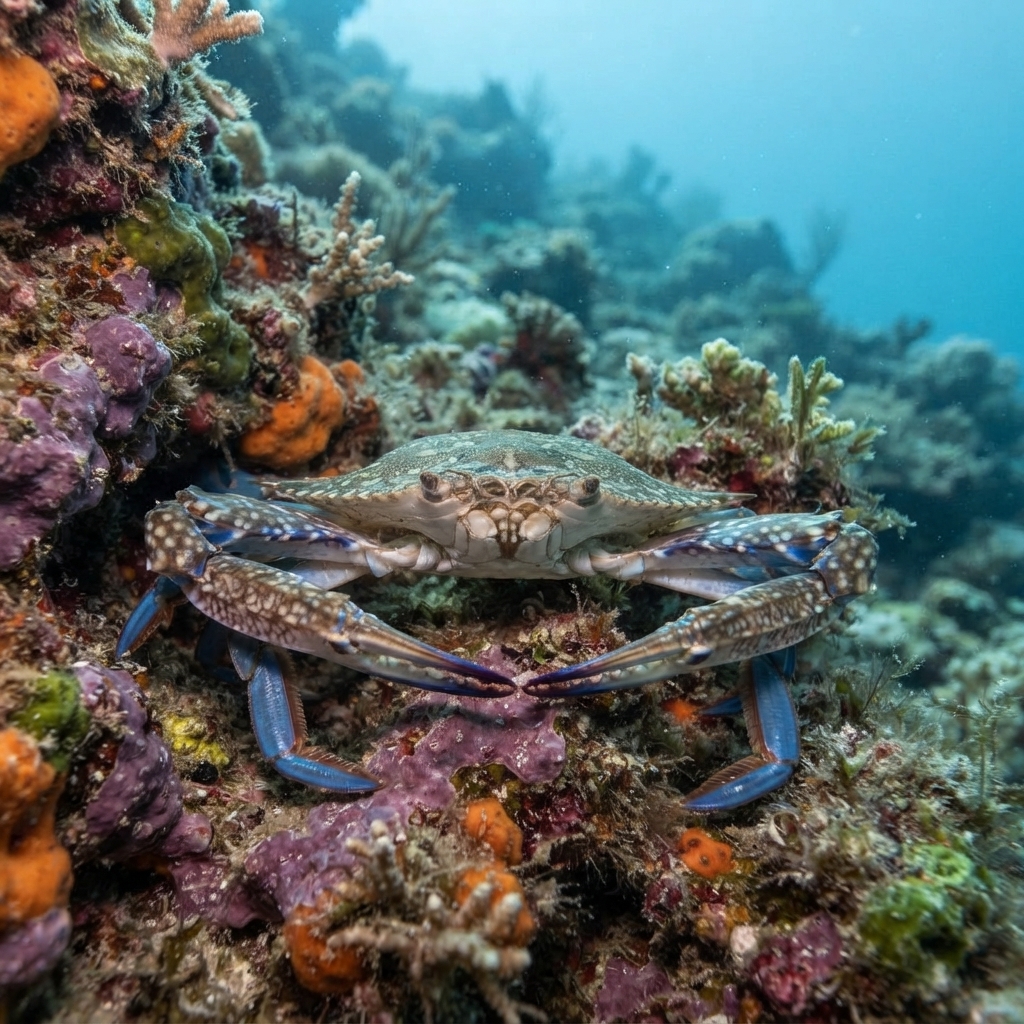
Spotted underwater as a broad, flattened crab up to about 15 cm across, with a mottled blue-grey to olive shell and a distinctive fan-shaped last pair of legs used for swimming rather than walking. Males typically show brighter blue tones on the claws and shell edges compared with the duller, browner females. It often half-buries itself in sand with just its eyes and antennae showing, so the giveaway is usually a shallow disturbance in the substrate rather than the whole animal.
Usually seen partly buried in sand or mud on the seafloor, sculling away sideways with a burst from those paddle-like back legs if a diver gets too close. It is a carnivore that forages over open sand and estuary flats, often at dusk or after dark, and generally keeps its distance rather than standing its ground.
Those fan-shaped rear legs are true swimming paddles, letting it scull sideways through open water in short bursts rather than always scuttling along the bottom like most crabs.
Sightings show no strong seasonal pattern, and the 16.2 to 26.2C range it tolerates covers most of the year across southern Australian coastal waters, so it is a reasonable year-round find rather than a seasonal target.
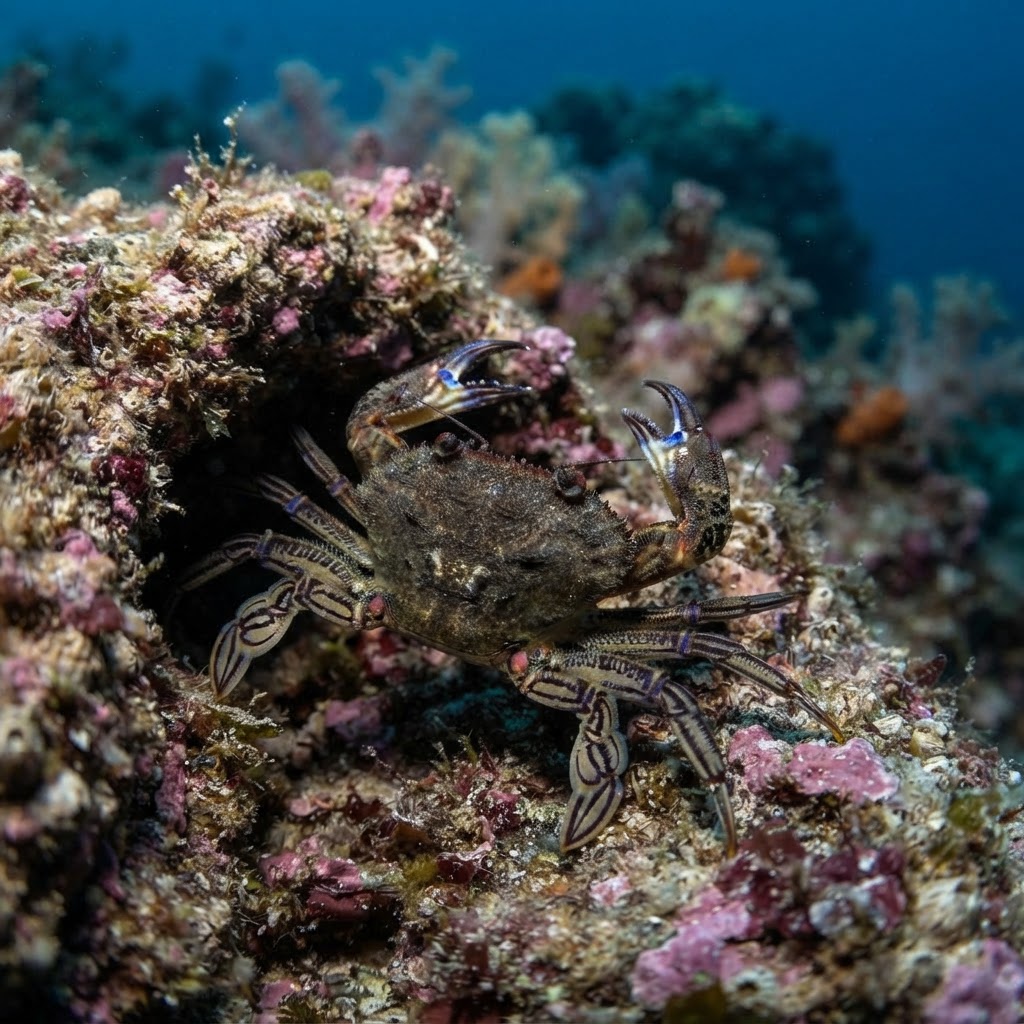
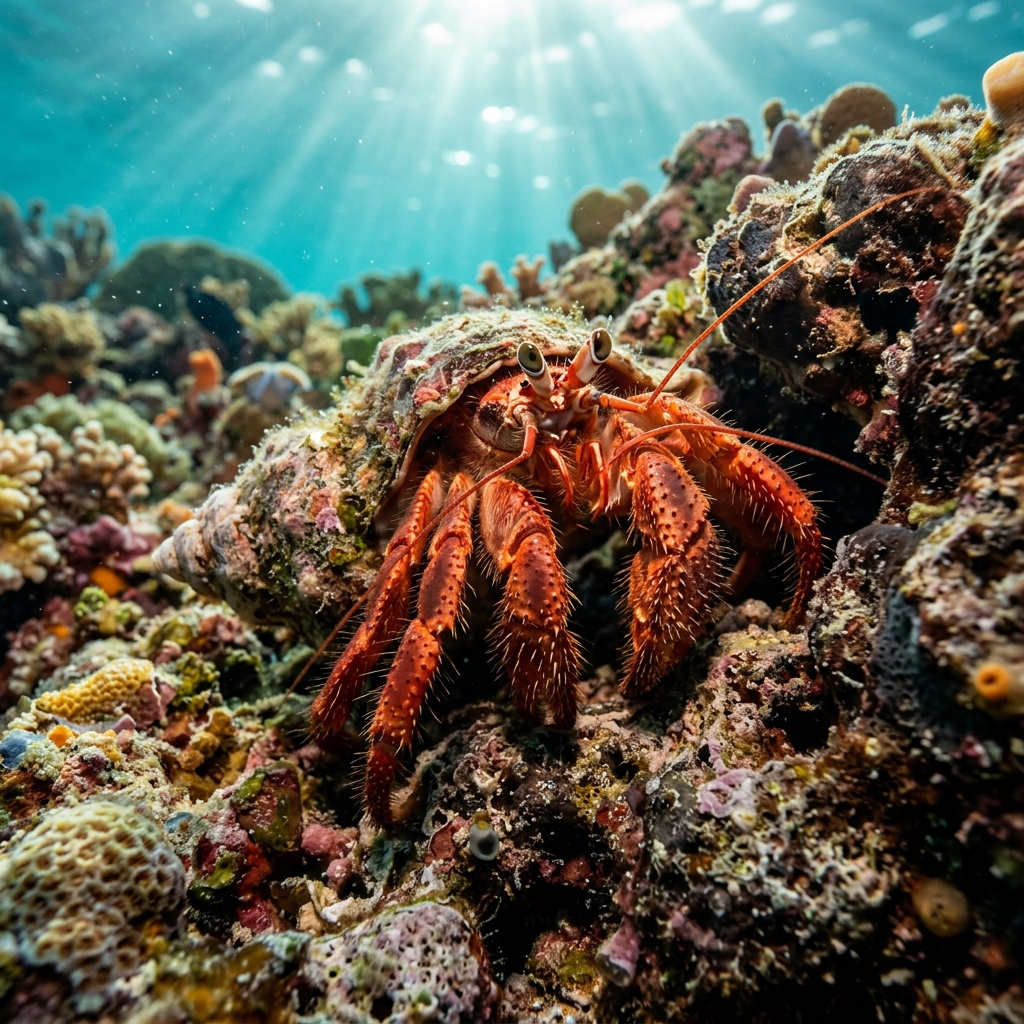
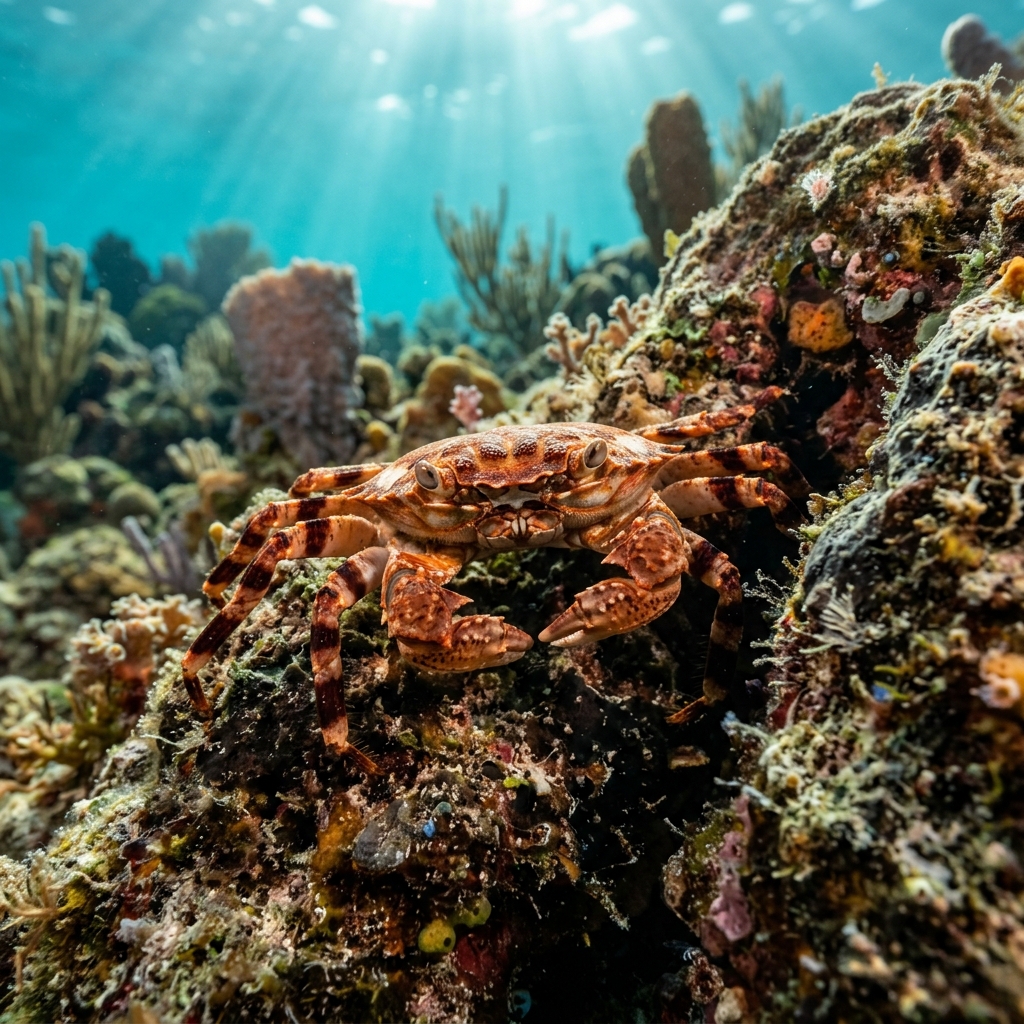
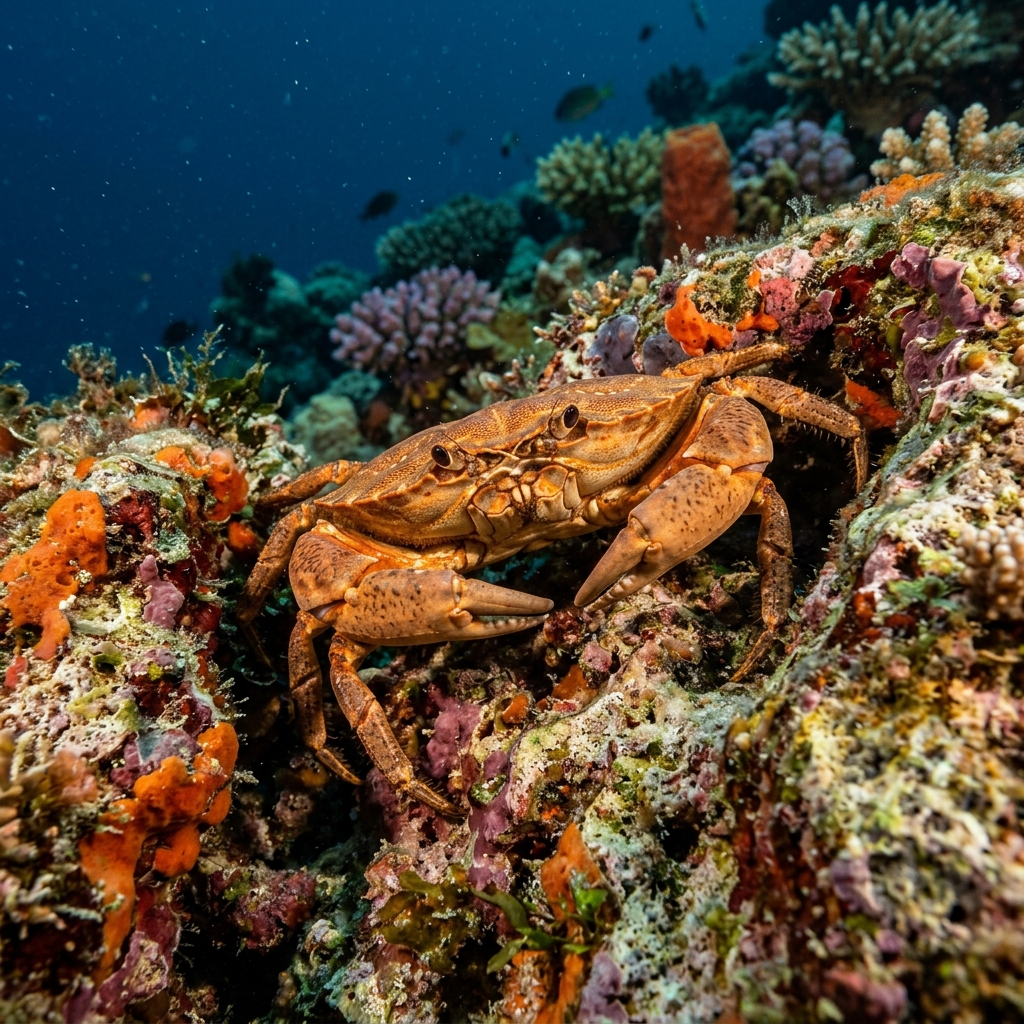
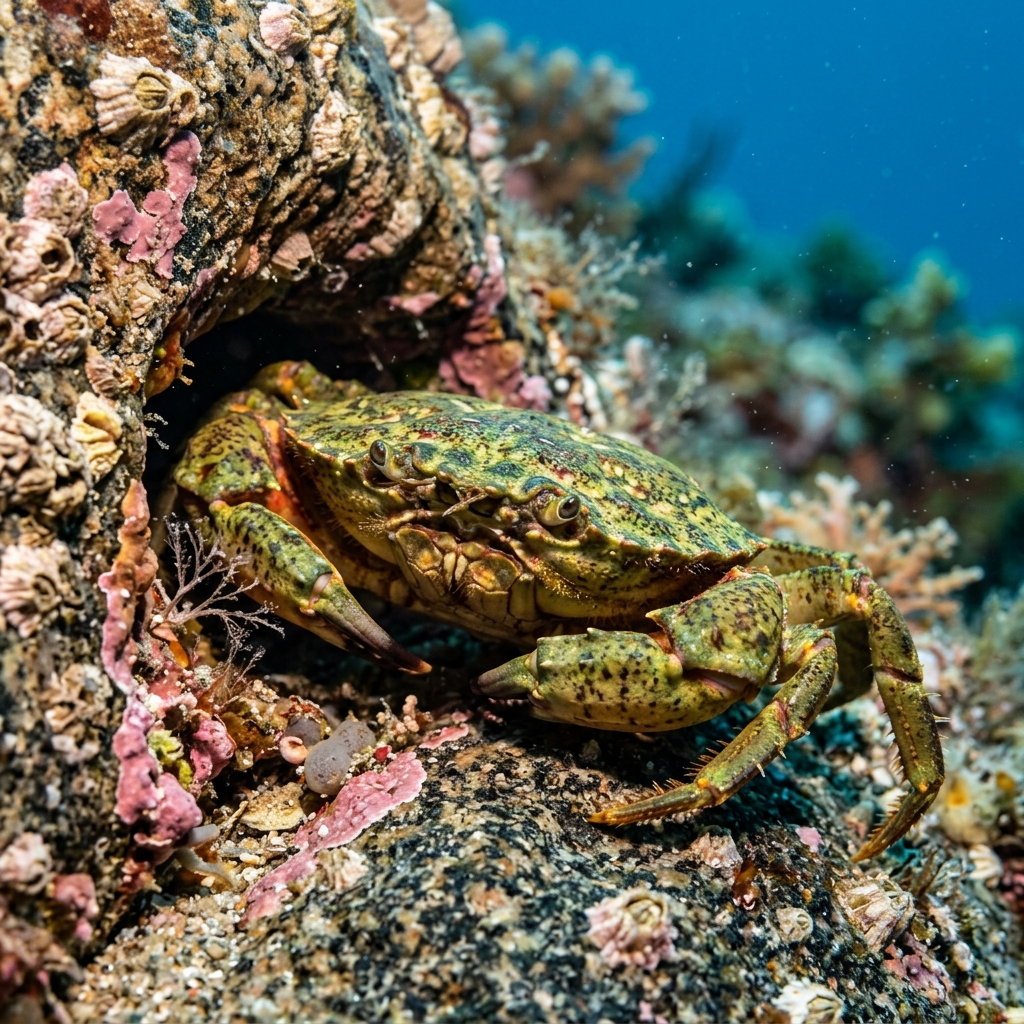
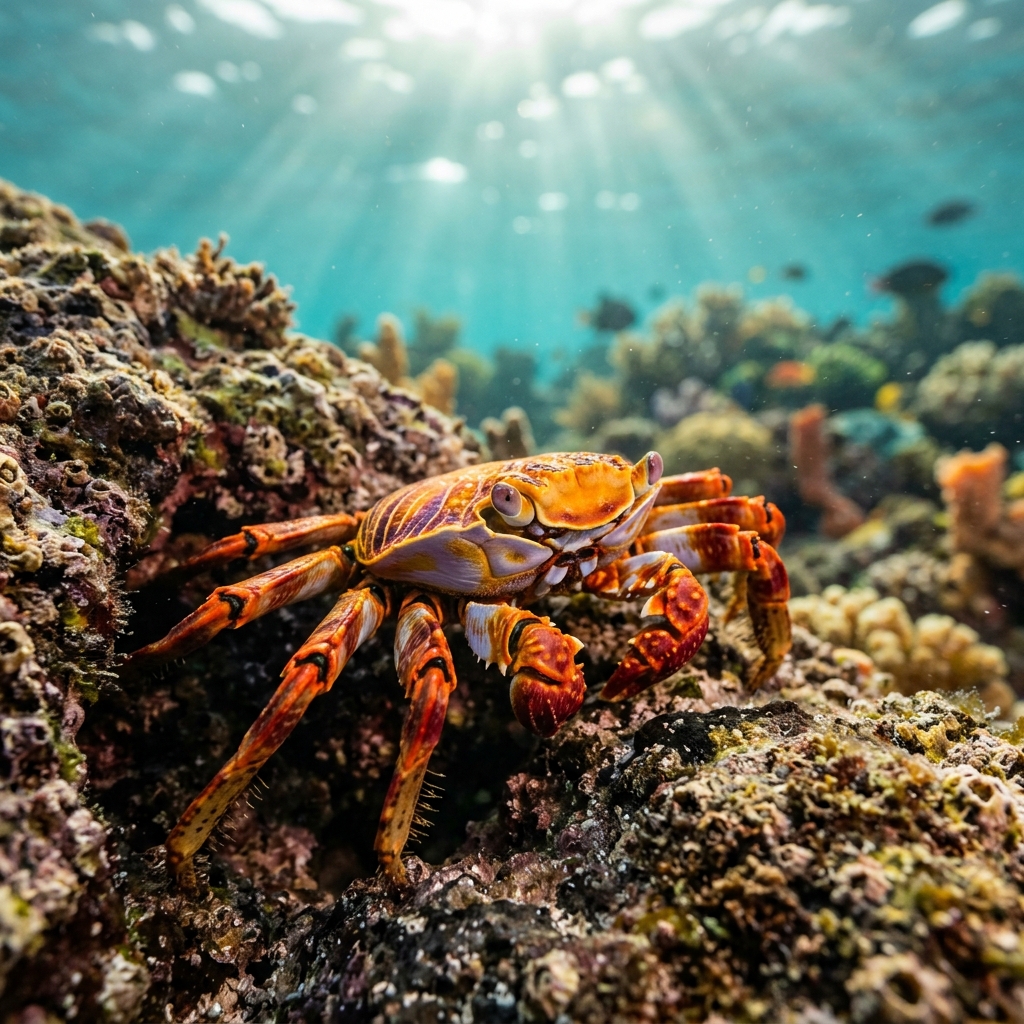
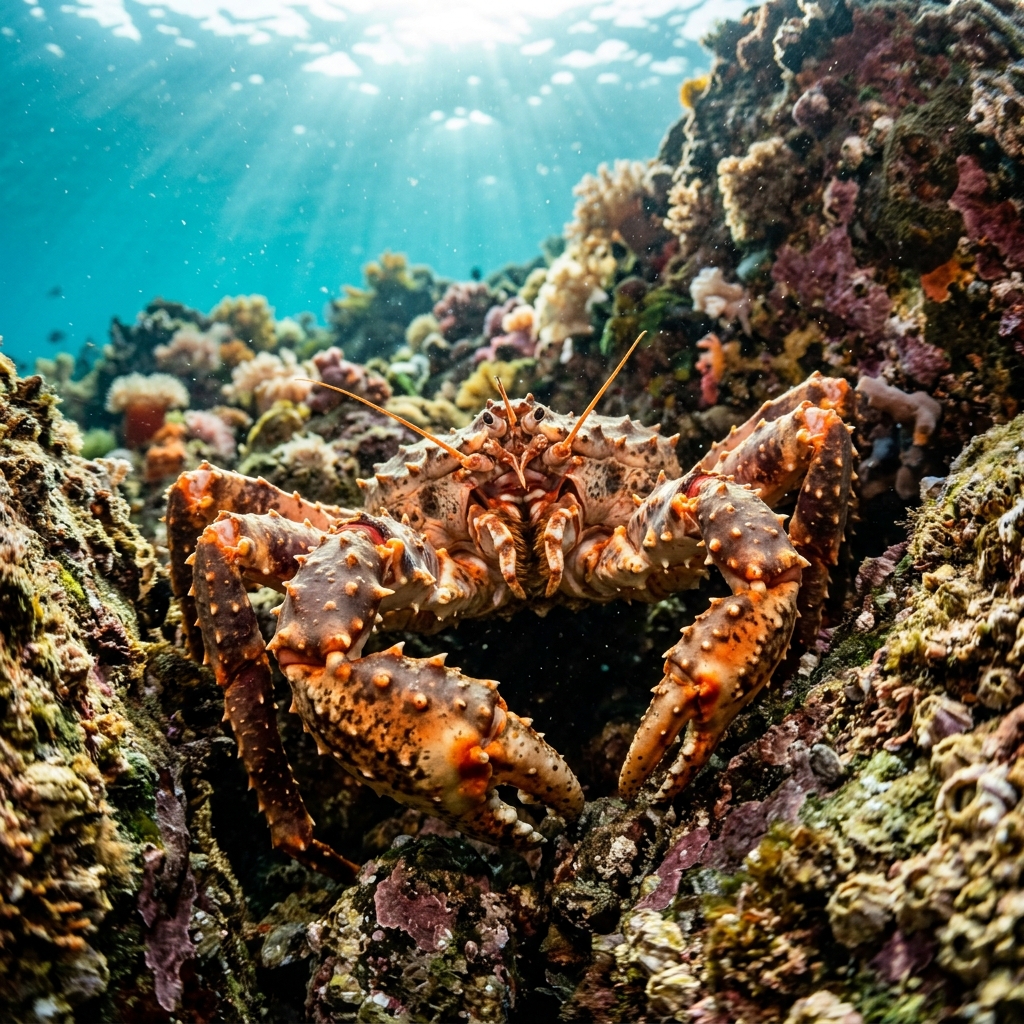
Reef neighbours a diver could mistake it for. Use the identification notes above to tell them apart.
Most reliably logged in Western Australia and South Australia, with a scattering of sightings further east in New South Wales and Queensland. These are sandy-bottomed estuary and nearshore sites rather than reef walls, so look on flat, silty or sandy patches close to shore.
Mapping where Blue Swimmer Crab is logged…
It is most often logged in Western Australia and South Australia, with fewer sightings in New South Wales and Queensland. Look for sandy or muddy nearshore and estuary sites rather than coral reef.
There is no strong seasonal signal in sightings, and it tolerates a wide temperature range from about 16 to 26C, so divers report it across most of the year in southern Australian waters.
Look for a flattened, mottled blue-grey to olive shell around 15 cm across, with a fan-shaped last pair of legs built for swimming rather than walking. It is usually half-buried in sand with just eyes and antennae visible.
They typically reach around 15 cm across the shell, making them a medium-sized crab easy to spot against open sand once you know their outline.
No, they pose no real danger to divers. They tend to swim or scuttle away when approached rather than confront anything larger than themselves.
Site and sighting data is aggregated from diver logs, iNaturalist and GBIF. For taxonomy and conservation status:
European Green Crab
2,469 sites