Meuschenia freycineti
Uncommon but rewarding: spot this leatherjacket year-round in New South Wales and Victoria in 14.6-22.5C water.
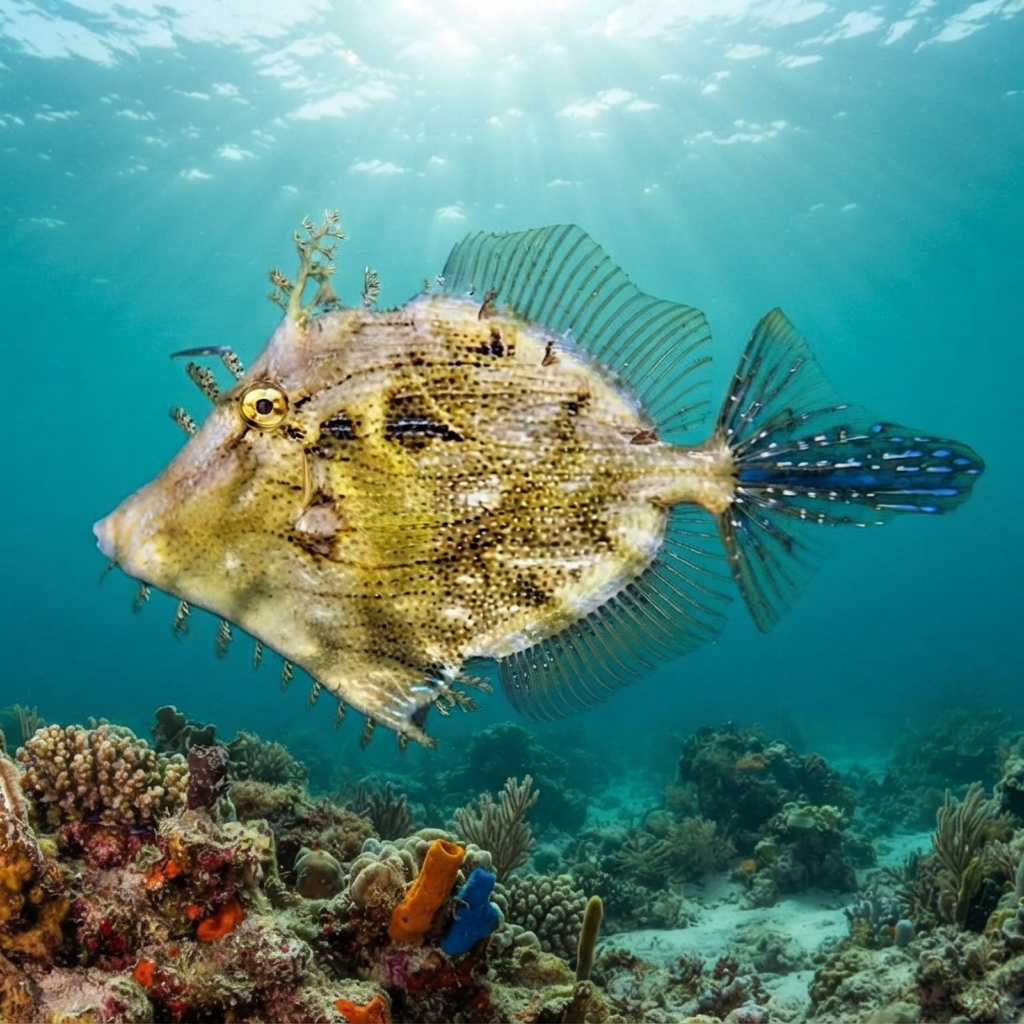
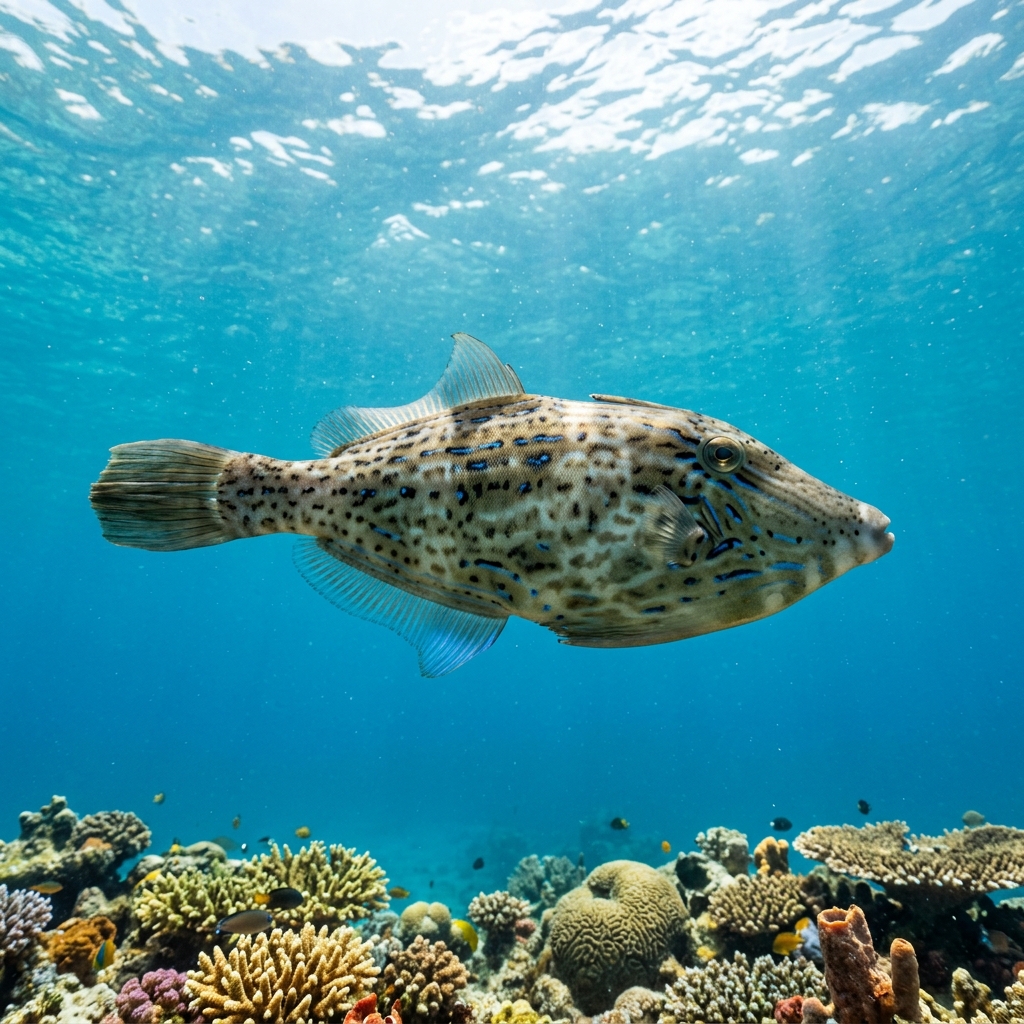
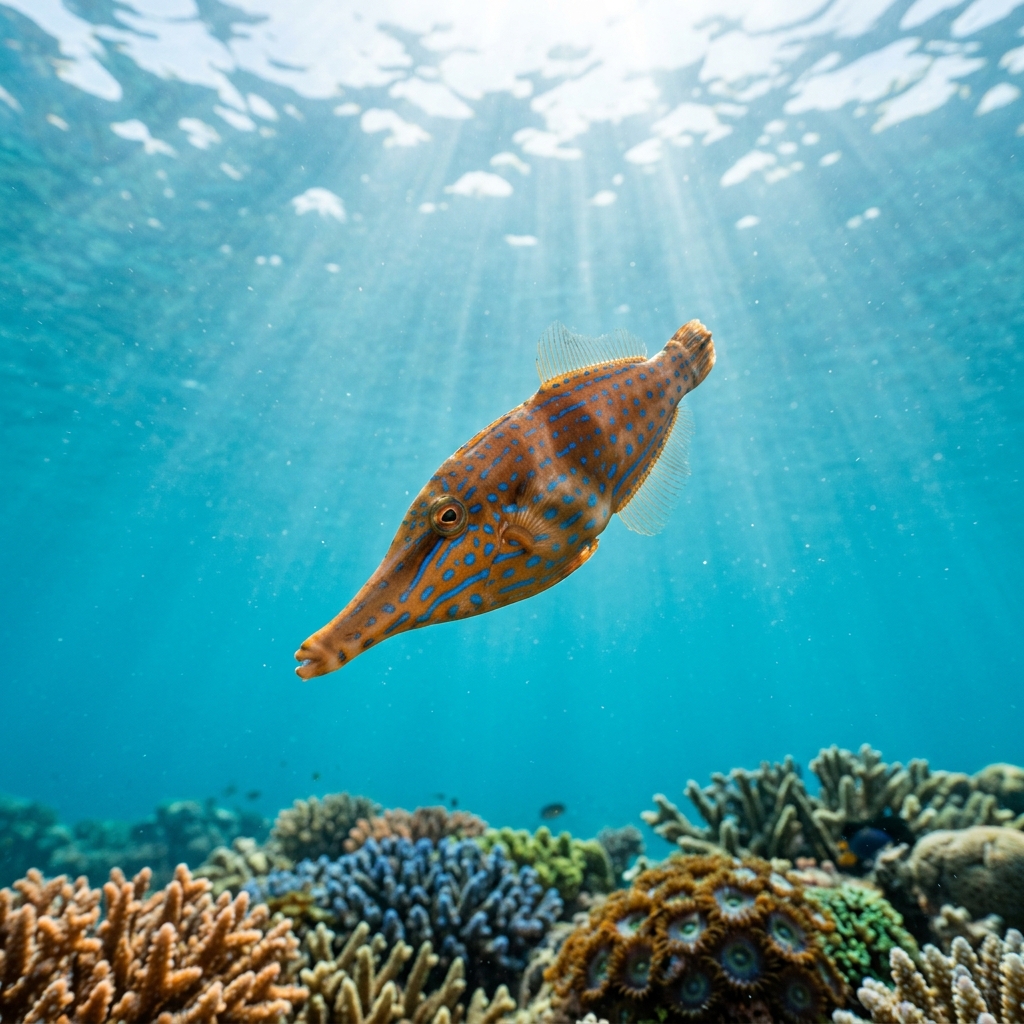
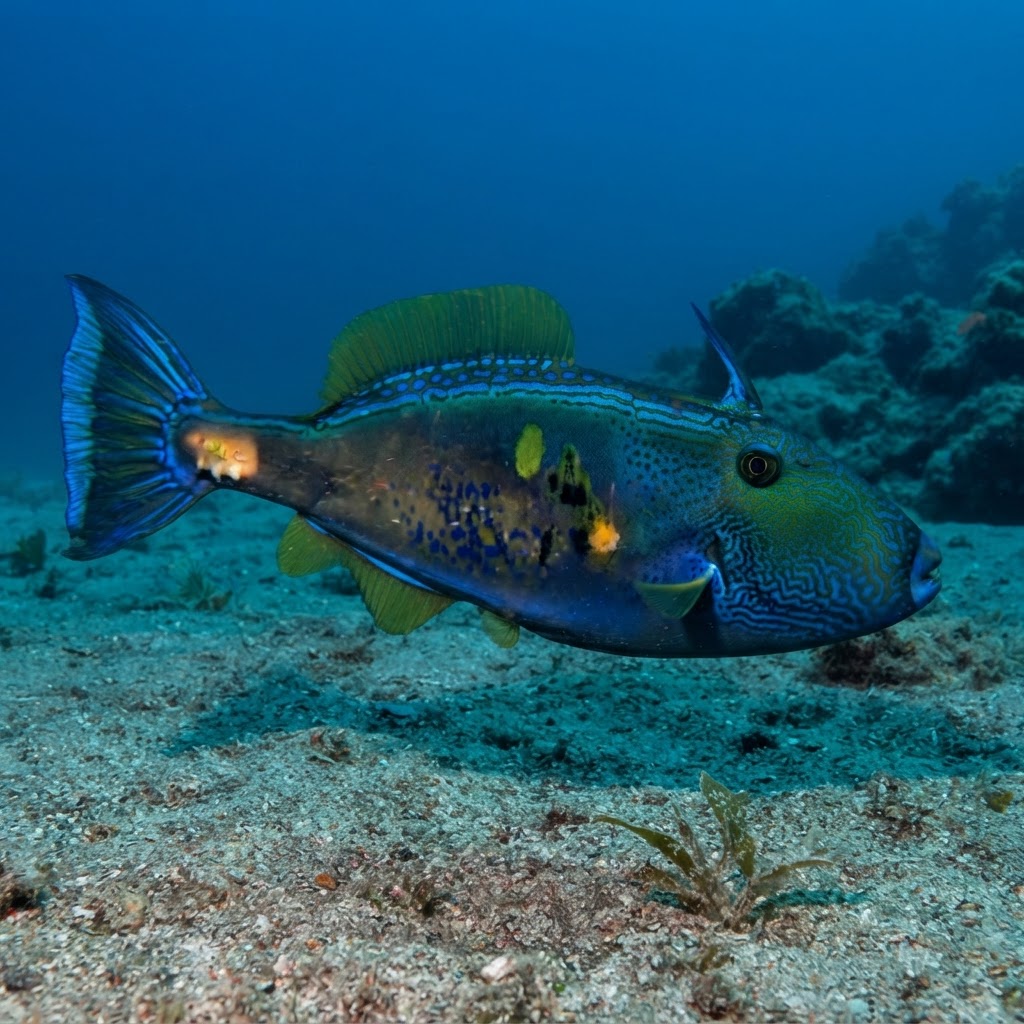
Deep, laterally flattened body up to about 42cm, with a small terminal mouth and a single stout dorsal spine set well back behind the eyes. Colouring runs mottled grey-brown to olive, often with faint blue lines or spots scattered across the flanks and fins that show up well under torchlight. Like other leatherjackets it swims with a distinctive slow, almost hovering gait, using its dorsal and anal fins rather than a big tail sweep to move around.
Divers typically find it hovering close to reef structure or drifting slowly over rocky bottom, picking at algae and sessile growth rather than chasing anything down. It is unhurried around divers, often letting you get a good look before angling off with that characteristic stiff-finned glide. Most logs describe it as an uncommon but not rare find, so it rewards divers who take time scanning ledges and weedy reef rather than open water.
Like other filefish it has rough, sandpaper-textured skin instead of scales, a trait once literally used to file and smooth wood or bone.
No strong season shows up in the sightings data, so it is logged year-round across its Australian range. Its comfort band of roughly 14.6 to 22.5C covers the cooler temperate water these coasts run for most of the year, which likely explains the lack of a sharp peak season.
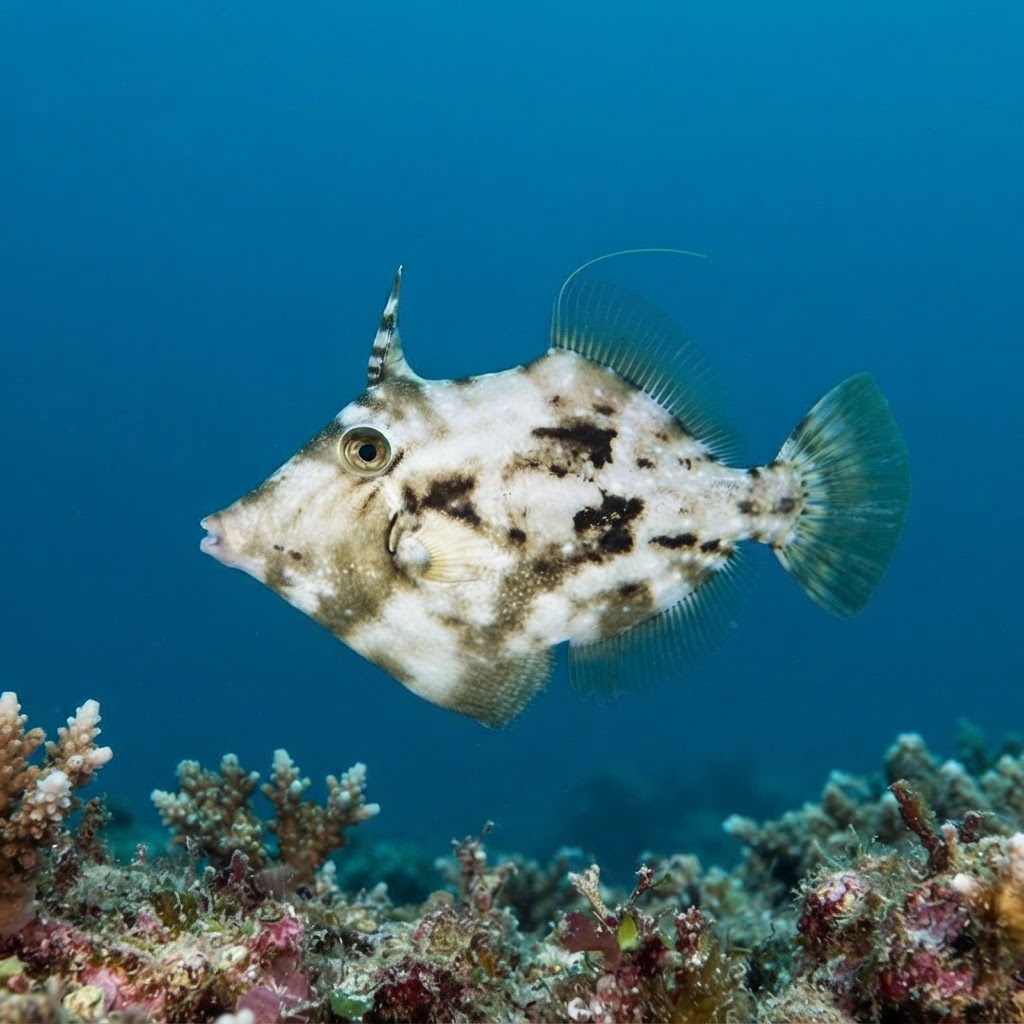
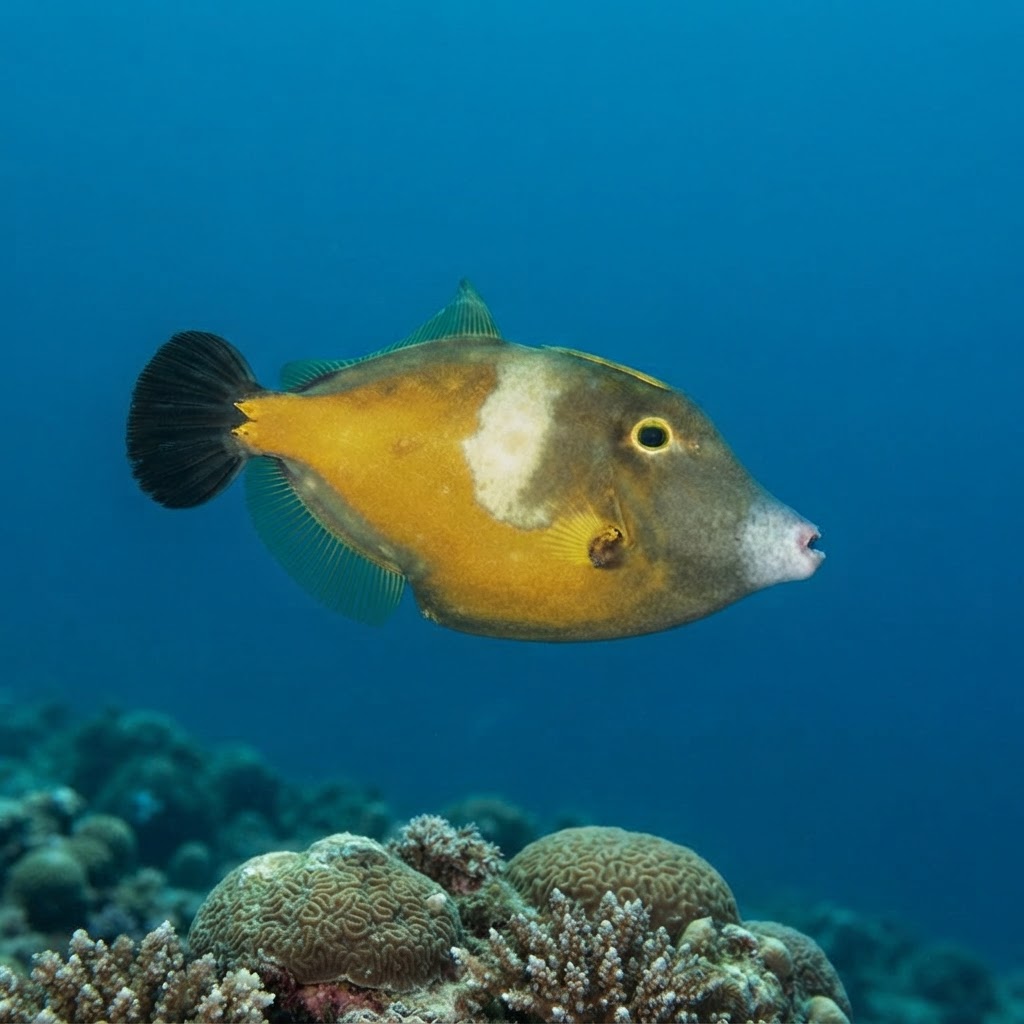
Reef neighbours a diver could mistake it for. Use the identification notes above to tell them apart.
This one is an Australian speciality, most reliably logged in New South Wales and Victoria, with smaller but steady numbers in South Australia, Tasmania and Western Australia. Reef and rocky-shore sites across these southern and southeastern coasts are the places to look, rather than tropical reef systems further north.
Mapping where Six-spined Leatherjacket is logged…
It is most commonly logged in New South Wales and Victoria, with additional sightings in South Australia, Tasmania and Western Australia. These are all temperate Australian coastal and reef sites rather than tropical destinations.
There is no clear seasonal spike in sightings, so it is seen year-round. It tolerates a wide temperature range of roughly 14.6 to 22.5C, which matches the temperate water it lives in for most of the year.
Look for a deep, flattened body around 40cm long, mottled grey-brown colouring with faint blue markings, and a single dorsal spine set back from the eyes. Its slow, hovering swimming style over reef and rocky bottom is also a good tell.
They typically reach around 42cm in length, making them one of the larger leatherjackets divers encounter on Australian temperate reefs.
No, they pose no danger to divers. They are herbivorous, slow-moving and generally unbothered by divers approaching for a closer look.
Its skin is rough and sandpaper-like rather than covered in typical fish scales, a texture shared across filefish and once used practically as an abrasive.
Site and sighting data is aggregated from diver logs, iNaturalist and GBIF. For taxonomy and conservation status:
Orangespotted Filefish
836 sites