Gymnapistes marmoratus
Small, camouflaged and venomous, cobbler turns up on sandy patches across South Australia year-round in 15-23C water.
Safety warning
Cobbler carries venomous spines along its dorsal fin, and stings happen almost exclusively when someone kneels on it, steps on it in shallows, or places a hand down on sand without looking. Its colouring blends in so well with sand and rubble that the best precaution is simply not touching the bottom with bare skin in areas where it has been reported. Stings are painful and can cause swelling well beyond the puncture site, so treat any suspected sting as needing medical attention, not just a rinse and shrug.
If you're stung
Venomous spinesGeneral first-aid guidance, not a substitute for professional medical care. In an emergency, call your local emergency number.
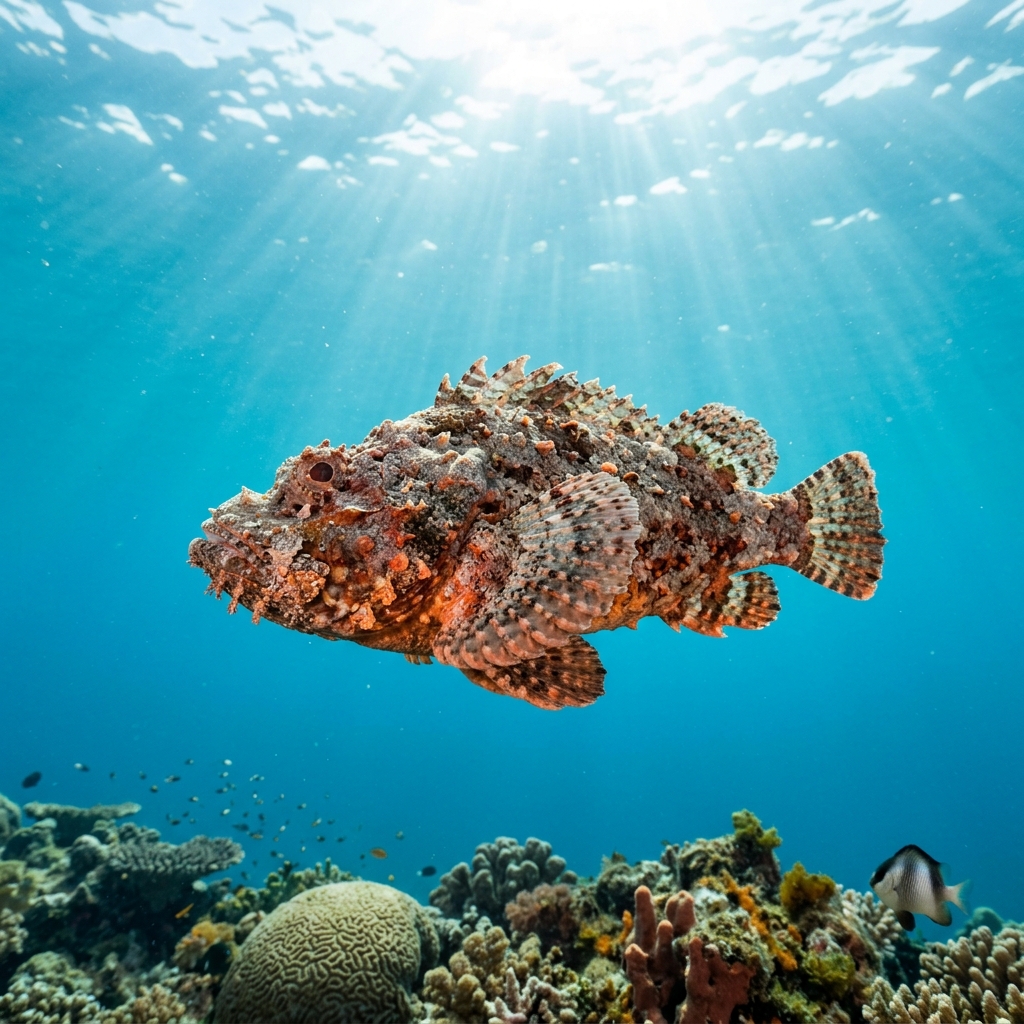
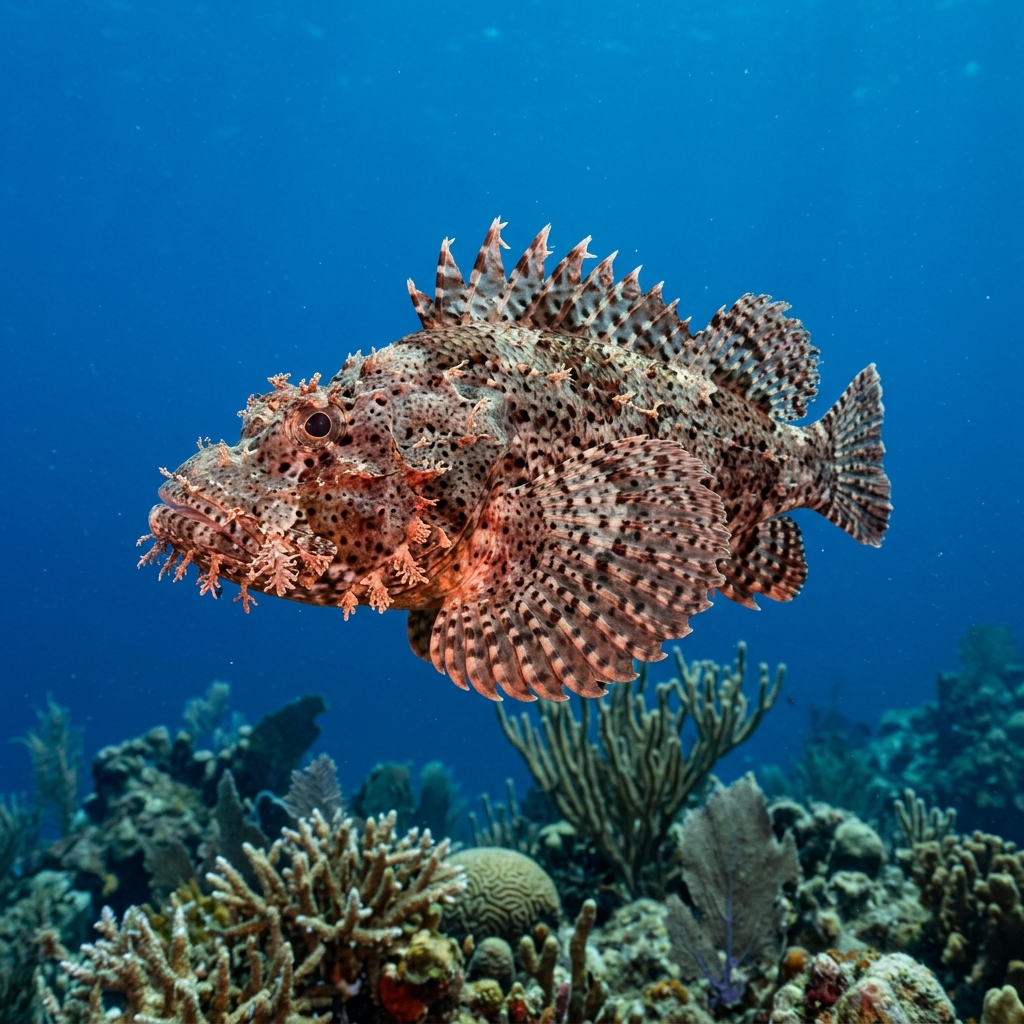
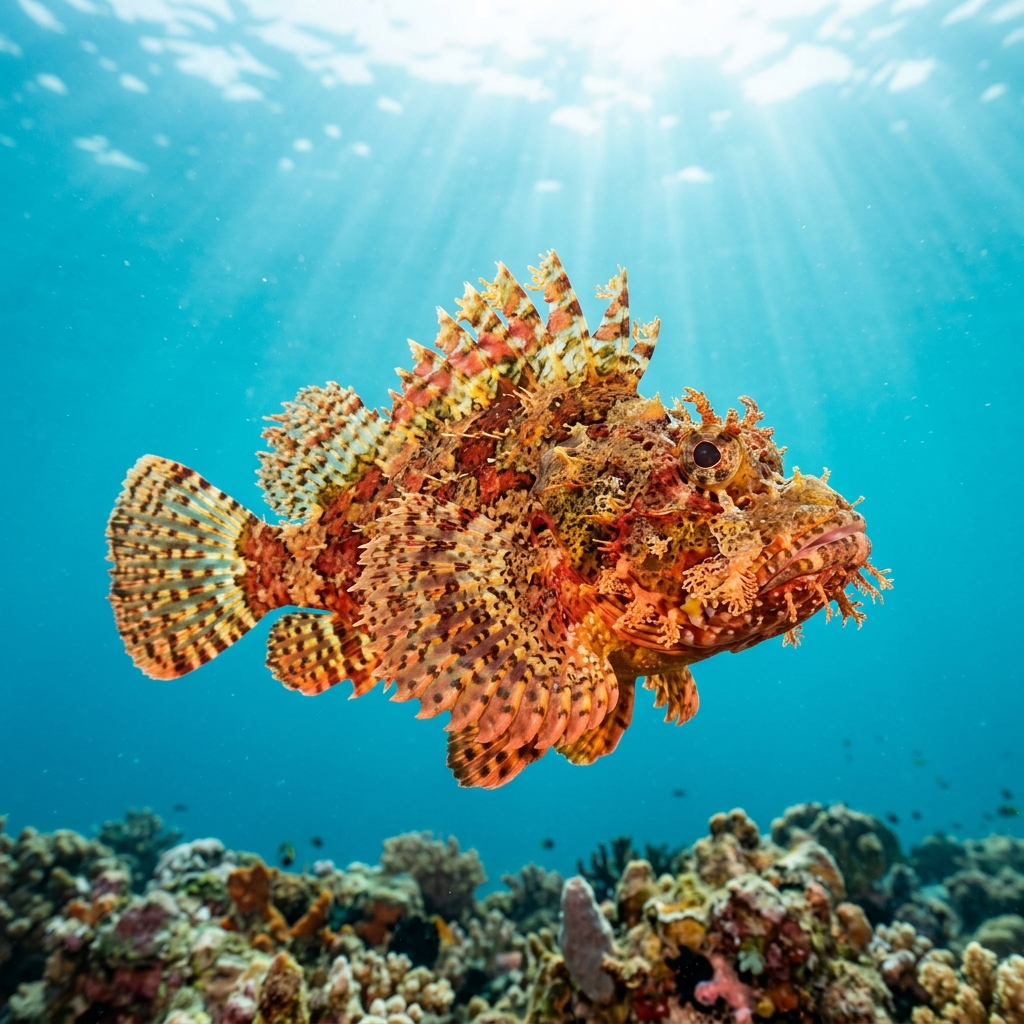
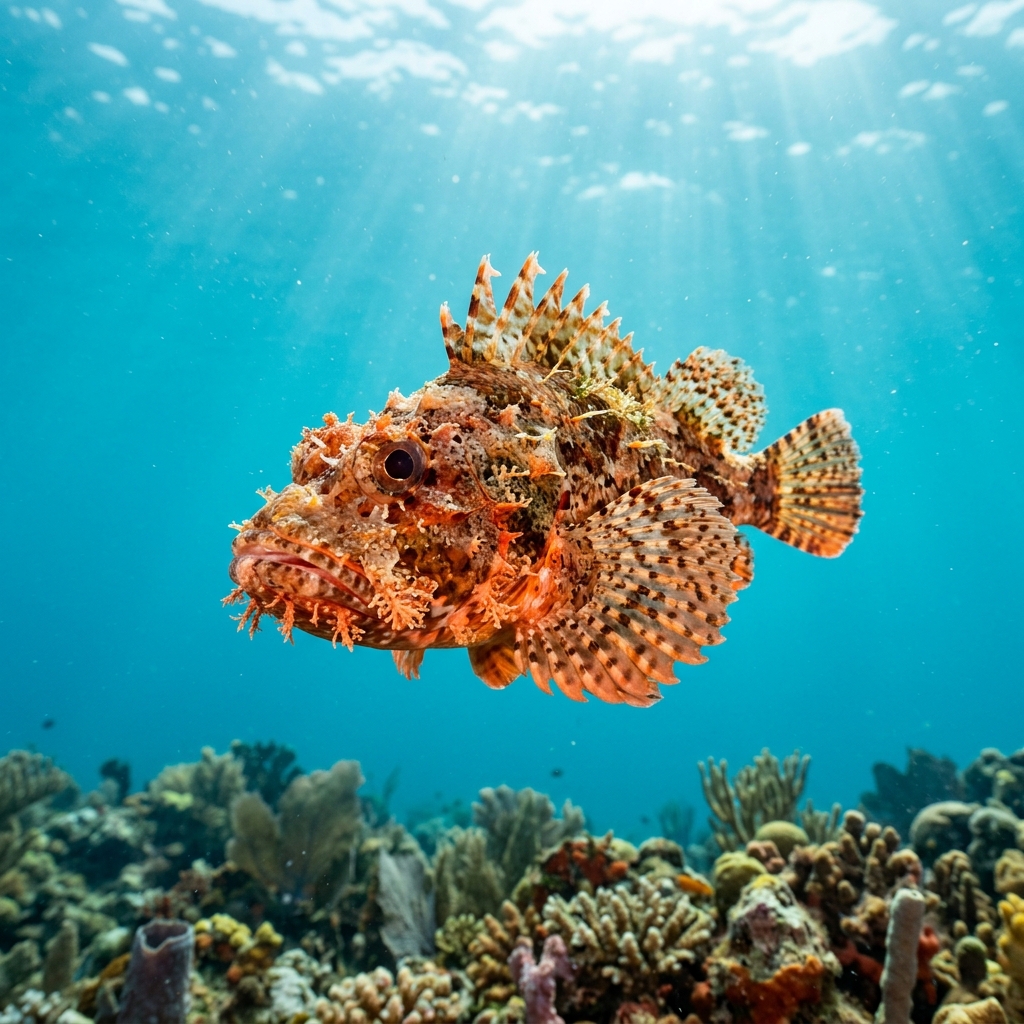
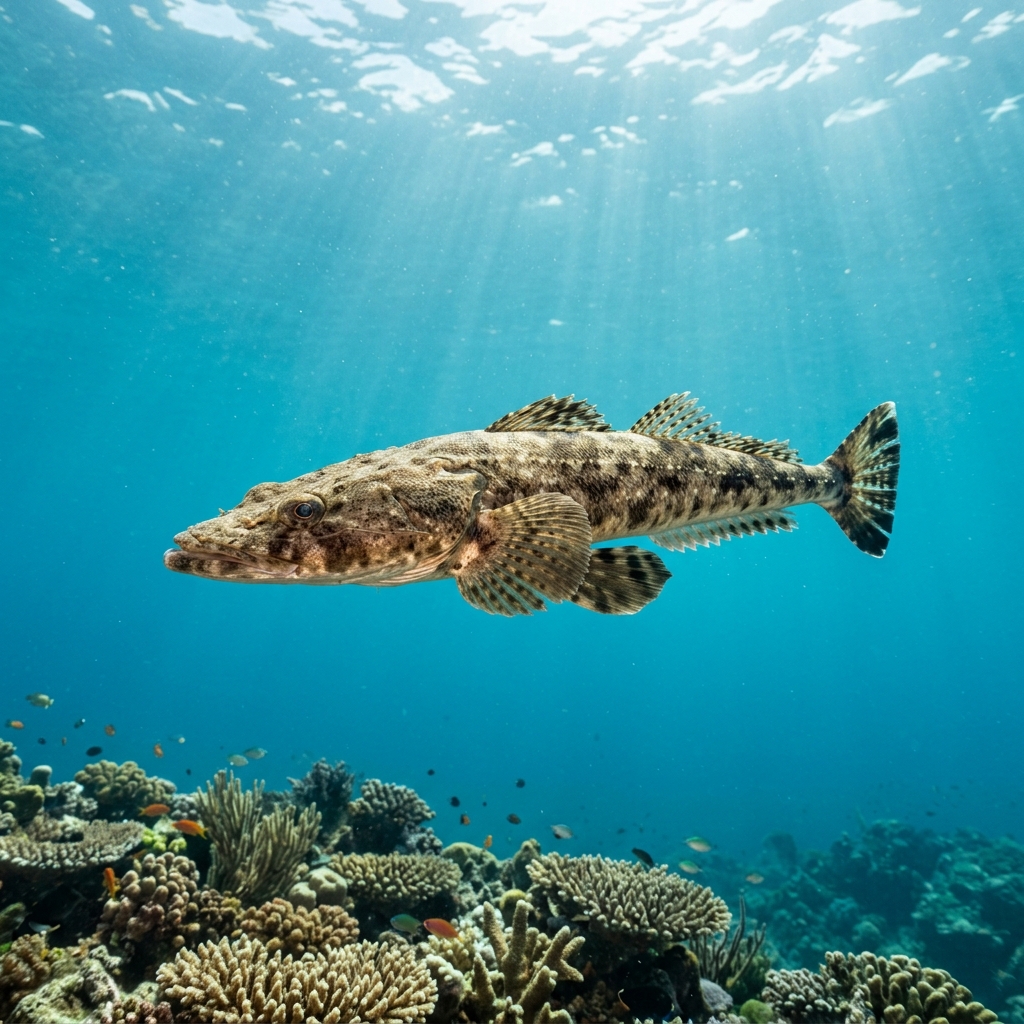
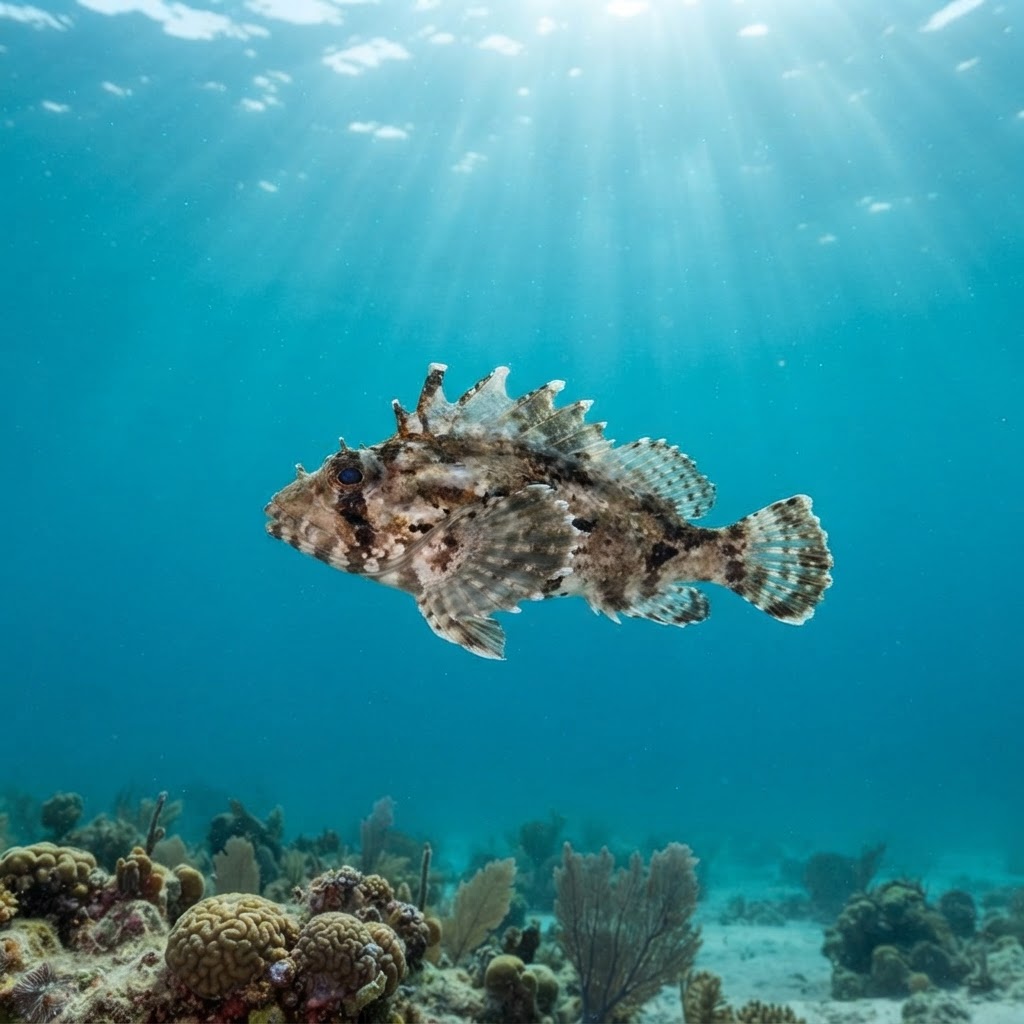
Small, thick-bodied fish reaching about 15 cm, usually seen sitting motionless on sand or rubble rather than swimming. Mottled brown, grey and cream blotching breaks up its outline against the seafloor, and a spiny, slightly upturned head profile gives it a squat, toad-like look. The dorsal spines run low along the back and are easy to miss until you look closely, which is exactly the problem.
Cobbler spends most of its time sitting still on sand, silt or weedy rubble, relying on camouflage rather than flight to avoid attention. Divers most often log it as an uncommon-to-common find rather than a rarity, usually spotted close to the bottom during a slow, methodical scan of sandy patches near reef structure. It will generally hold its position even as divers approach, which is part of why accidental contact is the real risk rather than a bite or chase.
That blotchy, half-buried look is a hunting strategy as much as a defence: cobbler ambushes small crustaceans and fish that wander too close, using its camouflage to strike from stillness rather than pursuing prey.
There is no clear seasonal pattern in the sightings, and with a comfortable range of roughly 15 to 23C it seems to sit on sand flats and reef edges through most of the year in South Australia and Victoria. Treat it as a year-round find rather than something tied to a particular month.
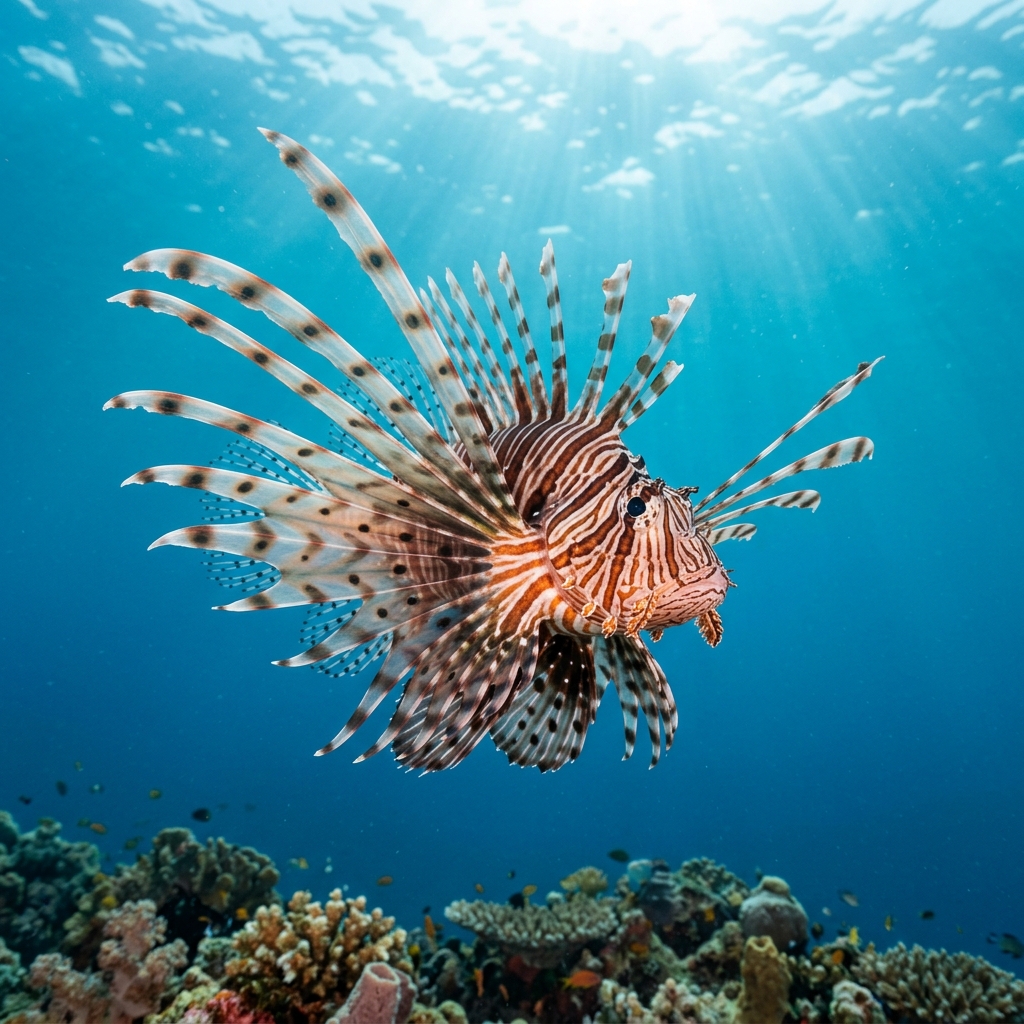
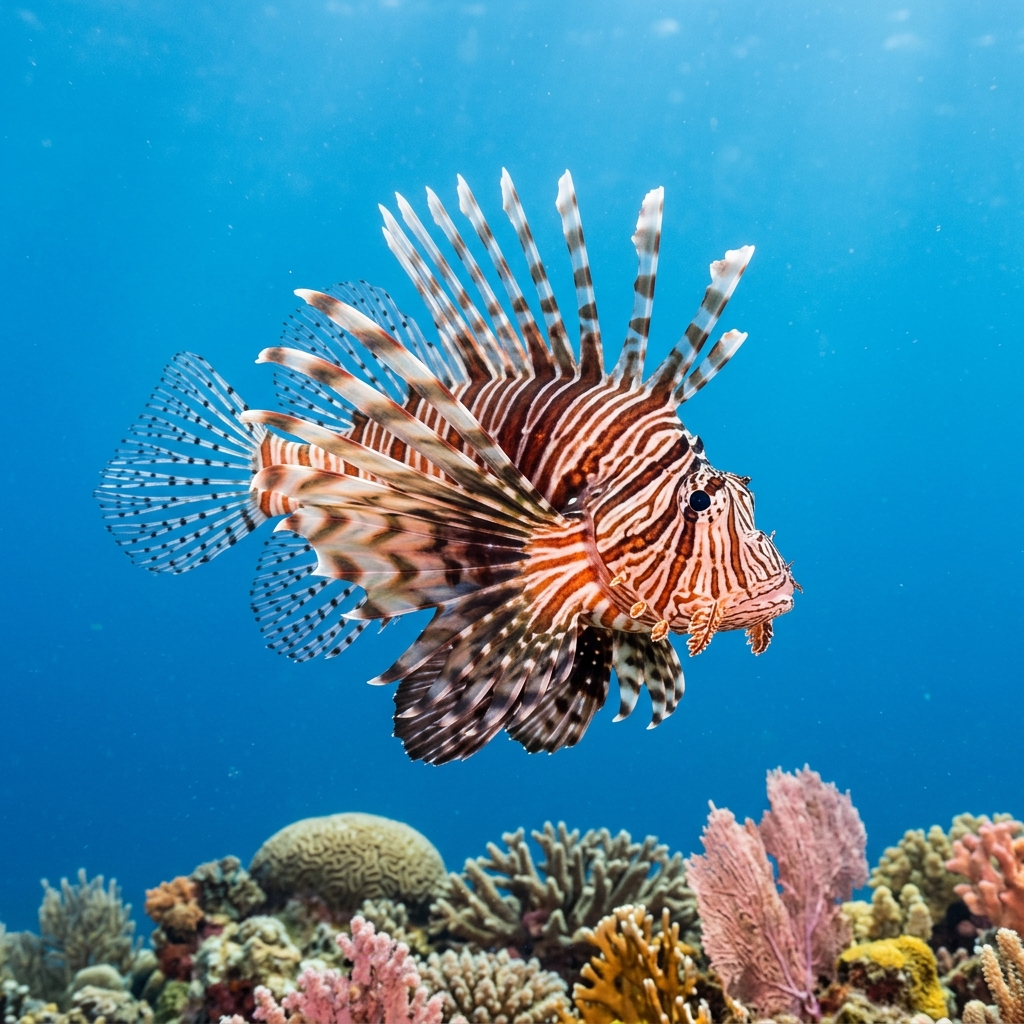
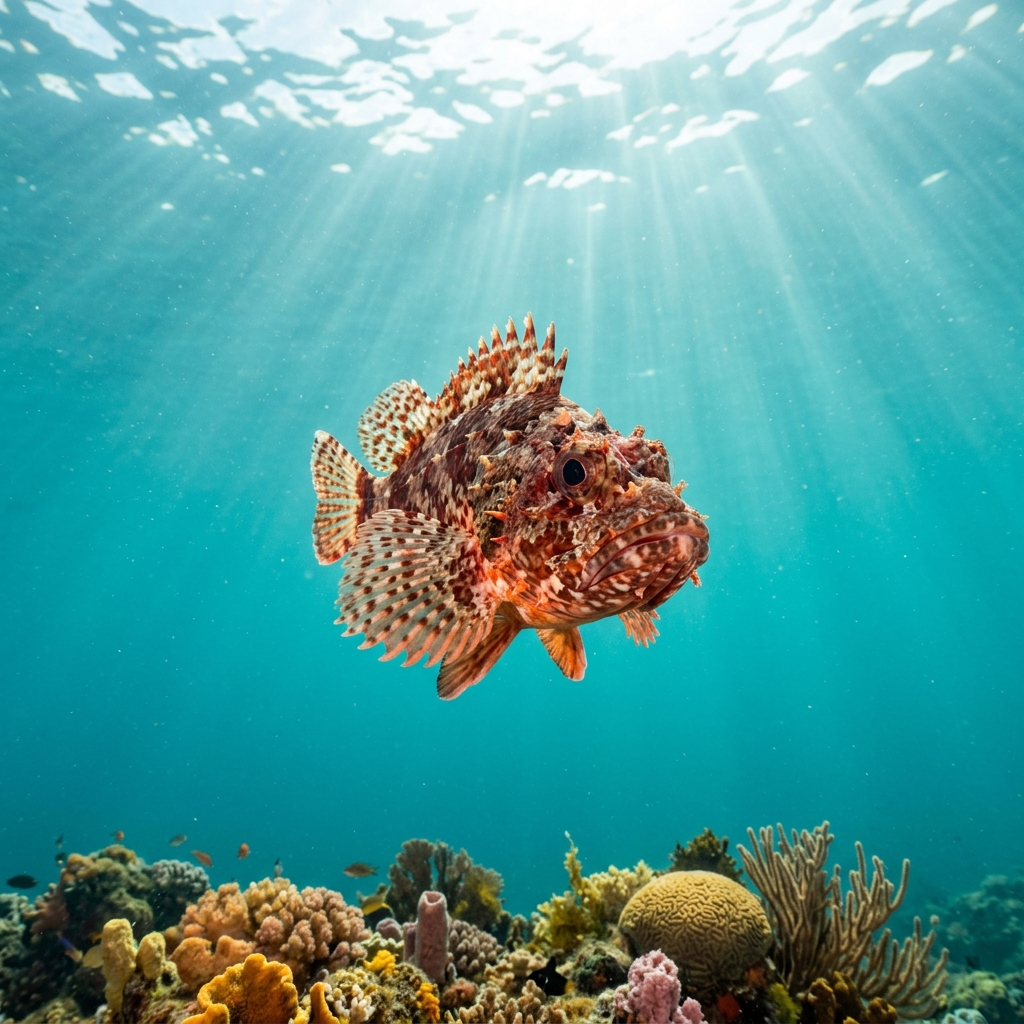
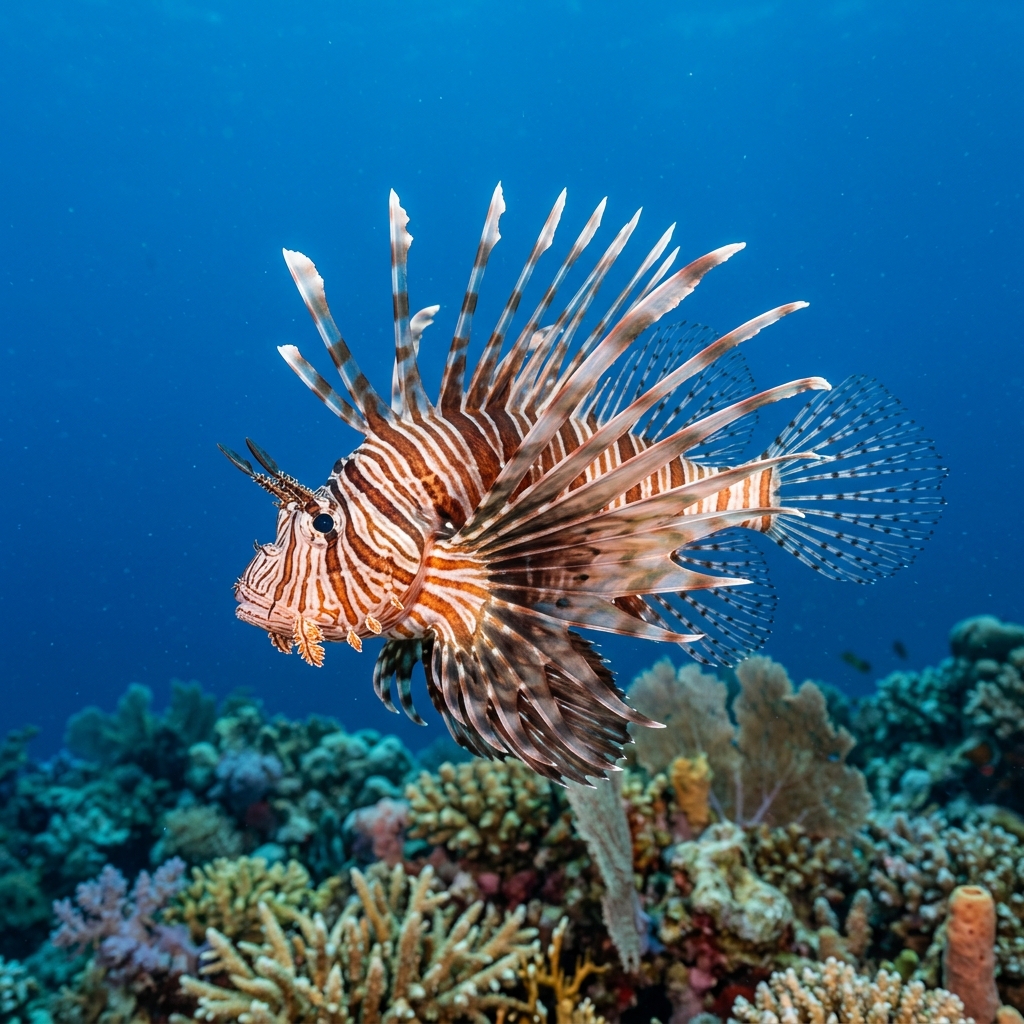
Reef neighbours a diver could mistake it for. Use the identification notes above to tell them apart.
South Australia is the strongest area for cobbler, with sightings logged at more sites there than anywhere else, followed by Victoria and a couple of sites in Western Australia. All records so far are from Australian waters, making it very much a temperate southern-Australia speciality rather than a species you will run into on tropical reefs.
Mapping where Cobbler is logged…
South Australia is the most reliable place, with Victoria second and a couple of sites in Western Australia. It has not been logged outside Australian waters.
There's no strong seasonal signal in the sightings, so it's considered a year-round find in the 15 to 23C water it favours across South Australia and Victoria.
Yes. They carry venomous dorsal spines and their camouflage makes accidental contact the main risk, usually from kneeling or standing on one in sand or shallows. Keep hands and knees off the bottom in areas where it's been reported.
Look for a squat, mottled brown-and-grey fish about 15 cm long sitting motionless on sand or rubble, with a spiny, slightly upturned head. It rarely swims off when approached, which is often the first clue you're looking at one.
Around 15 cm, small enough to be easily overlooked against sand or weedy rubble.
Its camouflage doubles as a hunting tool, letting it ambush small crustaceans and fish from a motionless, half-buried position rather than chasing them down.
Site and sighting data is aggregated from diver logs, iNaturalist and GBIF. For taxonomy and conservation status:
Madeira Rockfish
2,773 sites