

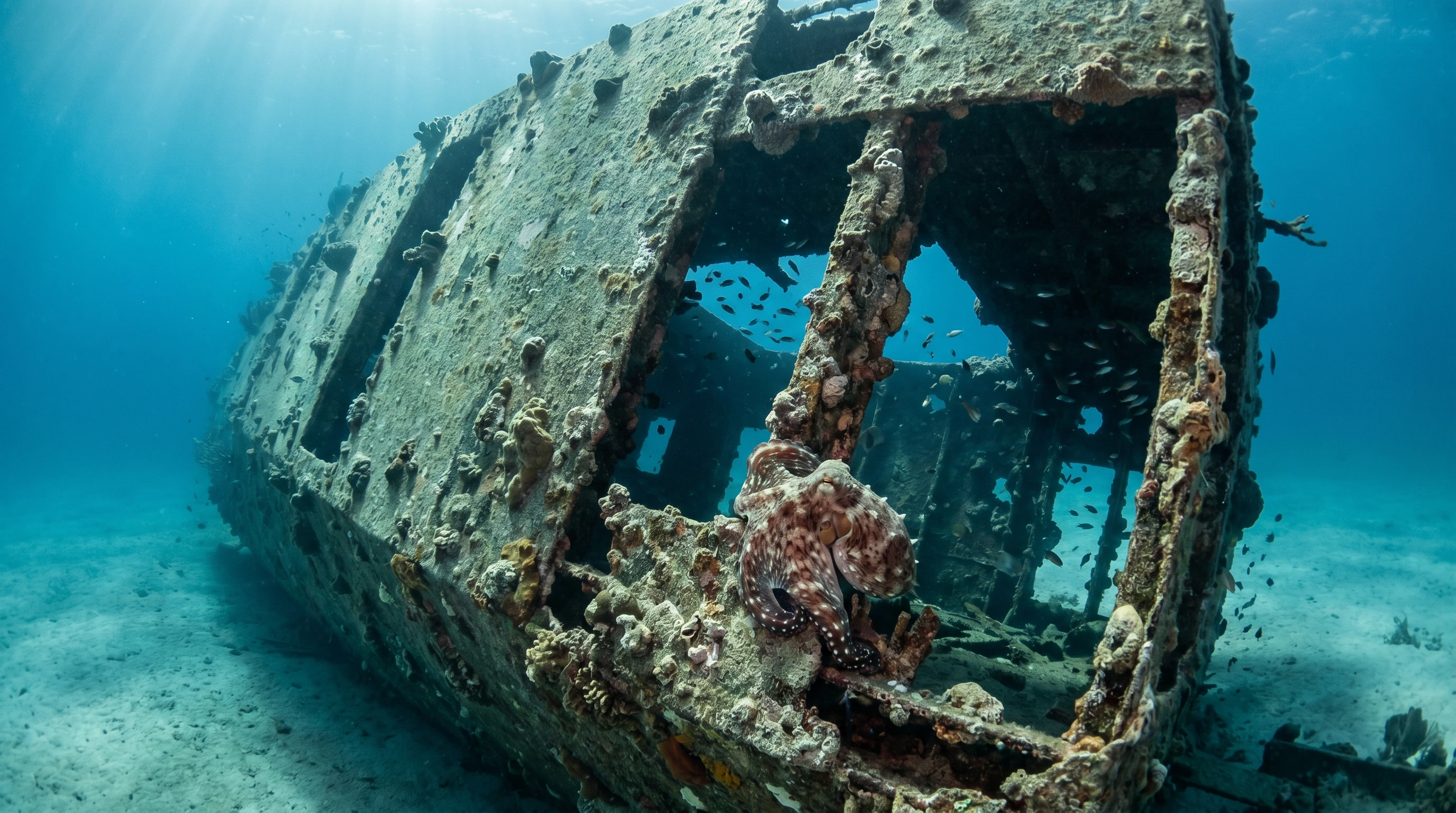
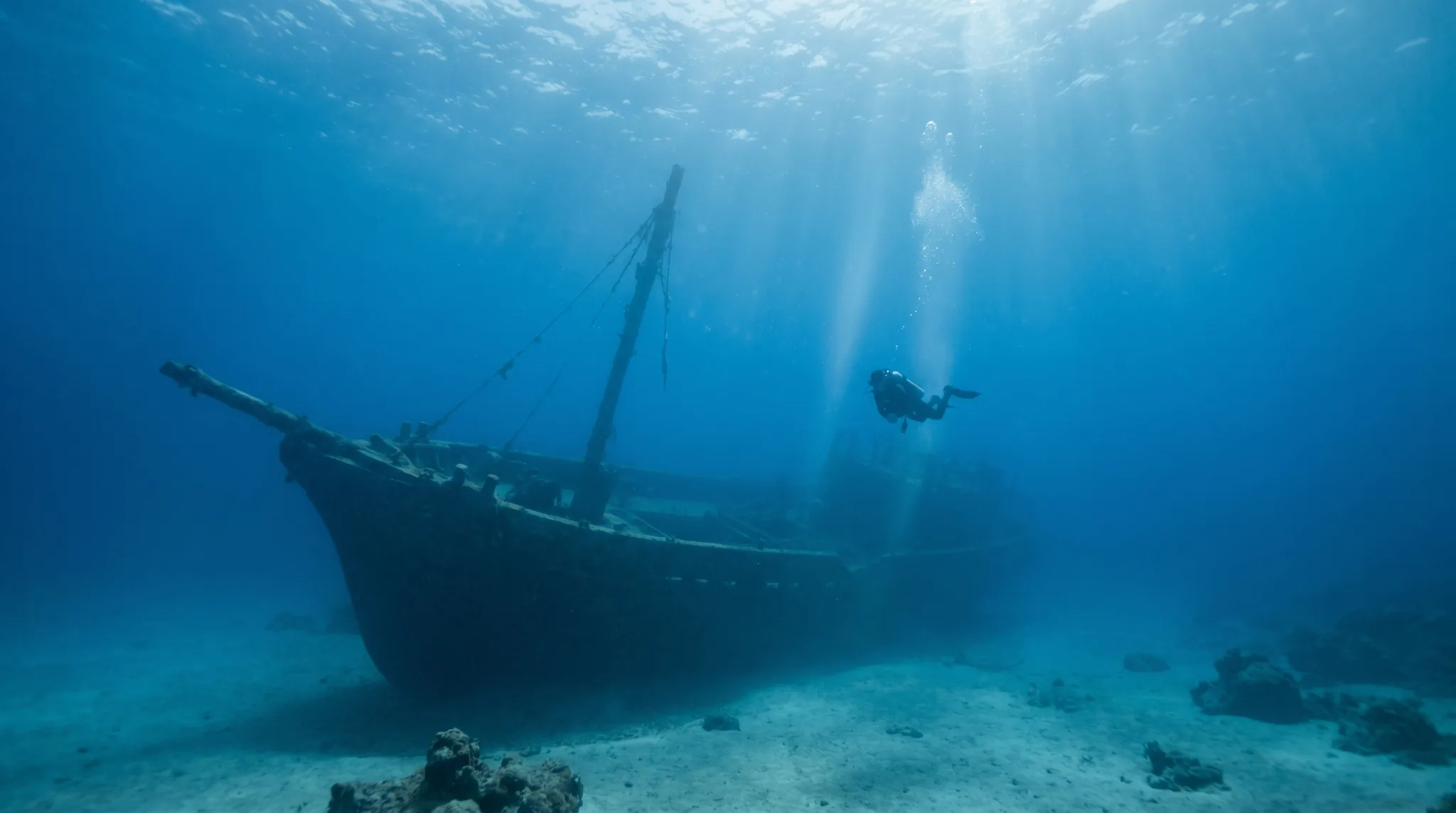
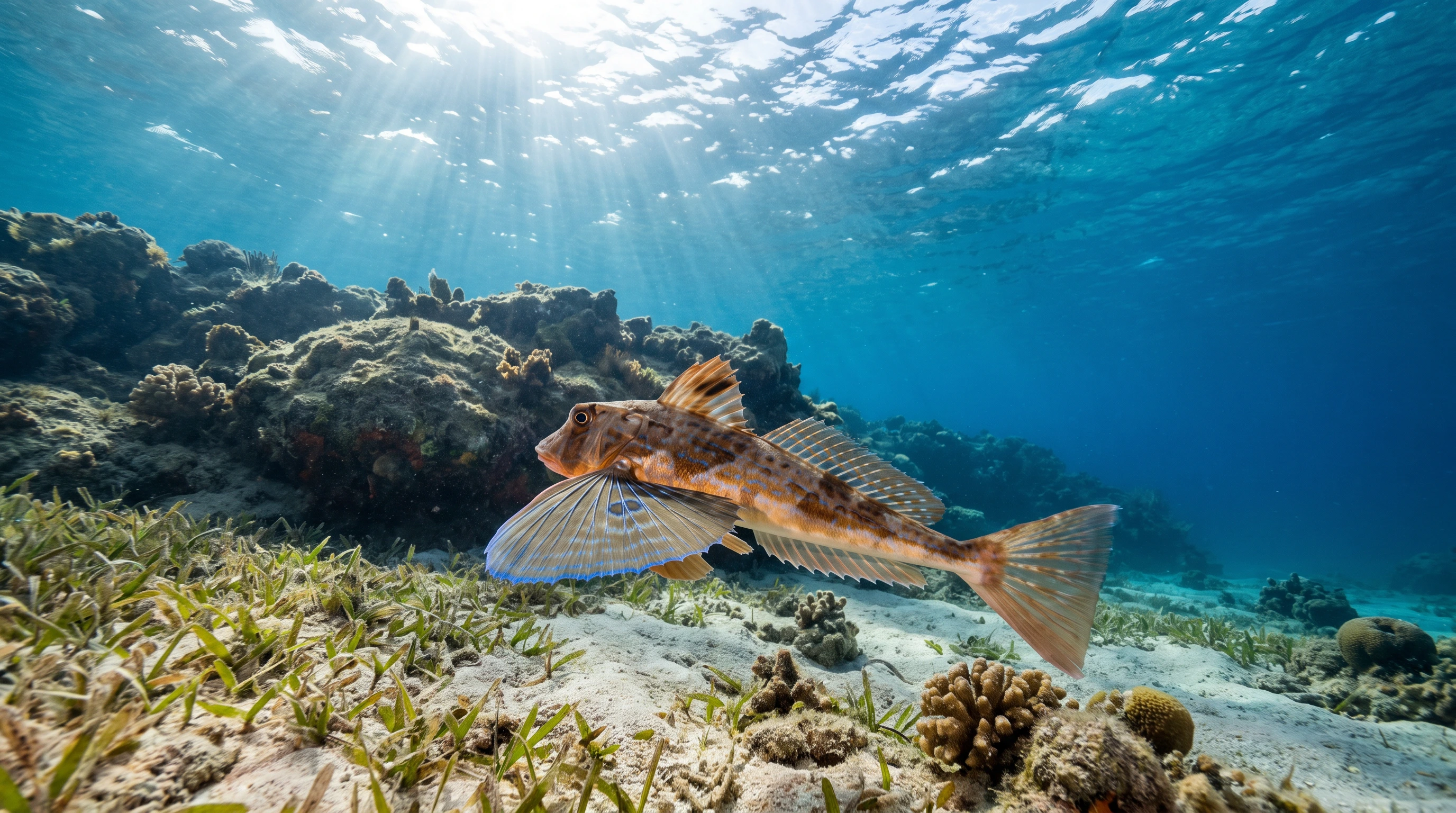
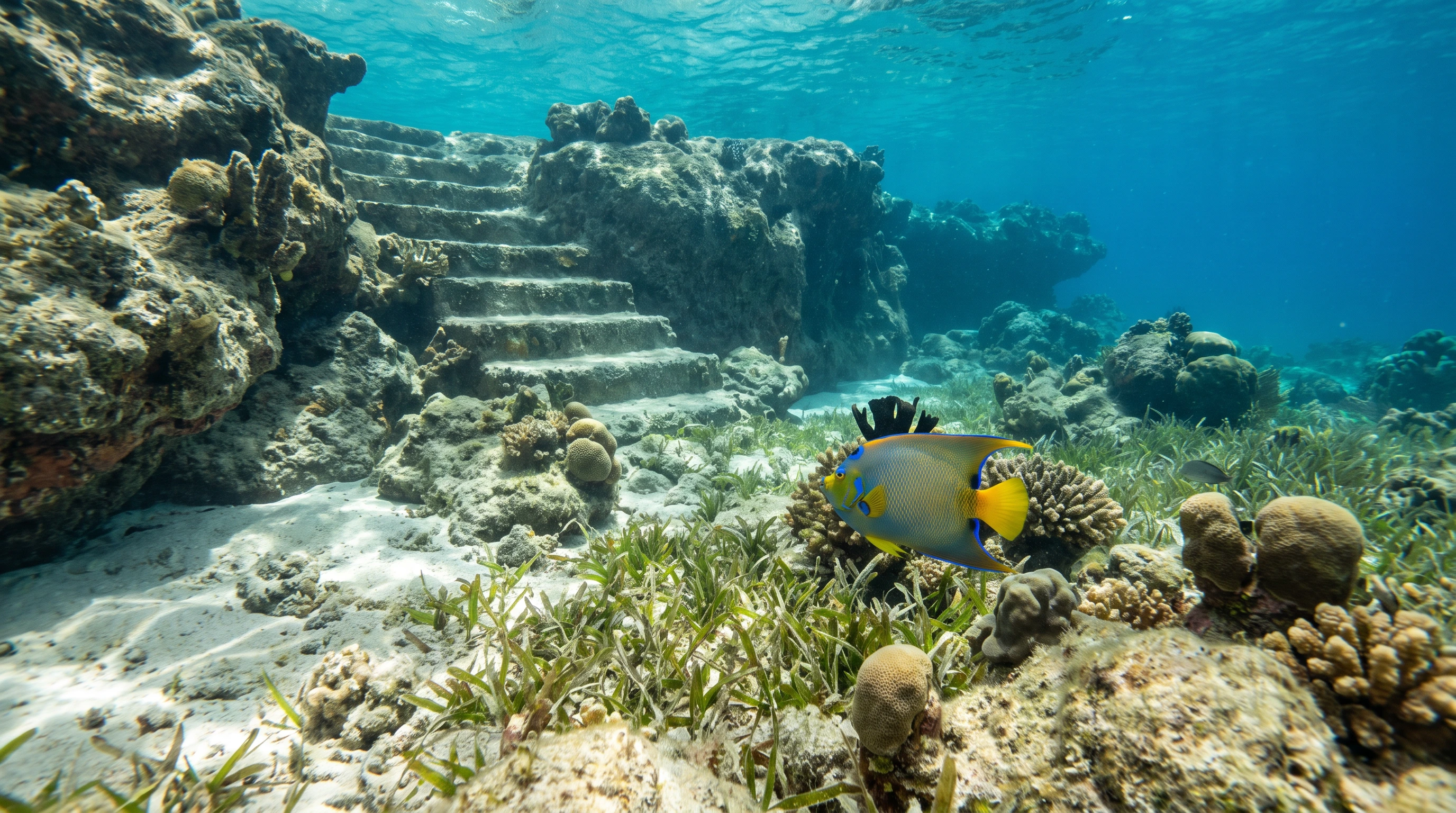
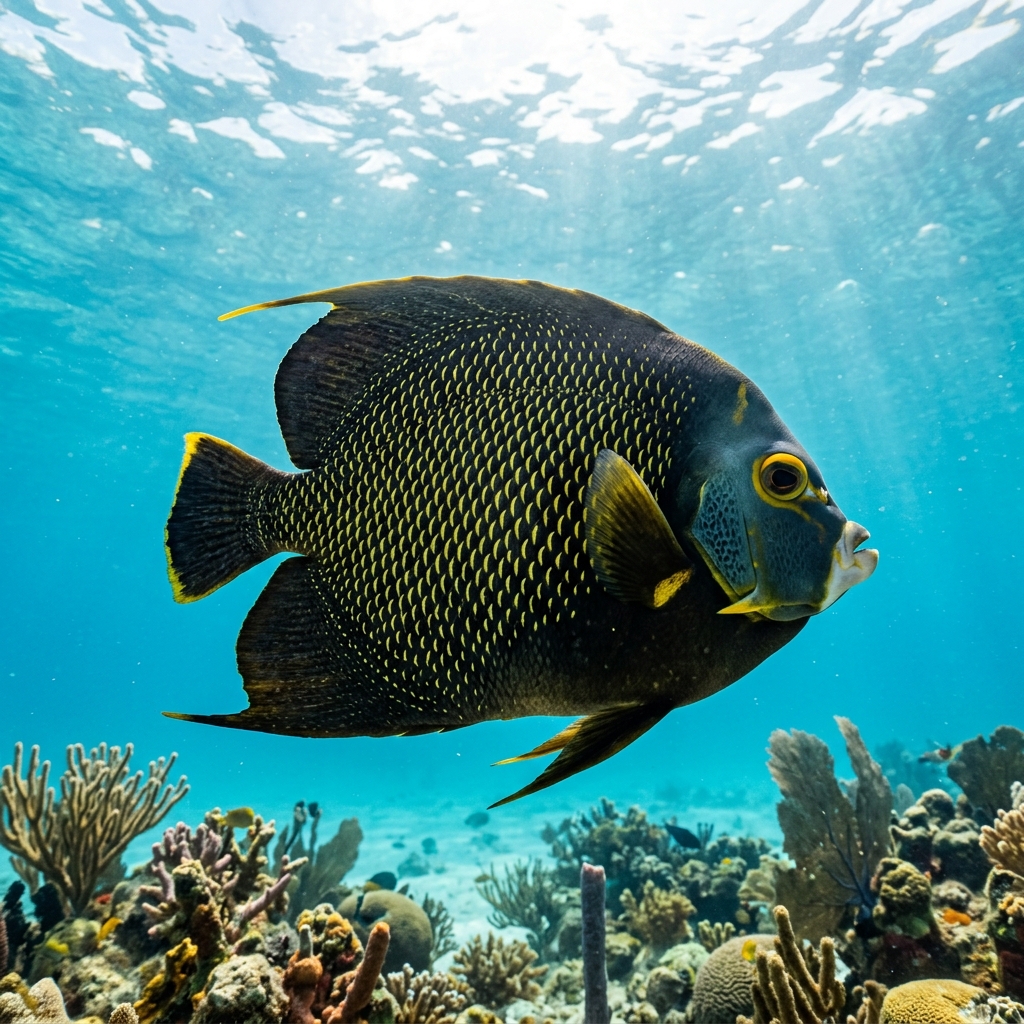
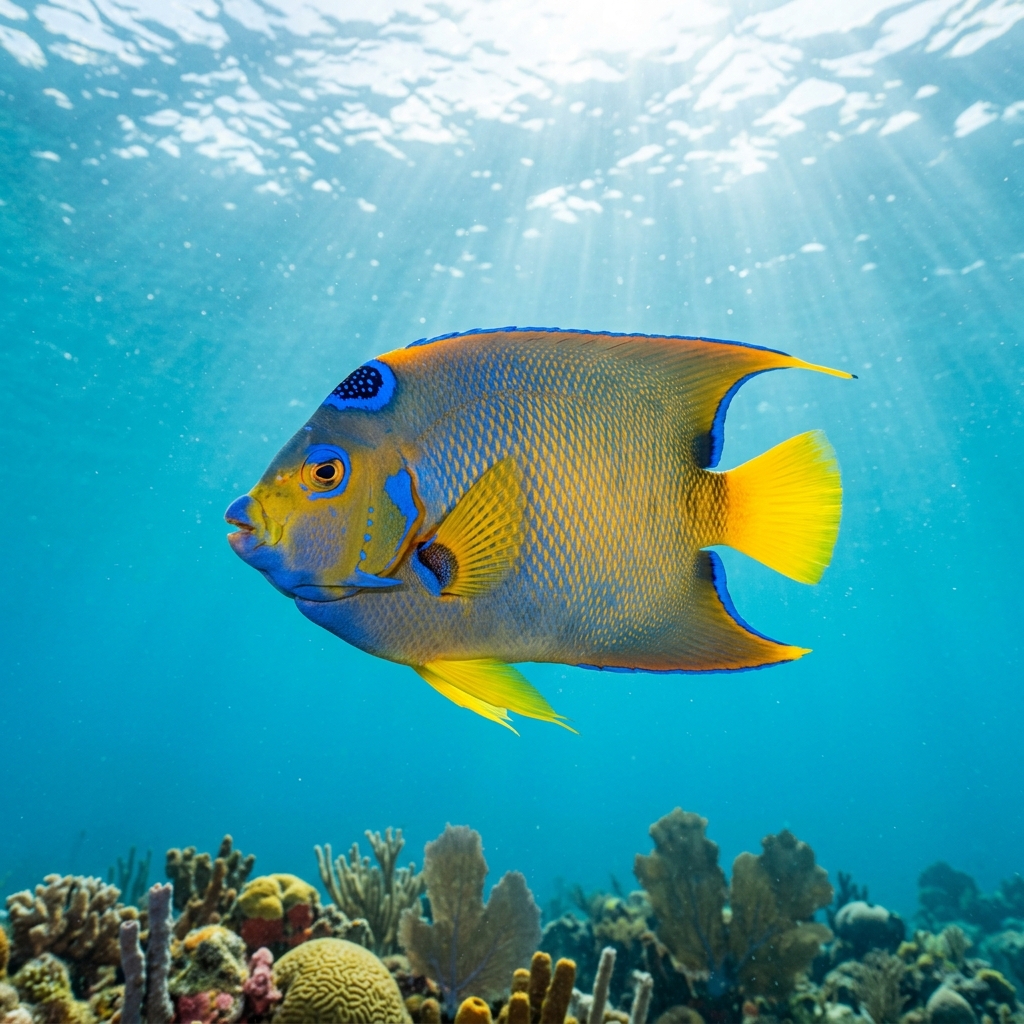
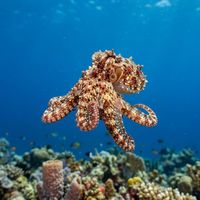
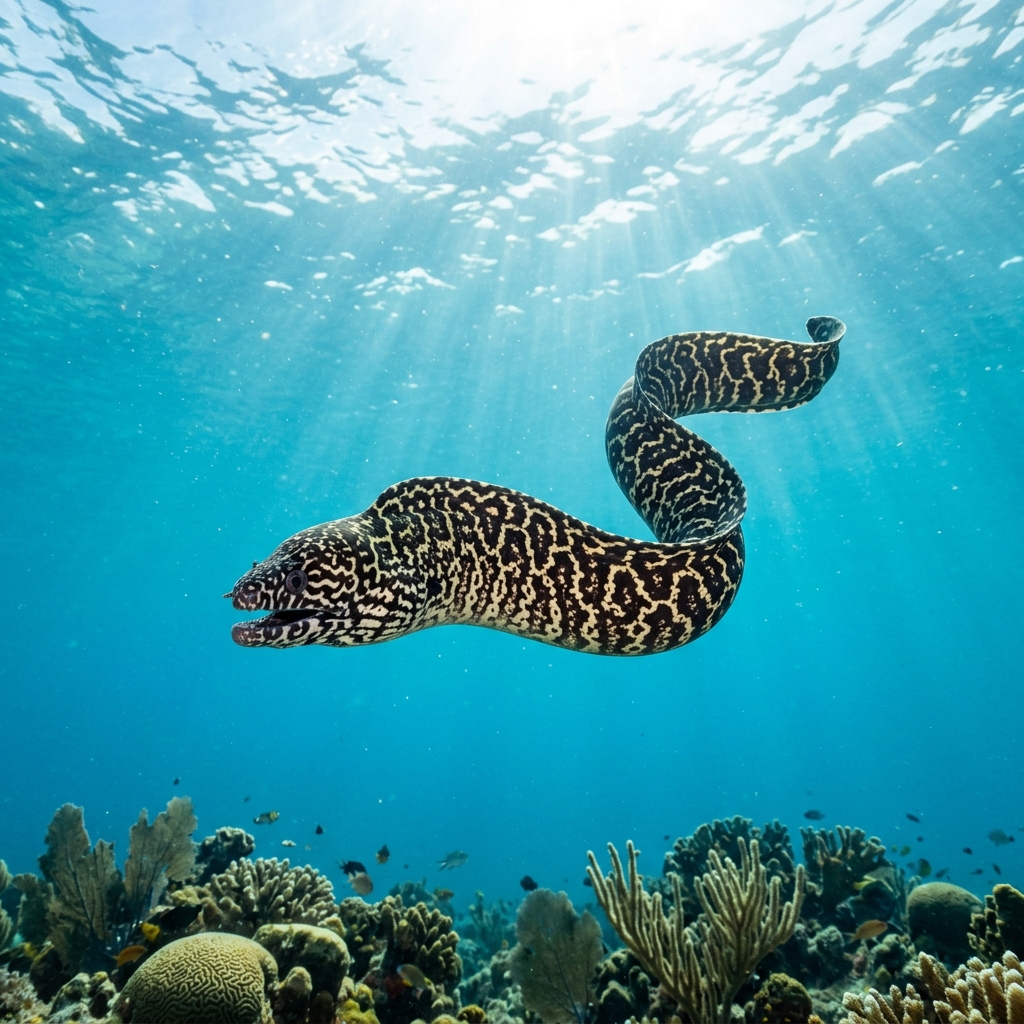
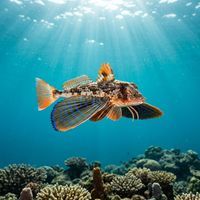
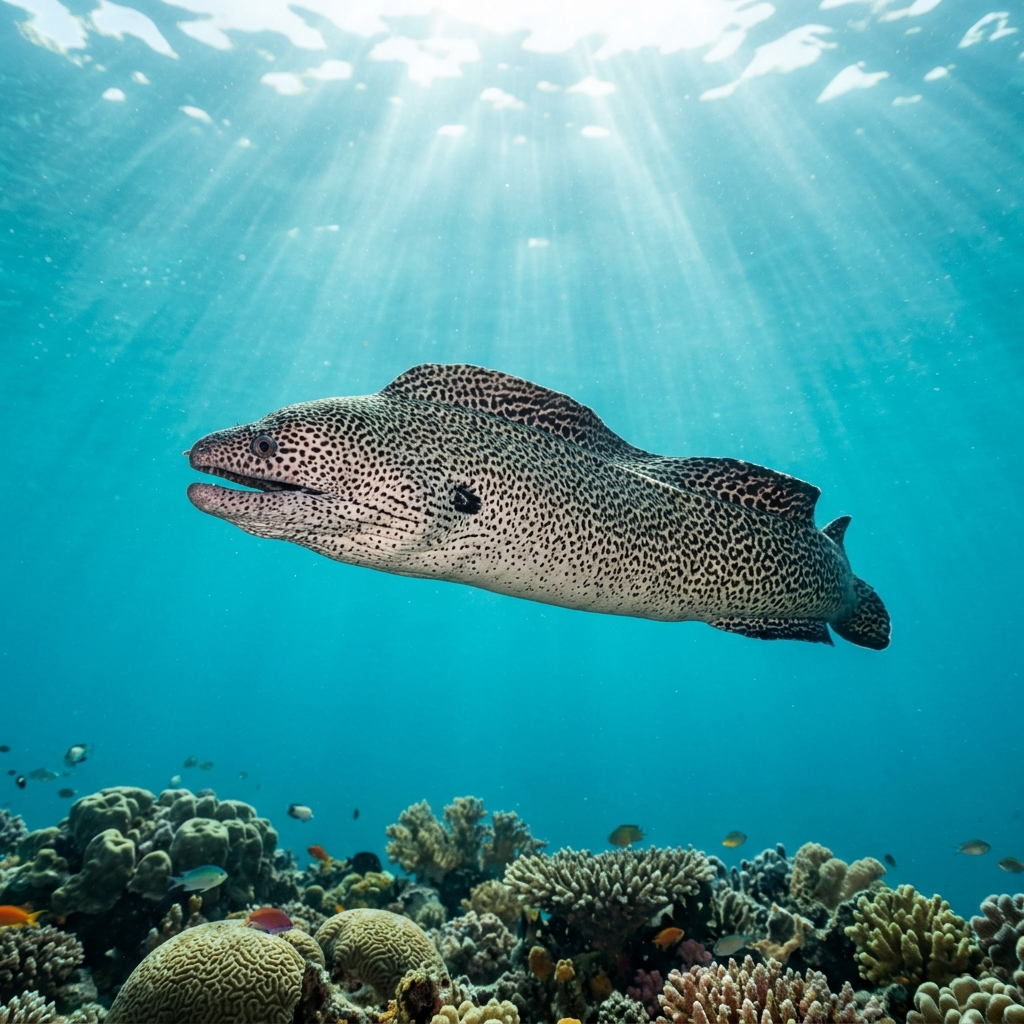
Arashi and Boca Catalina is defined by its concentration of wreck diving. Every featured site is a sunken vessel, several of which have matured into artificial reefs encrusted with coral growth. The Antilla Wreck, Pedernalis, Debbie II, Arashi, and Star Gerren all sit at beginner-friendly depths, making this a region where newer divers can explore truly varied wreck terrain. Alongside the structural interest, the marine life is notably rich: Brazilian Reef Octopus, Flying Gurnard, Indian Lionfish, Spotted Moray, and both French Angelfish and Queen Angelfish are consistently observed across the sites.
Monthly water temperature across Arashi and Boca Catalina's sites, from satellite sea-surface data corrected for depth. The band shows the site-to-site spread.
Water temperature stays warm throughout the year, with the coolest months falling in February and March and peak warmth arriving from September through November. Conditions favour diving in the mid-year months as well, with the histogram showing steady activity from March through August. All sites are boat-accessed, so surface conditions and departure logistics will shape your dive day more than thermal comfort.
11 operators


Oranjestad, Aruba
7 more sites to explore
Water temperature around Arashi and Boca Catalina ranges from about 26°C in February to 29°C in September, based on satellite sea-temperature data for its dive sites.
In the warm season (about 29°C) a rash guard or 3mm shorty is comfortable in Arashi and Boca Catalina; in the coldest months (about 26°C) step up to a 3mm full suit.
Fin maps 12 sites in Arashi and Boca Catalina (12 scuba diving sites and 3 snorkelling spots, with some suited to both).
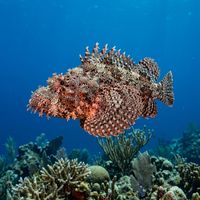
The region has a strong record of observed sightings across a wide range of species. Regulars include the Brazilian Reef Octopus, Flying Gurnard, Indian Lionfish, Spotted Moray, Chain Moray, and both French Angelfish and Queen Angelfish. Camouflaged species such as the Spotted Scorpionfish reward careful observers, while Honeycomb Cowfish, Smooth Trunkfish, and Pufferfish add character to every dive.
All of the featured sites are rated for beginner divers, and several sit at quite shallow maximum depths. The Pedernalis is especially accessible, while even the deeper sites such as Debbie II and Star Gerren fall within ranges that a newly certified diver can comfortably manage. Boat access is required for every site, so first-time visitors should plan through one of the local operators.
Every dive site in this region is reached by boat; there are no shore-entry dives among the listed sites. Multiple operators serve the area, including Palm Beach Divers Aruba, Red Sail Sports, Happy Divers Aruba, Pelican Adventures, and several others. Booking through a local operator also gives you access to guided dives on the wrecks, which helps navigate larger structures like the Antilla Wreck.
The region is almost entirely wreck-focused, with every major site being a sunken vessel. Several of these wrecks have developed into artificial reefs over time, meaning divers encounter both structural exploration and coral reef life on a single dive. This combination of wreck and reef habitat on sites like Debbie II, Star Gerren, and Arashi is what sets this area apart from purely natural reef diving elsewhere.


