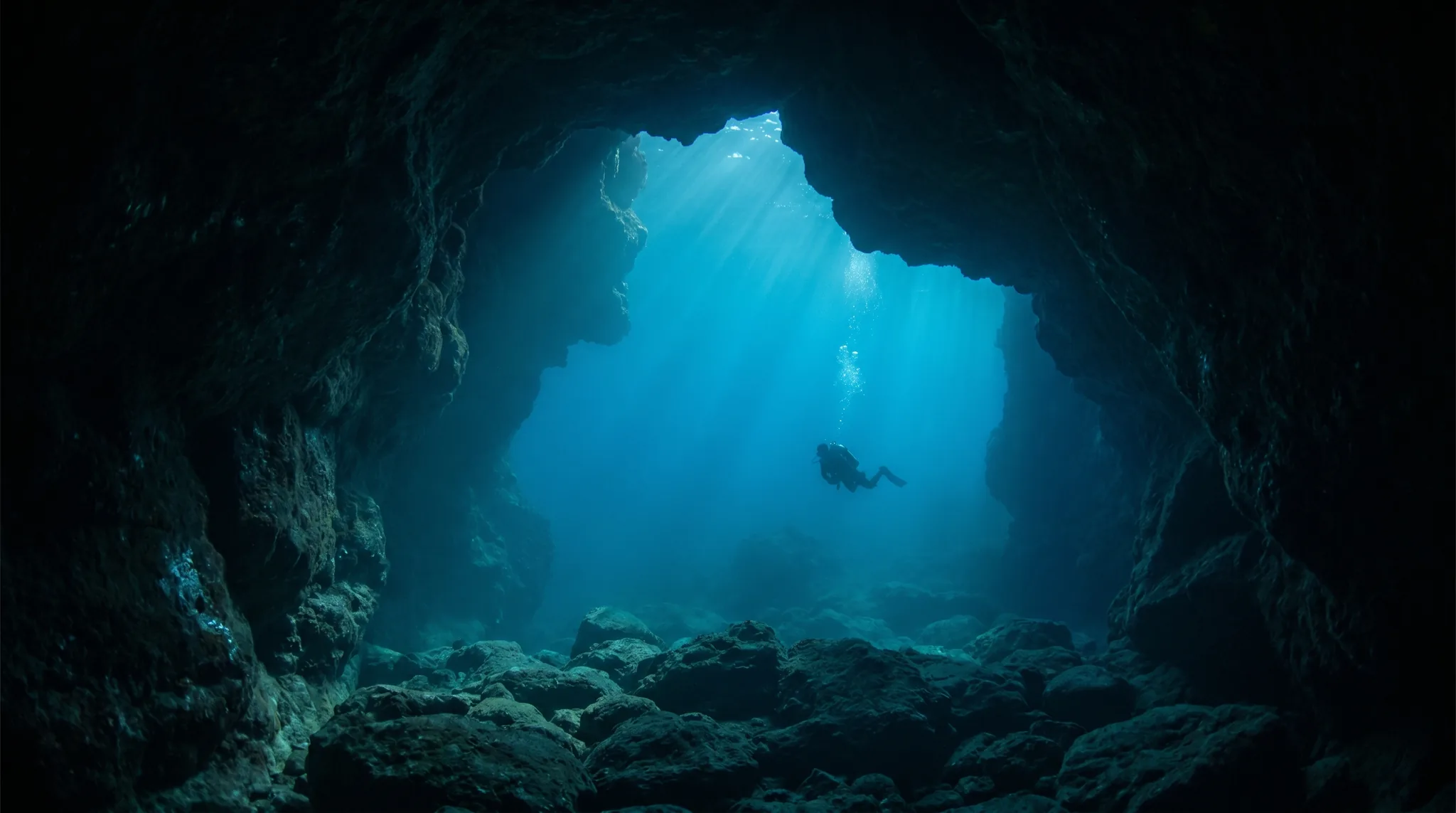
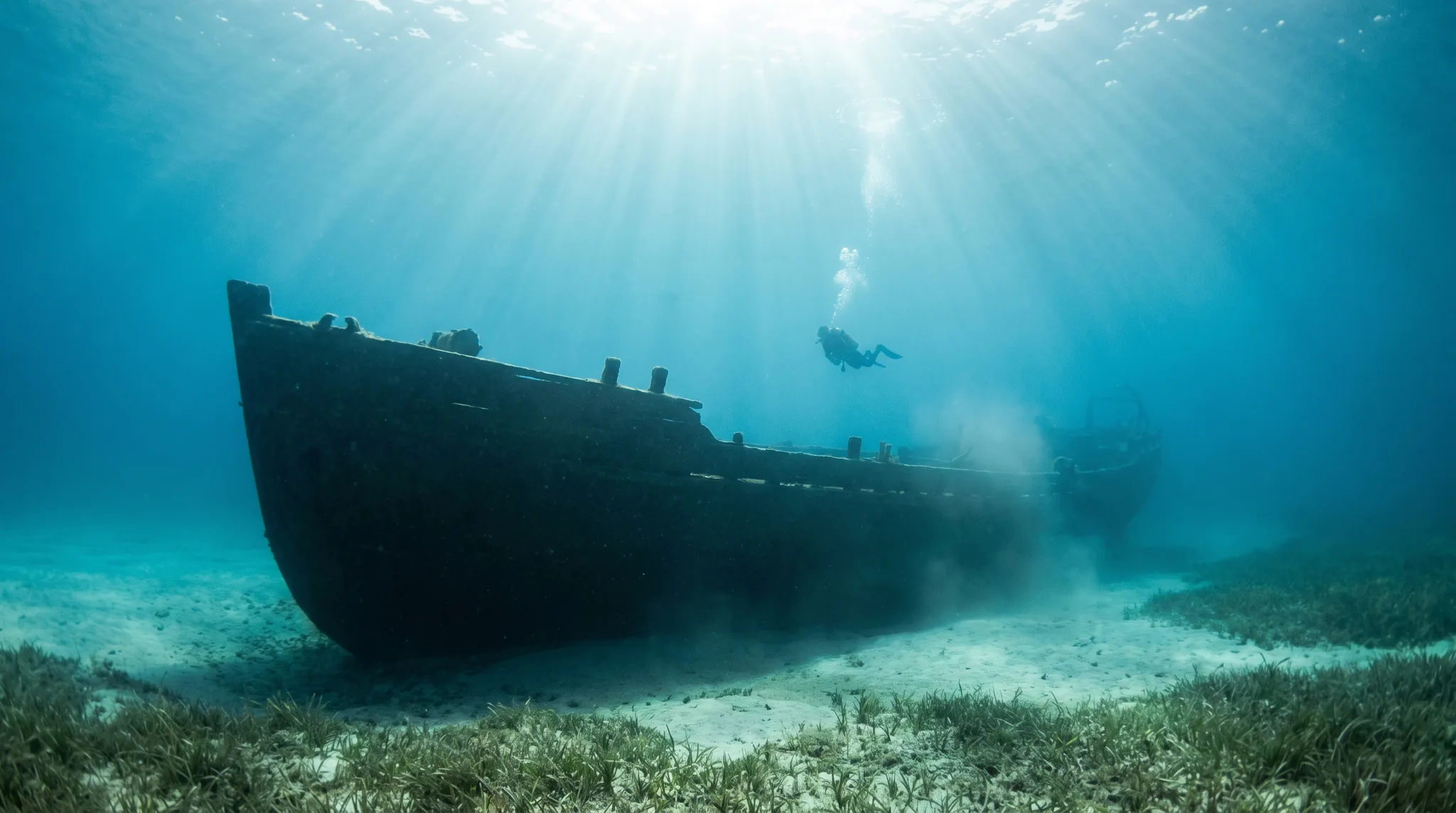
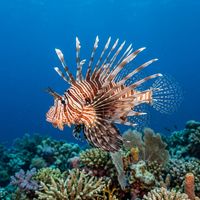
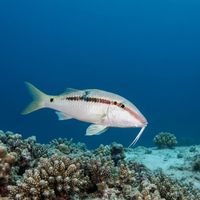
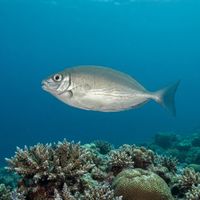
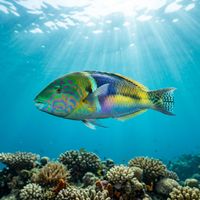
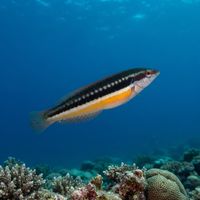
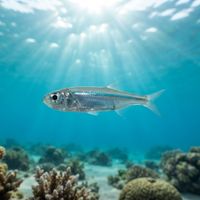
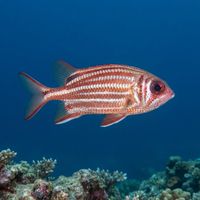
Kemer's underwater character is shaped by a concentration of beginner-friendly reef and cave sites clustered around Kiriş Aquarium Bay, alongside the deeper Paris II Wreck and the varied topography of Three İslands, which combines reef, wall, cave and wreck diving. Turkish Wrasse, Castagnole, Goatfish and Rabbitfish are observed consistently across sites. Indian Lionfish and Mediterranean Moray add interest in crevices, and the Loggerhead Sea Turtle appears occasionally. Conditions favour warm-water diving from late spring through autumn.
Monthly water temperature across Kemer's sites, from satellite sea-surface data corrected for depth. The band shows the site-to-site spread.
Water temperature rises steadily from spring into late summer, peaking in September before easing through autumn. The warmest months bring the most comfortable conditions for longer dives, while spring and early autumn remain pleasant and tend to draw strong visitor interest. Winter temperatures drop to their coolest but the bay's sheltered geometry keeps many sites diveable year-round.
10 operators
Turkey
10 more sites to explore
Water temperature around Kemer ranges from about 17°C in March to 28°C in September, based on satellite sea-temperature data for its dive sites.
In the warm season (about 28°C) a rash guard or 3mm shorty is comfortable in Kemer; in the coldest months (about 17°C) step up to a 7mm or semi-dry suit.
Fin maps 16 sites in Kemer (13 scuba diving sites and 9 snorkelling spots, with some suited to both).
Across Kemer's dive sites, May, June, July, August, September and October are most often reported as the best months to visit.
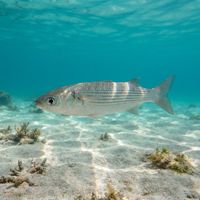
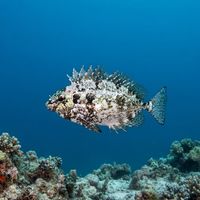
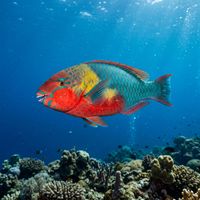
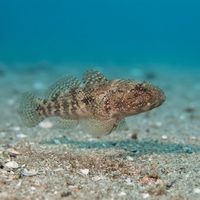
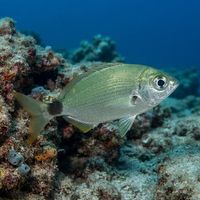
Observed species across Kemer's sites include Turkish Wrasse, Castagnole, Goatfish, Rabbitfish, White Seabream and Indian Lionfish, all of which appear very commonly. Mediterranean Moray is spotted occasionally in reef crevices. The Loggerhead Sea Turtle is a signature species, though sightings are occasional rather than guaranteed.
Most of Kemer's sites are rated for beginners, including the reef and cave sites around Kiriş Aquarium Bay and the varied Three İslands site. The Paris II Wreck is rated intermediate and sits at greater depth, making it a natural progression for divers building experience. The overall mix means beginners and intermediate divers can dive together on most days.
The majority of Kemer's dive and snorkel sites are accessed by boat, including the Paris II Wreck and Three İslands. Ayisigi Beach is an exception, offering both shore and boat entry. Operators such as Kemer Octopus Diving Center and Mediterranean Diving Center organise boat departures to the main sites.
Kiriş Aquarium Bay concentrates the most beginner-oriented sites, with shallow artificial and natural reef structures and calm conditions. The Üç Adalar area, reached further offshore, offers more varied topography including walls, caves and the Light House site, with depth ranges that extend to suit more experienced divers. The Paris II Wreck sits offshore in Kiriş Aquarium Bay but targets intermediate divers specifically.