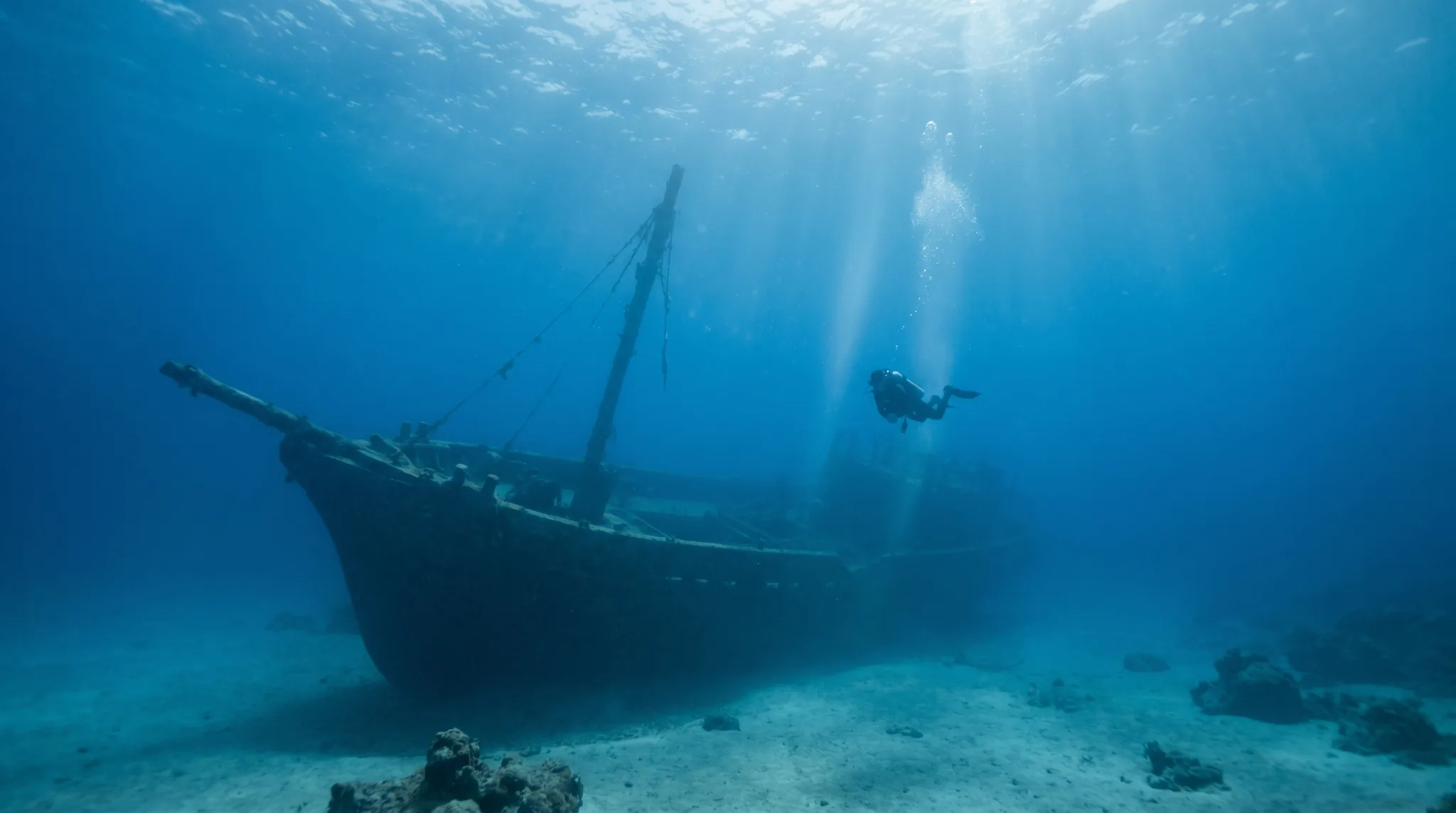
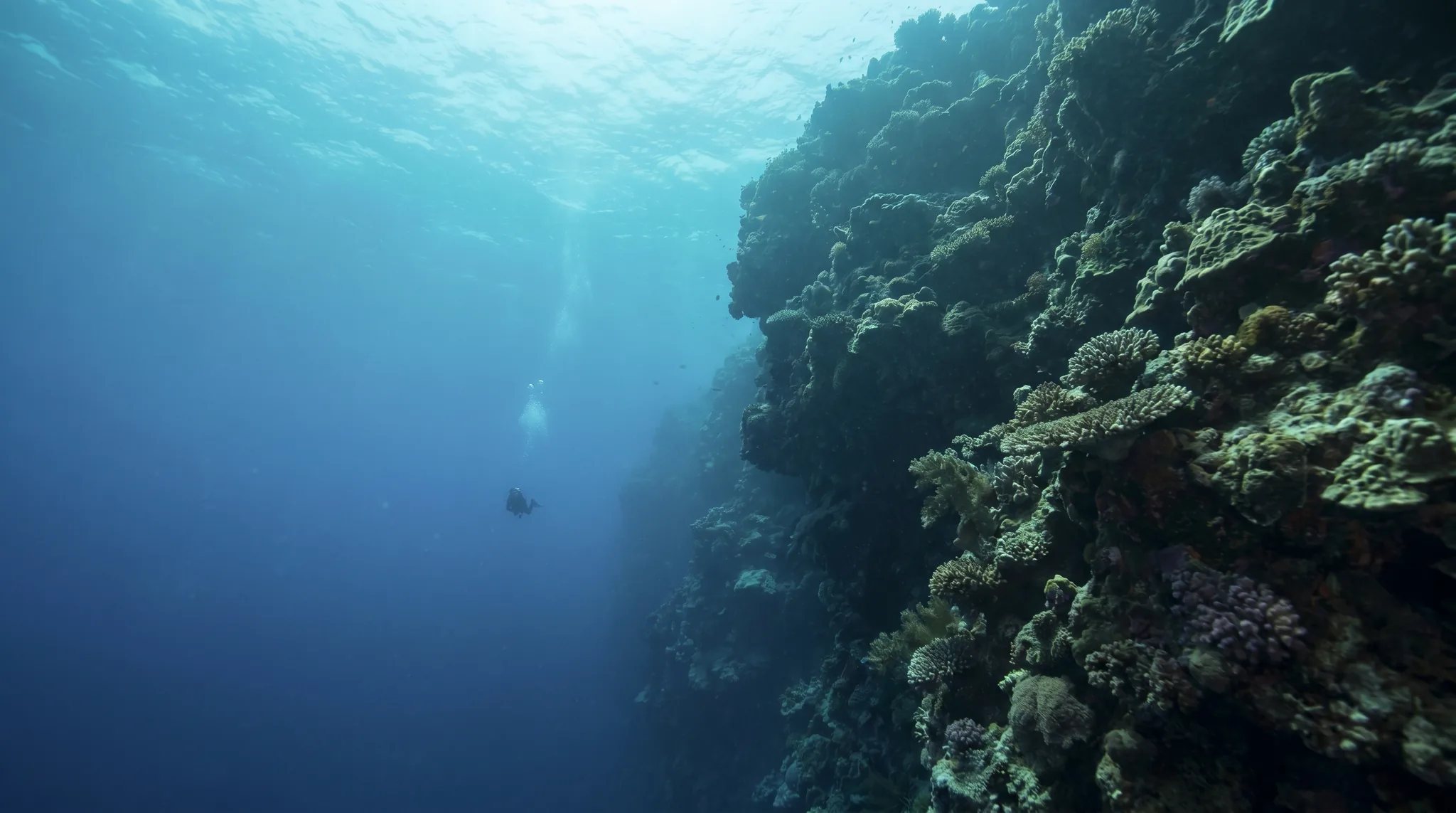
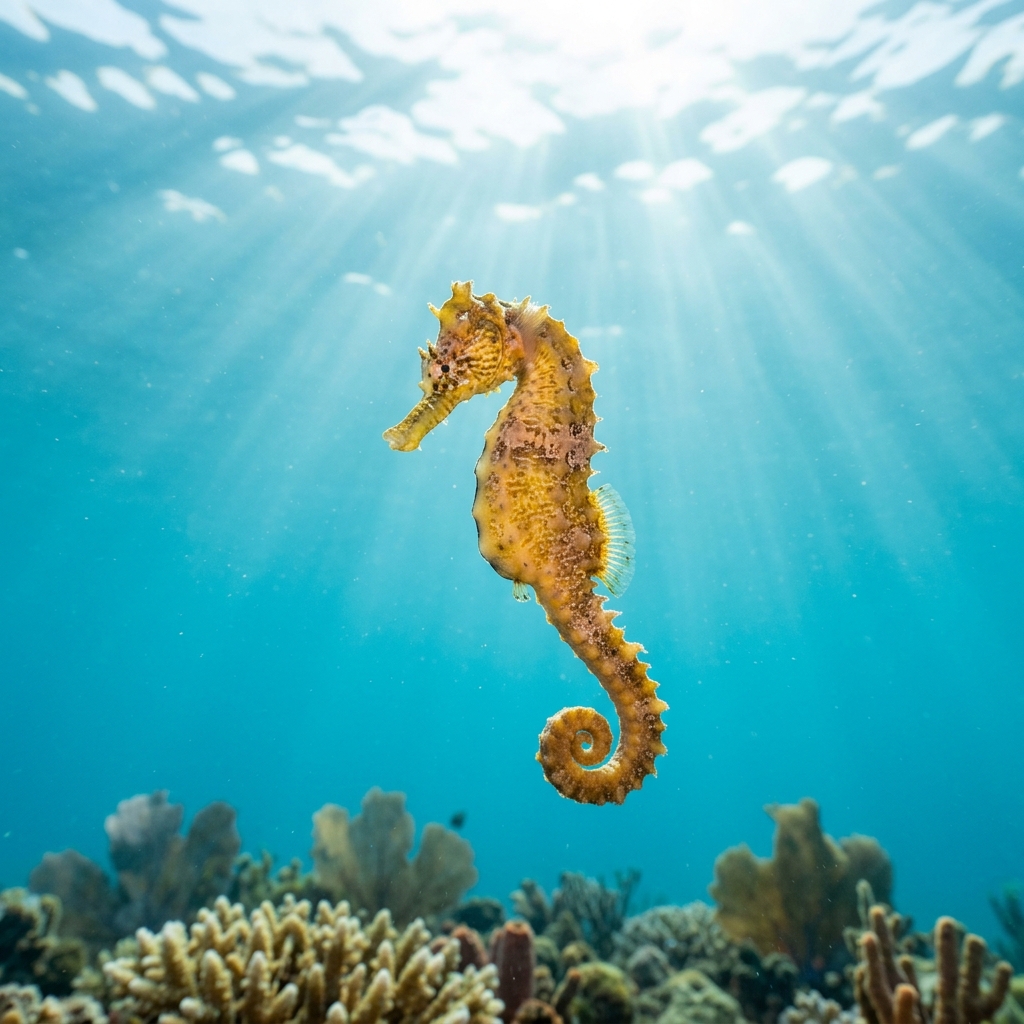
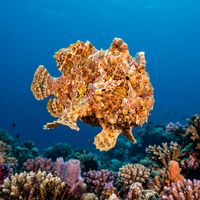
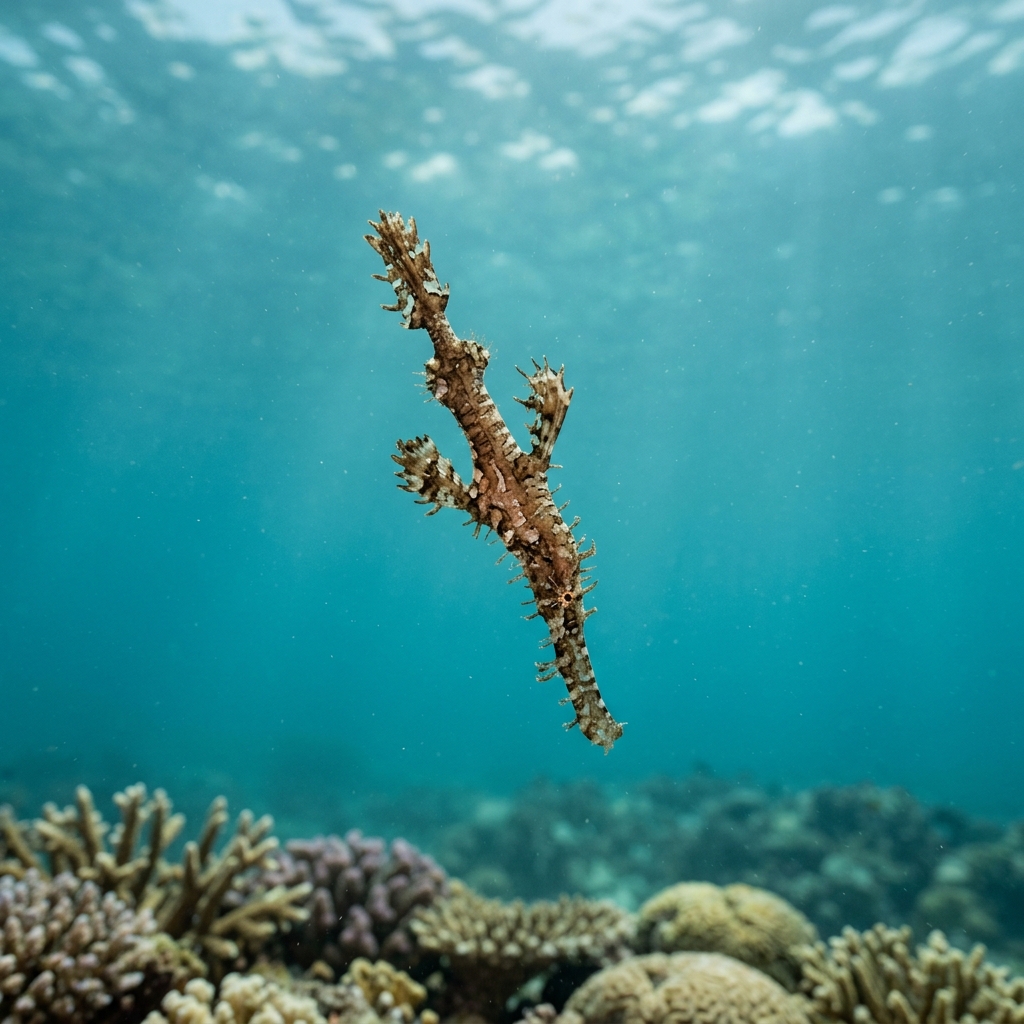
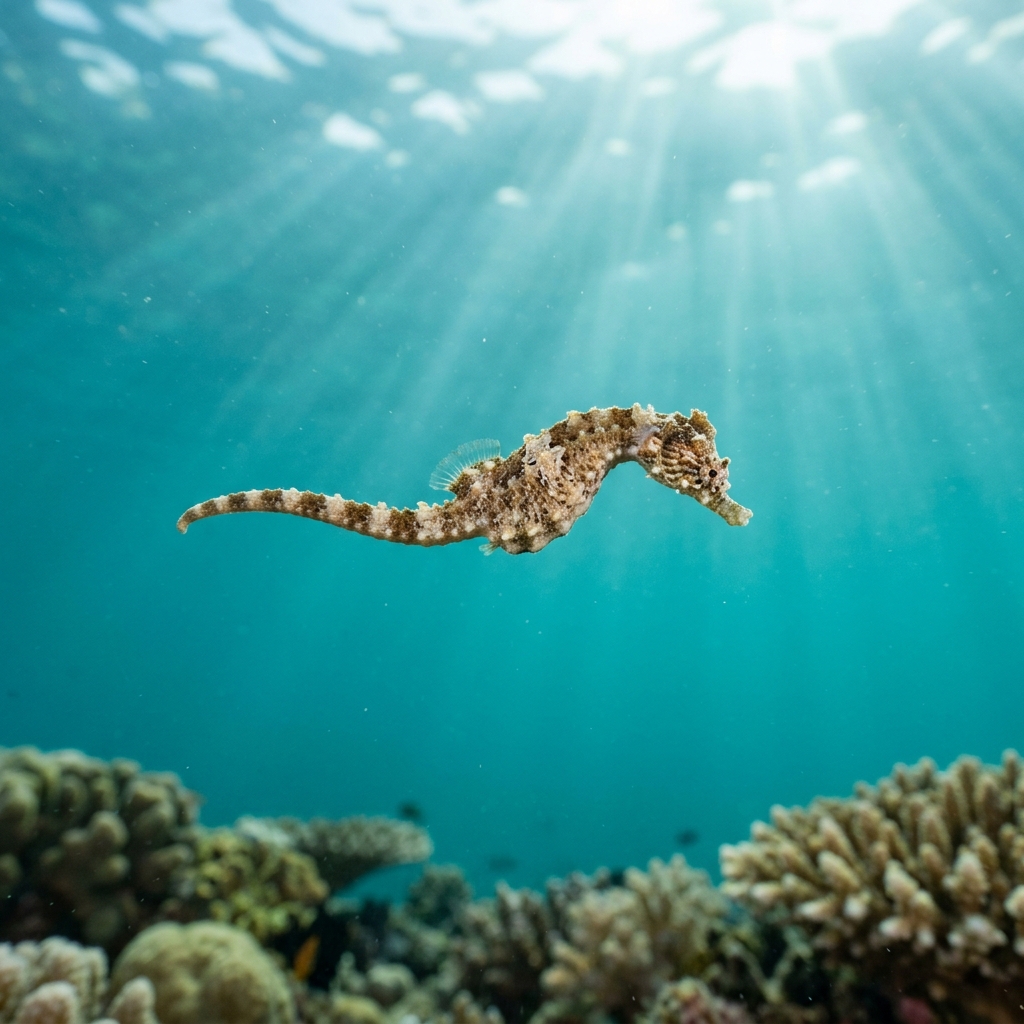
Camiguin's underwater character is defined by critters. Walls, drop-offs, caves and reef flats host an exceptional cast of camouflaged and slow-moving animals: the Warty Anglerfish, Painted Frogfish, Robust Ghost Pipefish, Dwarf Pipehorse and Common Seahorse all appear with notable regularity. Sites range from the shallow fringing reef at Mantigue Island, suited to beginners, through intermediate walls like Jigdup and Old Volcano, to the advanced drift conditions at Bulias Shoal. All diving is boat access.

Monthly water temperature across Camiguin's sites, from satellite sea-surface data corrected for depth. The band shows the site-to-site spread.
Water stays warm throughout the year, rising slightly through the mid-year months and remaining elevated into late year. The clearest diver preference clusters around late dry season, from April through June, when visibility tends to be at its best. Sites exposed to current, such as Bulias Shoal and Old Volcano, demand attention to conditions regardless of season.
14 operators
Tupsan, Philippines
Water temperature around Camiguin ranges from about 27°C in February to 30°C in July, based on satellite sea-temperature data for its dive sites.
13 more sites to explore
With water around 27–30°C, a rash guard or 3mm shorty works in Camiguin year-round.
Fin maps 21 sites in Camiguin (16 scuba diving sites and 7 snorkelling spots, with some suited to both).
Across Camiguin's dive sites, April, May and June are most often reported as the best months to visit.
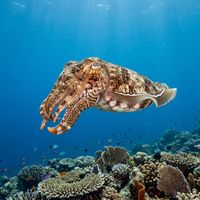
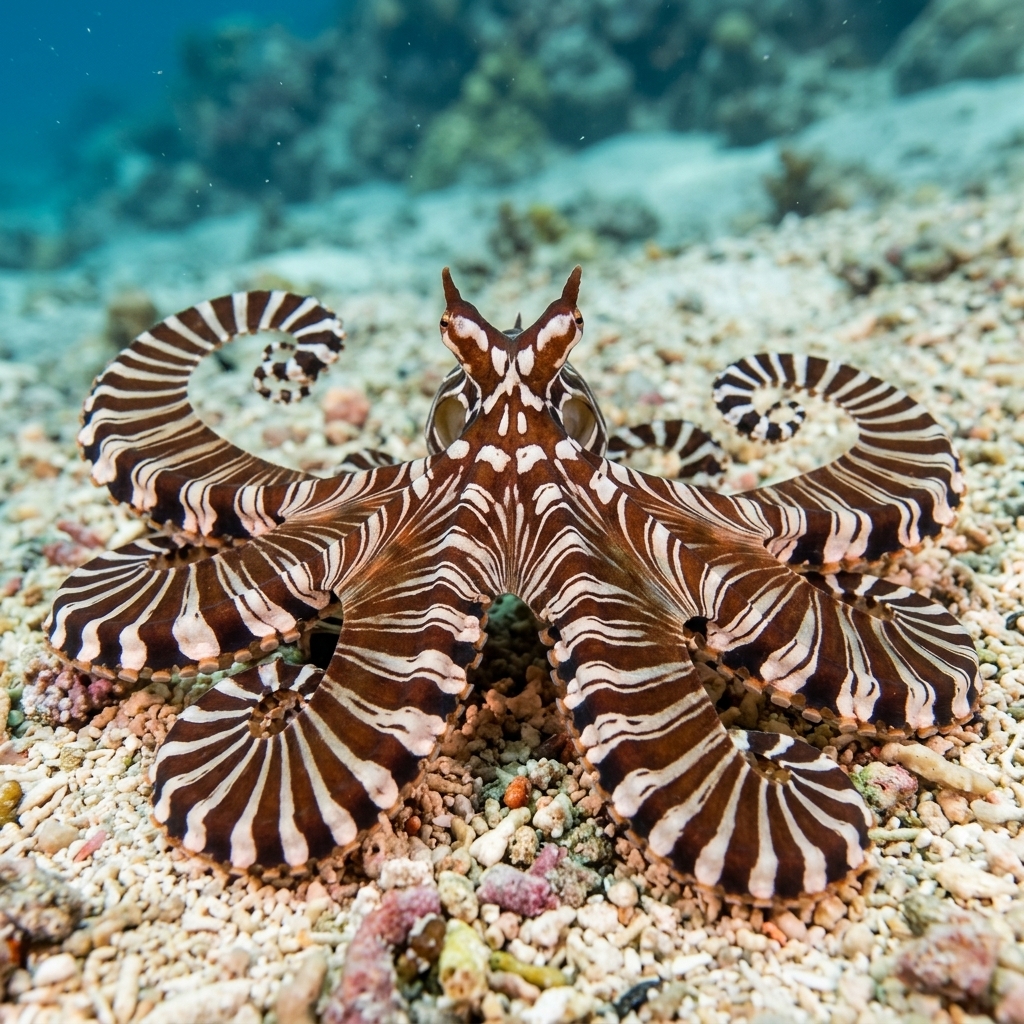
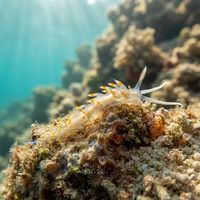
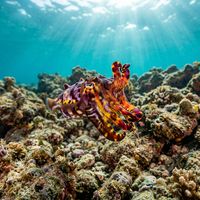
Camiguin is particularly strong for small, cryptic species. The Warty Anglerfish, Giant Frogfish, Painted Frogfish, Robust Ghost Pipefish, Dwarf Pipehorse and Common Seahorse are all observation-backed signature finds here. The Nembrotha Nudibranch and Chromodoris Nudibranch are very commonly recorded, and Wunderpus and Peacock Mantis Shrimp appear occasionally across the sites.
Mantigue Island is explicitly rated for beginners, with a shallow fringing reef that graduates into walls and drop-offs, giving new divers room to build confidence before exploring deeper. Intermediate sites such as Jigdup Wall, Kantoon and White Island Reef form the majority of the site mix. Bulias Shoal is the one advanced site and is best reserved for experienced drift divers.
The site mix is varied in topography. Mantigue Island combines fringing reef with walls and drop-offs. Kantoon adds cave and cavern sections to the usual reef and drop-off structure. Jigdup Wall and Old Volcano are primarily vertical wall dives. Bulias Shoal, Kabila and White Island Black Forest all involve drift conditions over reef. This variety means most diver interests and skill levels are covered within the one region.