Samla bicolor
A small, uncommon nudibranch turning up on reefs from Bali to Sabah, comfortable year-round in warm 23-30C water.
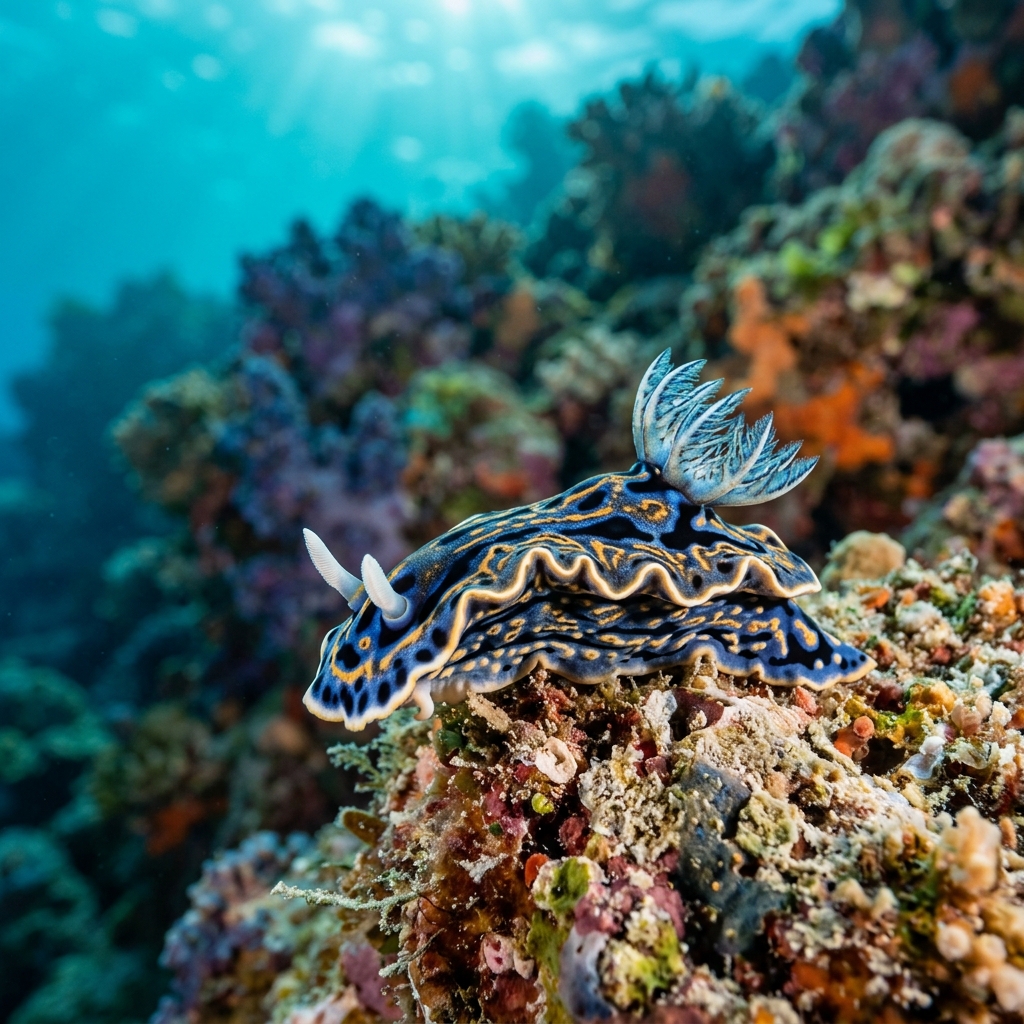
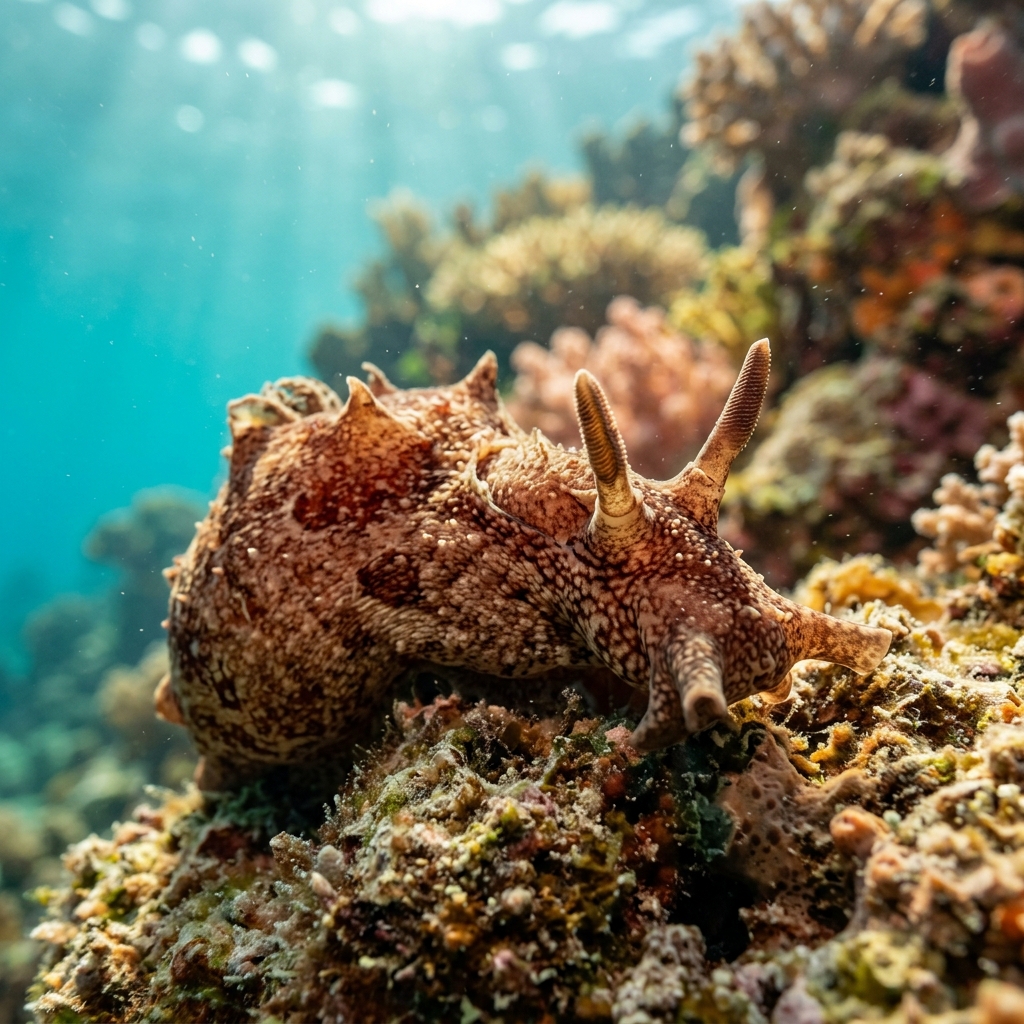
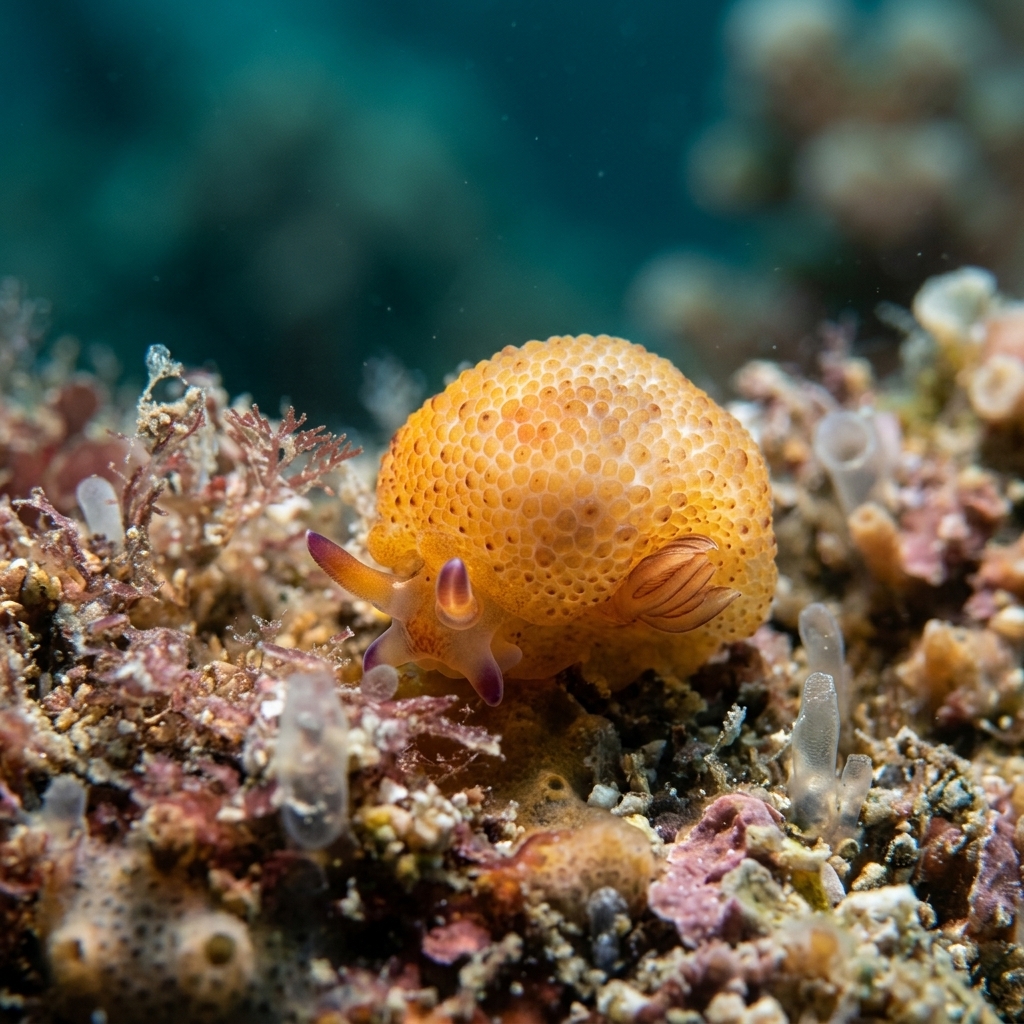
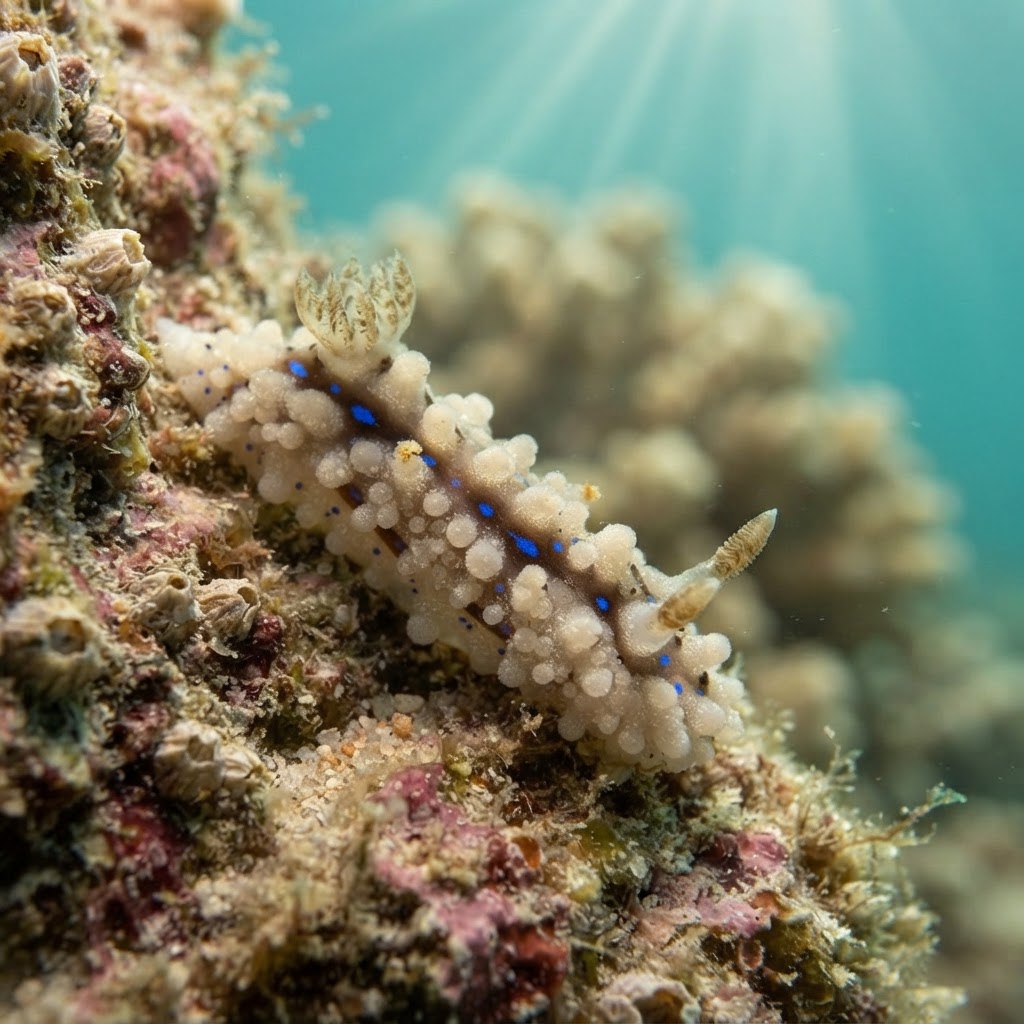
Look for a small, soft-bodied sea slug (nudibranch) with a body split into two distinct colour zones, the trait behind its common name. It moves slowly across the substrate with a blunt, rounded head end rather than a pointed one, and lacks the flashy, high-contrast patterning of many reef nudibranchs. Size in the water tends toward the small end of the nudibranch range, so divers usually need a close, deliberate look at rubble and reef structure to pick it out.
Expect to find it moving slowly over reef substrate or rubble during the day, grazing rather than fleeing when divers approach. It shows no territorial or defensive display toward divers and is easy to pass over without noticing given its uncommon-to-rare presence at most sites where it turns up. Patient macro-focused divers scanning close to the bottom have the best chance of spotting one.
Like other nudibranchs, it almost certainly gets its colouring and any chemical defences from compounds absorbed through its diet, though the specific diet for this species is not well documented.
Sightings show no clear seasonal pattern, and the observed temperature range of 22.9 to 29.8C spans typical year-round conditions on these Indo-Pacific reefs, so it is worth searching for on any dive regardless of month.
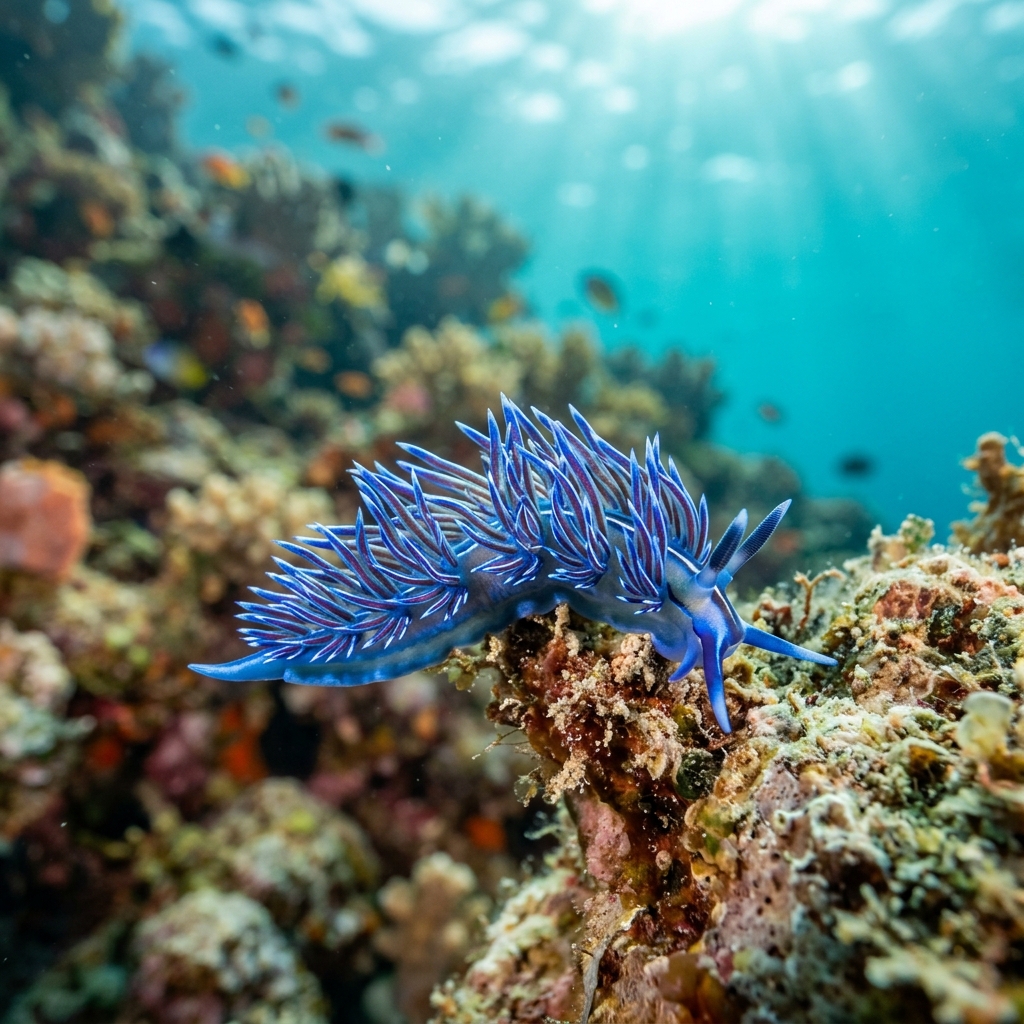
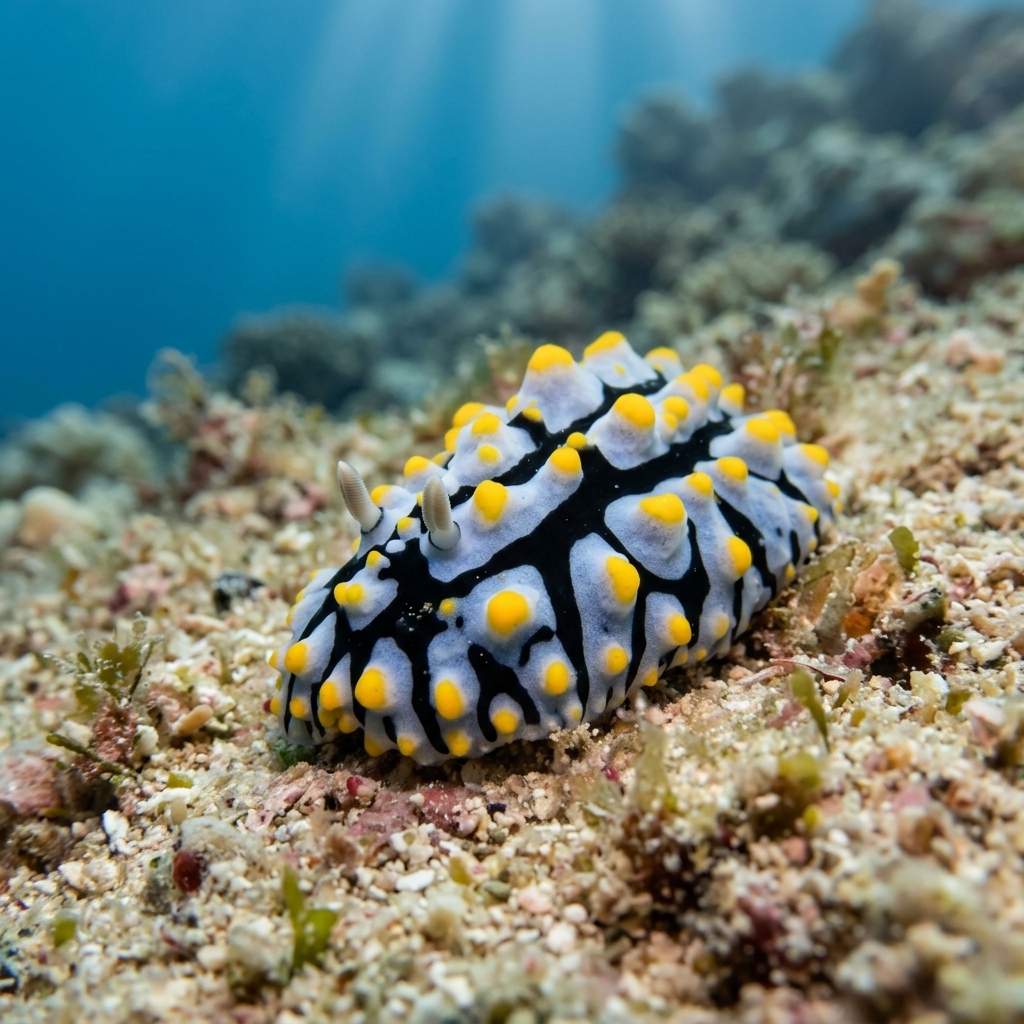
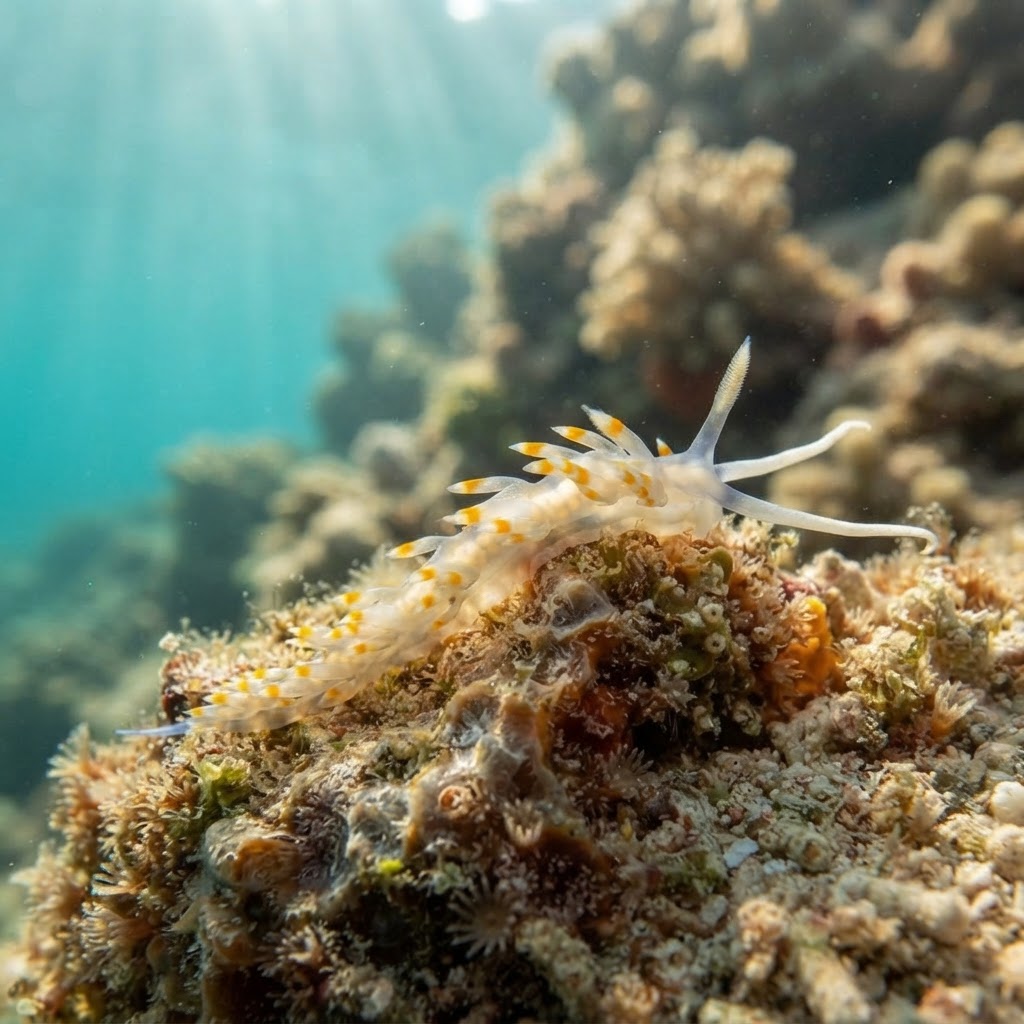
Reef neighbours a diver could mistake it for. Use the identification notes above to tell them apart.
Most reliably found on reefs in Indonesia, especially around Bali, with strong secondary populations in Sabah, Malaysia and across the Philippines, particularly Mindanao. Divers also log it consistently at Longdong in Taiwan and around Saipan in the Northern Mariana Islands, with smaller but steady counts in Hong Kong's Sai Kung, Australia and New Caledonia.
Mapping where Two-tone Bluntnose is logged…
Bali in Indonesia is the strongest area for sightings, followed by Sabah in Malaysia and Mindanao in the Philippines. Longdong in Taiwan and Saipan in the Northern Mariana Islands also produce regular sightings.
There is no detected season for this species, and it is recorded across a wide temperature range from about 23 to 30C, so it can turn up on tropical reef dives at any time of year.
Watch for a small, slow-moving nudibranch with a body clearly divided into two colour zones and a blunt rather than pointed head. It lacks the bright multi-stripe patterning of showier nudibranchs, so a close look at rubble or reef substrate is often needed.
Exact size data is not documented for this species, but like most nudibranchs in its family it stays small, generally easy to overlook without a close, deliberate search of the substrate.
No. It poses no threat to divers and has no recorded defensive behaviour toward people, it can simply be observed and photographed at a comfortable distance.
Site and sighting data is aggregated from diver logs, iNaturalist and GBIF. For taxonomy and conservation status:
Light-spotted Aegires
3,168 sites