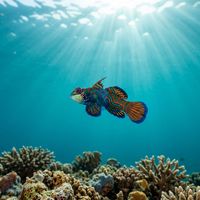
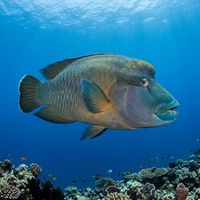
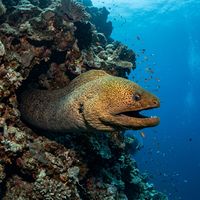
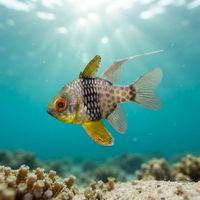
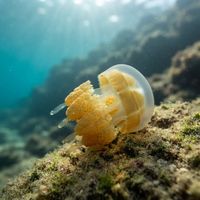
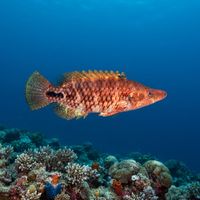
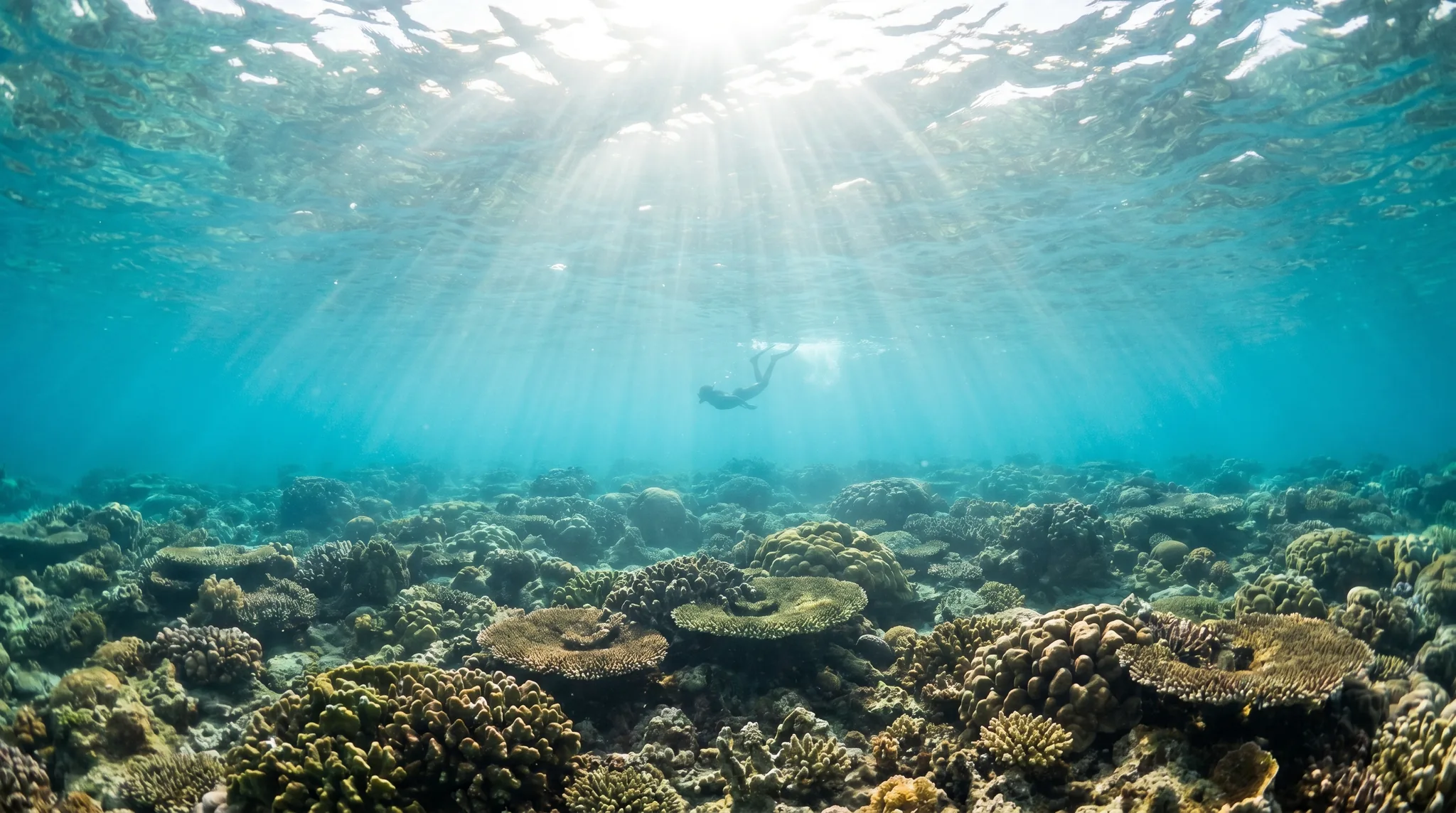
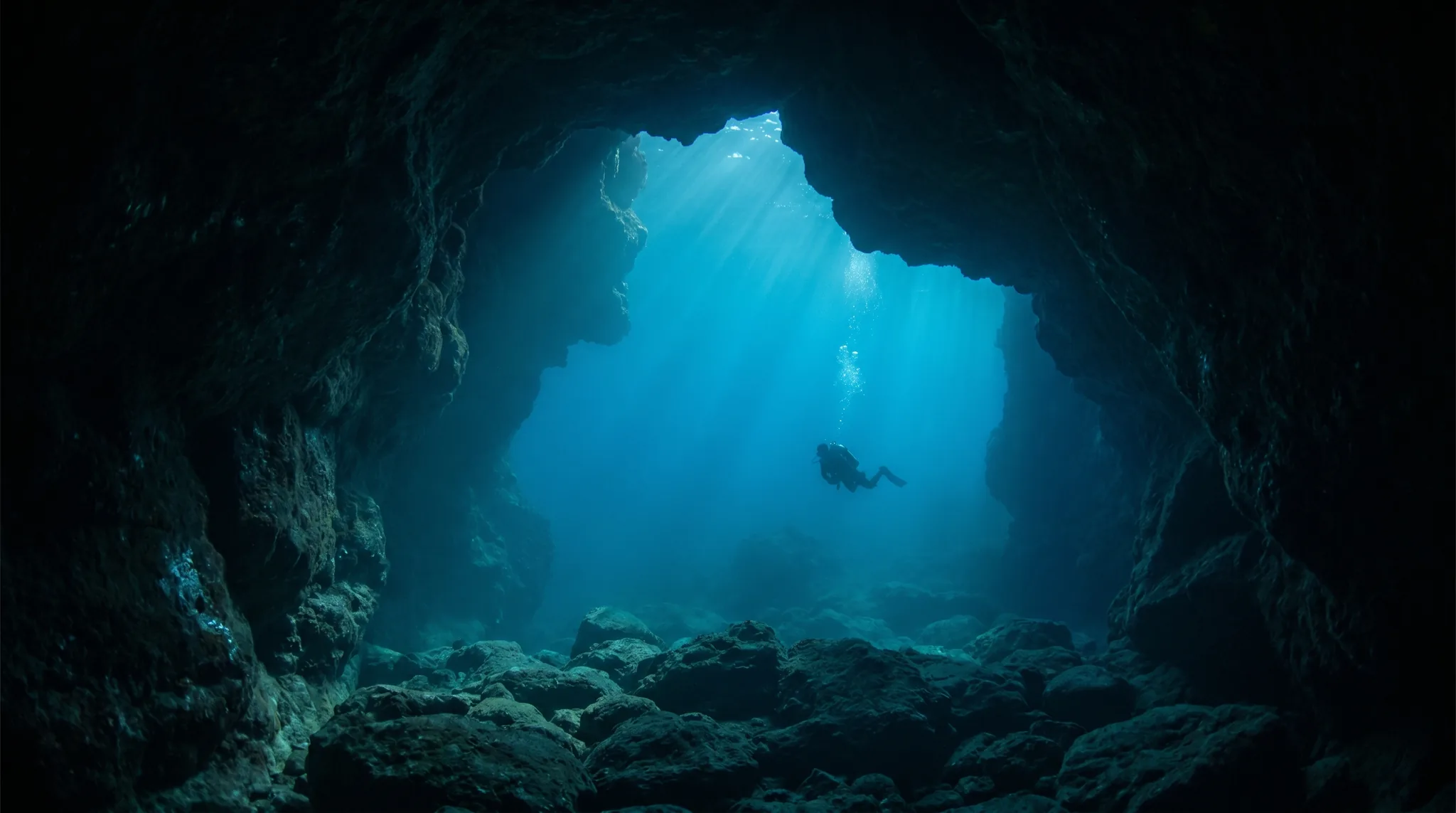
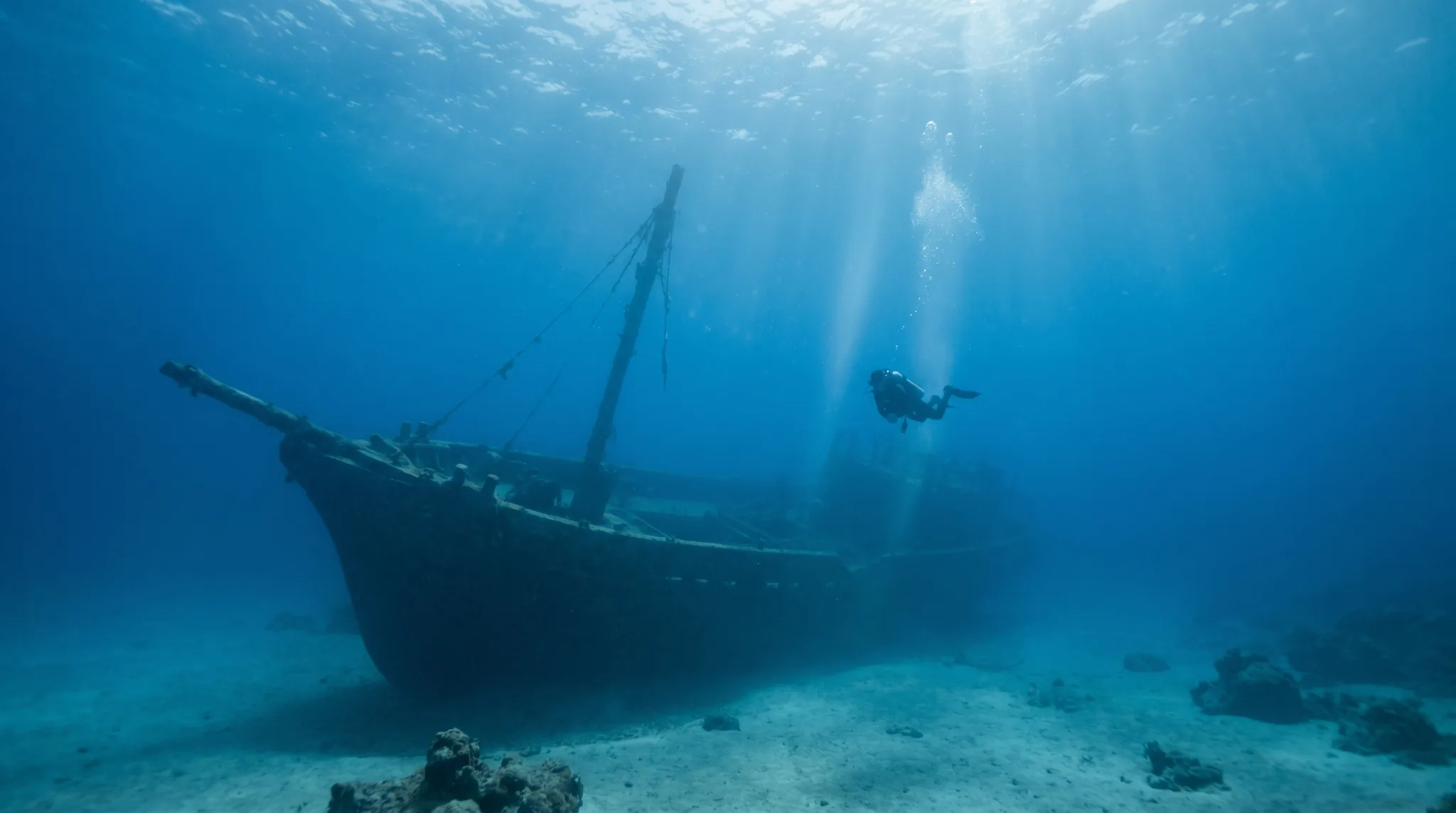
Malakal Wrecks is defined by an exceptional concentration of Japanese and wartime vessels resting across a wide range of depths, from very shallow to well beyond recreational limits. Most sites require boat access and suit intermediate divers, though a handful of shallower wrecks welcome beginners. The Iro Maru, Amatsu Maru, and Nagisan Maru anchor the deeper end, while the Jake Seaplane and Zero Zeke offer more accessible penetration. Across the sites, Mandarinfish, Napoleon Wrasse, Giant Moray, and Clown Triggerfish are regularly observed.
Monthly water temperature across Malakal Wrecks's sites, from satellite sea-surface data corrected for depth. The band shows the site-to-site spread.
Water temperature remains warm throughout the year, with a slight dip in February before climbing back through the middle months. Conditions are most favourable from November through to February based on diver preference data, though the region is diveable year-round. Visibility varies considerably between sites, so conditions should be checked per dive.
Water temperature around Malakal Wrecks ranges from about 28°C in February to 30°C in May, based on satellite sea-temperature data for its dive sites.
With water around 28–30°C, a rash guard or 3mm shorty works in Malakal Wrecks year-round.
6 more sites to explore
Fin maps 18 sites in Malakal Wrecks (18 scuba diving sites and 1 snorkelling spots, with some suited to both).
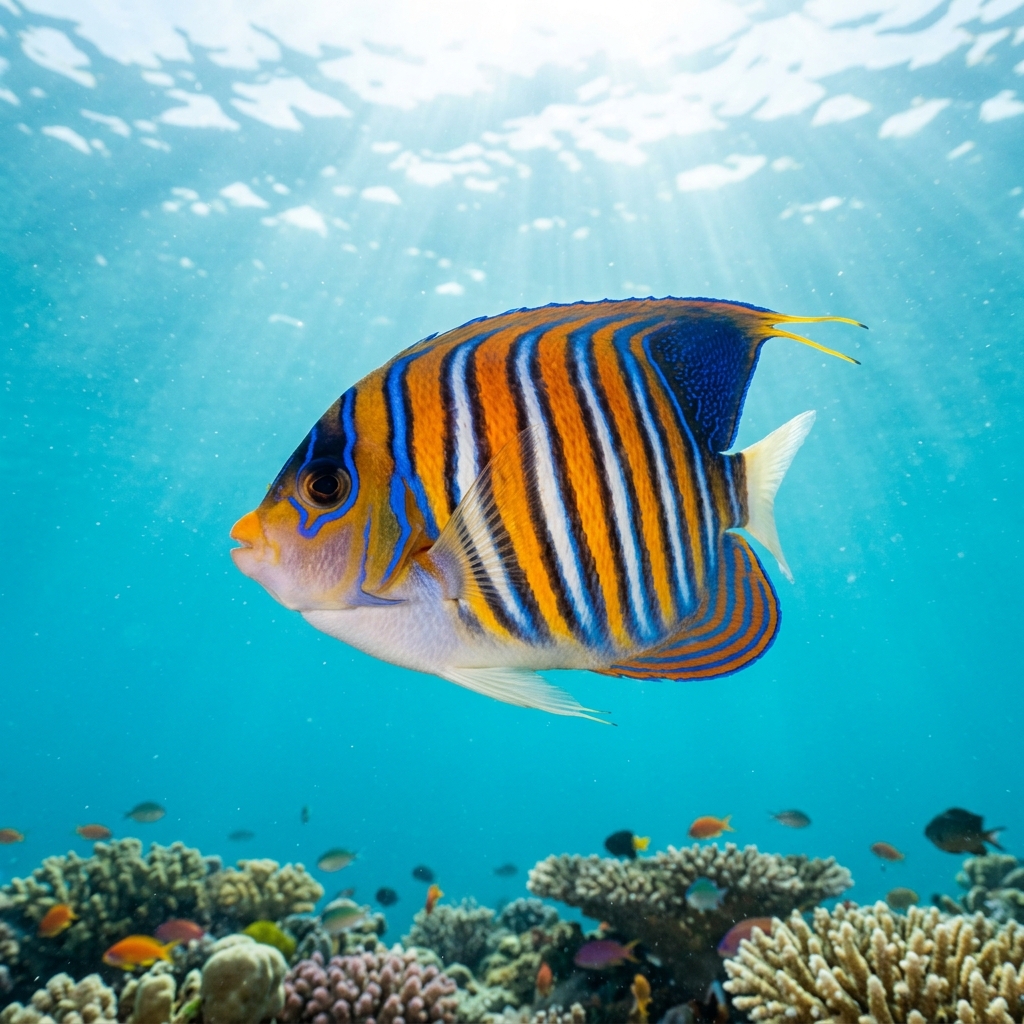
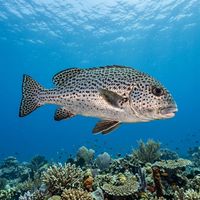
The wrecks host a rich variety of observed species. Mandarinfish, Napoleon Wrasse, Clown Triggerfish, and Regal Angelfish are all very commonly encountered. Giant Moray, Harlequin Sweetlips, Day Octopus, and Banded Pipefish are also regularly sighted, and Bluefin Trevally patrol many of the deeper structures.
Several sites are well suited to beginners. The Coastal Patrol Boat, Jake Seaplane, ZEKE Zero, and Zero Zeke all sit at shallower depths and carry a beginner skill rating. The majority of the collection is rated intermediate, and the Nagisan Maru is strictly for advanced divers due to its depth and conditions.
All sites across Malakal Wrecks require boat access. There are no listed shore-entry options in this area. Divers should arrange boat transfers through operators in the broader Koror and Malakal area.