Abudefduf sparoides
Common on Indian Ocean reefs from Flic-en-Flac to Zanzibar, this striped damselfish sits at 24-28C year-round.
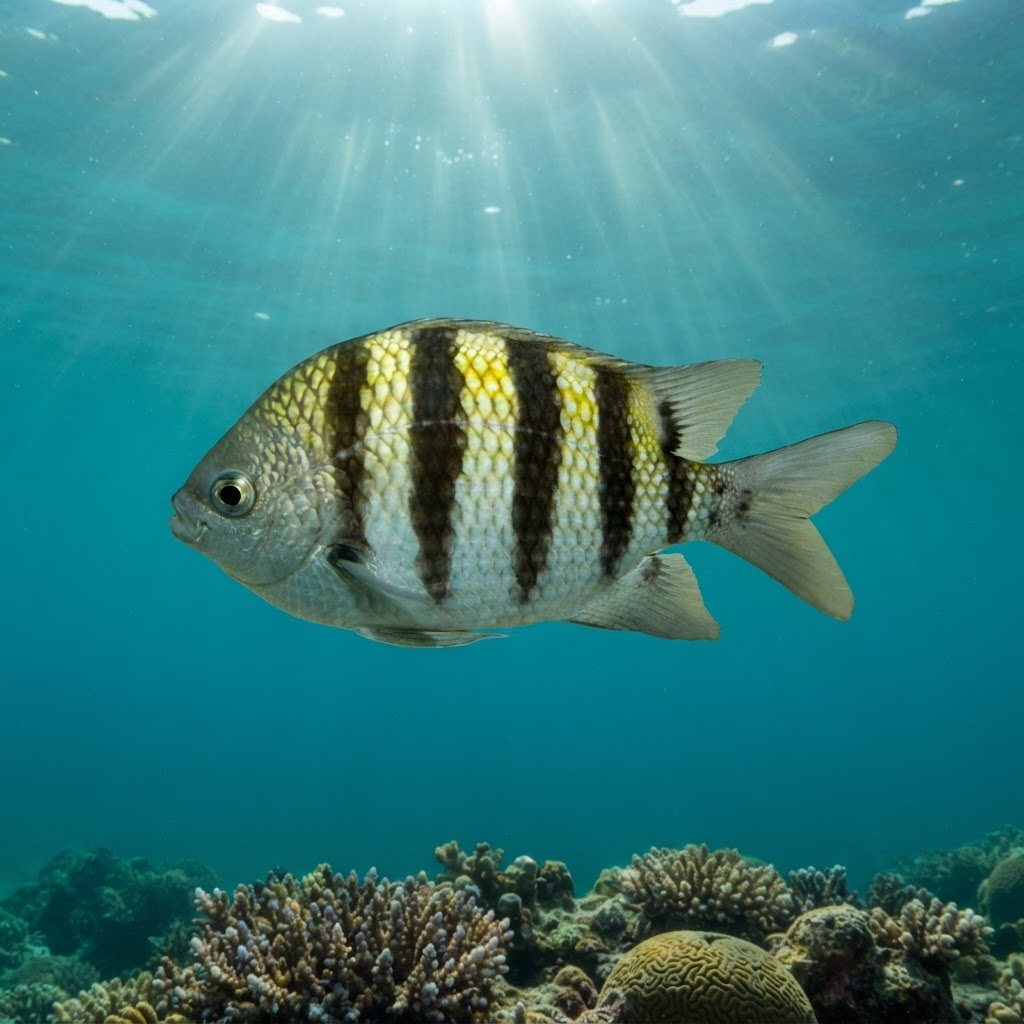
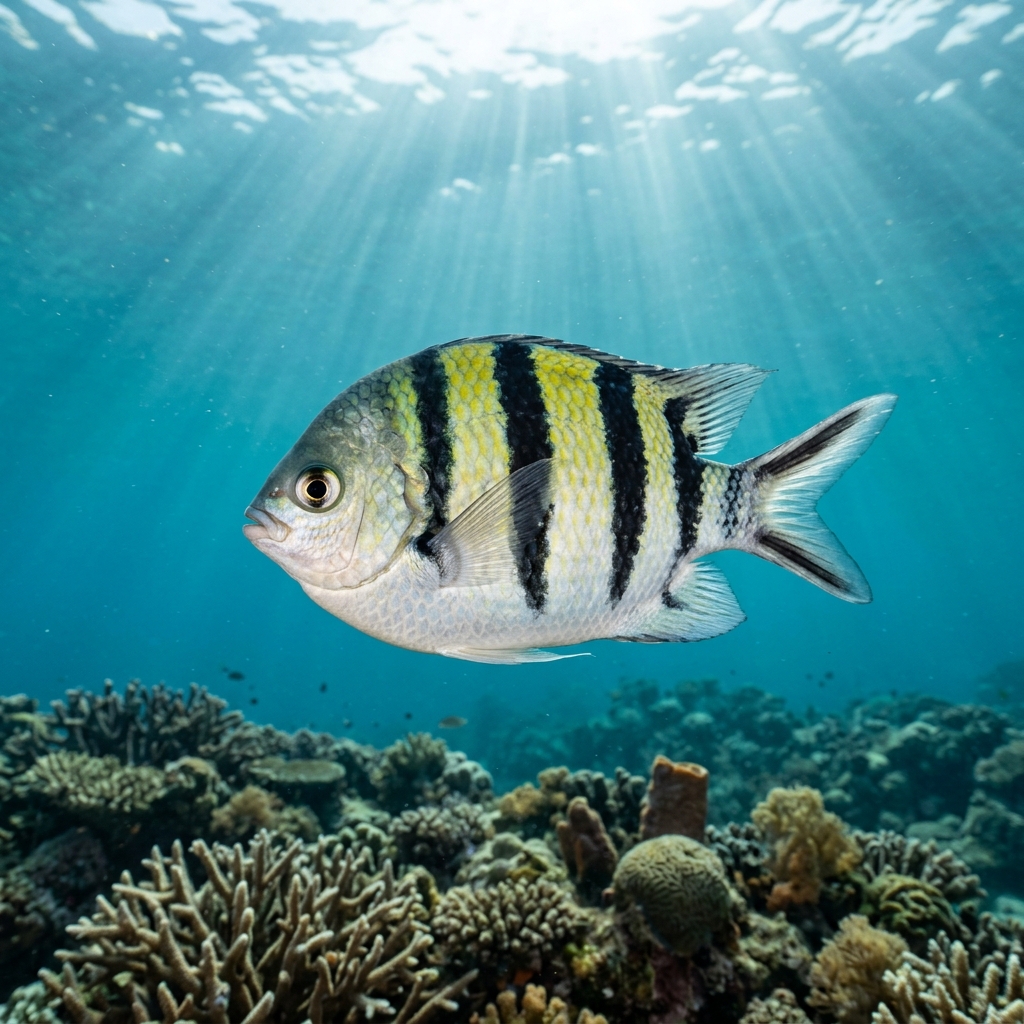
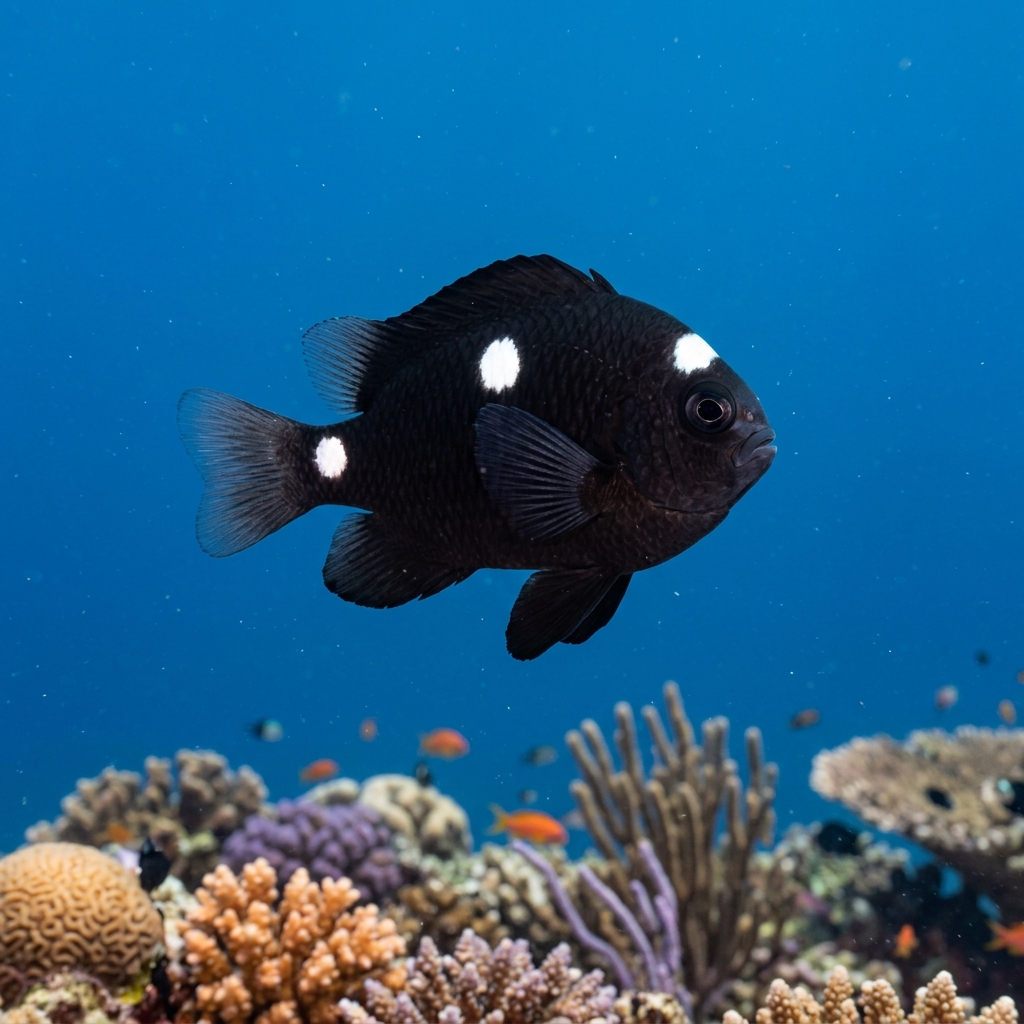
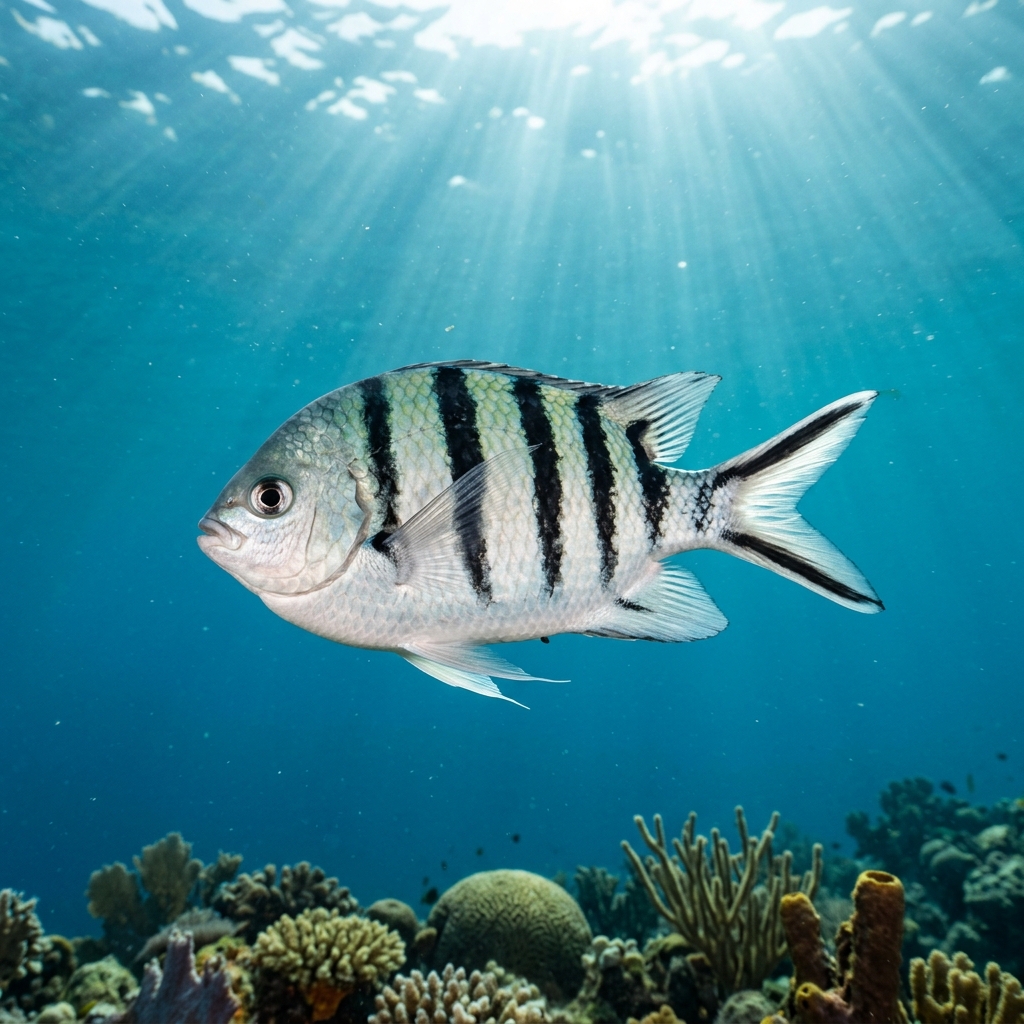
Look for a compact, deep-bodied damselfish around 11 cm with several dark vertical bars running down a pale silvery-grey body, similar to a classic sergeant pattern but with a shape that reads slightly more oval and less torpedo-like in the water. The bars tend to be broader and less sharply defined than in true sergeant majors, and there is no strong yellow wash on the back. It usually hovers alone or in loose small groups rather than tight schools, close to reef structure or rocky substrate.
Divers most often log this species hovering singly or in small loose groups near reef structure or rocky patches, rather than forming the dense schools some of its relatives do. It tends to stay close to cover and does not show much interest in divers, holding station over the reef rather than approaching or fleeing. Most sightings come during normal daytime reef dives rather than any particular time slot.
Like other damselfish, this species almost certainly guards a patch of reef and will defend a chosen territory against intruders, a trait that makes individuals easy to relocate on repeat dives at the same site.
No clear seasonal pattern shows up in the sighting data, so treat this as a year-round fish on the reefs where it occurs. Its comfort range of roughly 24 to 28C matches the warm water found on Indian Ocean reefs most of the year, which likely explains the lack of a seasonal spike.
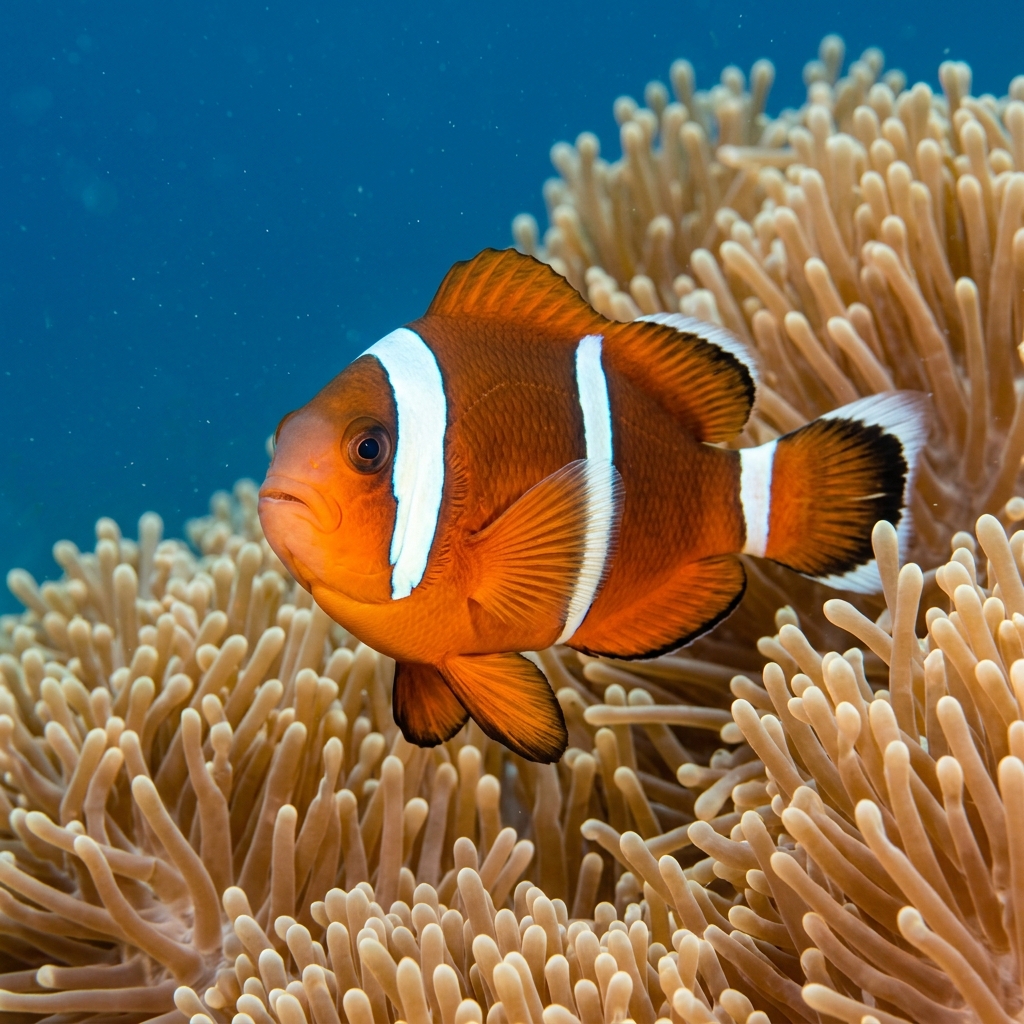
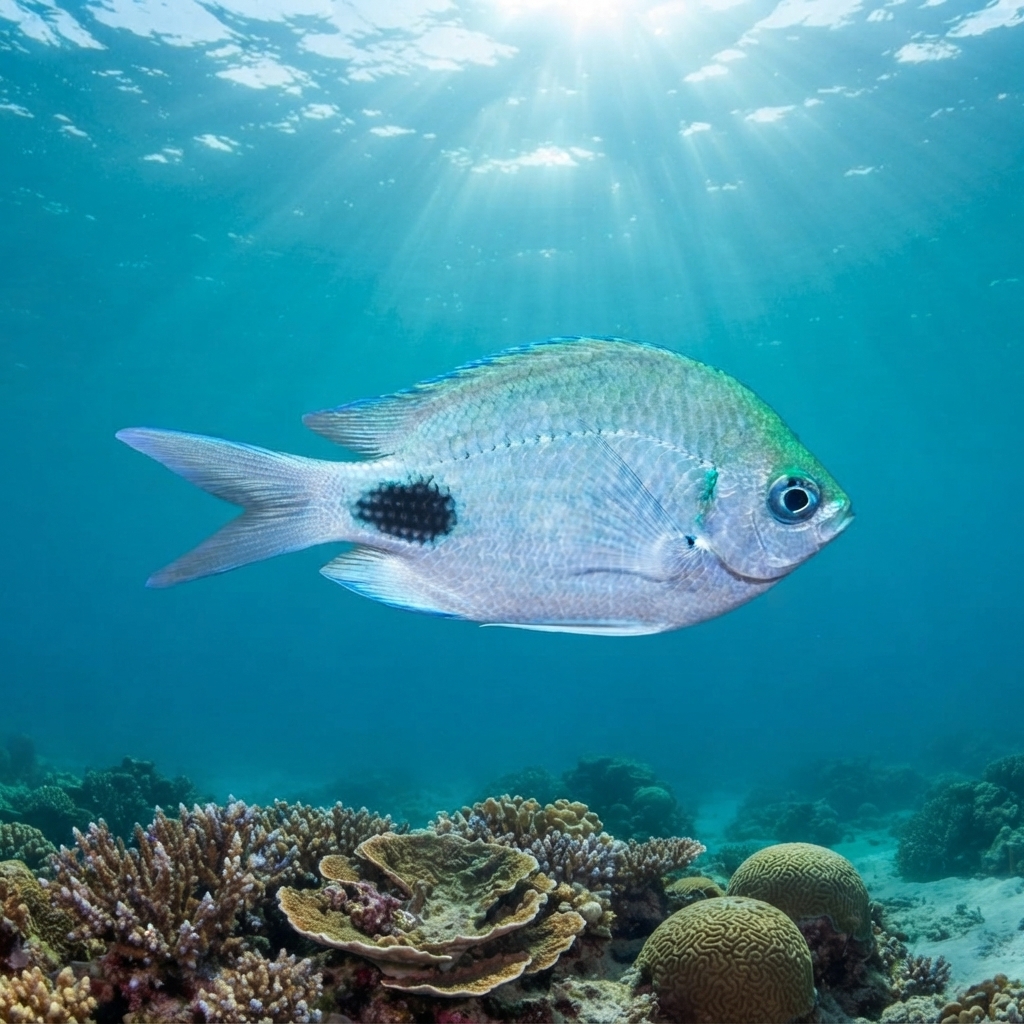
Reef neighbours a diver could mistake it for. Use the identification notes above to tell them apart.
This one turns up reliably across the western Indian Ocean, with the strongest logs coming from Mauritius, particularly around Flic-en-Flac and Blue Bay, and from Reunion around Saint-Leu. Tanzania and Kenya also produce steady sightings, especially at Zanzibar and Diani, making this a fish you can plan around on any Indian Ocean coral or rocky reef itinerary rather than one confined to a single hotspot.
Mapping where False-eye Sergeant is logged…
It is most reliably seen in Mauritius, especially around Flic-en-Flac and Blue Bay, and in Reunion around Saint-Leu. Tanzania's Zanzibar and Kenya's Diani also produce consistent sightings, making the western Indian Ocean the best region to look for it.
There is no strong seasonal pattern in the sighting data, so it can be found year-round on the reefs where it lives. It favours water between about 24 and 28C, which is typical of Indian Ocean reefs most months.
Check for a pale, deep-bodied fish about 11 cm long with several broad dark vertical bars and no strong yellow tint. It usually sits alone or in small loose groups near reef structure rather than schooling tightly.
They reach around 11 cm, a small to medium size typical of damselfish, easy to overlook against busier reef life unless you know the pattern to search for.
No, this species poses no danger to divers. It is a small reef damselfish that keeps to its territory and shows no aggressive interest in people.
Site and sighting data is aggregated from diver logs, iNaturalist and GBIF. For taxonomy and conservation status:
Dascyllus
3,697 sites