Hypselodoris pulchella
Spot the Dottyback Split-tooth Dorid in Oman, the Egyptian Red Sea, and South Africa. ID tips, best seasons, and where divers log it most.
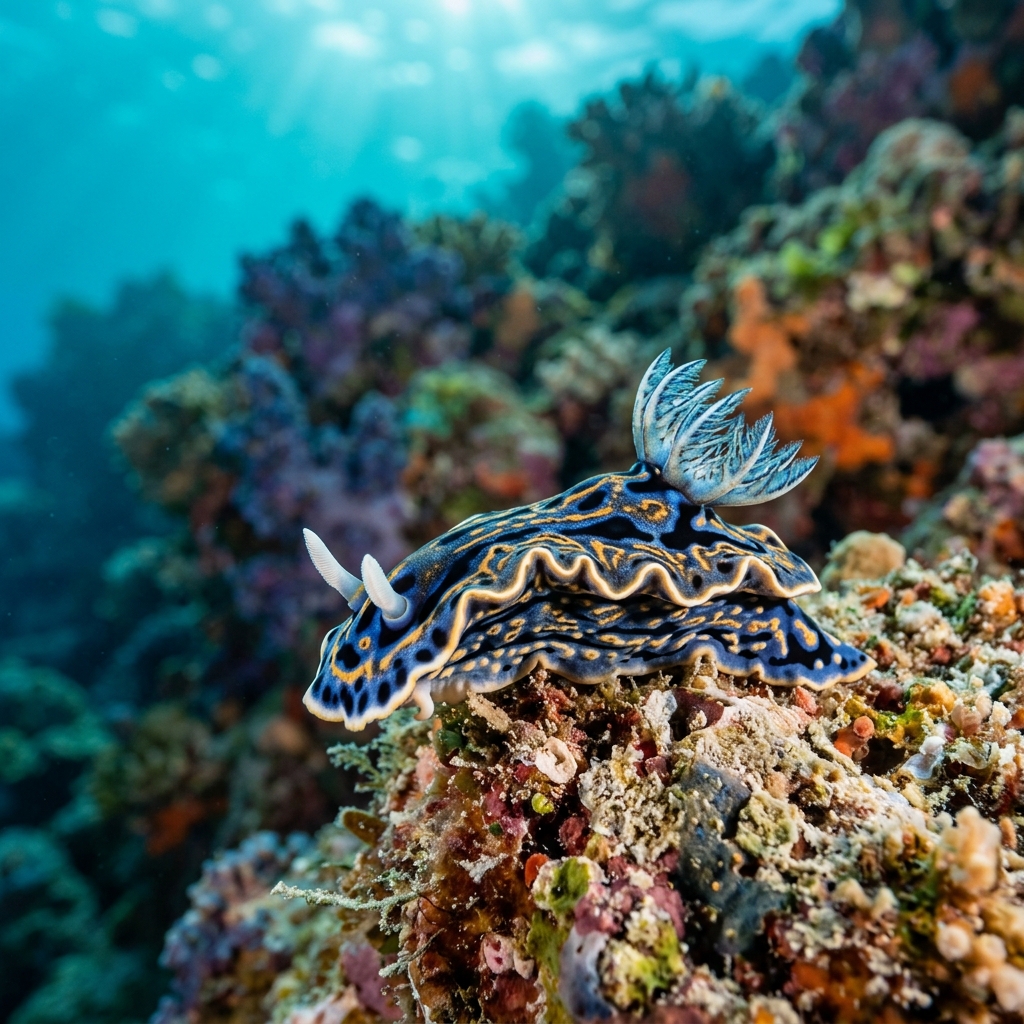
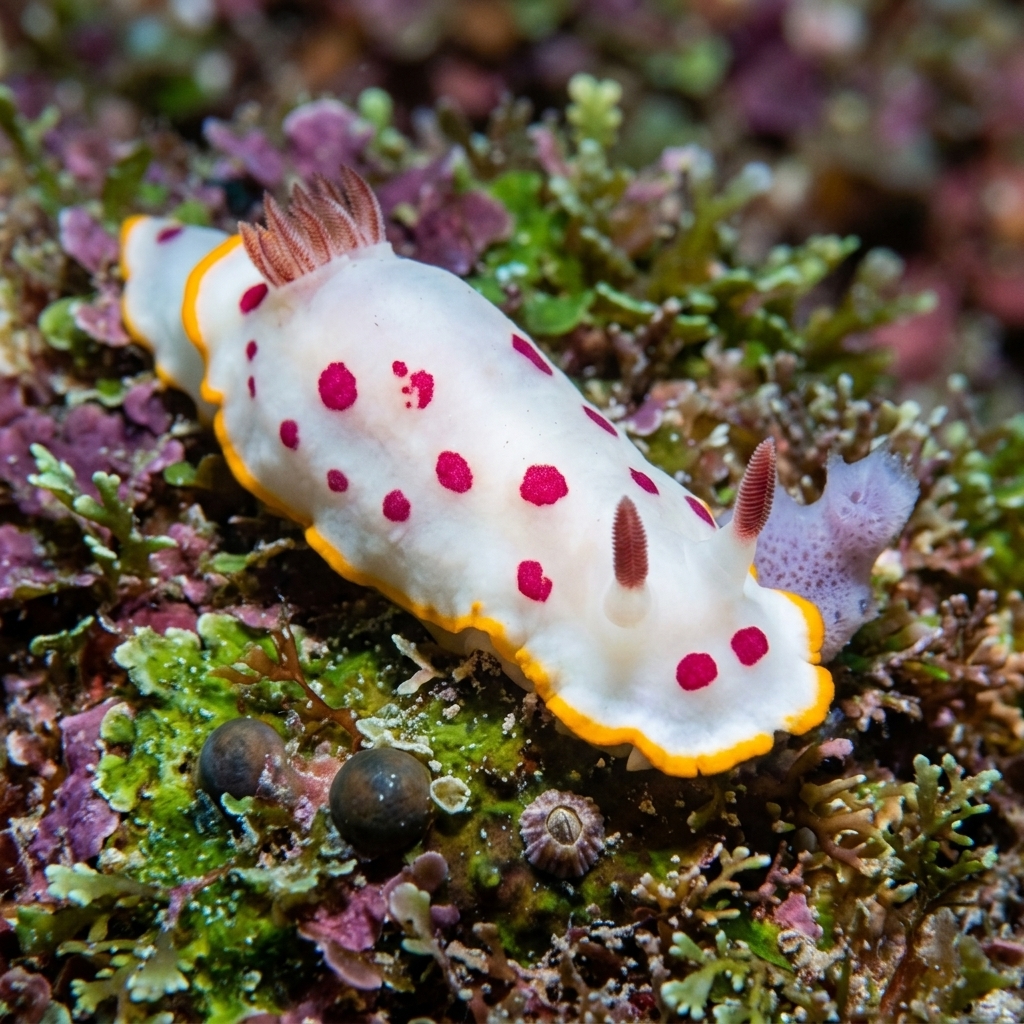
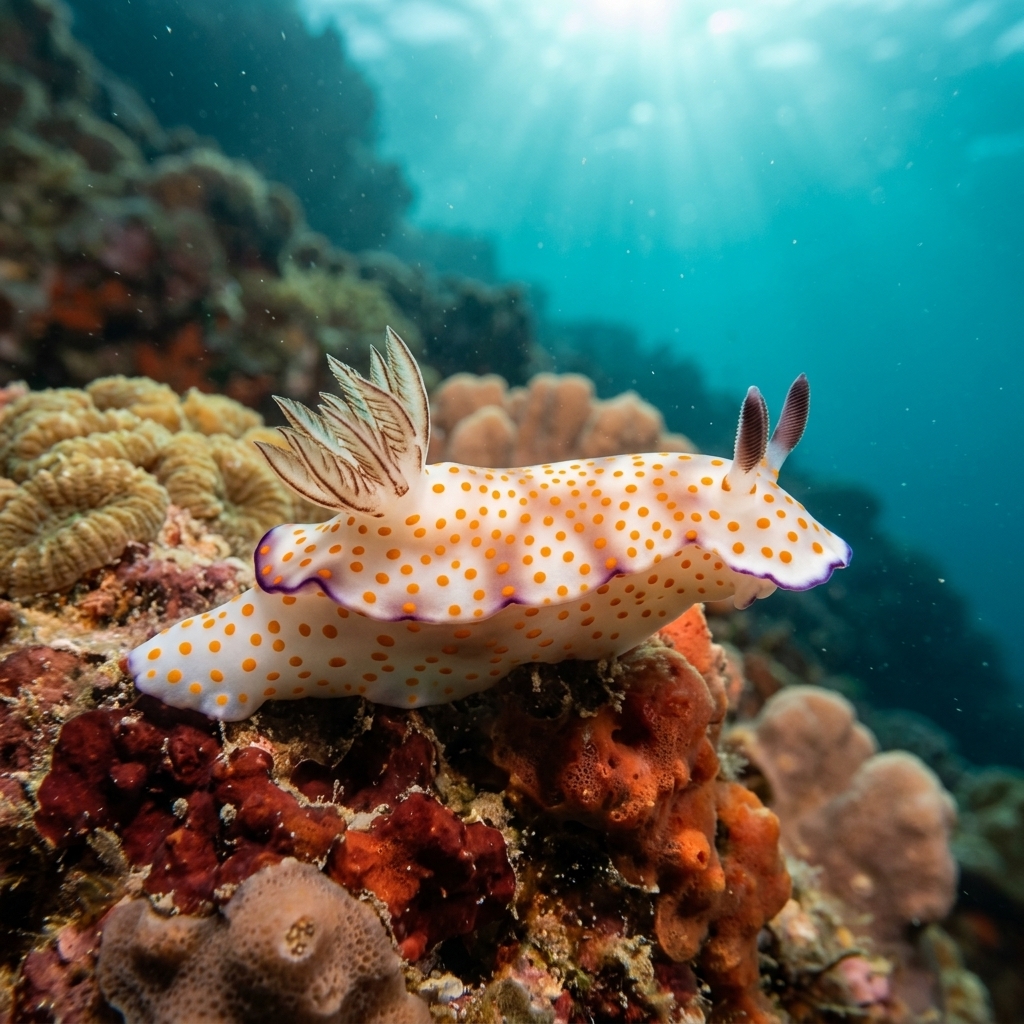
This dorid nudibranch (a soft-bodied sea slug with exposed gill plumes on its back) is marked by a pale to white body overlaid with blue and purple spotting, with a characteristic dottyback pattern that gives it its name. Look for the feathery gill rosette at the rear and a pair of club-shaped rhinophores at the front, both typically ringed in contrasting colour. It is a small animal, easily overlooked against coralline rubble and algae-covered rock. Spotting the gills first, then tracking back to the body, is the most reliable search image.
Like most dorid nudibranchs, this species is a slow, deliberate crawler, typically seen moving across reef rubble, sponge, or algae-covered substrate in search of food. It shows little reaction to divers but is tiny enough that it is usually missed without a purposeful slow-down and close inspection of the reef surface. Early morning and late afternoon dives, when light is lower and divers are moving more slowly, tend to produce the most finds.
Chromodoridid nudibranchs in general sequester toxic or distasteful compounds from the sponges they eat and advertise this with their bright colouration, a strategy called aposematism, which is likely why this species can crawl so boldly in the open.
The data from Northern Hemisphere sites points to January through March as the peak window for sightings. Its observed temperature range of roughly 24 to 29 °C suggests it is most active in warmer tropical and subtropical conditions, so sites that hold those temperatures year-round, such as those in Oman and Thailand, may offer opportunities outside peak months.
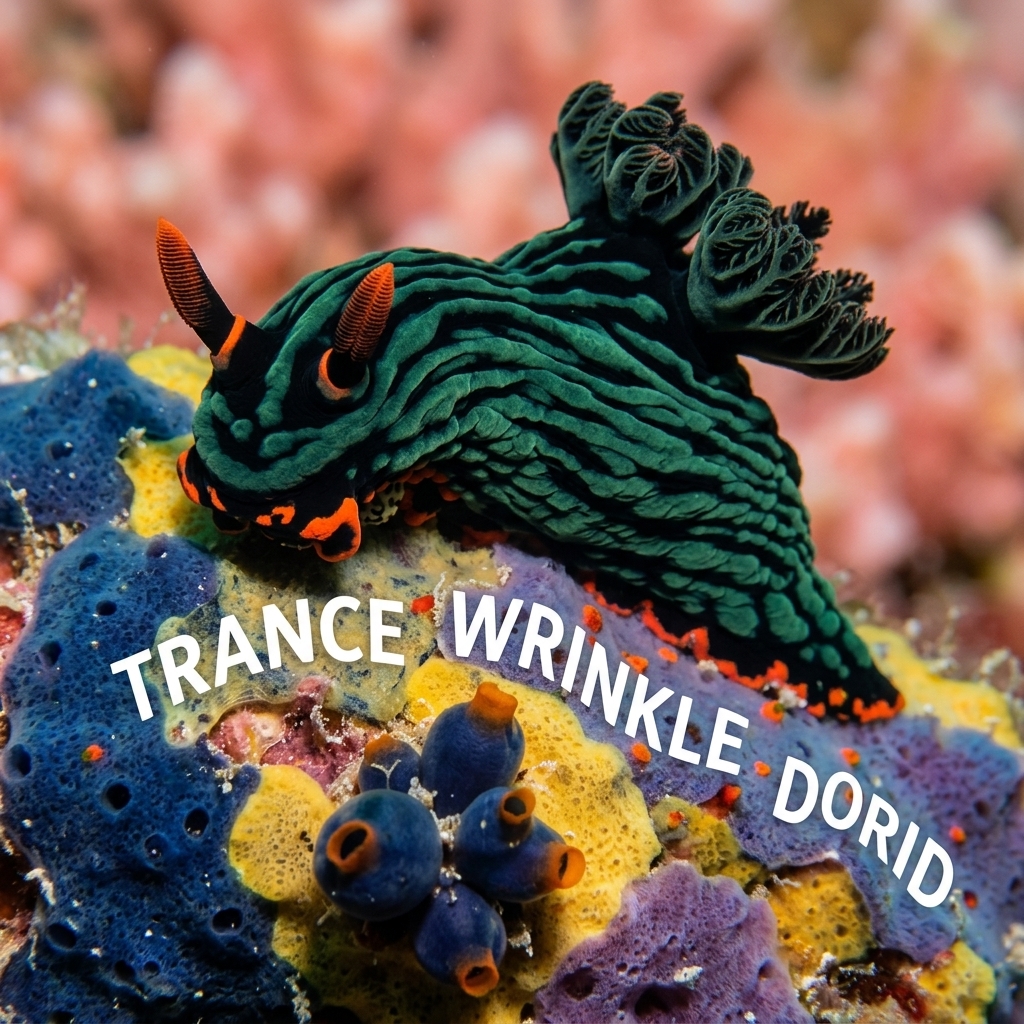
Reef neighbours a diver could mistake it for. Use the identification notes above to tell them apart.
Most logged in Oman, particularly around Muscat, and throughout the Egyptian Red Sea near Sharm el Sheikh, which together account for the bulk of confirmed sightings. South Africa's Durban and North Coast is the standout third hotspot, followed by solid records from Phuket and Phi Phi in Thailand. Indonesia, the UAE's Fujairah coast, Sri Lanka, and Malaysia round out the range for divers willing to search carefully.
Mapping where Dottyback Split-tooth Dorid is logged…
The strongest concentrations of sightings are in Muscat (Oman), the Sharm el Sheikh area of the Egyptian Red Sea, and the Durban region of South Africa. Phuket and Phi Phi in Thailand are also well-represented. Indonesia, the UAE, Sri Lanka, and Malaysia all have confirmed records too, though in smaller numbers.
Northern Hemisphere sightings concentrate between January and March. At tropical sites that stay within the species' preferred temperature band of roughly 24 to 29 °C, encounters are possible year-round, though sightings are rare to uncommon at most locations regardless of season.
Look for a small, soft-bodied nudibranch with a pale or white body patterned with blue and purple spots. The feathery gill rosette at the tail end and the paired rhinophores at the head, both usually ringed in contrasting colour, are the clearest field marks. It crawls slowly across reef rubble, making it easy to miss if you are not searching carefully.
No. Like most nudibranchs, this species poses no risk to divers. It is slow-moving and entirely harmless to handle, though nudibranch skin can carry distasteful or mildly toxic compounds derived from their diet, another reason to look without touching.
Expect a challenging search. Sightings are rare at the majority of sites where it has been recorded, and uncommon at most of the rest. Only a small proportion of sites report it as common. Your best odds are in Oman and the Egyptian Red Sea, moving slowly over rubble and sponge-covered reef with a sharp eye.
Site and sighting data is aggregated from diver logs, iNaturalist and GBIF. For taxonomy and conservation status:
Light-spotted Aegires
3,168 sites