Doriprismatica atromarginata
Spot the Black-margined Nudibranch across New South Wales, Bali and the Philippines. ID tips, best seasons, and where divers log it most.
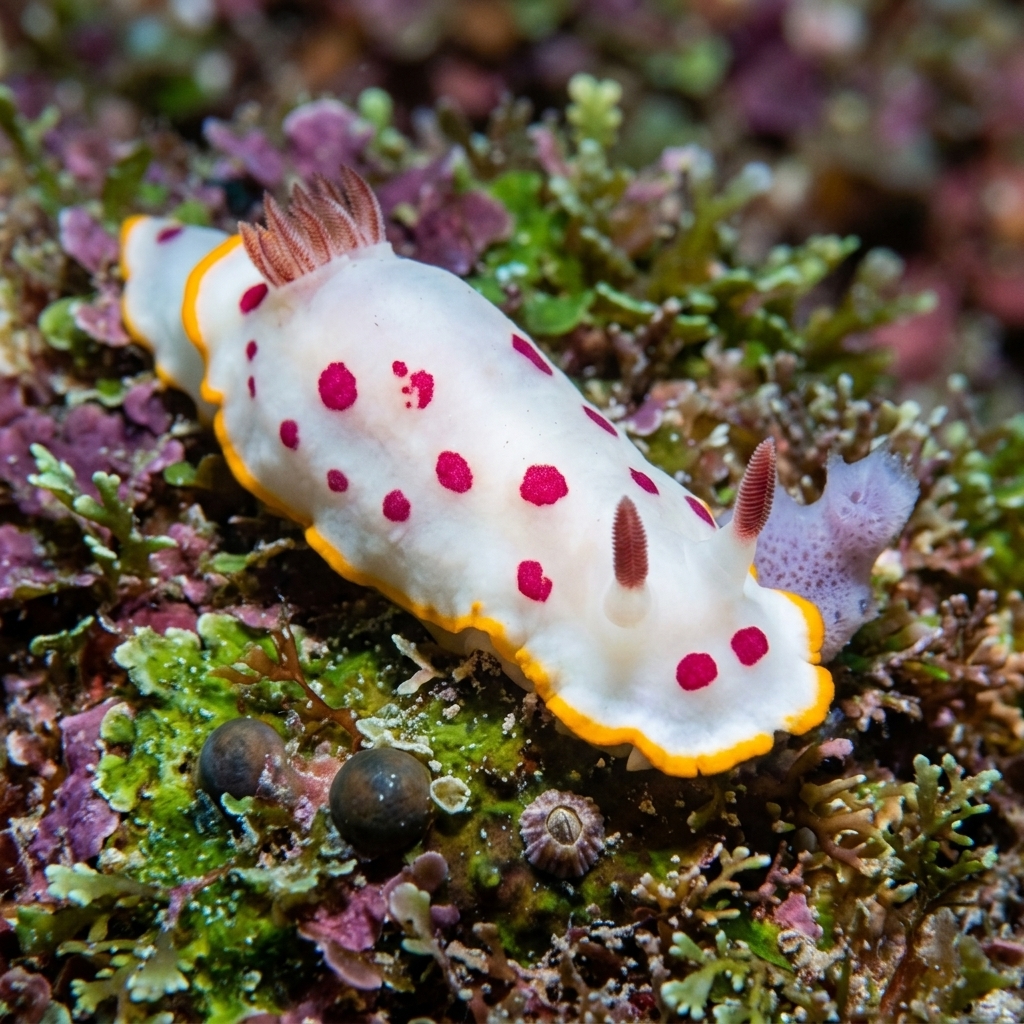
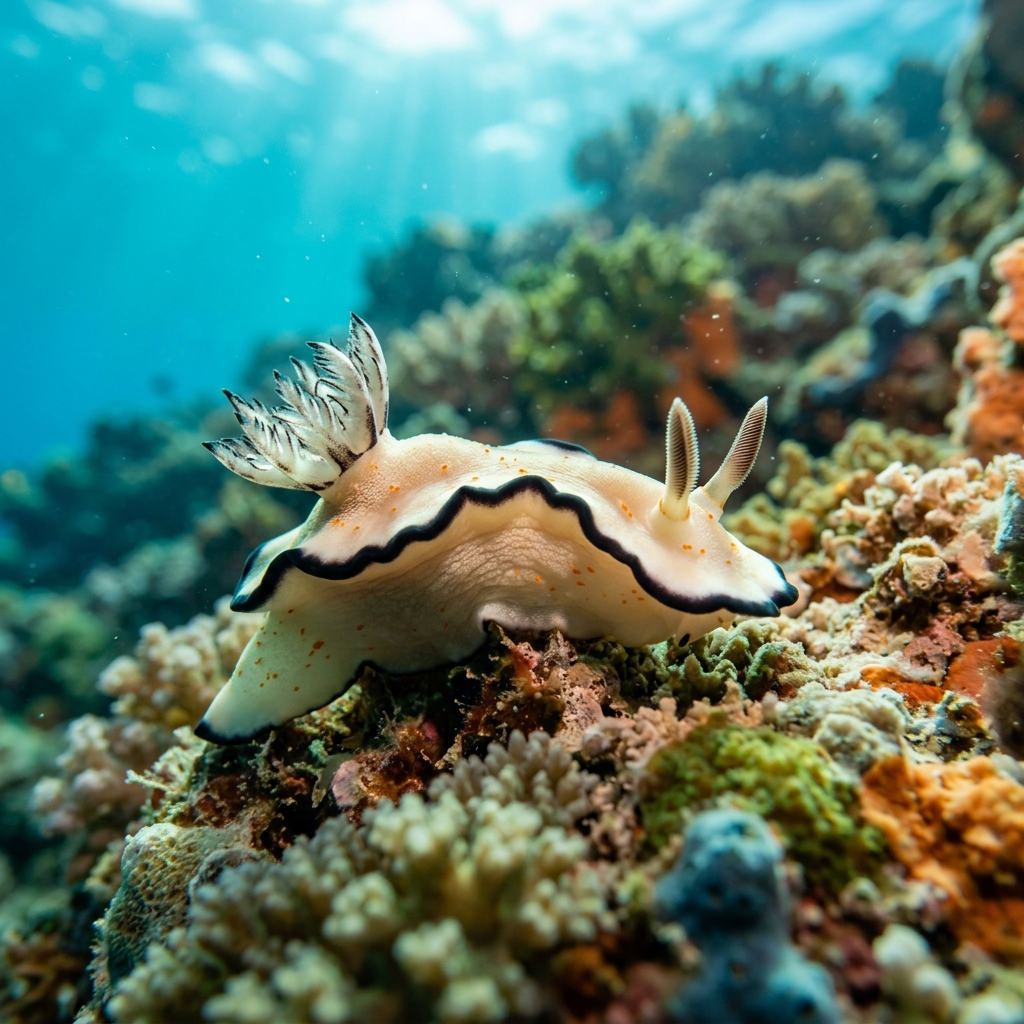
A pale cream to white body is the starting point, with a distinctive dark (black to deep brown) margin running around the edge of the mantle that gives the species its name. The gills and rhinophores (the sensory clubs at the front of the head) are typically tipped in contrasting colour, making them stand out even on a quick pass. Body size is modest by nudibranch standards, so you are looking at a slow-moving, flattish oval slug hugging the reef surface rather than anything large or upright.
Like most dorid nudibranchs, this one is found slowly grazing across reef substrate, sponge fields, and rubble, usually in shallow to mid-water depths. It tends to ignore divers entirely, continuing whatever feeding path it was on, which makes it a patient subject for photographers willing to lie still. Look low on the reef during the dive rather than in the water column.
As a chromodoridid nudibranch, it sequesters chemical compounds from the sponges it feeds on and stores them in its mantle tissue, making itself unpalatable to most predators. That bold dark border is not just a field mark for divers; it is a warning signal to anything that might otherwise try to eat it.
In the Northern Hemisphere, sightings are spread across the year with no concentrated peak, so timing is flexible for divers in the Philippines, Malaysia, Taiwan, and Singapore. In the Southern Hemisphere, sightings concentrate from July through to May, leaving a quieter window in June for Australian and Indonesian dive trips.
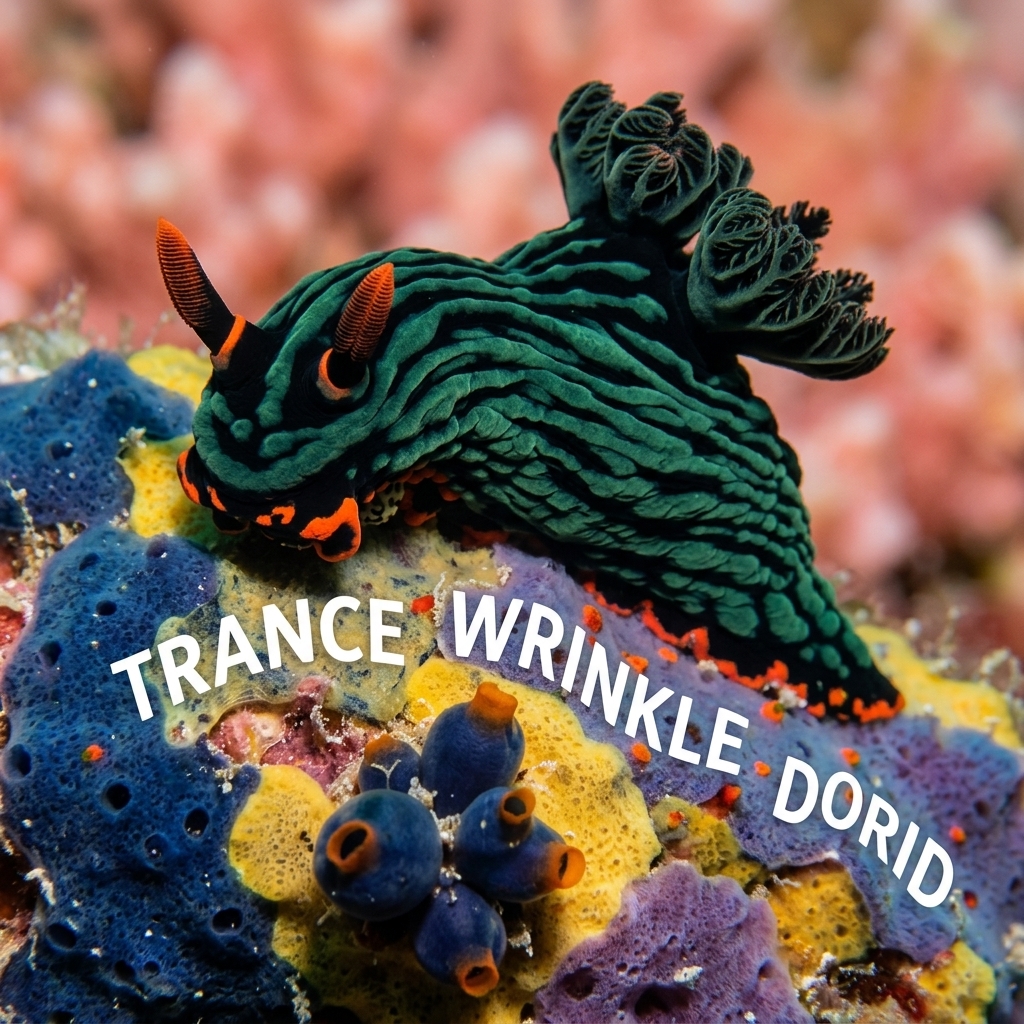
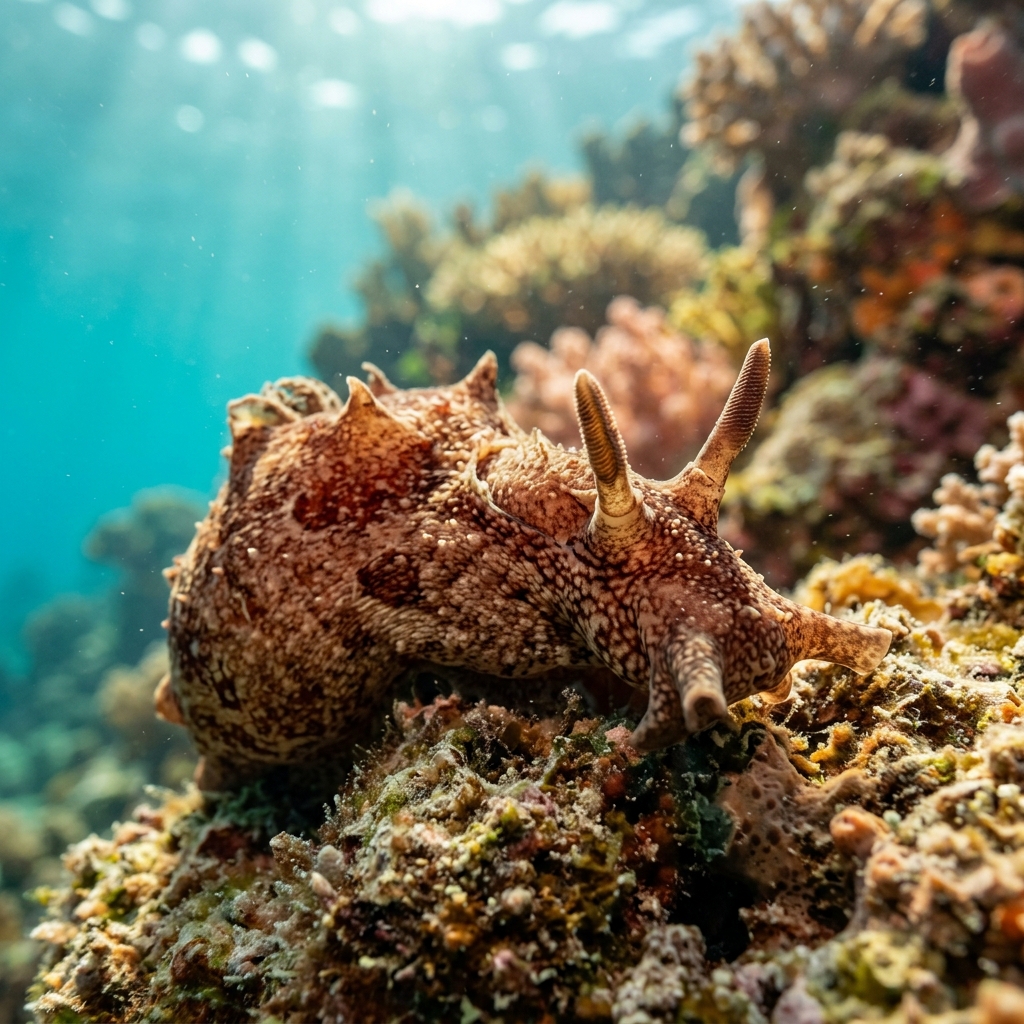
Reef neighbours a diver could mistake it for. Use the identification notes above to tell them apart.
Most reliably logged in Australia, especially along the New South Wales coast and in Queensland, making it one of the more frequently recorded nudibranchs in temperate and subtropical Australian waters. Indonesia runs a close second, with Bali, Lombok and Java accounting for the bulk of sightings, followed by strong records across Luzon in the Philippines and Sipadan and East Sabah in Malaysia. The Philippines and Malaysia together make Indo-Pacific reef dives a consistent second option for anyone hoping to find one.
Mapping where Black-margined Nudibranch is logged…
The strongest records come from New South Wales and Queensland in Australia, followed by Bali, Lombok and Java in Indonesia, and Luzon in the Philippines. Sipadan and East Sabah in Malaysia also produce reliable sightings. It has been logged across a wide spread of Indo-Pacific sites in total.
In the Northern Hemisphere, including the Philippines, Malaysia, and Taiwan, it appears year-round with no clear seasonal peak. In the Southern Hemisphere, particularly in Australia and Indonesia, sightings are most concentrated between July and May, with a quieter period around June.
Look for a small, flat, oval-shaped nudibranch with a cream to white body and a clearly defined dark border around the mantle edge. The contrasting gill plume and rhinophore tips help confirm the ID. It moves slowly across sponge-covered reef and rubble, so it stays in place long enough for a careful look.
No. They pose no threat to divers whatsoever. Like other chromodorid nudibranchs, they do store defensive chemicals from their sponge diet, but these are only relevant to predators that try to eat them, not to humans observing them underwater.
That dark margin is believed to function as an aposematic (warning) signal, advertising to potential predators that the animal contains distasteful or toxic compounds accumulated from the sponges it eats. It is a common strategy across chromodorid nudibranchs and one reason their bold patterns are so consistent and recognisable.
Site and sighting data is aggregated from diver logs, iNaturalist and GBIF. For taxonomy and conservation status:
Light-spotted Aegires
3,168 sites