Chaetodon pelewensis
Spot the Dot And Dash Butterflyfish across French Polynesia, the Maldives and the Philippines. Tips on ID, seasonality and where divers log it most.
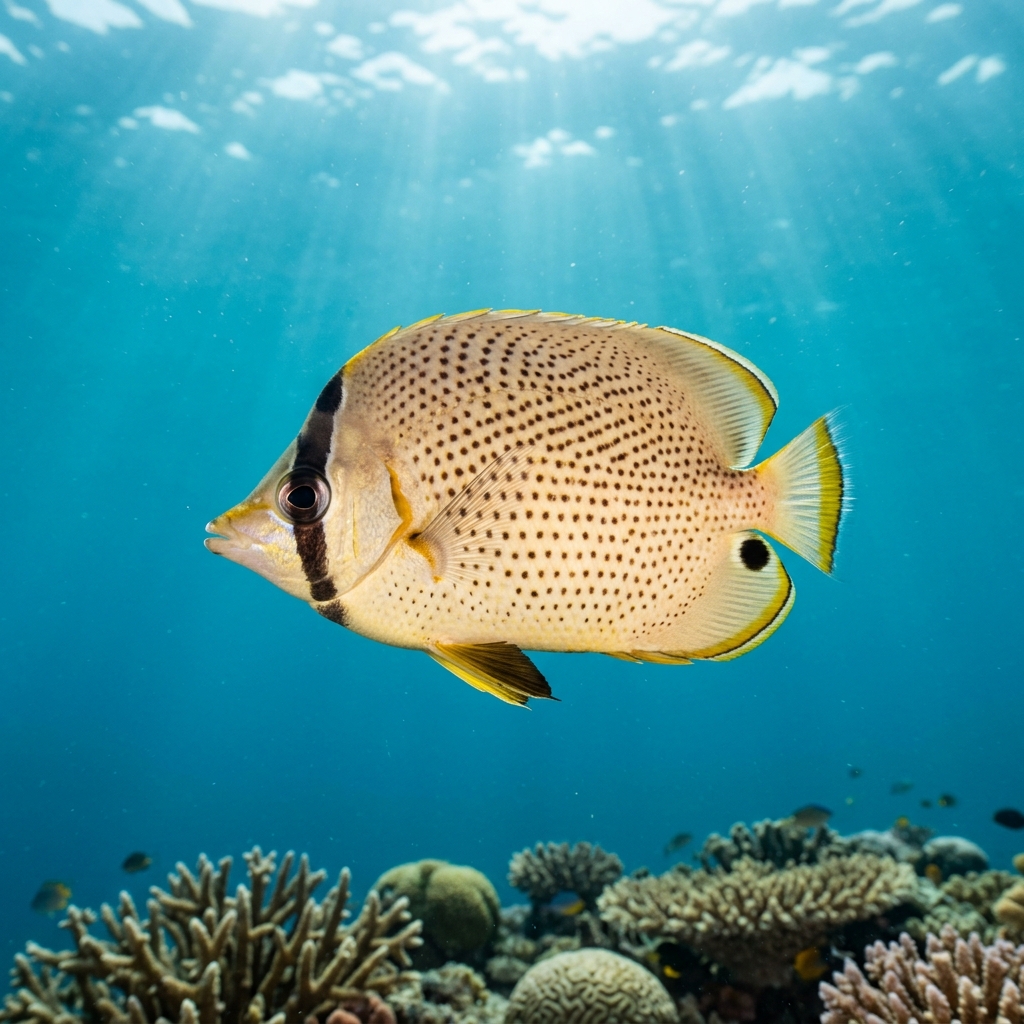
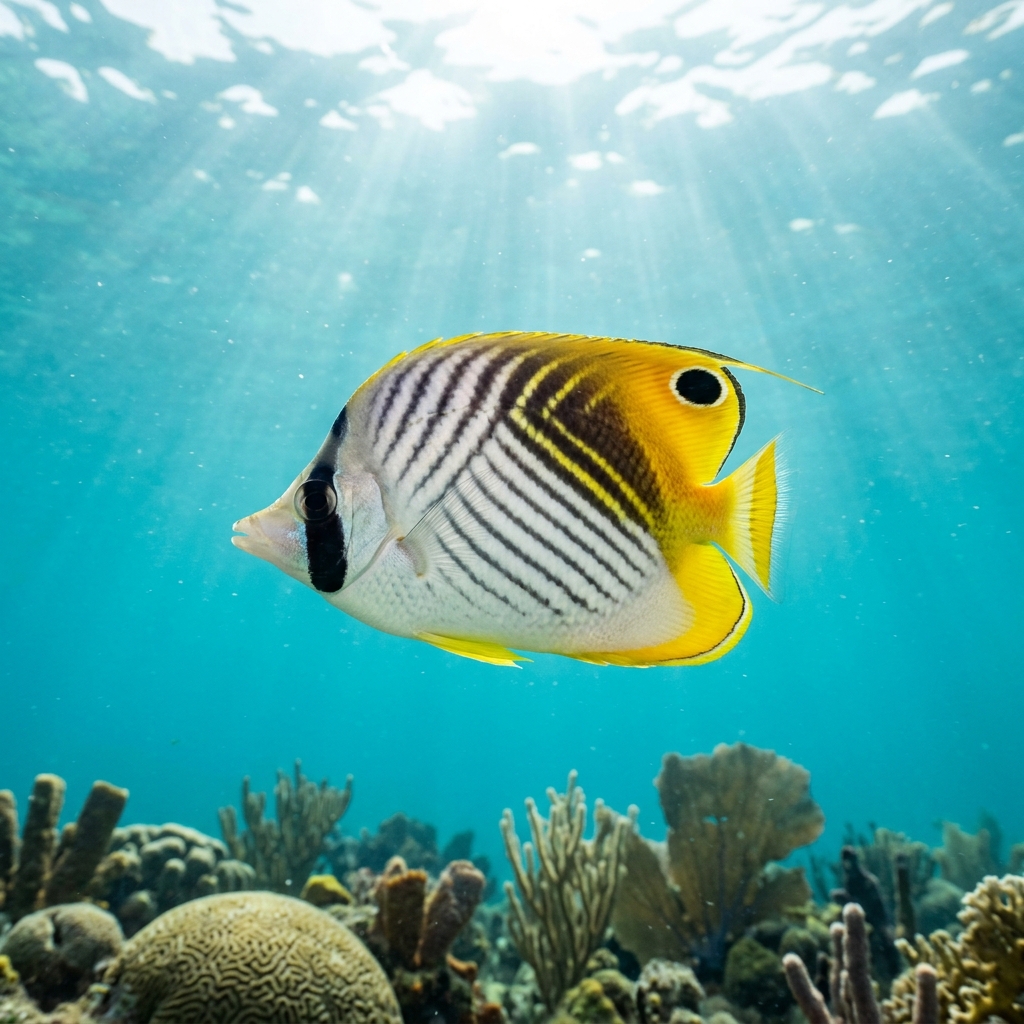
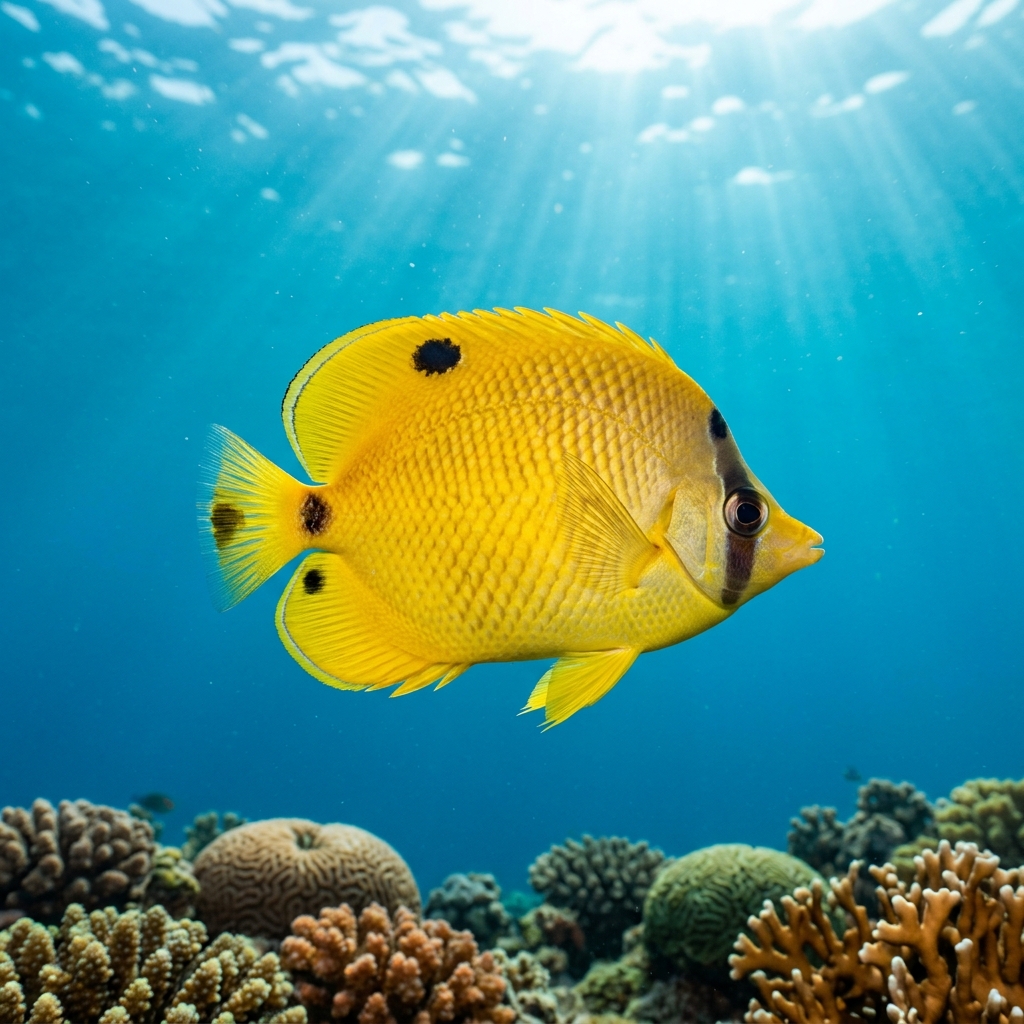
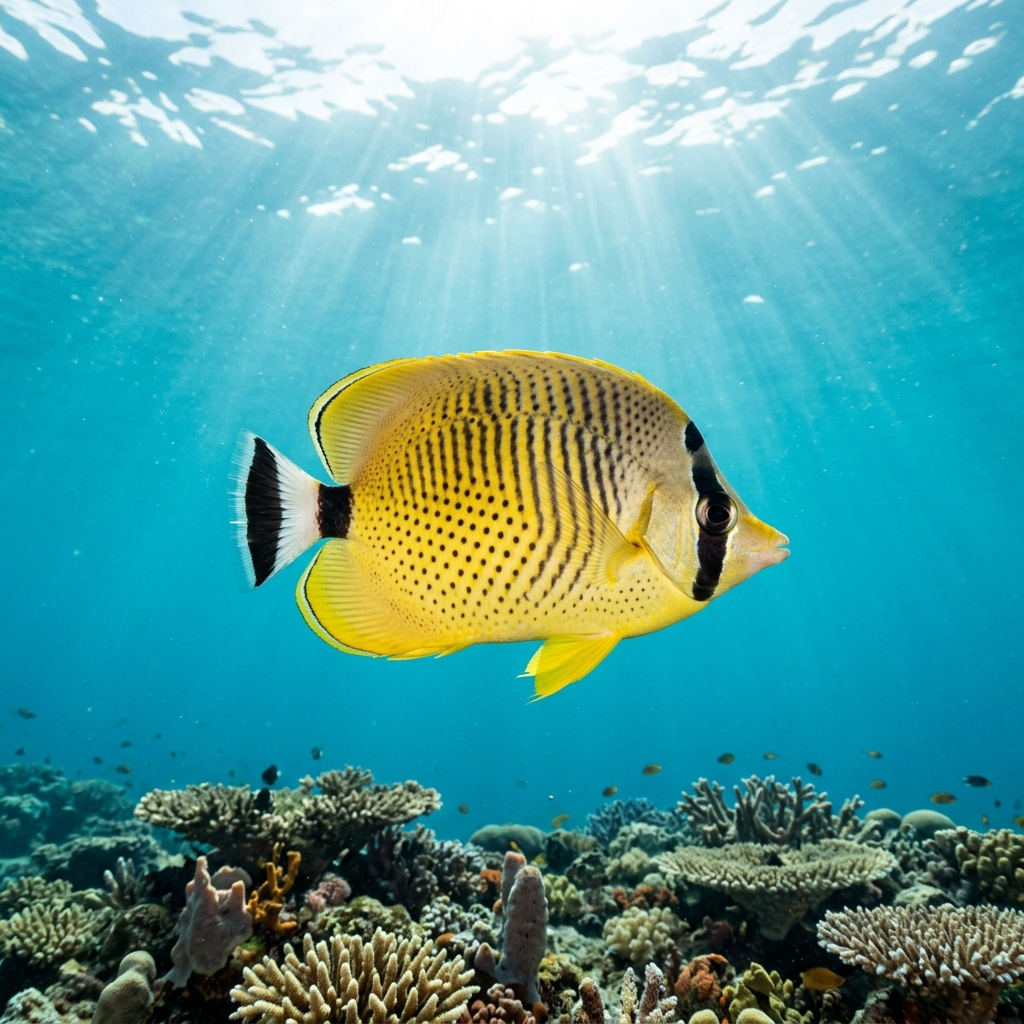
Look for a pale yellowish-white disc-shaped body covered in a distinctive pattern of small dark spots aligned into broken diagonal dashes across the flanks, this dot-and-dash texture is the key mark. A dark vertical bar runs through the eye, and a small black spot sits near the tail. Compared to many reef butterflyfish, the overall impression is subtle and softly patterned rather than boldly striped.
Dot and dash butterflyfish are typically seen picking at coral and rubble for small invertebrates, often in pairs or as solitary individuals moving methodically along the reef. They are not particularly bold, expect them to drift away if you approach quickly, but they will usually circle back within a minute or two if you stay still. Look for them on shallow to mid-depth coral slopes rather than in open water.
Like many butterflyfish, this species is believed to pair-bond for life, making it one of the more reliable fish to find in the same small territory on consecutive dives.
Comfortable in water between about 23 and 29 °C, this species is present on tropical reefs throughout most of the year. Southern Hemisphere sightings concentrate from February through December, so if you're diving Australia, Mauritius, or Réunion, that broad window covers nearly all of the year.
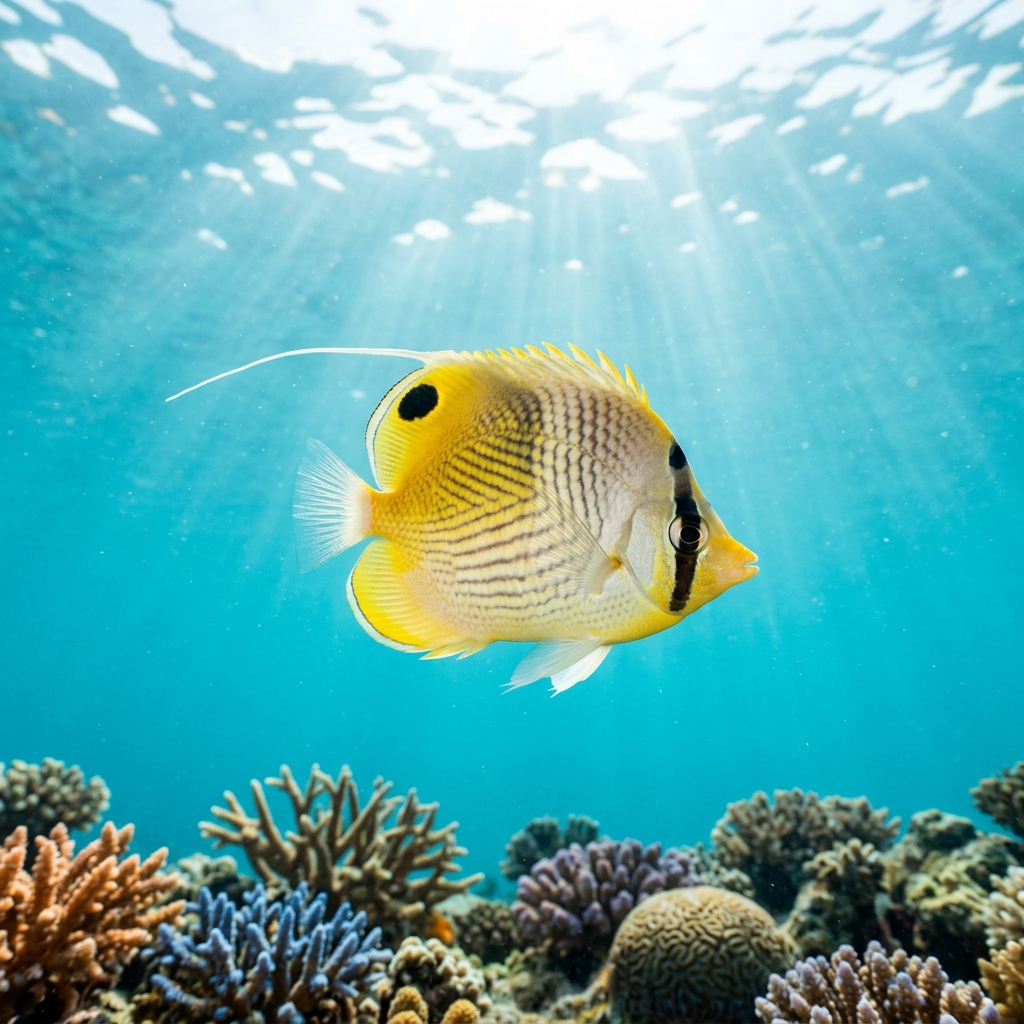
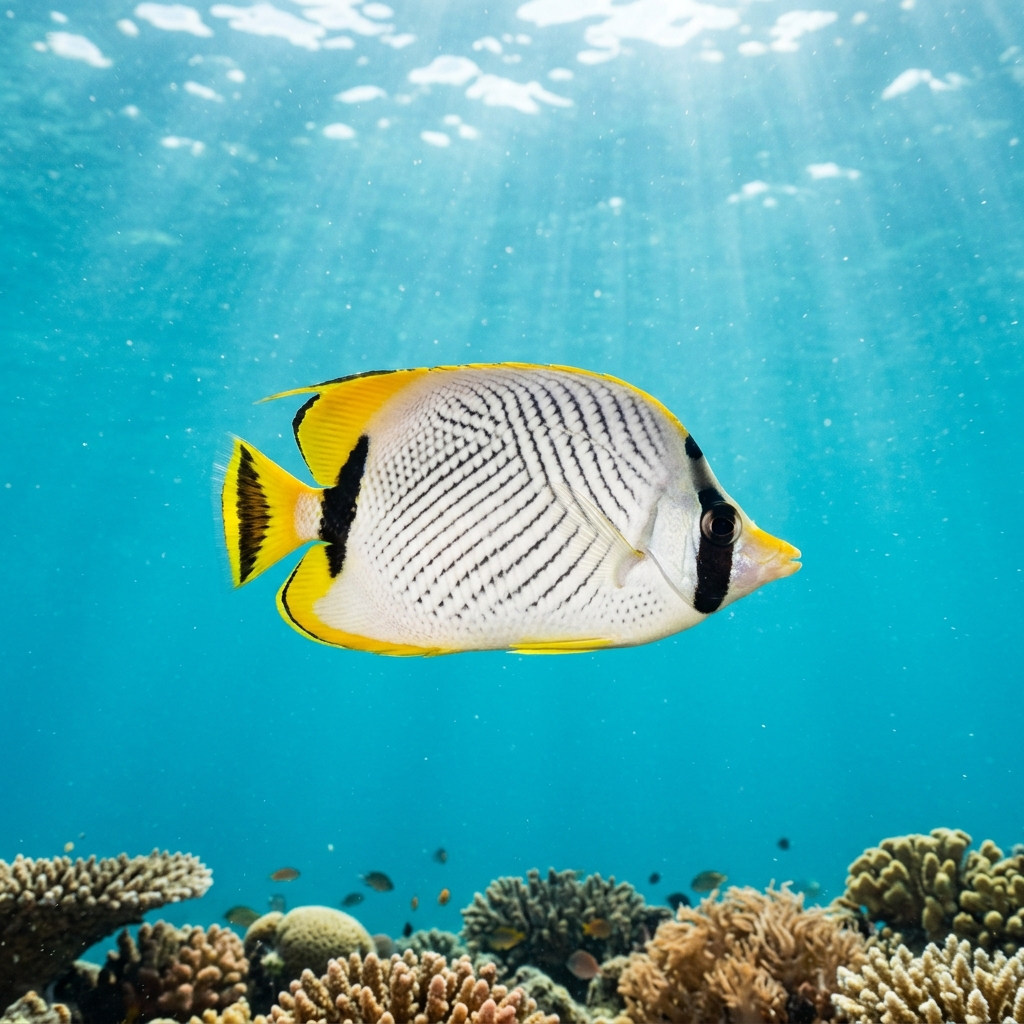
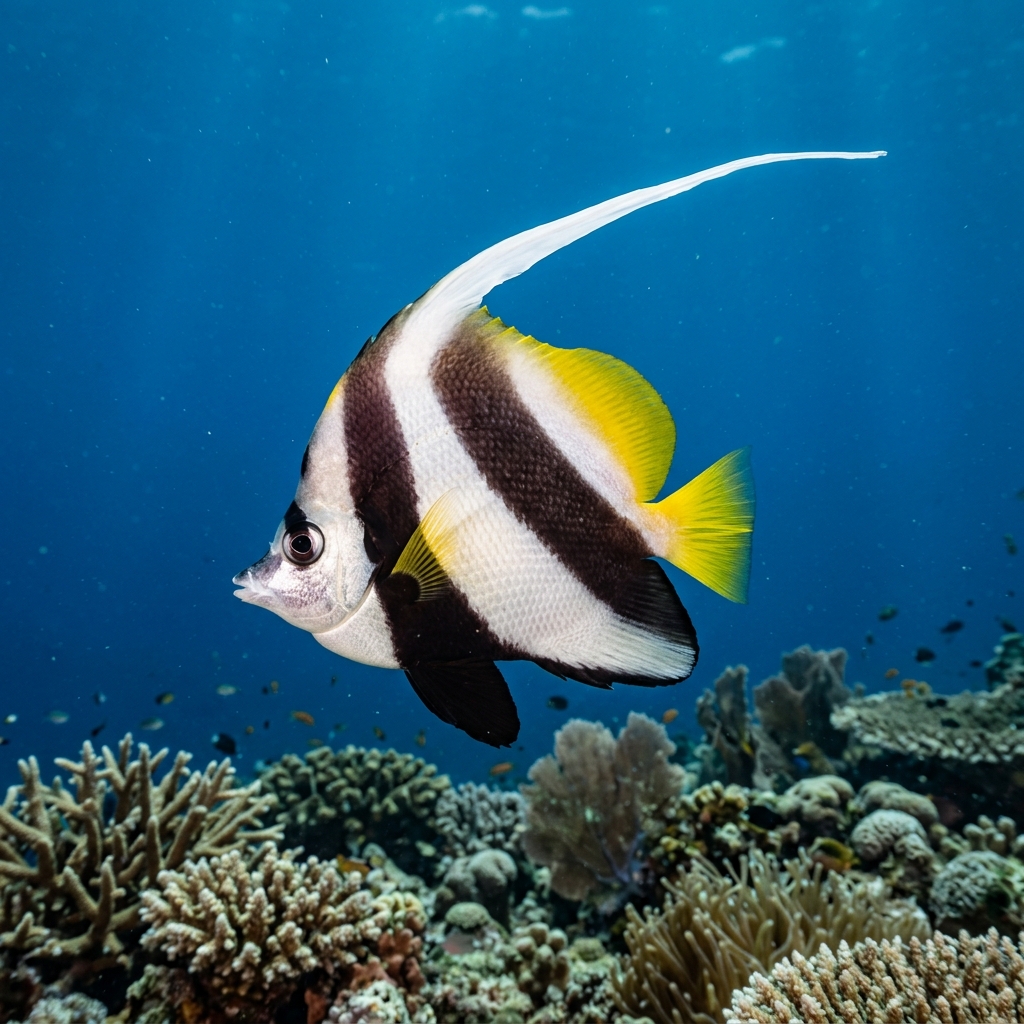
Reef neighbours a diver could mistake it for. Use the identification notes above to tell them apart.
French Polynesia leads the records by a wide margin, with Tahiti and the Society Islands (Leeward) the standout areas. The Maldives, particularly the Male and Ari Atolls, and the Philippines' Western Visayas are also strong, alongside Queensland in Australia, North Mauritius, and the Saint-Gilles-les-Bains area of Réunion. South Africa's Durban and North Coast rounds out a surprisingly wide Indo-Pacific spread.
Mapping where Dot And Dash Butterflyfish is logged…
They are most commonly logged in French Polynesia, especially around Tahiti and the Leeward Society Islands. Strong populations also turn up in the Maldives, the Philippines' Western Visayas, Queensland in Australia, North Mauritius, and Réunion. Overall the species spans a broad Indo-Pacific range.
Because they are comfortable in water from around 23 °C up to about 29 °C, they are present on tropical reefs for most of the year. In the Southern Hemisphere, Australia, Mauritius, Réunion, sightings are recorded from February right through to December, leaving only a short January gap in the data.
Focus on the body pattern: rows of small dark spots that form broken diagonal dashes across a pale yellowish body. There is a dark bar through the eye and a small black spot near the tail base. This combination of fine dot-dash patterning on a disc-shaped butterflyfish body is fairly distinctive once you have seen it once.
Most divers encounter them at the uncommon end of the frequency scale, present but not guaranteed on any given dive. They are recorded as common only at a small number of sites, mostly in French Polynesia and the Maldives, so patience and multiple dives improve your odds considerably.
No. The species is currently assessed as Least Concern on the IUCN Red List, meaning it is not considered at elevated risk of extinction. It occupies a wide Indo-Pacific range and is encountered across many reef systems.
Site and sighting data is aggregated from diver logs, iNaturalist and GBIF. For taxonomy and conservation status: