Lutjanus xanthopinnis
A compact, warm-water snapper seen on tropical reefs in 25.5 to 31.5 C water, year-round with no clear season yet logged.
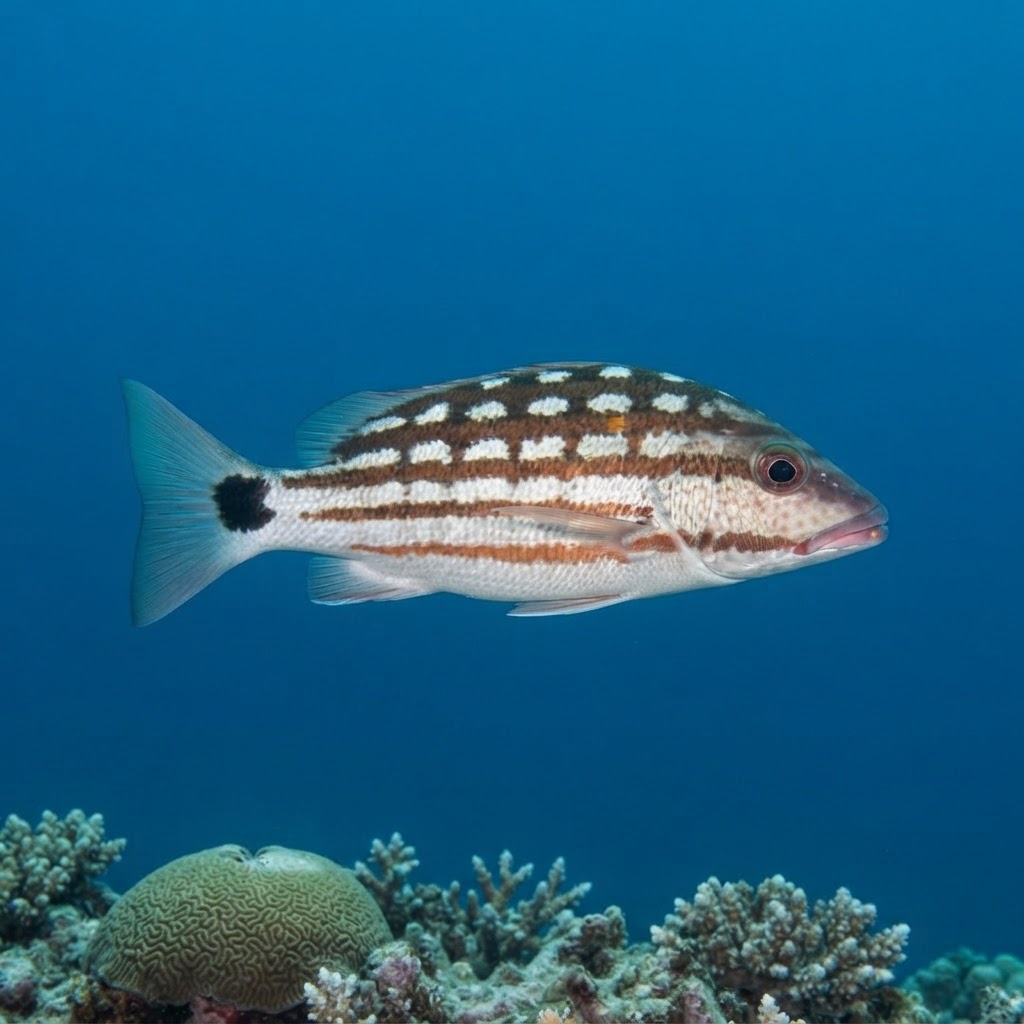
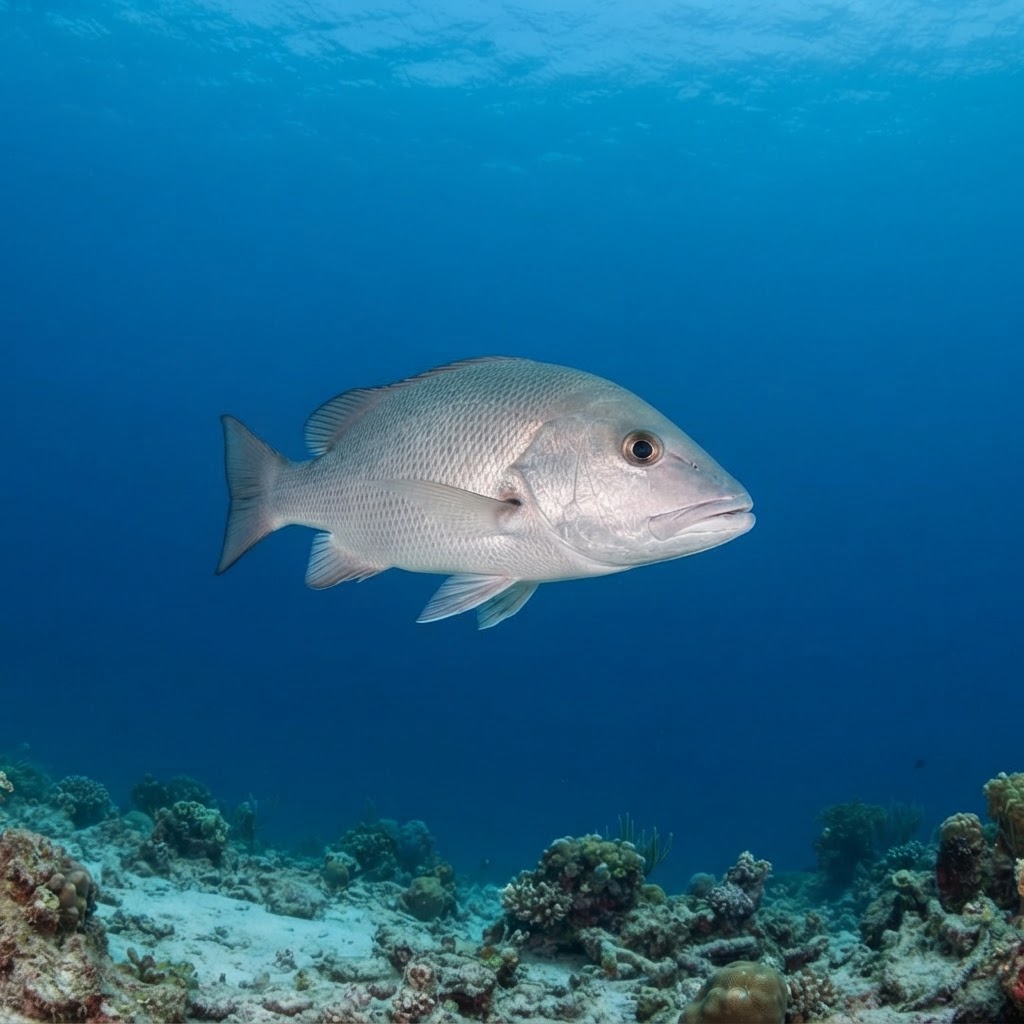
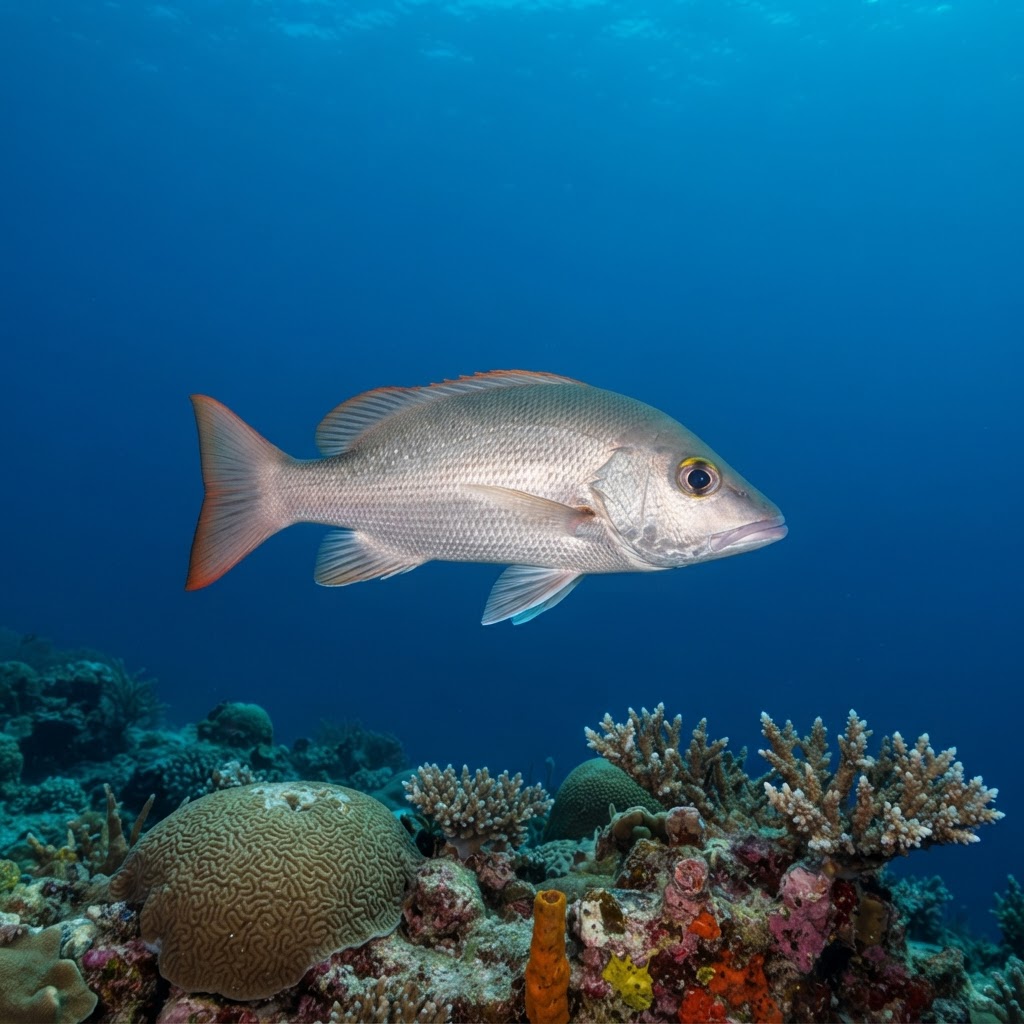
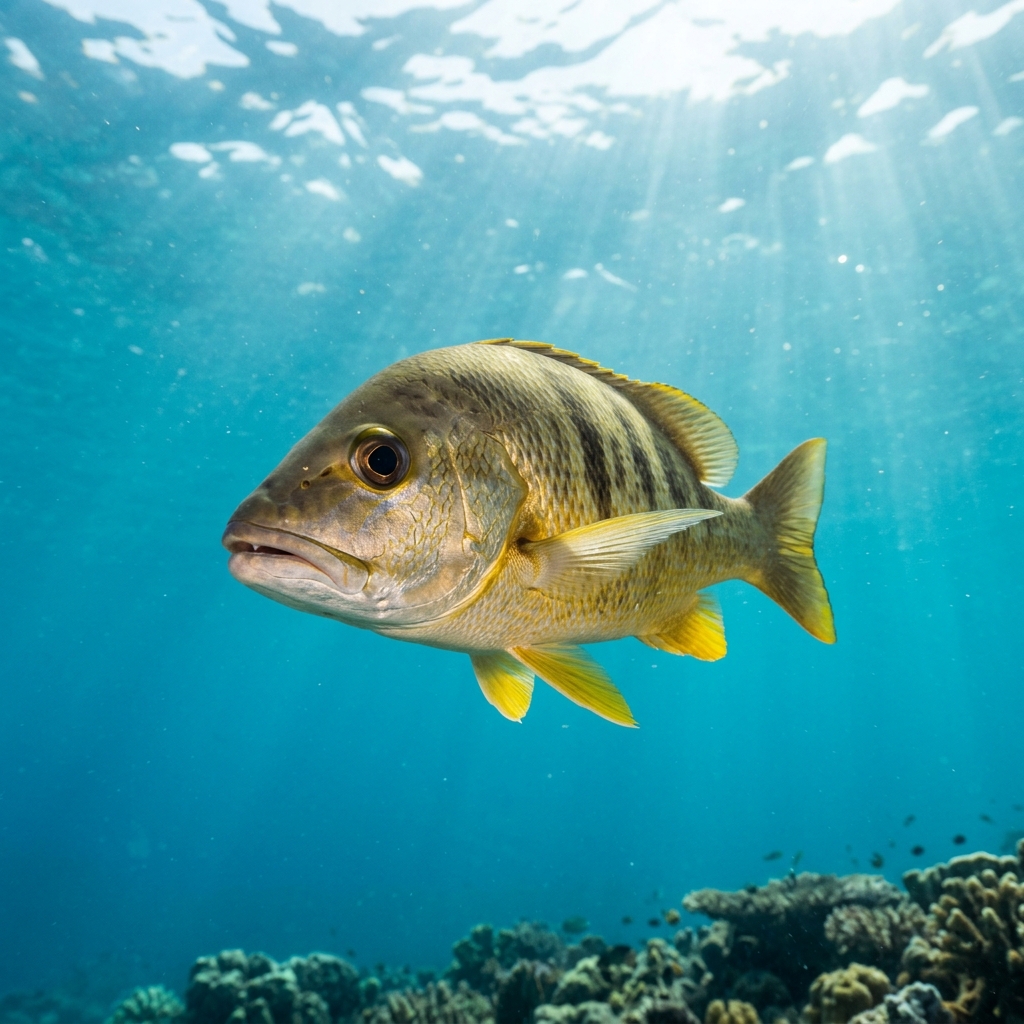
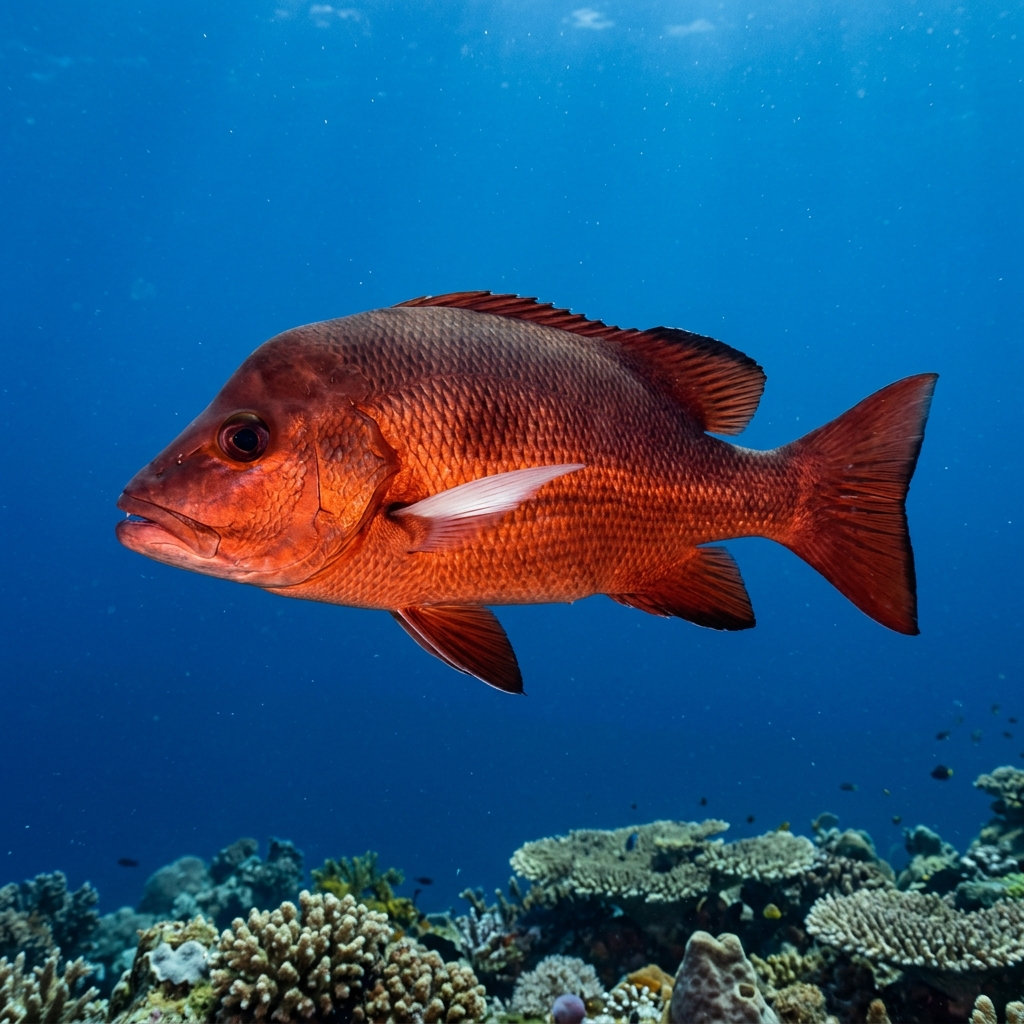
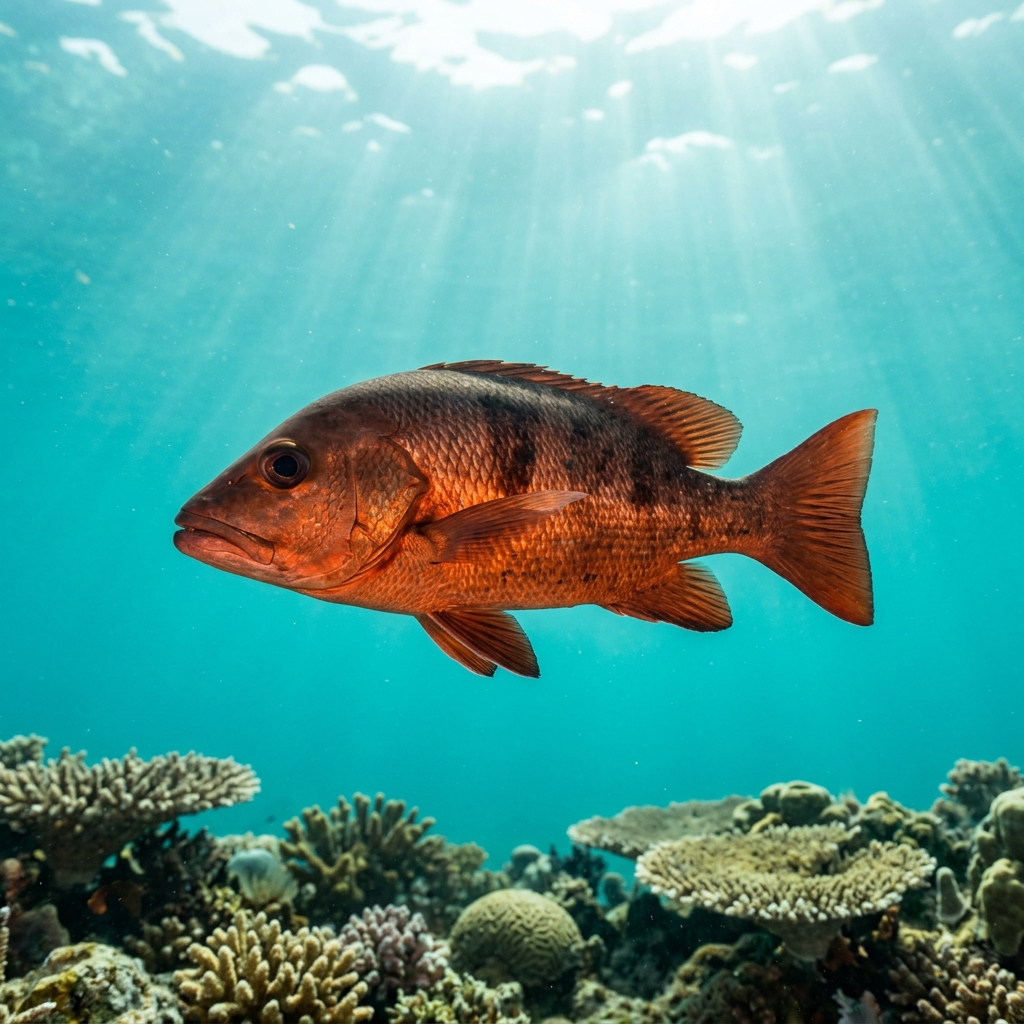
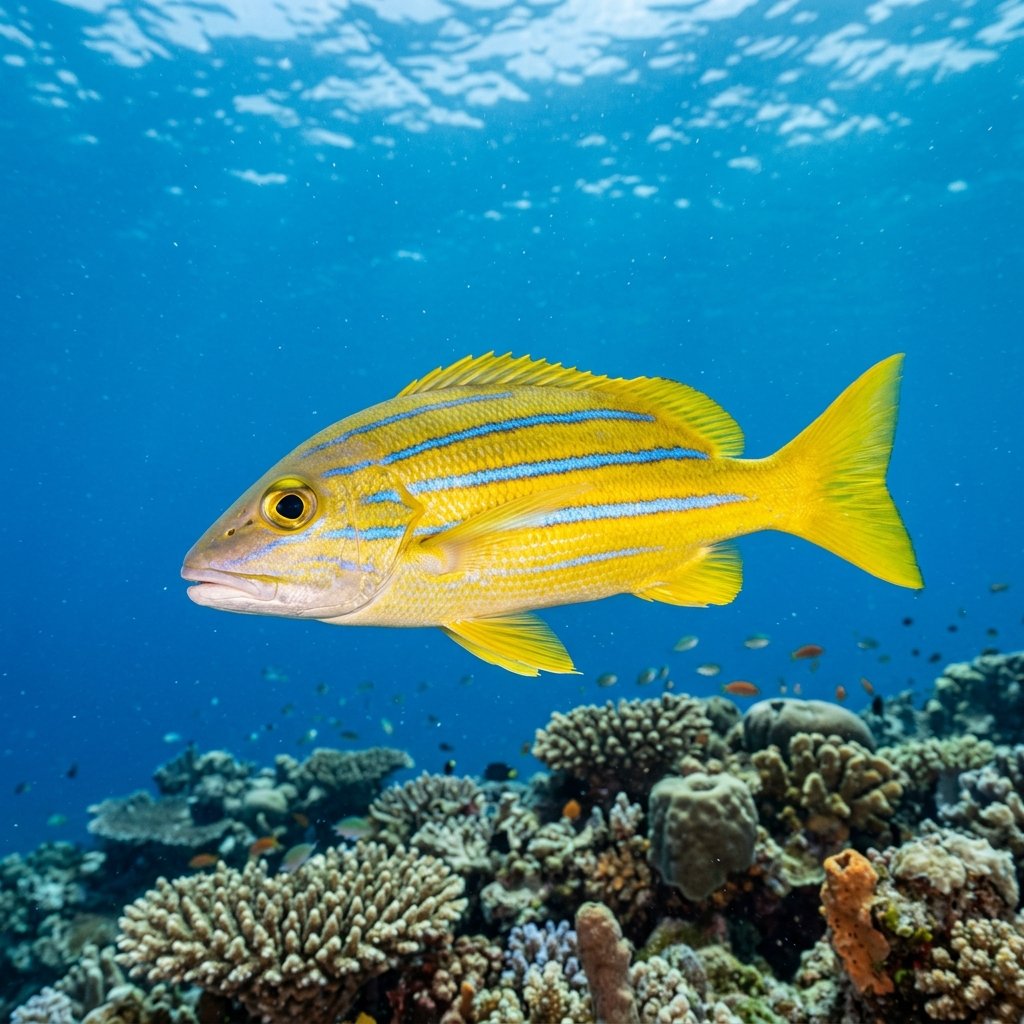
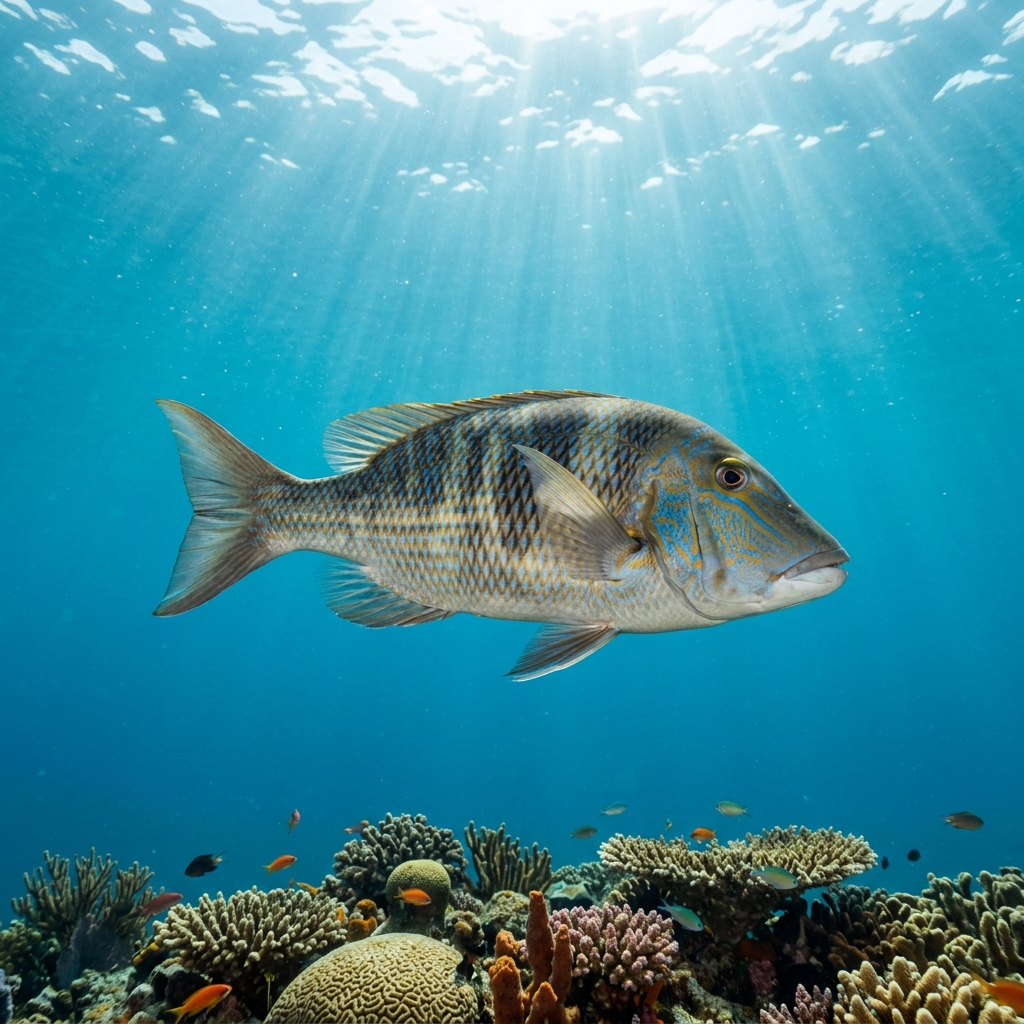
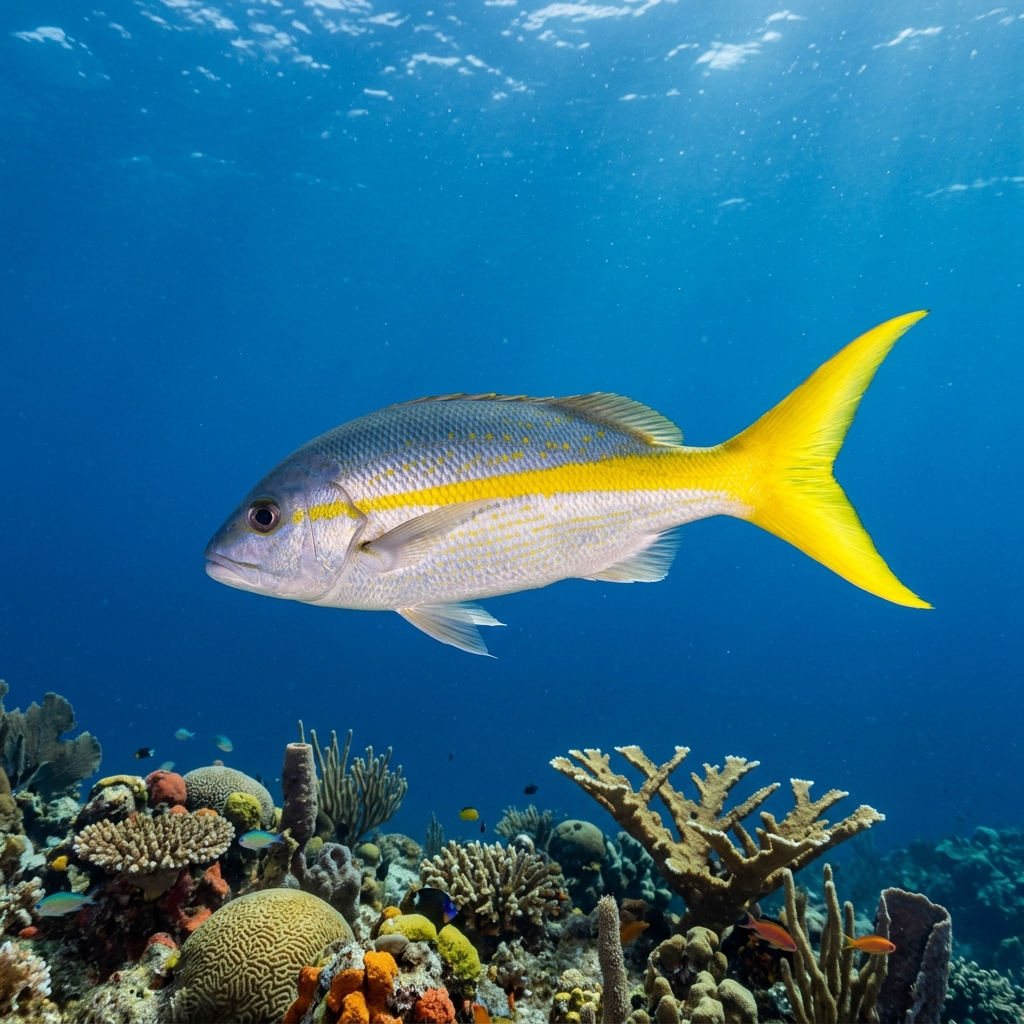
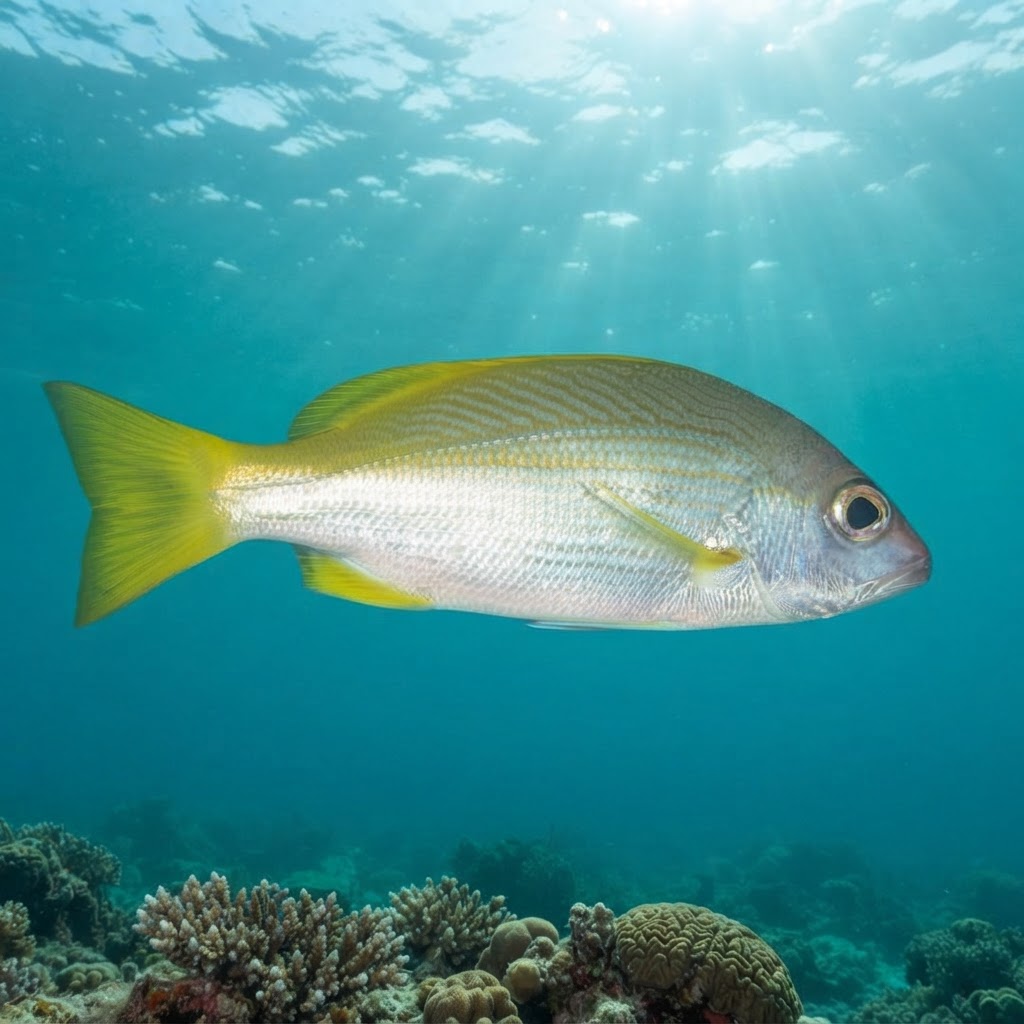
A small, slim-bodied snapper reaching around 17 cm, easy to overlook among bigger reef fish. Look for a silvery to pale grey body set off by yellow-tinged fins, especially the dorsal and caudal fin, which give the species its name. The head profile is typical snapper-shape: a sloped forehead and a moderately large mouth built for picking prey off the reef.
Expect it hovering low over reef structure or hanging just off the bottom in small groups rather than cruising open water. Like many small snappers it tends to hold near cover such as ledges or coral heads, easing off a little as divers approach but not bolting for deep water. Most sightings on similar reef snappers cluster around daylight hours when they are out feeding over the substrate.
Snappers in this size class typically feed opportunistically on small fish, crustaceans and other invertebrates picked from the reef surface, making them a small but steady link in the reef food web rather than a top predator.
Not enough monthly sightings exist yet to call a season, so treat it as a year-round possibility. Its observed comfort range of 25.5 to 31.5 C points to warm tropical reef water, which supports being present through most months rather than a narrow window.
Reef neighbours a diver could mistake it for. Use the identification notes above to tell them apart.
Sighting data for this species is still thin, with no dive sites yet logged in Fin's database. As records build, this section will point to the specific countries and regions where divers are most reliably finding it.
Mapping where Yellowfin Snapper is logged…
Look for a small, slender snapper around 17 cm with a silvery-grey body and yellow-washed dorsal and tail fins. The sloped head and moderate mouth are typical snapper features, but the yellow fin tint is the quickest visual cue.
They are a small snapper species, typically reaching around 17 cm in length, so they are easy to miss among larger reef fish.
There is not yet enough logged data to point to a specific season, so treat sightings as possible year-round. Its recorded water-temperature range of 25.5 to 31.5 C suggests it stays on warm tropical reefs throughout the year rather than migrating seasonally.
No, they pose no danger to divers and are simply a small, reef-associated fish to admire and photograph.
Site and sighting data is aggregated from diver logs, iNaturalist and GBIF. For taxonomy and conservation status:
Bluestriped Snapper
2,054 sites