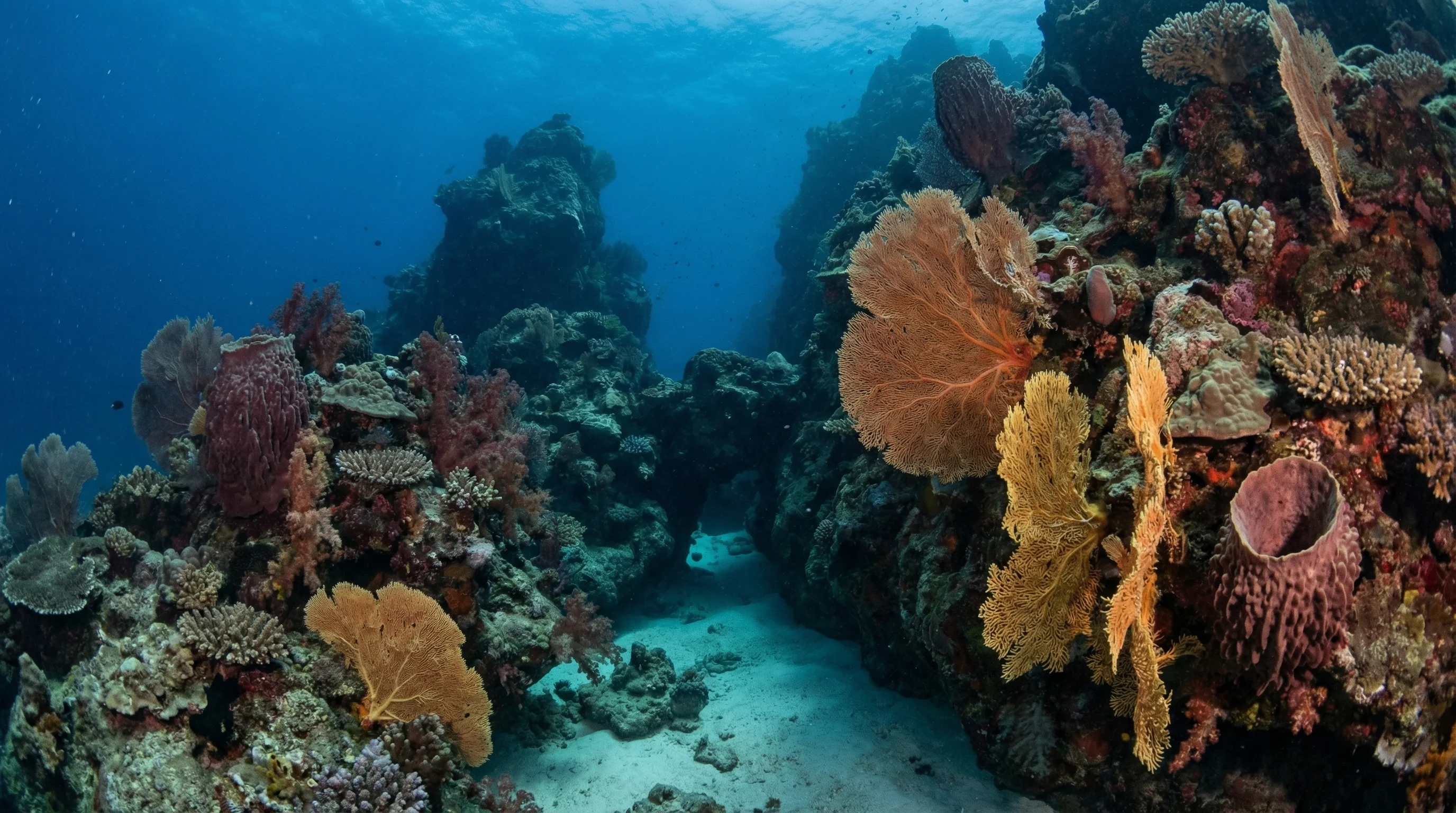
Best for intermediate divers, 3-30m, boat entry, moderate current.
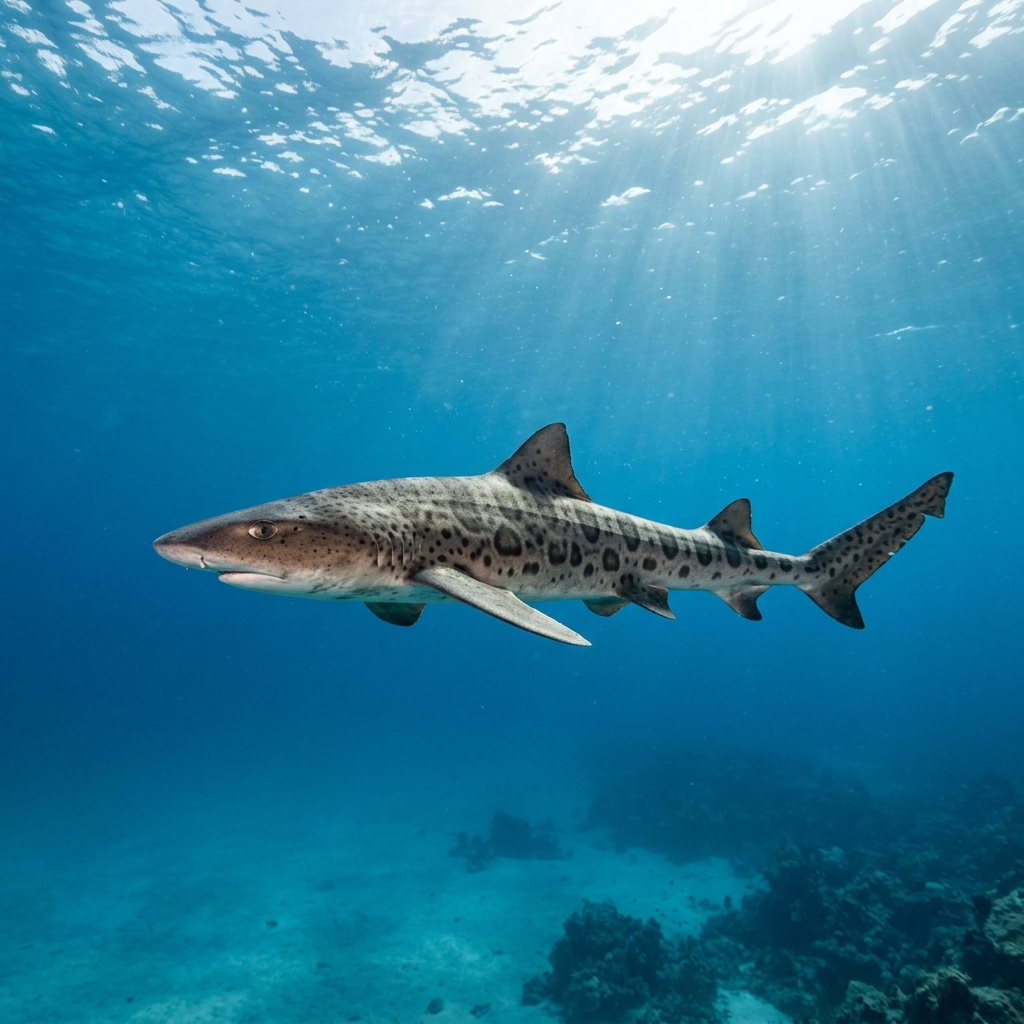
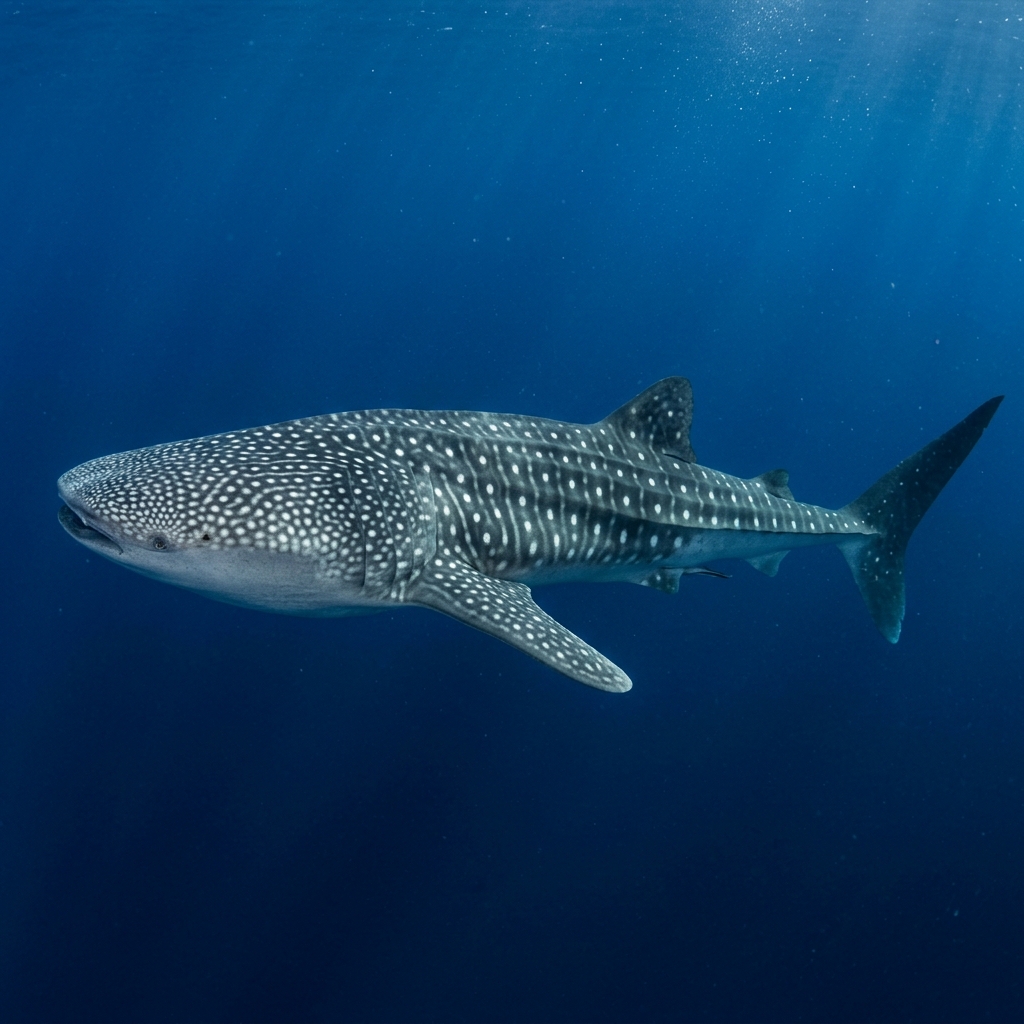
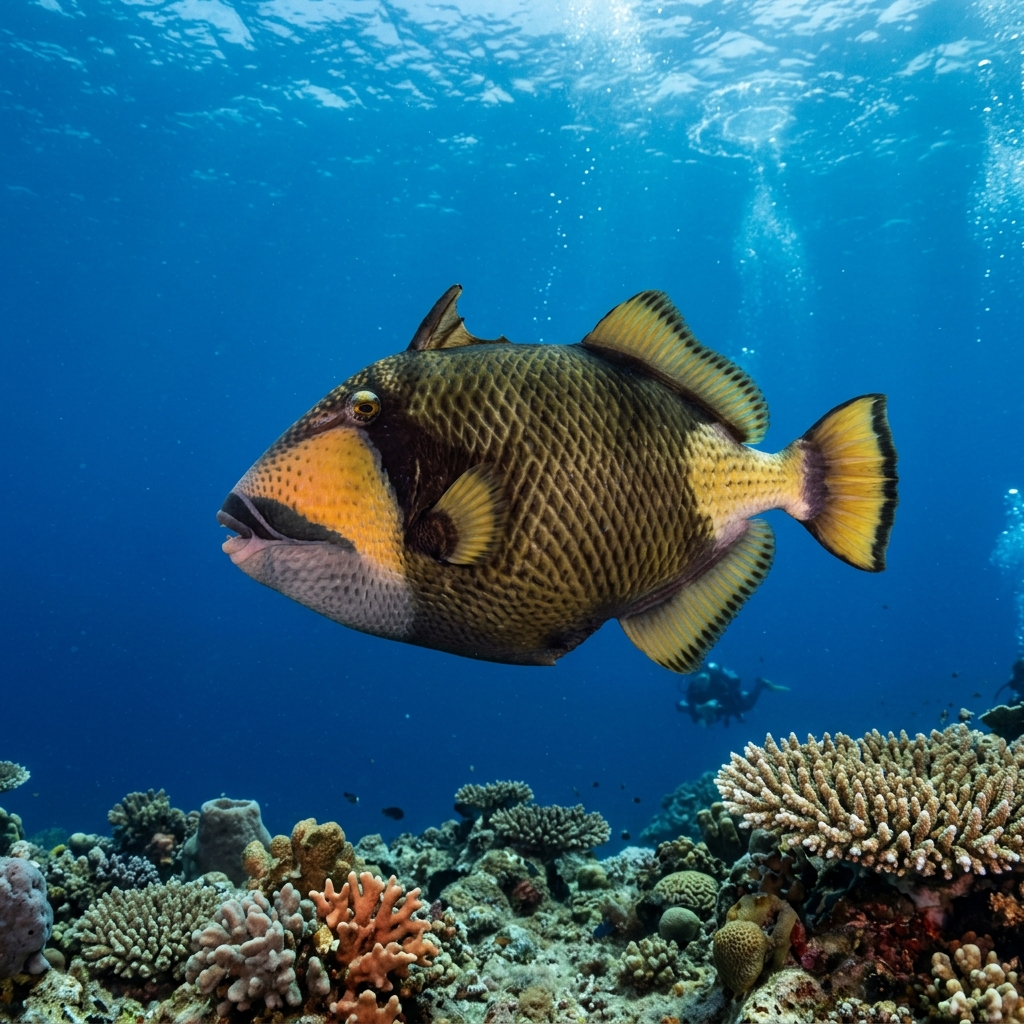
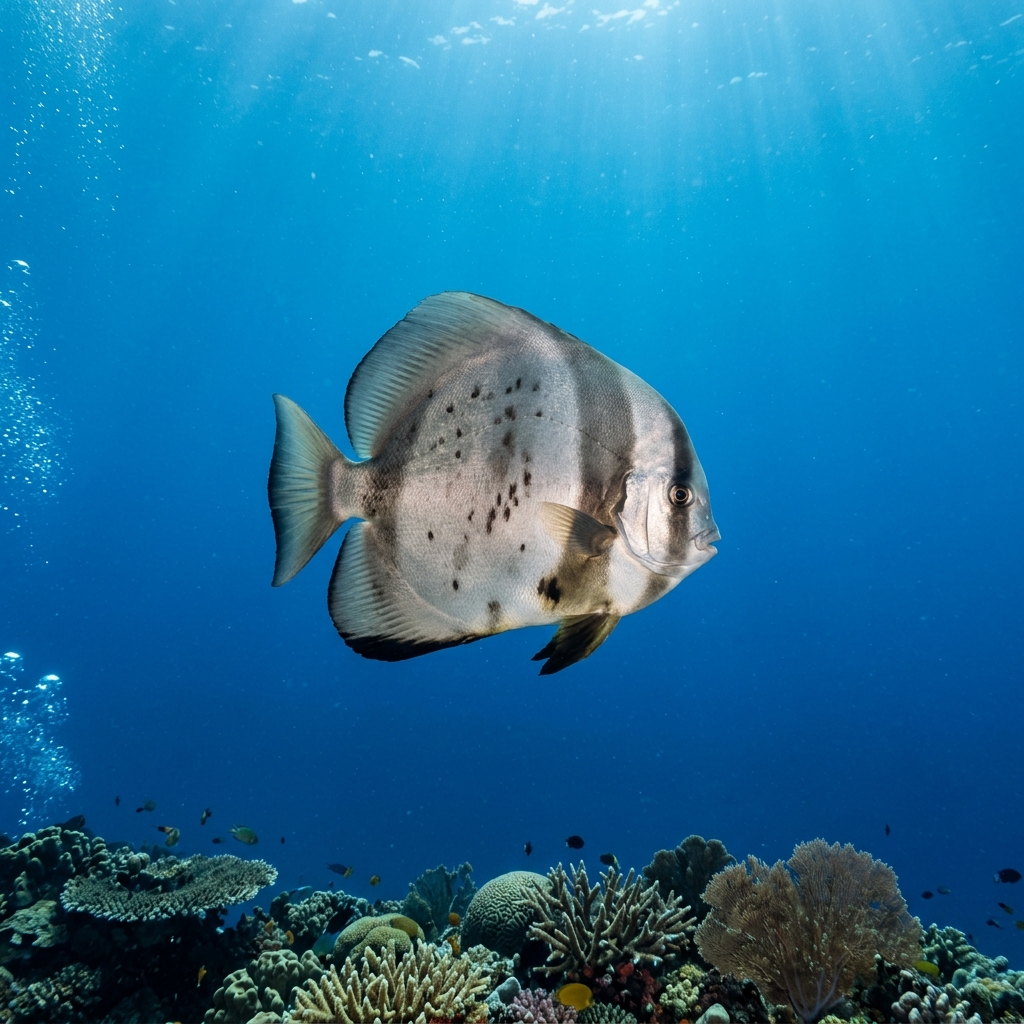
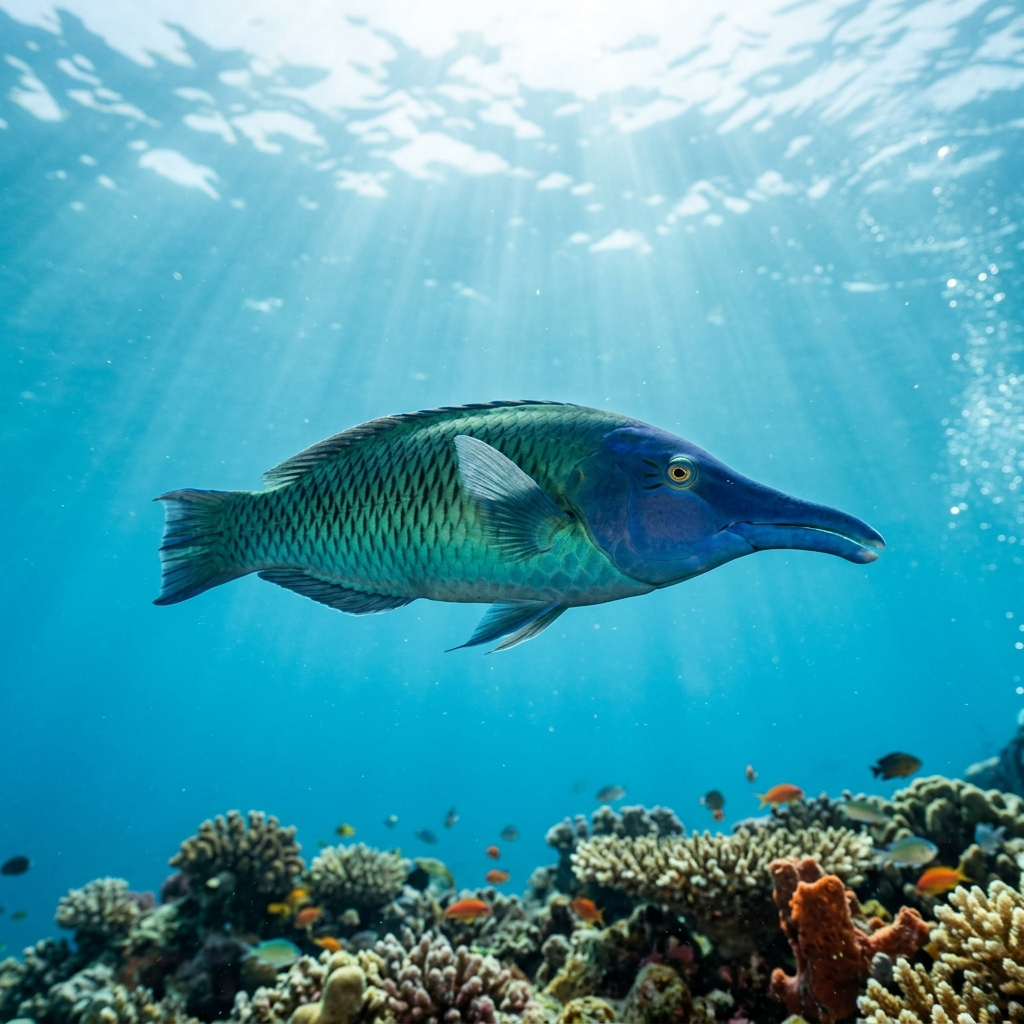
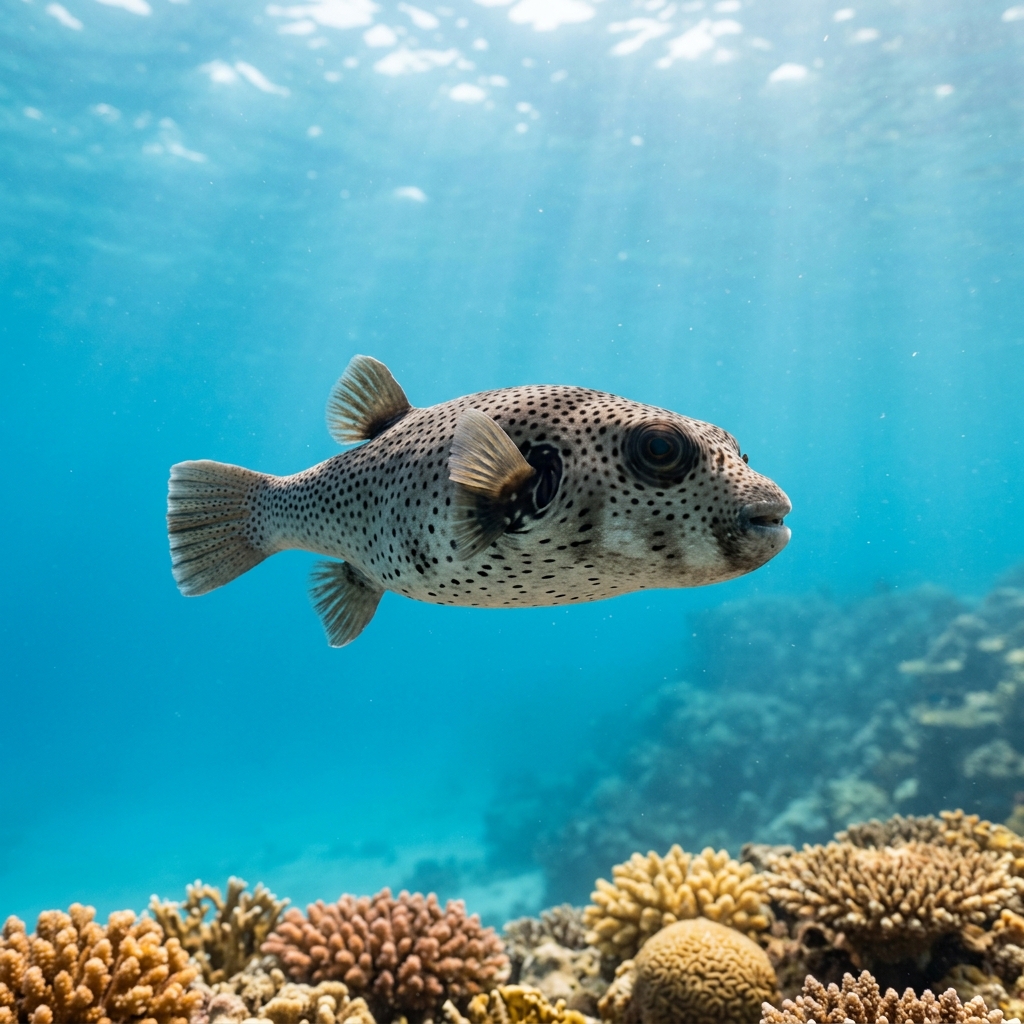
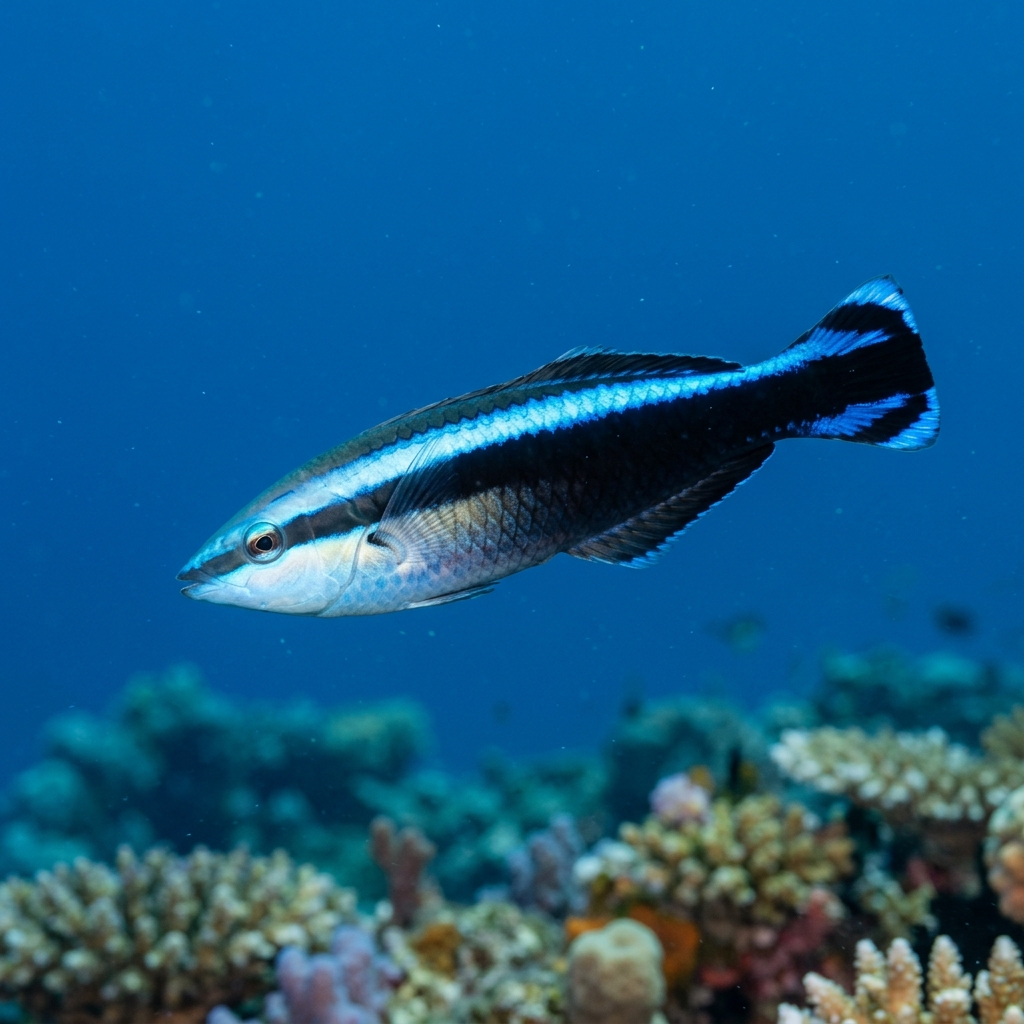
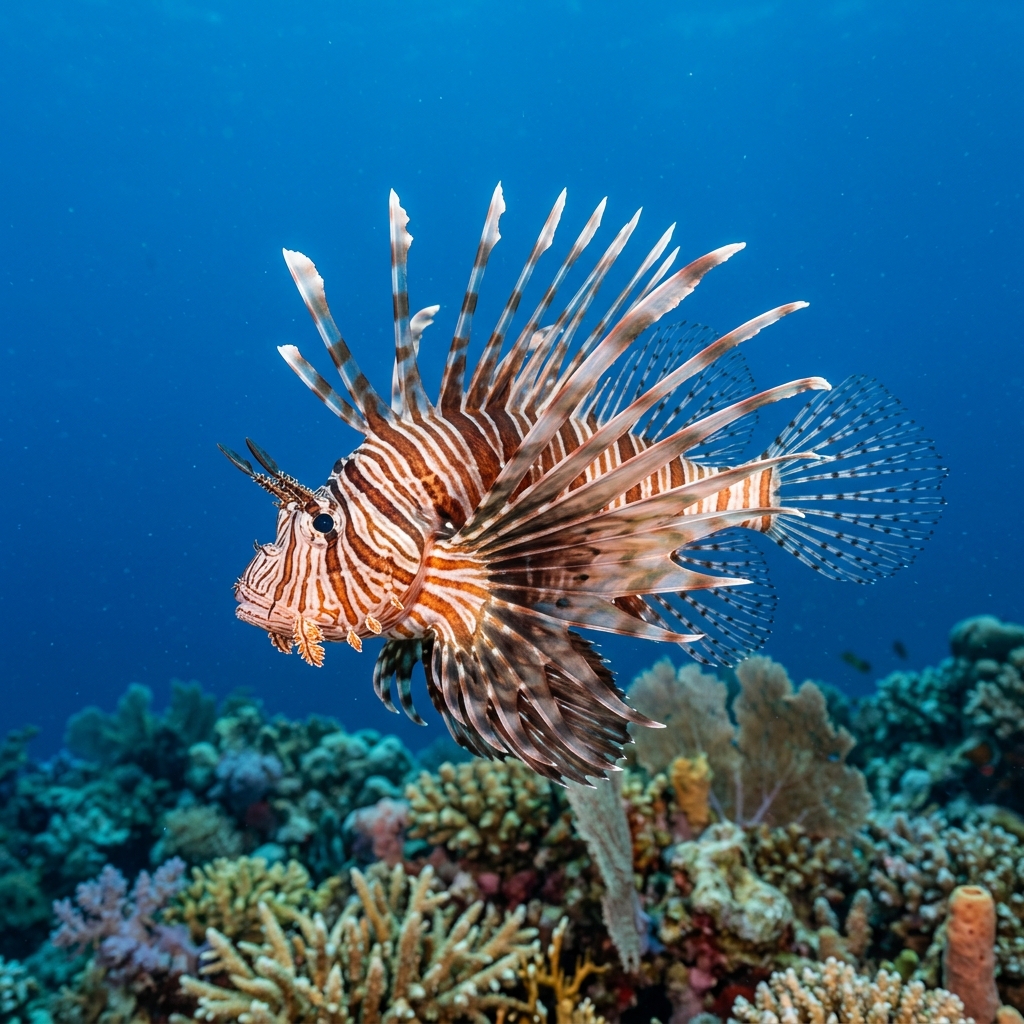
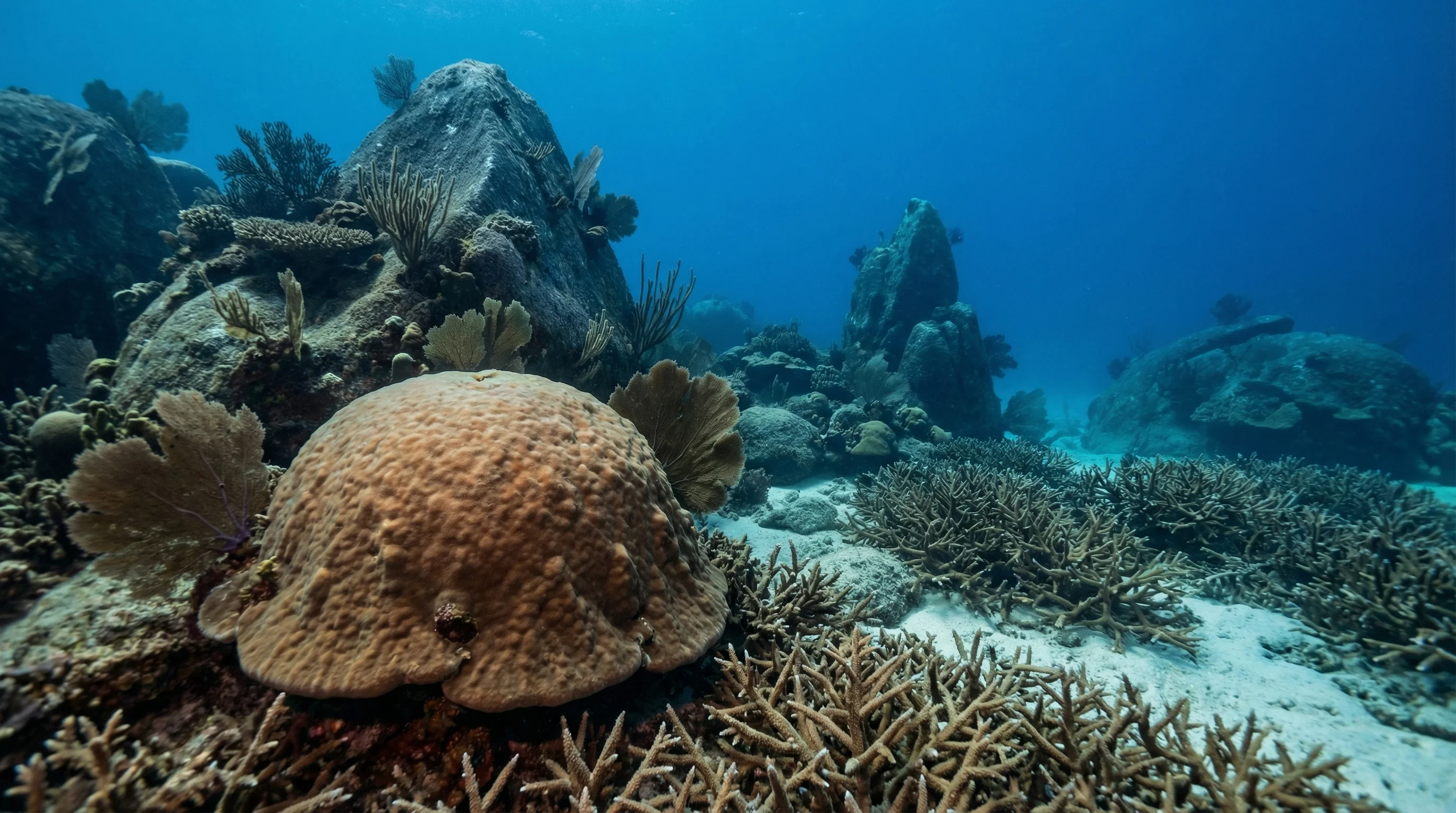
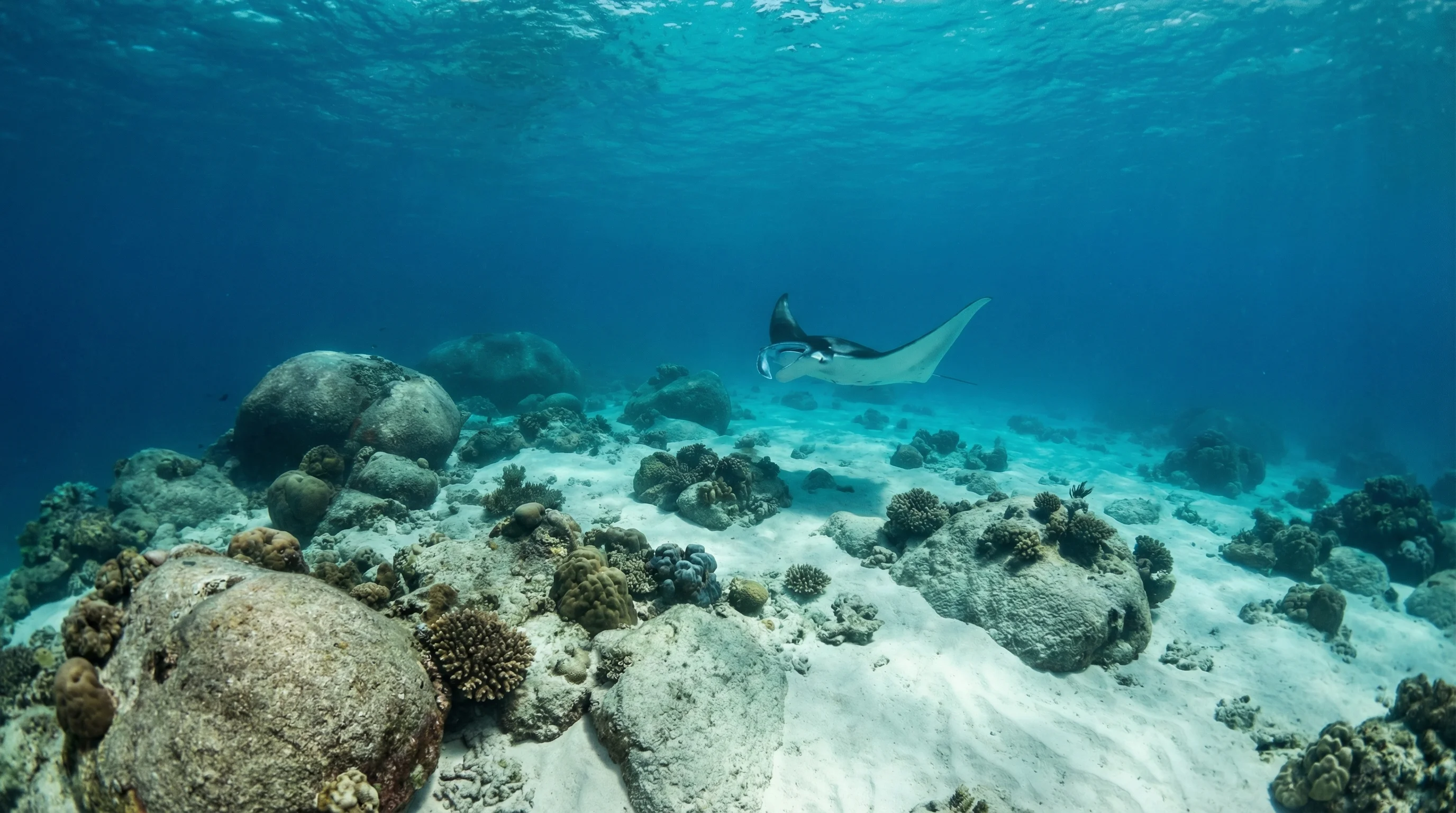
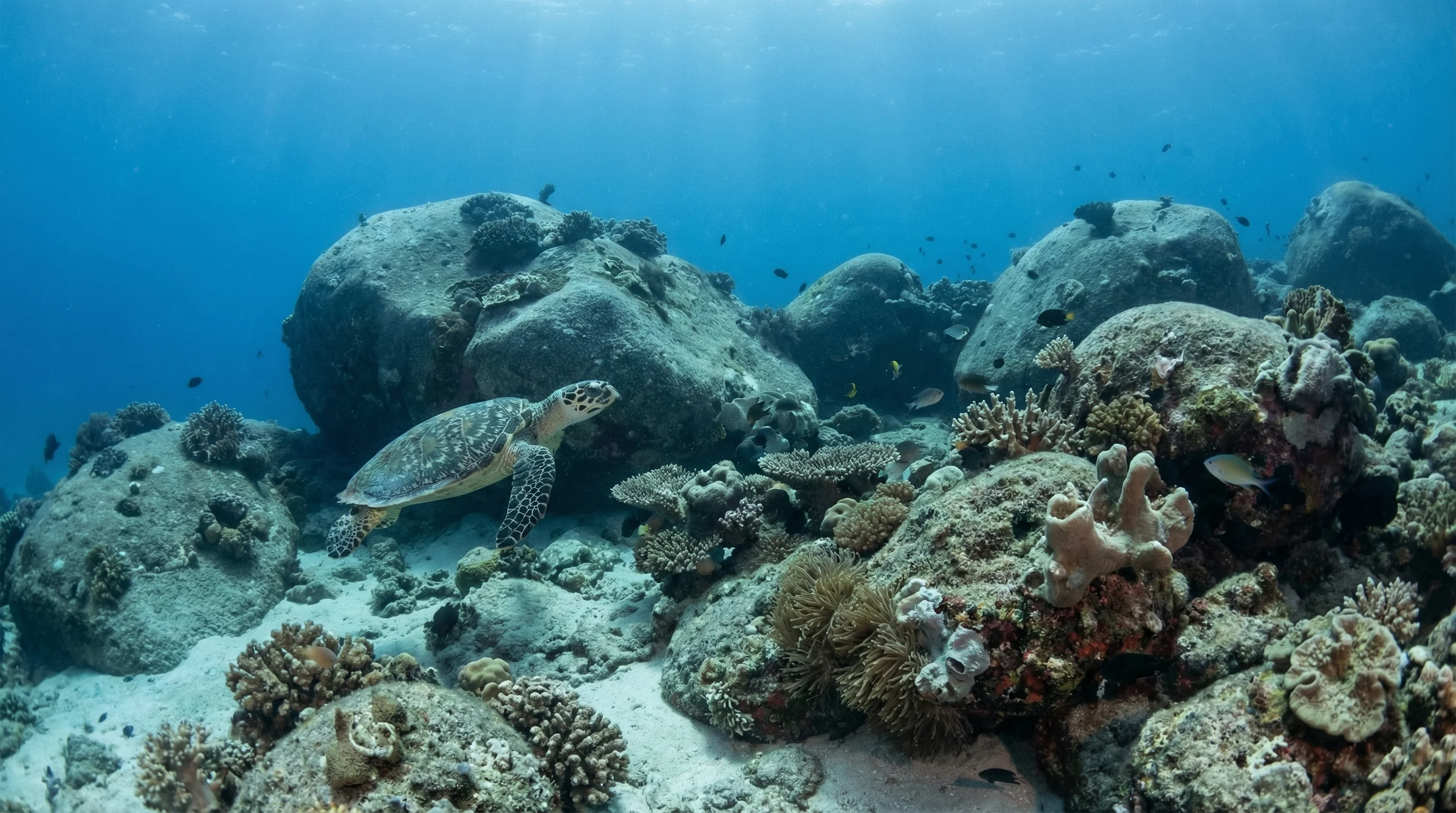
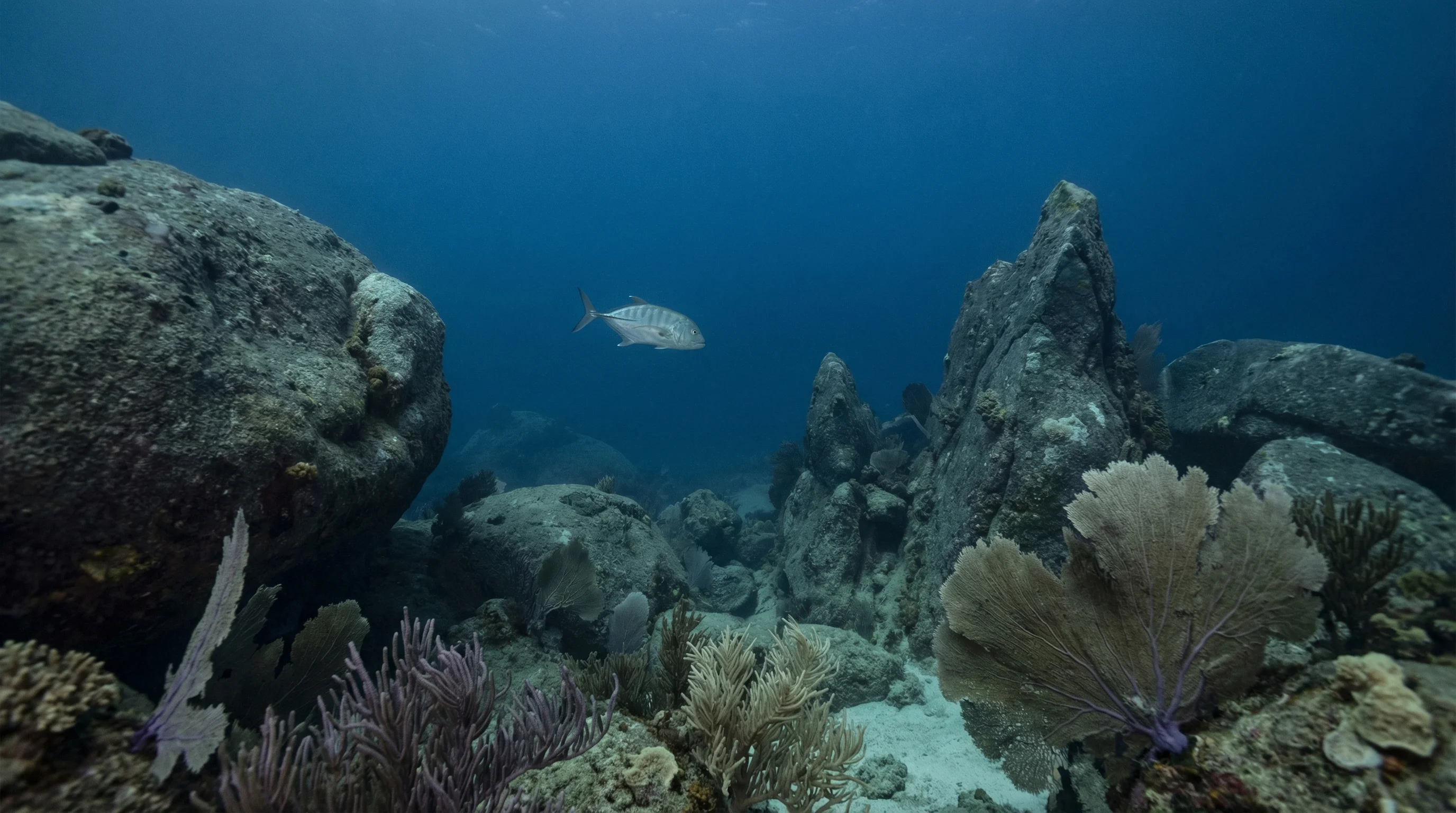
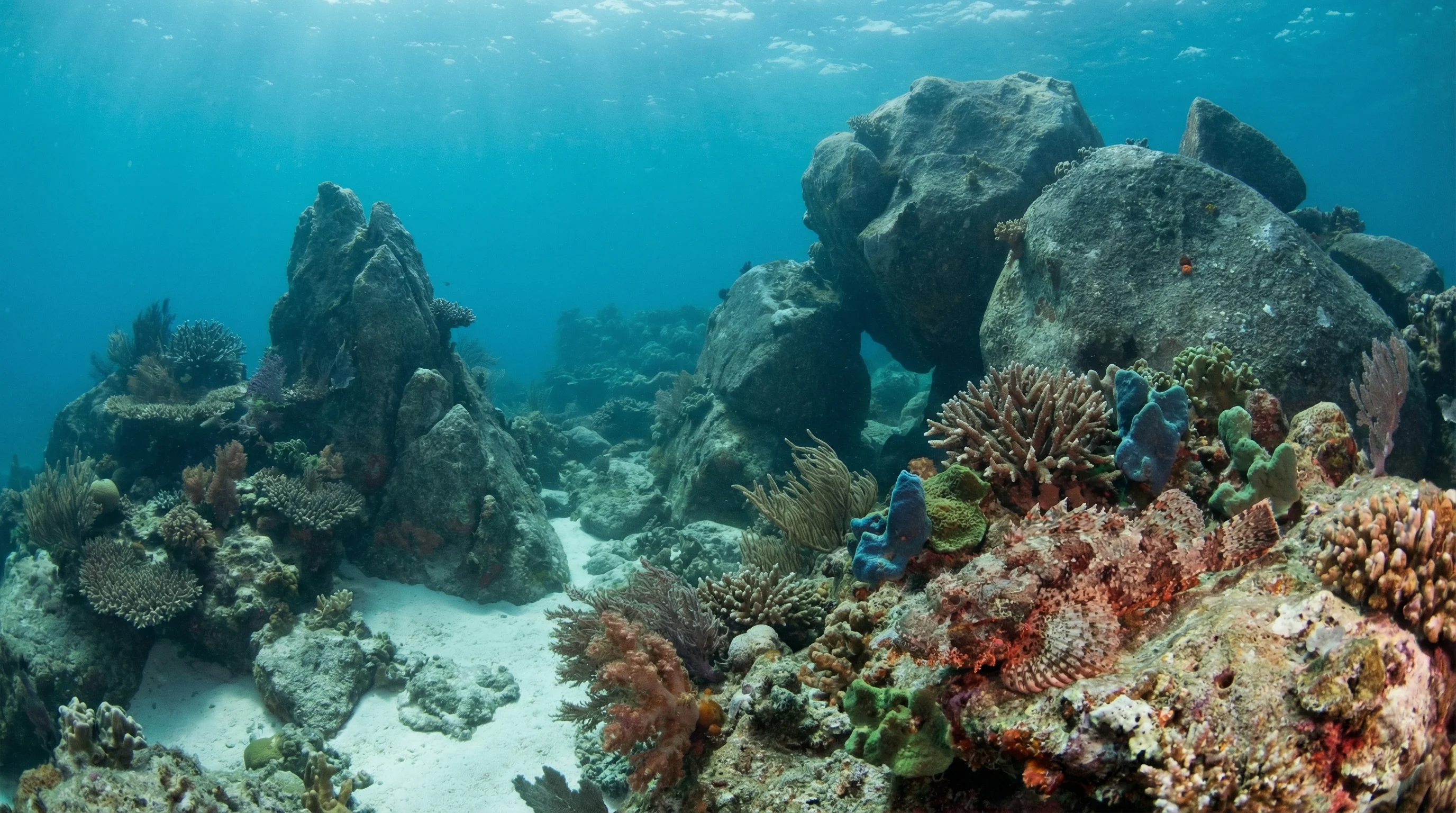
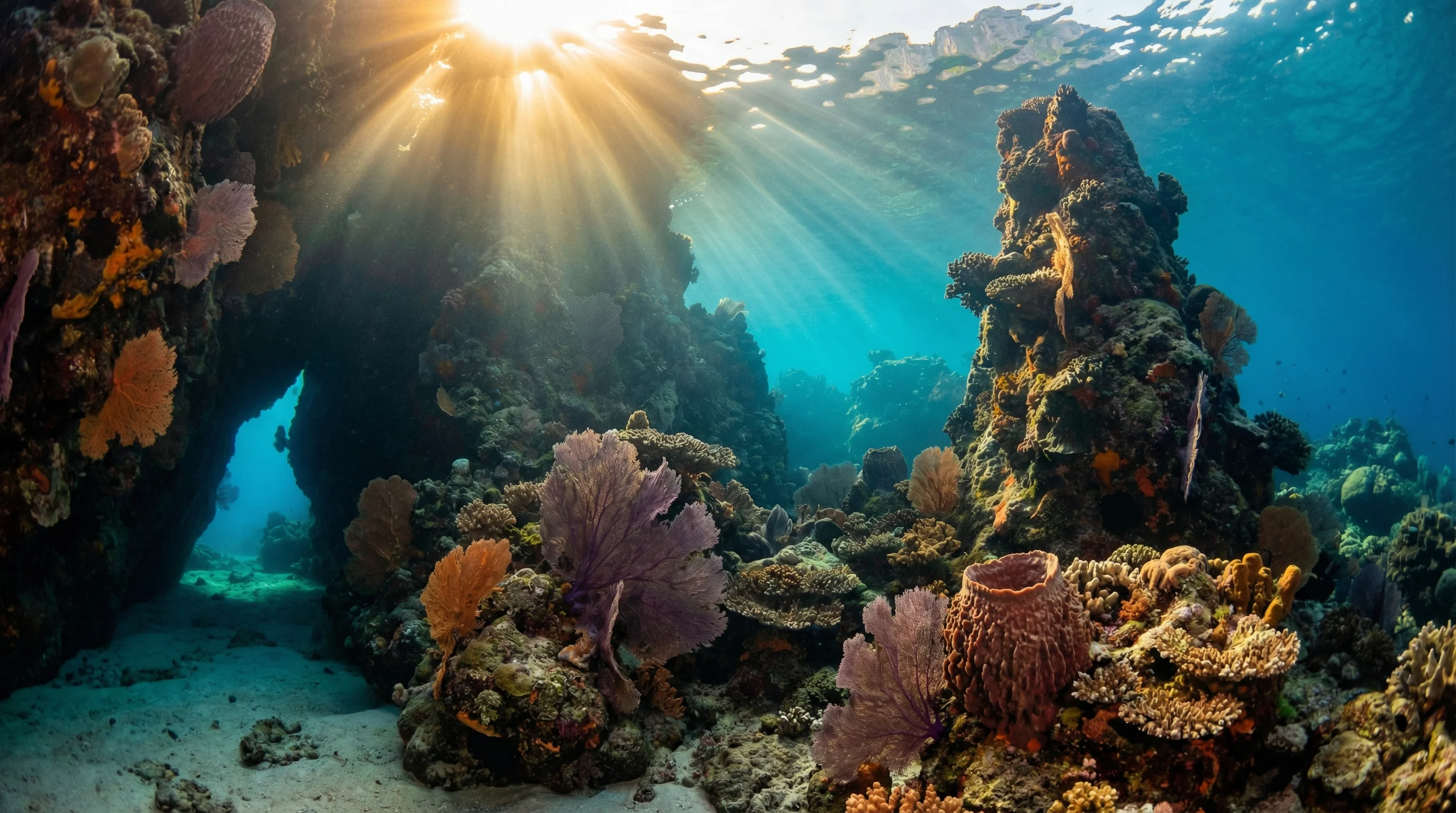
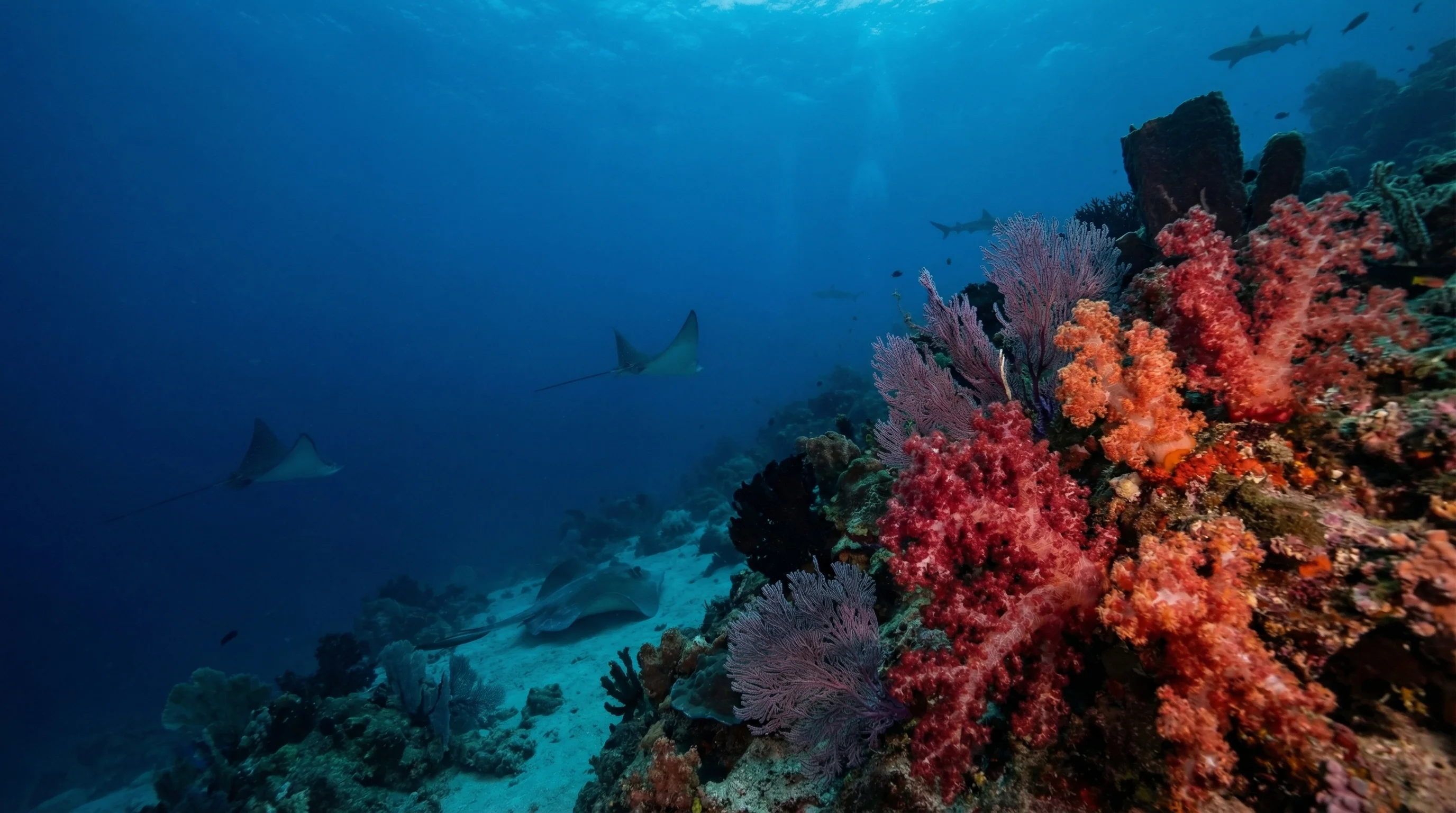
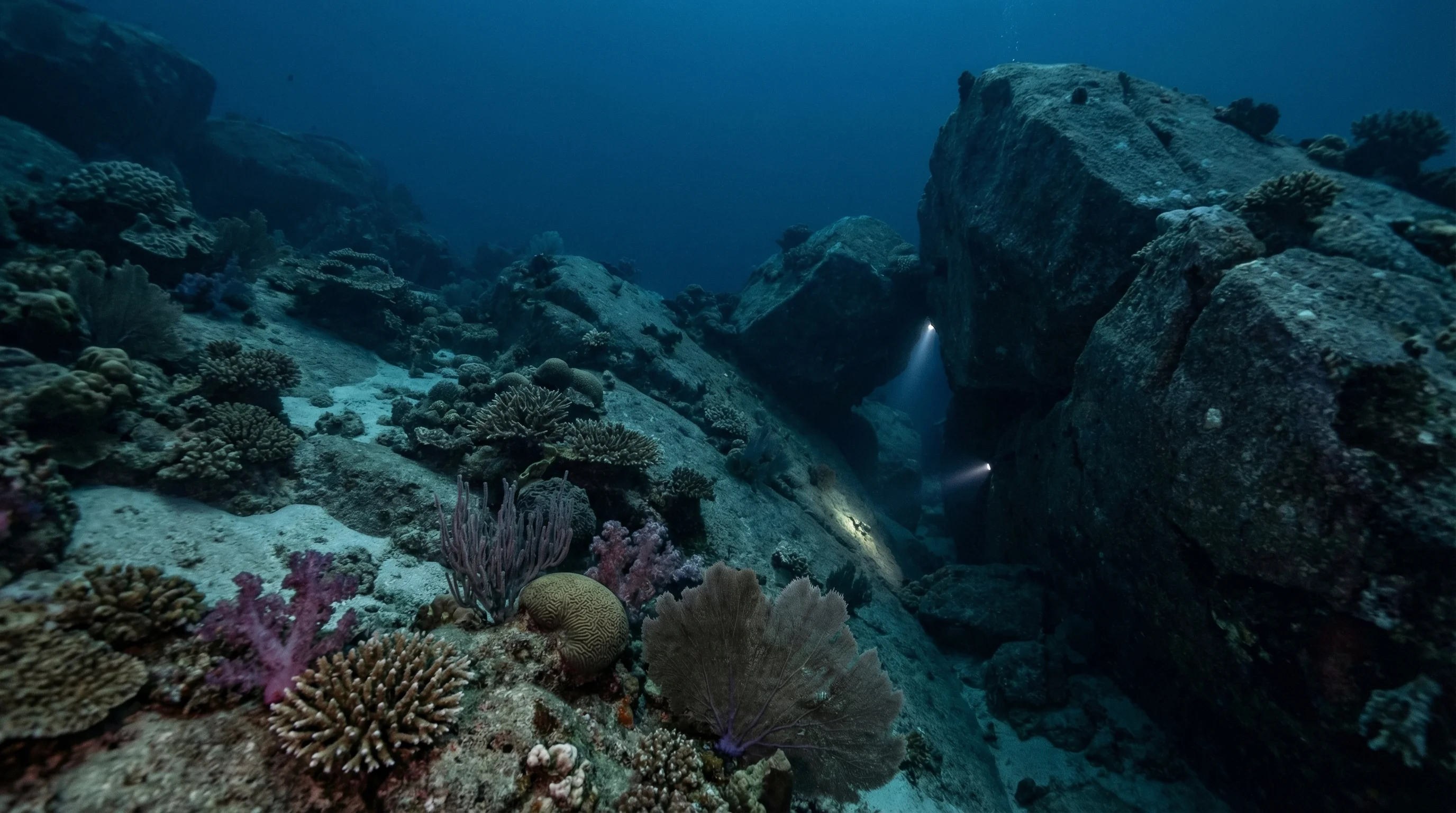
Koh Bida Nok is a diverse dive site located in the Racha Islands, Thailand, offering a mix of reef, wall, and cavern topography. Divers can explore depths ranging from 3 to 30 metres, with an average depth of 18 metres. Access is strictly by boat, as the site is situated 2000 metres from shore. Conditions vary, with visibility between 5 and 25 metres and moderate currents. The site is suited for intermediate divers. Hazards include potential entanglement, jellyfish, overhead environments, sea urchins, sharp coral, stonefish, and strong currents. The habitat supports a variety of reef fish and invertebrates typical of the region.
7.39000, 98.45000
You can swim from Koh Bida Nok to Koh Bida Nai if you have good air consumption.
It takes about three hours to get to Phi Phi by dive boat from Phuket.
Recorded at this site
Depth
3-30m
Visibility
5-25m
Skill Level
Intermediate
Entry
Boat
Boat required
Water Temp
28-30°C
Current
Moderate
Typical Dive
60 min
Best Time
Jan, Feb, Mar, Dec
The site supports a variety of reef fish and invertebrates typical of the region's habitat.
No, this site is classified for intermediate divers due to the topography and variable conditions.
The site ranges from 3 to 30 metres in depth, with an average depth of 18 metres.
Koh Bida Nok requires boat access as it is located 2000 metres from shore.
Water temperatures range from 28C to 30C, with the warmest period occurring between April and June.
Diving at Koh Bida Nok in Phi Phi Don requires the following certifications: Open Water, Cavern. Always dive within your training limits.
A rashguard or 2mm shorty is recommended for diving at Koh Bida Nok in Phi Phi Don. Water temperatures range from 28°C to 30°C.
The best months to visit Koh Bida Nok in Phi Phi Don are January, February, March, and December. Conditions outside these months can still be good but are less predictable.
Divers at Koh Bida Nok in Phi Phi Don should be aware of jellyfish, stonefish, sharks. These encounters are generally rare and avoidable with proper awareness. Follow local safety guidance and maintain a respectful distance from all marine life.