Halgerda tessellata
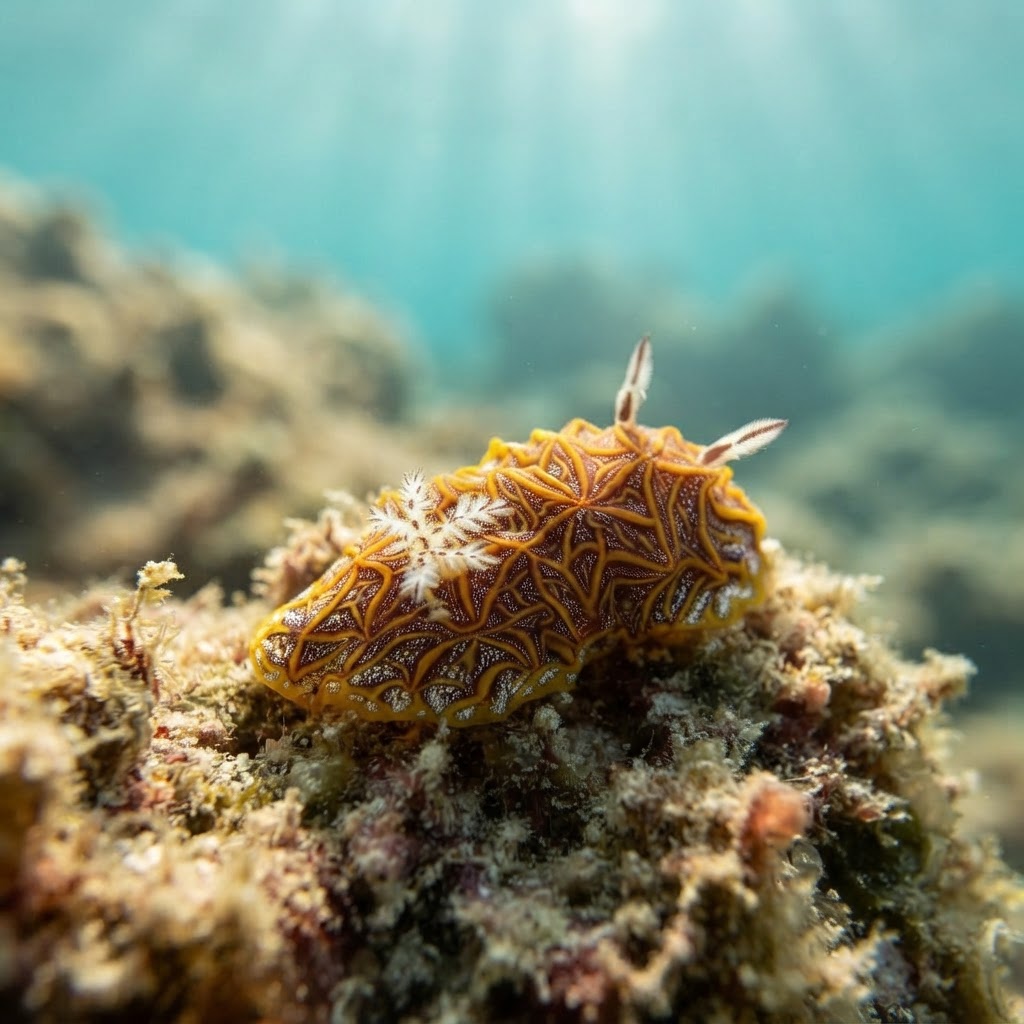
A pale, ridged nudibranch tiled with brown-edged markings, most often spotted on reef slopes around Xiaoliuqiu, Taiwan and Saipan.
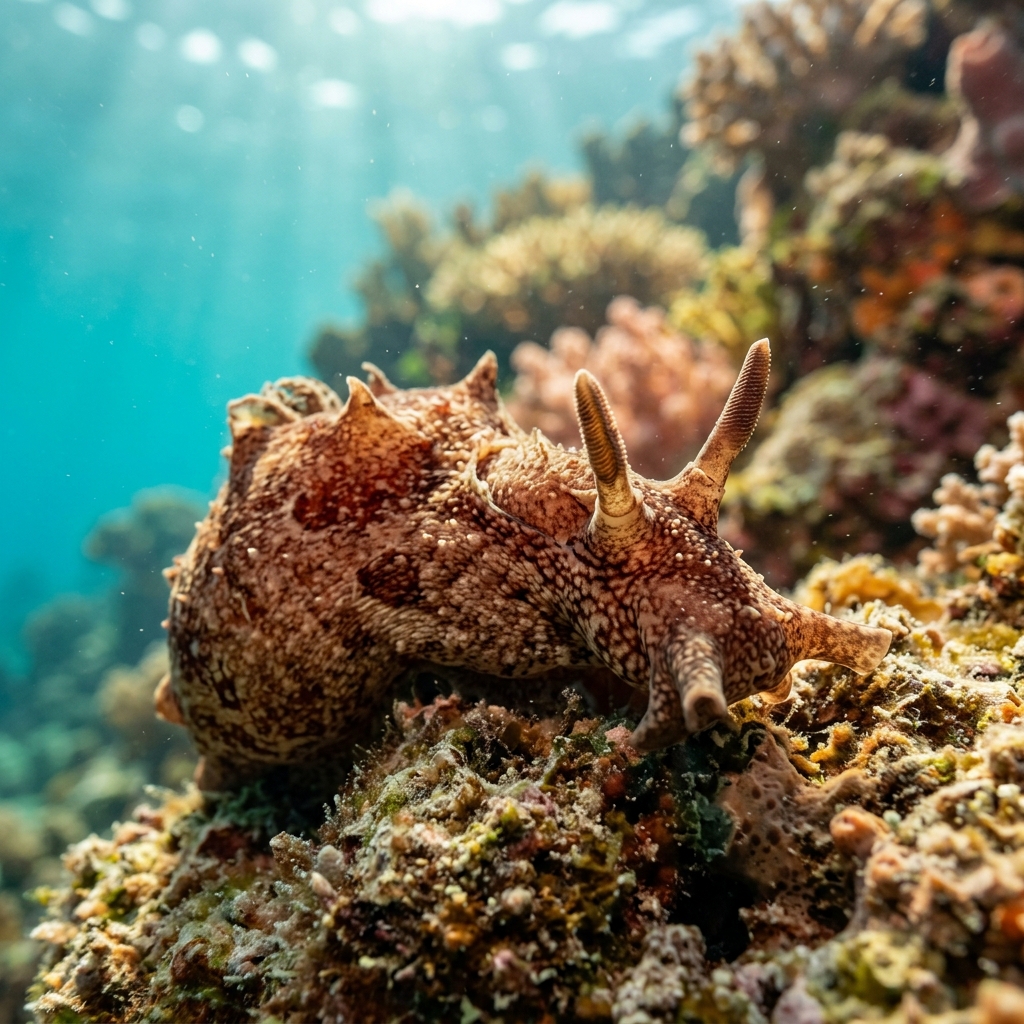
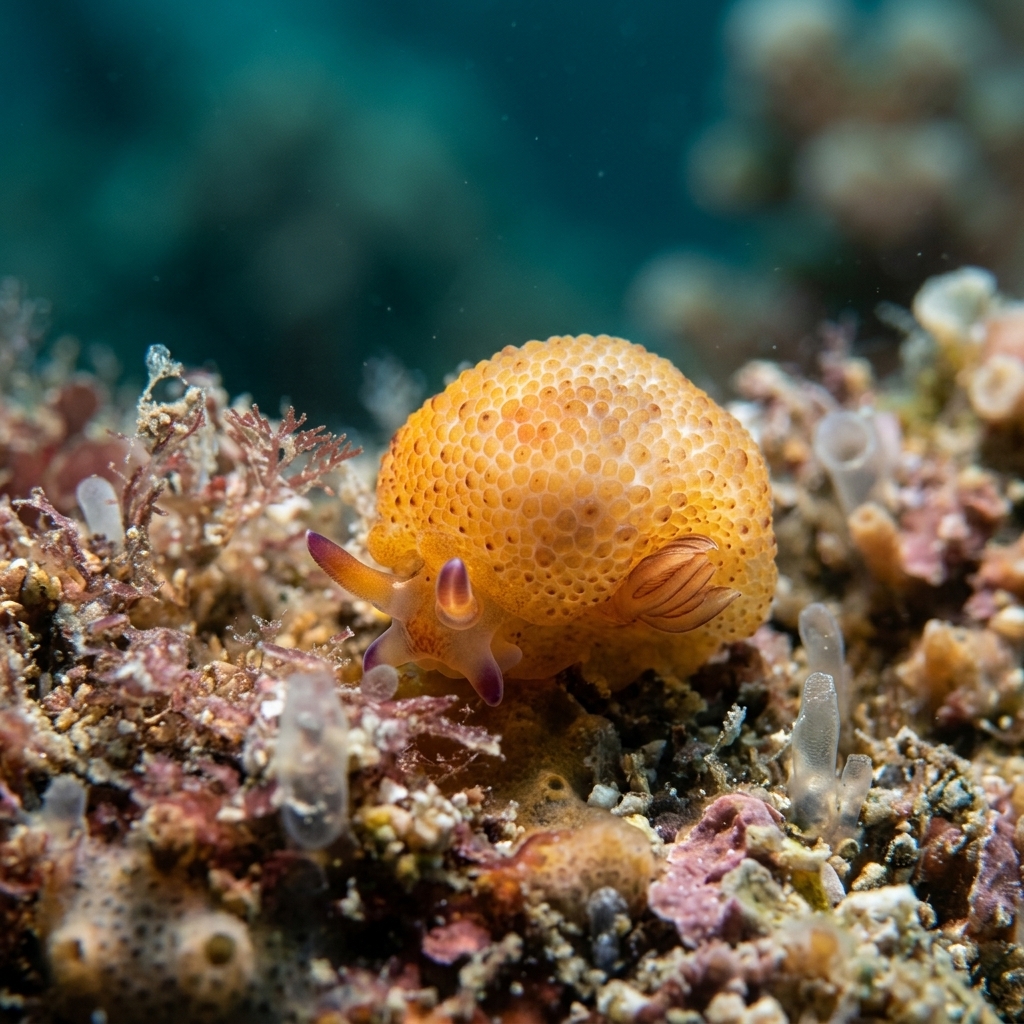
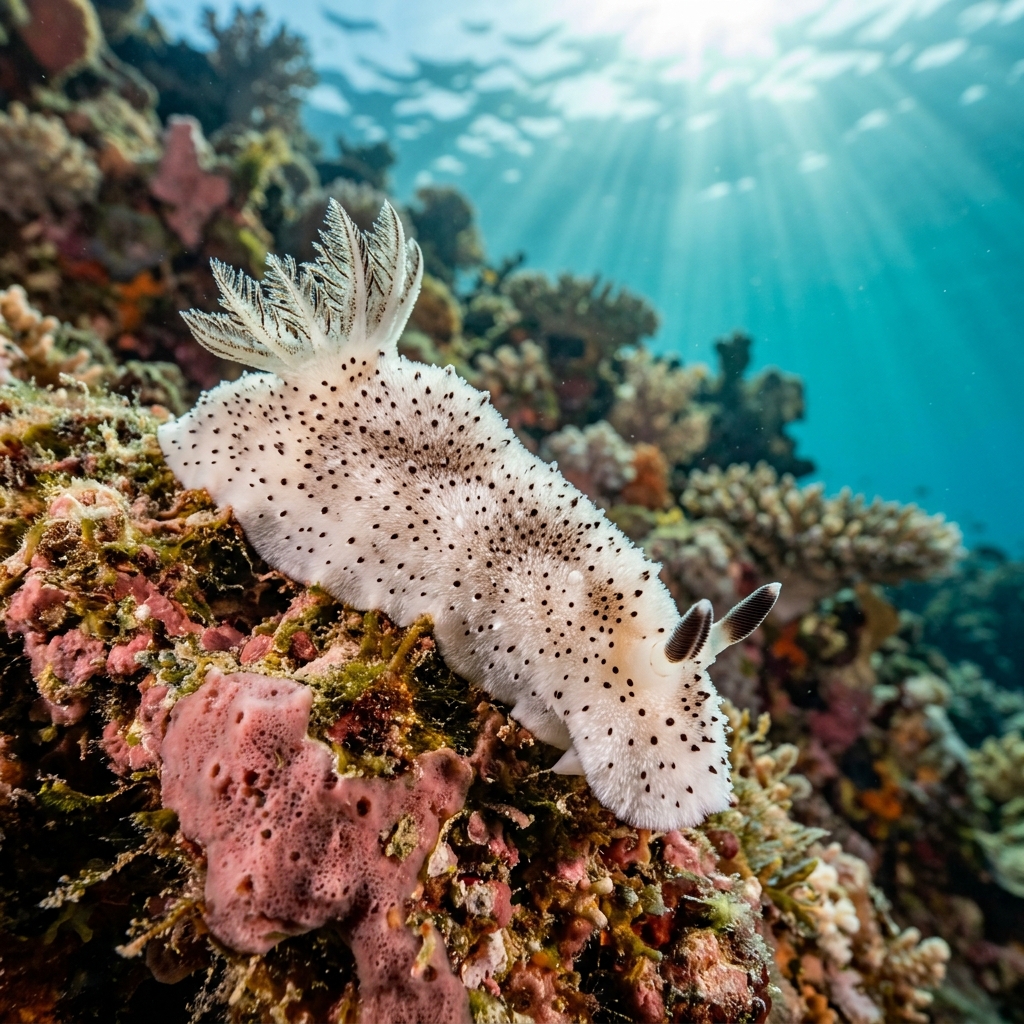
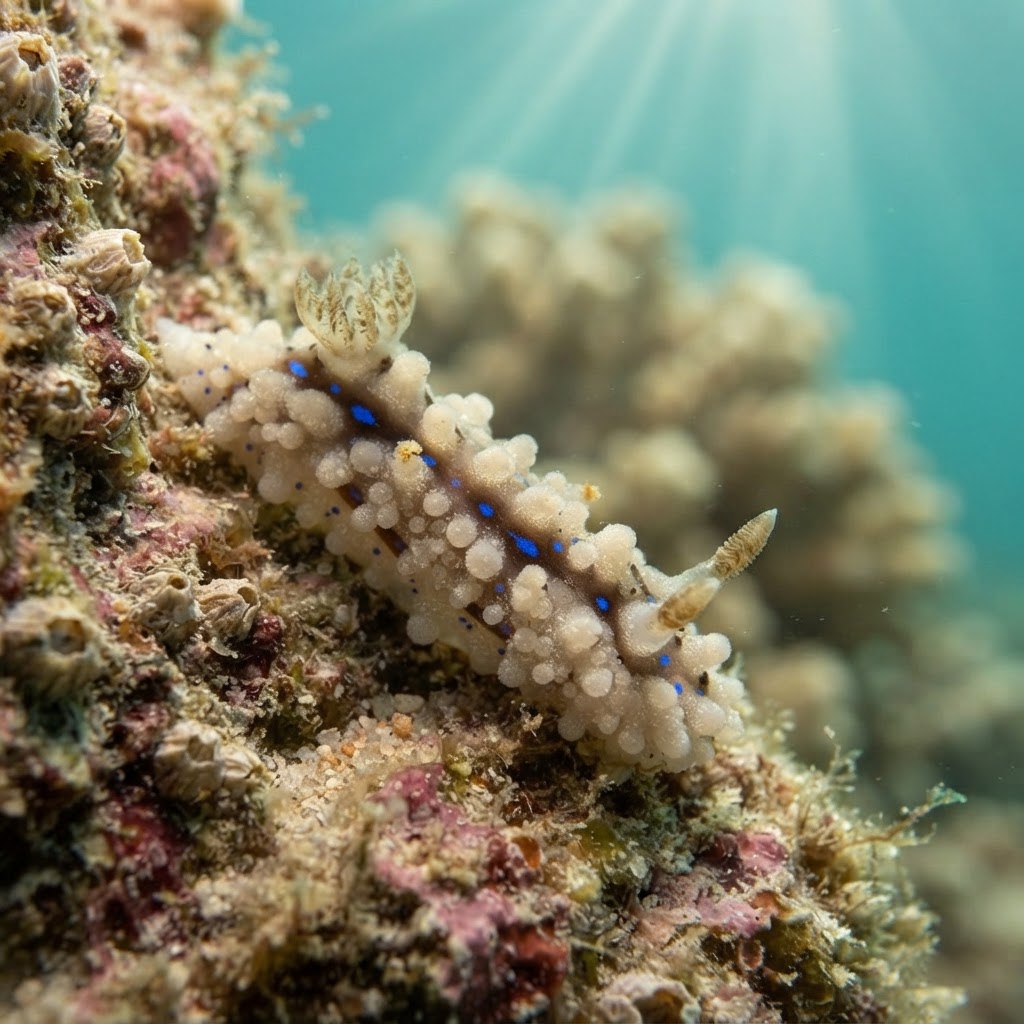
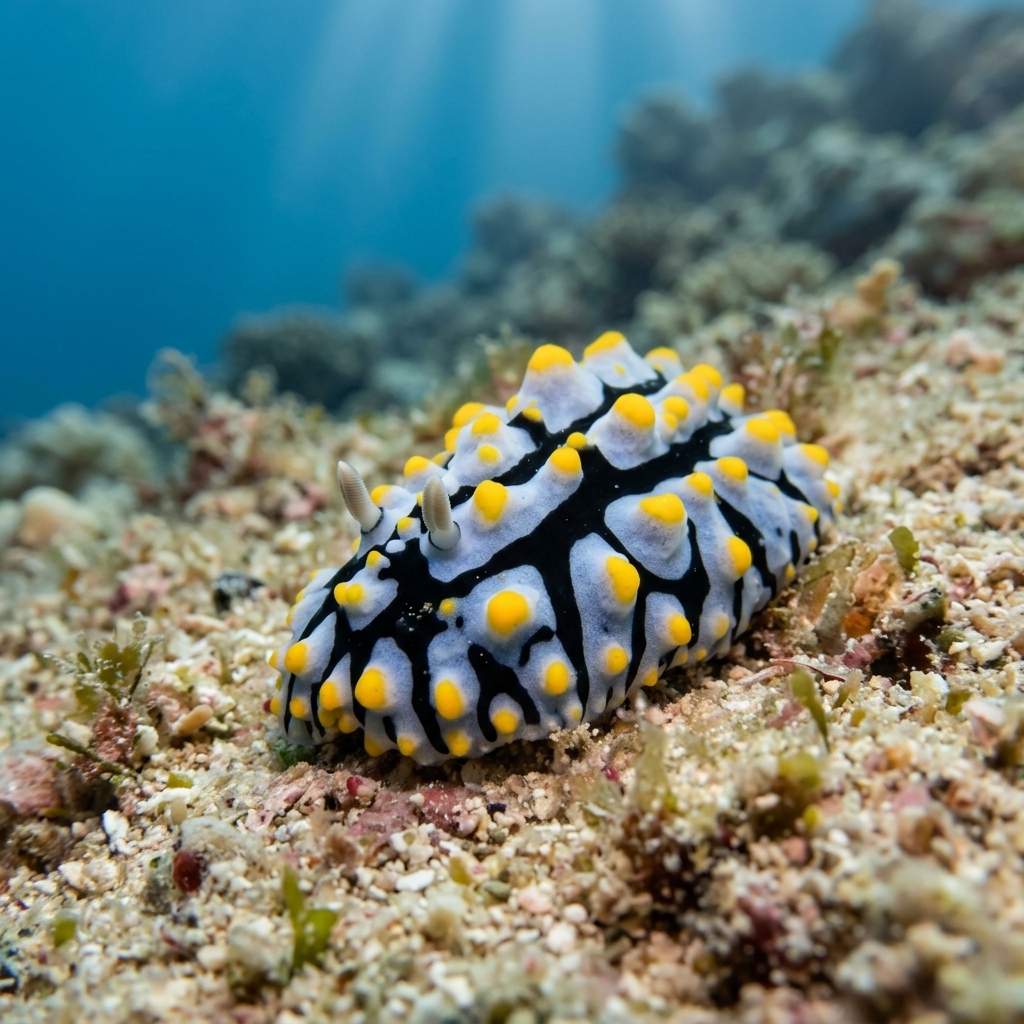
A small, firm-bodied nudibranch, around 3 cm long, with a white to cream body covered in raised ridges that give it a tiled, jigsaw-like look. The ridges are outlined in brown or black, breaking the surface into distinct tessellated patches, and short, translucent gills sit toward the rear alongside a pair of upright rhinophores (sensory horns). Its low, humped shape and stiff-looking, textured skin make it easy to pick out from smoother, flatter nudibranchs once you know to look for the tiling pattern.
Divers usually find it moving slowly across reef rubble, rock, or sponge-covered surfaces during the day rather than tucked away nocturnally, grazing as it goes. It pays no attention to divers and will not flee or hide when a torch or camera moves in close, making it a cooperative subject once you spot one. Most logs describe single individuals rather than groups, so a sighting tends to be a one-off rather than a cluster.
Like other discodorid nudibranchs, it likely feeds on sponges, and the ridged, tessellated skin texture is thought to help it blend against encrusted rock and sponge surfaces rather than serving any bright warning function.
No clear seasonal pattern shows up in the sighting data, and its comfort range of roughly 24 to 30 C spans typical tropical and subtropical reef temperatures year-round, so any month is fair game at these sites.
Most reliably logged in Taiwan, especially around Xiaoliuqiu and Longdong, and on Saipan in the Northern Mariana Islands, which together account for the bulk of recorded sightings. It also turns up with some regularity in Okinawa and the wider Ryukyu Islands of Japan, with scattered records from Queensland in Australia, Pohnpei in Micronesia, the Visayas in the Philippines, and Guam.
Mapping where Tessellated Halgerda is logged…
It is most consistently reported around Xiaoliuqiu and Longdong in Taiwan and on Saipan in the Northern Mariana Islands. Smaller numbers of sightings come from Okinawa in Japan, Queensland in Australia, Pohnpei, the Visayas, and Guam.
There is no detected seasonal pattern, and it is found in water from about 24 to 30 C, so sightings occur throughout the year rather than in a narrow window.
Look for a small, cream-coloured nudibranch with a raised, ridged surface divided into tile-like patches outlined in brown or black. It sits low on the substrate with visible rhinophores and gills, and rarely exceeds about 3 cm.
They stay small, typically around 3 cm in length, which along with their pale colour and low profile can make them easy to miss unless you are scanning rubble and sponge-covered surfaces closely.
No, they pose no threat to divers. They are slow-moving and have no means of stinging or harming a diver, so they are safe to photograph up close.
Most divers who log it describe it as uncommon rather than a guaranteed find, though it shows up reliably enough in spots like Xiaoliuqiu and Saipan to be worth searching for.
Site and sighting data is aggregated from diver logs, iNaturalist and GBIF. For taxonomy and conservation status:
Light-spotted Aegires
3,168 sites