Tubulophilinopsis gardineri
A tiny headshield slug most reliably logged around Saipan, Northern Mariana Islands, in warm 25 to 31 C reef water year-round.
A small, smooth-bodied slug that grows to around 3 cm, with a flattened, shield-shaped head (headshield) that gives the family its name rather than the branched appendages of a typical nudibranch. It moves over sand and rubble with a low, streamlined profile and no visible gills on the back, which is the quickest tell that separates it from frillier nudibranch look-alikes. Colour and fine pattern details are subtle, so divers usually pick it out by shape and habitat rather than by bold markings.
Divers find this one cruising slowly over sand, rubble and silty reef flats, usually solo, going about its business with little regard for a diver hovering nearby. It's an uncommon-to-rare find even at sites where it's known, so most sightings come from macro-focused divers doing slow, close-to-the-substrate searches rather than casual reef swims.
Like other headshield slugs, it's built for burrowing and sifting through sand, using its flattened head shield to plough through the substrate in search of small prey rather than grazing on sponges or algae the way many nudibranchs do.
There's no clear seasonal pattern in the sightings, and with water temperatures logged between 25.4 and 31.4 C, it's a warm-water resident that can plausibly turn up on tropical reefs any month of the year.
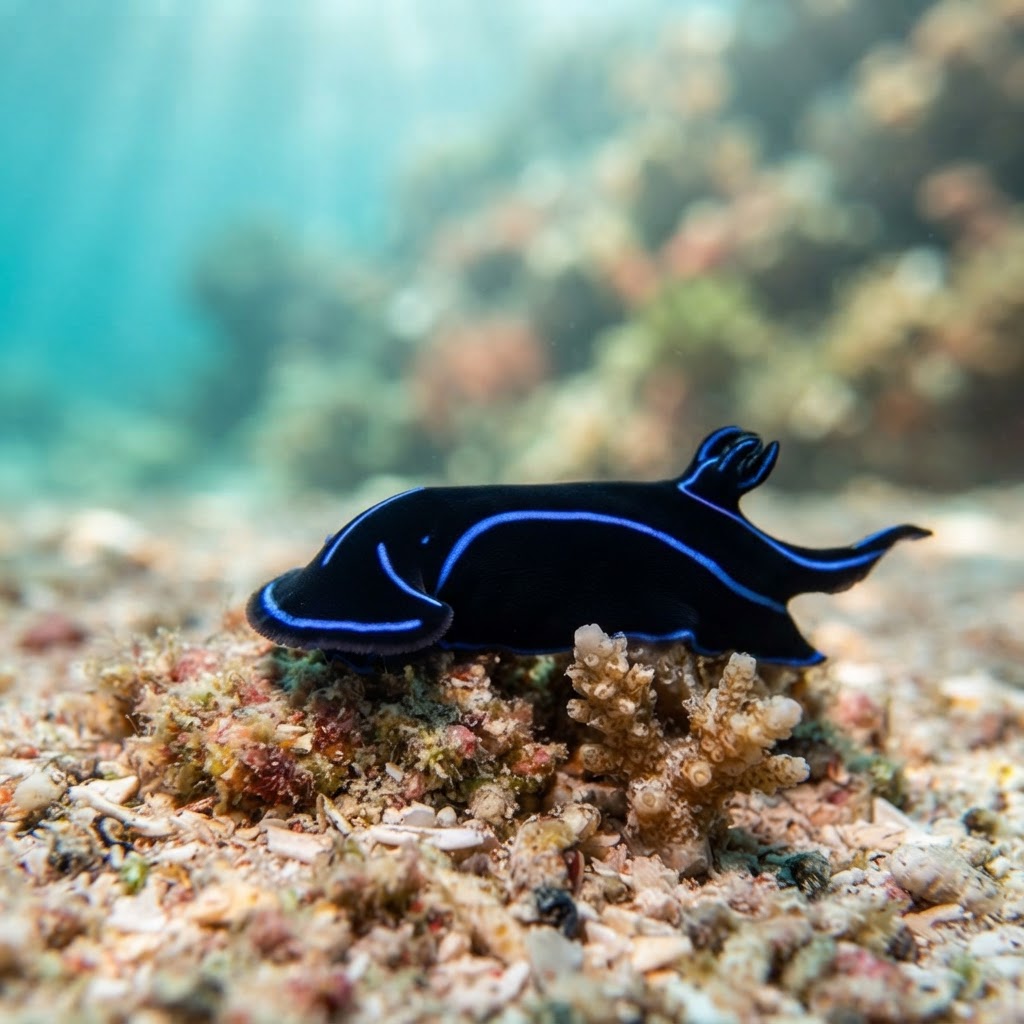
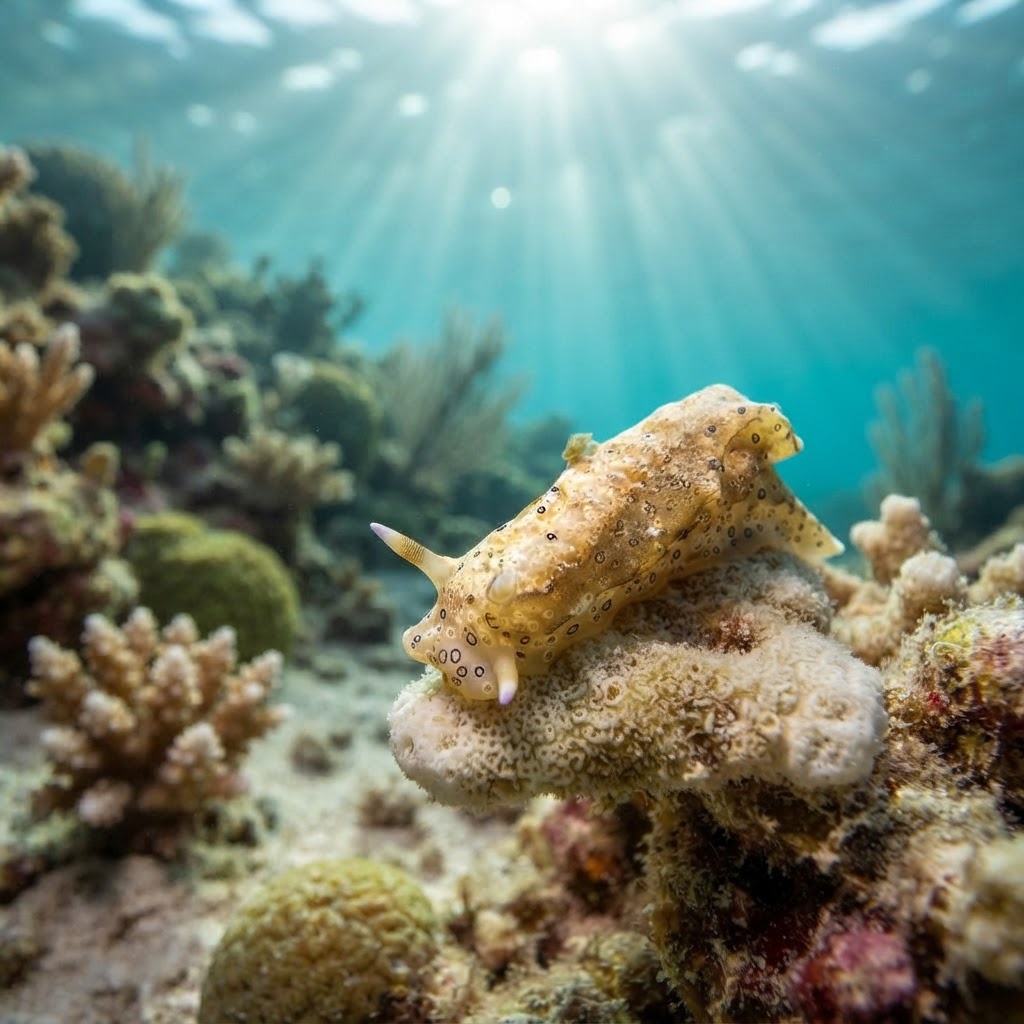
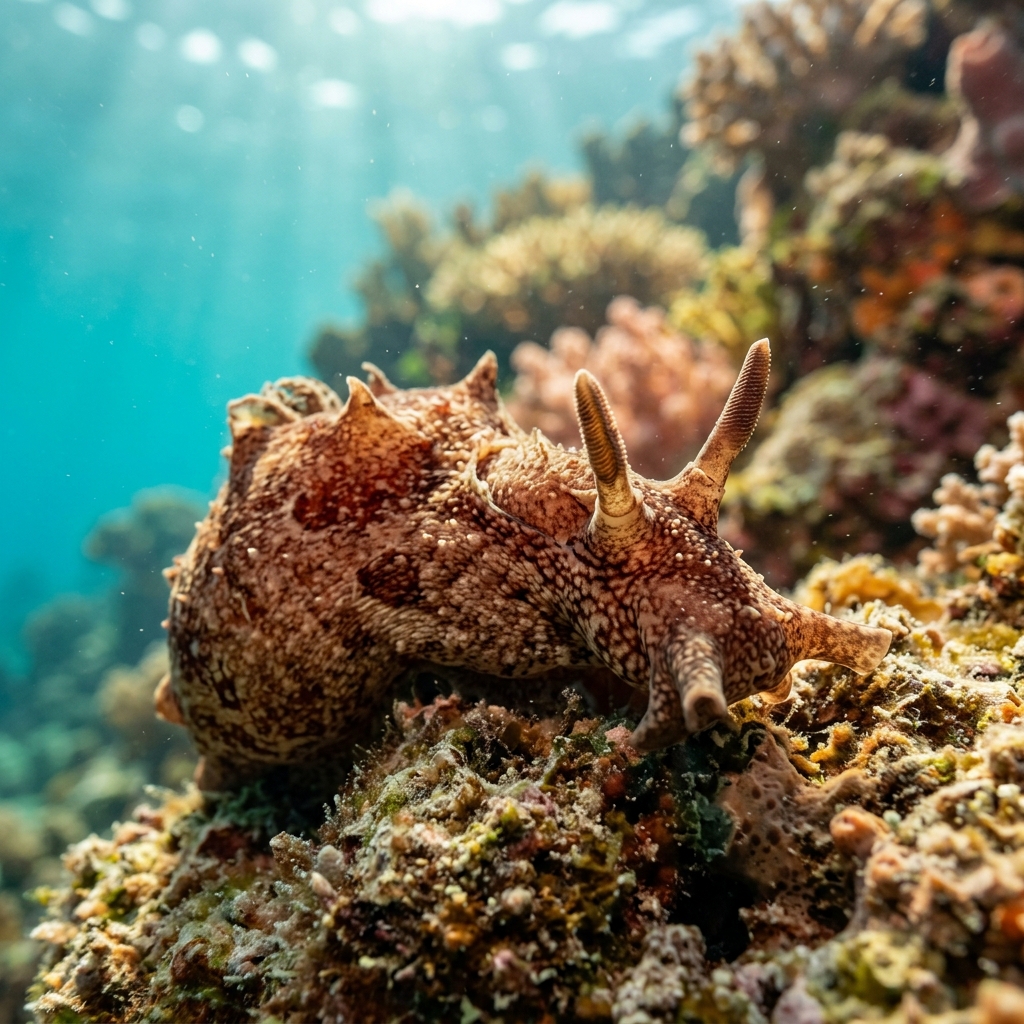
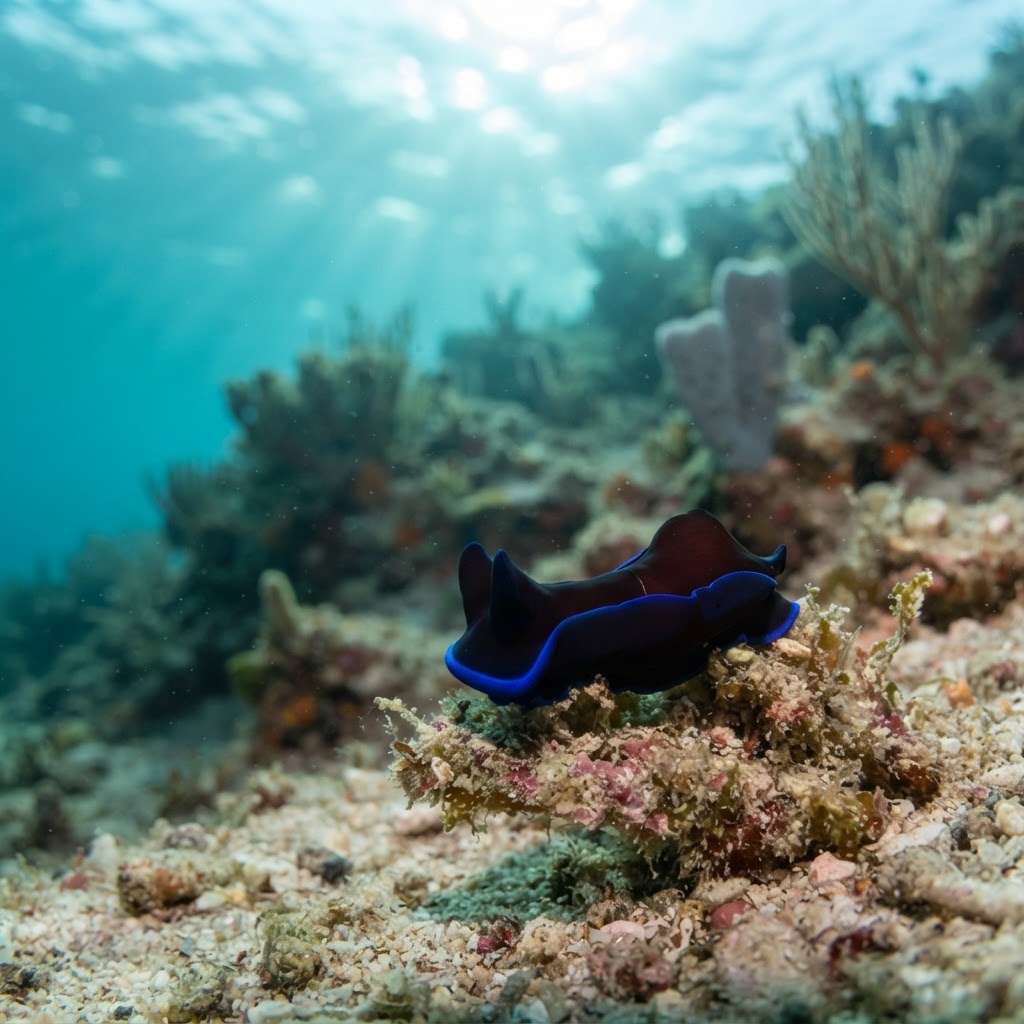
Reef neighbours a diver could mistake it for. Use the identification notes above to tell them apart.
Your best odds are around Saipan in the Northern Mariana Islands, which accounts for most of the logged sightings, with a smaller but reliable presence in Luzon, Philippines. Scattered records also come from Sulawesi in Indonesia, Apra Harbor in Guam, and Kwajalein Atoll in the Marshall Islands, so it turns up across the wider tropical Western Pacific if you know where to search sandy reef patches.
Mapping where Gardiner's Headshield Slug is logged…
Saipan in the Northern Mariana Islands has the strongest run of sightings, with additional records from Luzon in the Philippines, Sulawesi in Indonesia, Apra Harbor in Guam, and Kwajalein Atoll in the Marshall Islands.
Sightings don't show a clear season, and it's been logged in water from 25.4 to 31.4 C, so it's best treated as a year-round possibility on warm tropical reefs.
Look for a small, smooth slug around 3 cm long with a flattened, shield-shaped head and no feathery gill tuft on its back, cruising slowly over sand or rubble rather than clinging to hard coral.
They stay small, typically around 3 cm long, which is part of why they're easy to miss unless you're searching sand and rubble patches closely.
It's a headshield slug, meaning it uses a broad, flattened head plate to plough through sand and hunt small buried prey, a very different lifestyle from the coral-grazing nudibranchs most divers know.
Site and sighting data is aggregated from diver logs, iNaturalist and GBIF. For taxonomy and conservation status:
Light-spotted Aegires
3,168 sites