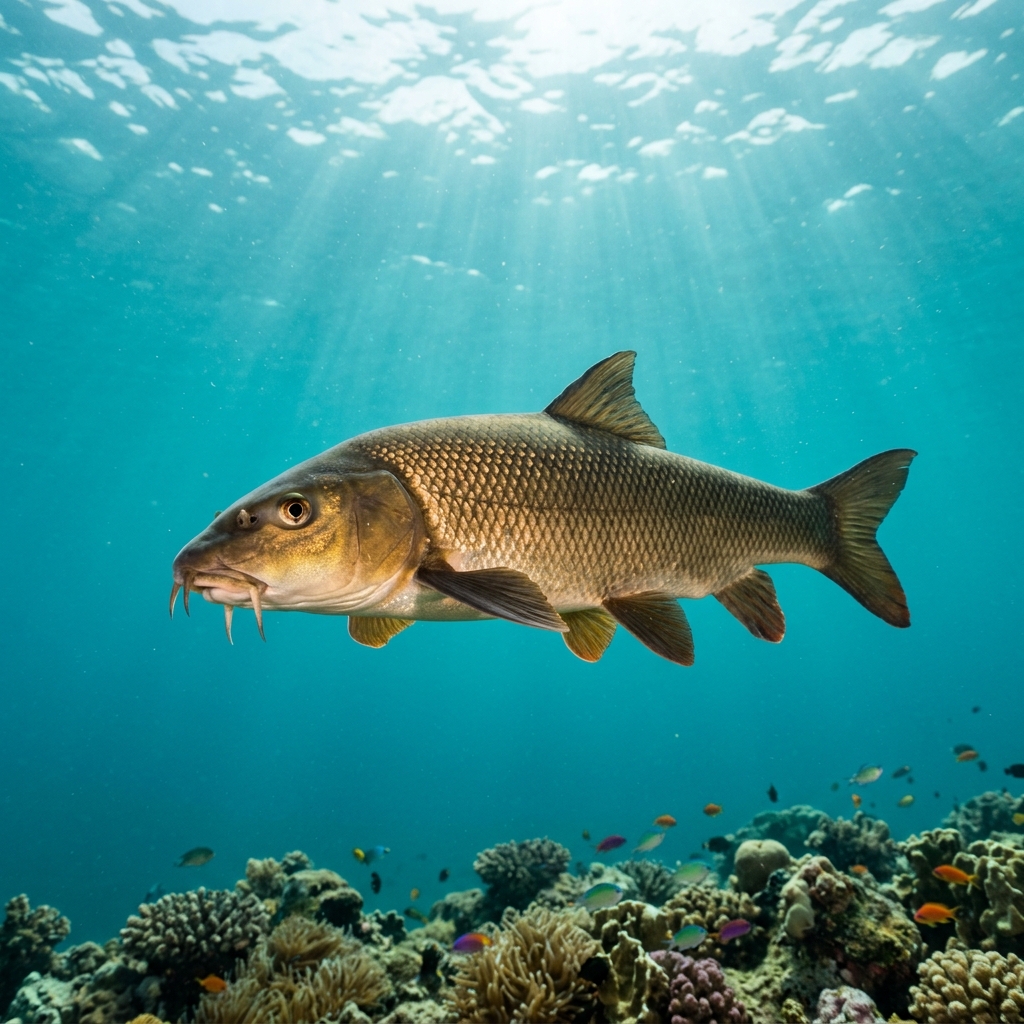
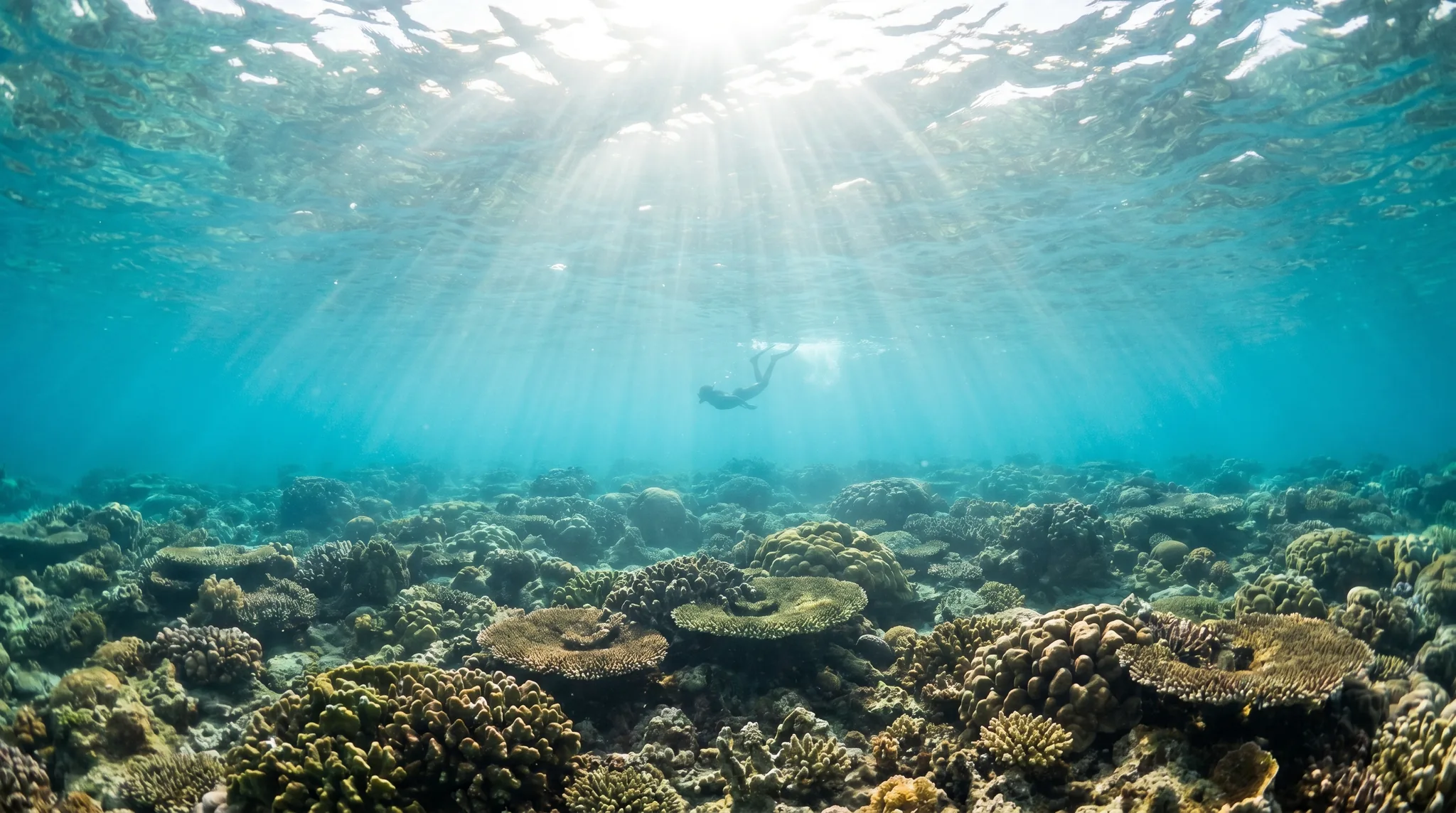
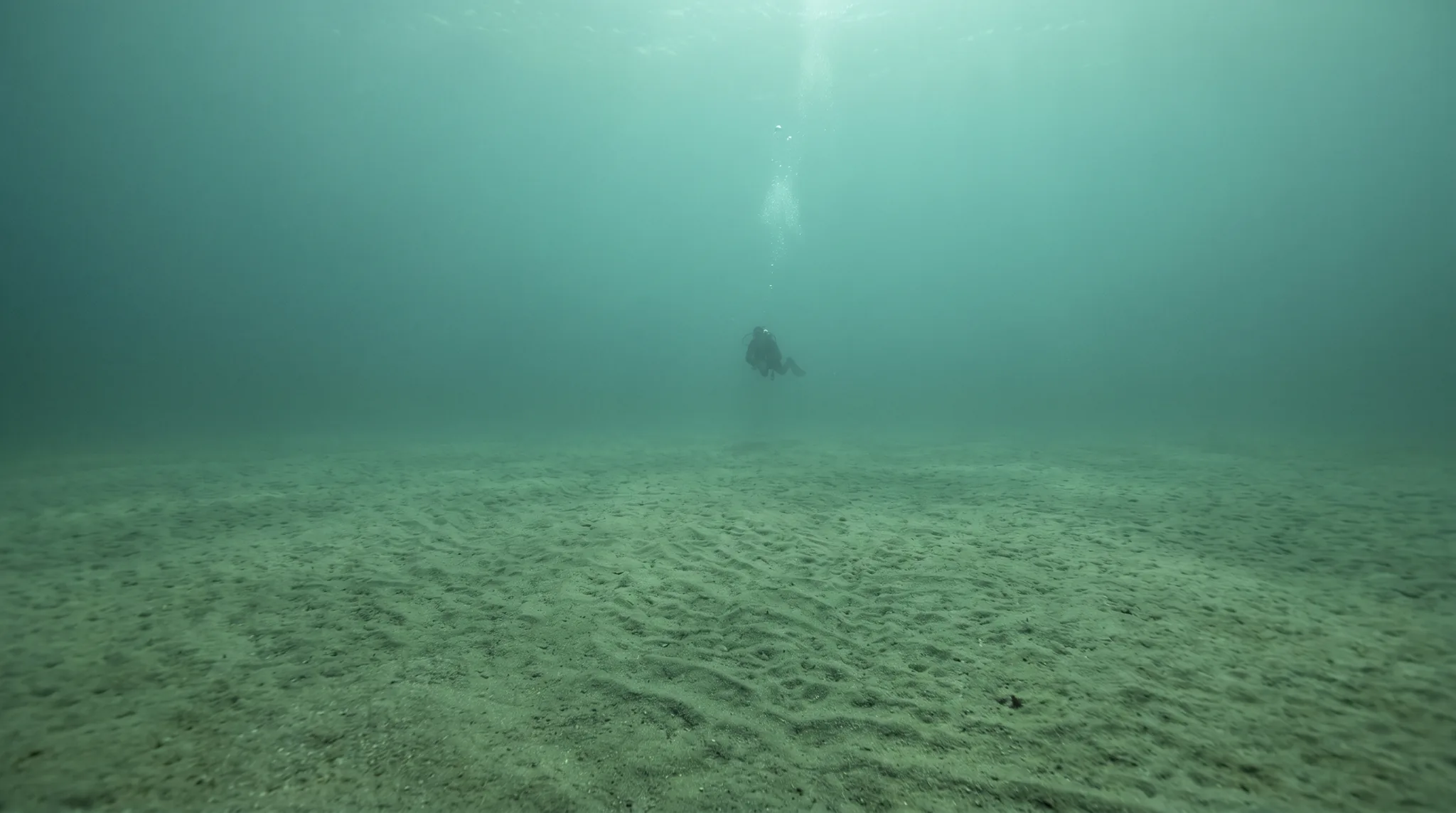
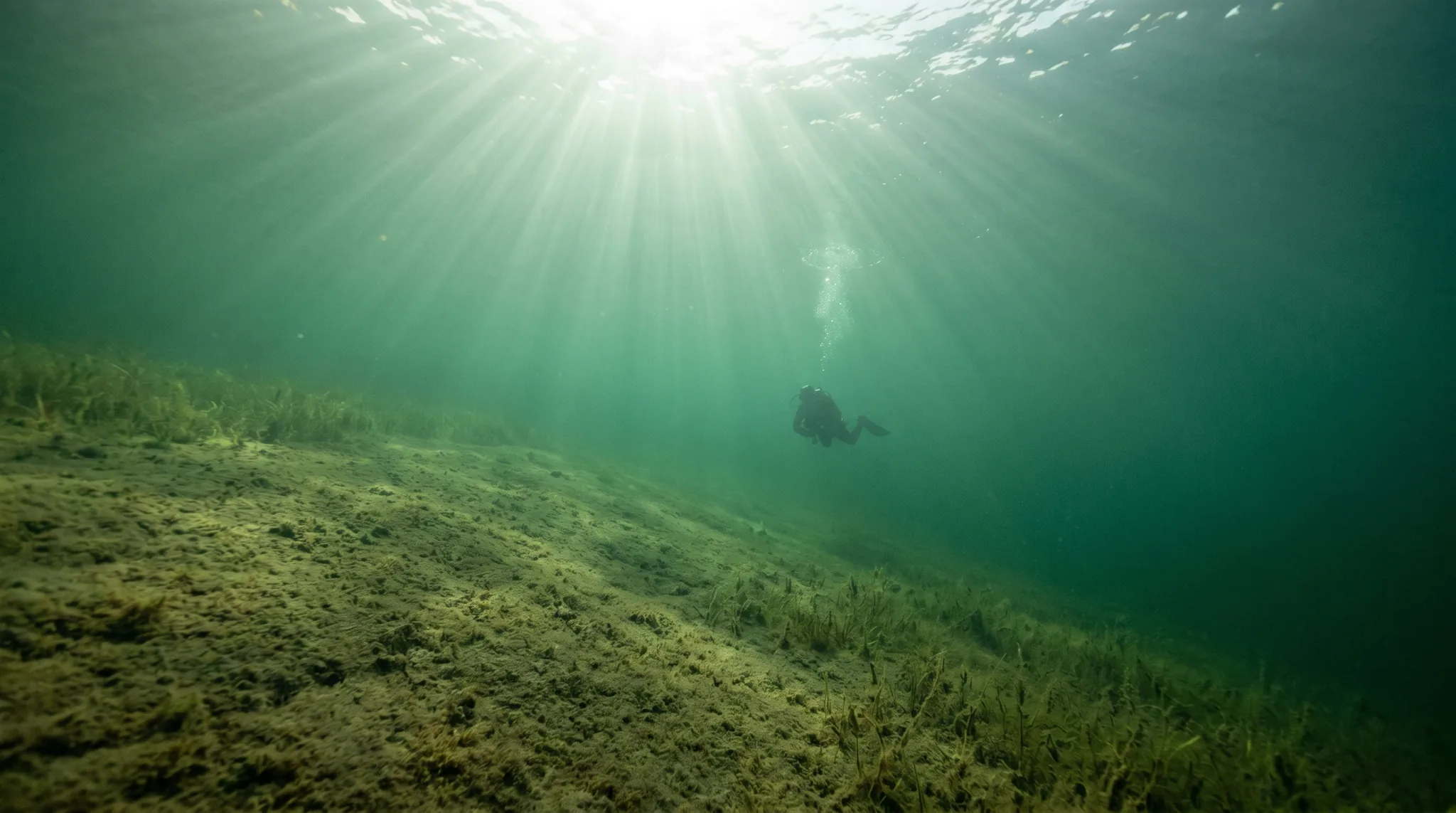
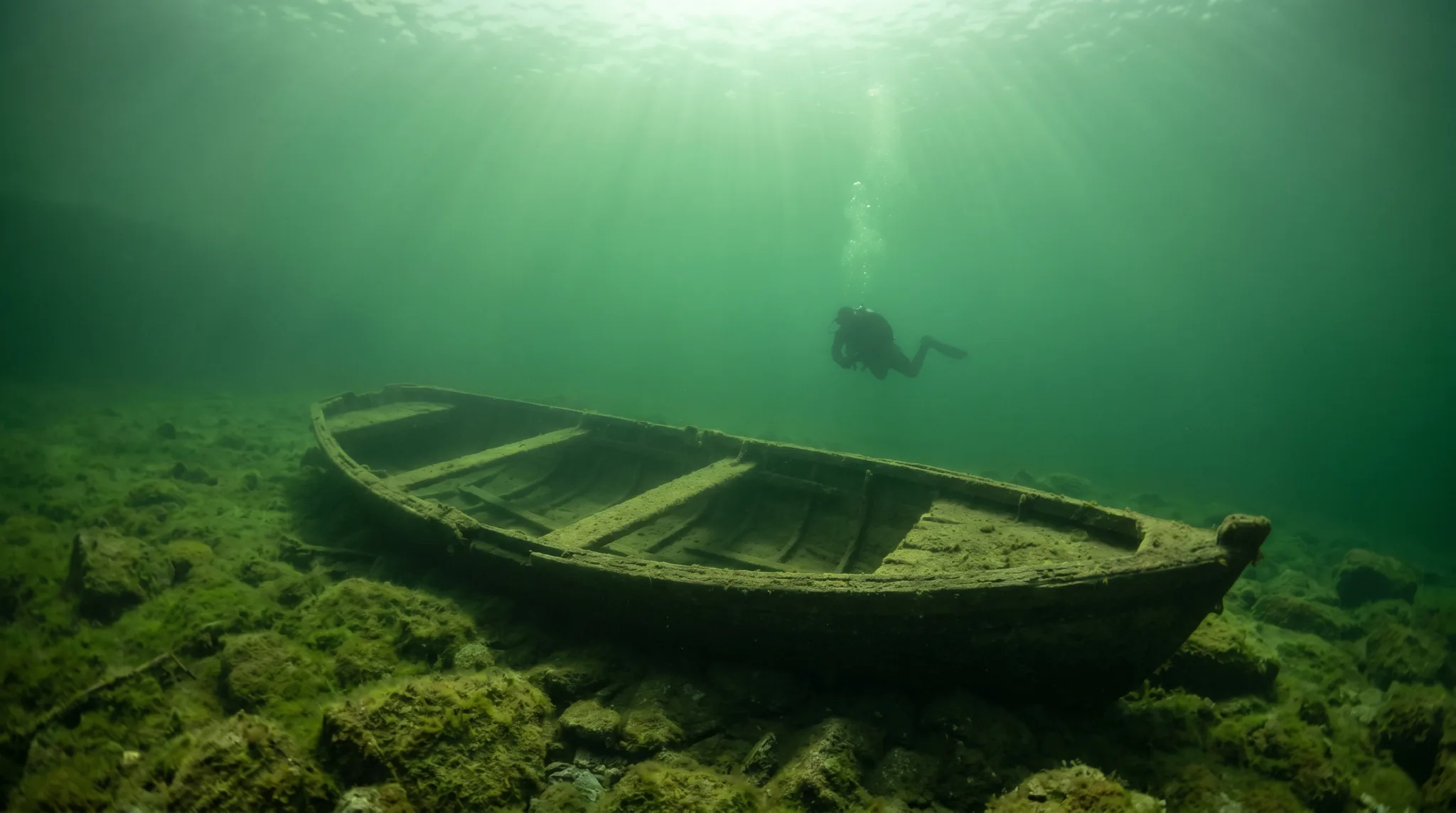
Lake Malawi offers something rare: freshwater reef diving. Rocky reefs, wrecks, and cavern systems replace the coral structures found in saltwater destinations, yet the diversity of site types across Cape Maclear, Senga Bay, Nkhata Bay, and Chilumba gives the region real range. Tilapia are present at every site, with Catfish and Carp observed widely alongside them. Conditions are generally mild and visibility is often generous, making many sites accessible to beginners, while deeper reef and cave structures at sites like Simbabwe Rock reward intermediate divers. Both shore and boat entries are available.
4 areas
 8
8Lake Malawi's primary dive hub, with reefs, caves, and a wreck inside a UNESCO World Heritage national park.
3Three island reef sites on Lake Malawi's central shore, accessible by boat and suited to beginners and intermediate divers.
2Shore-entry freshwater diving on Lake Malawi's northern shore, with reef and cavern sites and one resident operator.
1A single shallow reef site near Chilumba port on Lake Malawi's northern section, with shore and boat entry for beginners.
4 operators
Fin maps 14 sites in Lake Malawi (14 scuba diving sites and 1 snorkelling spots, with some suited to both), organised into 4 areas.
Across Lake Malawi's dive sites, August and September are most often reported as the best months to visit.
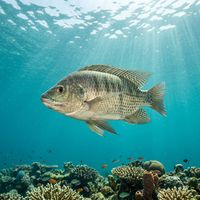
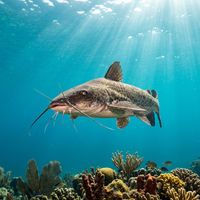
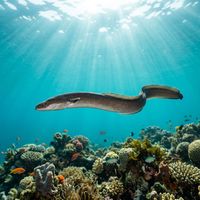
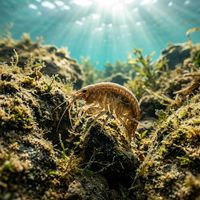
Tilapia are observed at every site in the region, making them the most reliably encountered species. Catfish and Carp are common across the majority of sites as well. Less frequently, divers have also recorded European Eel, Freshwater Shrimp, Barbel, and Snail, all confirmed through actual observations rather than expected-range assumptions.
A good number of sites are rated for beginner divers, including Nakantenga Island, Lizard Island, Tumbe Island's Aquarium, and Nkhata Bay. These offer relatively sheltered conditions and manageable depths. Intermediate divers will find more challenge at sites like Simbabwe Rock and Mumbo Island, which combine greater depth with cave and reef topography.
Most sites require a boat, and two operators based at Cape Maclear, Cape Maclear Scuba and Cape Maclear EcoLodge and Scuba Shack, can arrange guided dives. Nkhata Bay is a notable exception, offering direct shore entry to a reef and cavern system, which makes it a convenient option for divers staying in that area.
Cape Maclear has the greatest concentration of sites and is the main hub for dive operators in the region. Senga Bay offers a smaller cluster of sites to the north. Nkhata Bay provides the only shore-accessible diving alongside its distinctive cavern structures. Chilumba is the most remote sub-area, with a single site recorded.