Barbus barbus
Spot barbel in Switzerland's rivers, particularly across Central Switzerland and the Bernese Oberland. Here's what to look for underwater.
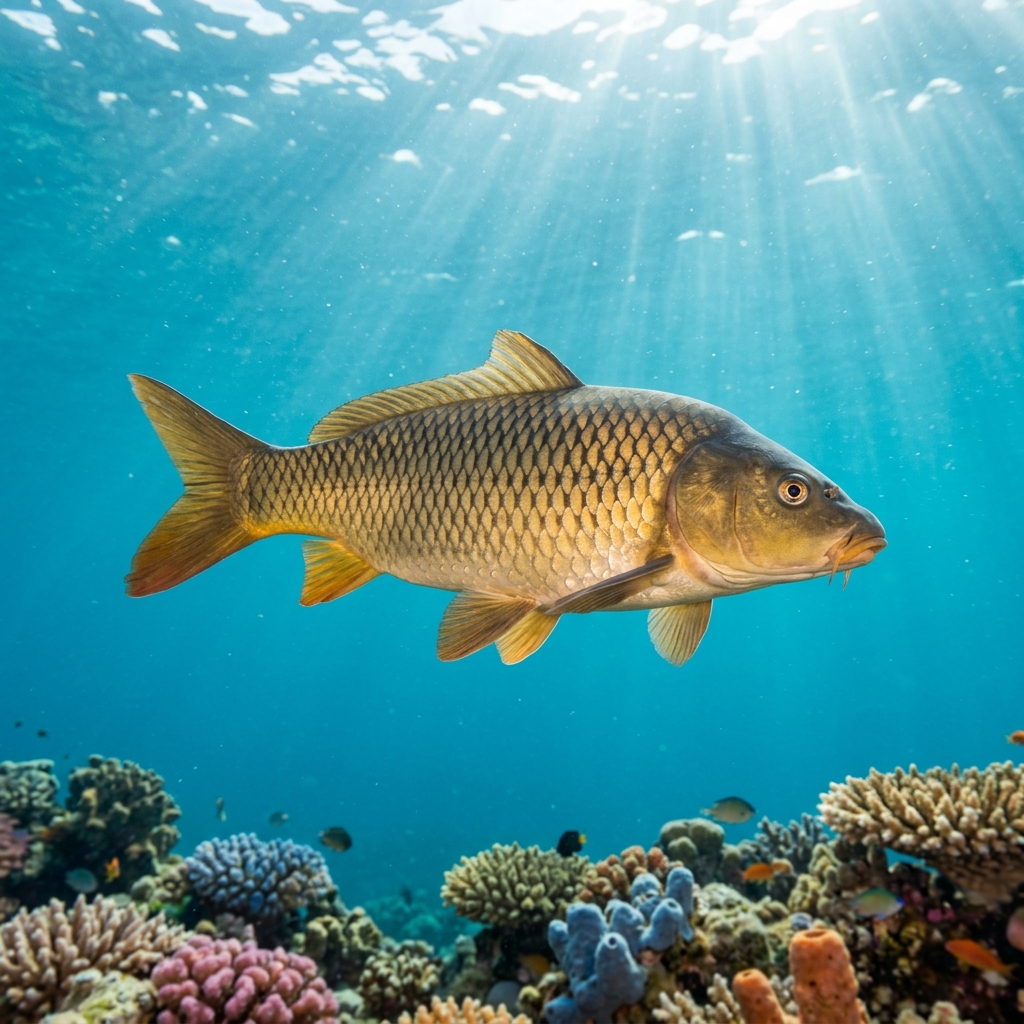
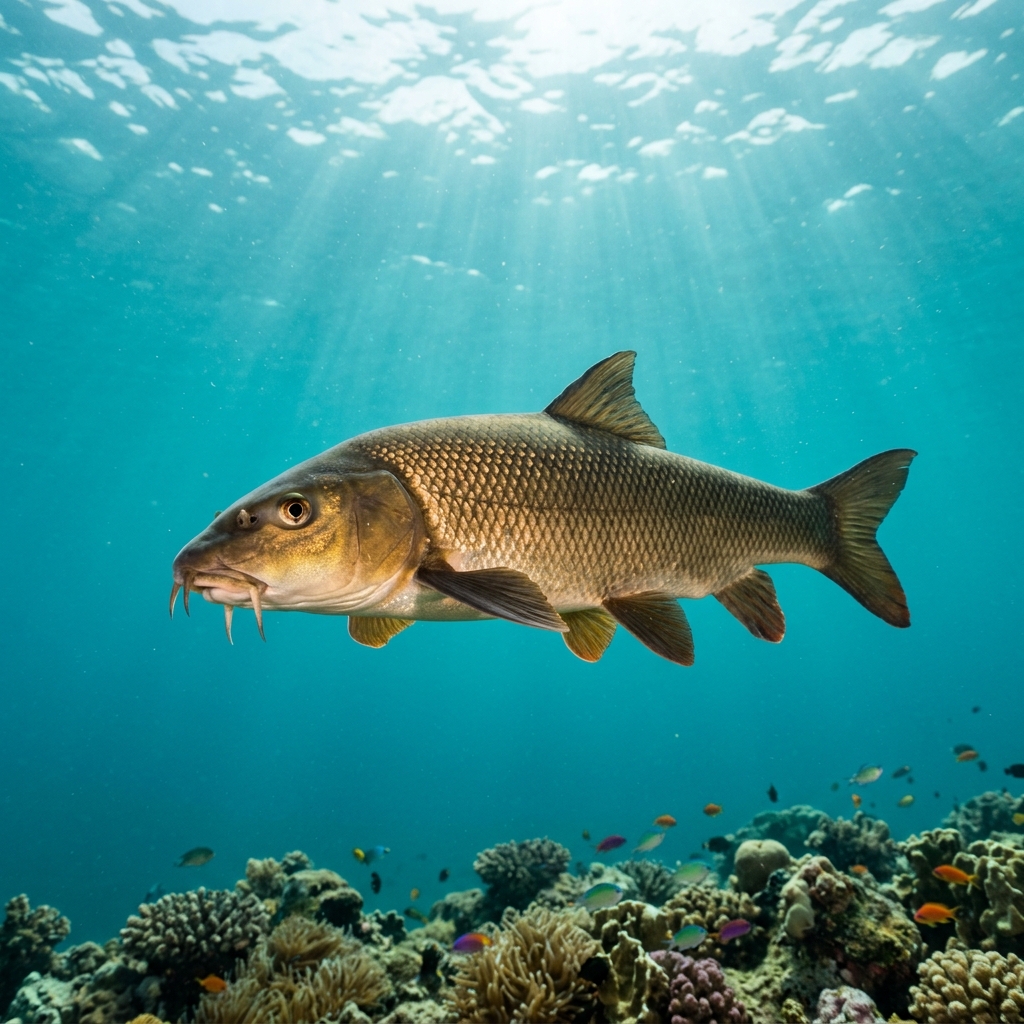
A long, torpedo-shaped body with a slightly flattened underside and bronzy-olive flanks fading to a pale cream belly gives barbel a distinctive silhouette in flowing water. The key feature is the mouth: underslung and downturned, ringed by four fleshy whisker-like projections called barbels. The dorsal fin has a noticeably stiffened last ray, and the scales have a golden sheen that catches light. They typically hold position close to the riverbed, often in moderate to fast current.
When encountered, barbel are almost always close to the bottom, using their streamlined body to hold station against current over gravel beds. They tend to be wary of divers and will drift slowly upstream or into deeper water if approached too quickly. Feeding is done by rooting through substrate with that sensitive, downturned mouth, so look for disturbed sediment as a sign they are active nearby.
Barbel are one of the few freshwater fish that actively seek out fast, well-oxygenated water, making them a reliable indicator of good river health. Finding one on a dive is a sign the water quality at that site is high.
There is not enough monthly sighting data to point to a specific season, so treat them as potentially present year-round. Observed water temperatures range from around 8 to 24 °C, consistent with temperate river conditions across all seasons in Switzerland.
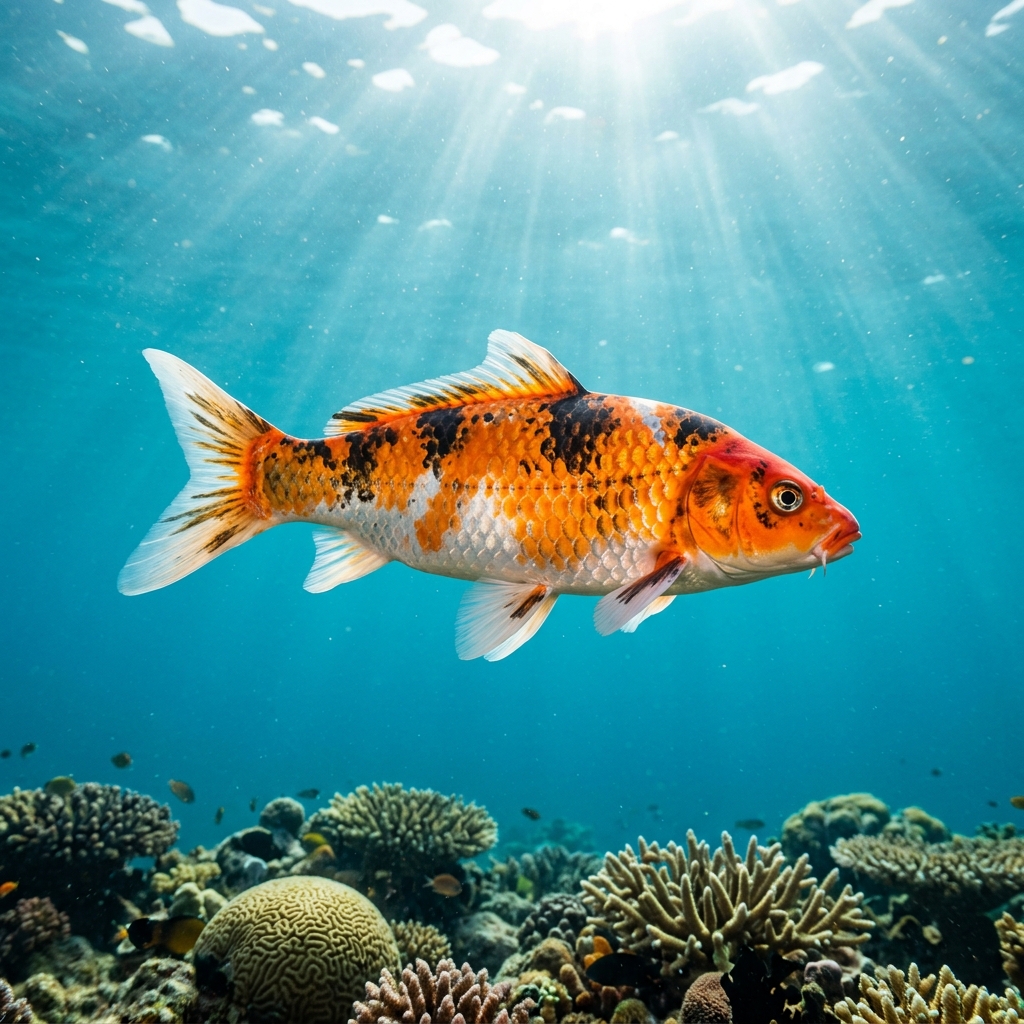
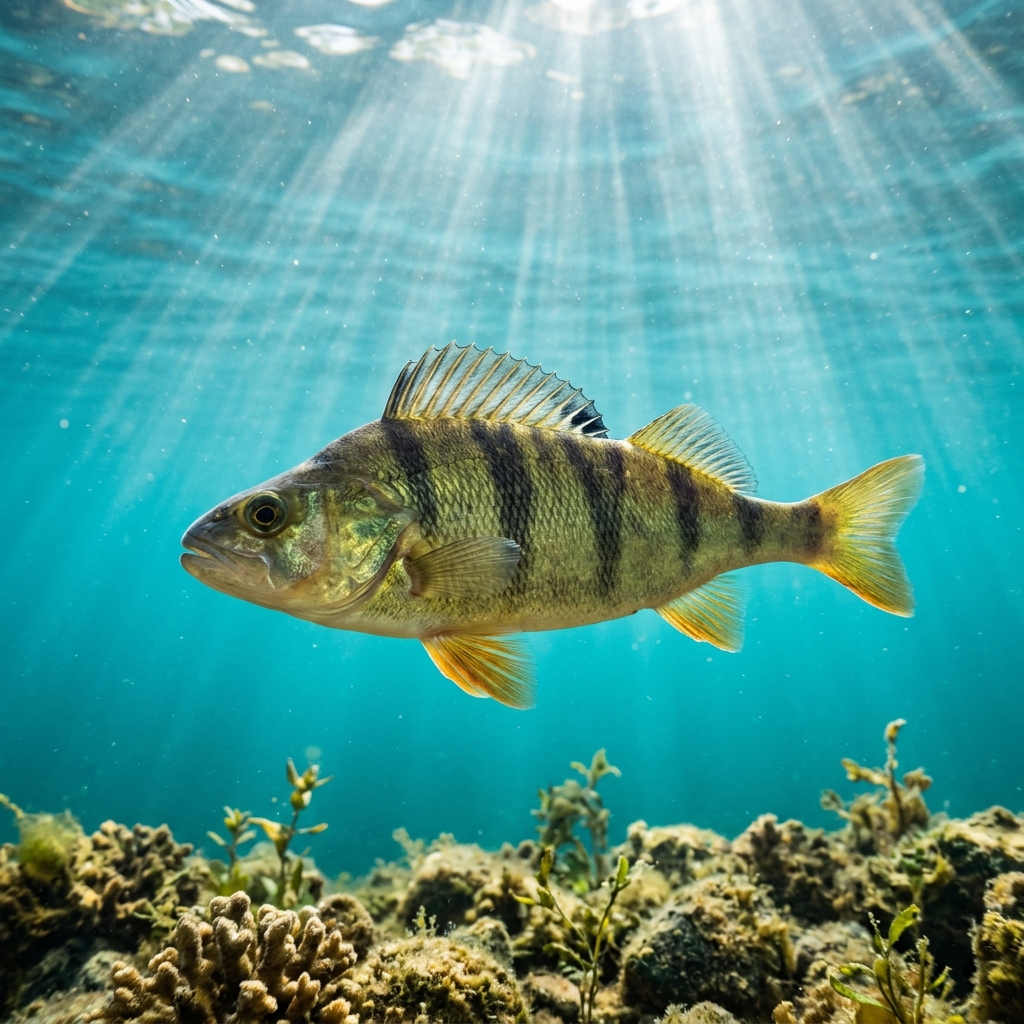
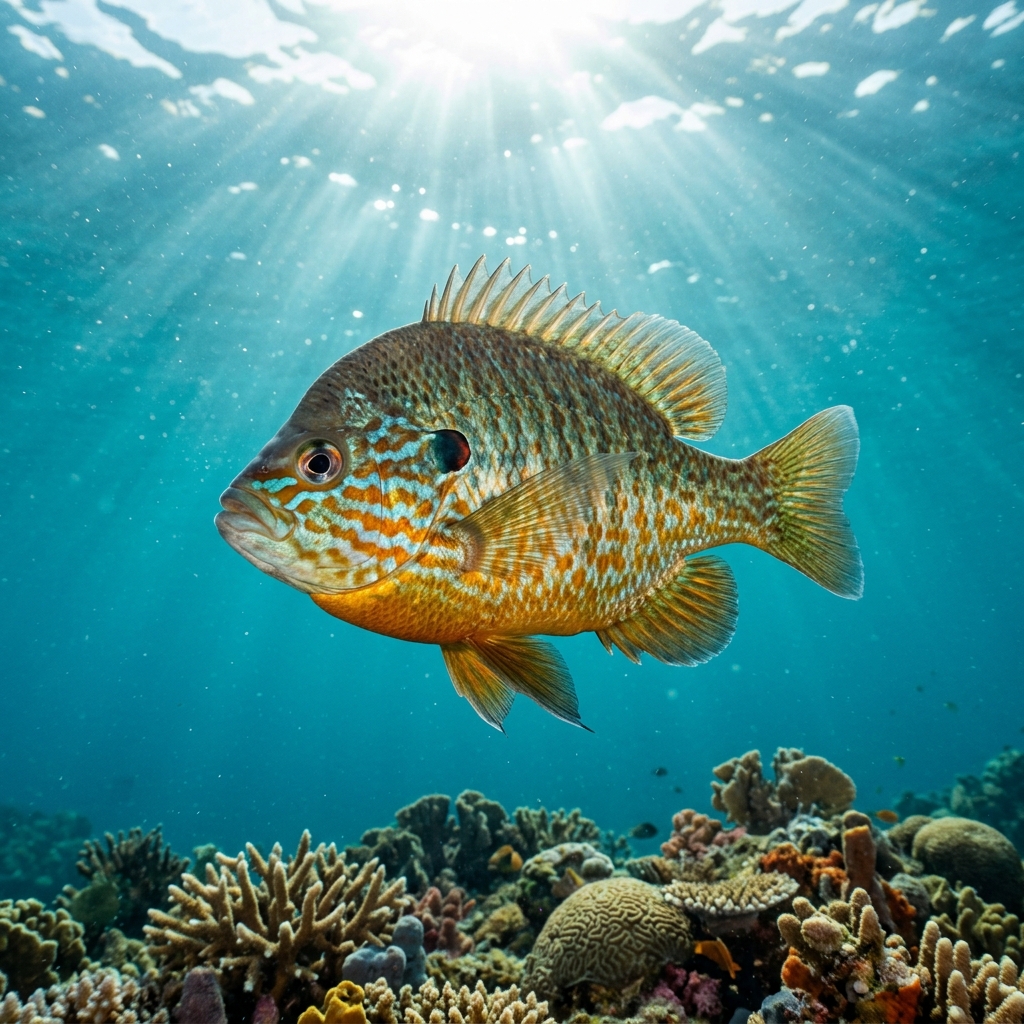
Reef neighbours a diver could mistake it for. Use the identification notes above to tell them apart.
All logged sightings come from Switzerland, with the bulk concentrated in Central Switzerland and the Bernese Oberland. These regions cover clean, fast-flowing rivers and larger streams where barbel favour gravel and cobble runs. Sightings are rare across most sites, with only a handful of locations reaching uncommon or above.
Mapping where Barbel is logged…
Logged diver sightings place barbel firmly in Switzerland, particularly across Central Switzerland and the Bernese Oberland. These are river and stream dives in clean, flowing water. It is a freshwater species, so look for them in river environments rather than lakes.
There is no clear seasonal peak in the sighting data, so encounters are possible throughout the year. Observed water temperatures span roughly 8 to 24 °C, meaning they are active across both cooler and warmer months in Swiss rivers.
Look for the four fleshy barbels (whisker-like projections) around the downturned mouth, the elongated bronze-green body, and a bottom-hugging posture in moving water. The stiff last ray of the dorsal fin is another useful detail. Common carp can look similar but are bulkier, have a higher back, and are far less tied to fast current.
Barbel are one of the larger cyprinids (members of the carp family) in European rivers. Adults commonly reach 40 to 70 cm in length, with large individuals exceeding 80 cm. In the water they appear substantial and elongated.
Yes, in the sighting data barbel come up as rare at the majority of sites where they have been recorded. Patience and slow movement near gravel runs in good current give you the best chance of a close encounter.
Site and sighting data is aggregated from diver logs, iNaturalist and GBIF. For taxonomy and conservation status:
Sun Perch
2,182 sites