Best for advanced divers, 10-65m, boat entry, mild current.
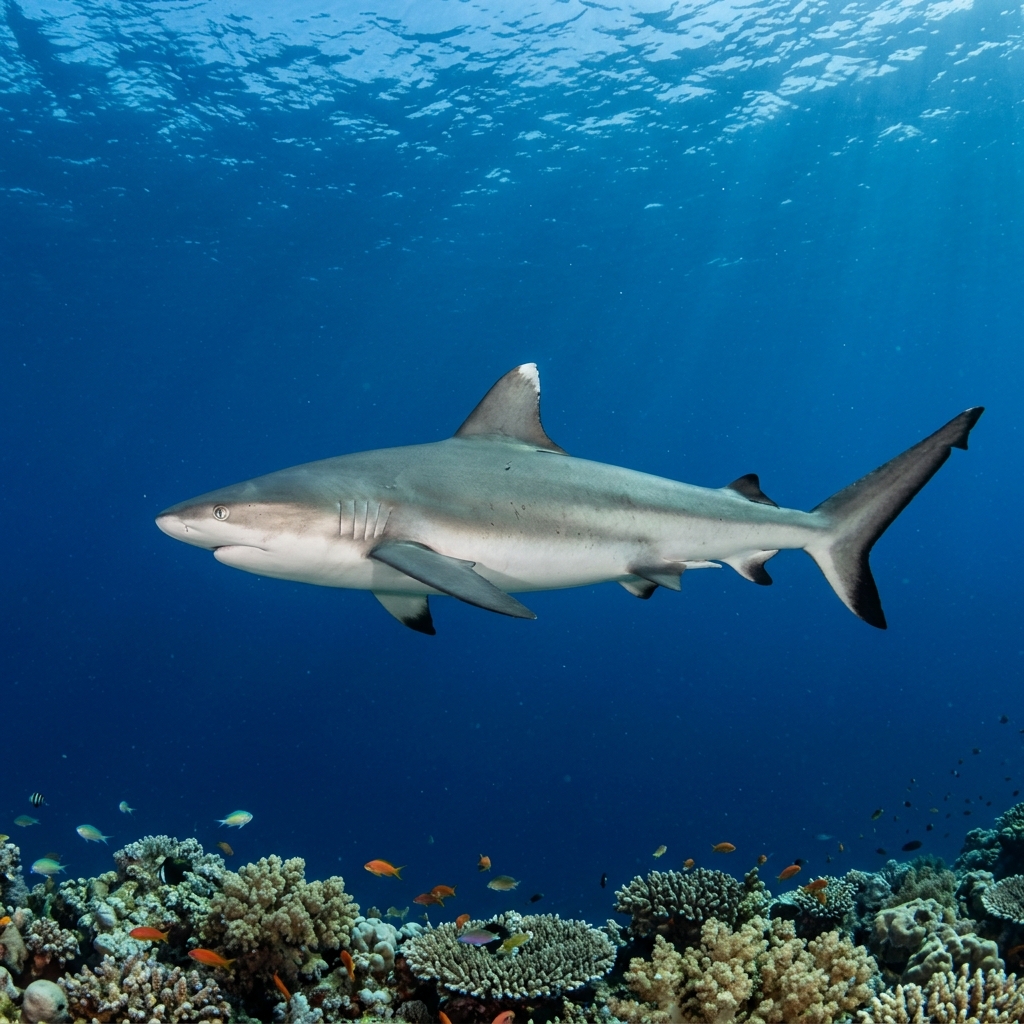
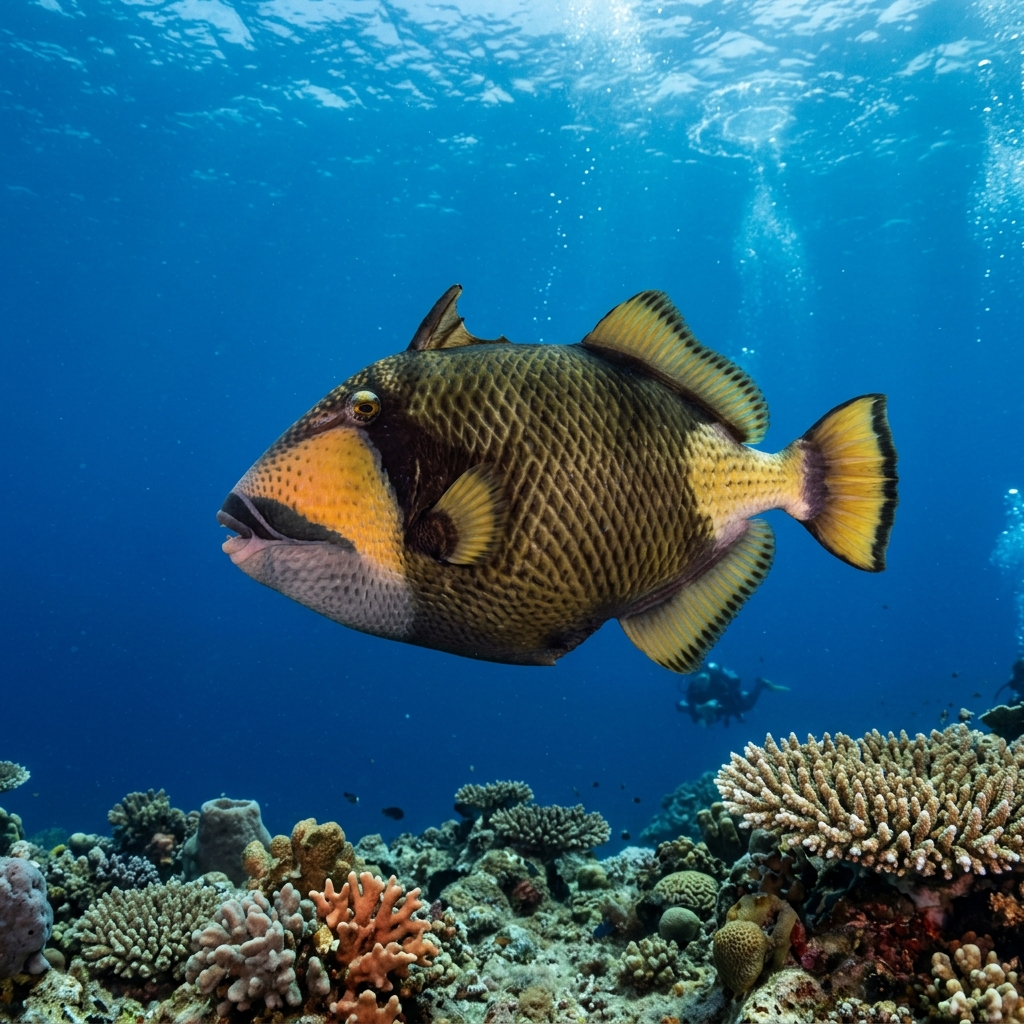
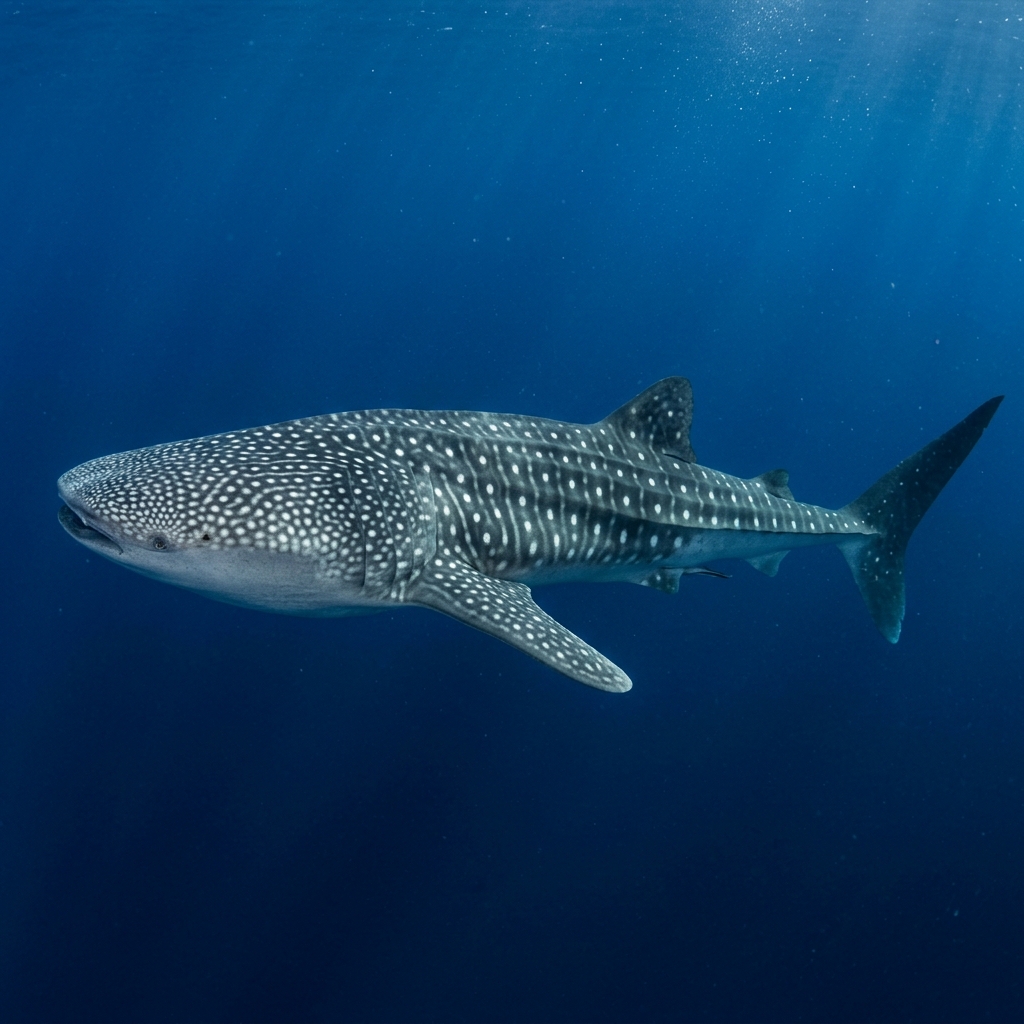
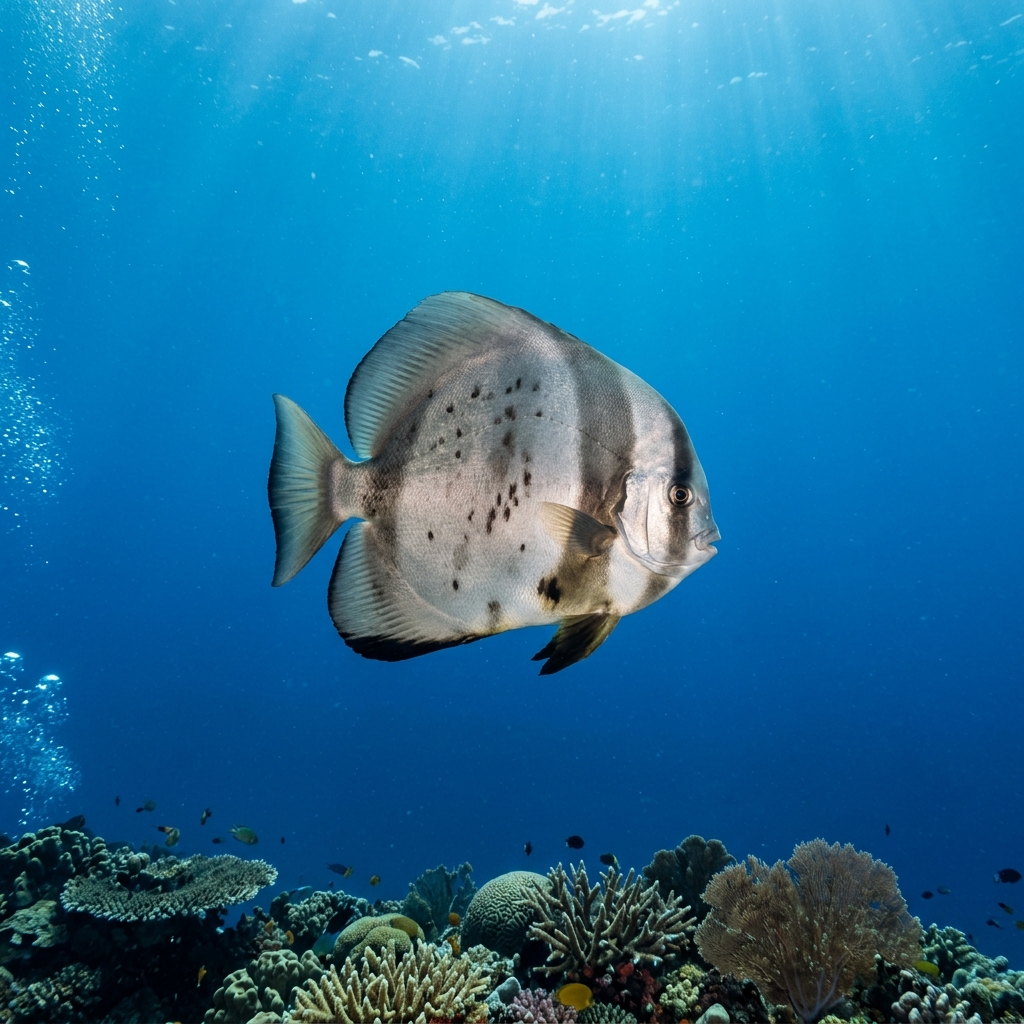
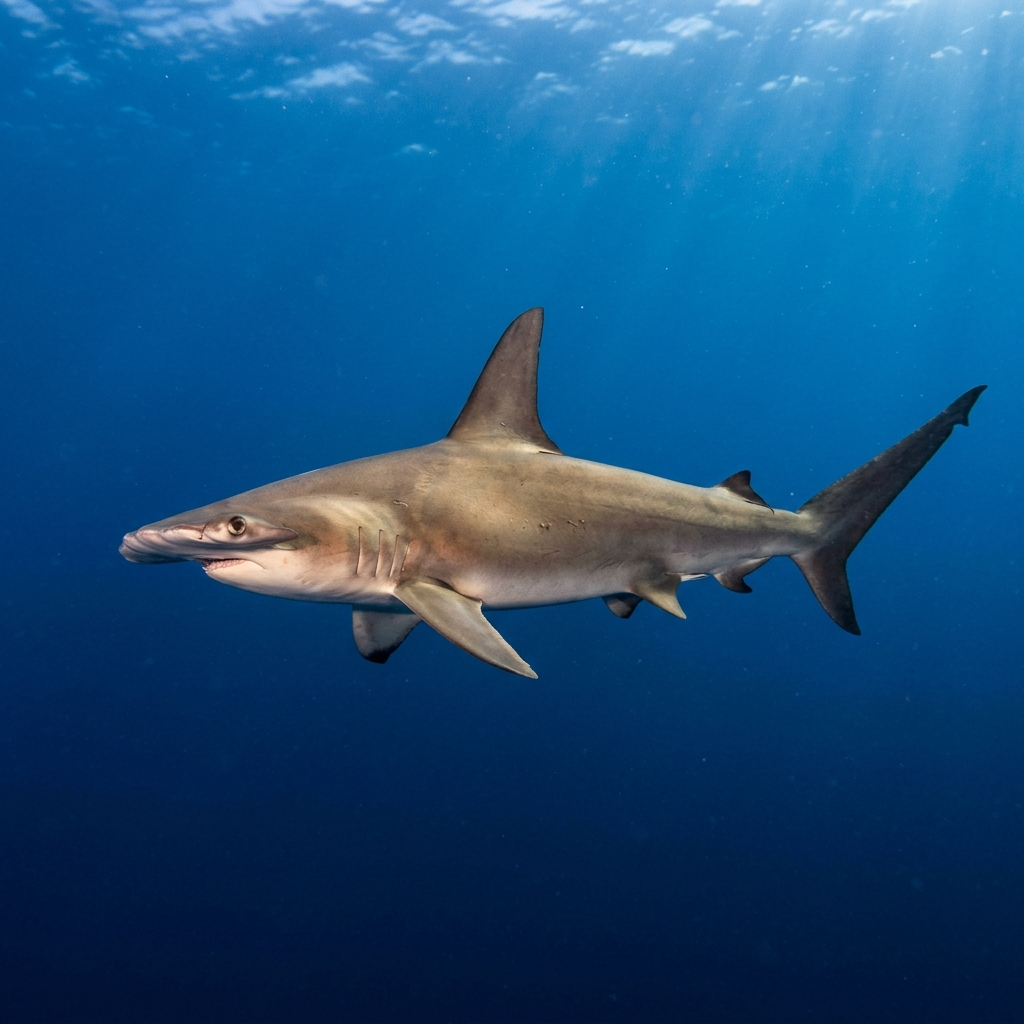
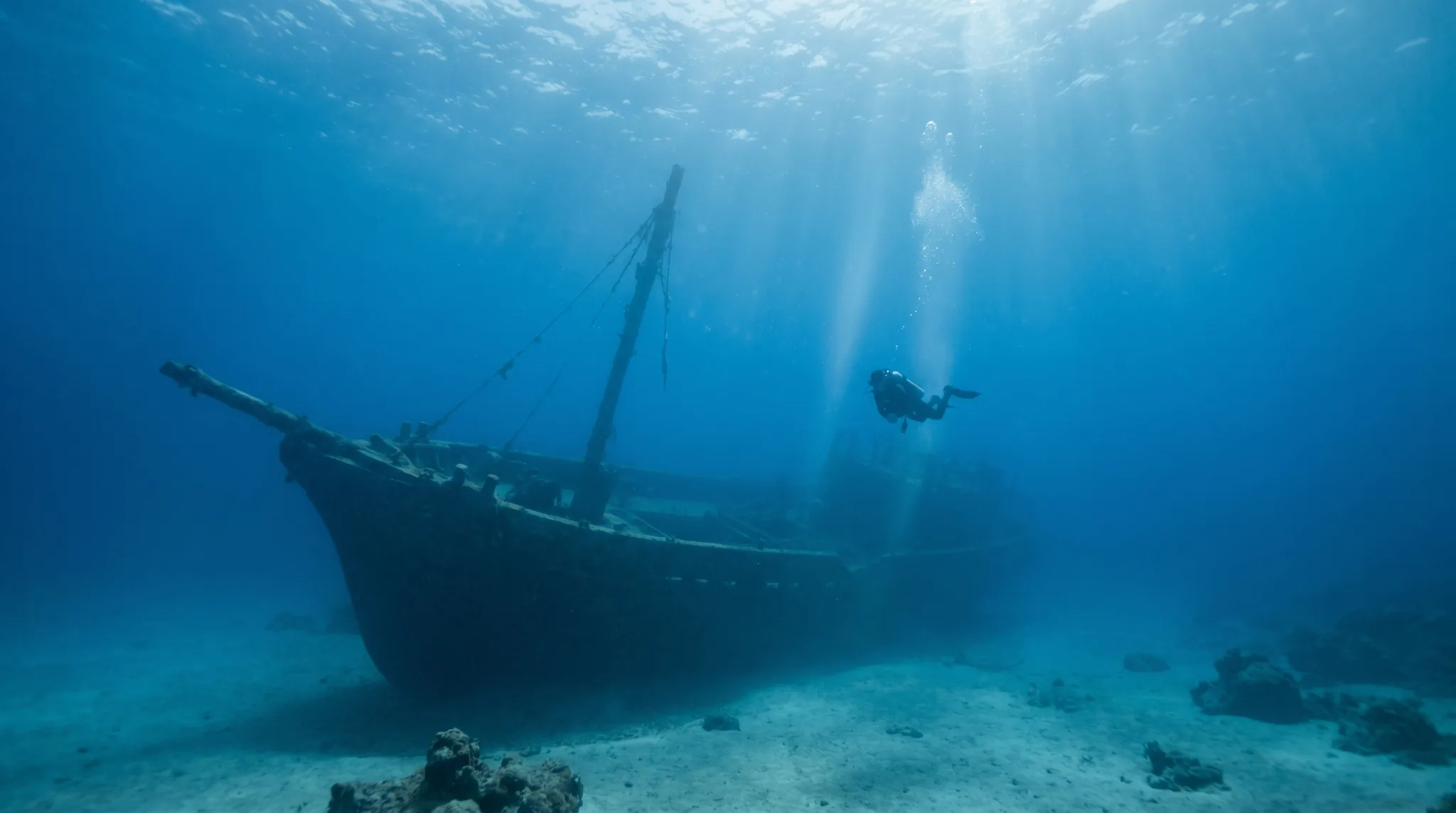
Elba Reef in Sudan offers a complex topography featuring a wall, drop-off, and a wreck. This site is suited for advanced divers, with depths ranging from 10 to 65 metres. Divers experience visibility between 15 and 30 metres and mild currents. The wreck provides an overhead environment requiring specific wreck-diving experience. Water temperatures remain between 24 and 29 degrees Celsius throughout the year. Hazards include the significant depth, sharp coral, and the presence of sharks. Boat access is required, and divers must use a surface marker buoy due to active boat traffic in the area. Proper gas planning and wreck penetration arrangements should be confirmed with your liveaboard crew before diving.
21.96858, 37.02545
Carry a surface marker buoy and deploy it before ascending from depth, as boat traffic and open-water conditions in this area make unannounced ascents risky. Confirm wreck penetration arrangements and gas planning with your liveaboard crew before entering the water, as facilities onshore are not reliable.
Accessible via liveaboard safari.
Recorded at this site
Depth
10-65m
Visibility
15-30m
Skill Level
Advanced
Entry
Boat
Boat required
Water Temp
24-29°C
Current
Mild
Typical Dive
50 min
The site features a depth range of 10 to 65 metres.
No, this site is intended for advanced divers due to the depth, overhead wreck environment, and open-water conditions.
Access is by boat only; shore entry is not applicable.
Hazards include deep water, overhead environments within the wreck, sharp coral, and active boat traffic.
Diving at Elba Reef in Marsa Alam requires the following certifications: Open Water, Advanced. Always dive within your training limits.
A 3mm wetsuit is recommended for diving at Elba Reef in Marsa Alam. Water temperatures range from 24°C to 29°C.
Elba Reef in Marsa Alam typically has mild currents that most divers can handle comfortably.
Visibility at Elba Reef in Marsa Alam typically ranges from 15 metres to 30 metres. Conditions vary with weather, tides, and seasons.