Meuschenia galii
Spot this blue-lined filefish on temperate reefs across Western Australia and Victoria in 15-22C water, year-round.
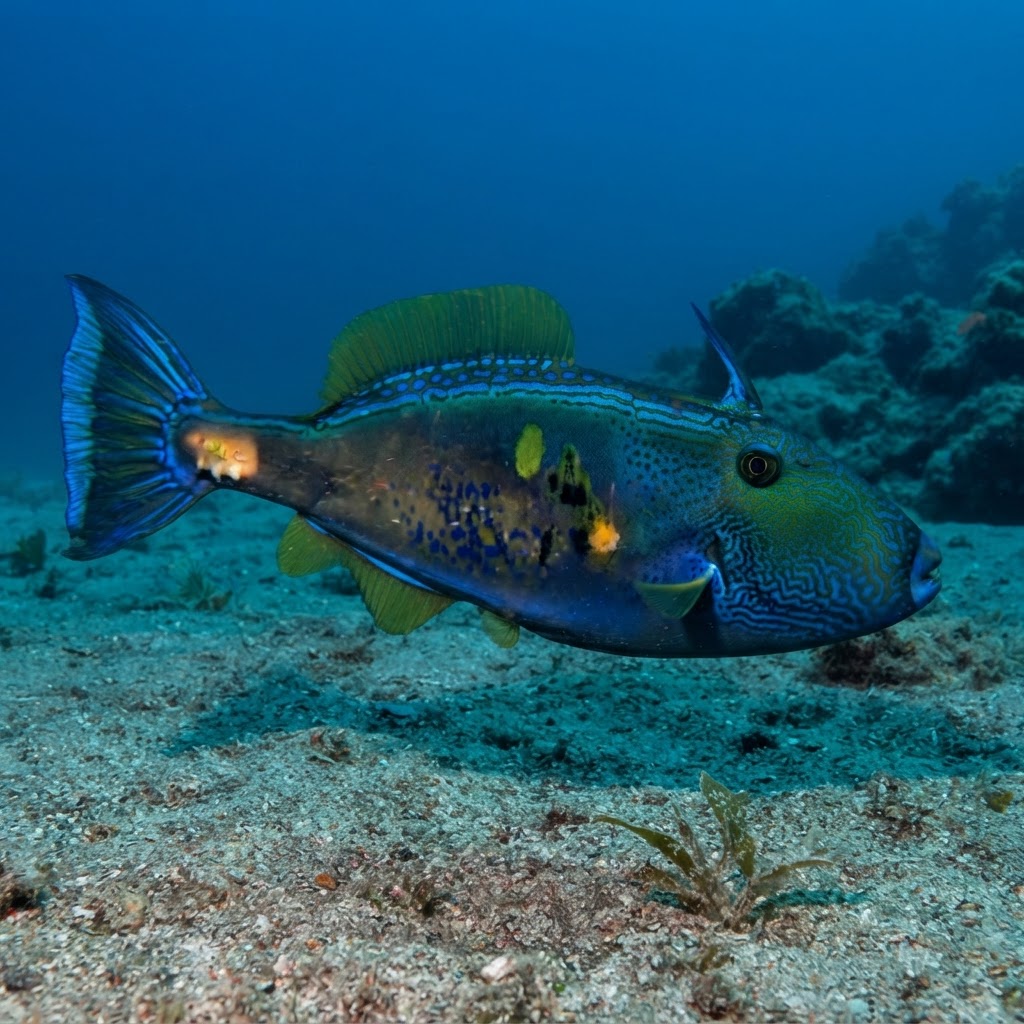
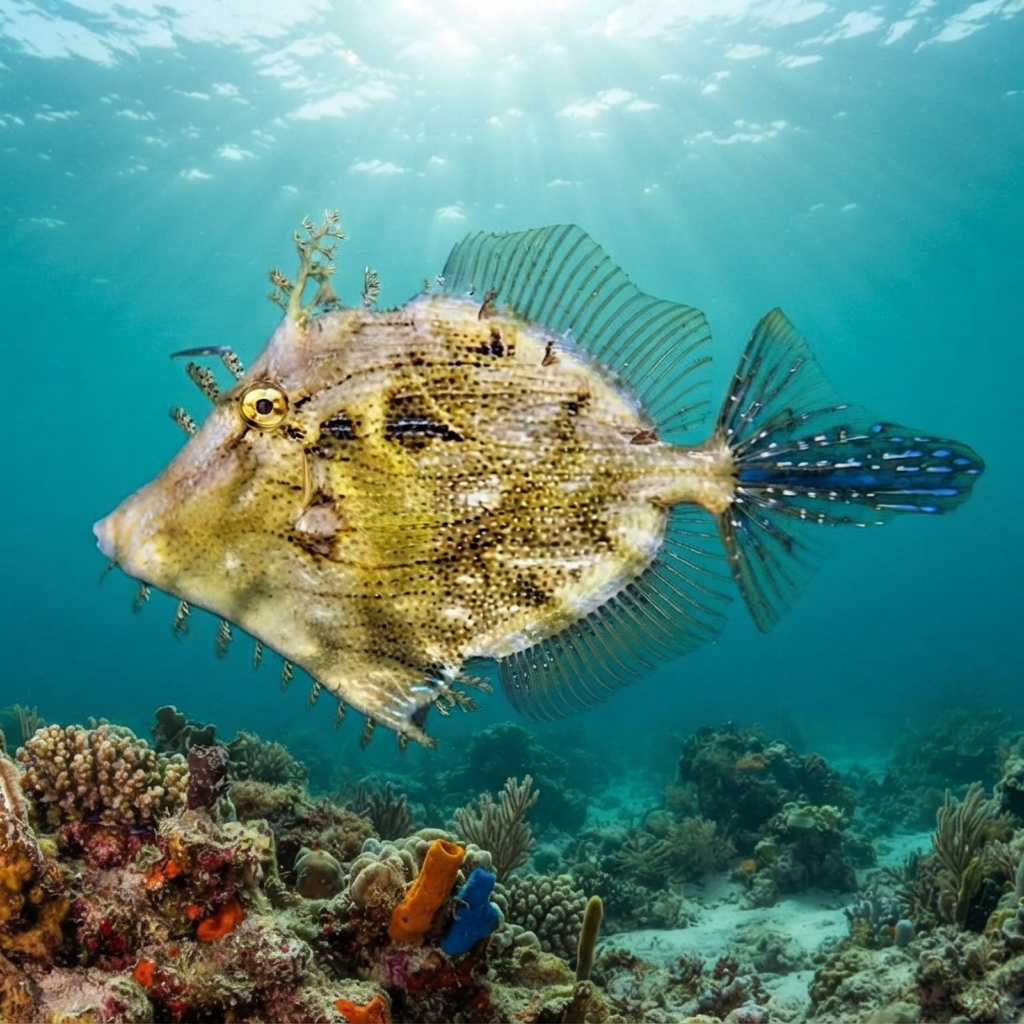
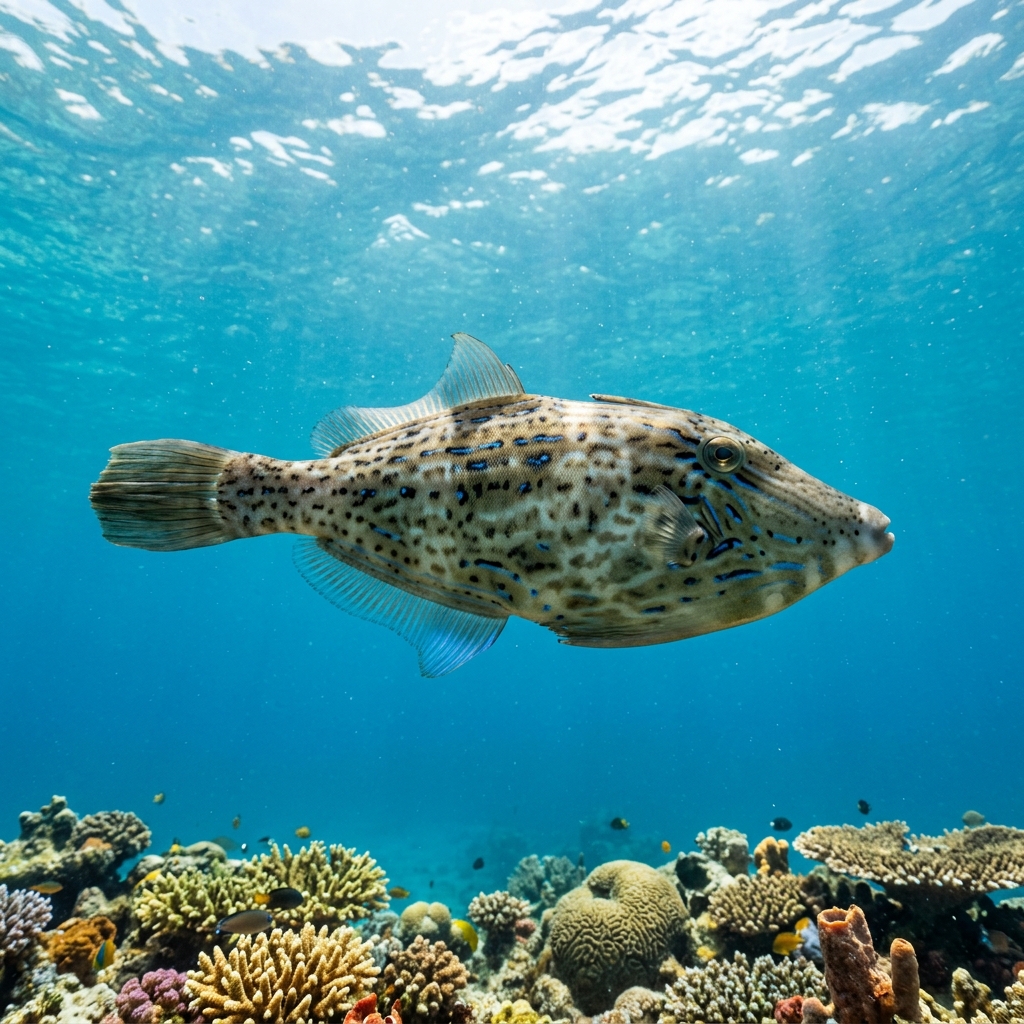
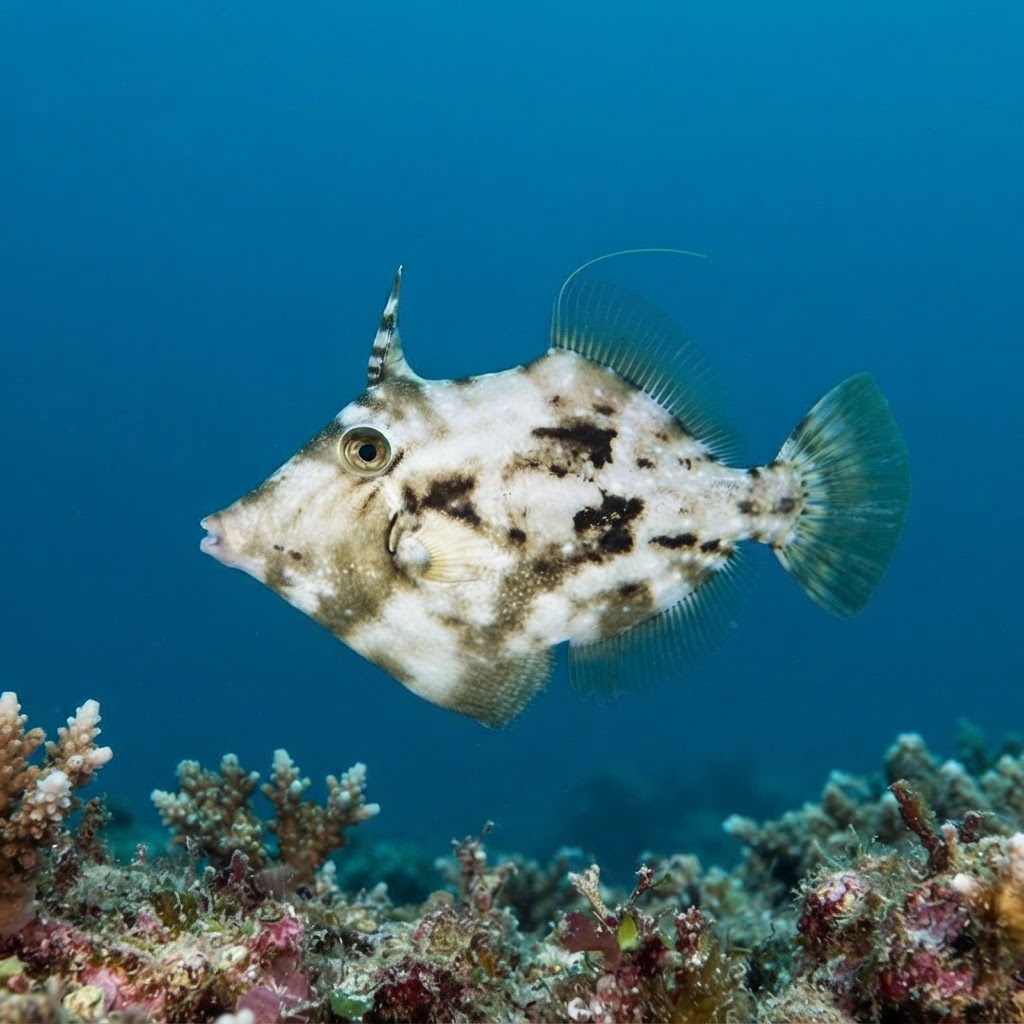
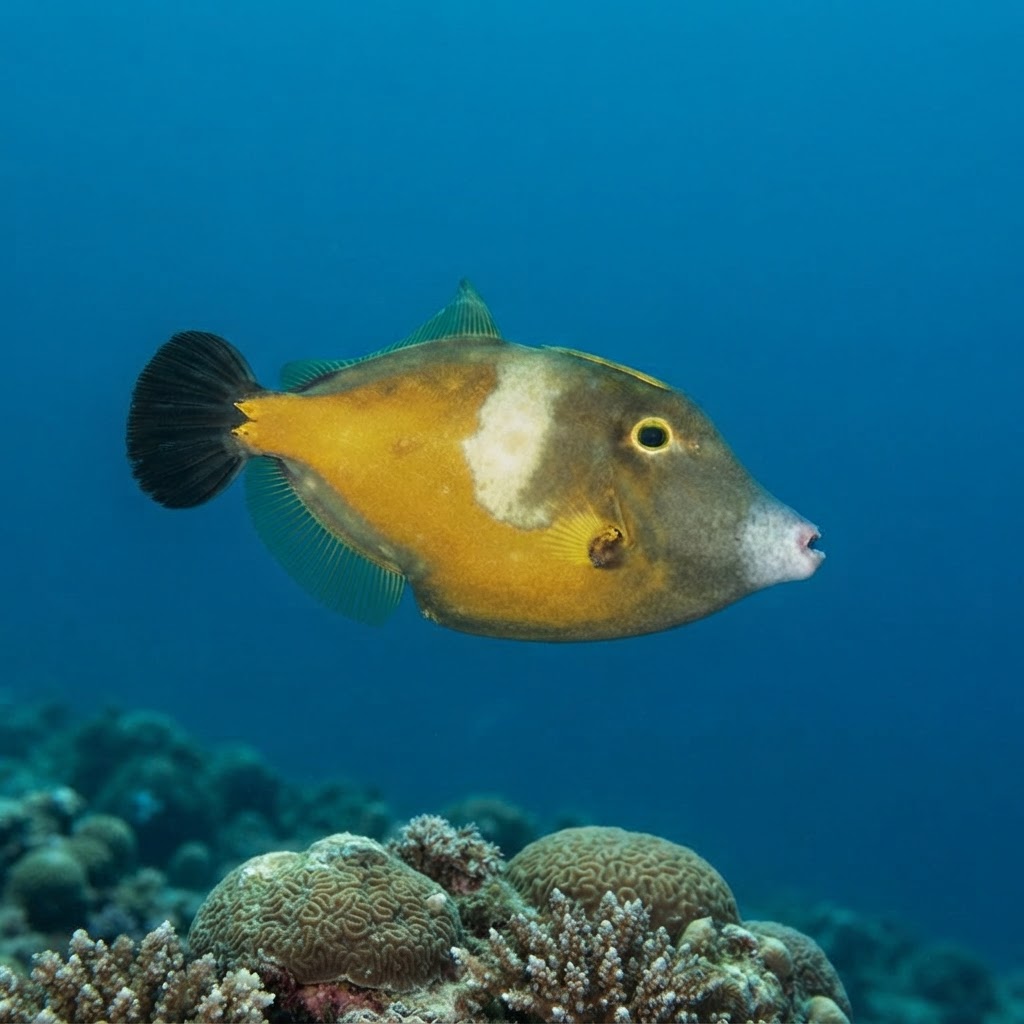
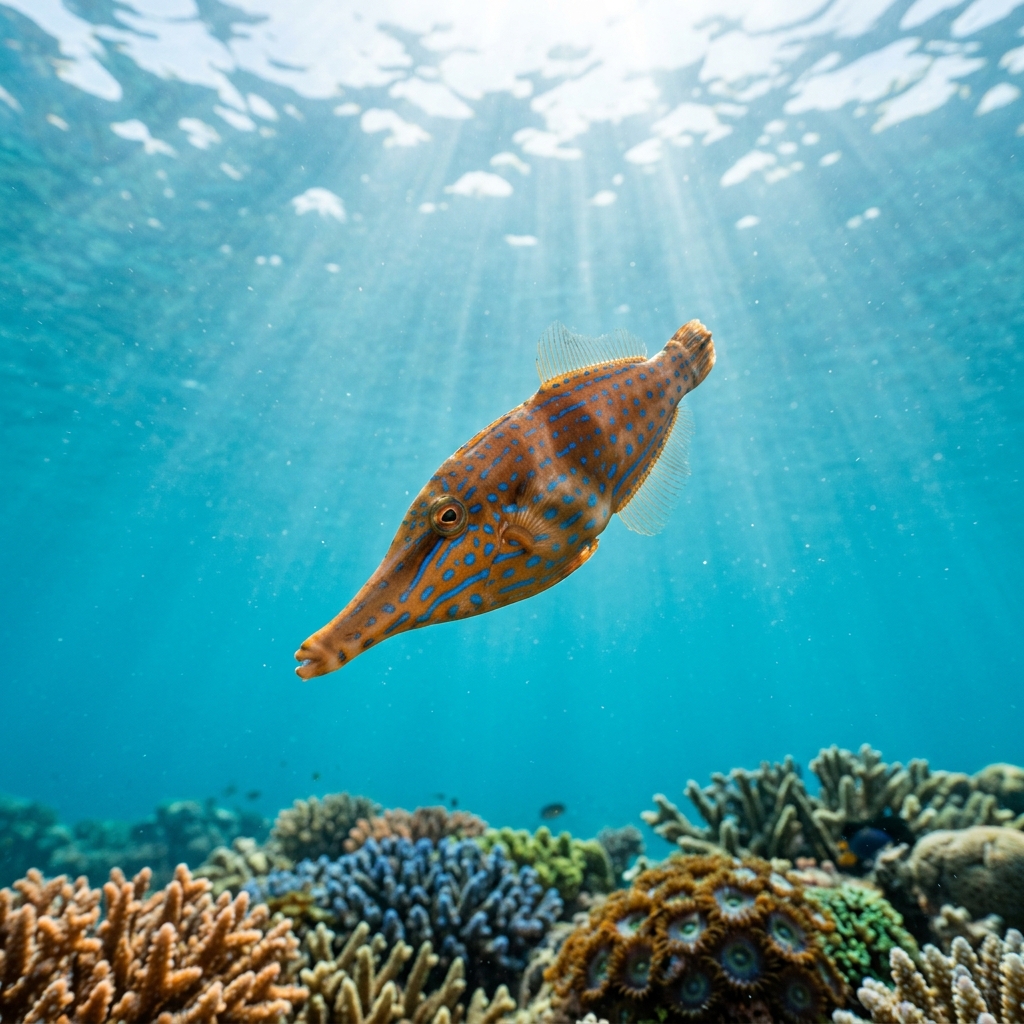
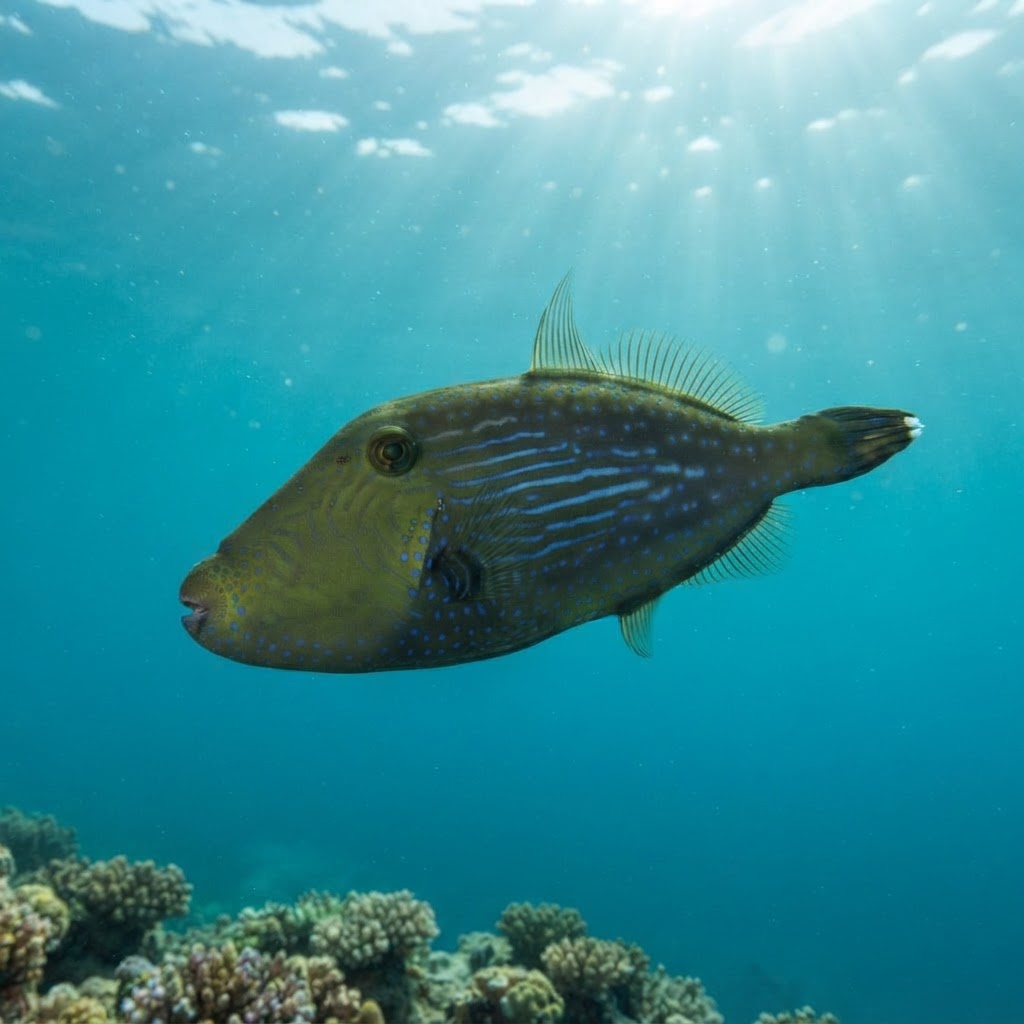
Grows to around 24 cm, with an oval, laterally flattened body typical of filefish and a small, high-set mouth built for picking at food rather than biting. Look for fine blue lines and streaks running across a pale to olive body, often with a scattering of darker blotches. The first dorsal spine sits well back on the head and can be locked upright, a filefish trademark that helps distinguish it from smoother-bodied reef fish sharing the same rocky ground.
Divers typically find it hovering or hanging low over rocky reef and weedy ground, moving with the slow, almost hesitant swimming style common to filefish, using its dorsal and anal fins for fine-tuned steering rather than speed. It tends to hold its position rather than bolt when approached, drifting away at an unhurried pace if a diver gets too close. Most logs describe it as an uncommon but steady find rather than something that shoals or gathers in numbers.
Like other filefish, it can lock its first dorsal spine upright as a defence, wedging itself into a crevice where predators struggle to pull it free.
Sightings show no detectable seasonal pattern, and with water temperatures logged from 14.7 to 21.7C, it's a year-round resident of the cooler reefs it favours rather than a warm-season visitor.
Reef neighbours a diver could mistake it for. Use the identification notes above to tell them apart.
This is very much an Australian temperate-water fish, most commonly logged on dive sites in Western Australia, with a secondary cluster of sightings in Victoria and a smaller presence in South Australia. Divers working the reefs and rocky ledges of Western Australia have the best odds of a sighting, though it turns up as an uncommon find rather than a certainty at almost every site it's recorded from.
Mapping where Blue-lined Leatherjacket is logged…
Western Australia is the strongest area for sightings, with further records from Victoria and a smaller number from South Australia. It's an Australian temperate-reef species rather than one found on tropical reef systems.
There's no clear seasonal pattern in sightings, so it can be found year-round. It sits comfortably in cooler water from around 15 to 22C, matching the conditions on the temperate reefs it inhabits through all seasons.
Look for a flattened, oval-bodied filefish around 24 cm long with fine blue streaks across a pale to olive body and a raised first dorsal spine. It moves slowly over rocky and weedy reef rather than in open water.
They typically reach about 24 cm in length, a modest size that keeps them easy to overlook against rocky or weedy backgrounds.
No, they pose no danger to divers. They're a small, slow-moving reef fish that relies on camouflage and a locking dorsal spine for defence rather than any threat to people.
Site and sighting data is aggregated from diver logs, iNaturalist and GBIF. For taxonomy and conservation status:
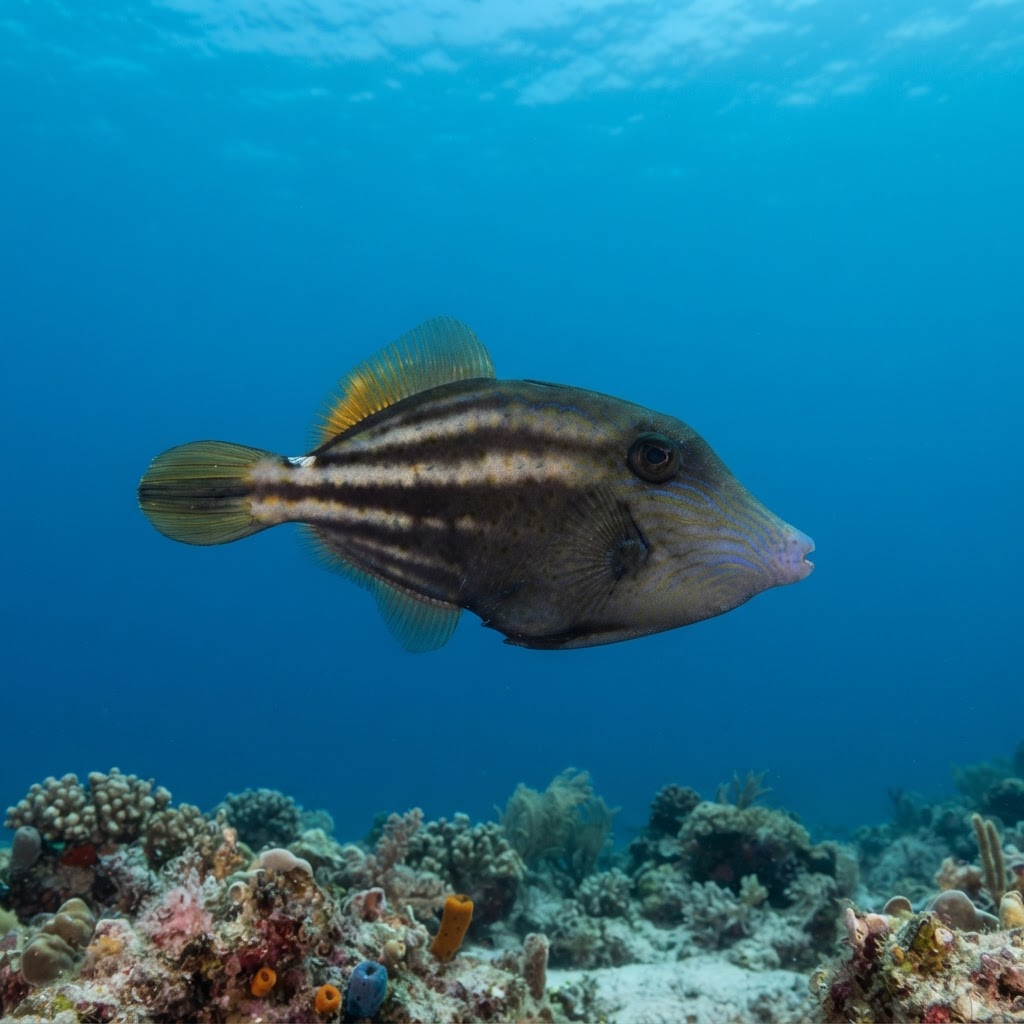
Orangespotted Filefish
836 sites