Best for beginner divers, 3-5m, boat entry.
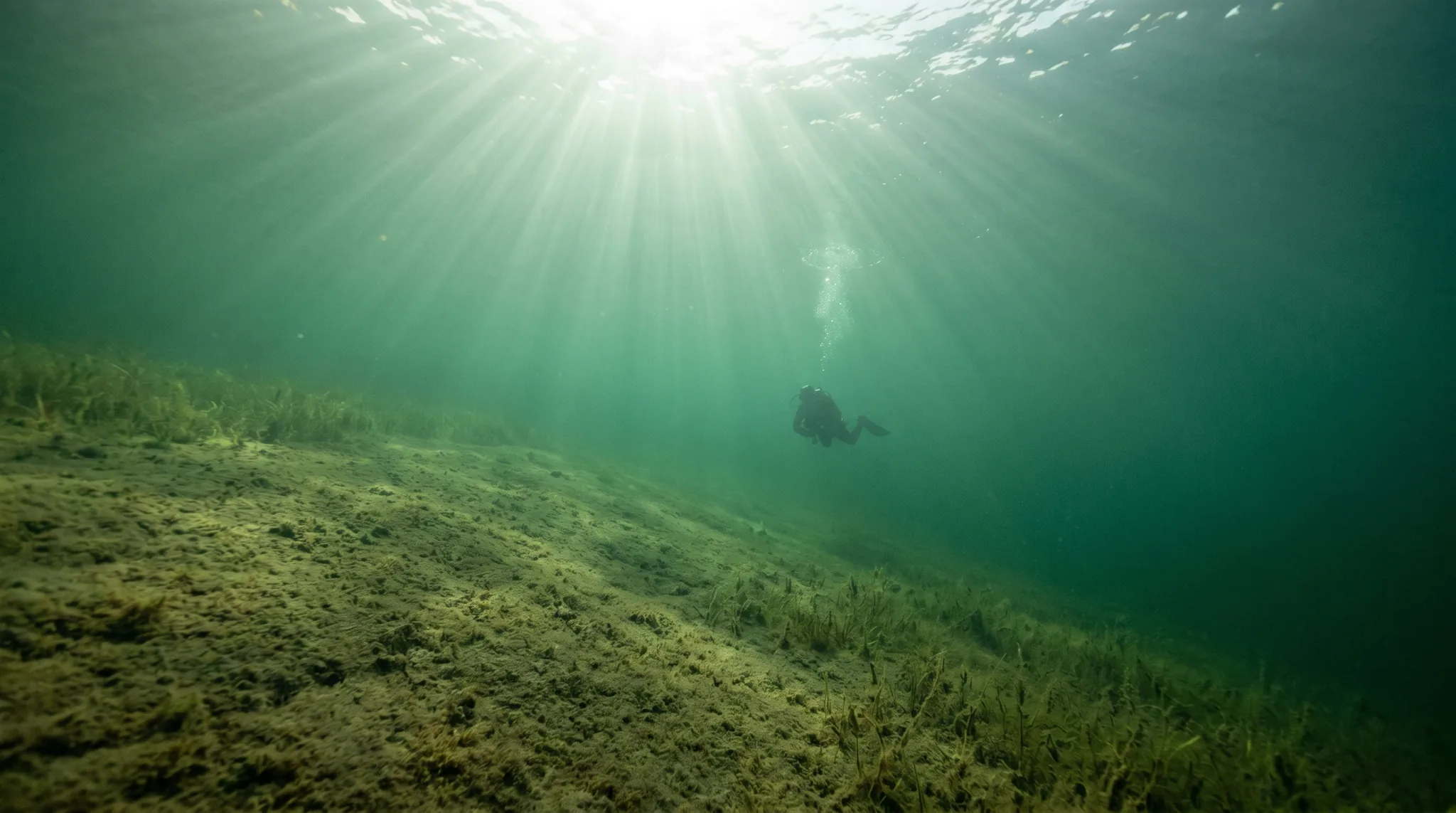
Lake James Rock Formation is a shallow freshwater reef dive located in the United States. The site features a rock structure at depths between 3 and 5 metres, making it suitable for beginner divers. Visibility typically ranges from 2 to 4 metres, with potential thermoclines occurring due to hydrological dynamics between the Catawba and Linville River arms. Divers must access the site by boat. Surface water temperatures in summer range from 21 to 28°C. Ashore, the site provides parking, toilets, showers, changing rooms, and a cafe to support multiple dives. Divers should remain vigilant regarding boat traffic, potential entanglement hazards from underwater debris, and jellyfish.
35.74583, -81.83770
With variable visibility, arriving earlier in the day before any disturbance stirs up the water column tends to give you the clearest conditions. The site offers good facilities ashore including parking, toilets, showers, changing rooms, and a cafe, so you can comfortably run multiple dives.
Access info coming soon
Expected in this region. No sightings logged here yet.
Depth
3-5m
Visibility
2-4m
Skill Level
Beginner
Entry
Boat
Boat required
Current
None
Yes, the shallow depth of 3 to 5 metres and lack of current make this an accessible site for newly certified open water divers.
The rock formation is located at a depth of 3 to 5 metres.
This is a boat dive; a boat is required to access the site.
Divers should watch for boat traffic on the surface, be aware of entanglement risks from underwater debris, and monitor for jellyfish and thermoclines.
While the site is used for diving, the shallow depth of 3 to 5 metres allows for surface observation, though boat traffic remains a hazard.
Diving at Lake James Rock Formation in Lake James Rock Formation requires the following certifications: Open Water. Always dive within your training limits.
Visibility at Lake James Rock Formation in Lake James Rock Formation typically ranges from 2 metres to 4 metres. Conditions vary with weather, tides, and seasons.