Lepisosteus platyrhincus
Long, torpedo-shaped and toothy: spot Florida Gar in freshwater springs across The South and Florida, USA, year-round.
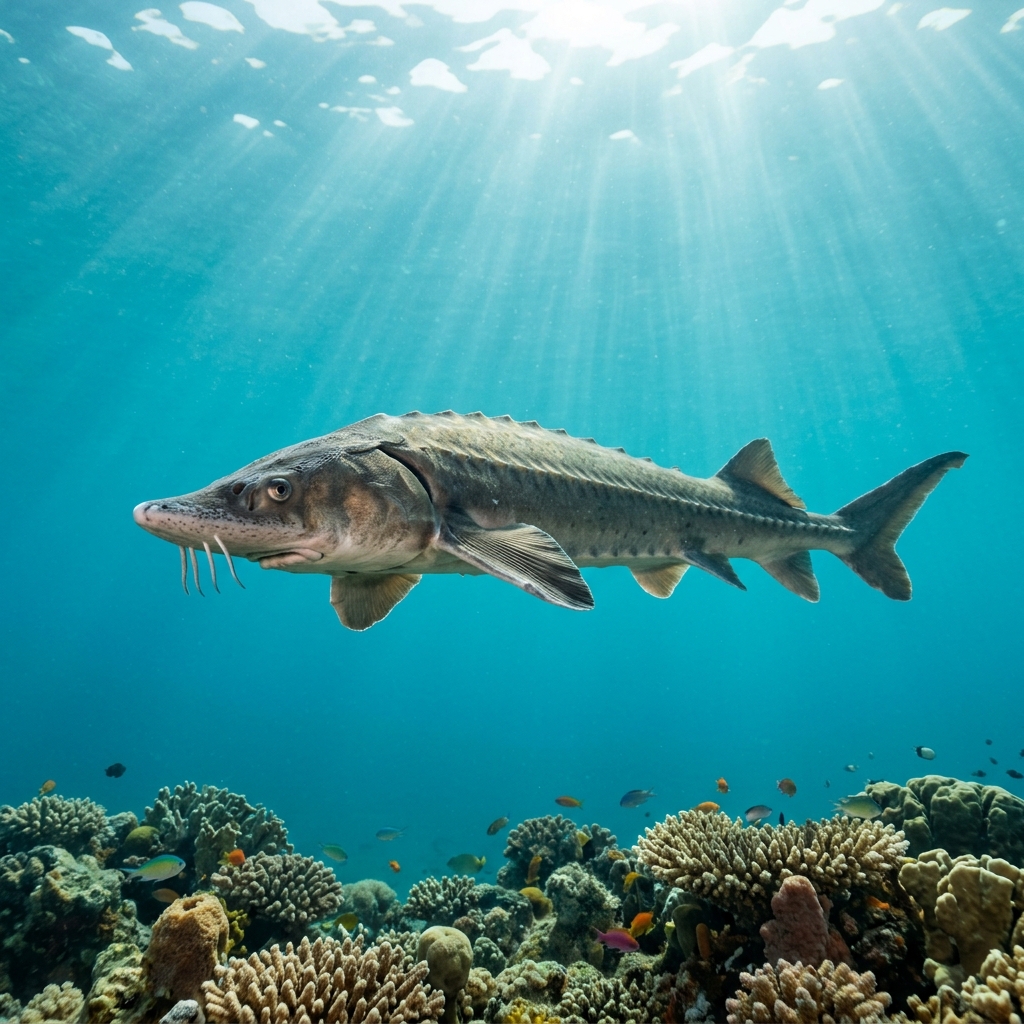
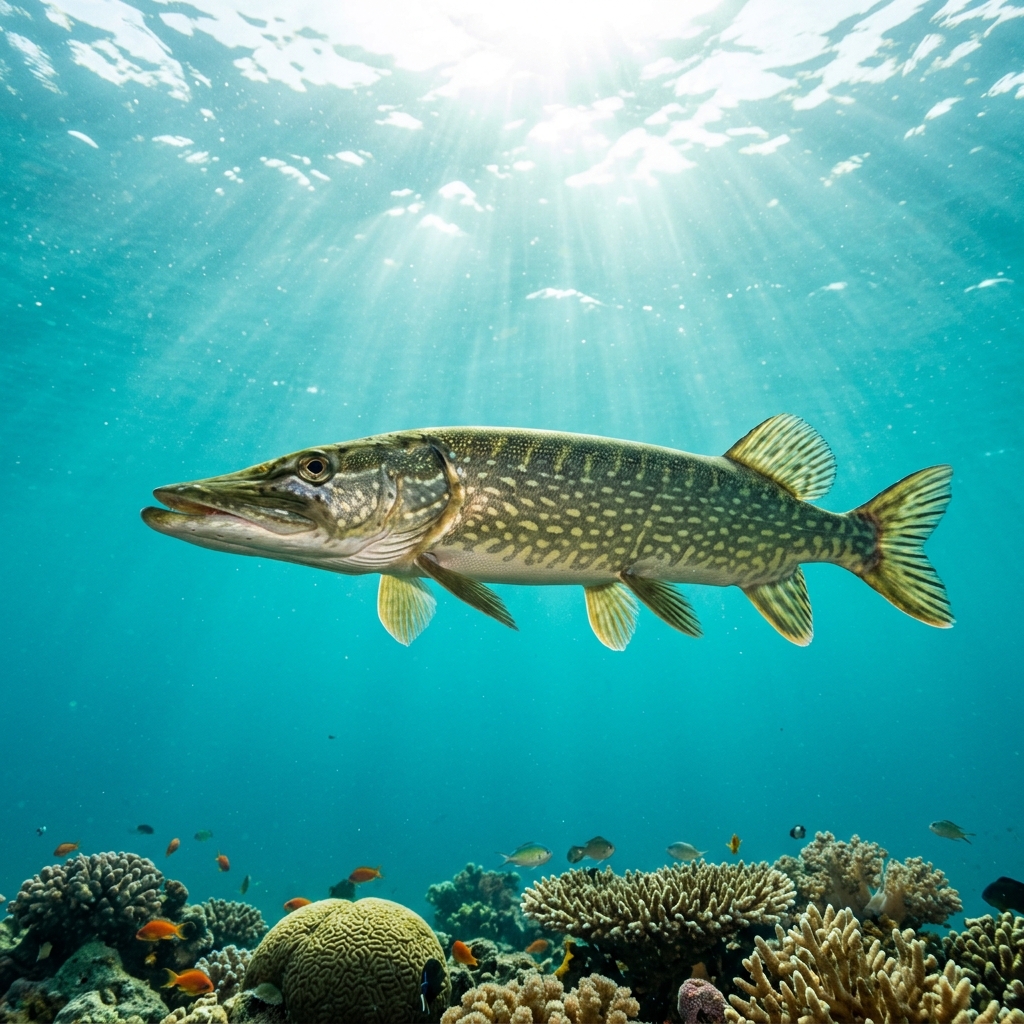
Look for a long cylindrical body up to about 92 cm, olive to brown above with a paler belly, and dark spots scattered on the tail and rear fins. The giveaway is the snout: a long, narrow, alligator-like jaw packed with visible teeth, set on a body that looks almost armour-plated thanks to hard diamond-shaped scales. It hangs nearly motionless in open water or drifts just under the surface, which combined with that snout makes it hard to mistake for anything else.
Divers typically find it holding near the surface or suspended motionless in open water, using that stillness to ambush smaller fish rather than actively chasing prey. It tends to ignore divers unless approached closely, at which point it will glide off unhurried rather than bolt. Look for it near submerged vegetation or structure in slow-moving freshwater systems, often solo rather than in groups.
That long snout is a real ambush weapon: it can gulp air at the surface thanks to a vascularised swim bladder that works like a primitive lung, letting it survive in warm, low-oxygen water where most fish struggle.
Sightings show no clear seasonal pattern, so treat this as a year-round encounter in the springs, rivers and lakes it inhabits. It tolerates a wide range of freshwater temperatures, which keeps it visible across the calendar rather than tied to a particular month.
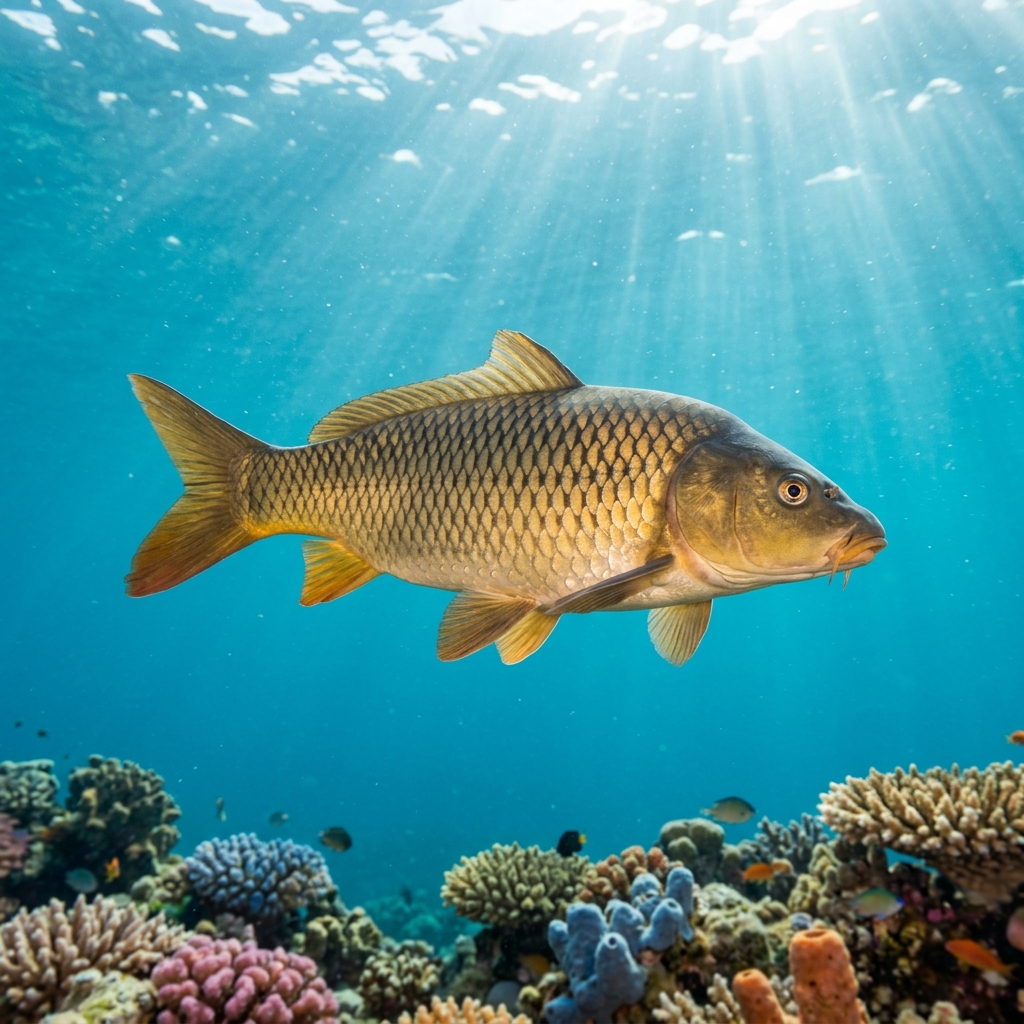
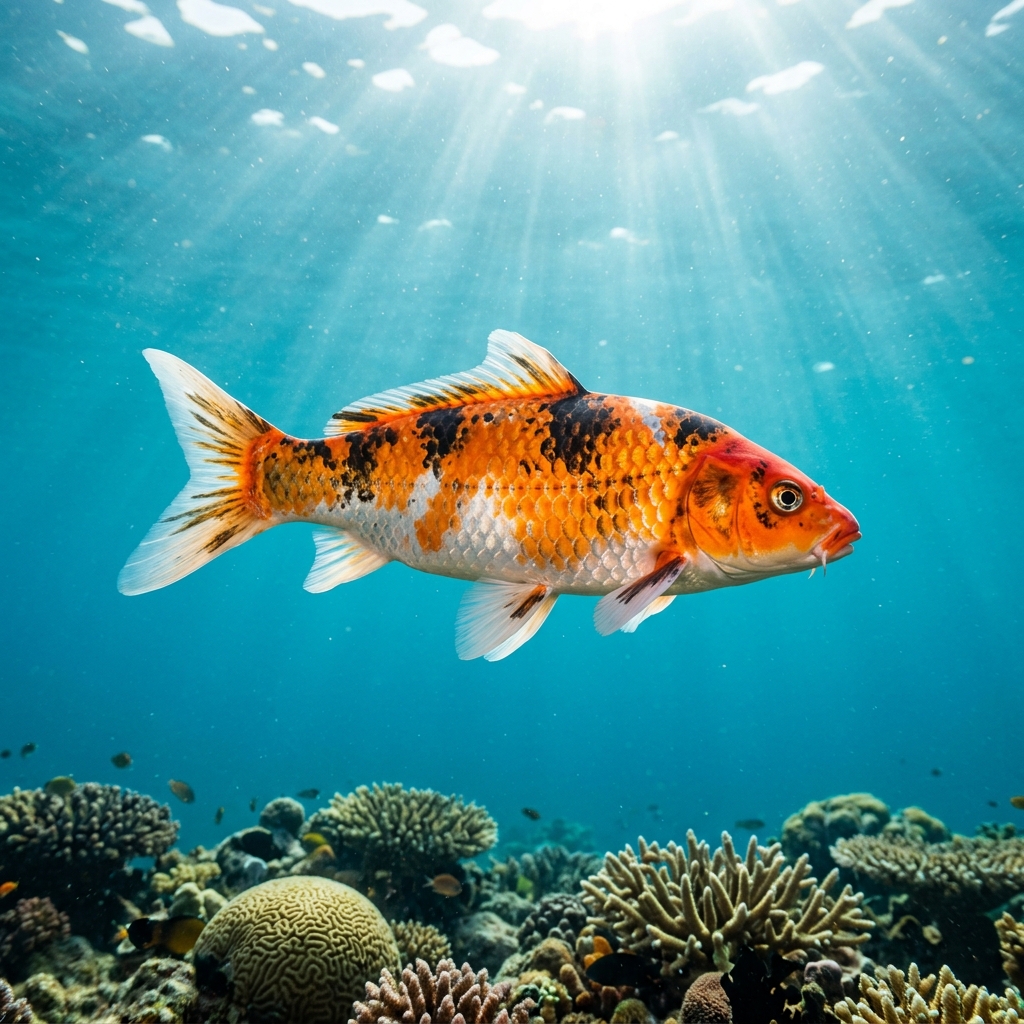
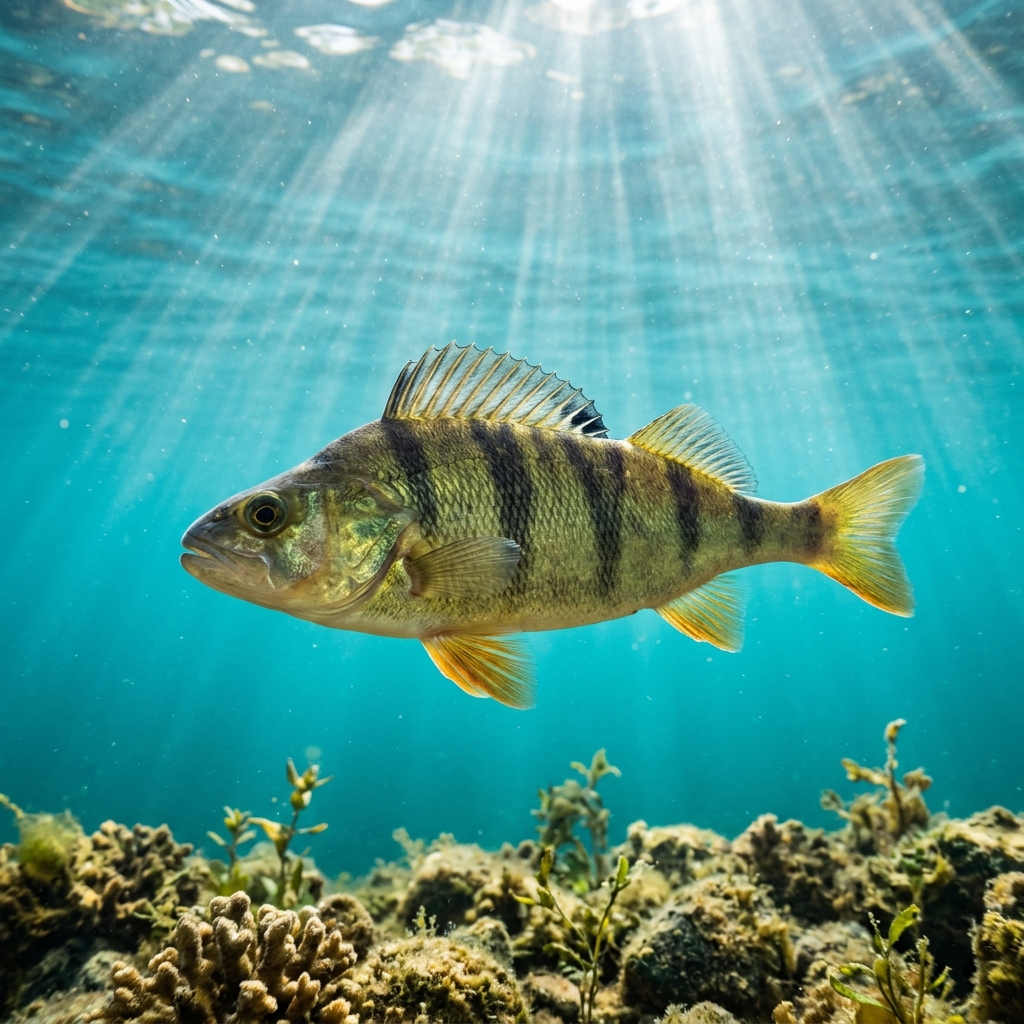
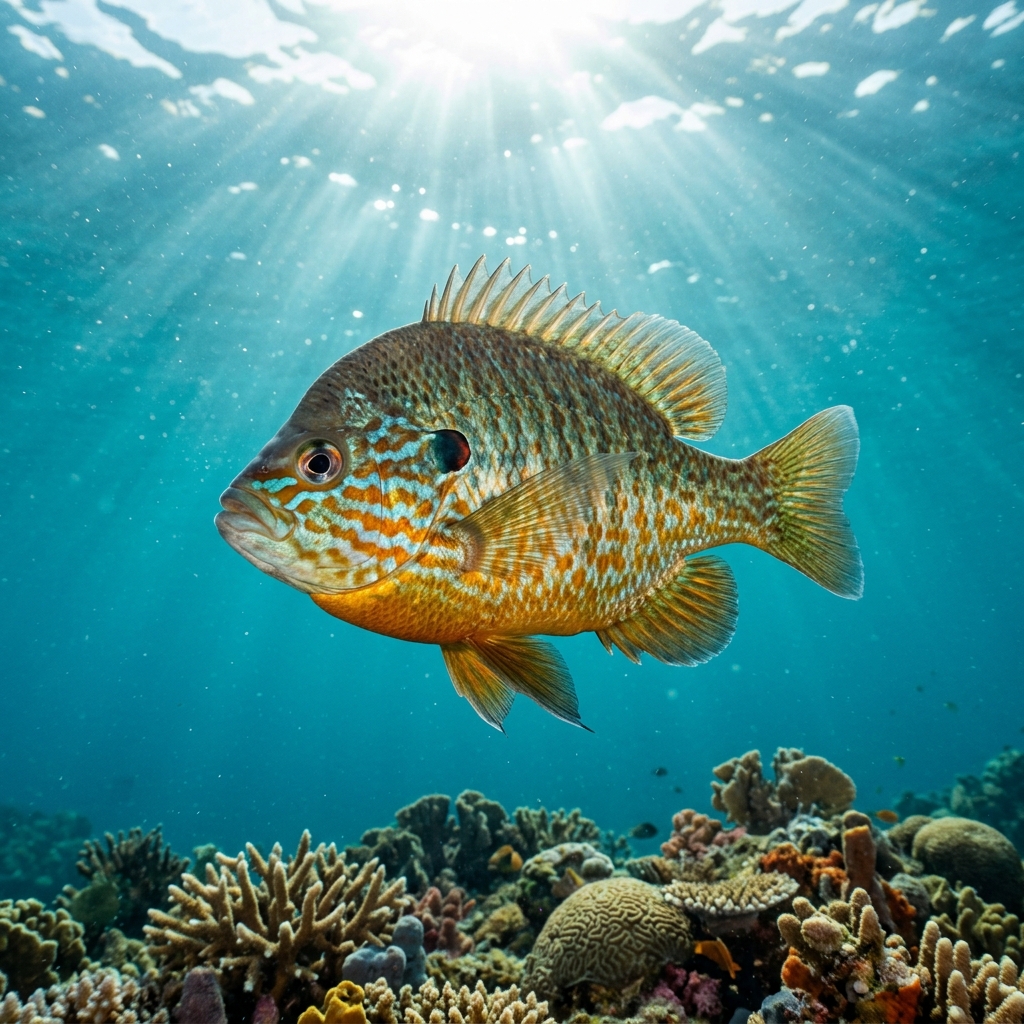
Reef neighbours a diver could mistake it for. Use the identification notes above to tell them apart.
Most commonly logged in freshwater sites across the United States, with the strongest presence in The South, the Northeast, the Carolinas and Texas, plus a notable cluster in Florida itself. Outside the US it turns up in Canada (Quebec), Mexico's Yucatán Peninsula, and scattered spots in Colombia, El Salvador, Guatemala and Nicaragua.
Mapping where Florida Gar is logged…
It's most reliably found in freshwater sites across the southern and eastern United States, especially The South, the Carolinas, Texas and Florida. Smaller populations also turn up in Quebec, Canada and Mexico's Yucatán Peninsula.
There's no strong seasonal pattern in sightings, so it's considered a year-round species wherever it's found. Its tolerance for a wide temperature range keeps it active and visible across most of the year.
Look for a long, cylindrical, olive-brown body with dark spots near the tail and a distinctive long, narrow, tooth-filled snout. It often hangs motionless near the surface or in open water, which combined with that alligator-like jaw makes ID straightforward.
It typically reaches around 92 cm in length, making it a substantial, elongated presence in the freshwater systems it inhabits.
It can gulp air at the surface using a swim bladder that functions like a basic lung, allowing it to survive in warm, oxygen-poor water that would stress most other freshwater fish.
No, it's not considered dangerous to divers. It tends to hold still or drift away calmly rather than react aggressively when approached.
Site and sighting data is aggregated from diver logs, iNaturalist and GBIF. For taxonomy and conservation status:
Sun Perch
2,182 sites