Galathea squamifera
Tucked under rocks from Zeeland to Brittany, this small clawed crustacean rewards divers who know where to look and how to light a crevice.
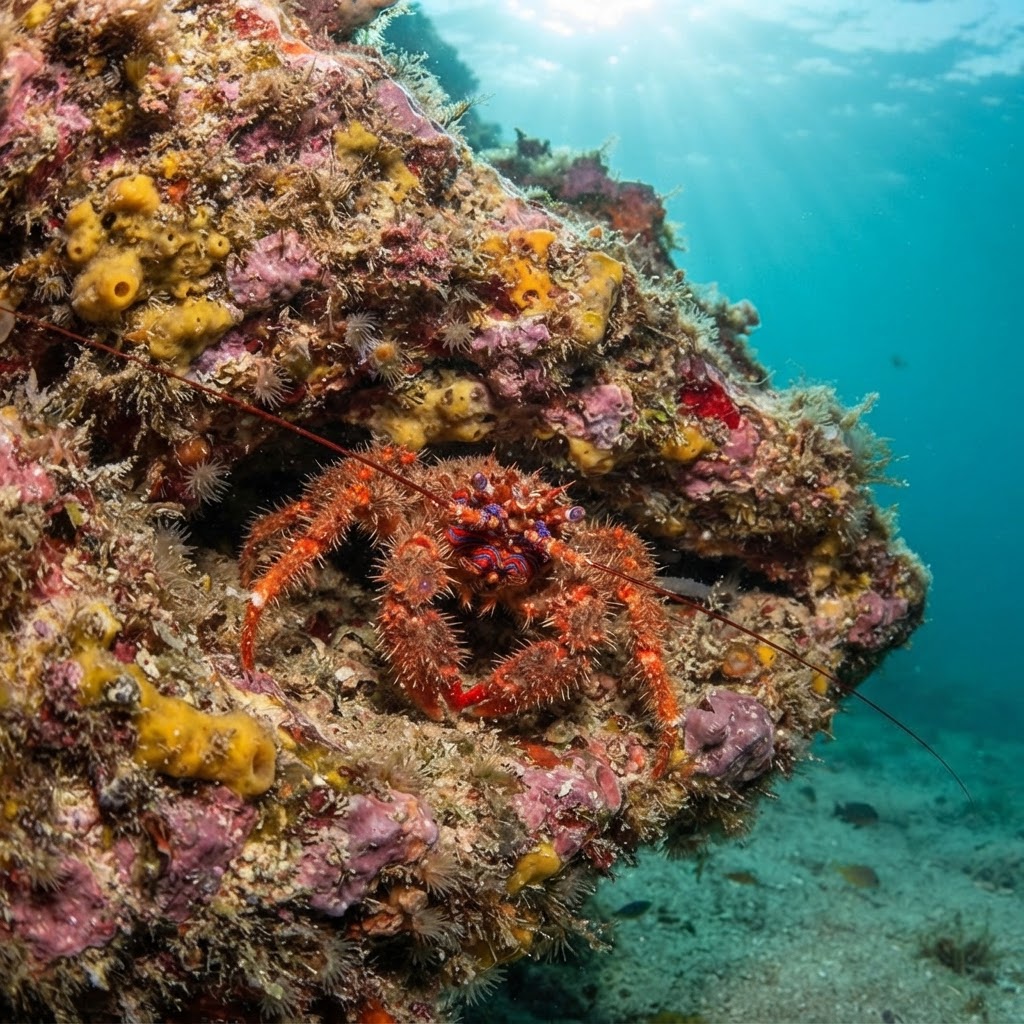
Flattened, almost crab-like body no longer than a few centimetres, with a pair of long, slender claws held out in front. Colour runs mottled brown to greenish, which helps it disappear against rock and weed. It tucks its tail under its body rather than trailing one behind, giving it that squat, hunched look divers key on, and it tends to sit tail-first in a crevice with only the claws and eyestalks showing.
Look for it wedged tail-first into rock crevices, under boulders, or among kelp holdfasts, usually with just the claws and eyestalks poking out. It holds its ground when a torch beam passes over it, only backing deeper into the crack if a diver gets a hand close, and is more often found by peering into gaps than by spotting one out in the open. Most sightings happen on slower, careful looks along rocky reef and wreck substrate rather than mid-water.
Those long claws are mainly used for picking through debris and grabbing scraps of food rather than for defence, which is why it relies on retreating into its crevice instead of fighting when disturbed.
Sightings show no clear seasonal peak, and given its comfort range of roughly 10 to 18 C it is a fair year-round find on these coasts, though divers should expect the coldest end of that range in winter and the warmer end in late summer.
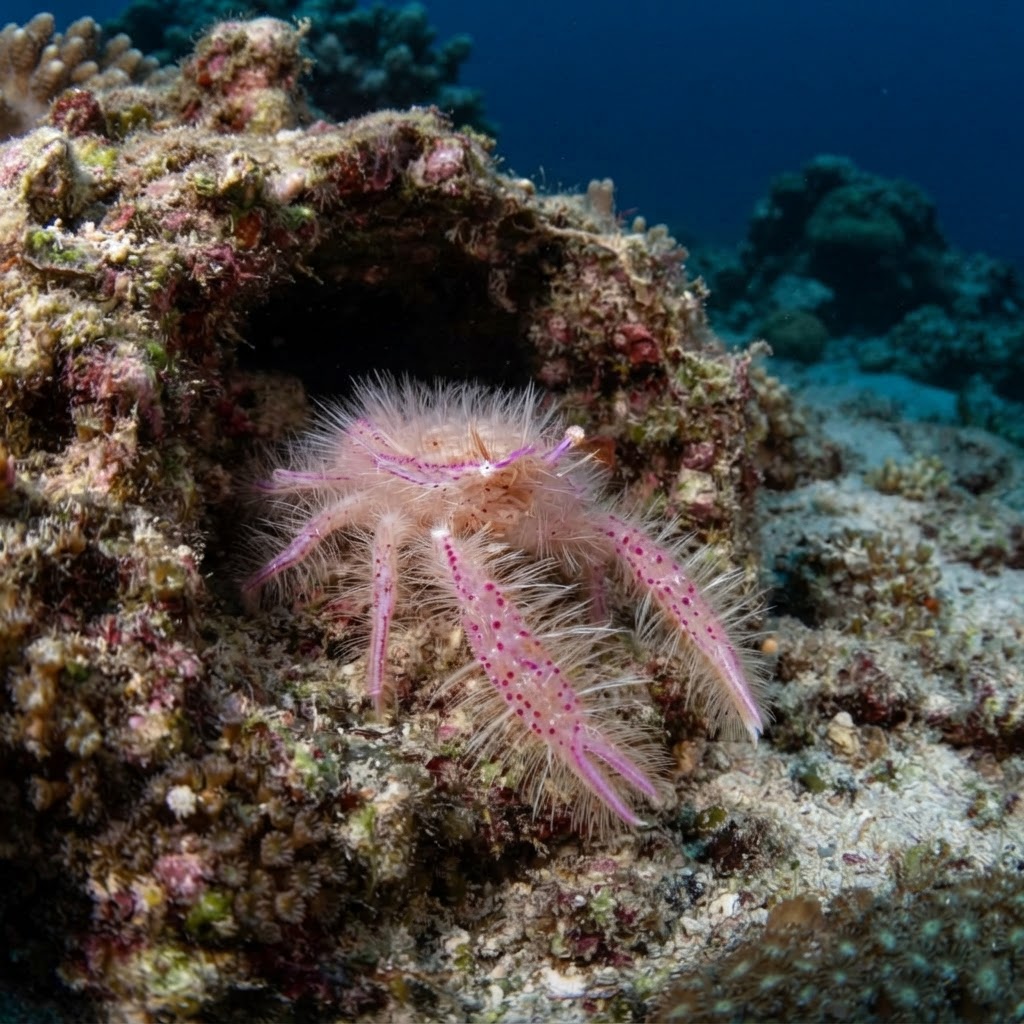
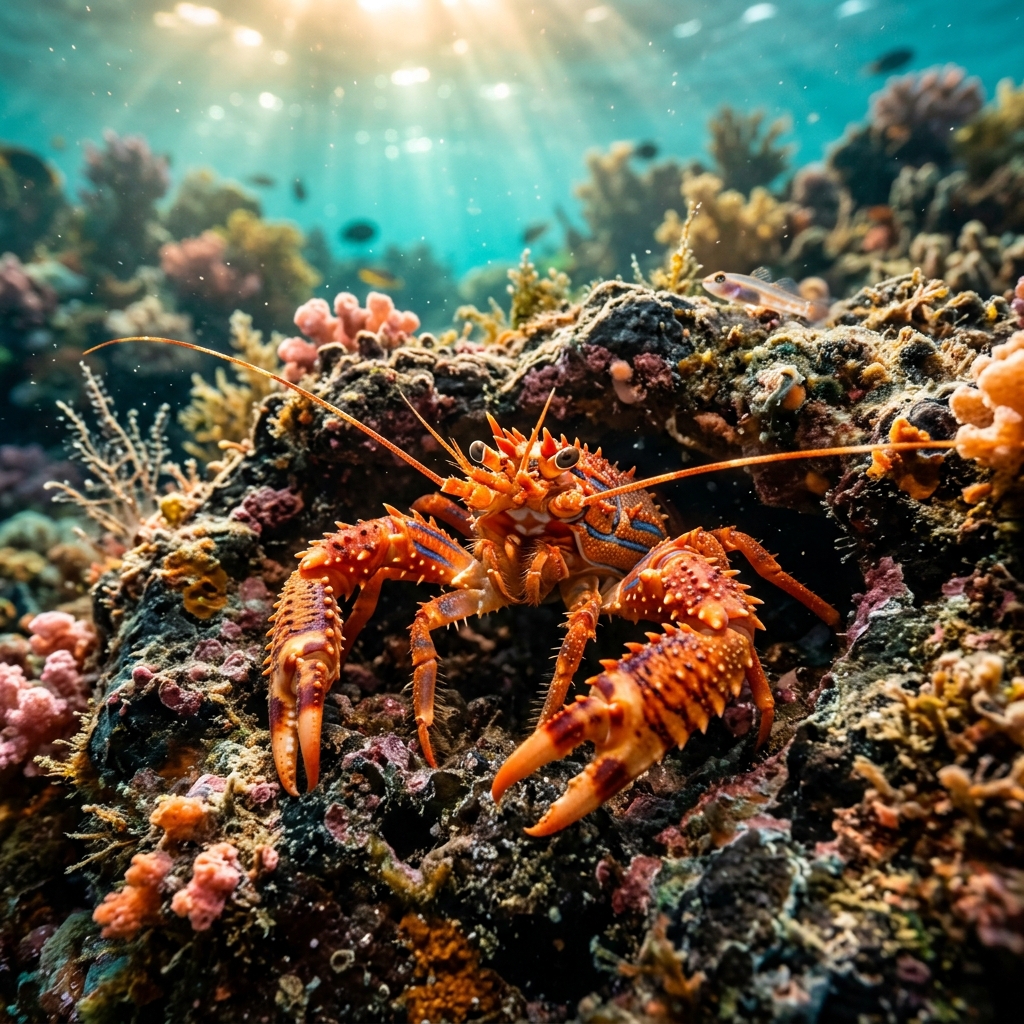
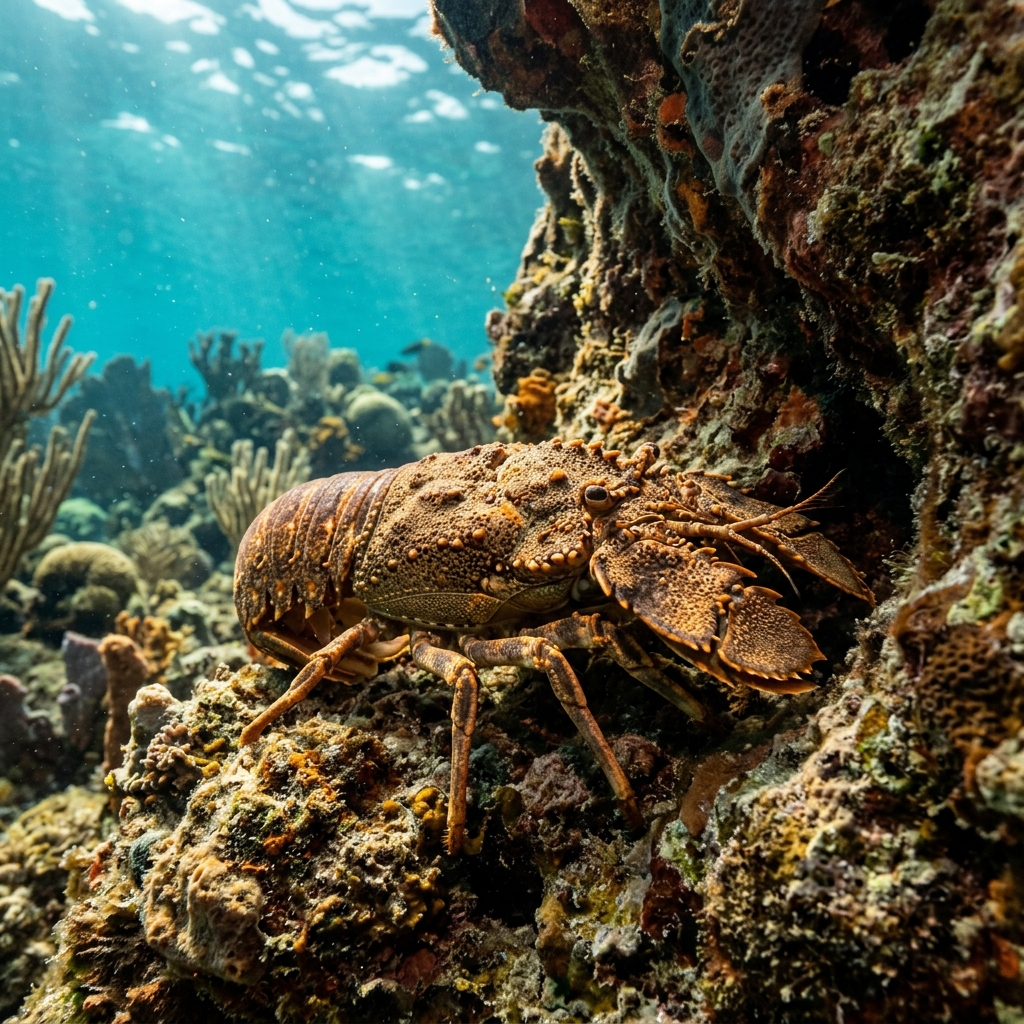
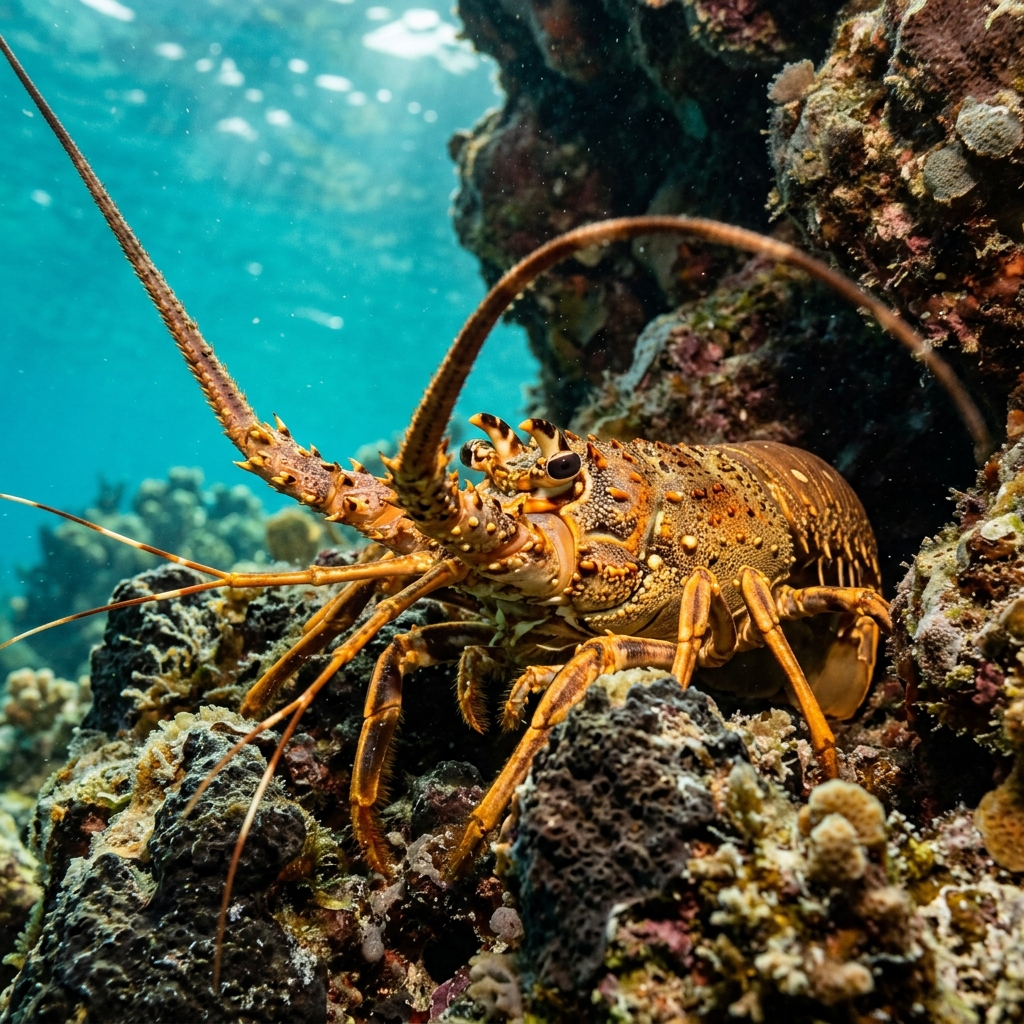
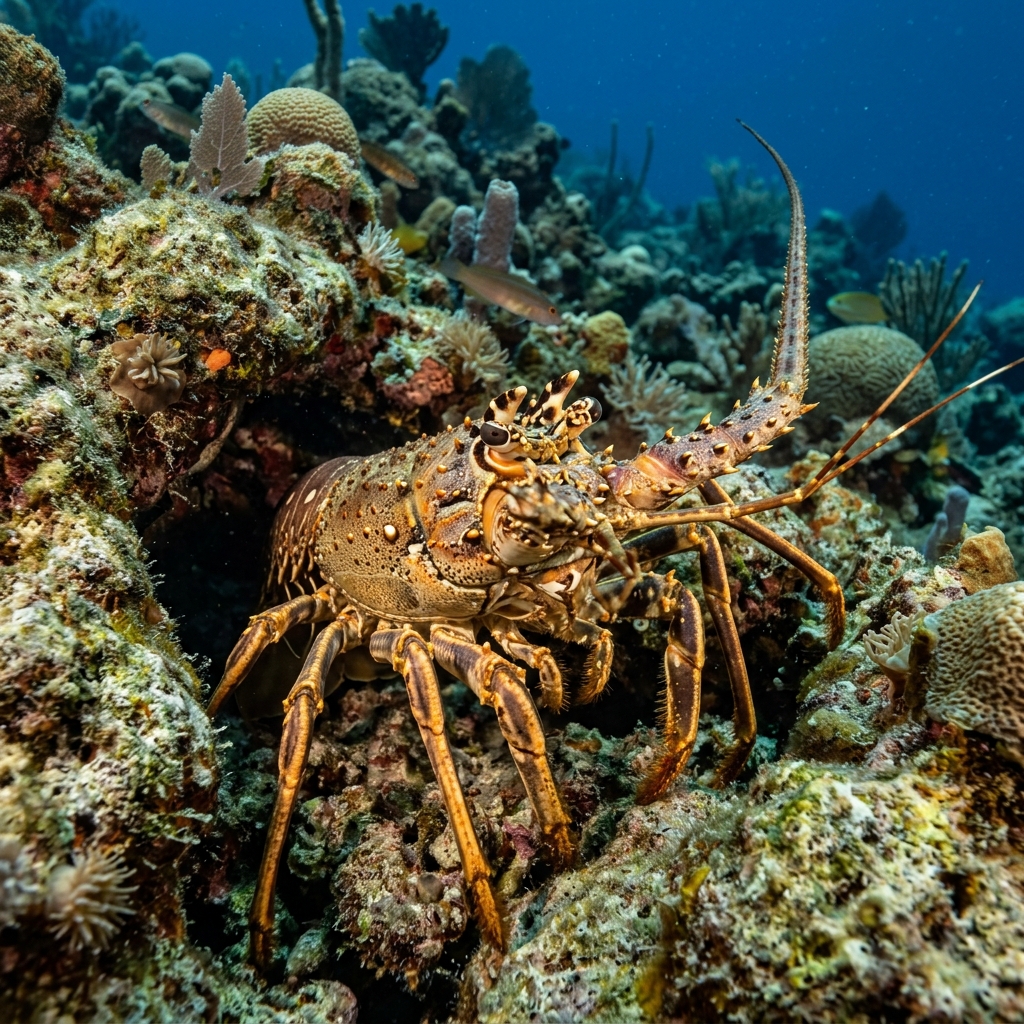
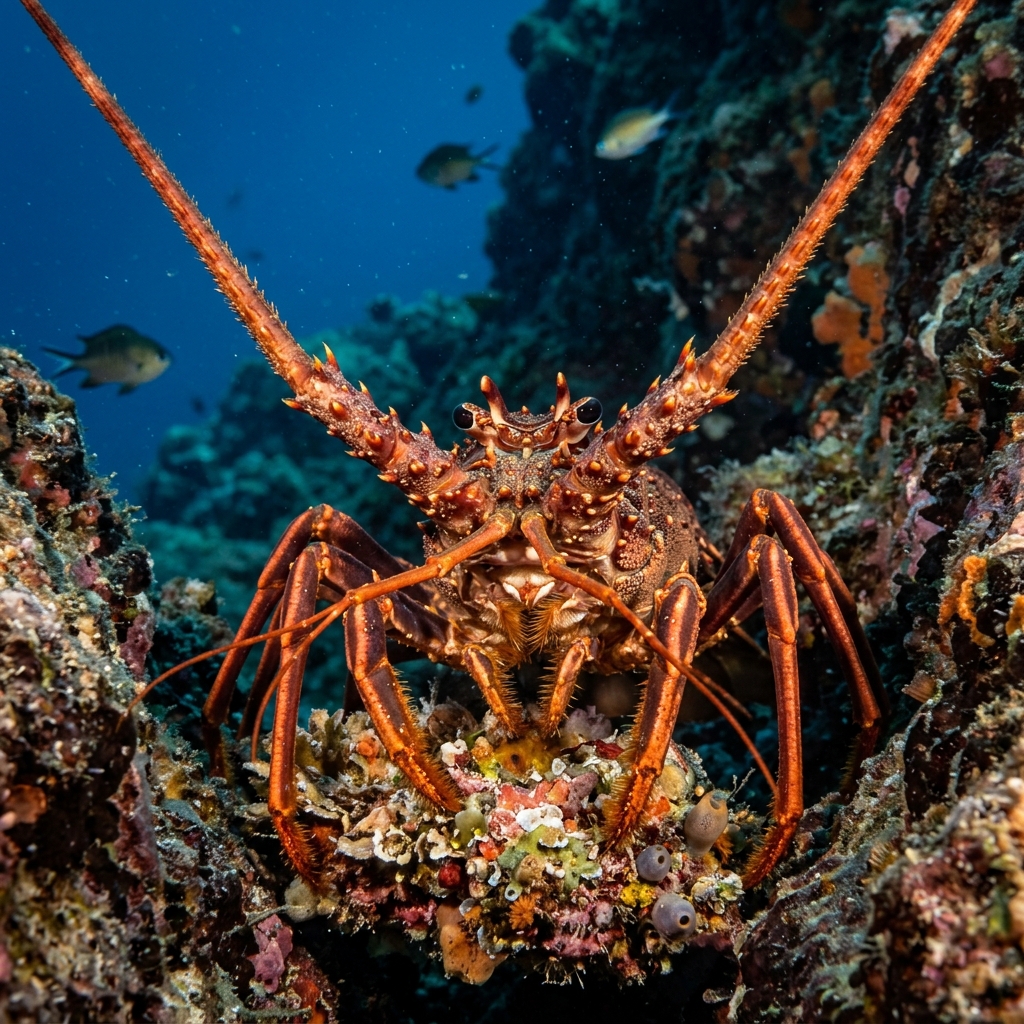
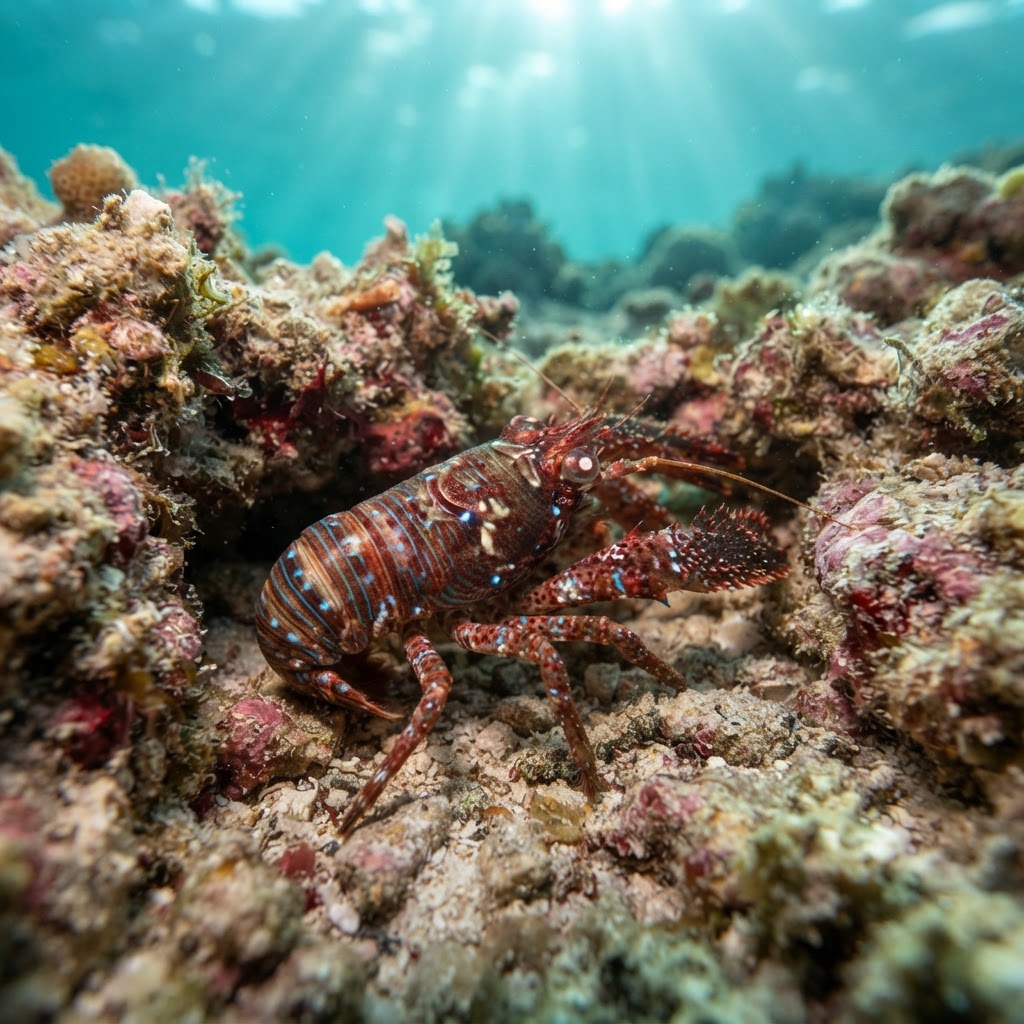
Reef neighbours a diver could mistake it for. Use the identification notes above to tell them apart.
This is a reliable find on temperate rock and reef dives, most commonly logged in Zeeland in the Netherlands, Brittany in France, and across England in the UK. It also turns up well down the Lisbon Coast of Portugal and in Croatia's Kvarner region, with smaller but consistent counts in the French Riviera, Corsica, and Catalonia.
Mapping where Squat Lobster is logged…
It is most consistently logged in Zeeland (Netherlands), Brittany (France), and around the English coast, with good numbers also reported from the Lisbon Coast in Portugal and Kvarner in Croatia.
There is no strong seasonal pattern in sightings, and its 10 to 18 C comfort range means it is present on these reefs across most of the year rather than tied to a short season.
Look for a small, flattened, brownish-green body wedged tail-first into a rock crevice, with long slender claws and eyestalks poking out into the open water.
They are small crustaceans, generally only a few centimetres across the body, which is why they are easy to miss unless you check crevices and under rocks closely.
No, they pose no real risk to divers. They retreat into their crevice rather than confront anything that approaches, so there is no need to worry about handling risk if you keep a respectful distance.
Despite the name, they are not true lobsters and tuck their tail fan under the body rather than trailing it behind, giving them a hunched, crab-like posture as they use their long claws to sift for scraps.
Site and sighting data is aggregated from diver logs, iNaturalist and GBIF. For taxonomy and conservation status:
Galathea squamifera
Caribbean Spiny Lobster
2,209 sites