Best for beginner divers, 2-30m, boat entry, moderate current.
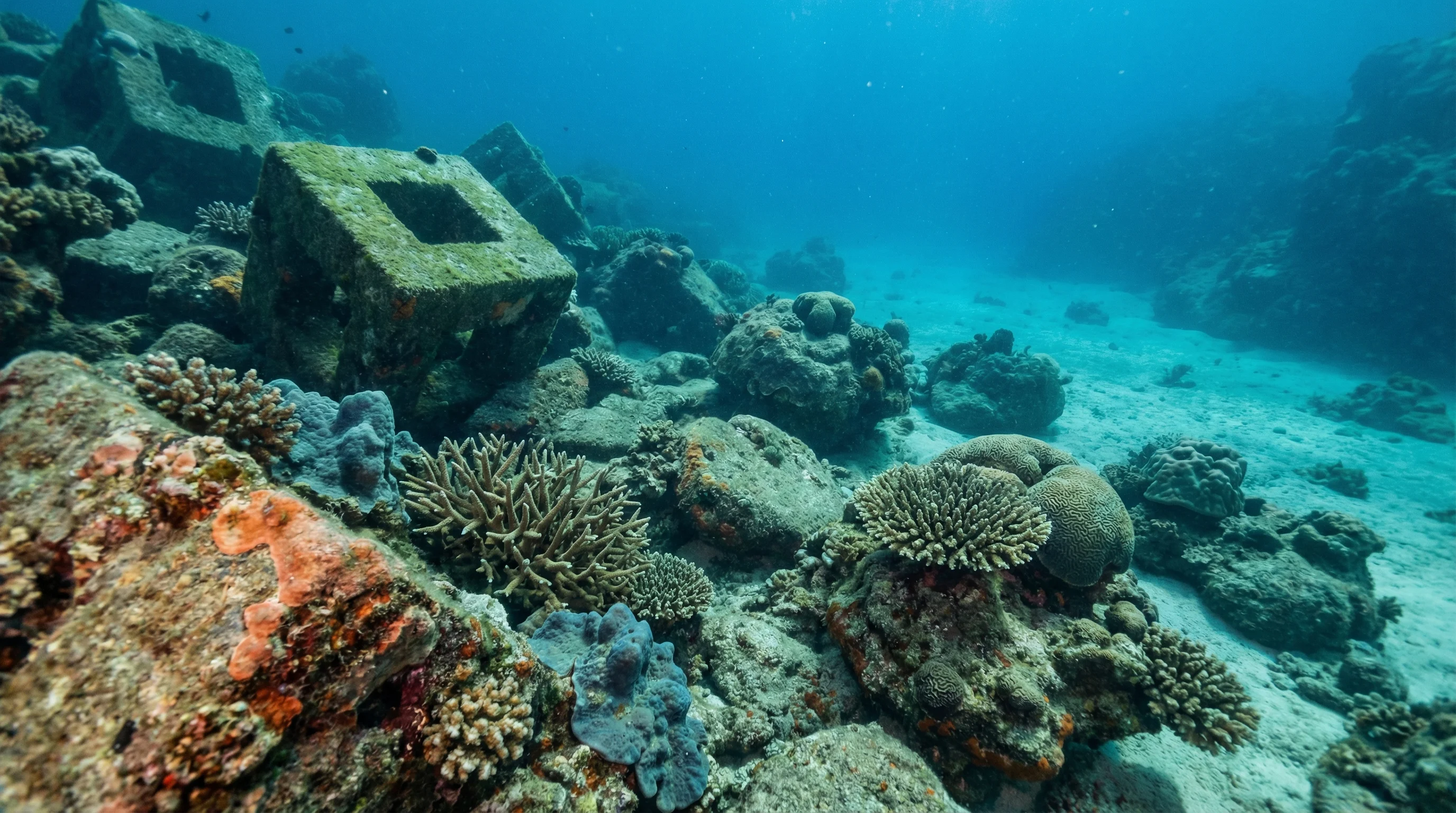
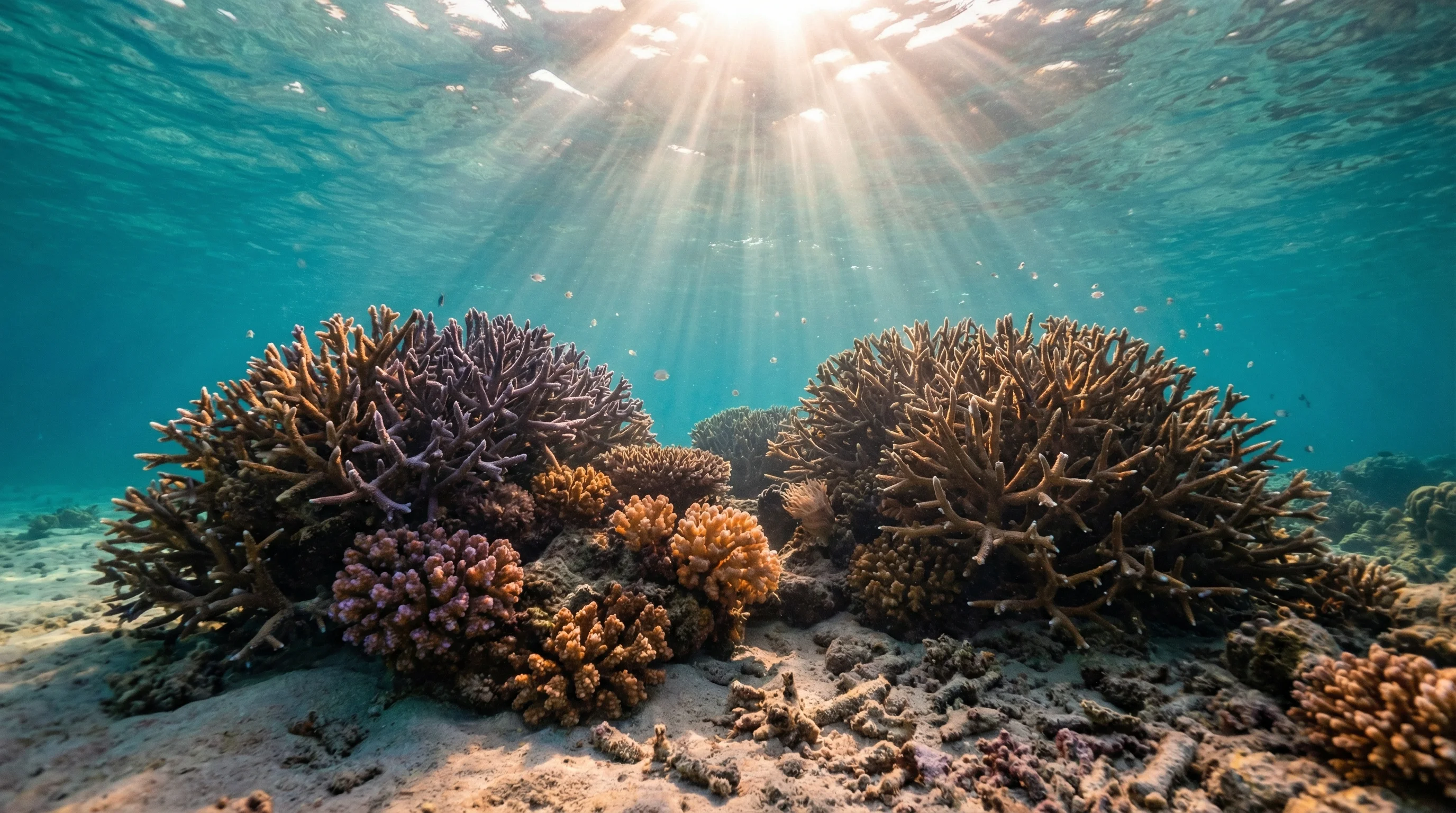
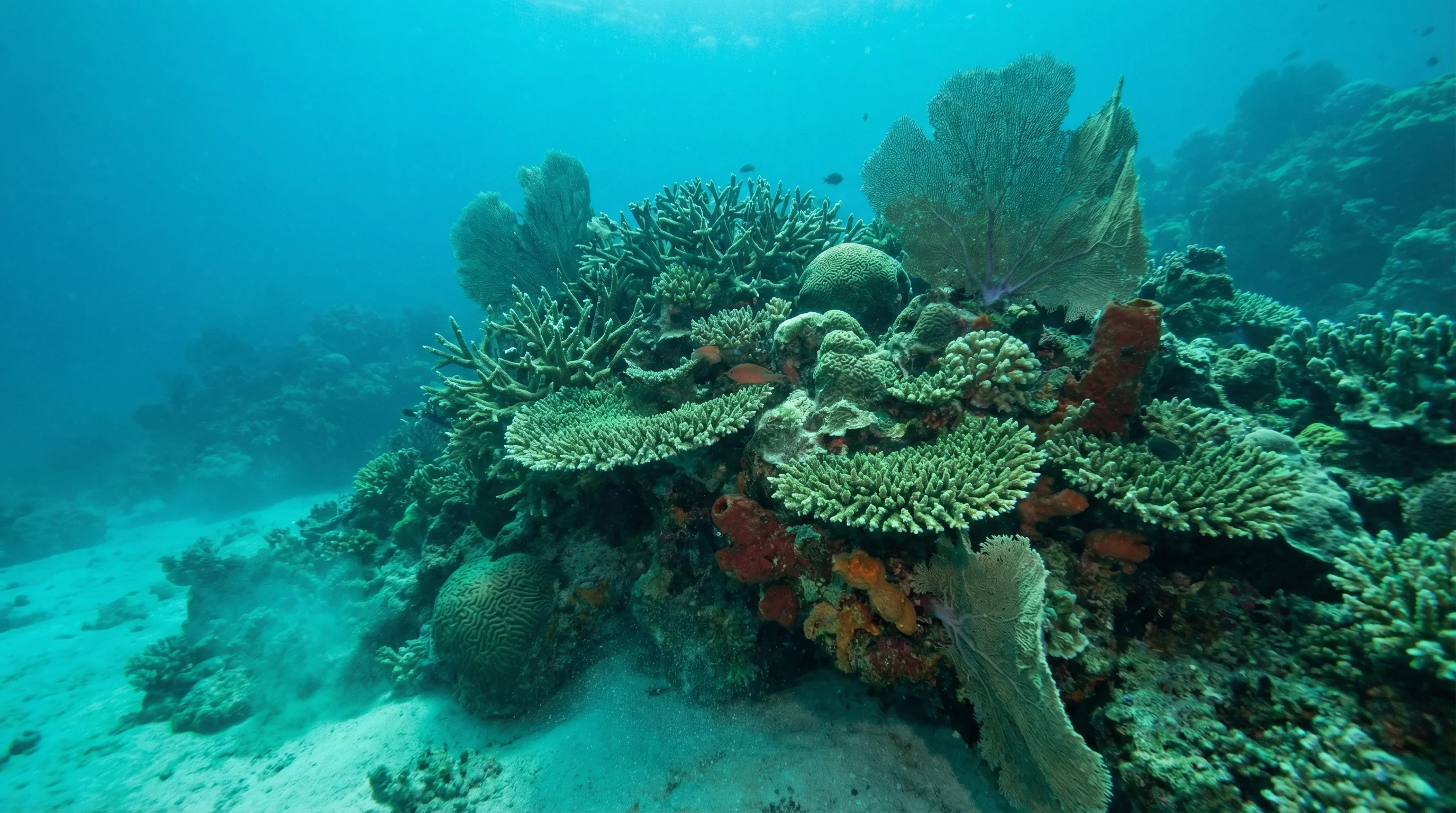
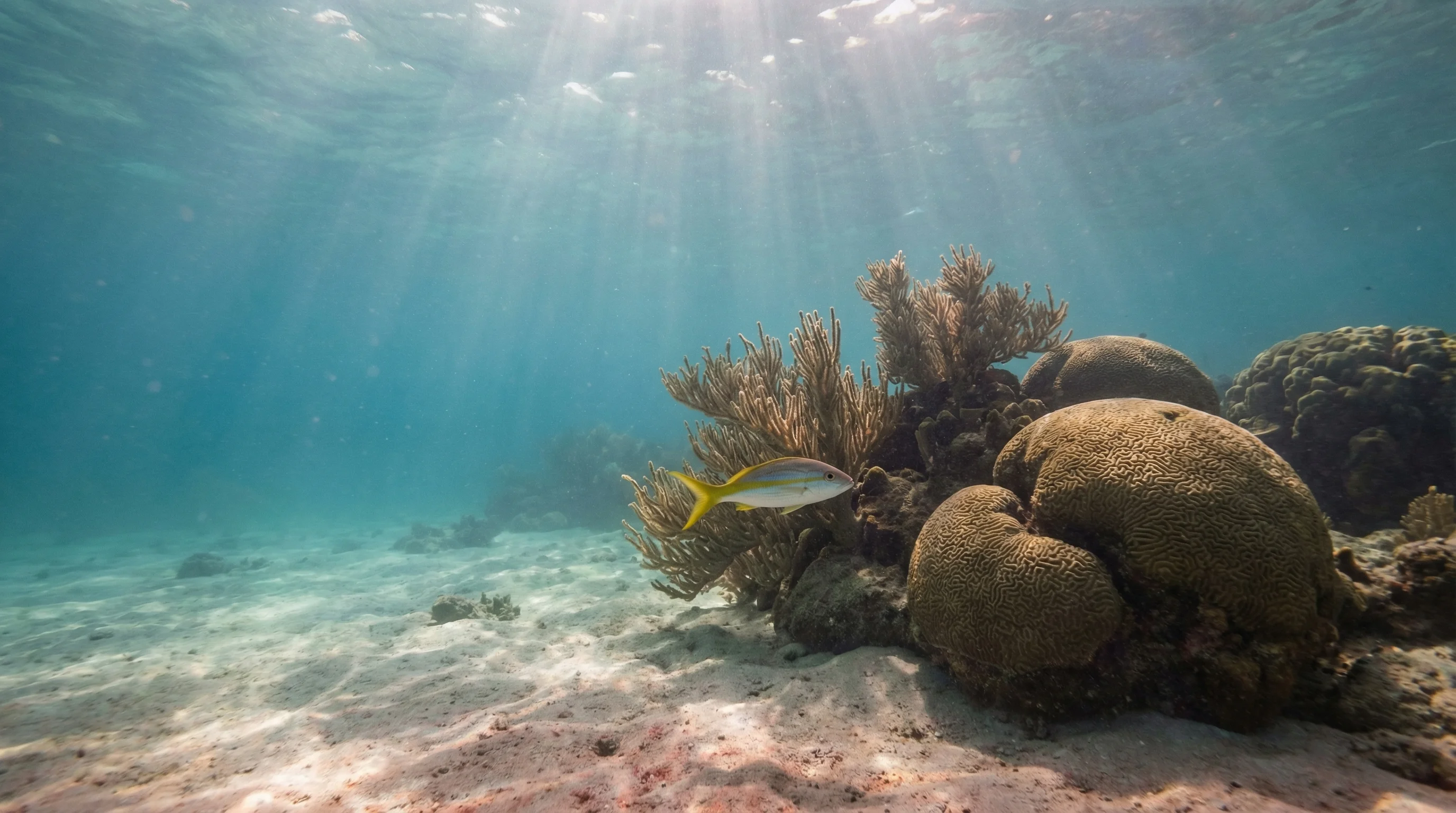
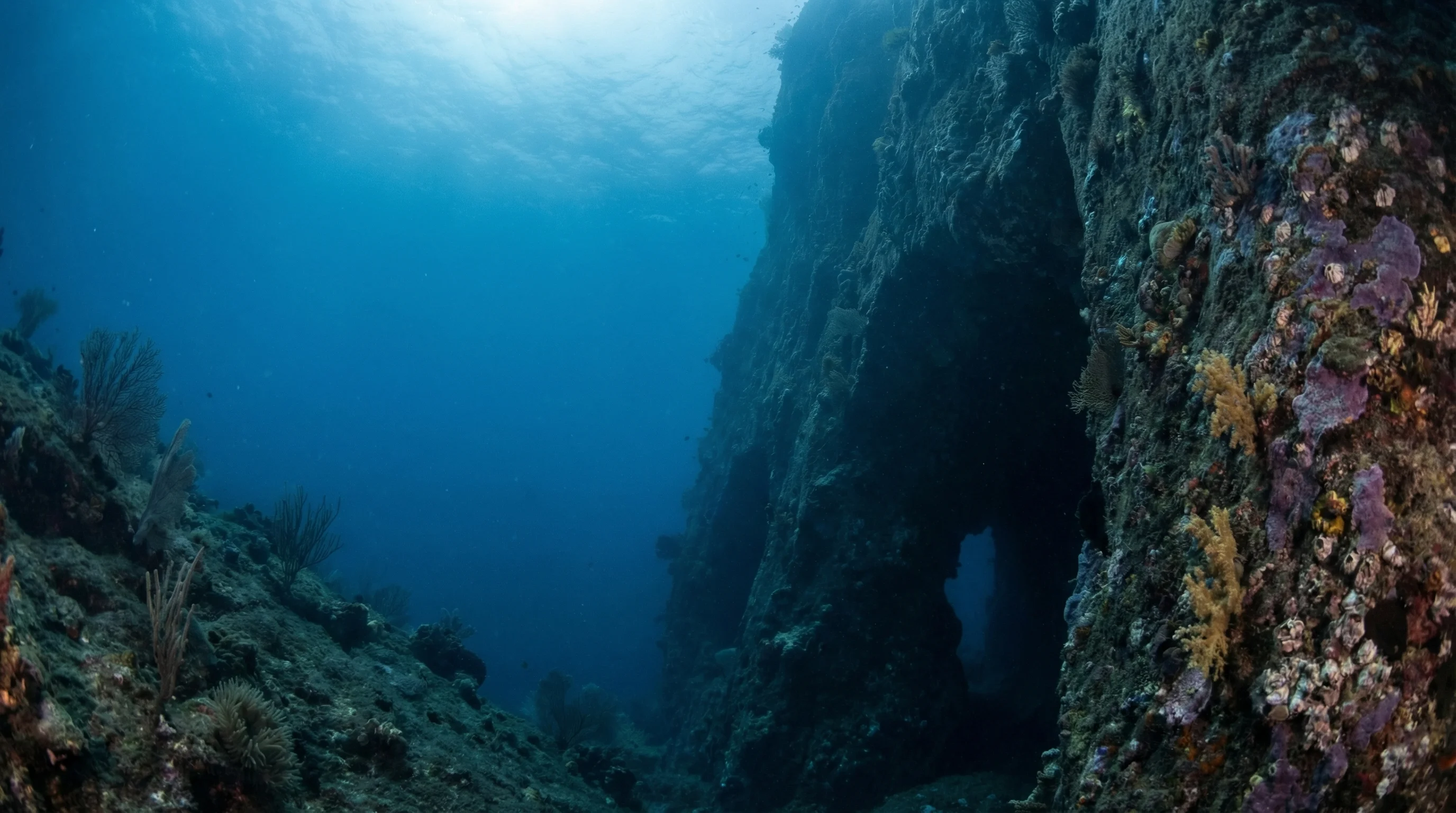
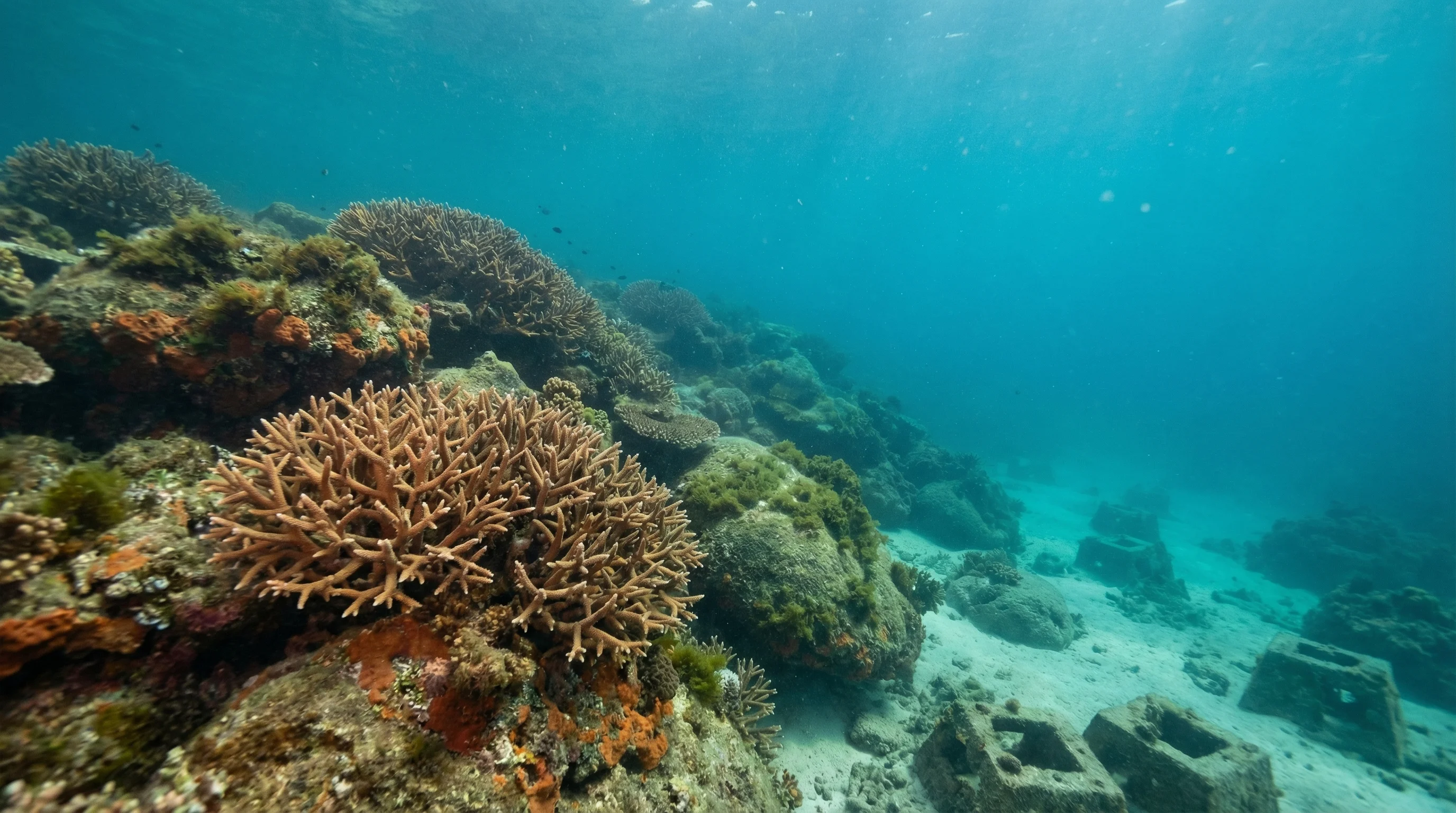
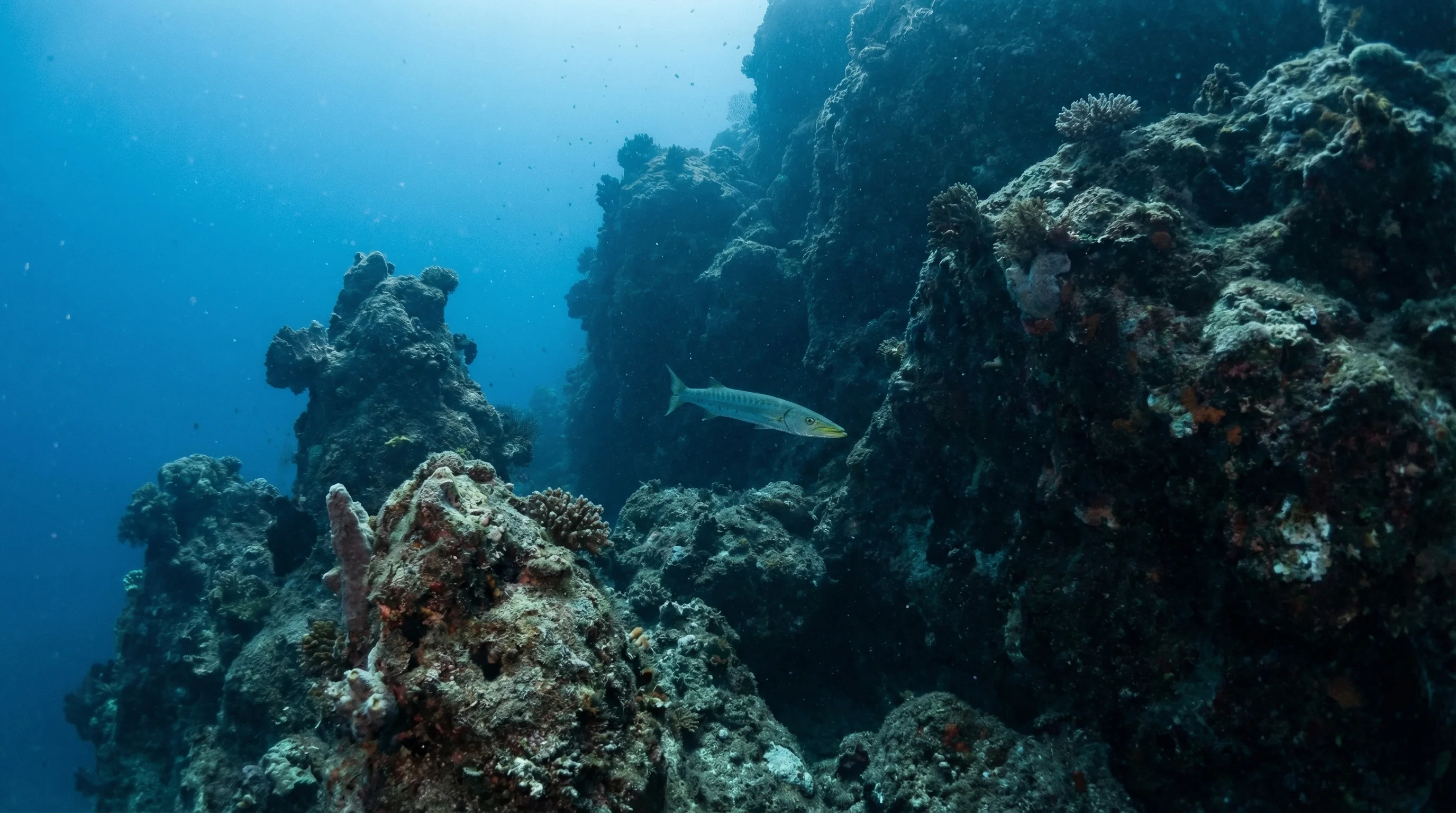
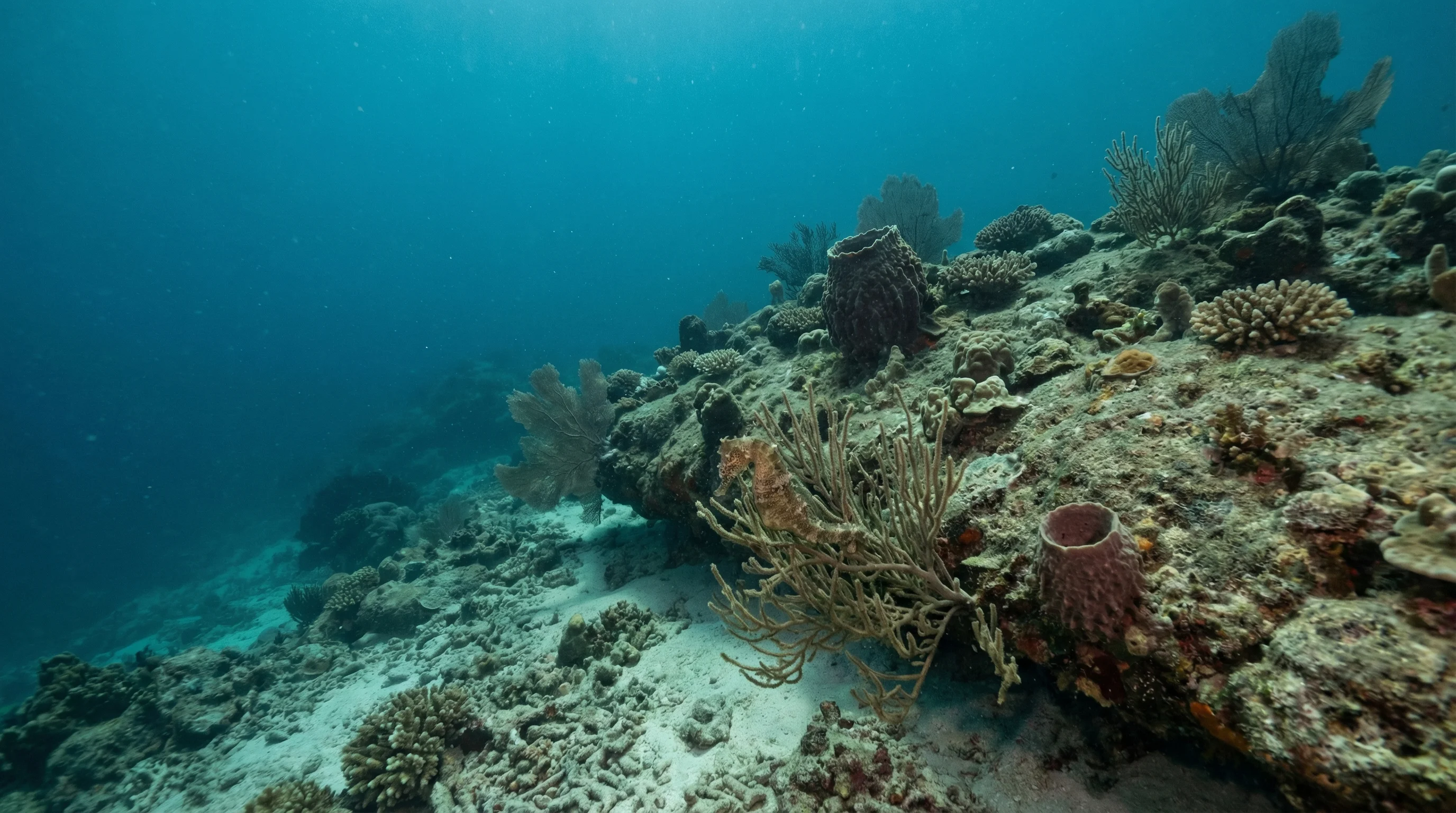
Mai Thon is a reef and artificial reef site located near the Racha Islands in Thailand. Divers access the site by boat, which is required due to its distance of 16 kilometres from the shore. The site features depths ranging from 2 to 30 metres, with an average depth of 12 metres. Conditions include moderate currents and visibility that fluctuates between 5 and 30 metres. The water temperature remains warm throughout the year, typically between 28 and 30 degrees Celsius. This site is suitable for beginners, with typical dives lasting 45 minutes. Hazards to be aware of include deep water, low visibility, strong currents, and sharp coral.
7.75766, 98.47503
Mai Thon is a good choice for a half dive day or for beginners looking for a short and easy acclimatization to Phuket scuba diving.
The dive sites are 1 hour from Chalong pier.
Recorded at this site
Depth
Up to 30m
Visibility
5-30m
Skill Level
Beginner
Entry
Boat
Boat required
Water Temp
28-30°C
Current
Moderate
Typical Dive
45 min
Best Time
Apr, Dec
Yes, the site is rated as suitable for beginner divers.
The site ranges from 2 to 30 metres in depth, with an average depth of 12 metres.
Boat access is required to reach this site, which is located 16 kilometres from the shore.
The best months for diving at this site are April and December.
Divers should be cautious of deep water, low visibility, strong currents, and sharp coral.
Diving at Mai Thon in Phuket requires the following certifications: Open Water. Always dive within your training limits.
A rashguard or 2mm shorty is recommended for diving at Mai Thon in Phuket. Water temperatures range from 28°C to 30°C.
The best months to visit Mai Thon in Phuket are April and December. Conditions outside these months can still be good but are less predictable.
Expect moderate currents at Mai Thon in Phuket. Good buoyancy control and some drift diving experience is helpful.
Visibility at Mai Thon in Phuket typically ranges from 5 metres to 30 metres. Conditions vary with weather, tides, and seasons.