Best for beginner divers, 10-20m, shore entry.
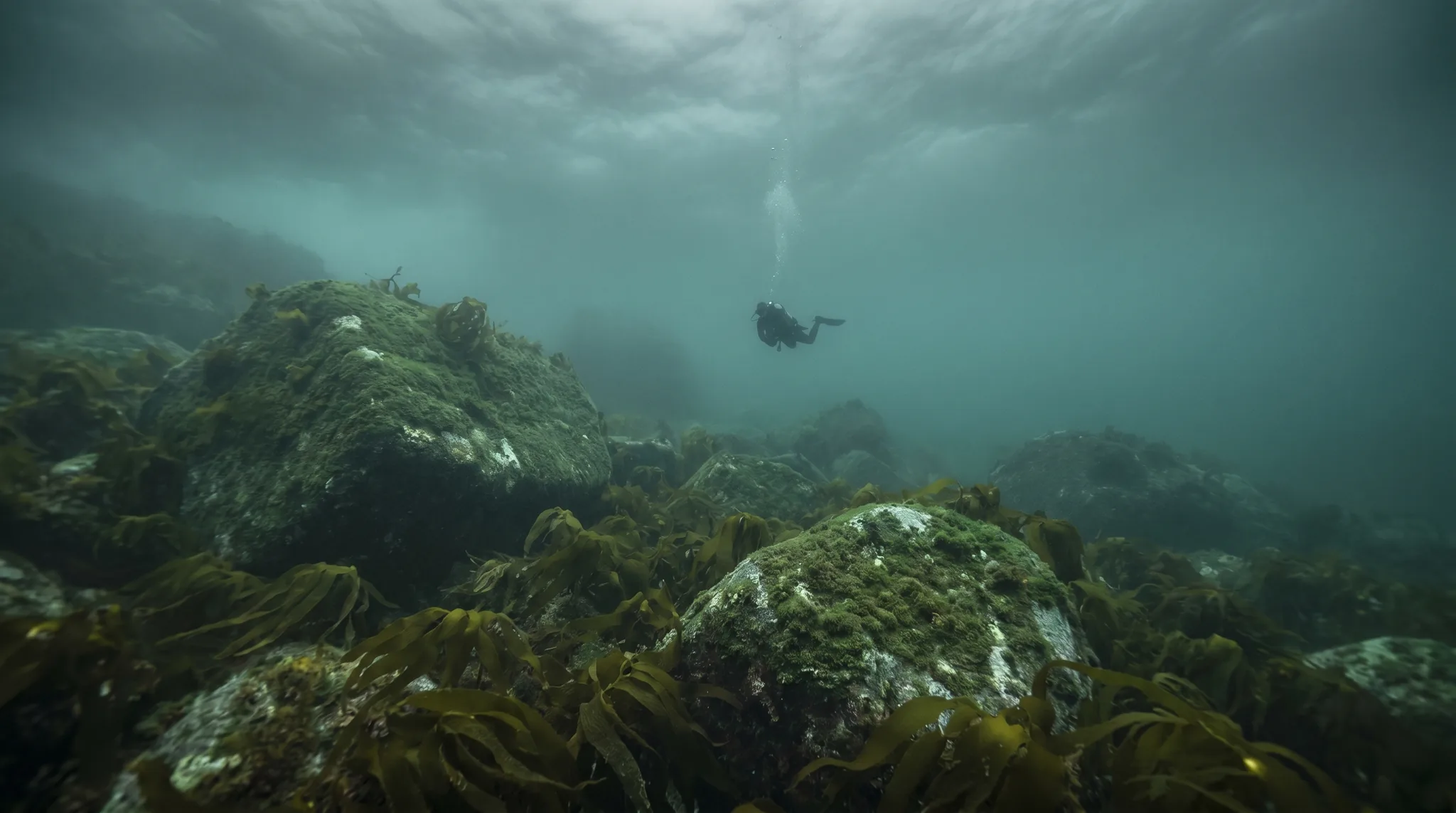
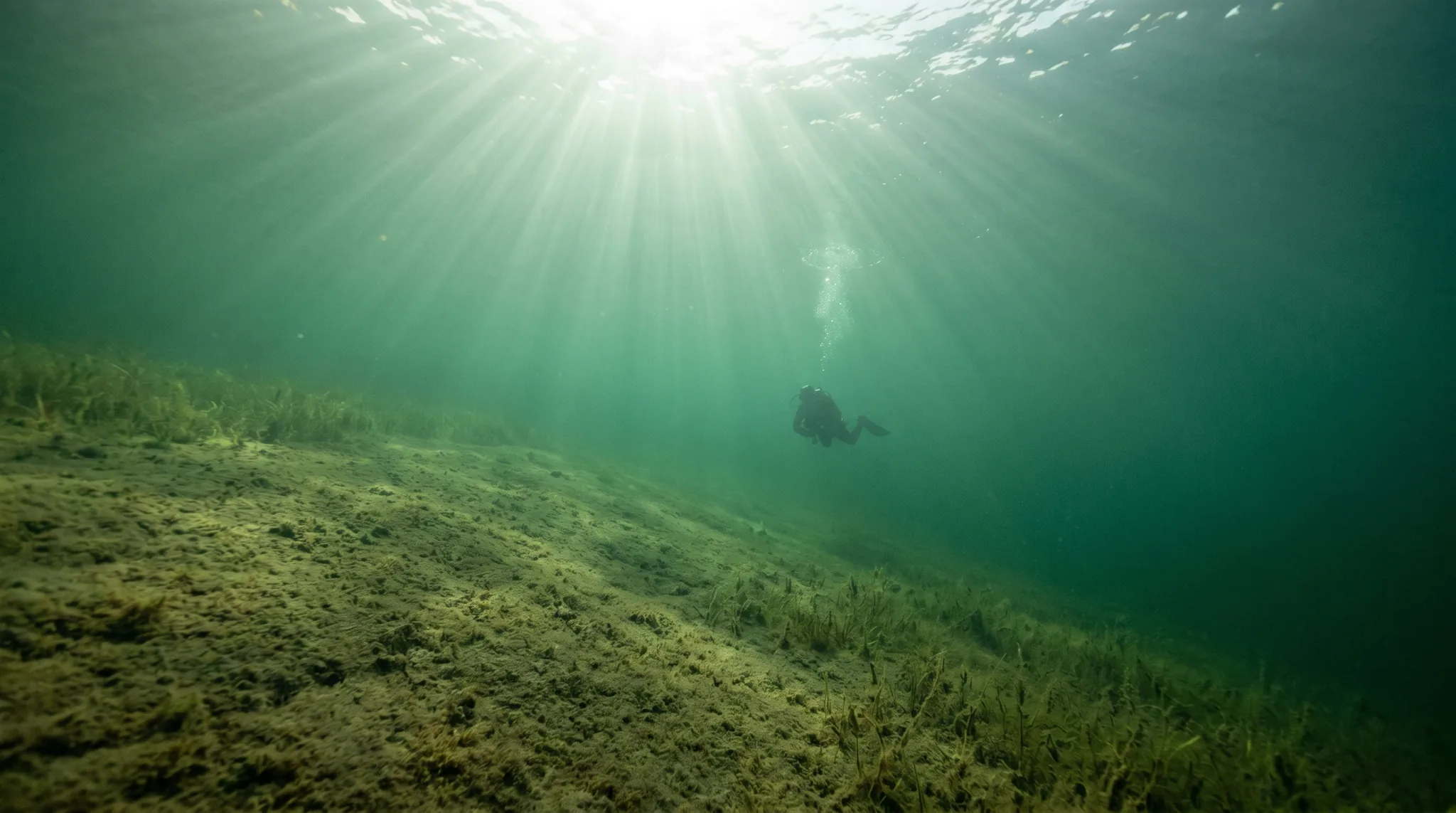
Totensee is an alpine freshwater dive site featuring a combination of natural and artificial reef structures. Located in the Maggia Valley, the site offers depths between 10 and 20 metres with an average of 10 metres. Visibility ranges from 5 to 15 metres, and the absence of currents makes it suitable for beginners. Entry is via the shore, eliminating the need for a boat. Divers should be prepared for cold water conditions, with summer temperatures between 10.0 and 15.0 °C and winter temperatures between 0.0 and 5.0 °C. A drysuit or thick thermal wetsuit is essential to manage heat loss in this high-altitude environment.
46.56192, 8.33892
Cold water is the defining challenge here regardless of the time of year, so bring a drysuit or a thick wetsuit and check your exposure protection is up to the conditions before you travel. Facilities are not guaranteed on site, so confirm locally what is available before your dive.
Located at Grimselpass. Access is possible by road during the pass season with parking available near the lake.
Recorded at this site
Depth
10-20m
Visibility
5-15m
Skill Level
Beginner
Entry
Shore
Current
None
Typical Dive
40 min
Best Time
Jun, Jul, Aug, Sep, Oct
Yes, the site is suitable for beginners due to the lack of currents and straightforward shore entry.
The site has depths ranging from 10 to 20 metres, with an average depth of 10 metres.
This is a shore entry site; no boat is required.
The primary hazard is the cold water temperature. Divers must wear appropriate thermal protection, such as a drysuit or thick wetsuit, to prevent heat loss.
Diving at Totensee in Obergesteln requires the following certifications: Drysuit, Altitude Diving Training. Always dive within your training limits.
The best months to visit Totensee in Obergesteln are June, July, August, September, and October. Conditions outside these months can still be good but are less predictable.
Visibility at Totensee in Obergesteln typically ranges from 5 metres to 15 metres. Conditions vary with weather, tides, and seasons.