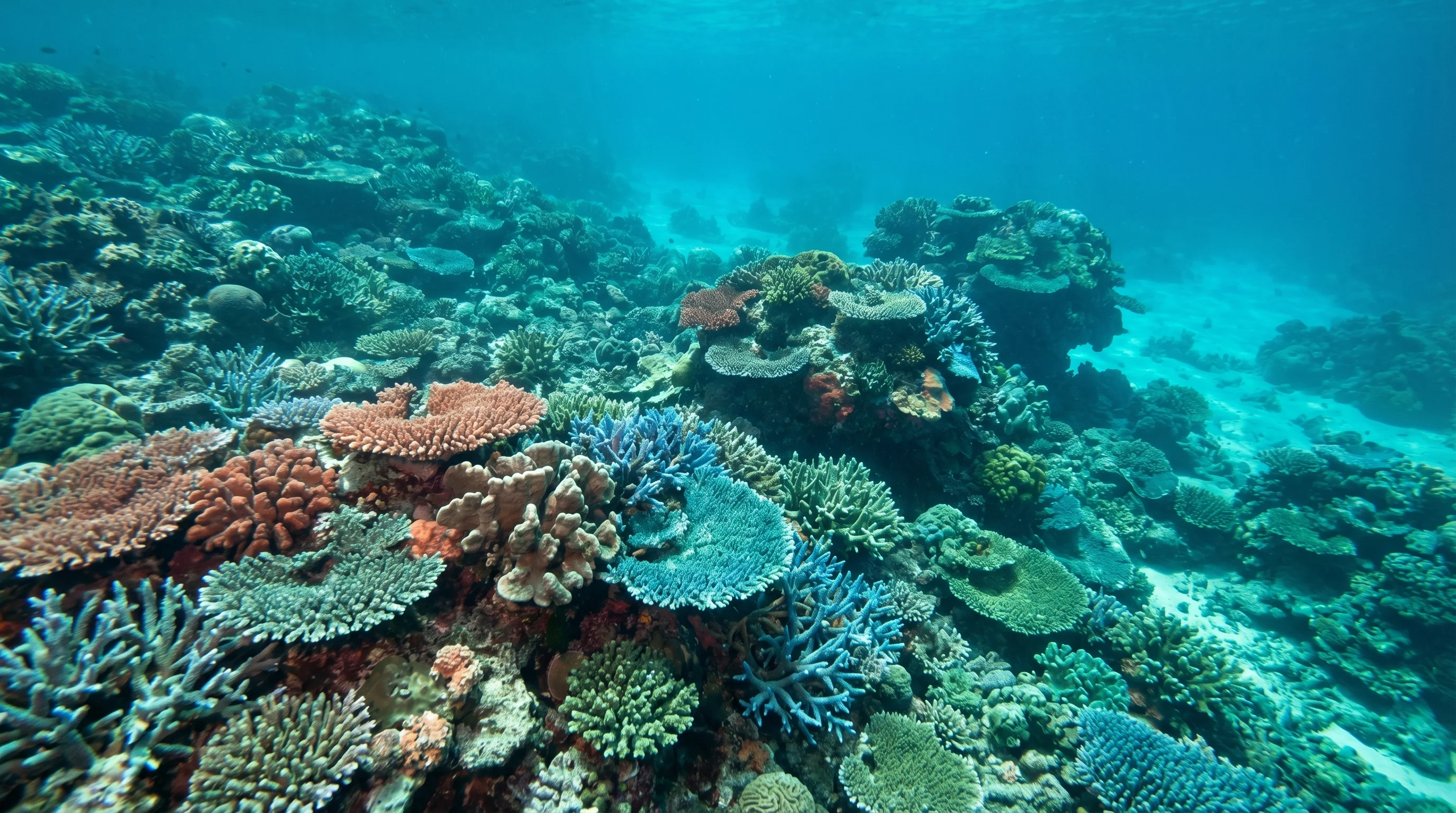
Gladden Spit is a reef dive located in the Fam Islands of Raja Ampat, Indonesia. The site features depths ranging from 15 to 25 metres, with an average depth of 20 metres. Access is strictly by boat, as the site is situated 10 kilometres from the shore. Divers can expect moderate currents, with visibility typically between 10 and 30 metres. Water temperatures remain warm throughout the year, ranging from 28 to 30 degrees Celsius. Due to the moderate current, timing dives around slack water is recommended, particularly for those with less experience. Consult with your boat operator to determine the most suitable tidal conditions for your visit.
-1.18507, 129.97015
Given the moderate current, timing your dive around slack water makes the experience considerably easier, especially if you are newer to diving. Check with your boat operator before heading out, as they will know the local tidal patterns best.
Access to Raja Ampat dive sites generally requires travel to Sorong, followed by boat transfers to resorts or liveaboards.
Recorded at this site
Depth
15-25m
Visibility
10-30m
Entry
Boat
Boat required
Water Temp
28-30°C
Current
Moderate
Best Time
Jan, Feb, Mar, Apr, Oct, Nov, Dec
Yes, the site is suitable for beginner divers, though the presence of moderate currents means timing your dive around slack water is recommended for a more manageable experience.
The site reaches depths of 15 to 25 metres, with an average depth of 20 metres.
Gladden Spit is located 10 kilometres from the shore and requires a boat for access.
Water temperatures at the site range from 28 to 30 degrees Celsius throughout the year.
A rashguard or 2mm shorty is recommended for diving at Gladden Spit in Raja Ampat. Water temperatures range from 28°C to 30°C.
The best months to visit Gladden Spit in Raja Ampat are January, February, March, April, October, November, and December. Conditions outside these months can still be good but are less predictable.
Divers at Gladden Spit in Raja Ampat should be aware of sharks. These encounters are generally rare and avoidable with proper awareness. Follow local safety guidance and maintain a respectful distance from all marine life.