Best for intermediate divers, 20-40m, shore entry, strong current.
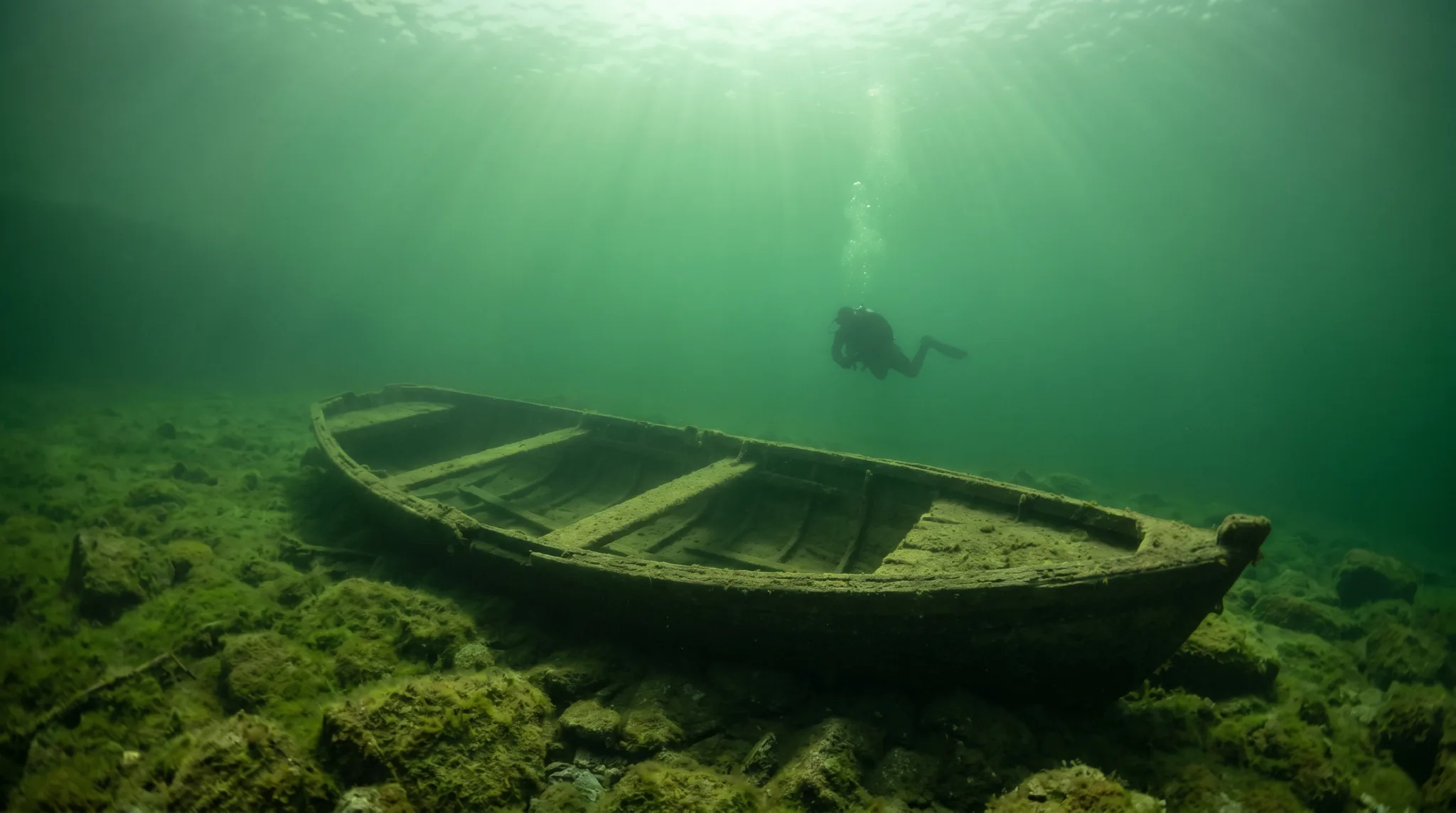
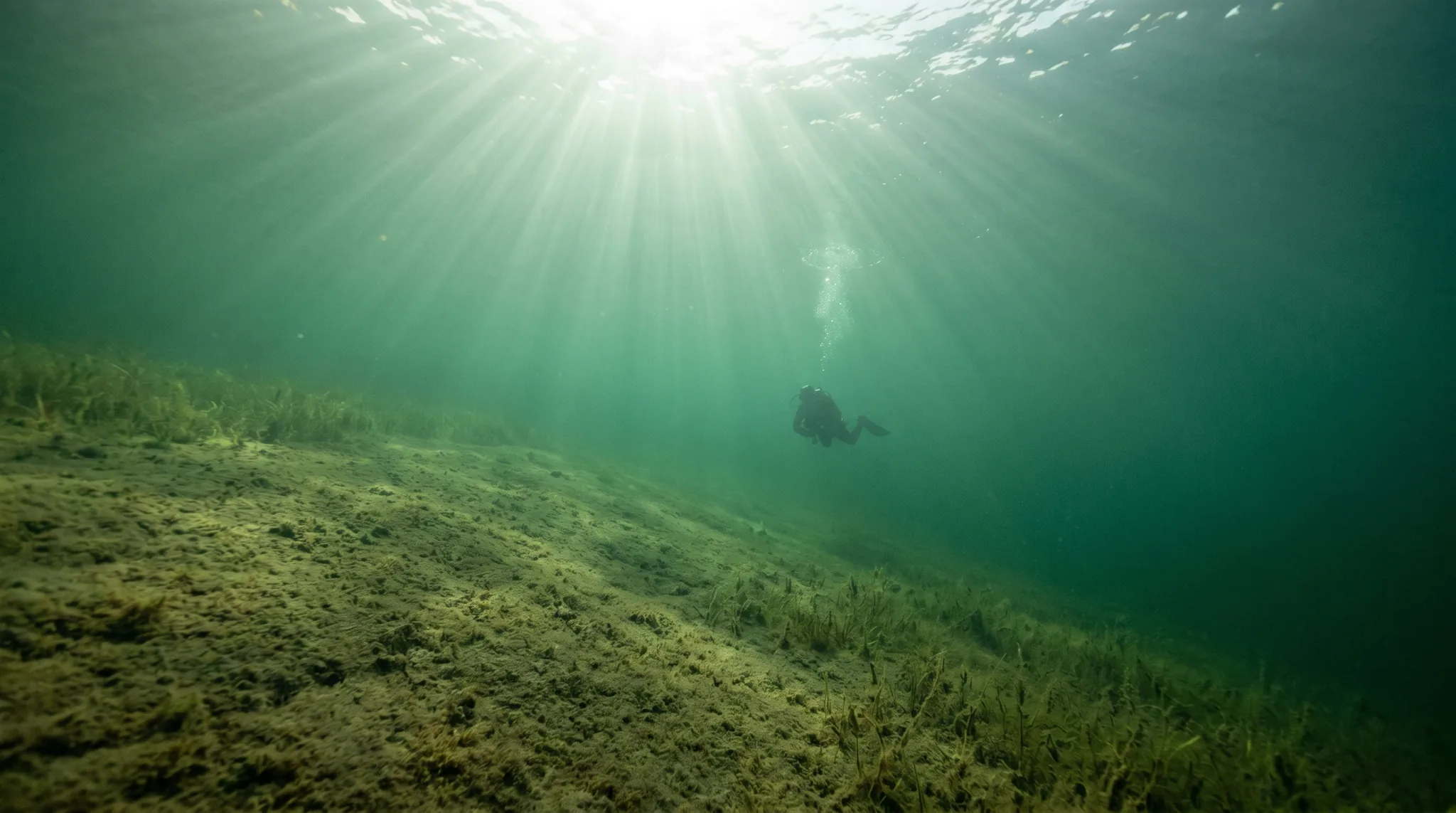
Oker-Stausee is a reservoir dive site in Germany featuring artificial reef structures at depths ranging from 20 to 40 metres. This site is suited for intermediate divers due to strong currents, cold water temperatures, and potential overhead environments. Visibility typically ranges between 5 and 10 metres. Divers should be prepared for cold water conditions year-round, making drysuits and redundant lighting essential. The site is accessed via a shore entry where parking is available. Divers can expect to encounter typical temperate freshwater fish and invertebrates associated with this habitat, though specific sightings are not guaranteed. Careful monitoring of bottom time and buoyancy is required given the significant depth and current flow.
51.83417, 10.46028
Diving must be registered in advance and is only possible for divers from certain specified federal states.
Access info coming soon
Expected in this region. No sightings logged here yet.
Depth
20-40m
Visibility
5-10m
Skill Level
Intermediate
Entry
Shore
Current
Strong
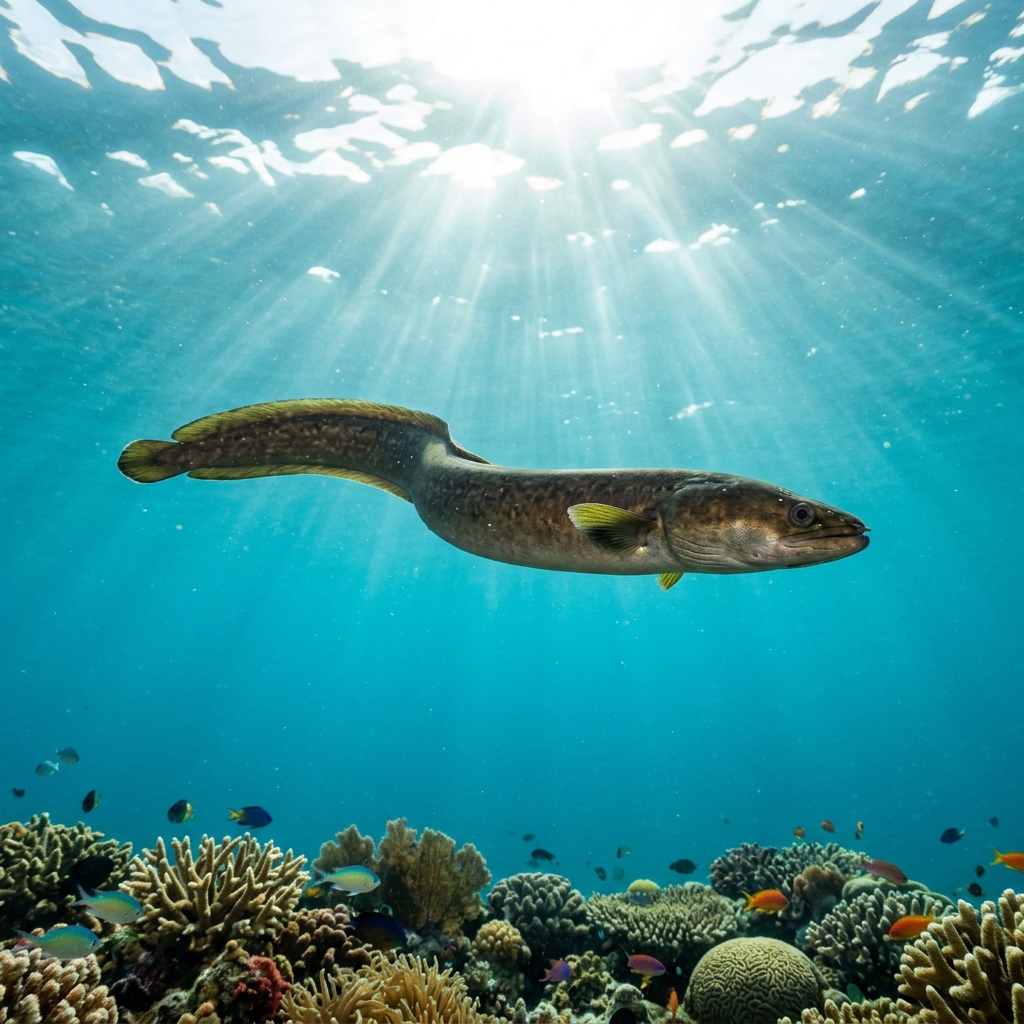
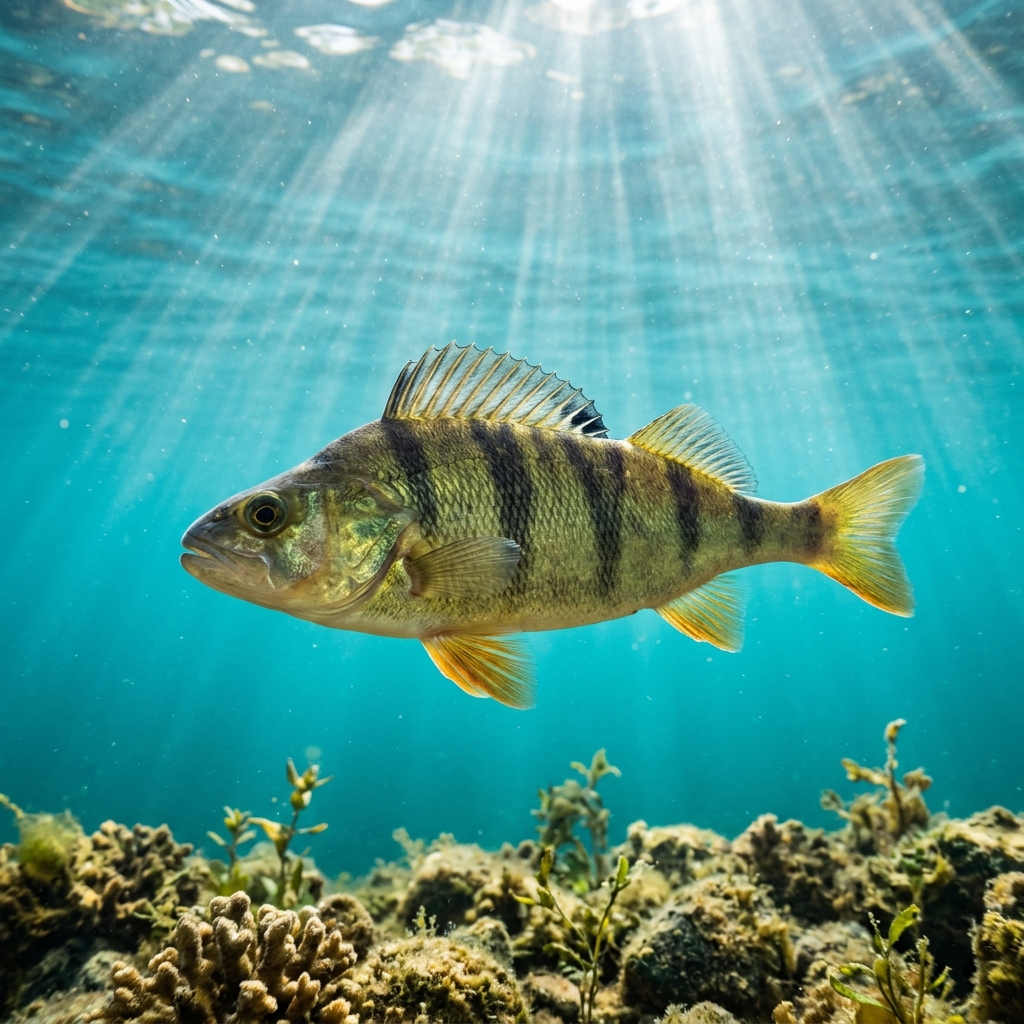
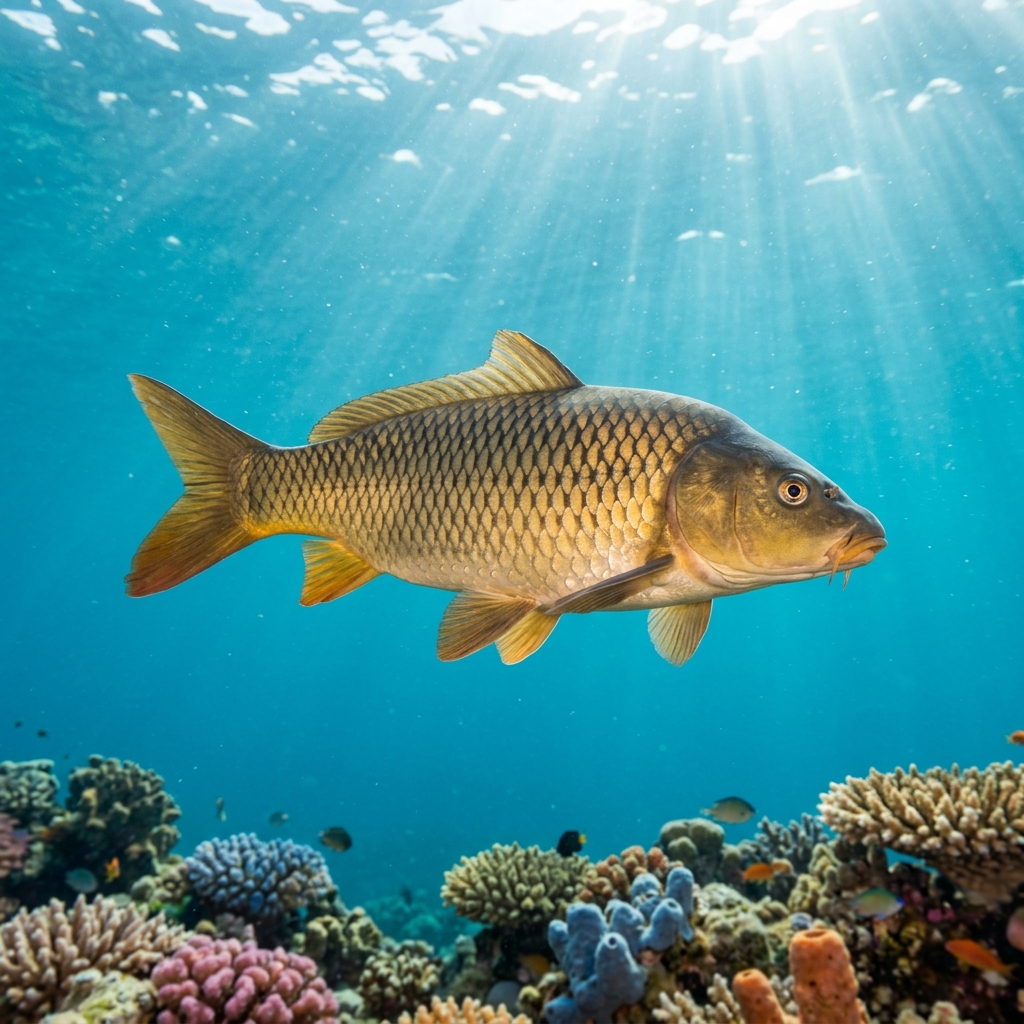
The site supports a variety of temperate freshwater fish and invertebrates typical of the region, including various species of perch, pike, carp, and eel.
No, this site is intended for intermediate divers due to the significant depth, strong currents, and potential overhead environments.
The site features depths ranging from 20 to 40 metres, with an average depth of 30 metres.
Access to the water is via a shore entry, with parking available on site.
Primary hazards include cold water, significant depth, low visibility, strong currents, and potential overhead environments.
Diving at Oker-Stausee in Schulenberg requires the following certifications: Open Water, Advanced. Always dive within your training limits.
Oker-Stausee in Schulenberg can have strong currents. Advanced experience with drift diving and current navigation is recommended.
Visibility at Oker-Stausee in Schulenberg typically ranges from 5 metres to 10 metres. Conditions vary with weather, tides, and seasons.