Best for beginner divers, 1-3m, shore entry, mild current.
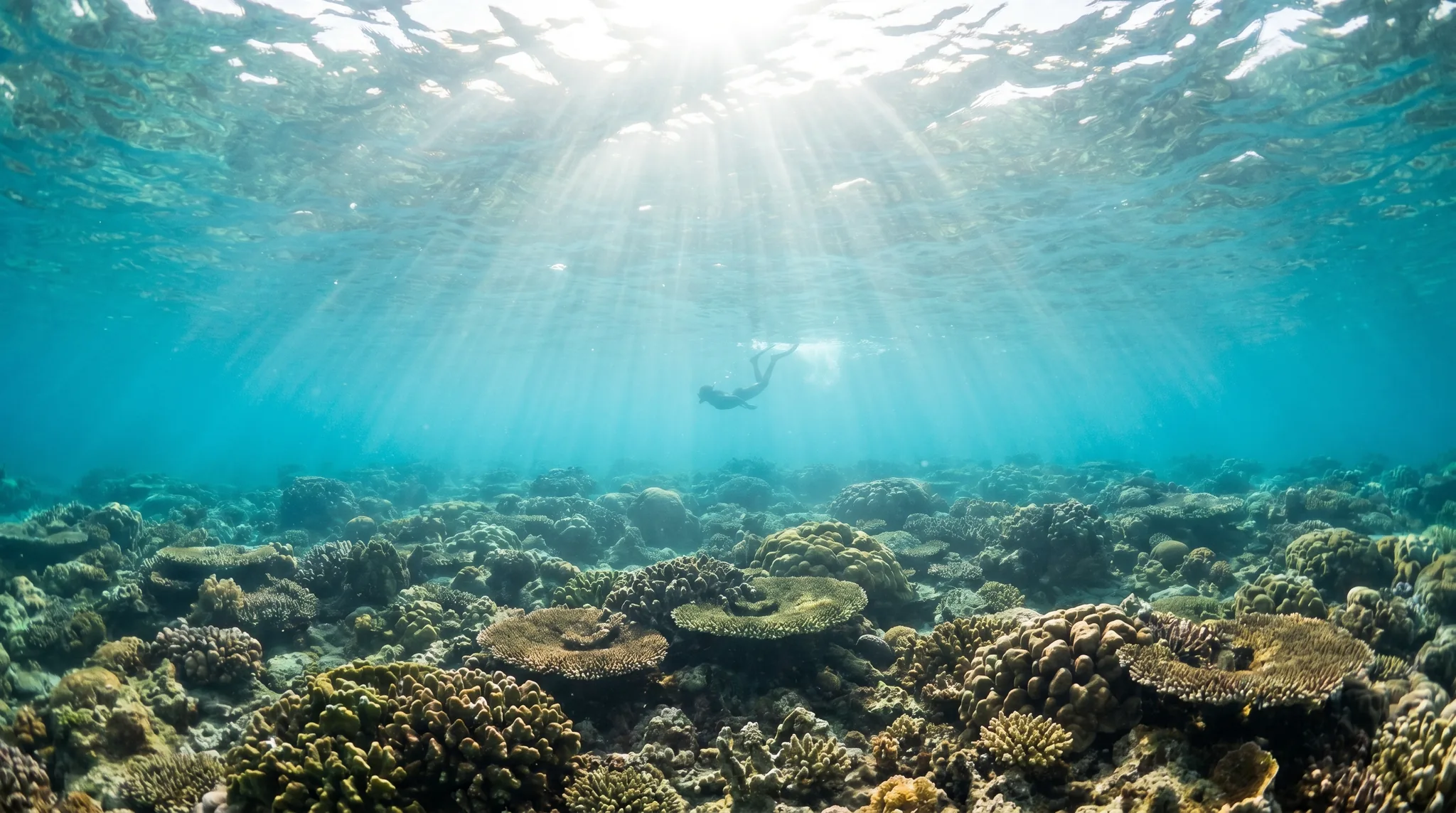
Teahatea is a shallow reef site located on the western side of the Fakarava atoll. Known as a lagoon within a lagoon, this site features turquoise water with an average depth of two metres, ranging between one and three metres. It is well-suited for beginners and families. Access to the site requires a boat, though the entry point is from the shore. Conditions are generally mild, with water temperatures ranging from 27C to 29C throughout the year. Snorkellers should be aware of the presence of sharks in the area. The habitat supports a variety of reef fish and invertebrates typical of the region.
-15.83890, -145.78610
Guides teach divers to use natural rock outcrops or dead coral heads as temporary braces in strong currents instead of using gloves.
Outings to the South Pass require a boat trip of 1 hour to 1 hour 30 minutes from the North Pass.
Recorded at this site
Depth
Up to 3m
Skill Level
Beginner
Entry
Shore
Boat required
Water Temp
27-29°C
Current
Mild
Typical Dive
60 min
Best Time
May, Jun, Jul, Aug, Sep, Oct
Yes, Teahatea is a reef site with a snorkel rating of 4/5, making it suitable for beginners.
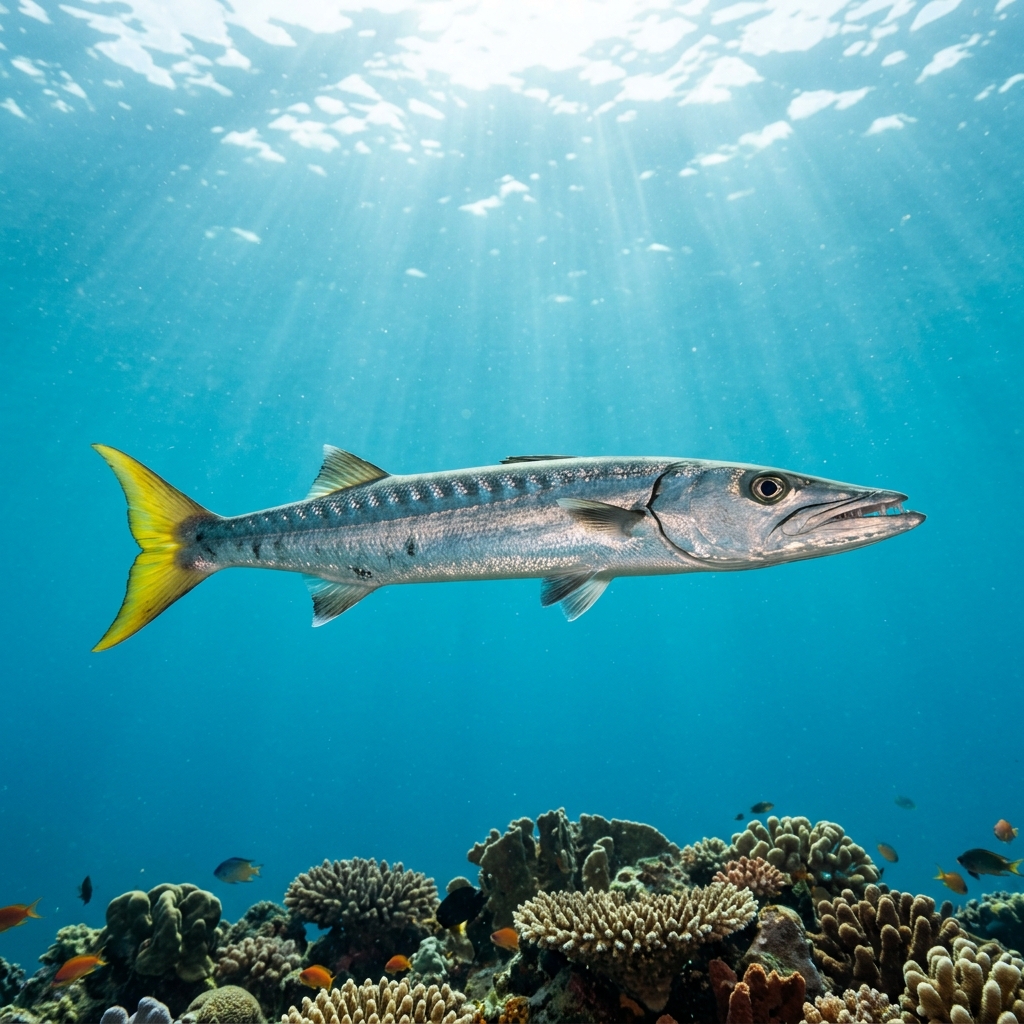
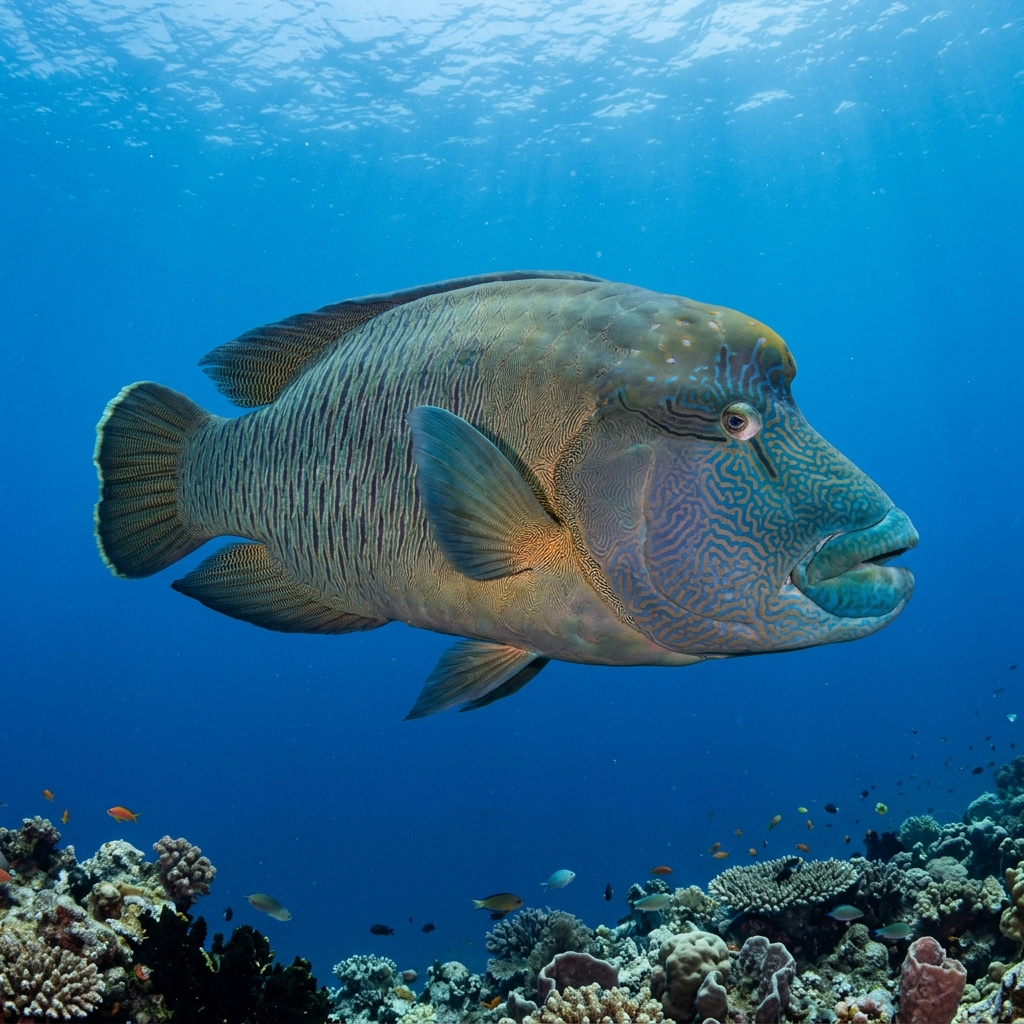
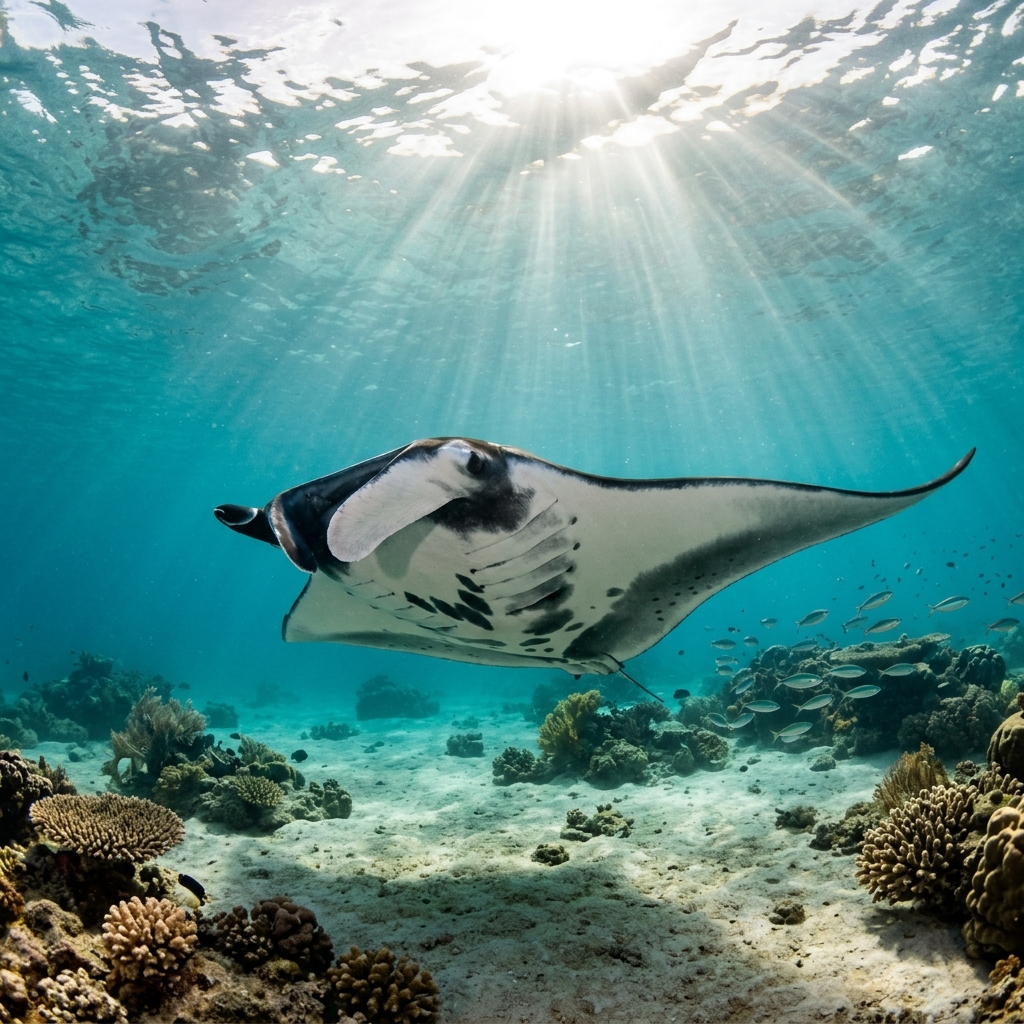
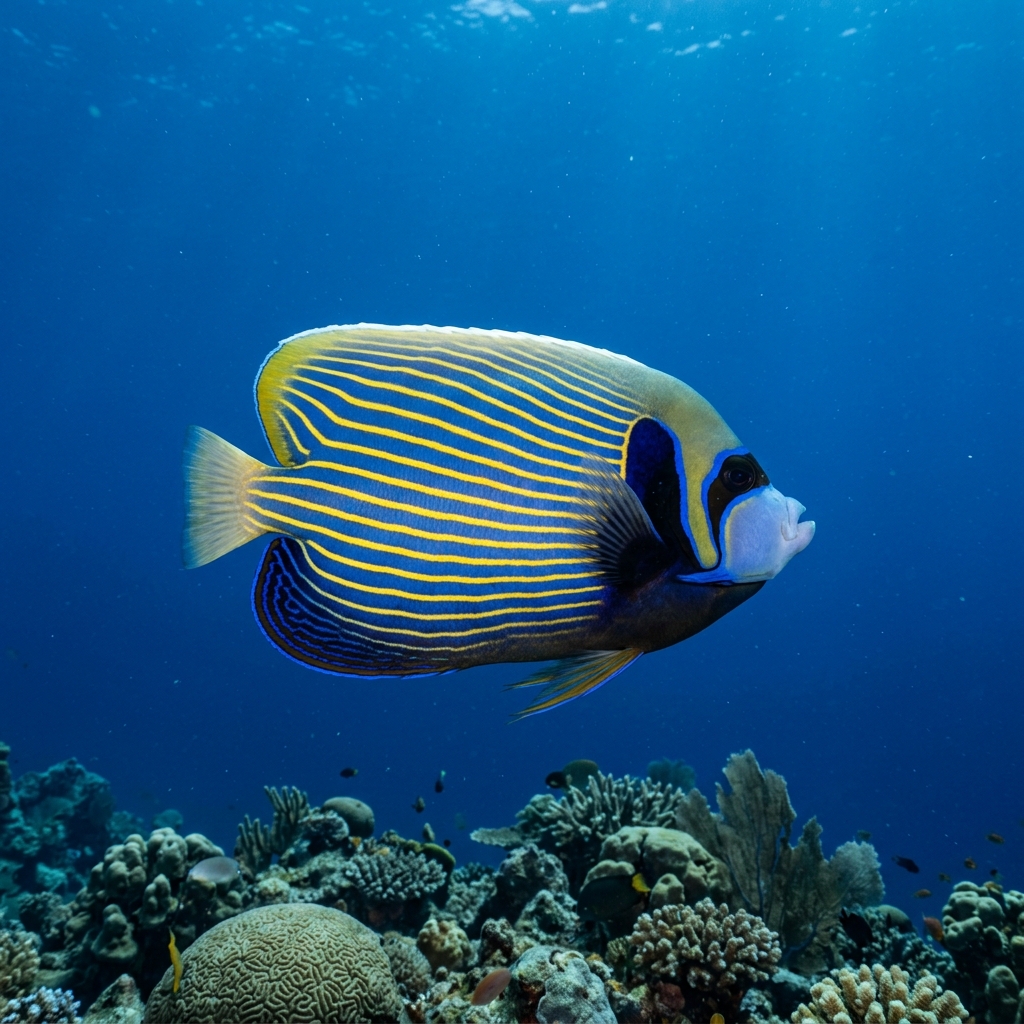
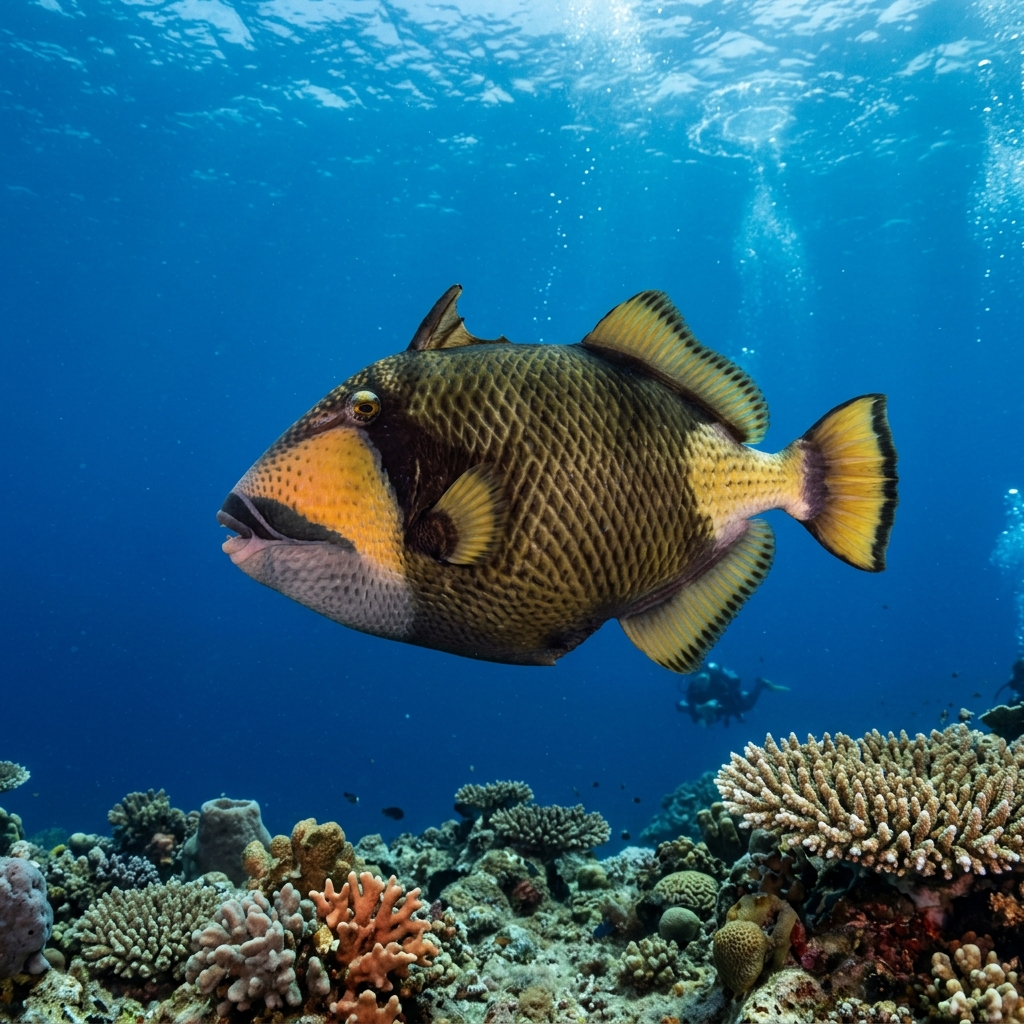
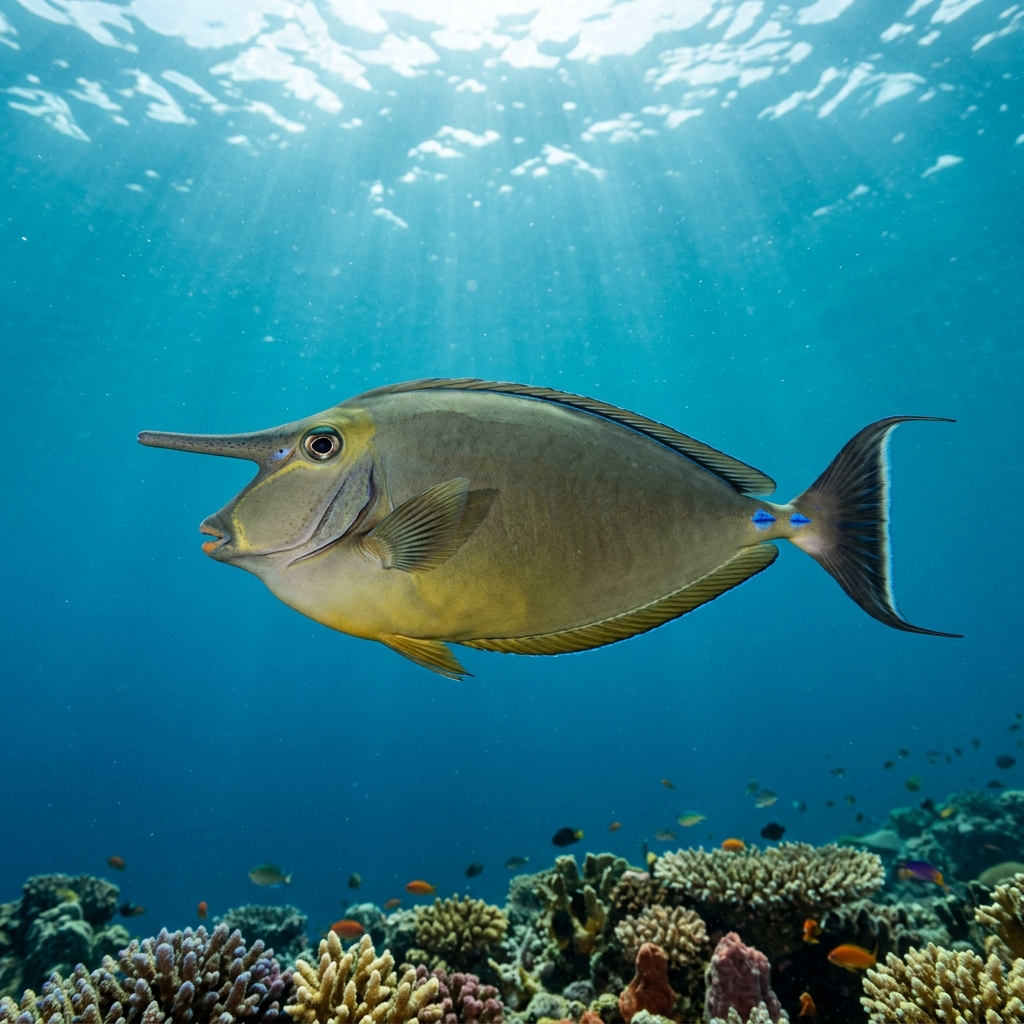
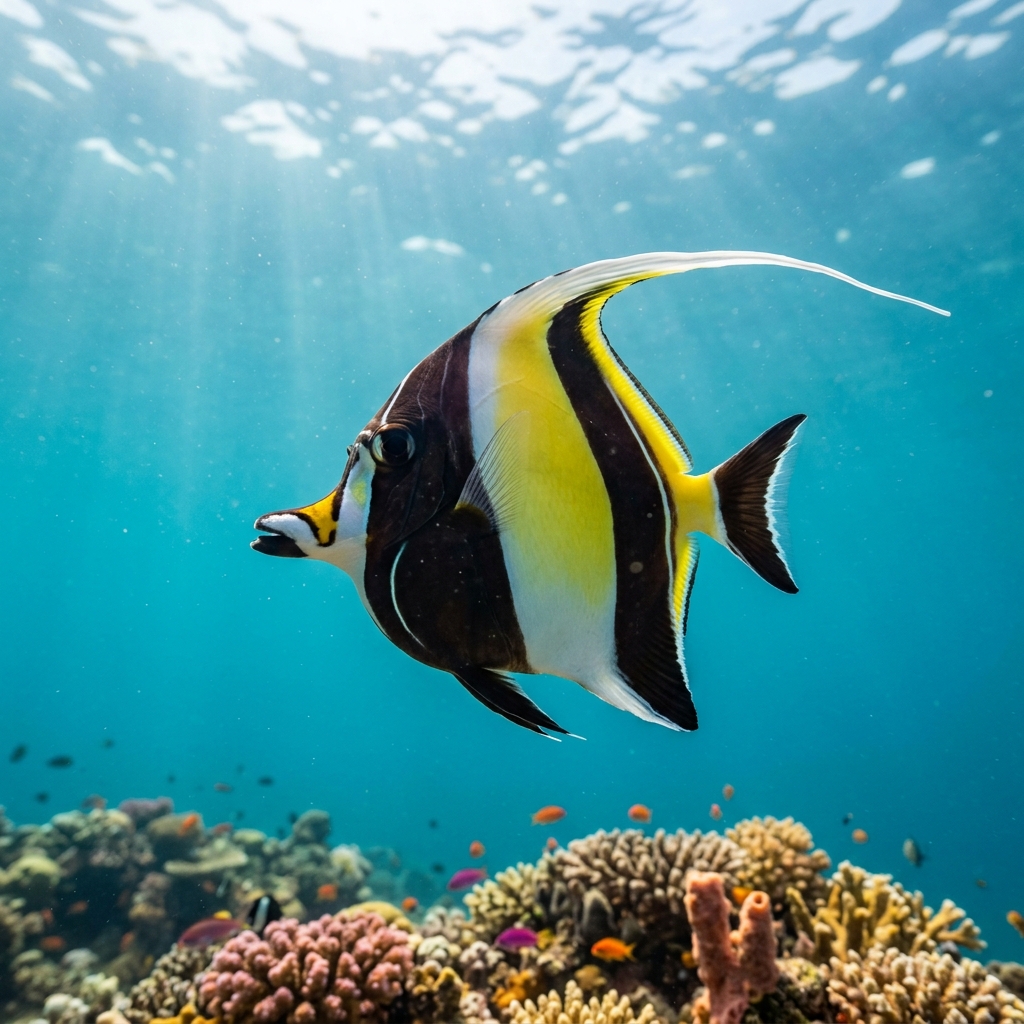
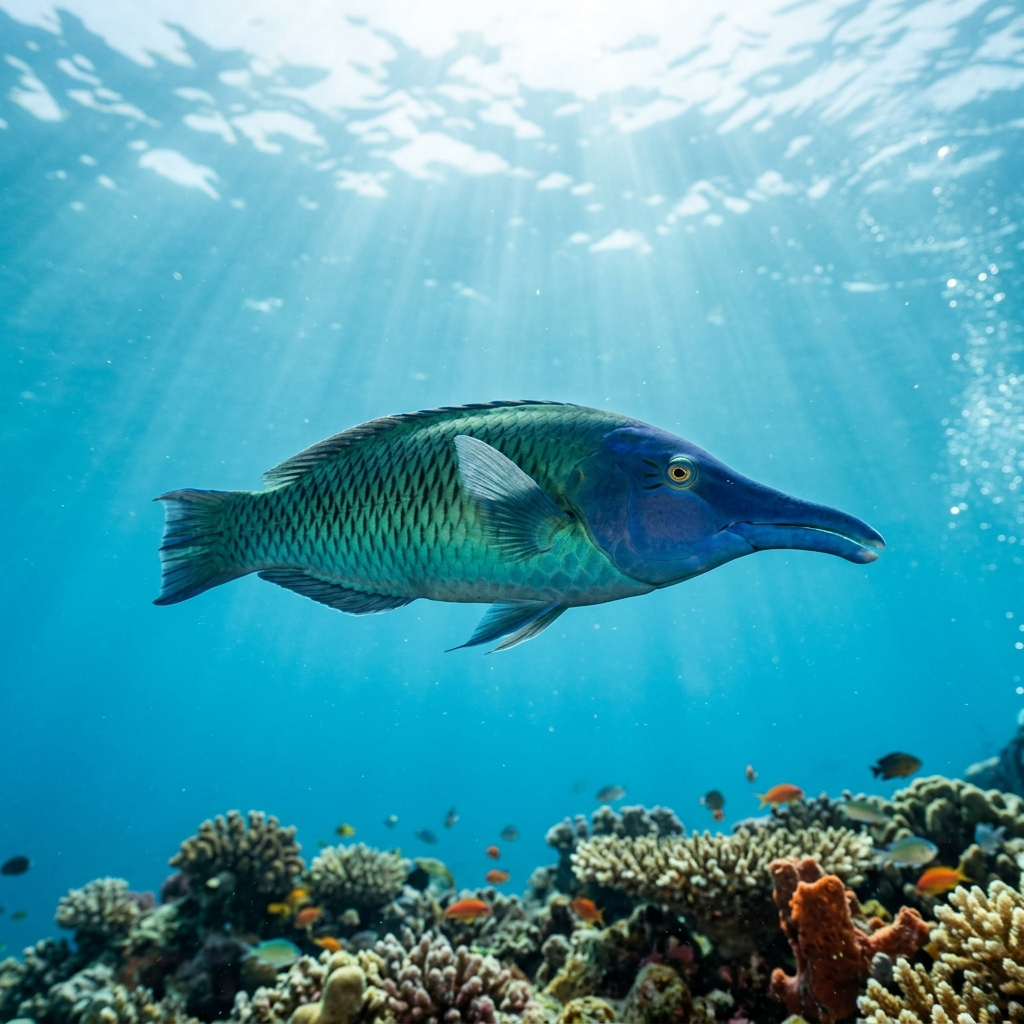
The site supports a variety of reef fish and invertebrates typical of the region's habitat.
The depth at this site ranges from 1 to 3 metres, with an average depth of 2 metres.
Yes, the shallow, mild conditions make this site appropriate for beginners.
Access to Teahatea requires a boat, although the site is entered from the shore.
Snorkellers should be aware that sharks are present at this location.
Diving at Teahatea in Fakarava requires the following certifications: Advanced Open Water. Always dive within your training limits.
A rashguard or 2mm shorty is recommended for diving at Teahatea in Fakarava. Water temperatures range from 27°C to 29°C.
The best months to visit Teahatea in Fakarava are May, June, July, August, September, and October. Conditions outside these months can still be good but are less predictable.
Teahatea in Fakarava typically has mild currents that most divers can handle comfortably.