Best for intermediate divers, shore entry, moderate current.
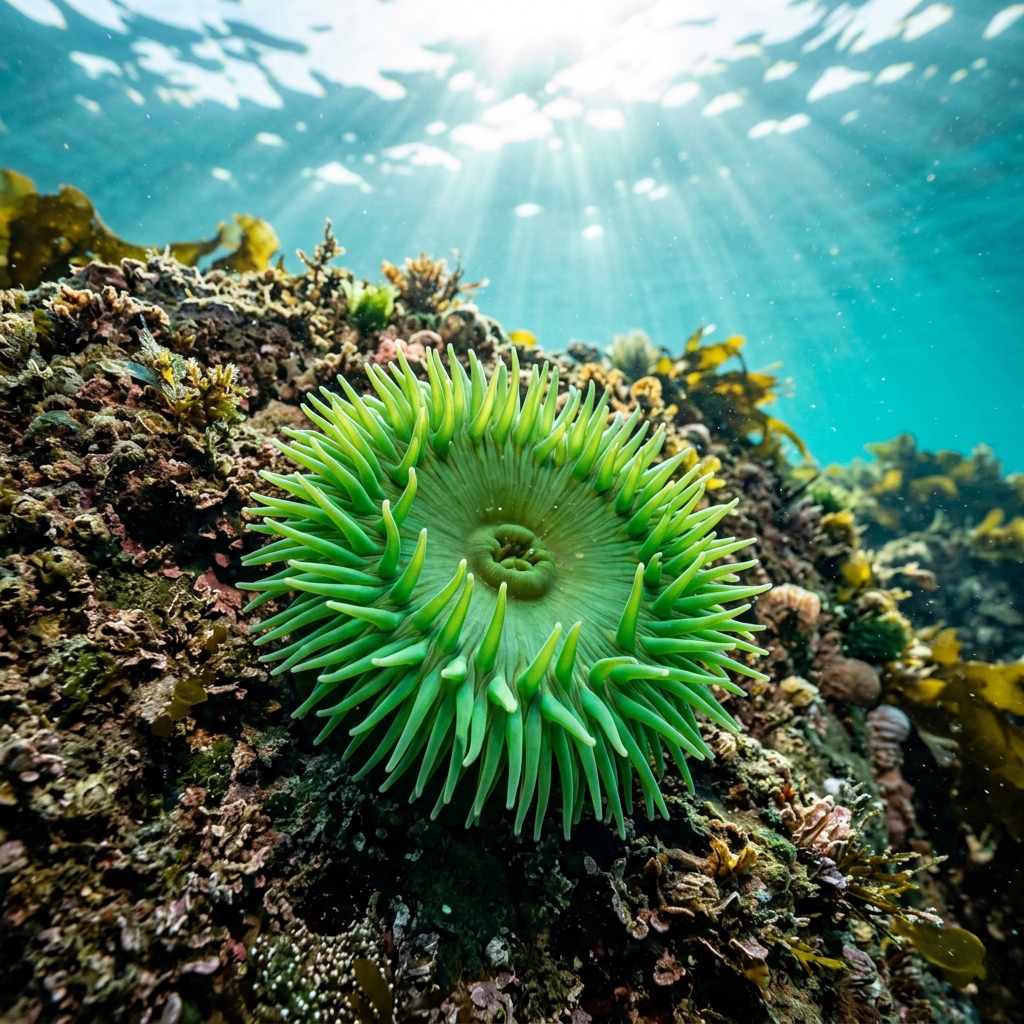
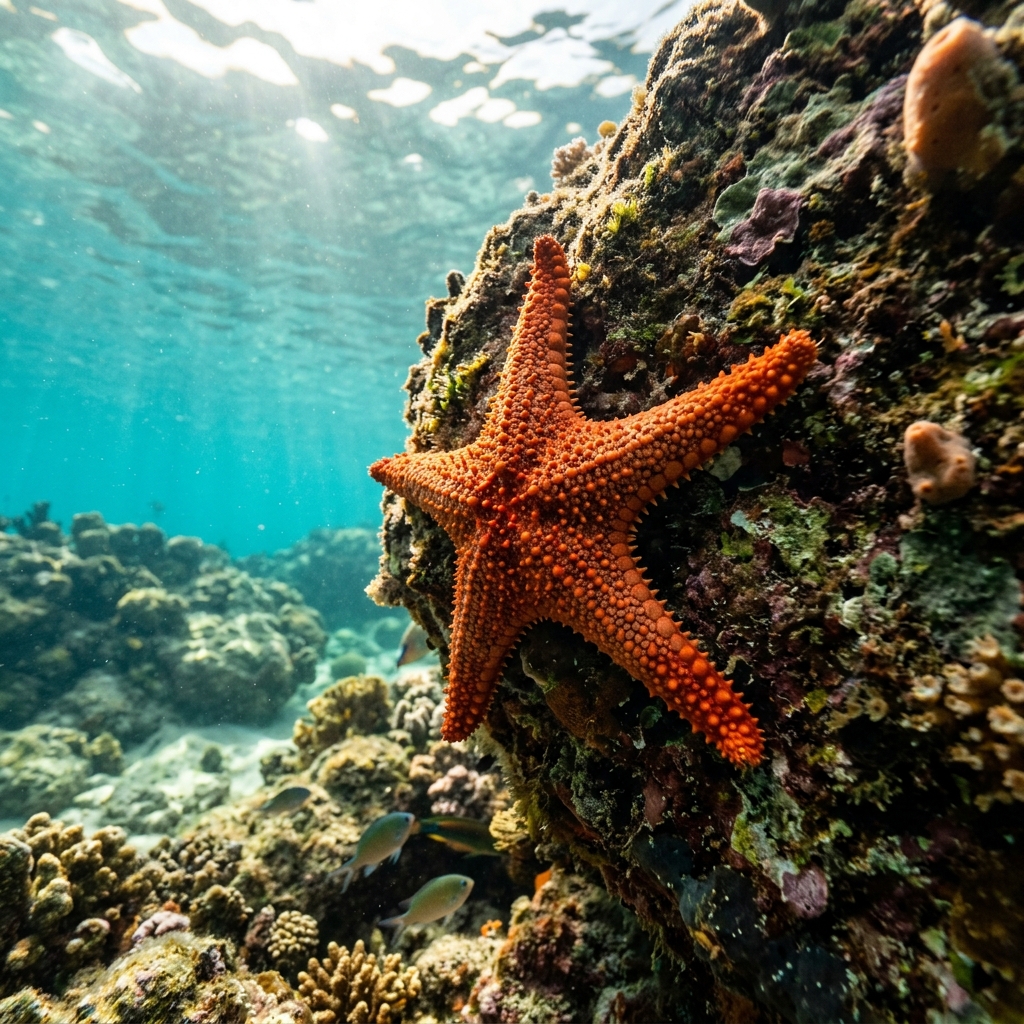
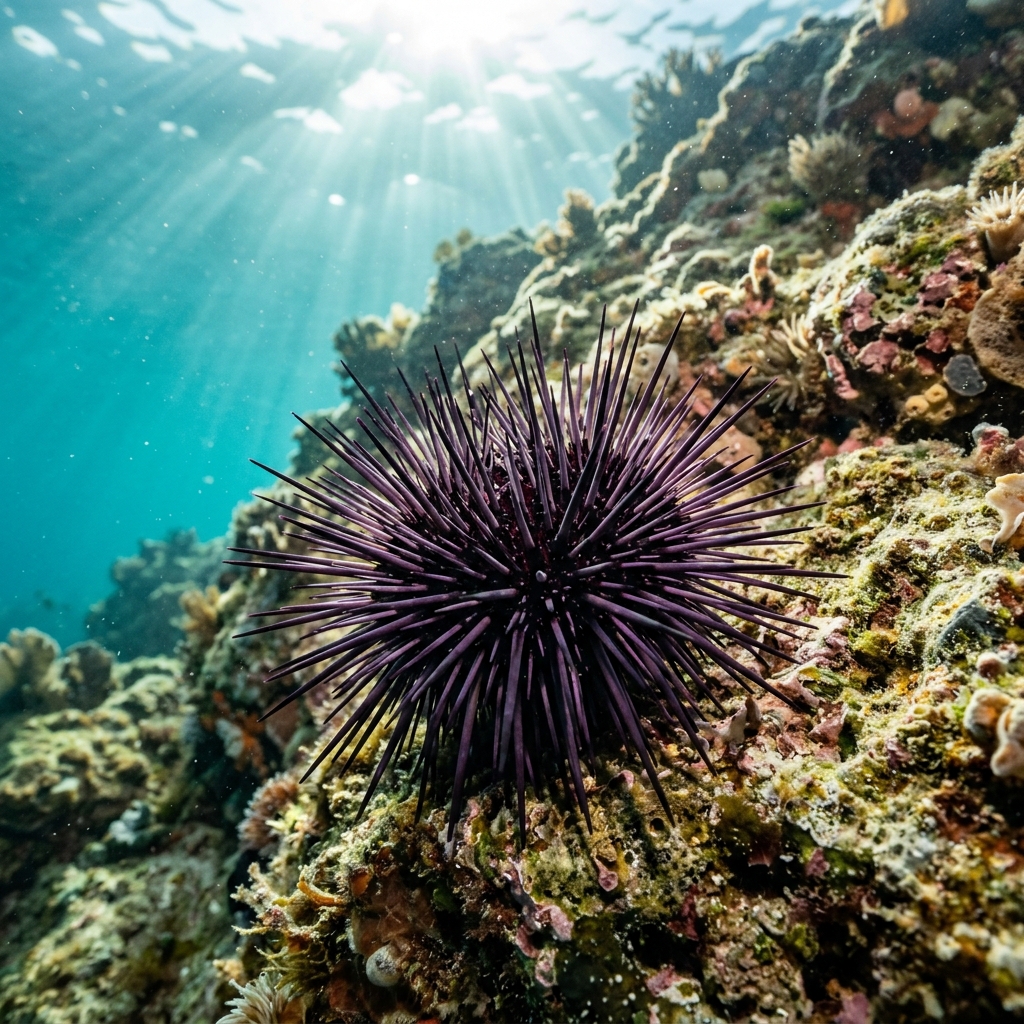
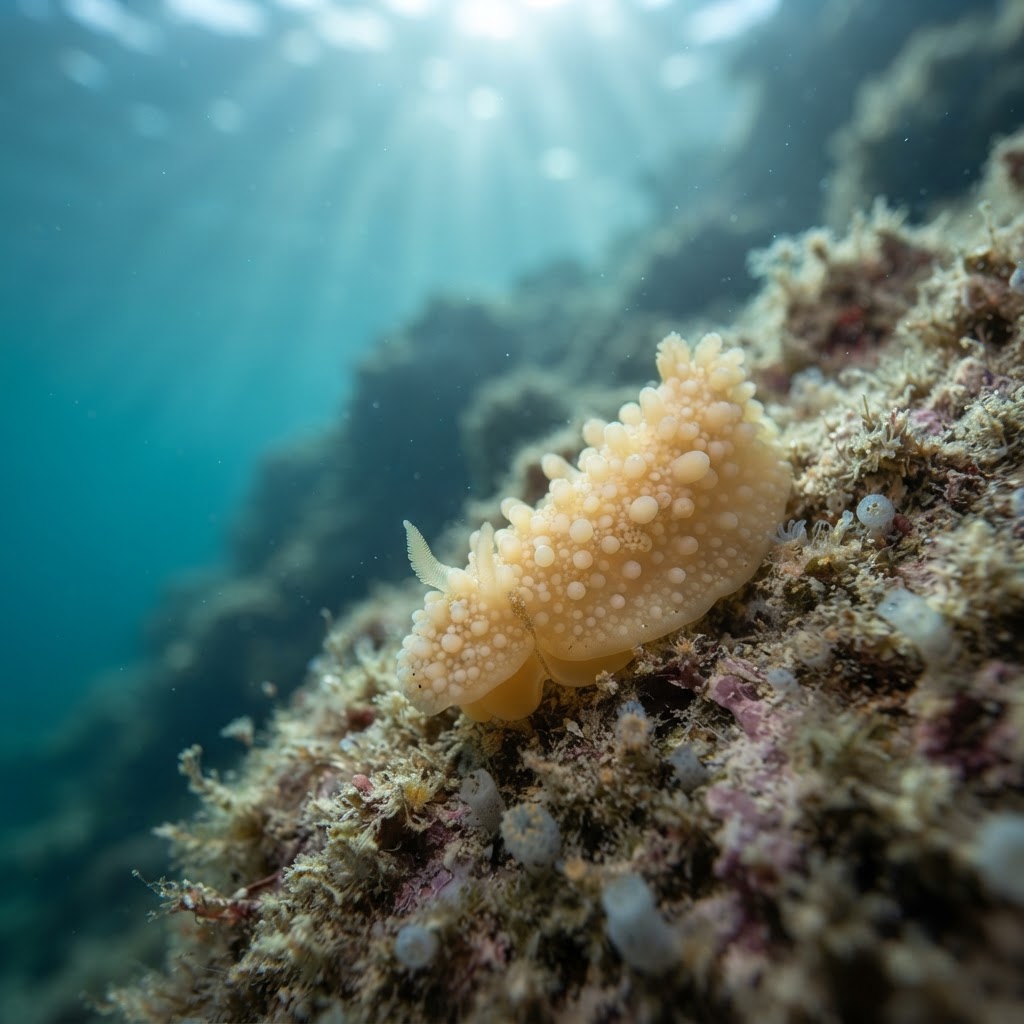
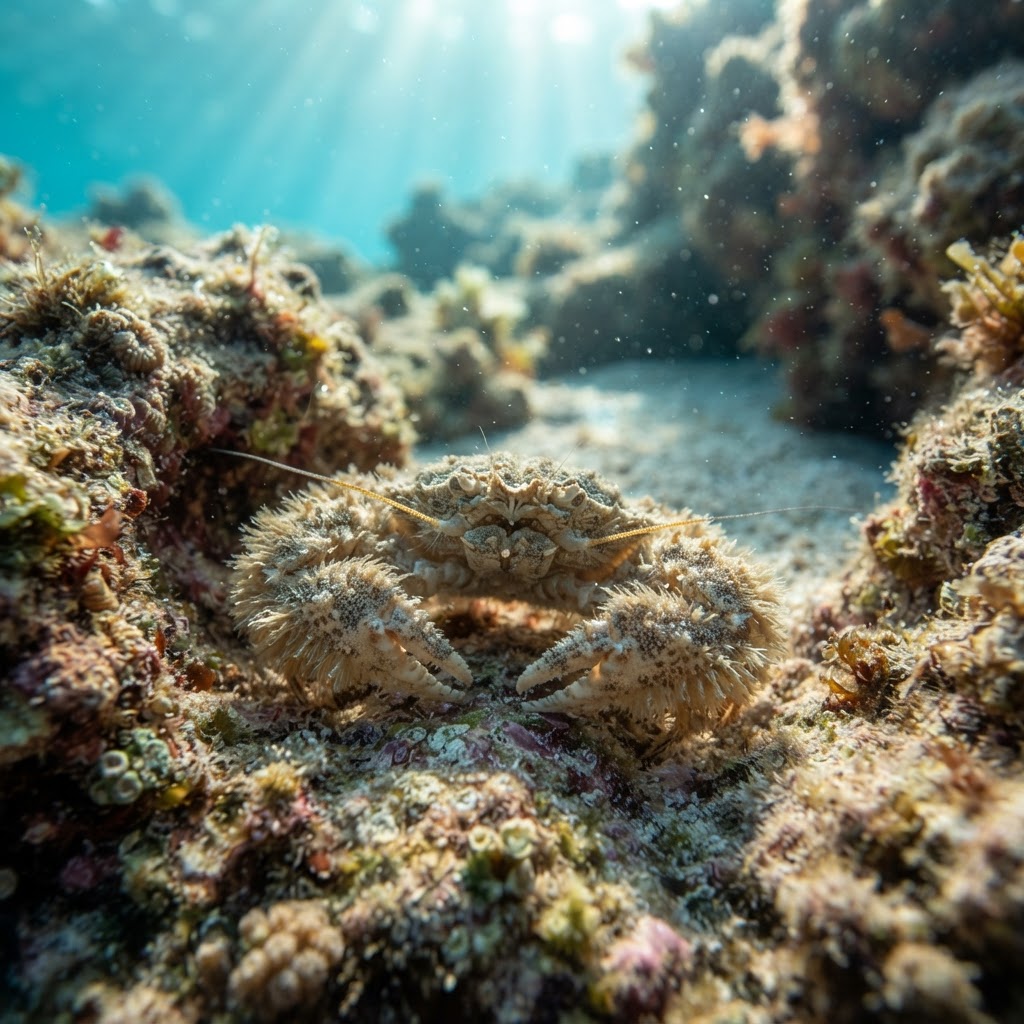
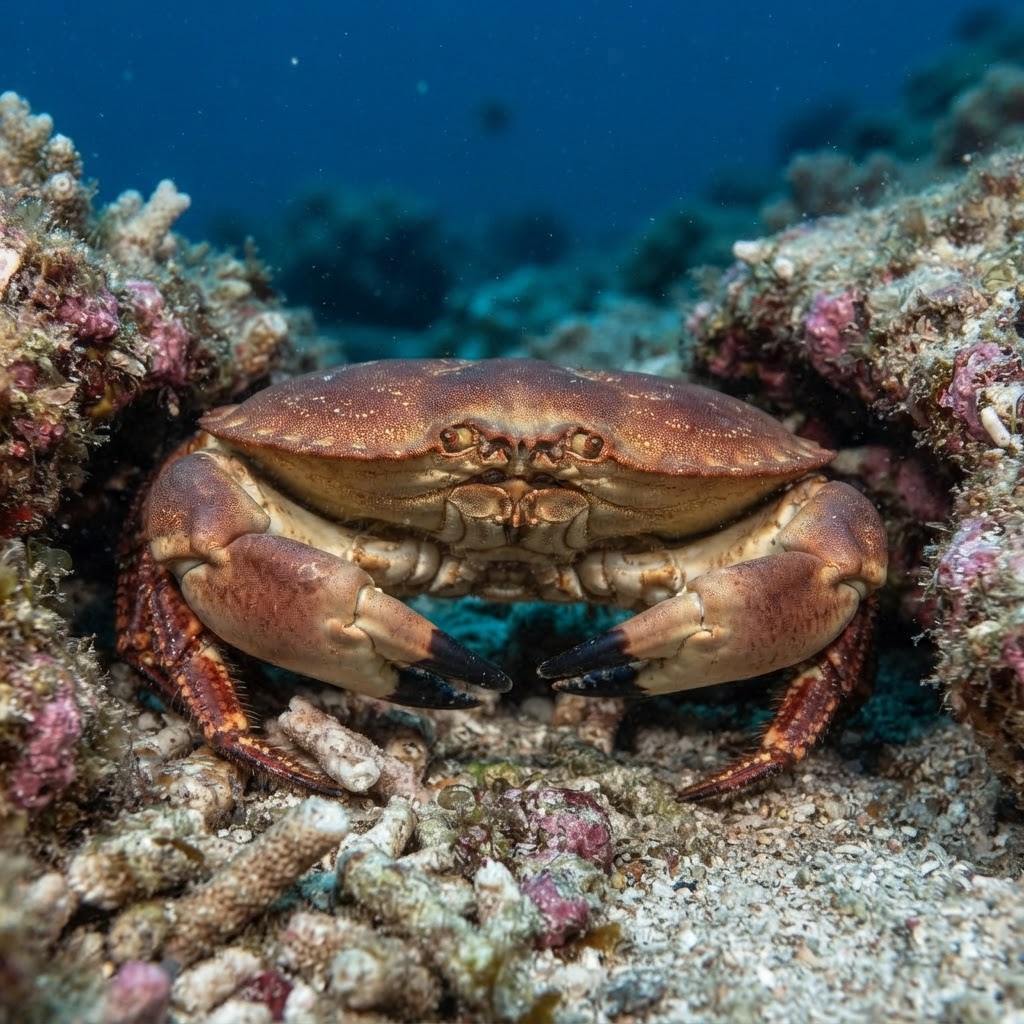
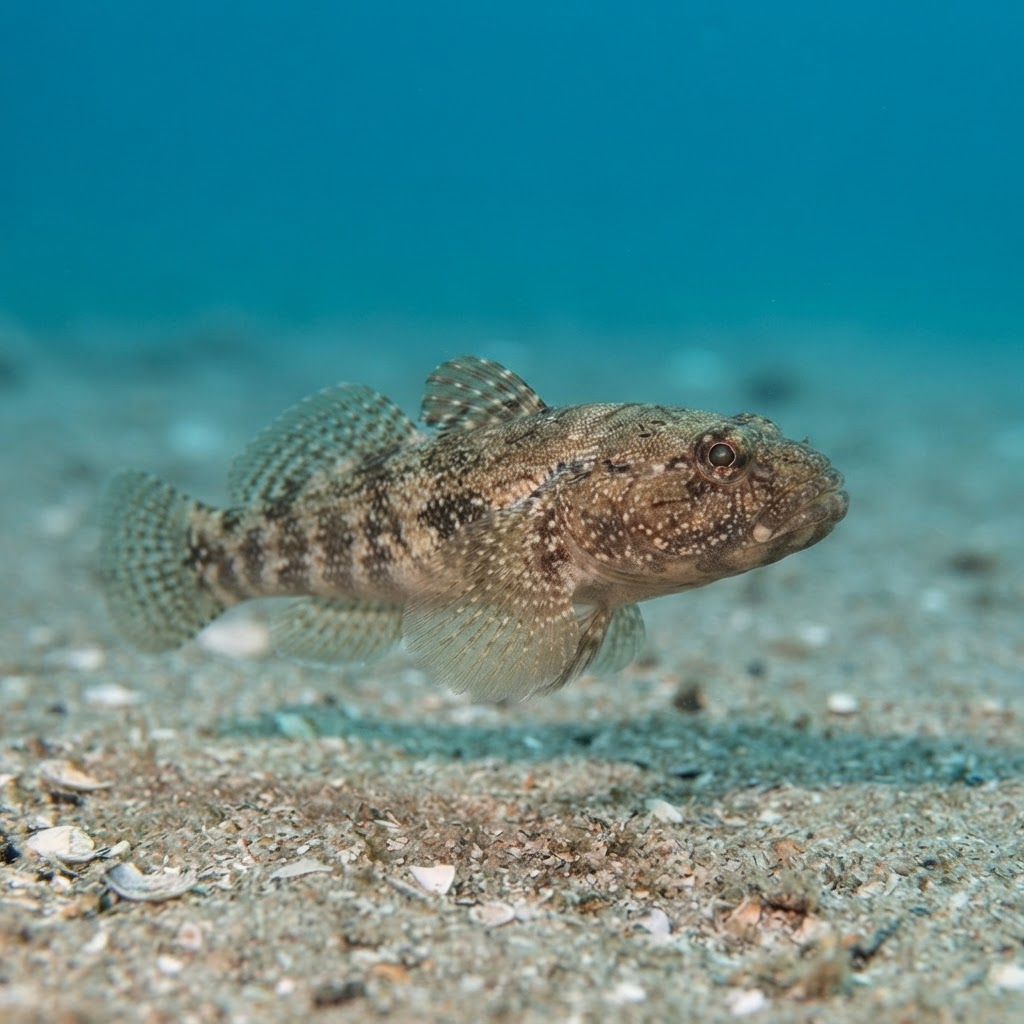
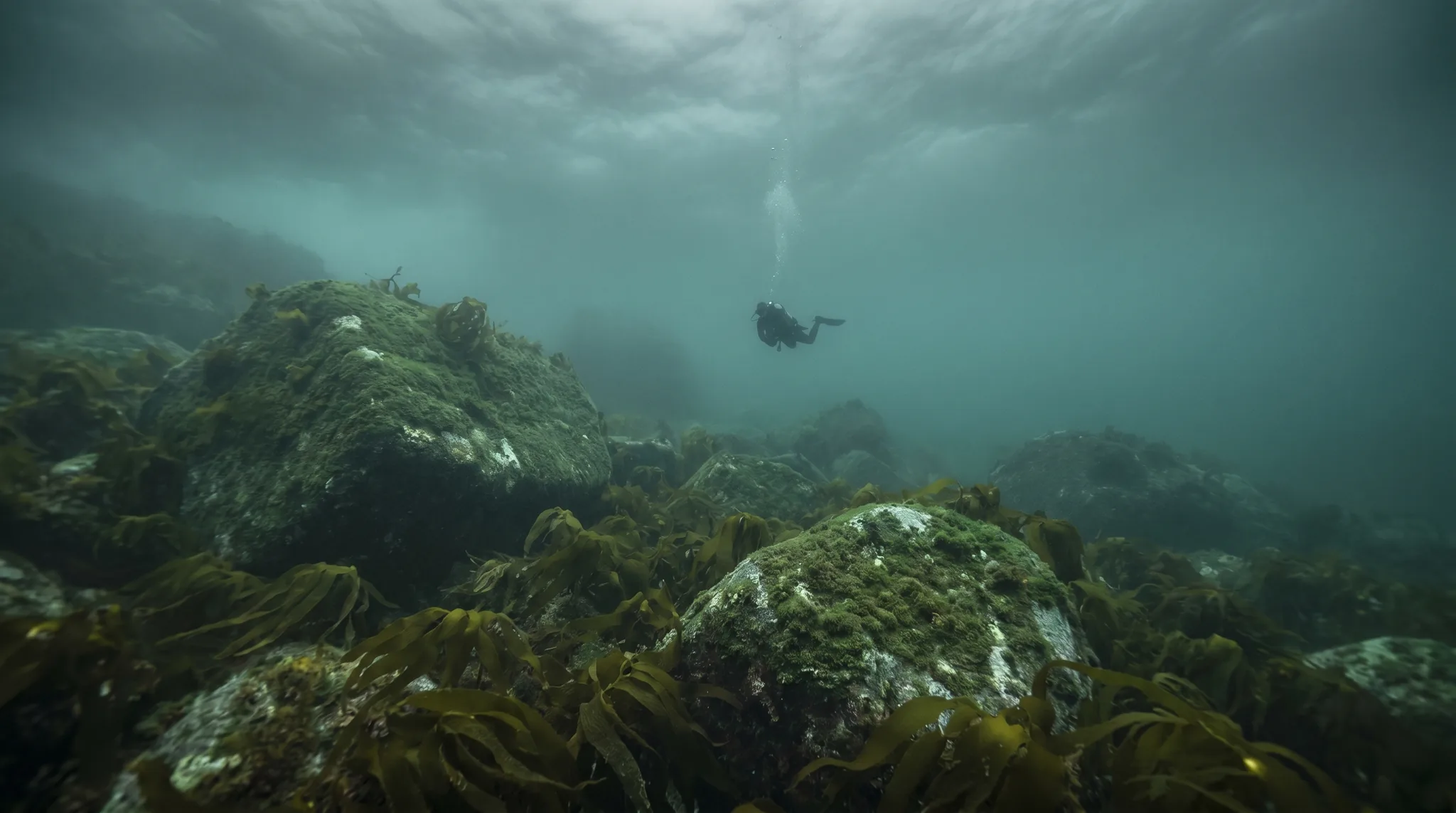
Pointe de Pierre Plate in the Morbihan Islands offers a rugged coastal environment featuring rocky reefs and underwater caves. This shore-entry site is suited for intermediate snorkelers who can navigate moderate currents. Visibility typically ranges from 3 to 10 metres, and water temperatures remain cold throughout the year, fluctuating between 9C and 19C. Snorkelers should be aware of potential hazards including entanglement, sharp reef structures, and surf. Species recorded around this area include various crabs, sea stars, shrimp, and occasional jellyfish. Facilities at the site include parking and toilets, supporting a typical 45-minute session.
47.27050, -2.44550
Local tips coming soon
Access info coming soon
Recorded nearby, within 20km
Visibility
3-10m
Skill Level
Intermediate
Entry
Shore
Water Temp
9-19°C
Current
Moderate
Typical Dive
45 min
Yes, this site is rated 4/5 for snorkeling and features rocky reefs and underwater caves accessible from the shore.
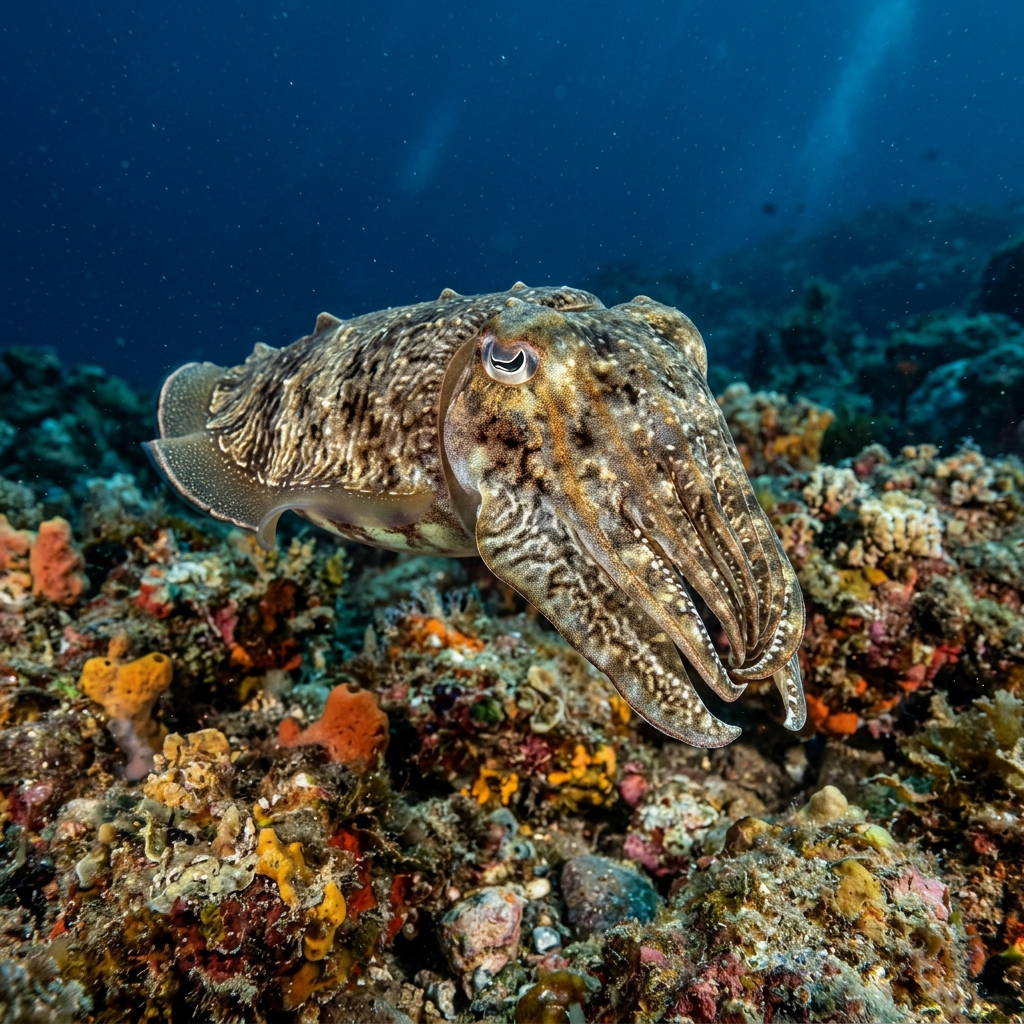
Species recorded around this area include European common cuttlefish, various crabs, sea stars, shrimp, and sea slugs.
No, this site is intended for intermediate snorkelers due to the presence of moderate currents and potential hazards like surf and sharp reef structures.
Yes, Pointe de Pierre Plate is a shore-entry site with parking and toilet facilities available nearby.
A drysuit recommended is recommended for diving at Pointe de Pierre Plate in Batz-sur-Mer. Water temperatures range from 9°C to 19°C.
Pointe de Pierre Plate in Batz-sur-Mer is excellent for snorkelling with a rating of 4 out of 5.
A typical dive at Pointe de Pierre Plate in Batz-sur-Mer lasts approximately 45 minutes. Actual dive time depends on depth, air consumption, and conditions.
Expect moderate currents at Pointe de Pierre Plate in Batz-sur-Mer. Good buoyancy control and some drift diving experience is helpful.
Visibility at Pointe de Pierre Plate in Batz-sur-Mer typically ranges from 3 metres to 10 metres. Conditions vary with weather, tides, and seasons.