Best for beginner divers, 8-11m, boat entry, mild current.
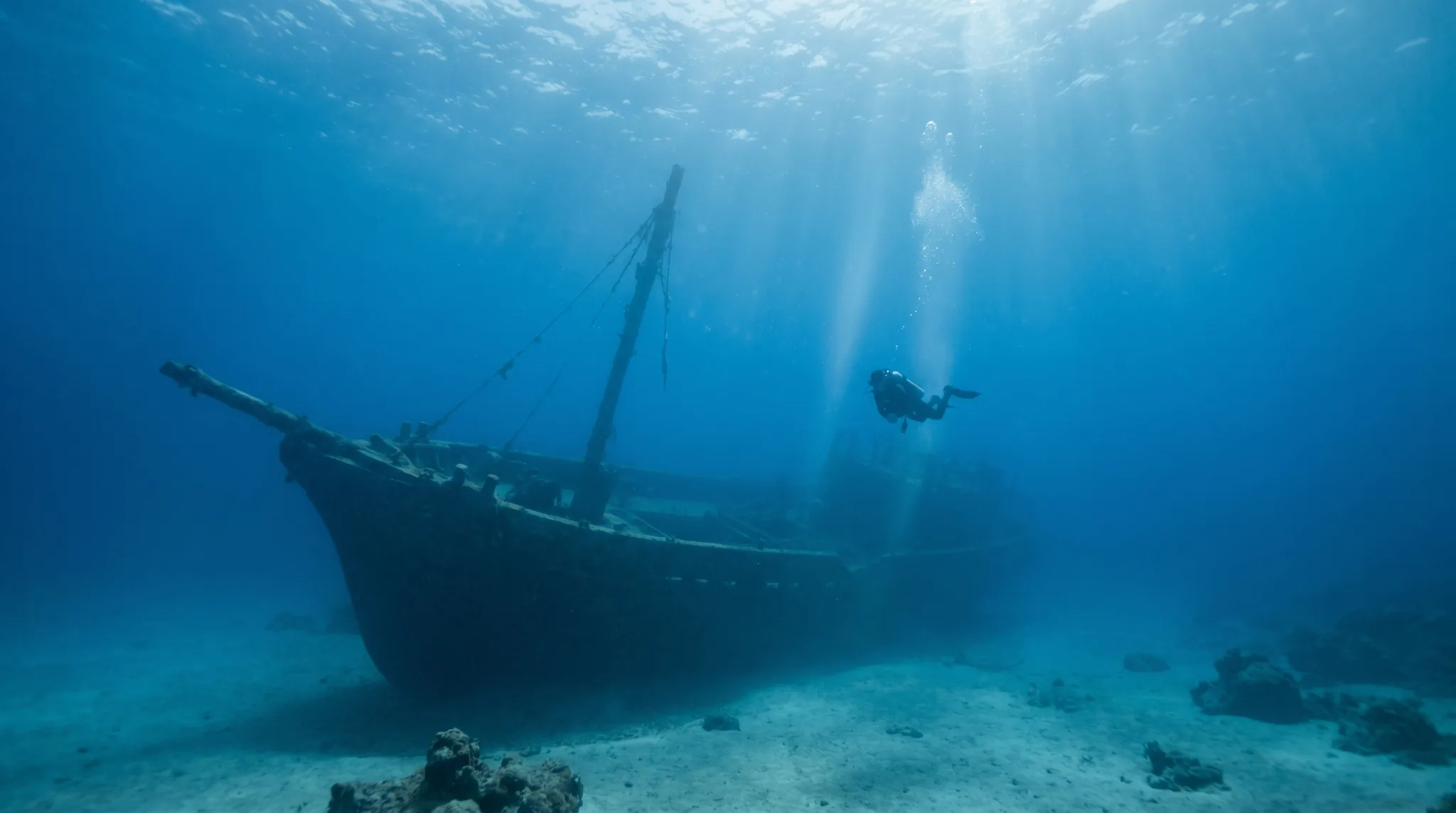
El Ferry is a shallow wreck located 2000 metres off the coast of Samana. Resting at depths between 8 and 11 metres, the site is suitable for beginners and those seeking an accessible wreck dive. Visibility typically ranges from 5 to 12 metres, with mild currents providing comfortable conditions. The wreck structure is reachable for snorkellers and offers an interesting environment for night dives. Divers should exercise caution regarding placement of hands and feet, as stonefish, sea urchins, and jellyfish are present at the site. Boat access is required to reach this location, which offers a typical dive duration of 40 minutes.
19.16350, -69.29090
Watch where you place your hands and feet around the wreck, as stonefish, sea urchins, and jellyfish are recorded hazards here. Check locally for up-to-date boat operator and facilities information before heading out.
Access info coming soon
Recorded at this site
Depth
8-11m
Visibility
5-12m
Skill Level
Beginner
Entry
Boat
Boat required
Water Temp
27-30°C
Current
Mild
Typical Dive
40 min
Yes, the site is considered suitable for beginners due to its shallow depth and mild currents.
The wreck sits in 8 to 11 metres of water, with an average depth of 10 metres.
Yes, the site is suitable for both diving and snorkelling as much of the wreck structure is near the surface.
No, boat access is required to reach El Ferry, which is located 2000 metres from the shore.
Divers and snorkellers should watch where they place their hands and feet to avoid stonefish, sea urchins, and jellyfish.
Diving at El Ferry (Wreck) in Samana requires the following certifications: Open Water. Always dive within your training limits.
A rashguard or 2mm shorty is recommended for diving at El Ferry (Wreck) in Samana. Water temperatures range from 27°C to 30°C.
El Ferry (Wreck) in Samana typically has mild currents that most divers can handle comfortably.
Visibility at El Ferry (Wreck) in Samana typically ranges from 5 metres to 12 metres. Conditions vary with weather, tides, and seasons.