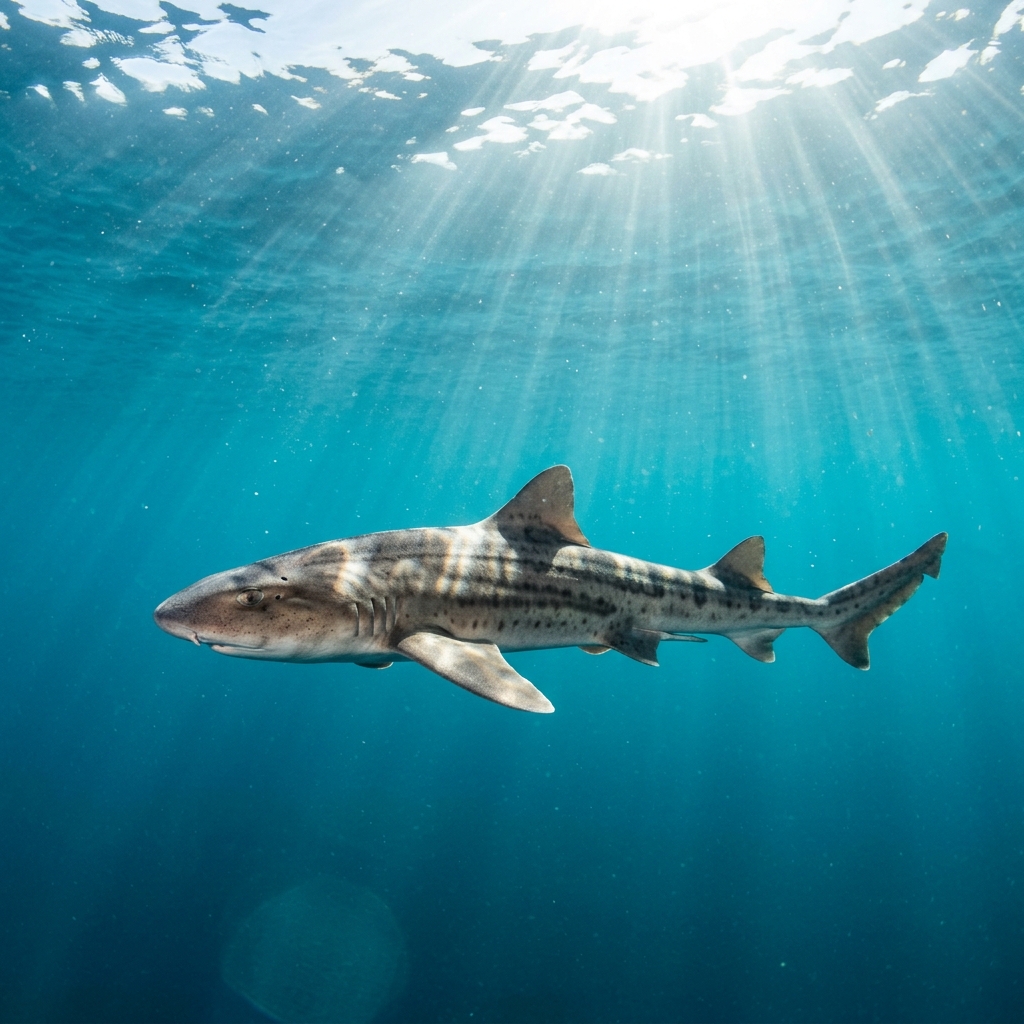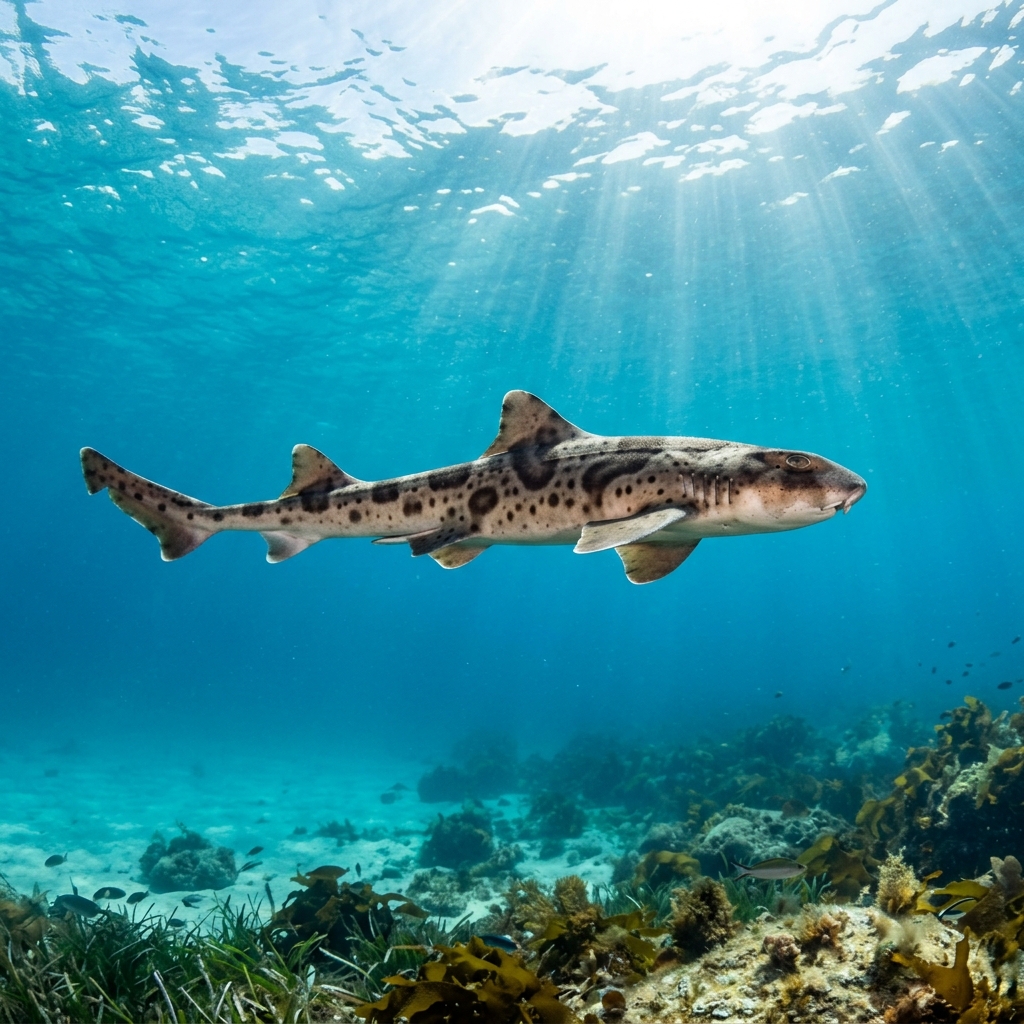
Parascyllium variolatum
Spot the spotted cat shark in Victoria and Western Australia. Cool-water specialist found in 13-22°C seas. Here's where divers log it most.
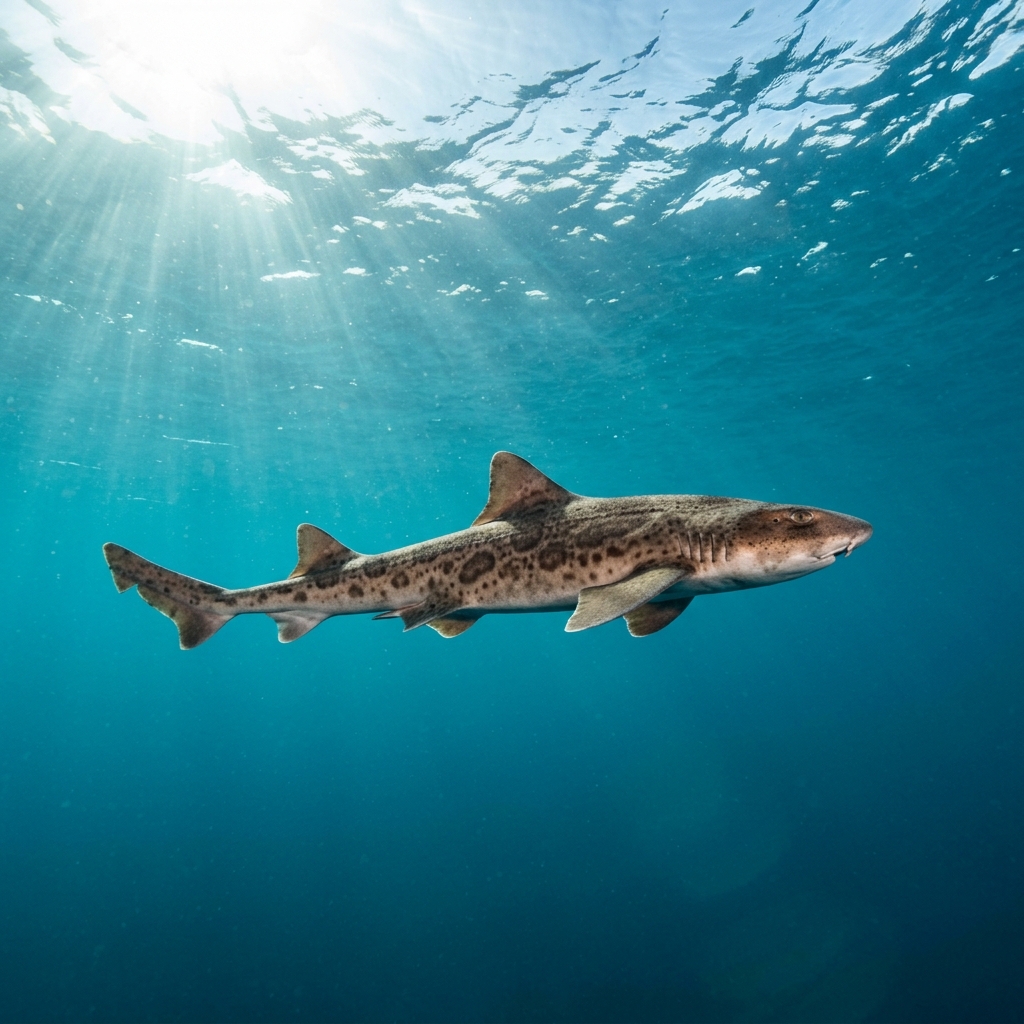
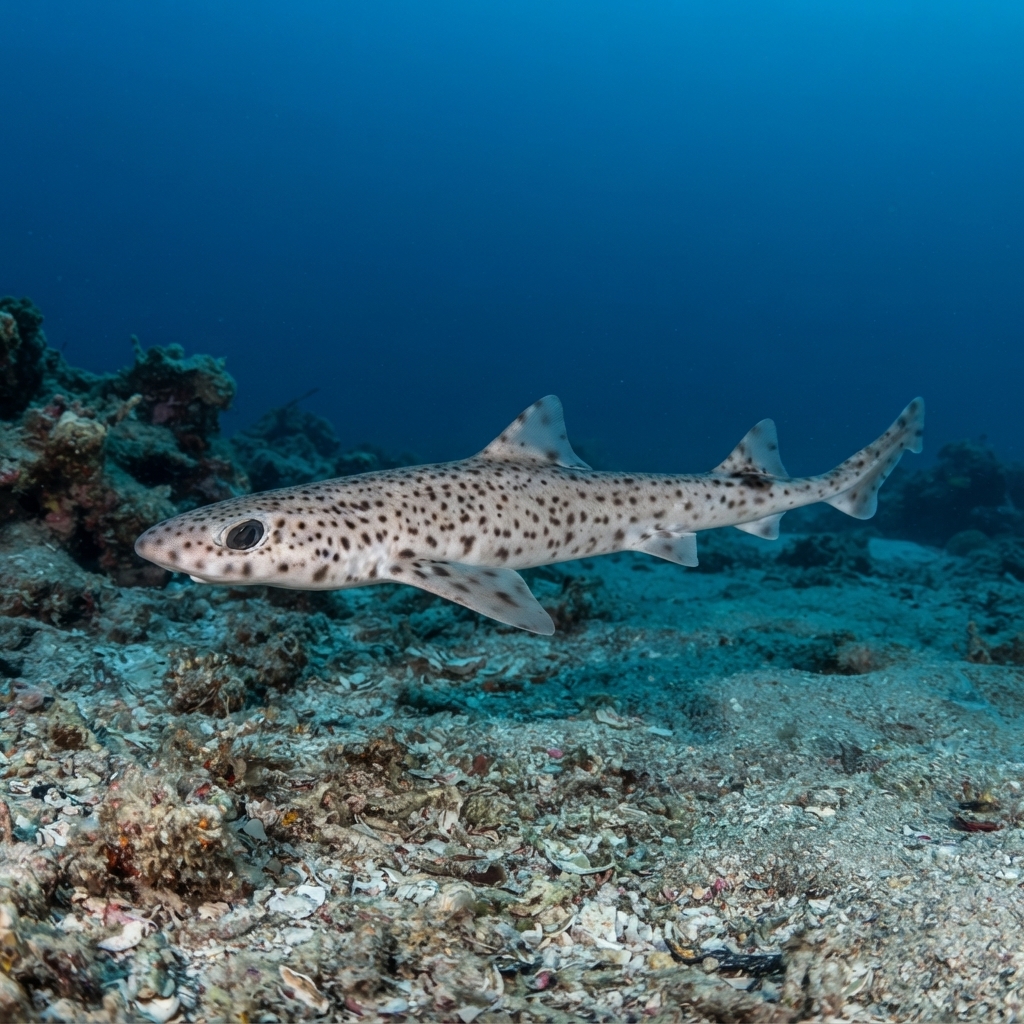
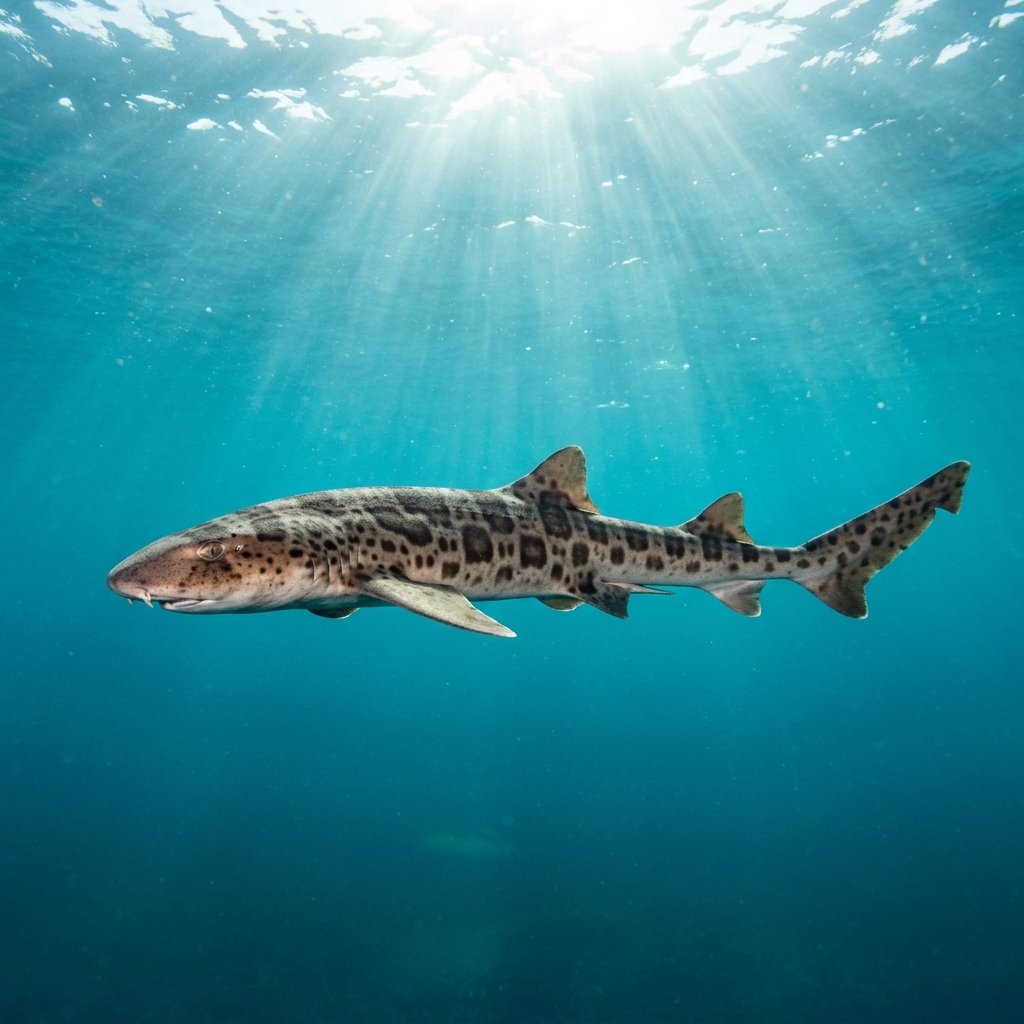
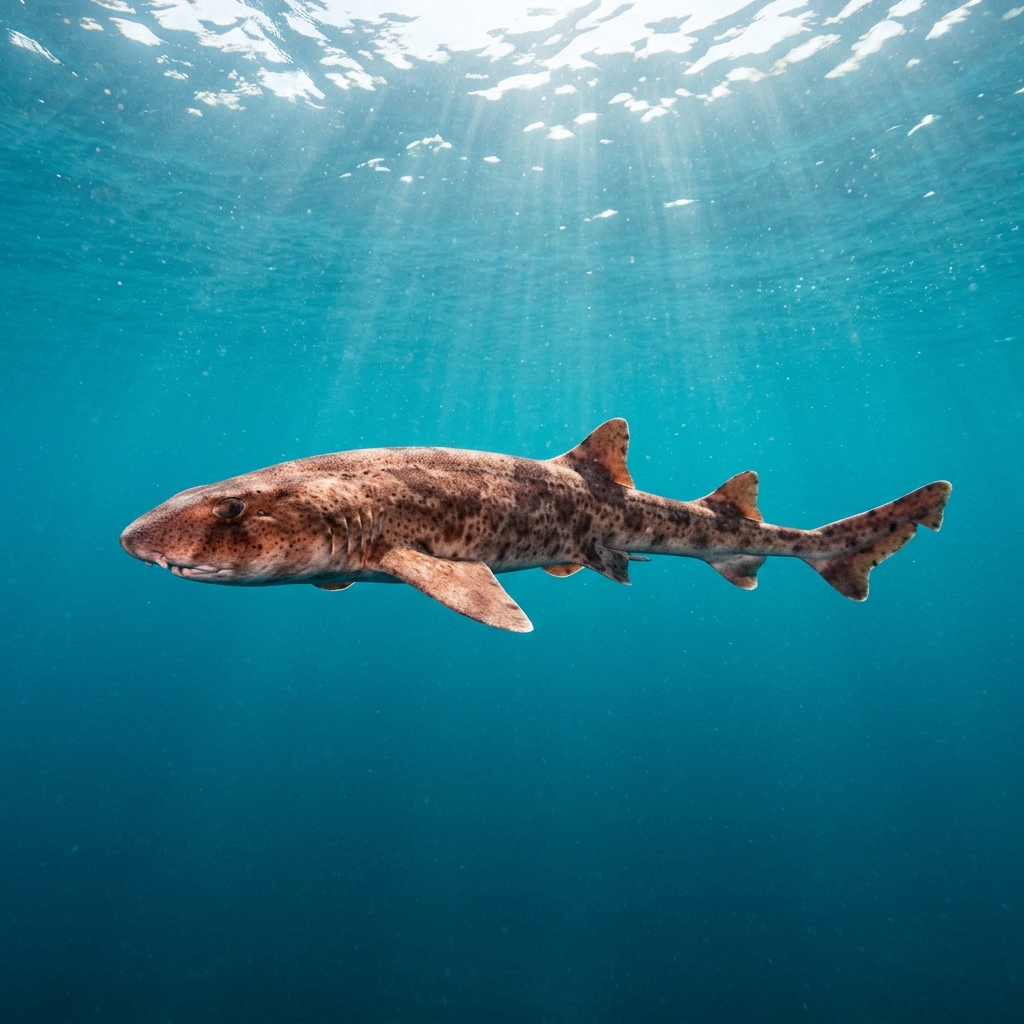
A slender, bottom-hugging shark patterned with a series of dark saddle markings along the back and scattered white spots on a brownish body, the combination of saddles and spots is the key field mark underwater. It has a long, slightly flattened body with a pointed snout and two small dorsal fins set well back towards the tail. In the cool, low-visibility waters where it lives, the contrast between the dark saddles and pale spots makes it distinctive against rocky reefs.
When encountered, cat sharks are typically resting on or moving slowly along rocky reef and rubble bottoms, classic nocturnal ambush hunters that are often sluggish during daylight dives. They tend to ignore divers rather than flee, which can make for a relaxed, close-range sighting if you approach calmly and stay low. Night dives on temperate southern Australian reefs give you the best shot at seeing one actively hunting.
Like other members of the collared carpet shark family, this species lays eggs in tough, leathery egg cases, sometimes called mermaid's purses, which you may find wedged into reef crevices on southern Australian dive sites.
There is not yet enough monthly sighting data to point to a peak season, so it should be treated as a year-round resident. Its observed temperature range of 13-22°C matches southern Australia's cool, temperate waters throughout the year.
Almost all sightings come from Australia, with Victoria by far the most productive region, divers there log it across a wide spread of sites along the southern coast. Western Australia accounts for a handful of additional records, rounding out the known dive range. If you want the best chance of an encounter, temperate Victorian reefs are your target.
Mapping where Varied Carpetshark is logged…
Nearly all diver-logged sightings are from Australia, with Victoria the standout region. A smaller number of records come from Western Australia. Temperate rocky reef sites along the southern Australian coast are your best bet.
There is not enough seasonal data to identify a peak period, so sightings can occur year-round. The species favours cool water between about 13 and 22°C, which is typical of southern Australian conditions throughout the year. Night dives may improve your chances since this is a nocturnal hunter.
Look for a slender, elongated shark with a distinctive pattern of dark saddle markings across the back combined with scattered white spots on a brownish background. Two small dorsal fins sit well back on the body. No other shark commonly found on southern Australian reefs shares this saddle-and-spot combination.
No. Cat sharks are small, slow-moving bottom dwellers and pose no threat to divers. They typically rest on the reef or move away slowly when approached and have no recorded history of aggression towards humans.
Precise size data for this species is limited in current dive records. As a member of the collared carpet shark family, it is a small, slender shark, not a large or bulky animal. Treat any encounter as a small-shark sighting rather than a large predator.
Yes. Like other parascylliid sharks, this species is oviparous, it reproduces by laying eggs in leathery cases anchored to the reef. Divers exploring southern Australian reefs occasionally find these egg cases tucked into crevices, which is itself a sign that the species is present in an area.
Site and sighting data is aggregated from diver logs, iNaturalist and GBIF. For taxonomy and conservation status:
Swell Shark
108 sites