Clupeiformes
Massive baitfish schools light up dives in Croatia, Norway, and the UK. Here's where and when to find them, and how to tell them from look-alikes.
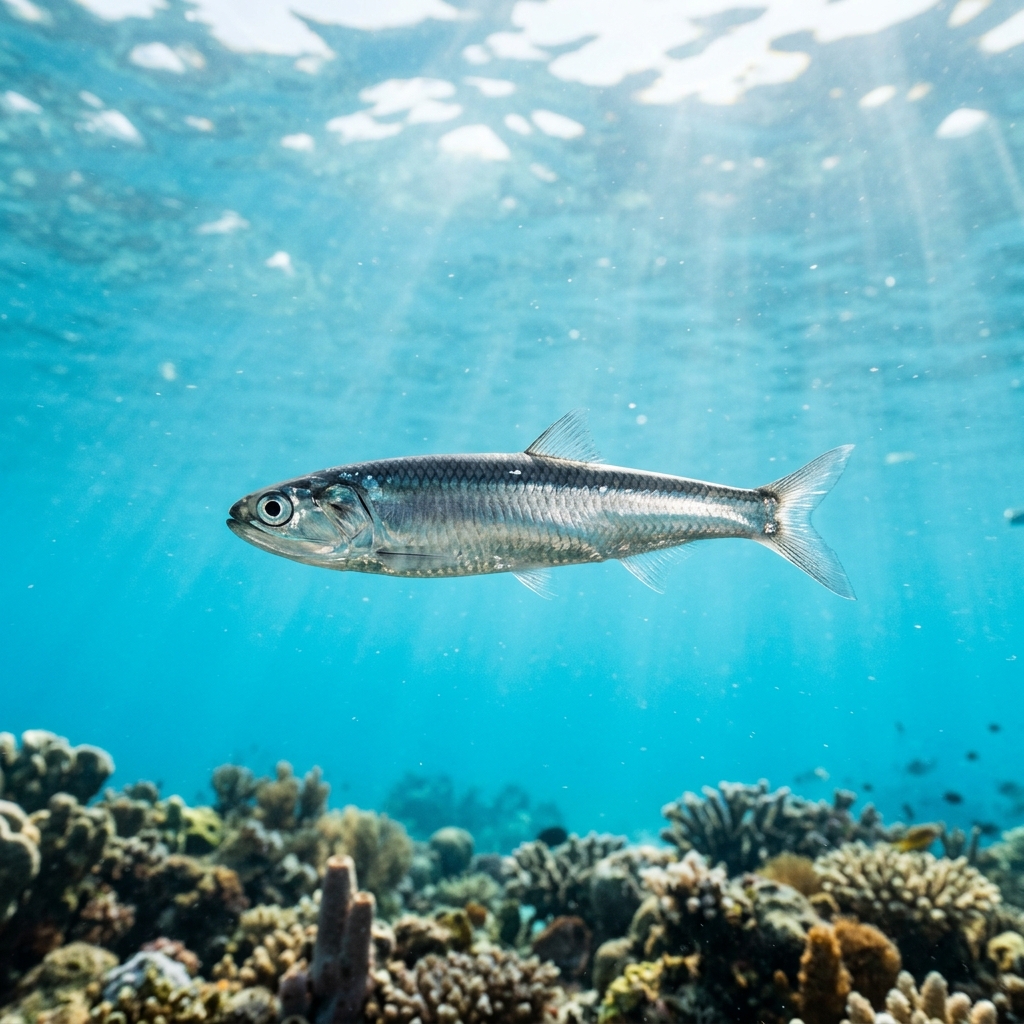
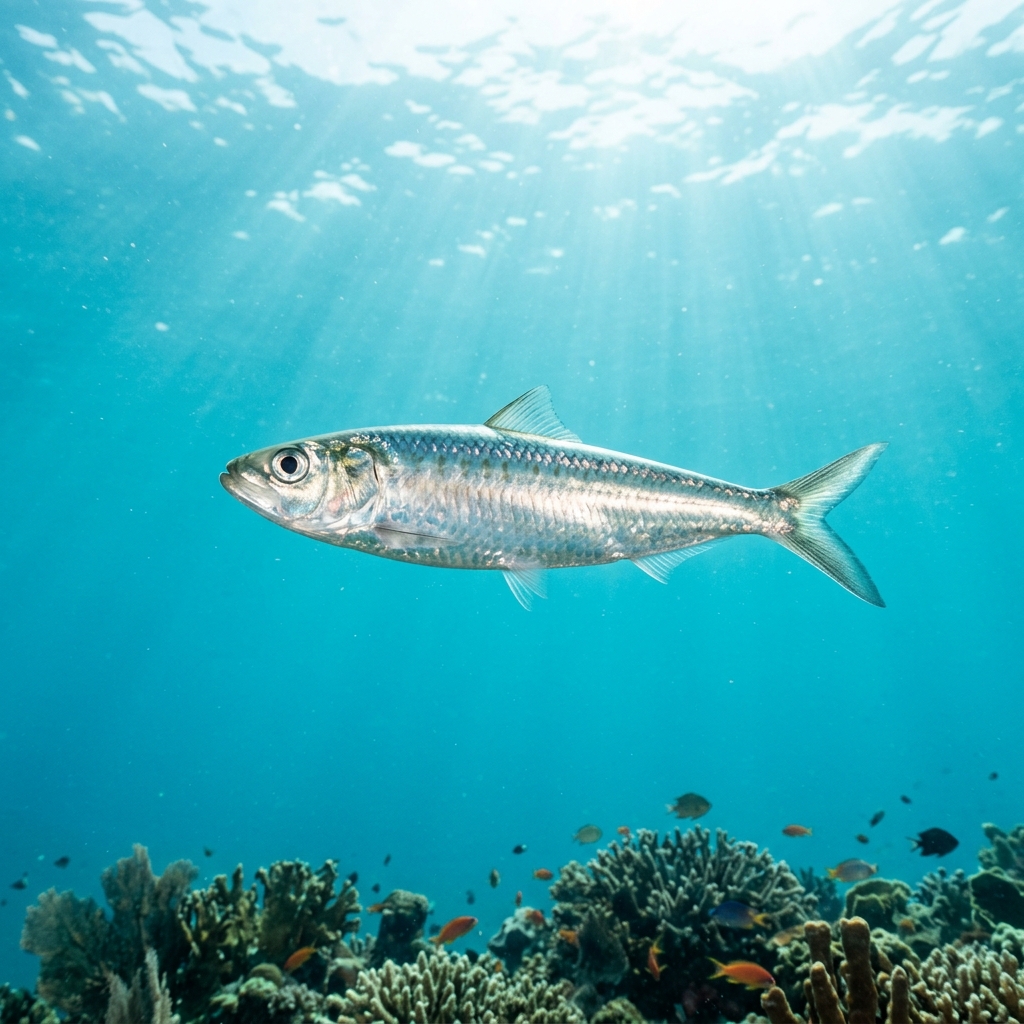
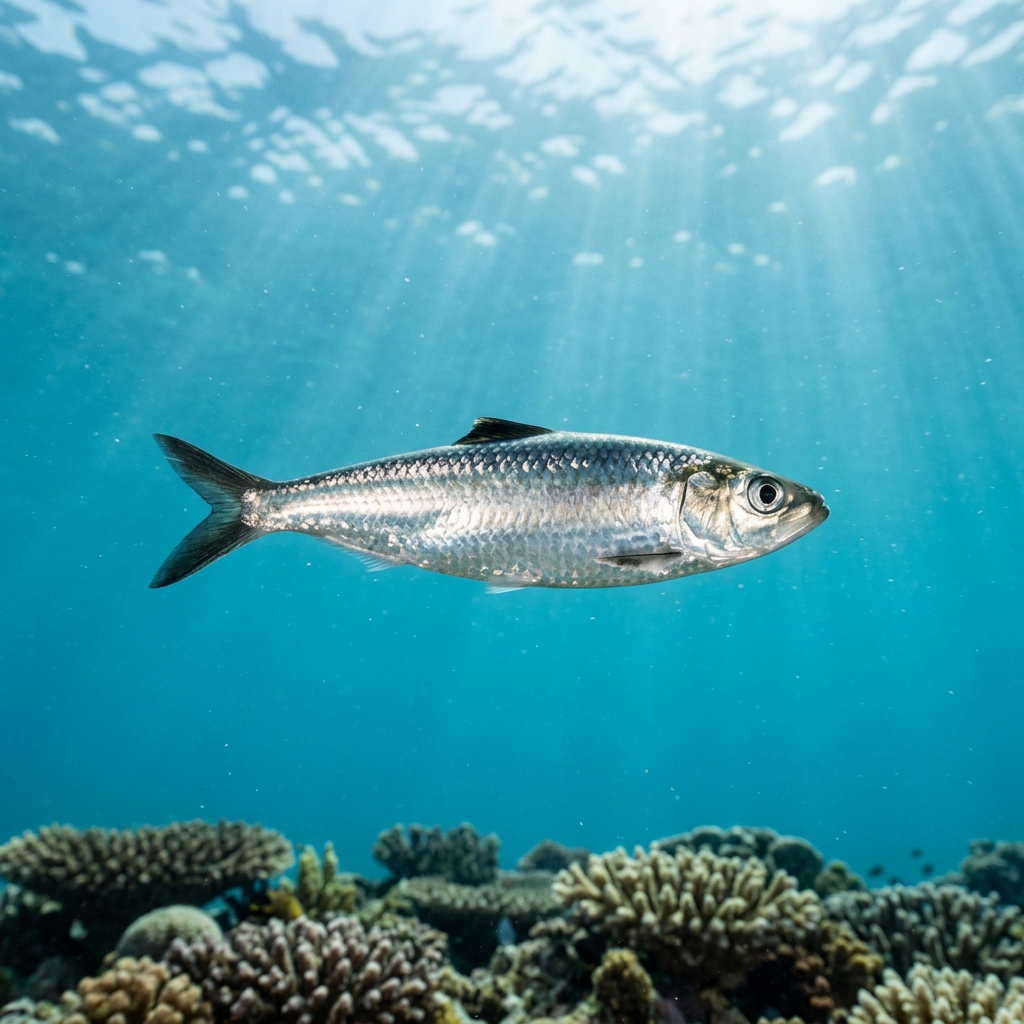
What you see underwater is rarely one fish, it is a living, shifting mass of small, torpedo-shaped silver bodies, each rarely longer than your hand, flashing in unison as the school turns. Individual fish show a streamlined, laterally compressed (flattened side-to-side) shape, large reflective scales, and a pale belly that catches the light. Look for the tight, synchronised movement of the group rather than any single individual; the school itself is the field mark.
Schools move as a coordinated unit, wheeling and compressing together in response to perceived threats, including curious divers. Approach slowly and you can often sit inside or alongside the swirling mass as it parts around you. Look for balls of baitfish pushed toward the surface by feeding predators below; that commotion is often the giveaway that a school is nearby.
The tight, synchronised movement of a baitfish school is a collective defence called 'balling', individuals on the outside of the group rush inward when a predator strikes, making it hard for the attacker to single out one fish. This is what creates those dramatic swirling shapes divers love to watch.
No clear seasonal peak emerges from the available data, so treat sightings as possible year-round. The observed water-temperature range of roughly 6 to 18 °C points squarely at cool, temperate seas, so expect the best encounters wherever those conditions apply.
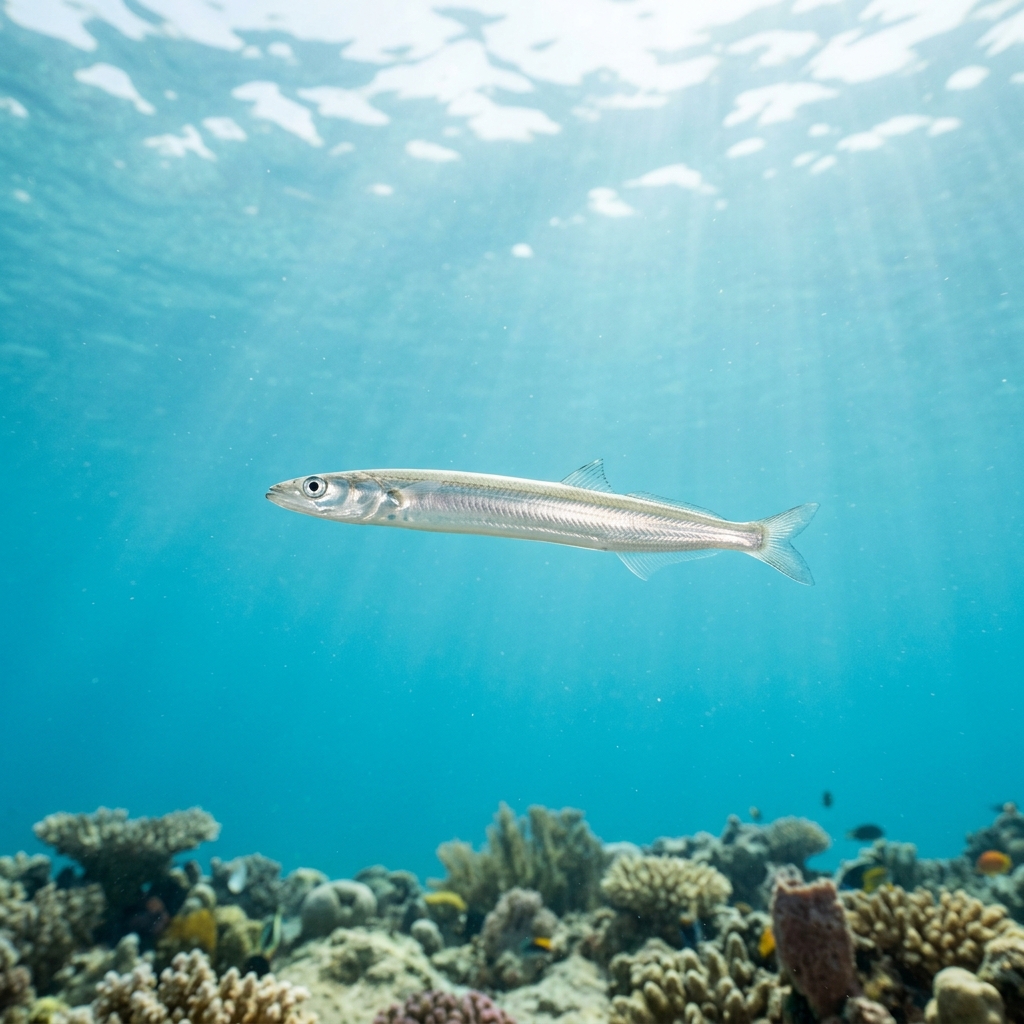
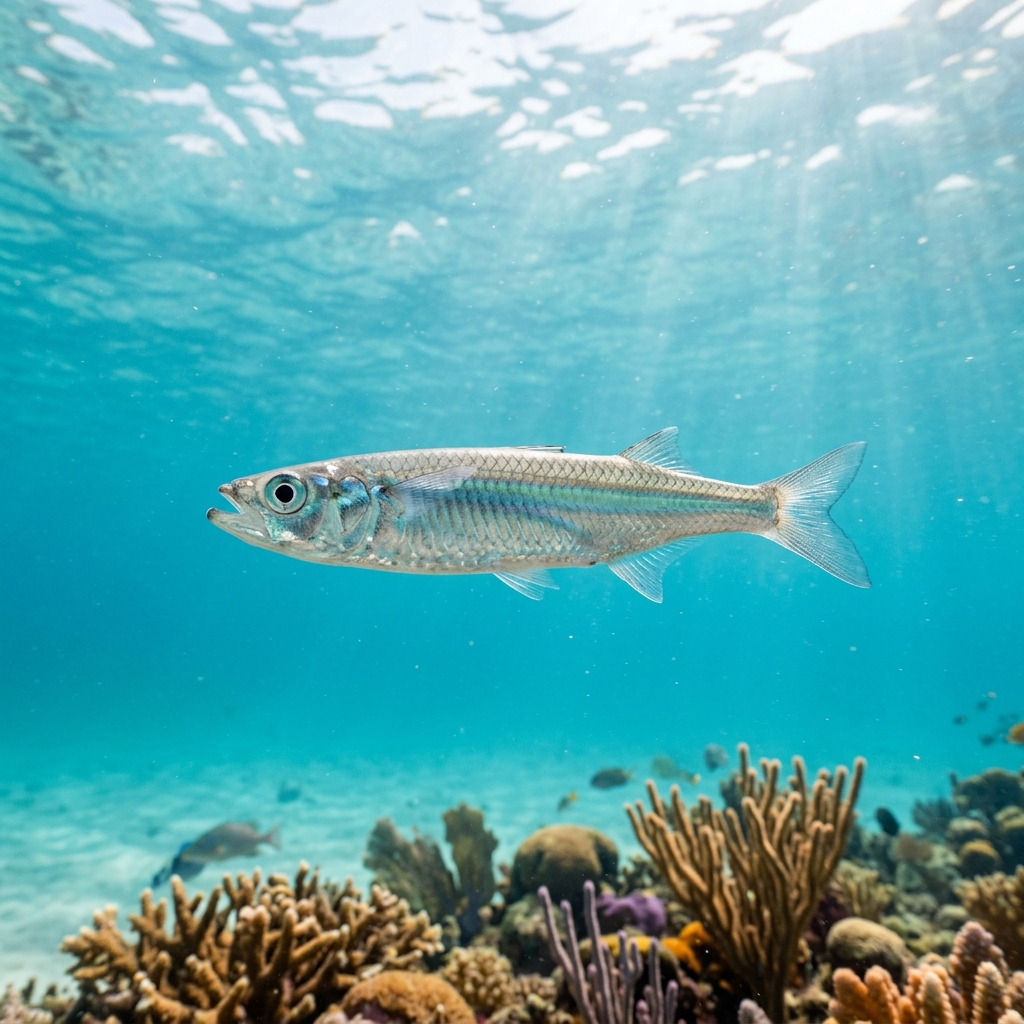
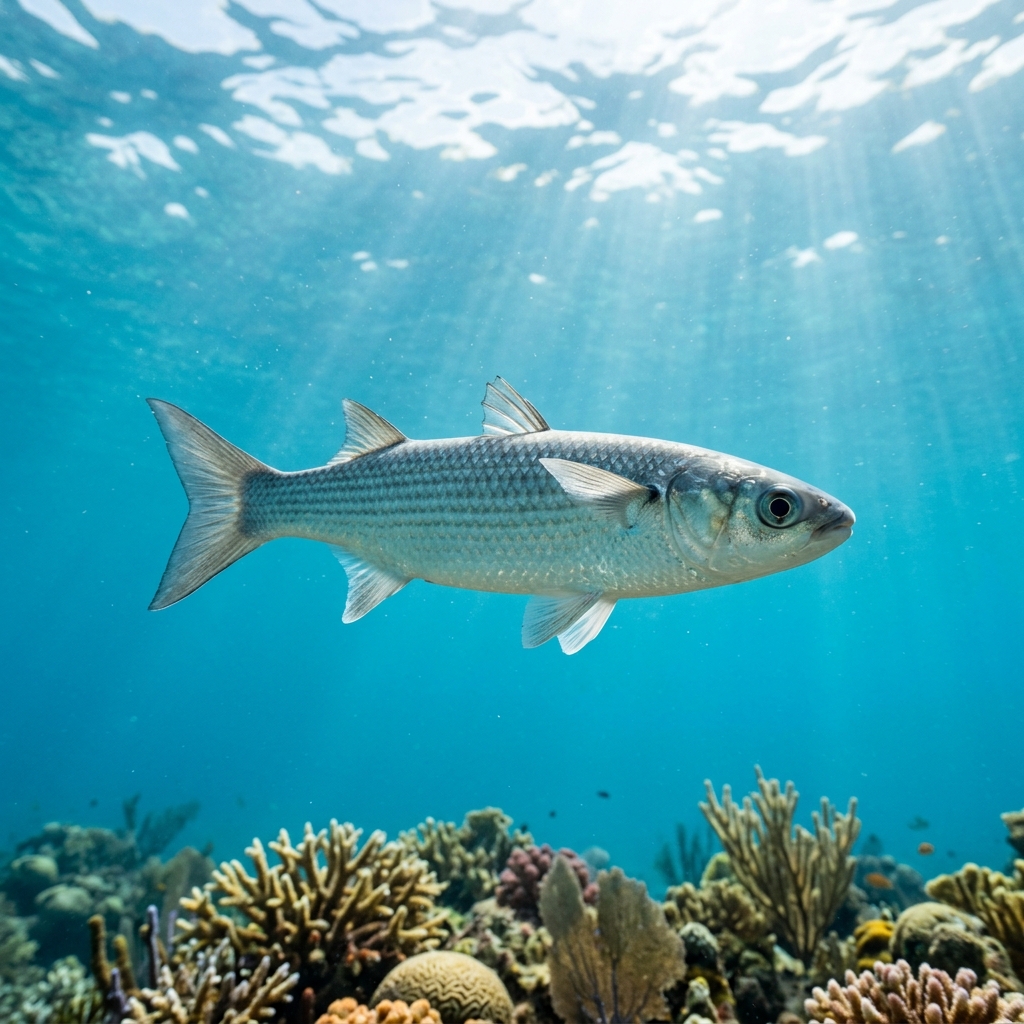
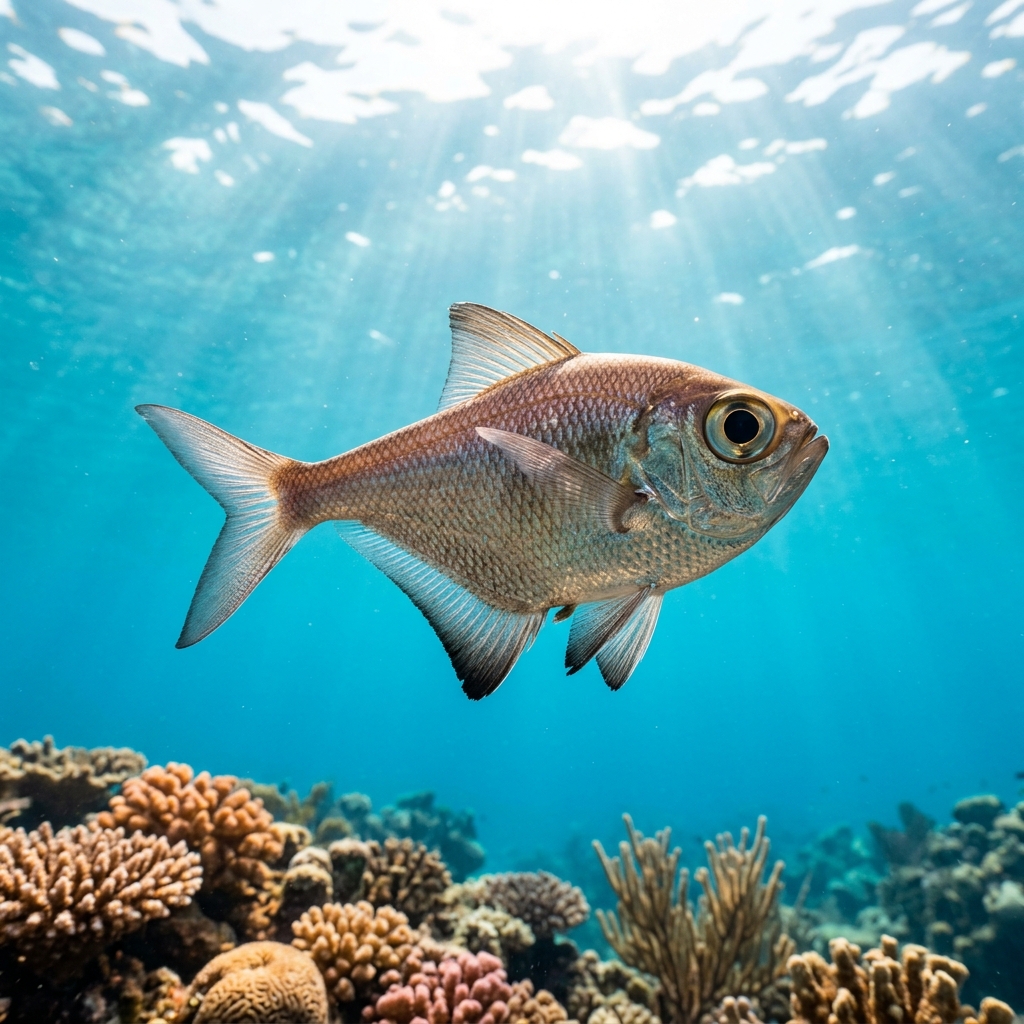
Reef neighbours a diver could mistake it for. Use the identification notes above to tell them apart.
Baitfish schools are most widely logged across European temperate waters, with Croatia leading the count, particularly Central Dalmatia and the Kvarner Gulf, followed closely by Norway, France, the United Kingdom, and Italy. Strong populations also show up in the United States, especially around the Great Lakes and Northeast, and along the South Coast of England and Southwest Coast of Ireland.
Mapping where Baitfish is logged…
Baitfish schools are most reliably encountered across European temperate waters. Croatia (especially Central Dalmatia and the Kvarner Gulf), Norway, France, the United Kingdom, and Italy are the standout countries. The Northeast United States, South Coast England, and Southwest Ireland also offer strong sightings.
There is no single peak season in the data. Baitfish favour cool temperate water, roughly 6 to 18 °C, so they are present in those seas throughout the year. Your best bet is to dive during periods of active predator feeding, when schools are pushed together and most visible.
Look for large, tightly packed schools of small silver fish moving in perfect unison. Individual fish are slim and laterally compressed with reflective scales. The school's synchronised, swirling movement is the easiest field mark, no single fin detail matters as much as the collective behaviour.
Not at all. Baitfish pose no risk to divers. The only hazard is indirect, large predators such as dolphins, tuna, or sharks may be feeding on the school nearby, so stay aware of your surroundings when you are inside a bait ball.
Schooling is a collective defence strategy. When a predator attacks, individuals rush inward, creating a swirling, confusing mass that makes it hard to target a single fish. The larger and tighter the school, the better each individual's odds of survival, which is why divers often see them compress dramatically when approached.
Site and sighting data is aggregated from diver logs, iNaturalist and GBIF. For taxonomy and conservation status:
Anchovy
2,433 sites