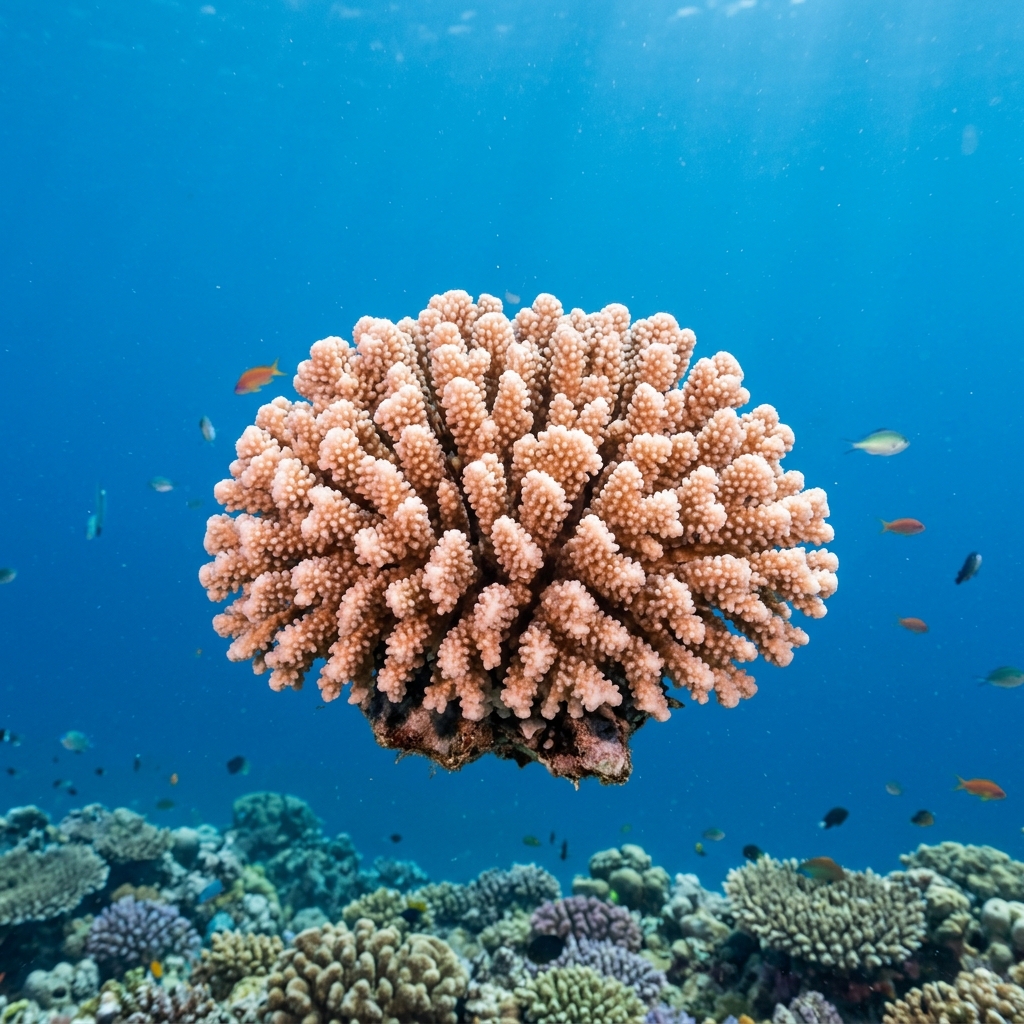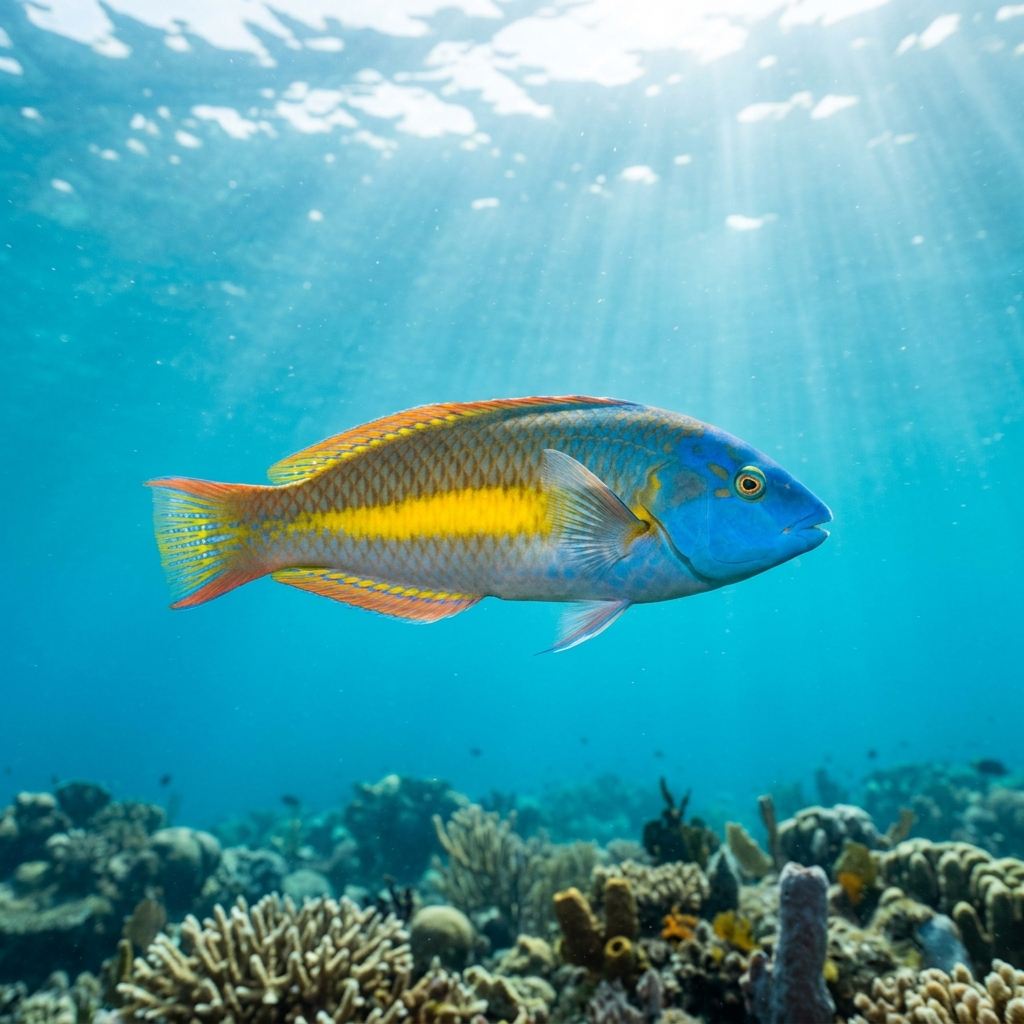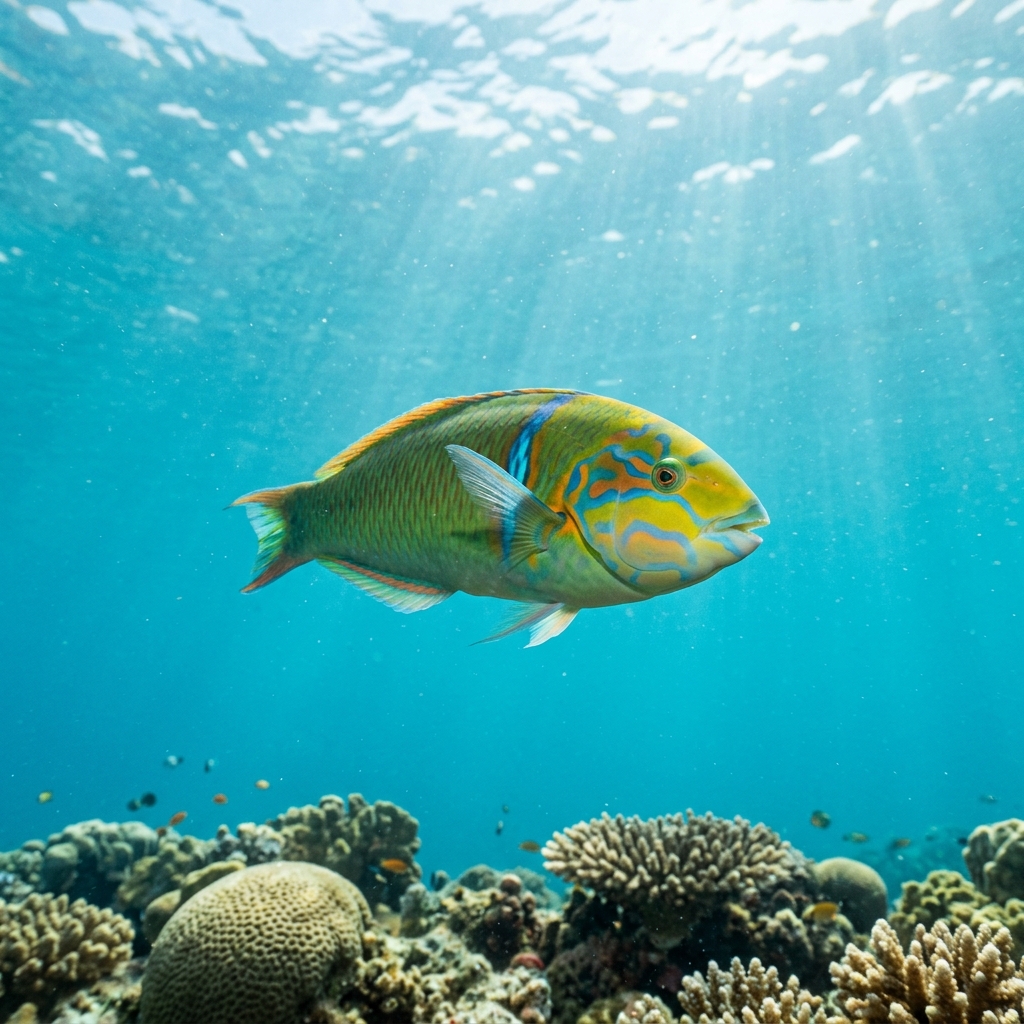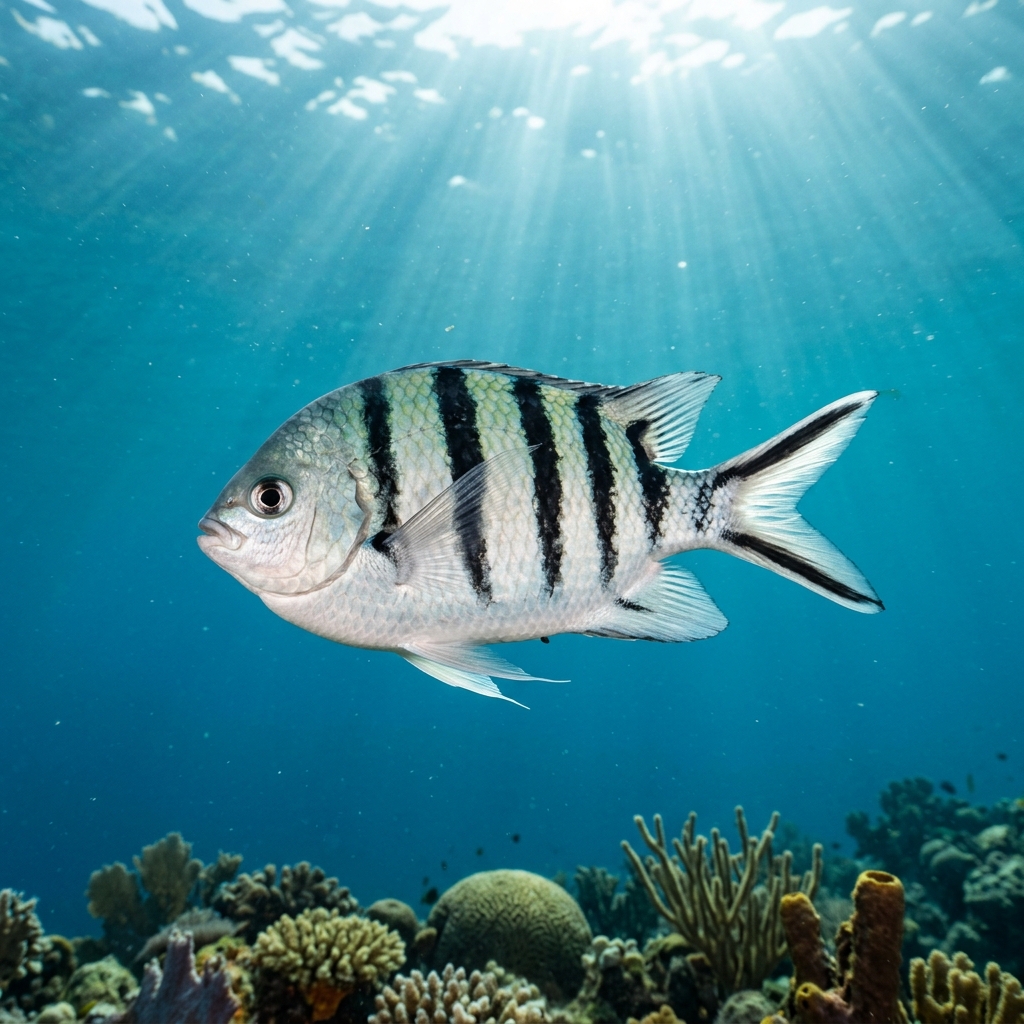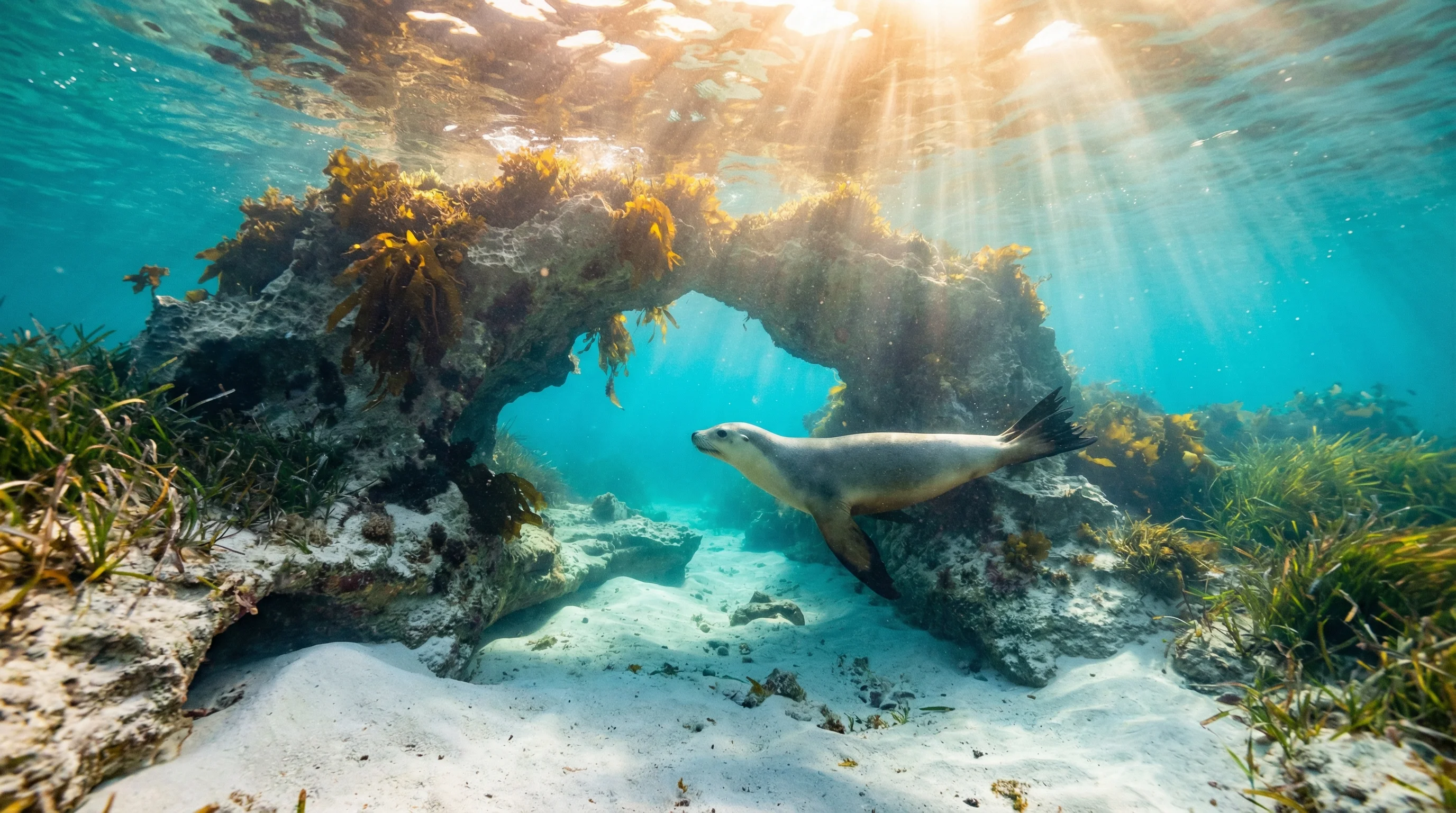
Best for beginner divers, 2-12m, shore & boat entry, mild current.
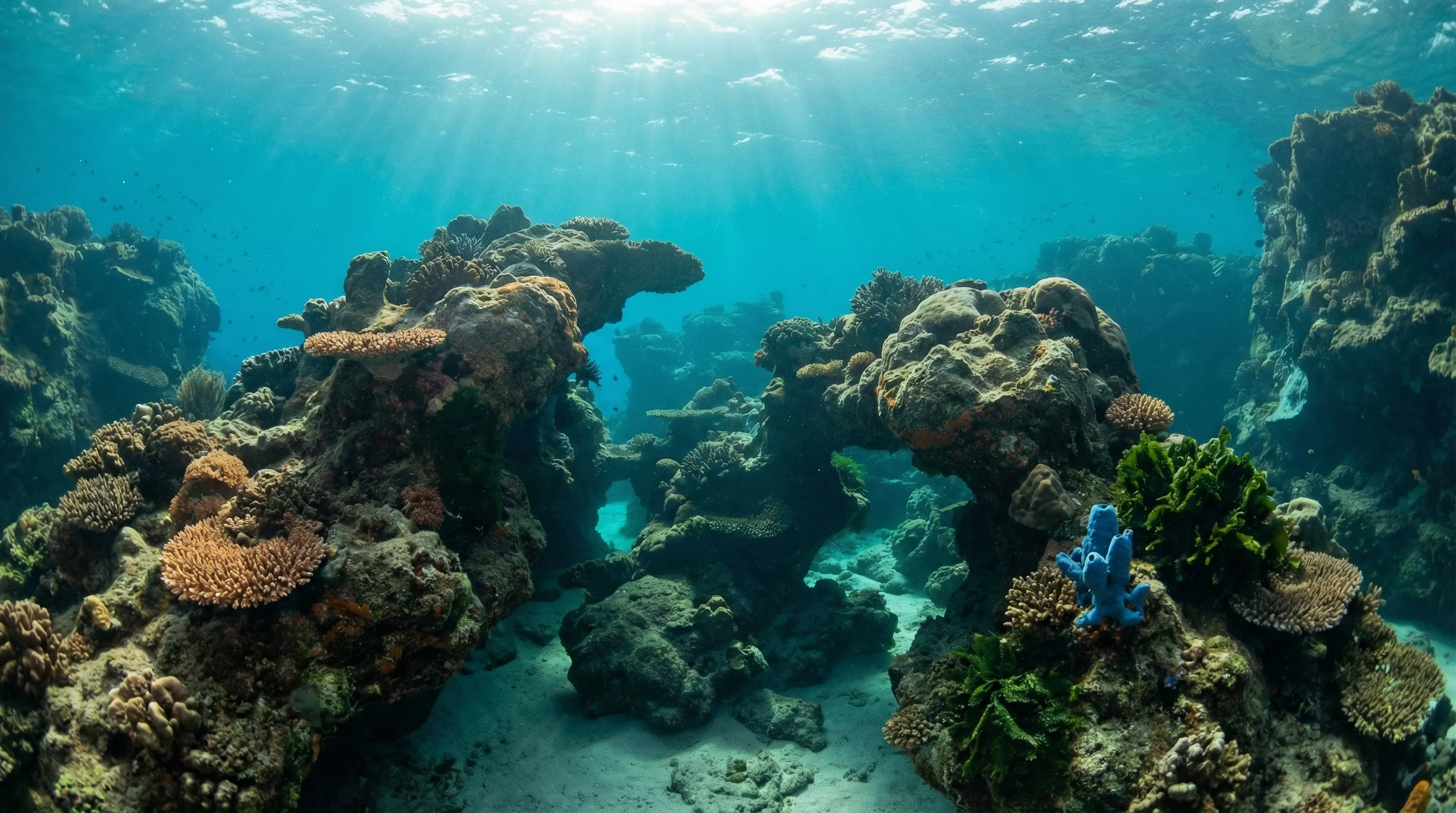
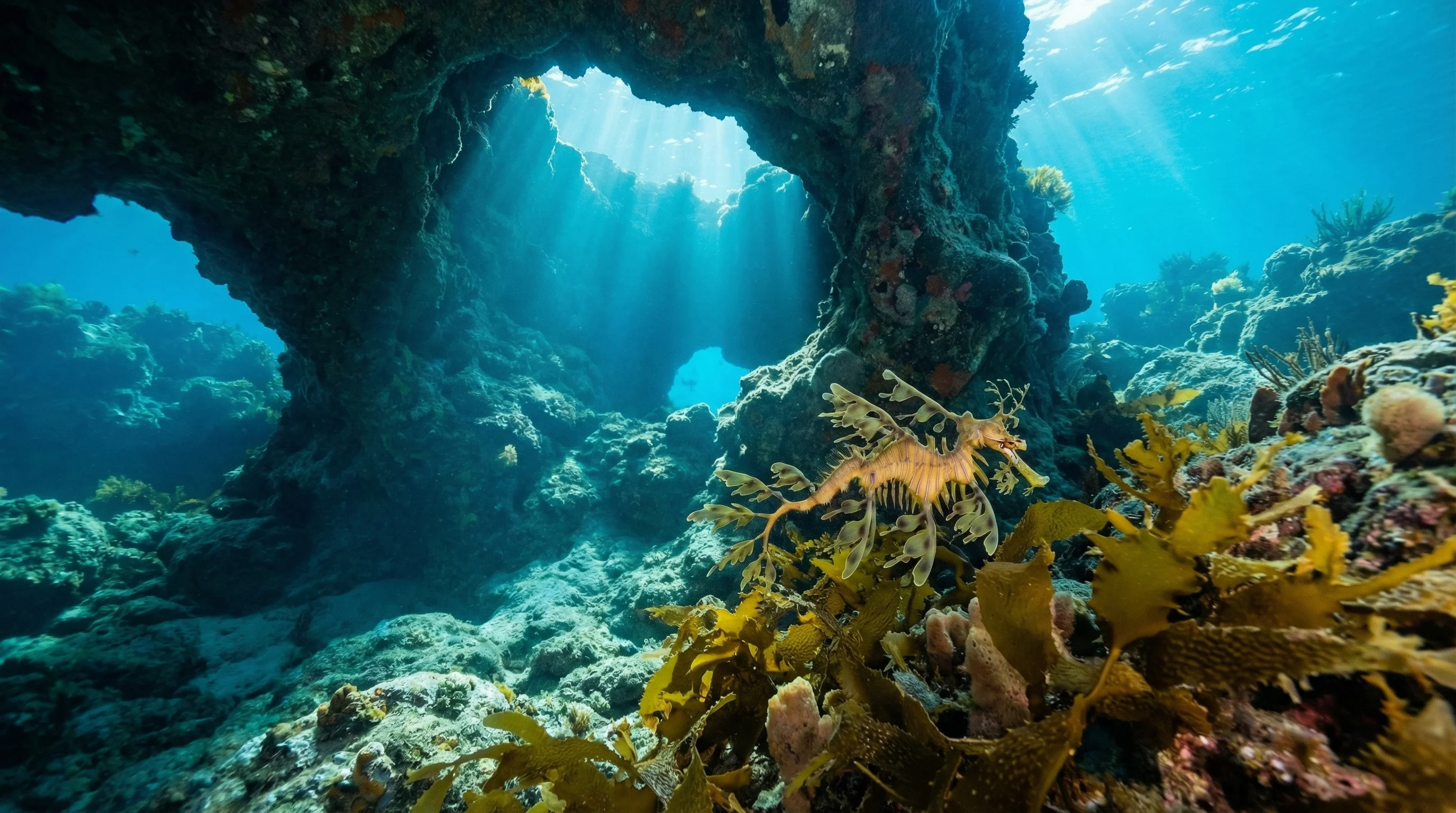
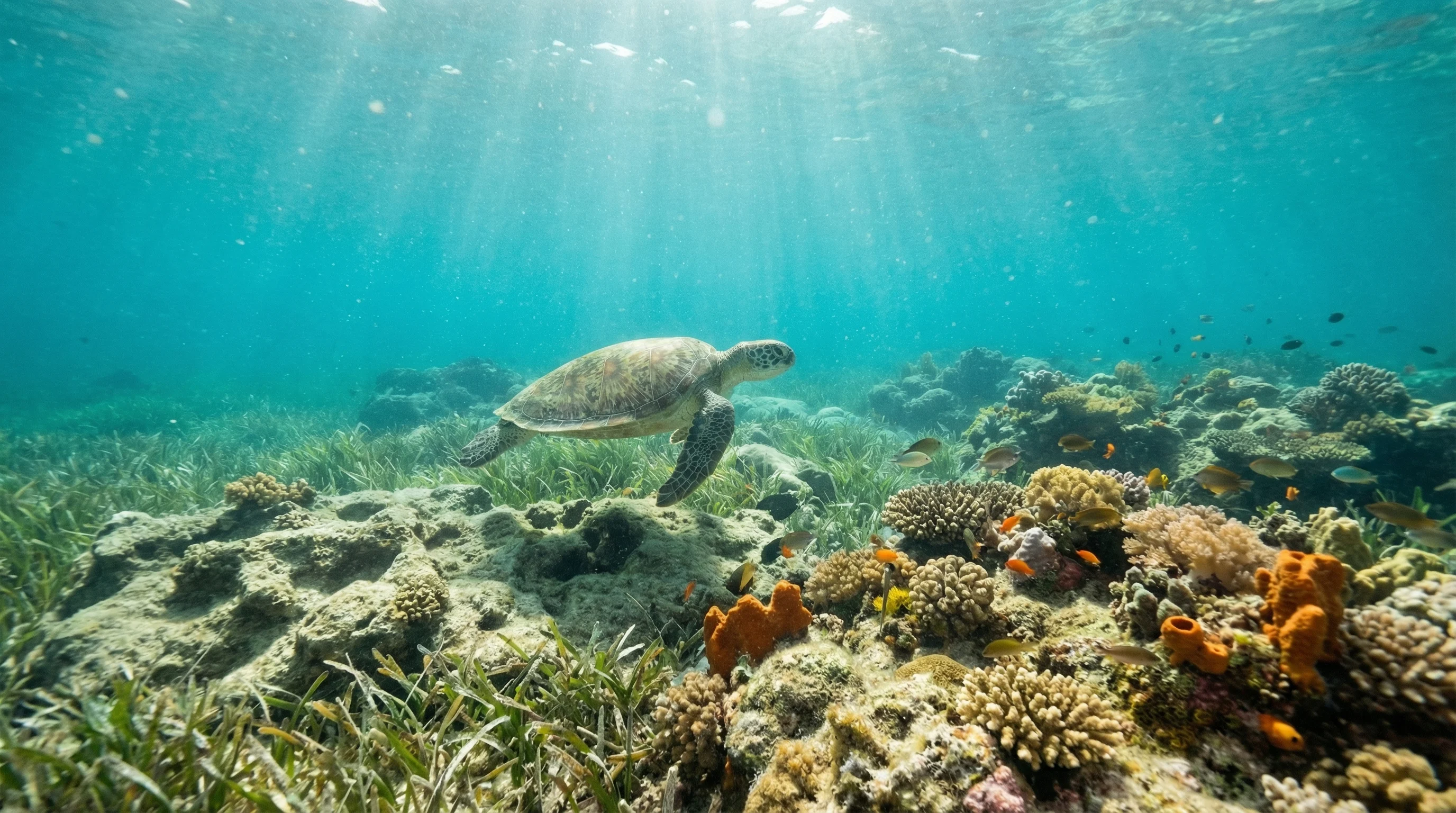
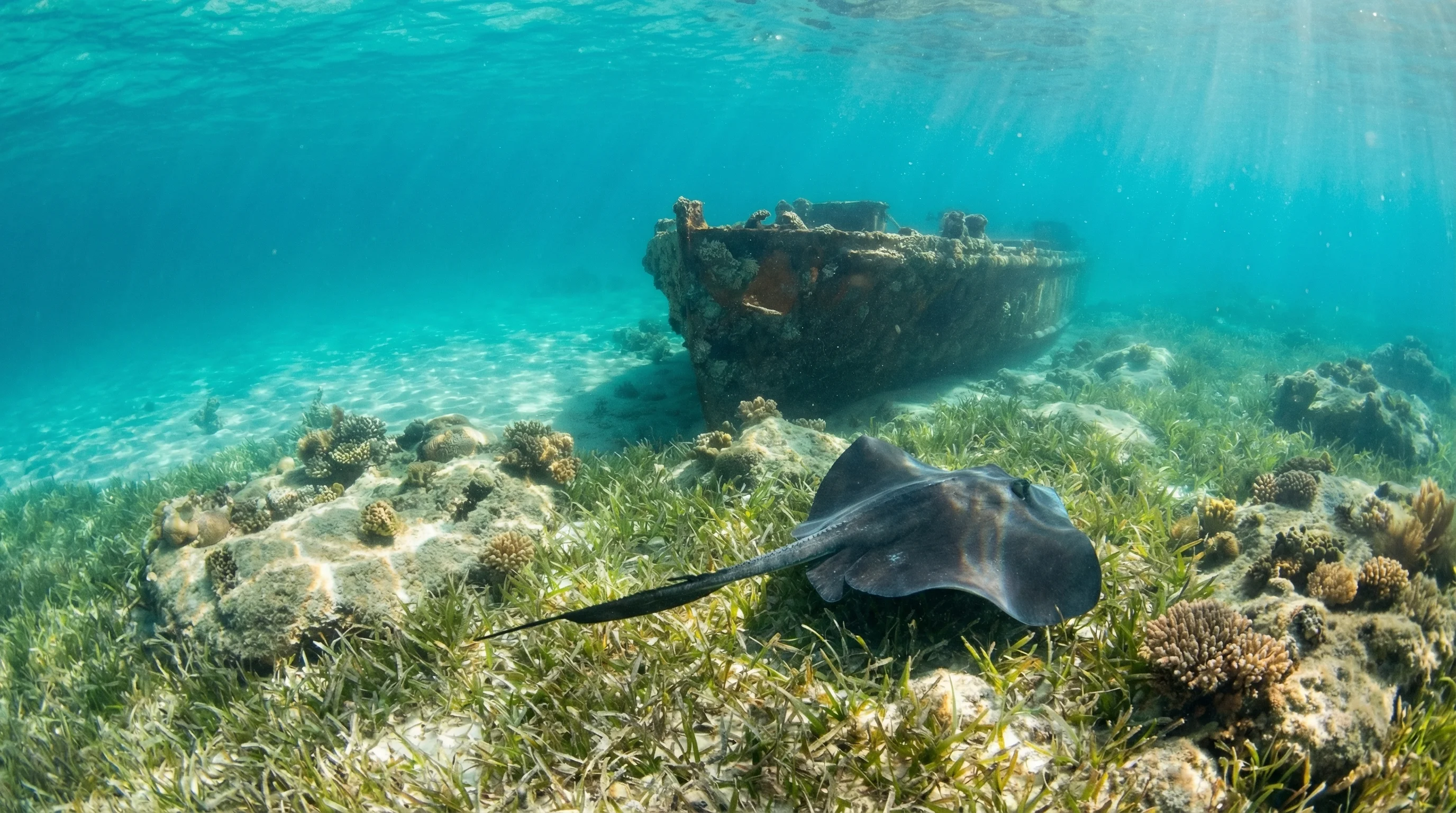
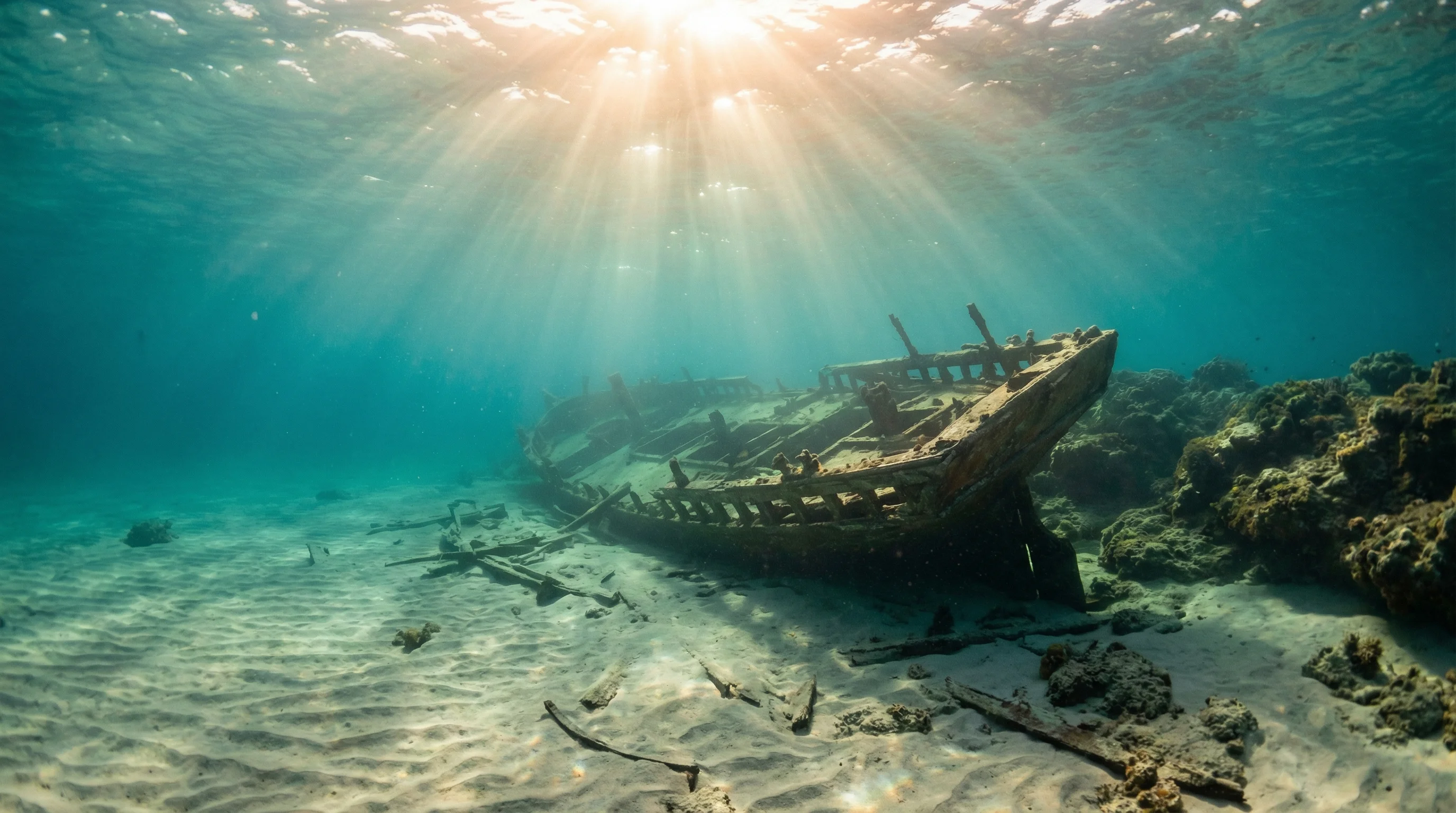
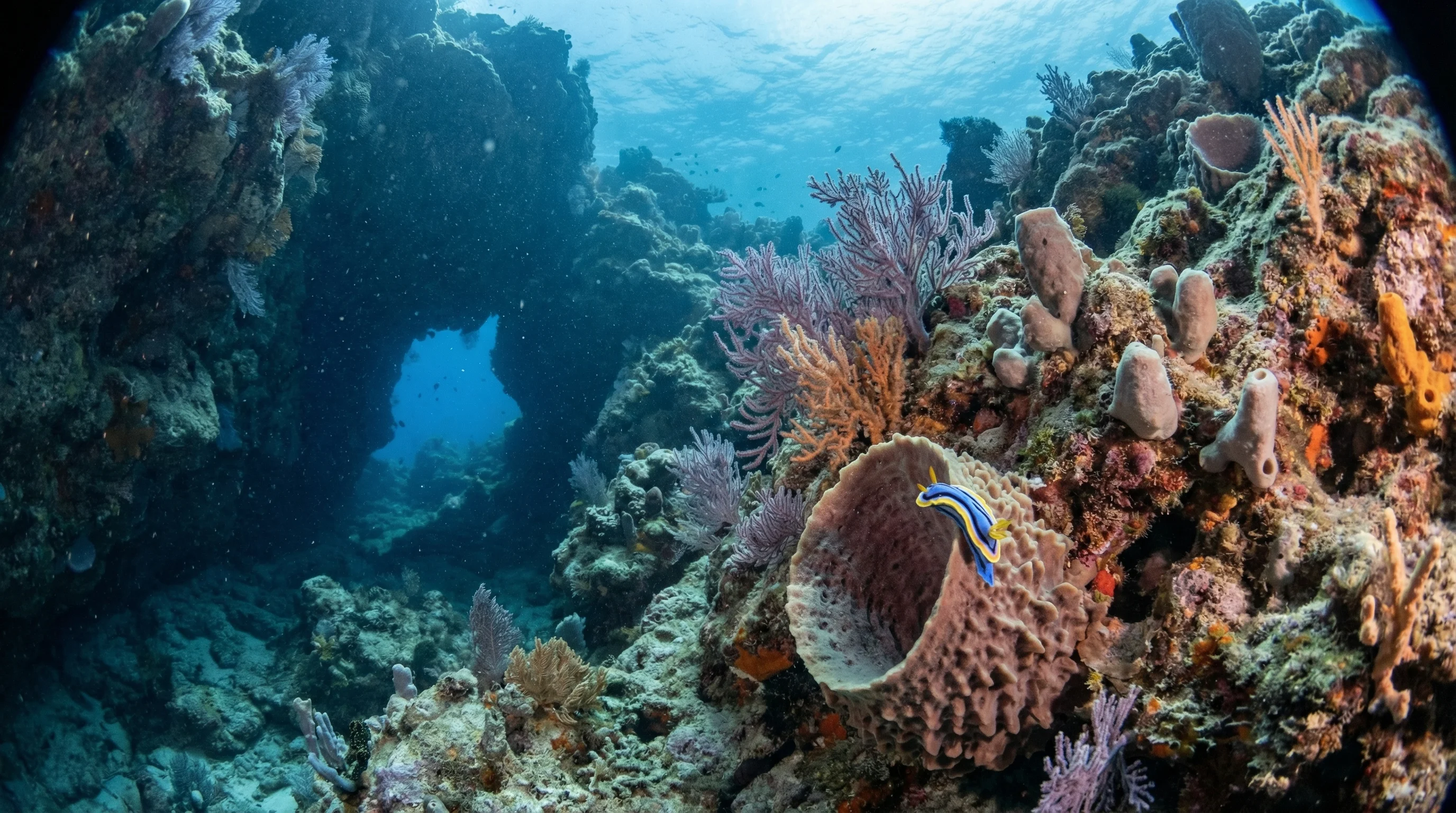
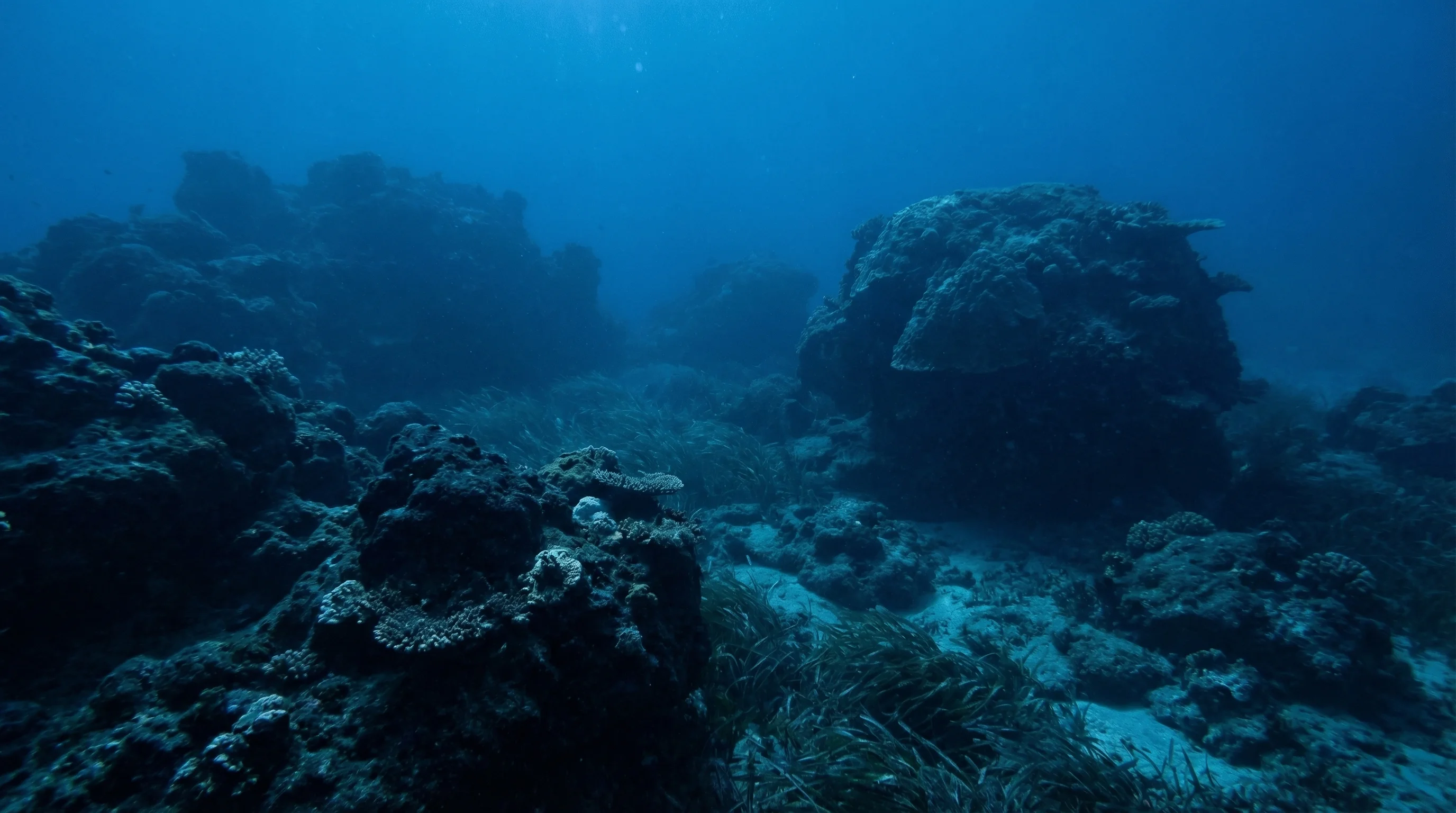
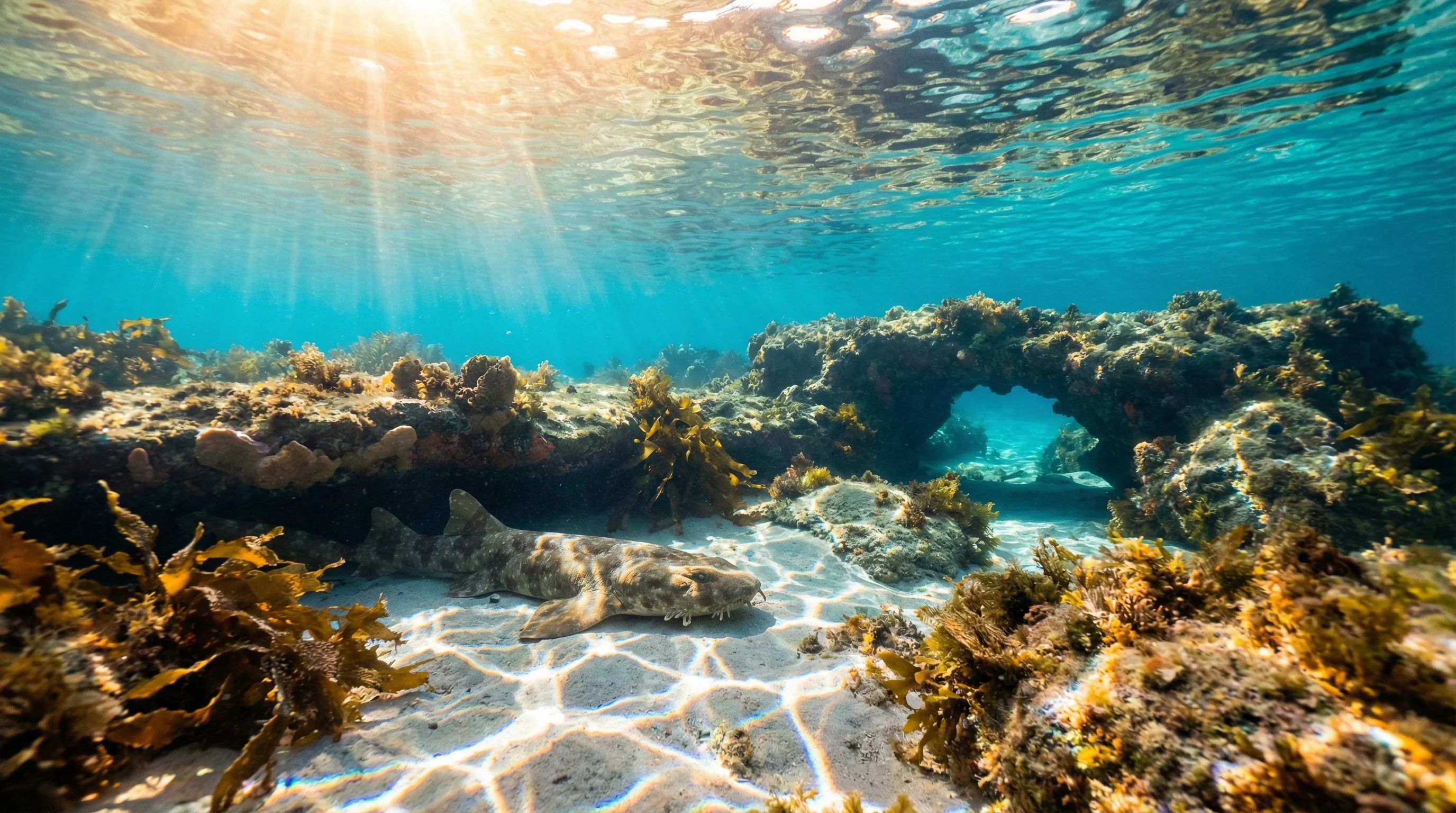
Parker Point at Rottnest Island is a beginner-friendly reef site offering depths between 2 and 12 metres, with an average of 7 metres. The site features mild currents and visibility typically ranging from 10 to 15 metres. Suitable for both divers and snorkellers, the reef provides a relaxed environment for exploration. Water temperatures fluctuate between 19C and 23C throughout the year, influenced by the Leeuwin Current. Shore and boat access are both available, and the site is supported by on-site facilities including toilets, showers, and parking. Typical dives last approximately 60 minutes.
-32.02847, 115.53332
May and December are the best months to visit, when conditions tend to be at their most reliable. Toilets, showers, and parking are all on site, so there is no need to rush in and out.
Located on the southeast side of Rottnest Island. Access the island via ferry from the mainland. From the main settlement at Thomson Bay, it is a 20-minute bike or bus ride (stop 5) or a one-hour walk.
Recorded at this site
Depth
Up to 12m
Visibility
10-15m
Skill Level
Beginner
Entry
Shore & Boat
Water Temp
19-23°C
Current
Mild
Typical Dive
60 min
Best Time
May, Dec
Yes, the site is beginner-friendly, featuring mild currents and a shallow reef structure that is accessible for both new divers and snorkellers.
The reef ranges from very shallow water down to a maximum depth of 12 metres, with an average depth of 7 metres.
Yes, Parker Point allows for both shore and boat access.
May and December are considered the best months to visit, as conditions tend to be at their most reliable during these times.
The site provides toilets, showers, and parking for visitors.
A 5mm wetsuit is recommended for diving at Parker Point in Thomson Bay. Water temperatures range from 19°C to 23°C.
Parker Point in Thomson Bay typically has mild currents that most divers can handle comfortably.
Visibility at Parker Point in Thomson Bay typically ranges from 10 metres to 15 metres. Conditions vary with weather, tides, and seasons.