Sebastapistes cyanostigma
A 7cm reef-hugging scorpionfish logged across Sulawesi and Egypt's Red Sea, easy to miss and worth learning to spot.
Safety warning
Carries venomous spines along the dorsal fin that deliver a painful sting if grabbed or knelt on, made worse because its camouflage means divers often don't see it until a hand or fin is already close. Keep hands off rubble and coral rubble patches where it hides, and if stung, seek first aid and medical advice as you would for any scorpionfish sting.
If you're stung
Venomous spinesGeneral first-aid guidance, not a substitute for professional medical care. In an emergency, call your local emergency number.
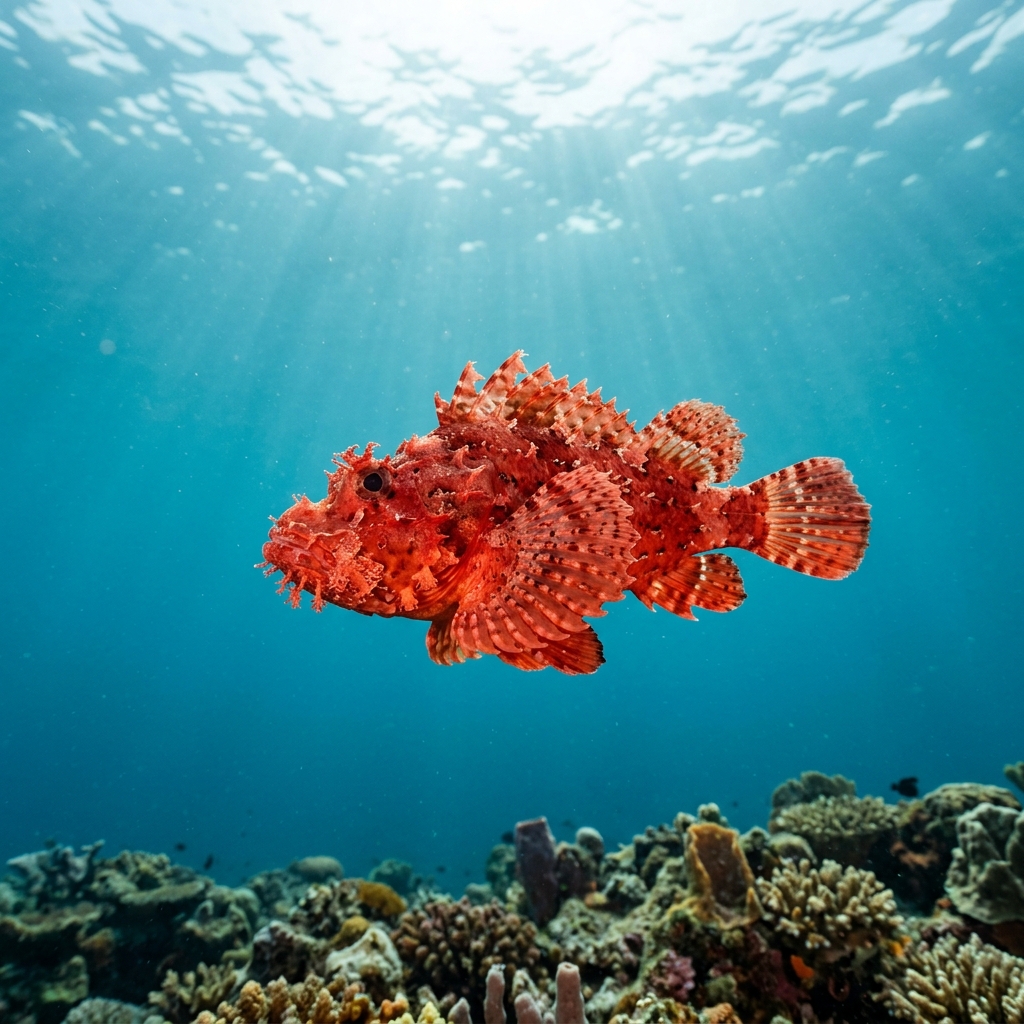
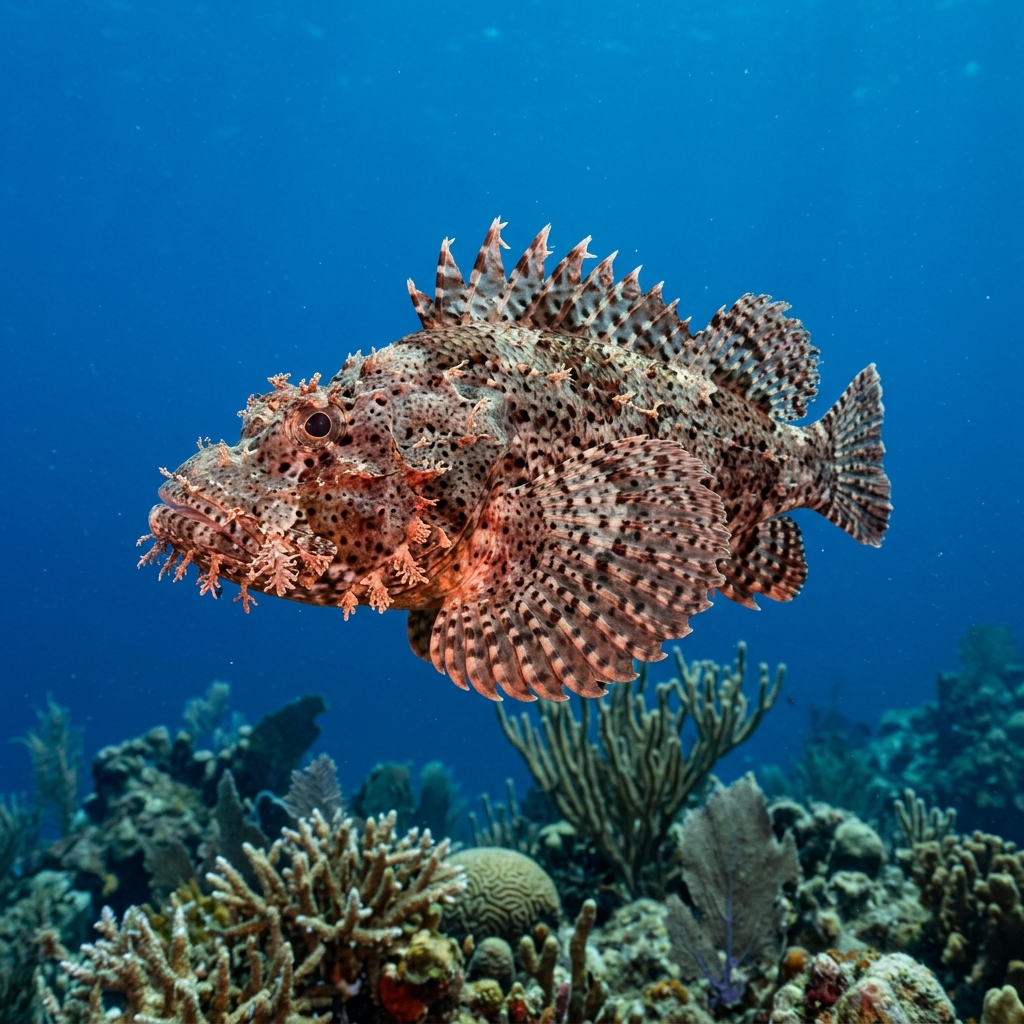
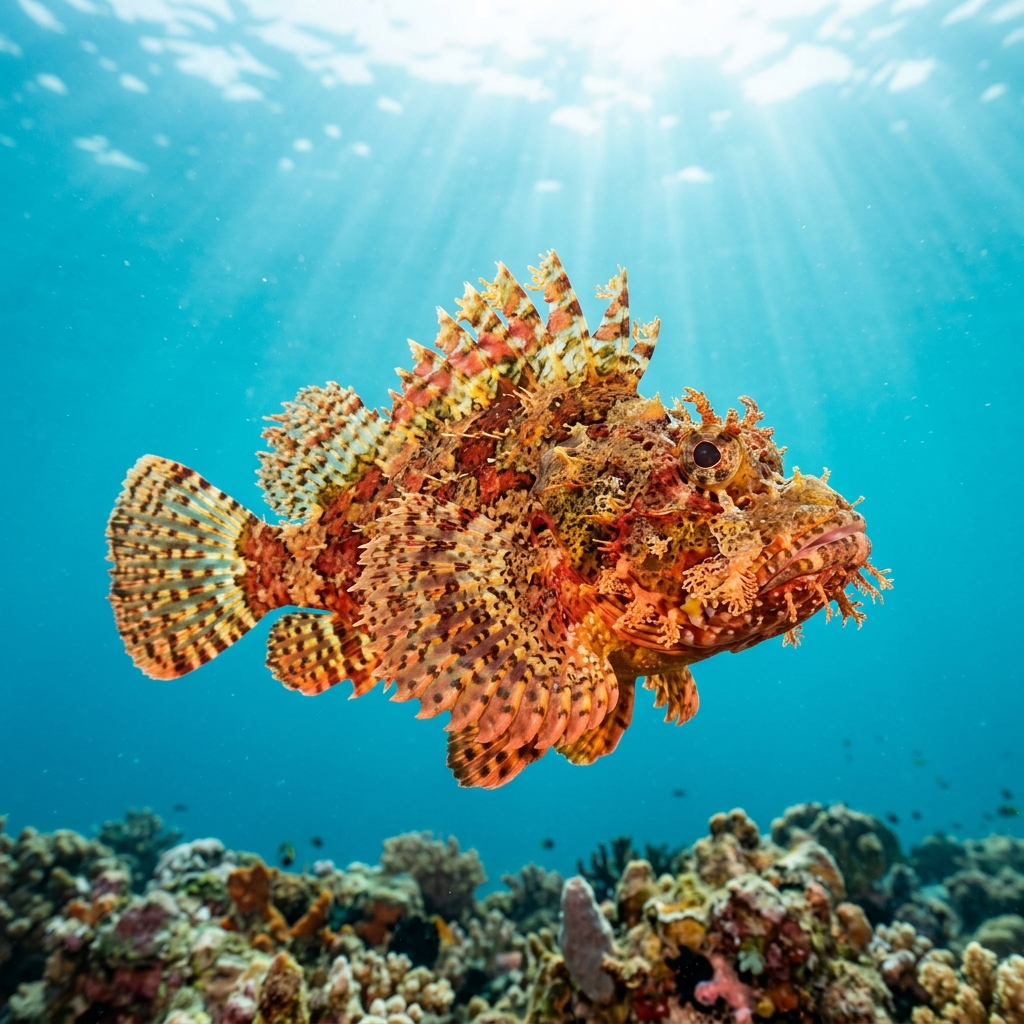
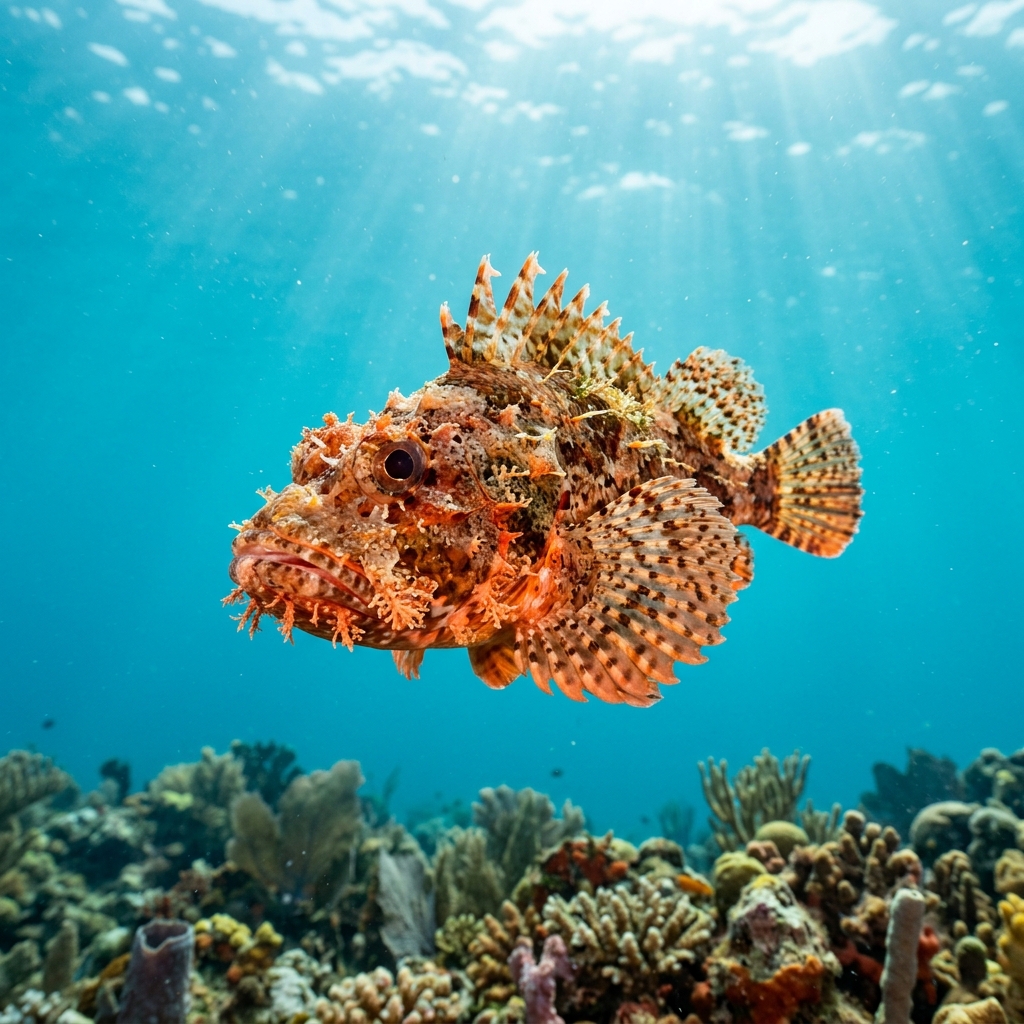
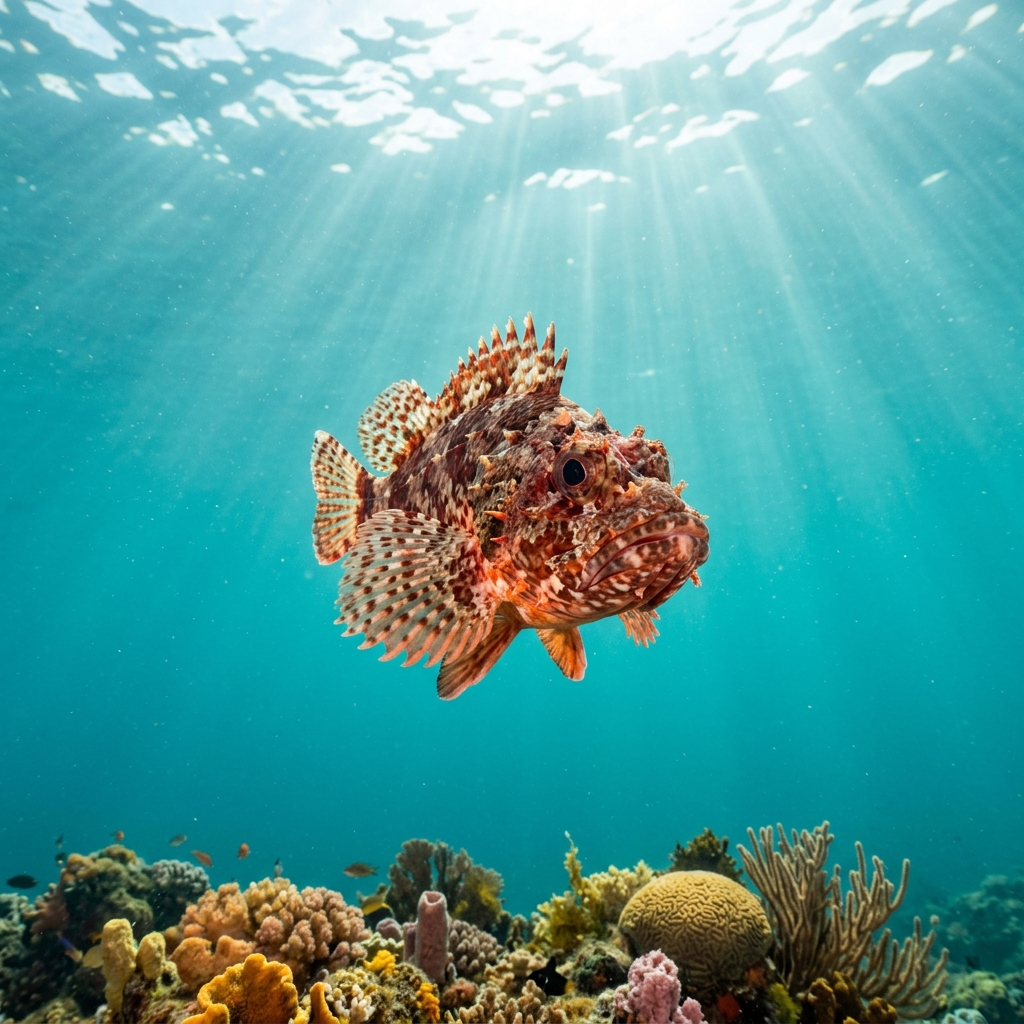
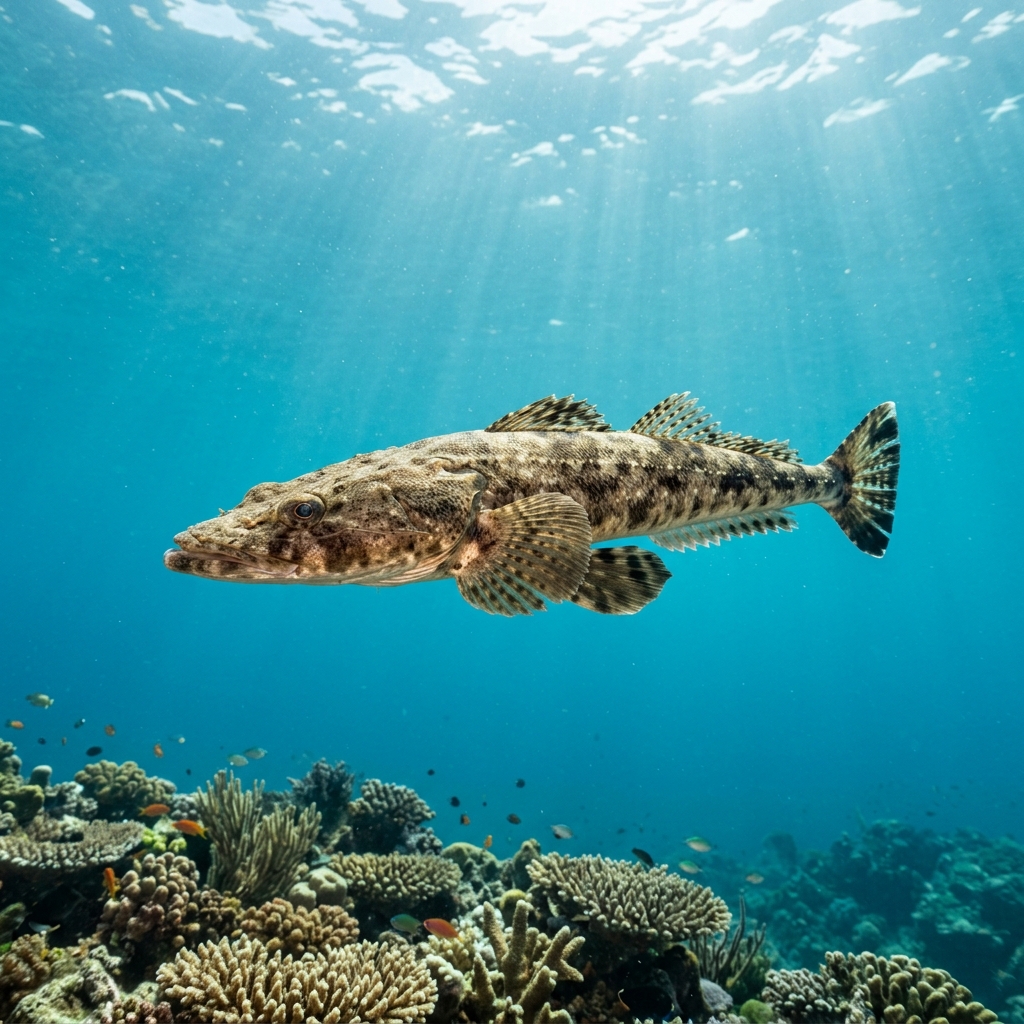
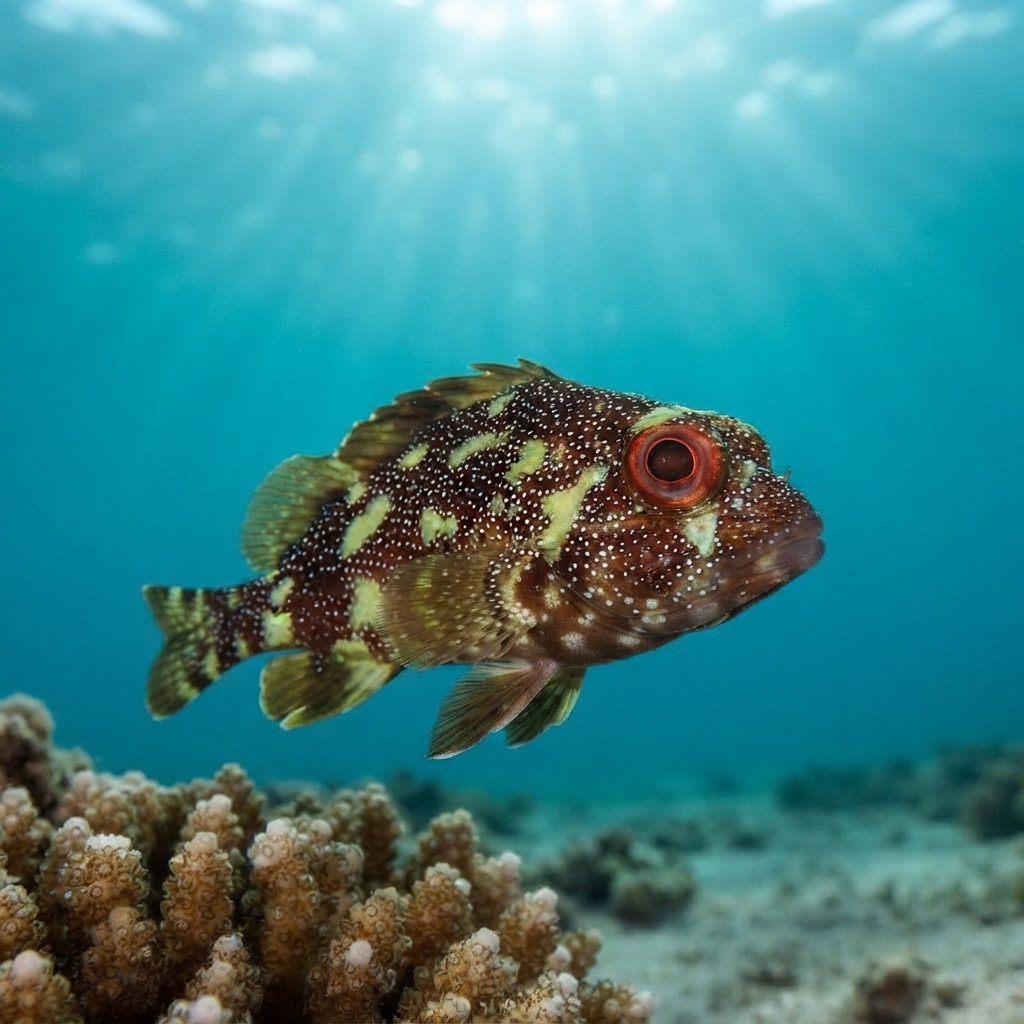
Barely 7cm long, with a lumpy, mottled body in shades of yellow, brown and tan that breaks up its outline against coral rubble. Look for small yellow spots scattered over the head and fins, plus the heavy-browed, big-mouthed scorpionfish profile with raised eyes sitting flush on top of the head. It sits motionless, often wedged into a coral crevice or on dead coral, relying on camouflage rather than colour to hide.
Spends most of its time sitting still on rubble, dead coral or reef structure, blending in so well that divers usually walk (or fin) right past it before a guide points it out. It's not a swimmer you'll see cruising open water; it waits for prey to come close rather than chasing, and shows little reaction to divers unless directly disturbed.
Like other small scorpionfish, it ambushes passing shrimp and small fish with a sudden gape-and-suck strike rather than any pursuit, so the stillness you see on the reef is actually it hunting.
No clear seasonal pattern shows up in the data, and with a comfortable range of 25.4 to 29.3 C it's a year-round find on the tropical reefs where it lives. Go looking any month you're diving Sulawesi or the Red Sea.
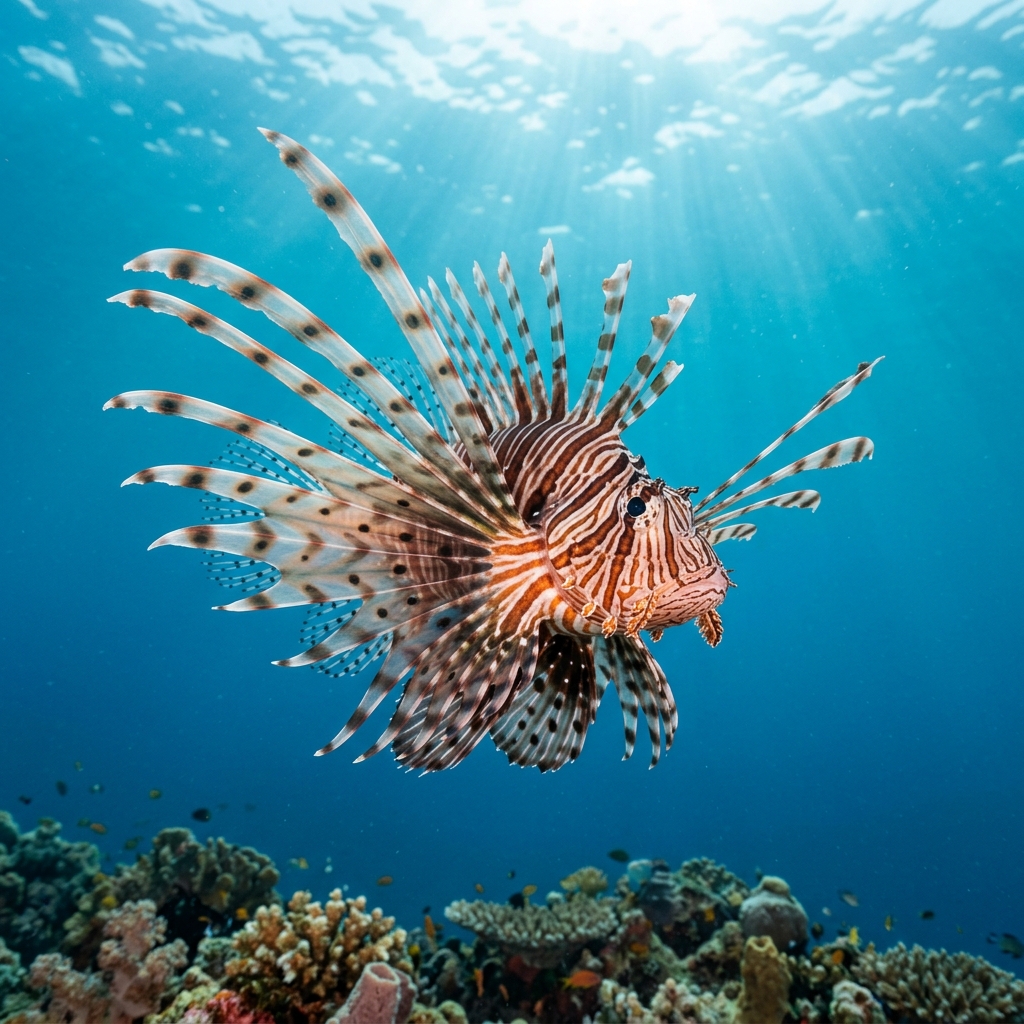
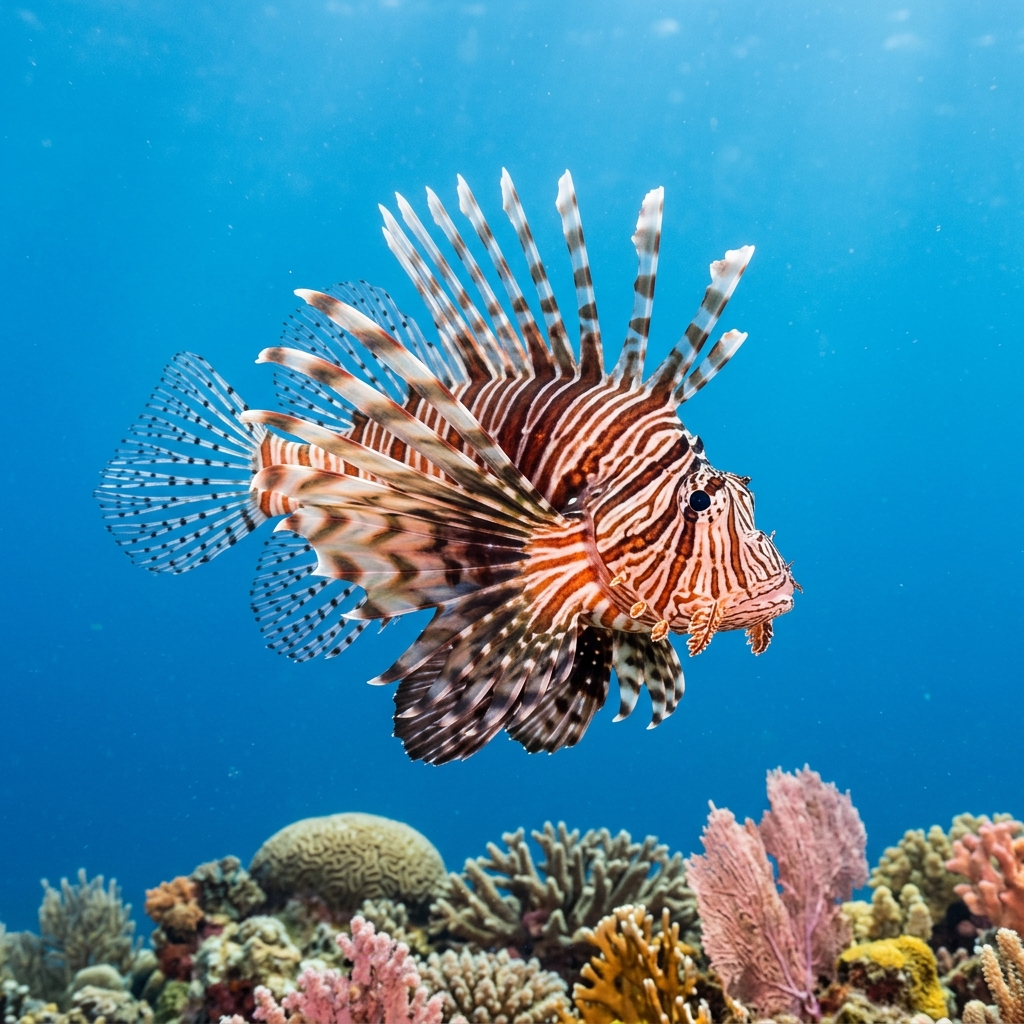
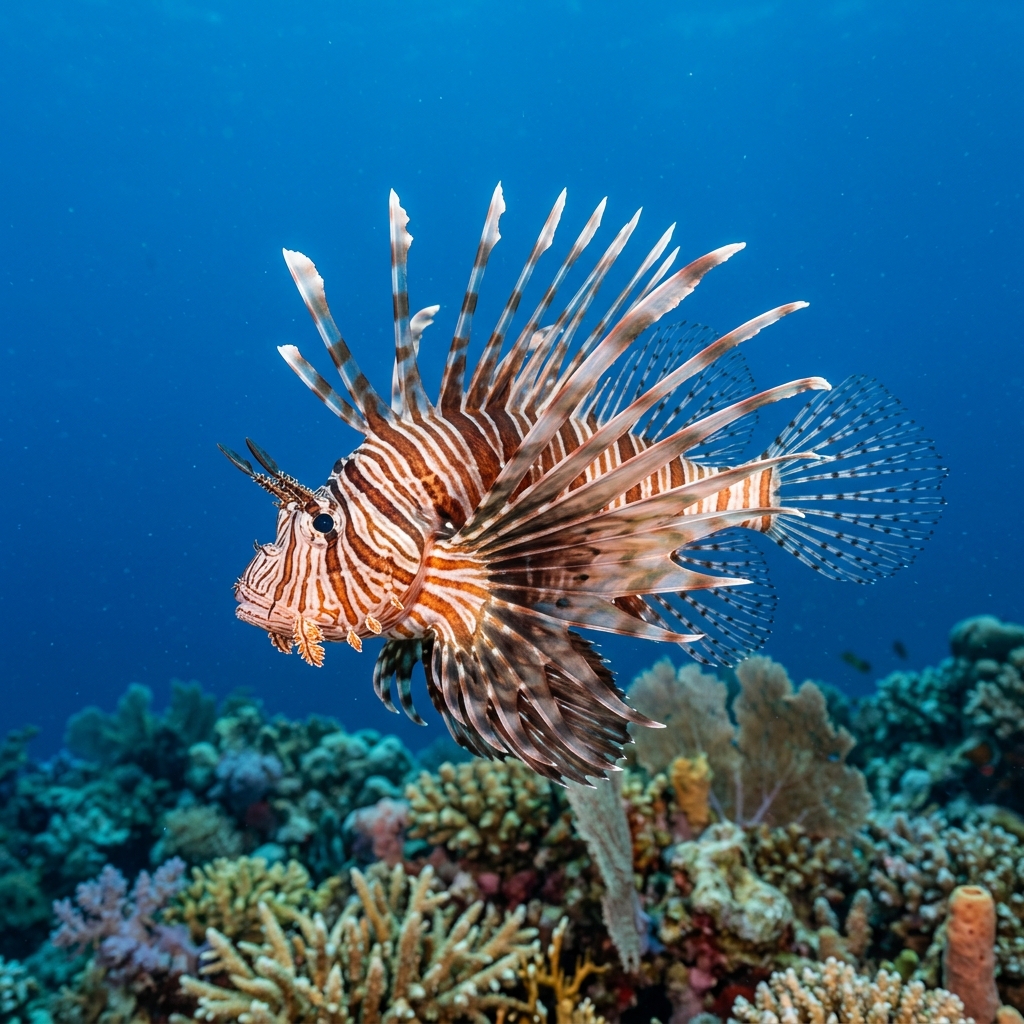
Reef neighbours a diver could mistake it for. Use the identification notes above to tell them apart.
Most reliably logged in Sulawesi, Indonesia, which accounts for the bulk of sightings, with further records from Marsa Alam and South Sinai in Egypt's Red Sea and Apra Harbor in Guam. Smaller numbers turn up in Inhambane in Mozambique, plus one-off logs from Dili in Timor-Leste, Eilat in Israel and Shimoni in Kenya.
Mapping where Yellowspotted Scorpionfish is logged…
Sulawesi in Indonesia is the strongest area for sightings, with further records from Egypt's Marsa Alam and South Sinai, Guam's Apra Harbor, and Mozambique's Inhambane region.
There's no detected season in the sighting data, and it tolerates a warm 25.4 to 29.3 C range, so it's found on tropical reefs throughout the year.
Yes, they carry venomous dorsal spines that sting if touched. The real risk is that their camouflage makes them hard to spot, so divers should avoid putting hands or knees on rubble and coral debris.
Look for a lumpy 7cm fish in mottled yellow-brown tones with small yellow spots on the head and fins, sitting motionless on rubble or dead coral with its eyes raised on top of the head.
They're small as scorpionfish go, typically reaching around 7cm in length, which adds to how easily they're overlooked on the reef.
They don't chase prey at all. They sit still, camouflaged against rubble, and rely on a sudden gape-and-suck strike to take shrimp and small fish that wander too close.
Site and sighting data is aggregated from diver logs, iNaturalist and GBIF. For taxonomy and conservation status:
Madeira Rockfish
2,773 sites