Parapercis xanthozona
Spot this small sandperch resting on reef rubble in Krabi, Thailand or Singapore's Southern Islands, year-round in warm 25-29C water.
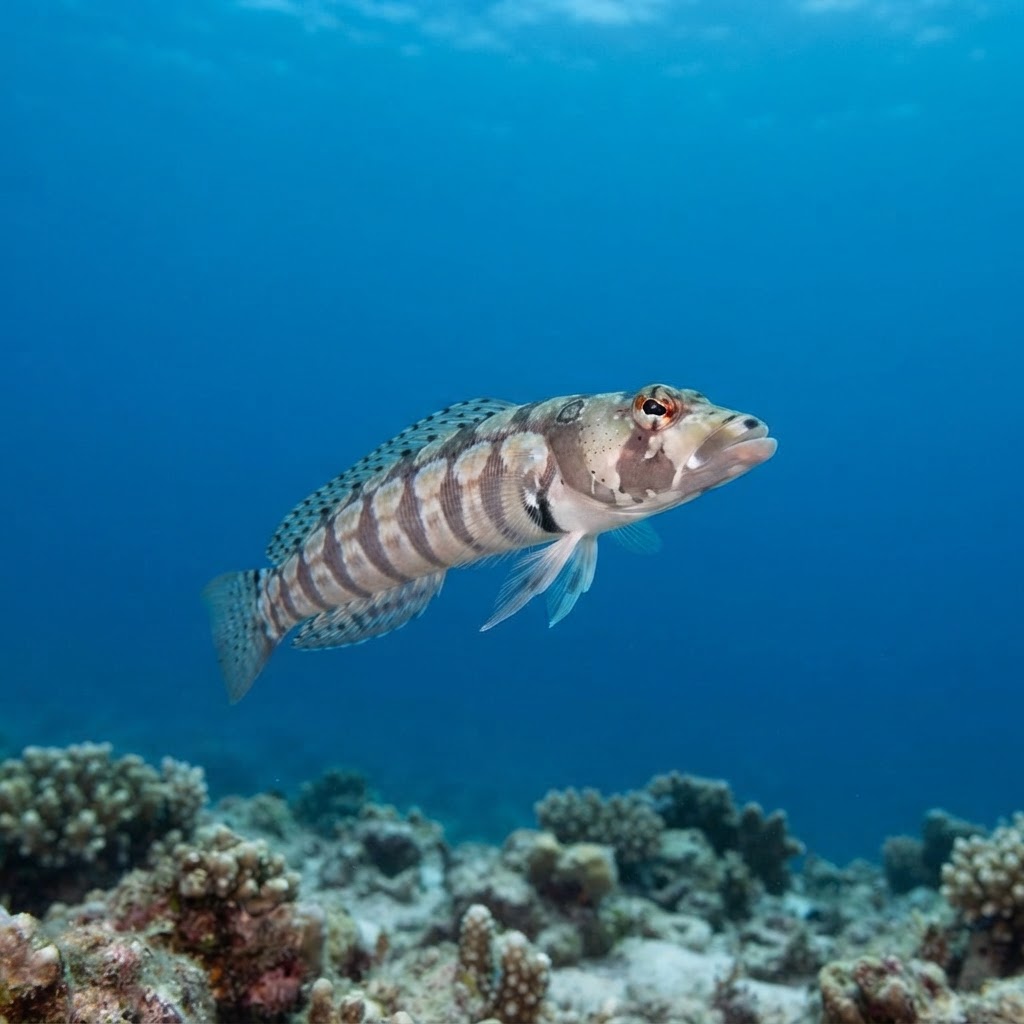
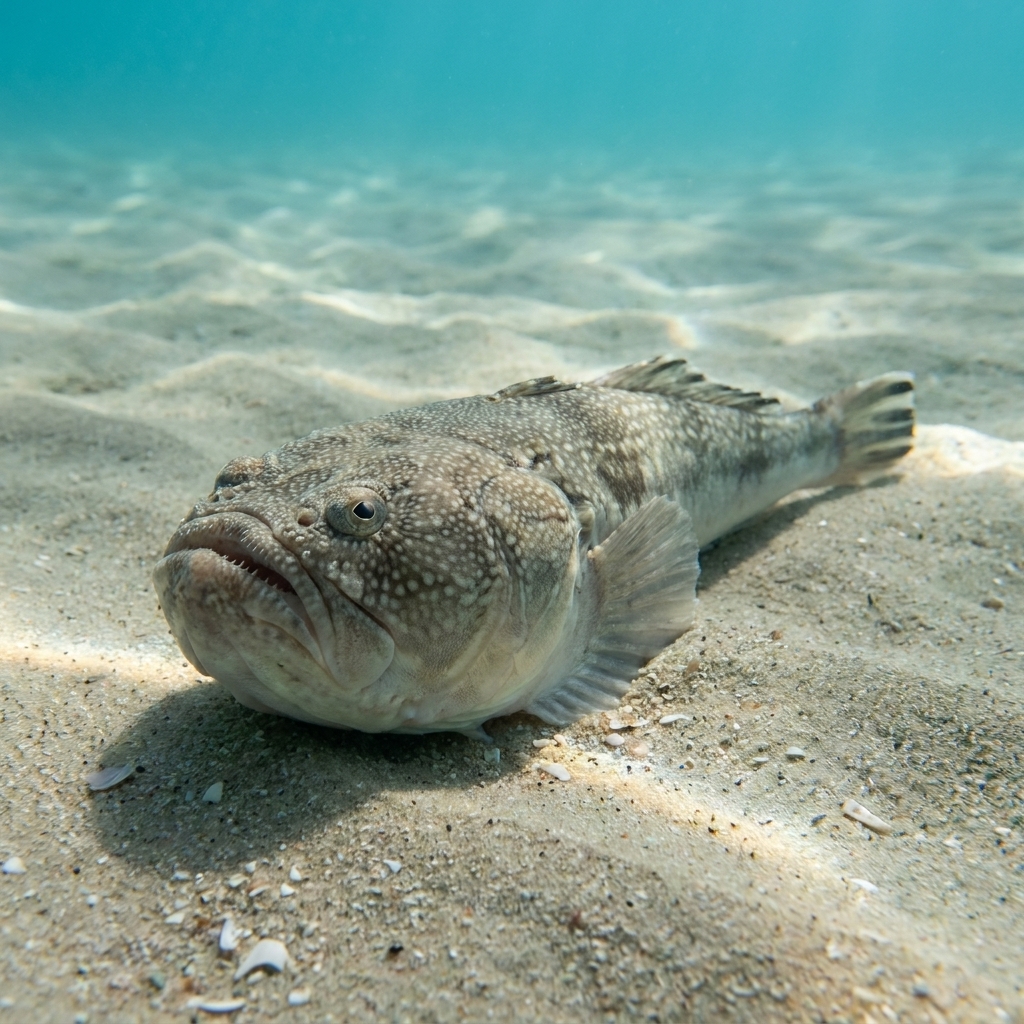
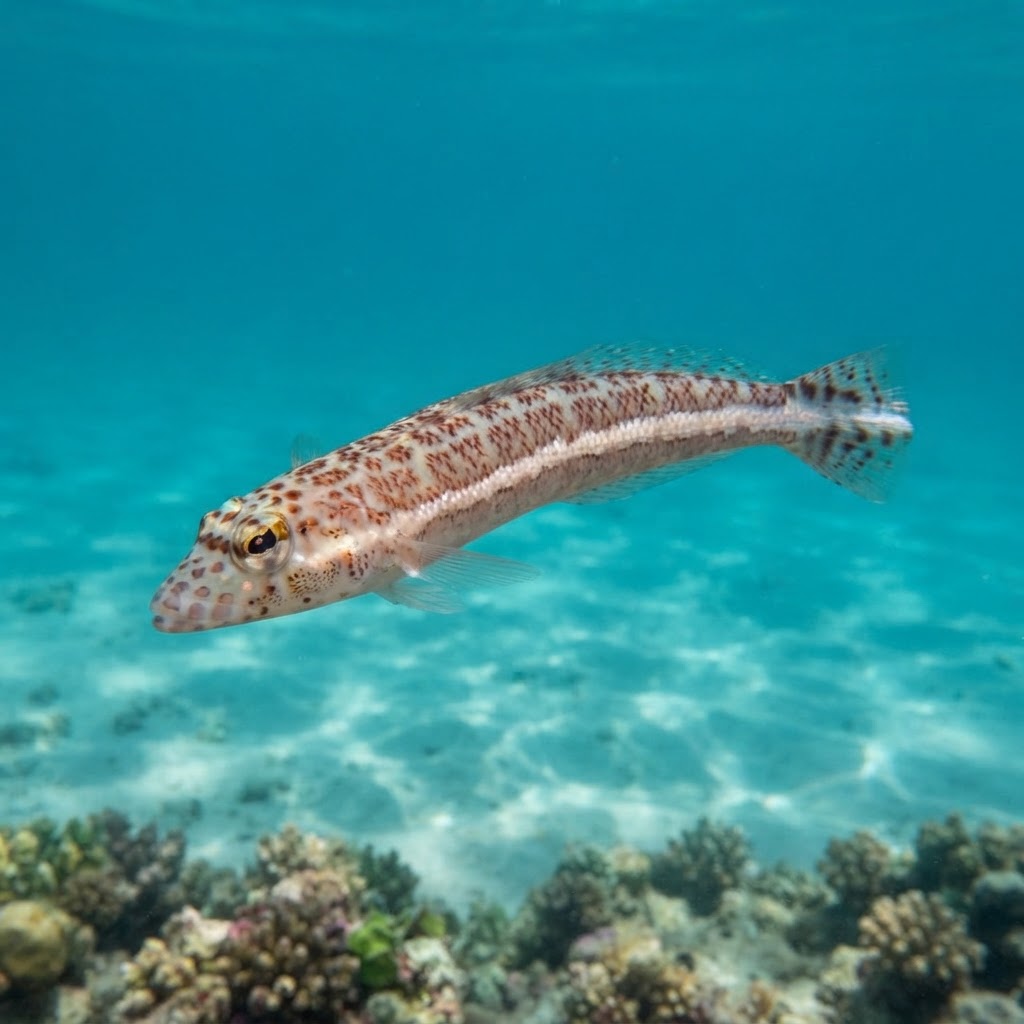
A slim, cylindrical fish around 16cm long, usually seen propped up on its pelvic fins on sand or rubble rather than swimming freely. Look for a pale to sandy-grey body crossed by yellowish bands or blotches along the flanks, with a pointed snout typical of sandperches. It holds still for long stretches, only darting a short distance when disturbed, which makes the banding pattern easy to check against similar species.
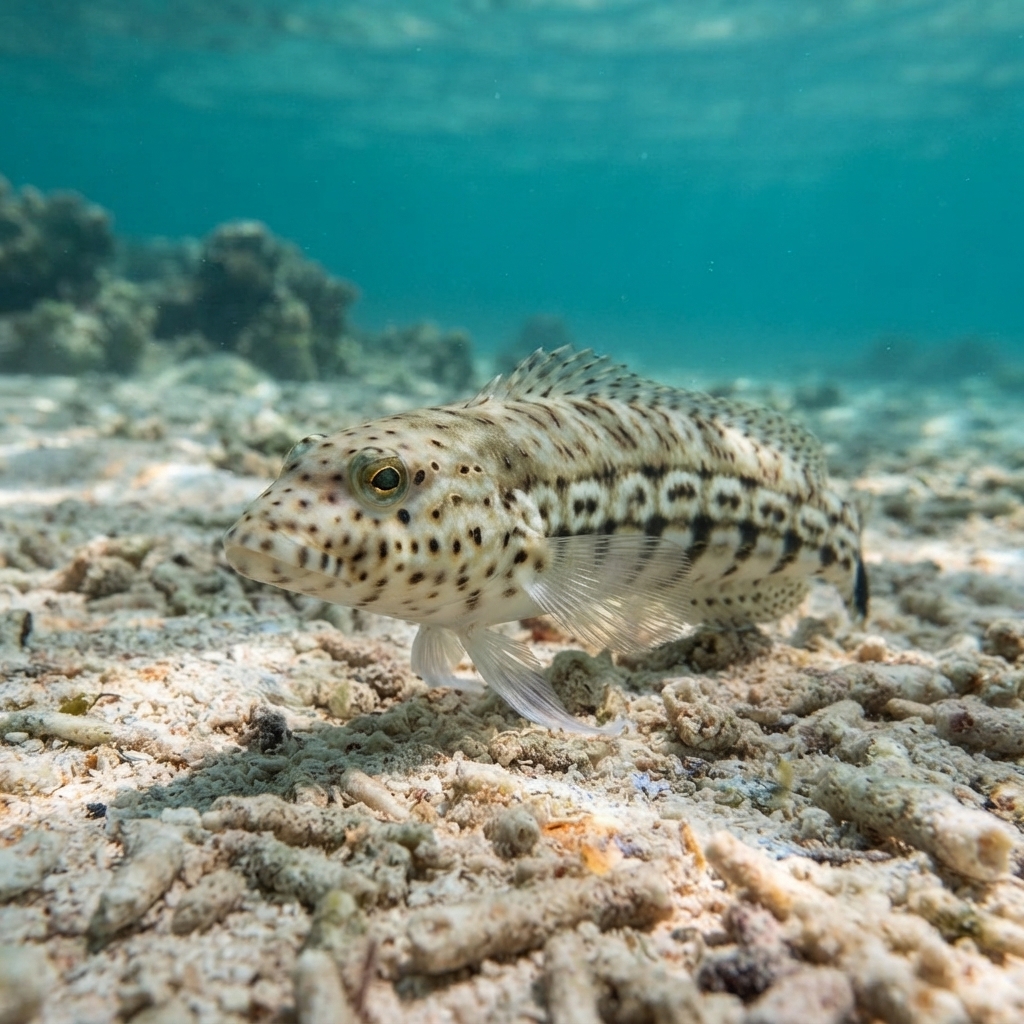
Divers typically find it perched motionless on sand, rubble, or low reef structure, propped up on its pelvic fins in classic sandperch style rather than cruising in open water. It tends to let divers approach fairly close before flicking off a short distance and resettling nearby, so a slow, low approach gives the best look. Most sightings come from close scanning of the substrate rather than mid-water encounters, and it is logged as uncommon to rare at nearly every site, so it rewards divers who take the time to check rubble patches carefully.
Like other grubfish and sandperches, it hunts by watching the bottom from its raised perch and darting out to grab small invertebrates or fish, a stop-start feeding style that is quite different from typical free-swimming reef fish.
No clear seasonal pattern shows up in the sightings, and with a comfortable range of roughly 25 to 29C it has no real reason to disappear at any time of year. Treat it as a year-round find on the reefs and rubble slopes where it is known to occur.
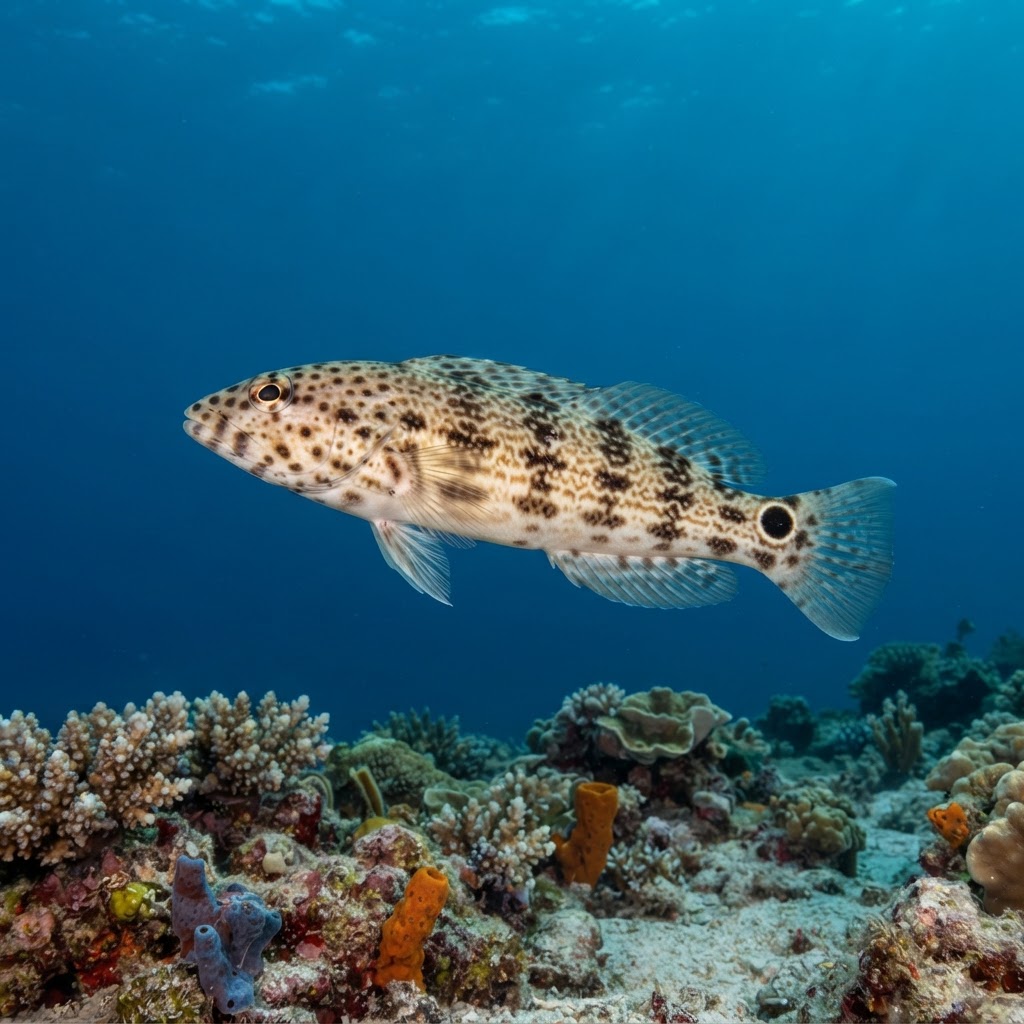
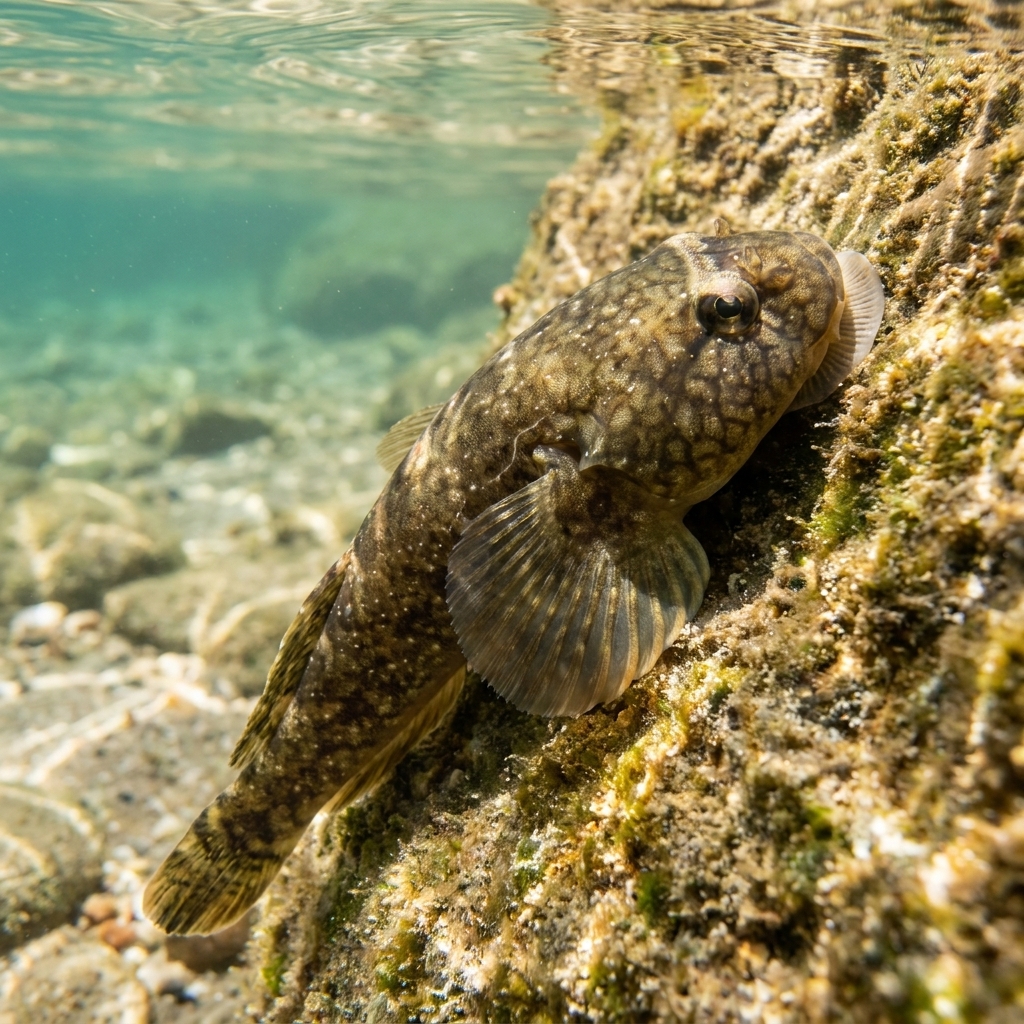
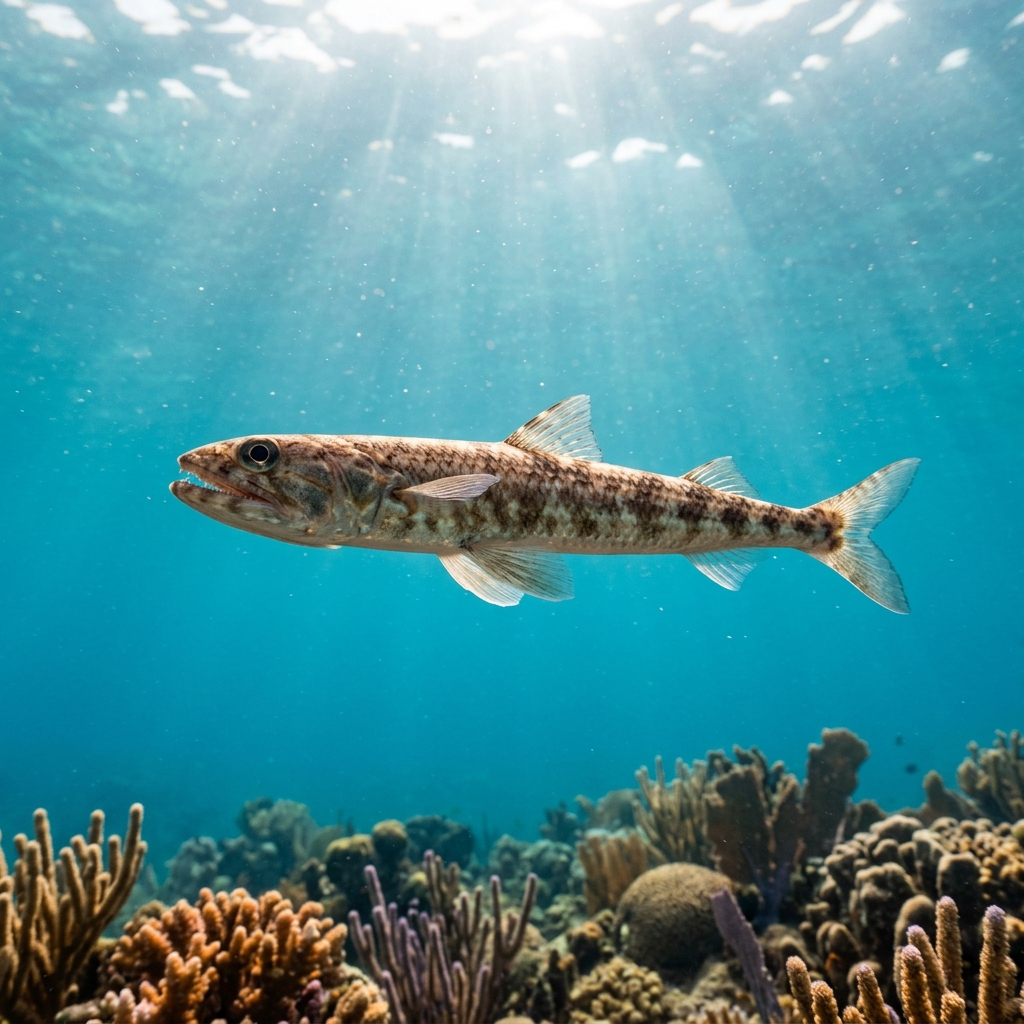
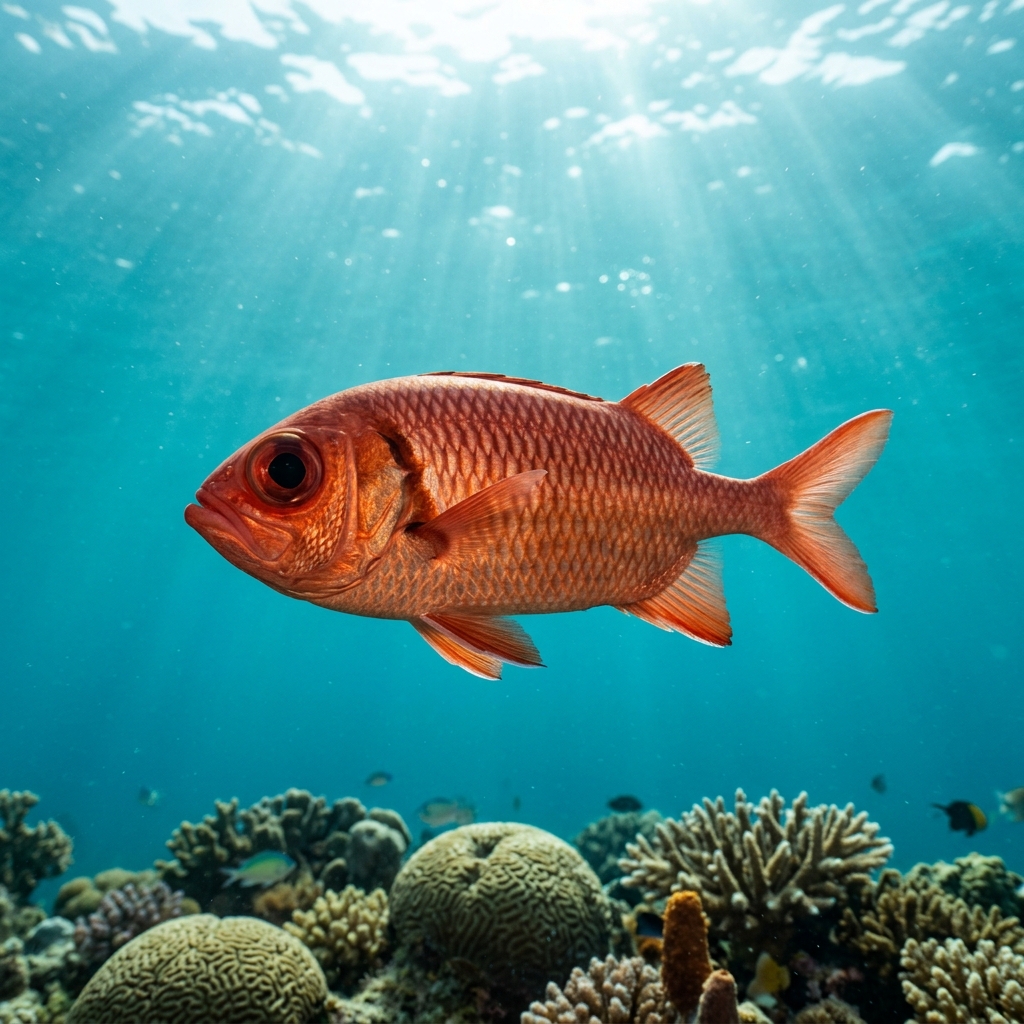
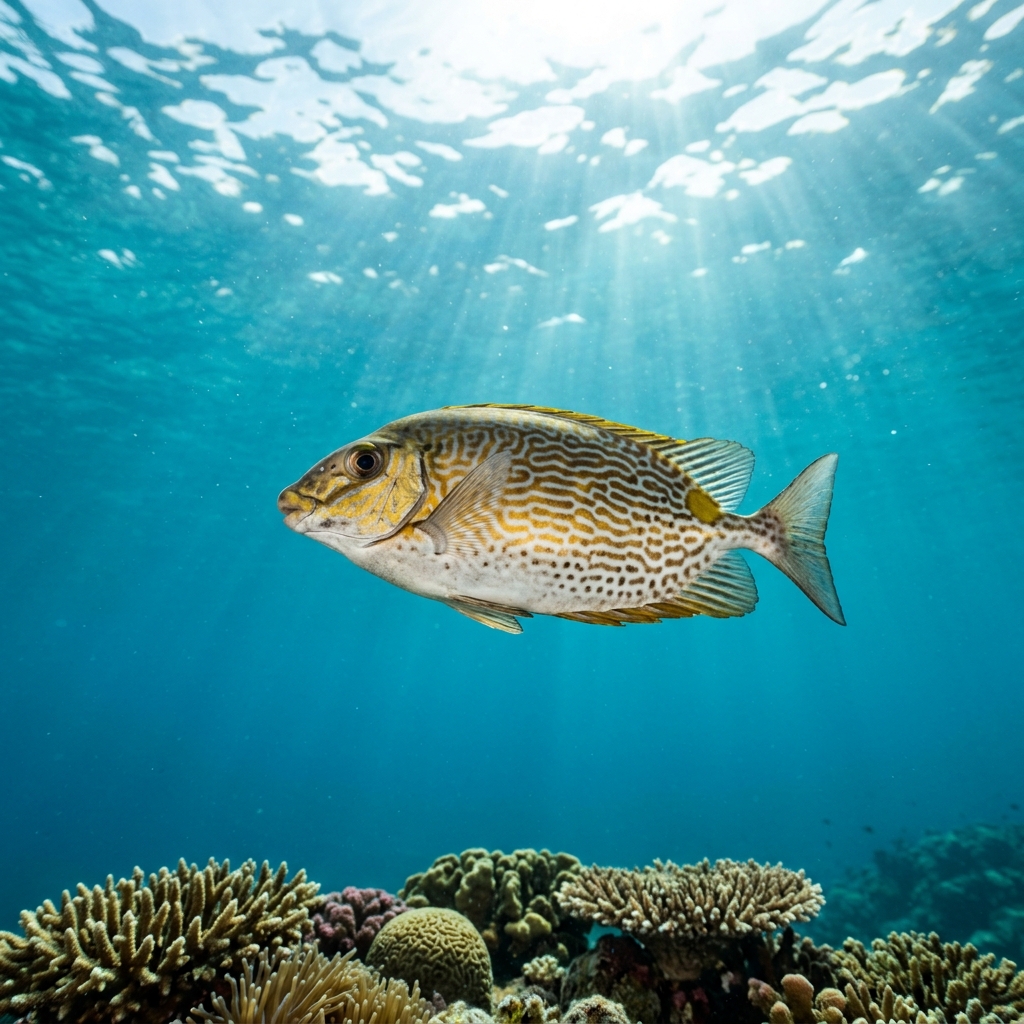
Reef neighbours a diver could mistake it for. Use the identification notes above to tell them apart.
Most reliably logged around Krabi in Thailand, which accounts for the bulk of recorded sightings, with further records from Singapore's Southern Islands and Peninsular Malaysia's east coast. Smaller numbers turn up in Sulawesi and Maluku in Indonesia and at Longdong in Taiwan, so it has a wide but patchy Southeast Asian spread.
Mapping where Yellowband Grubfish is logged…
It is most consistently reported around Krabi in Thailand, with further sightings in Singapore's Southern Islands and along Peninsular Malaysia's east coast. Scattered records also come from Sulawesi and Maluku in Indonesia and Longdong in Taiwan.
There is no detected season in the sightings data, and it is found in water from about 25 to 29C, which holds steady on tropical reefs all year. Any time you are diving in its known range is as good as any other.
Look for a slender 16cm fish resting on sand or rubble, propped up on its pelvic fins rather than swimming, with a pale body marked by yellowish banding along the sides. It stays still until you get close, then makes a short dart to a new resting spot.
They reach around 16cm in length, a typical size for the sandperch group they belong to. That makes them easy to overlook against rubble unless you are scanning the bottom closely.
No, they pose no threat to divers. They are small bottom-dwelling fish that keep their distance and have no venom or aggressive behaviour towards people.
Site and sighting data is aggregated from diver logs, iNaturalist and GBIF. For taxonomy and conservation status:
Parapercis hexophtalma
Soldierfish
3,612 sites