Parapercis hexophtalma
A perch-shaped sand-dweller common in South Sinai and the Maldives, seen year-round in 25-29C water on sandy reef patches.
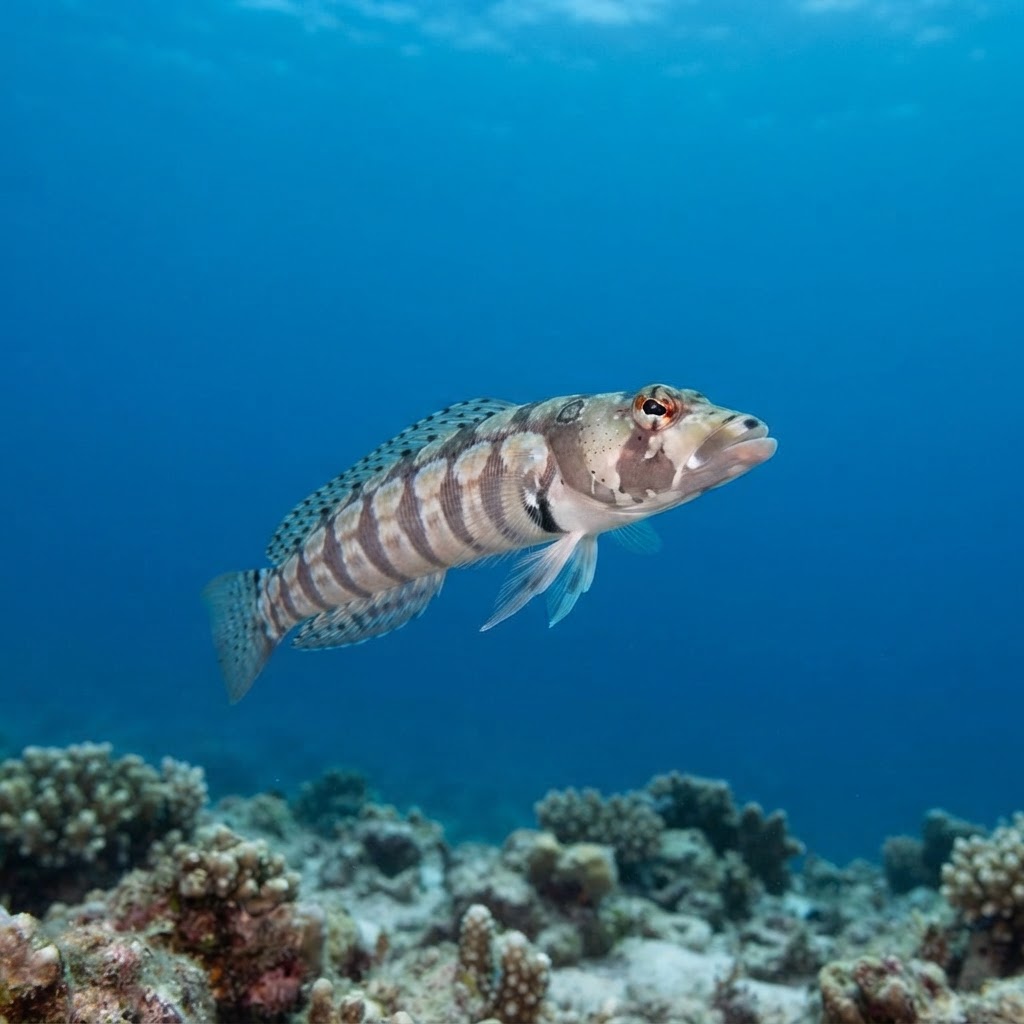
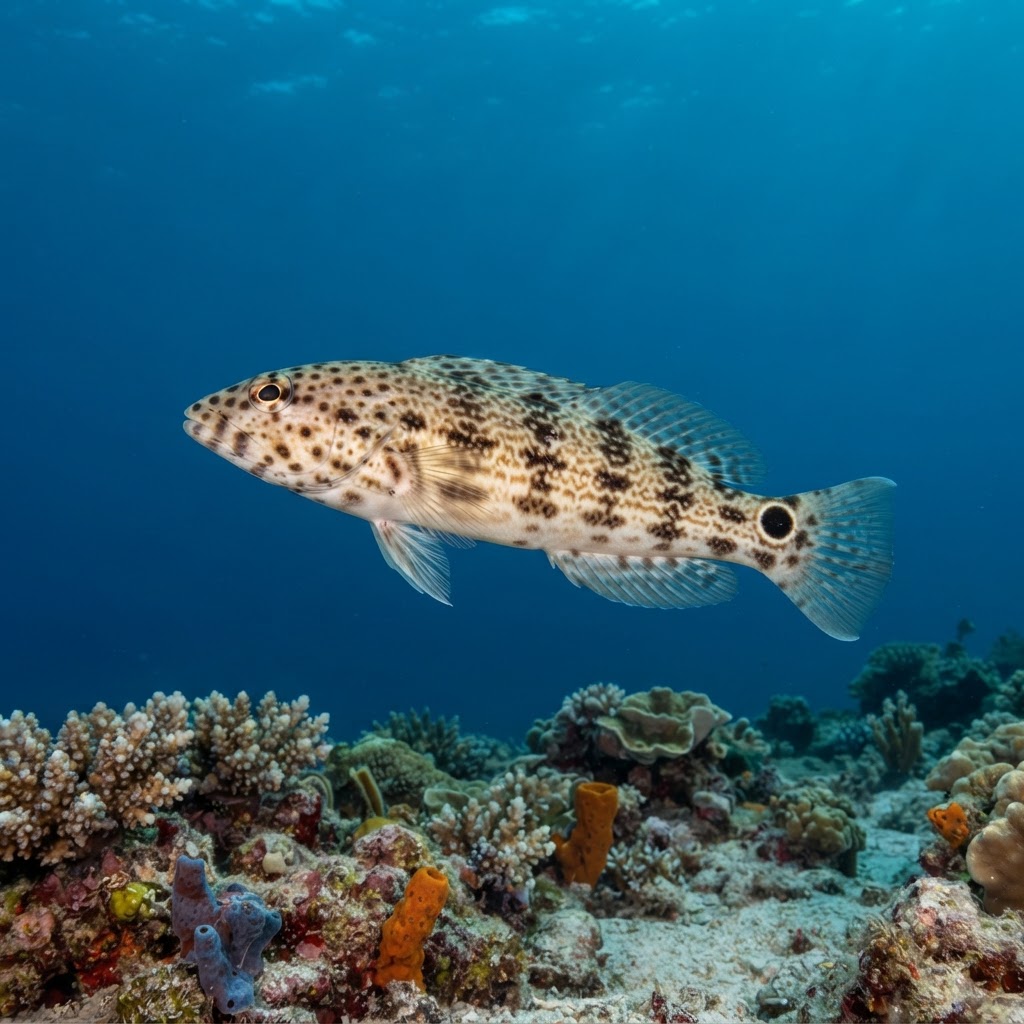
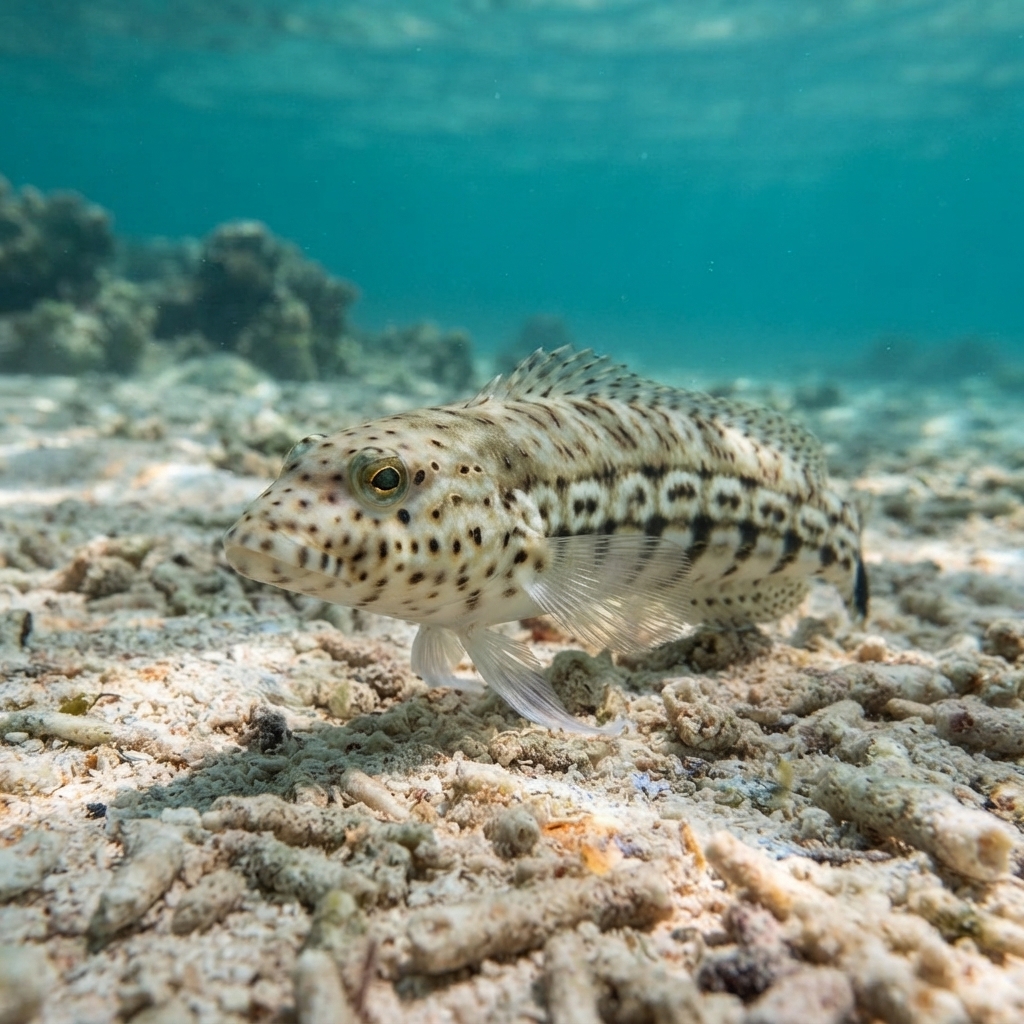
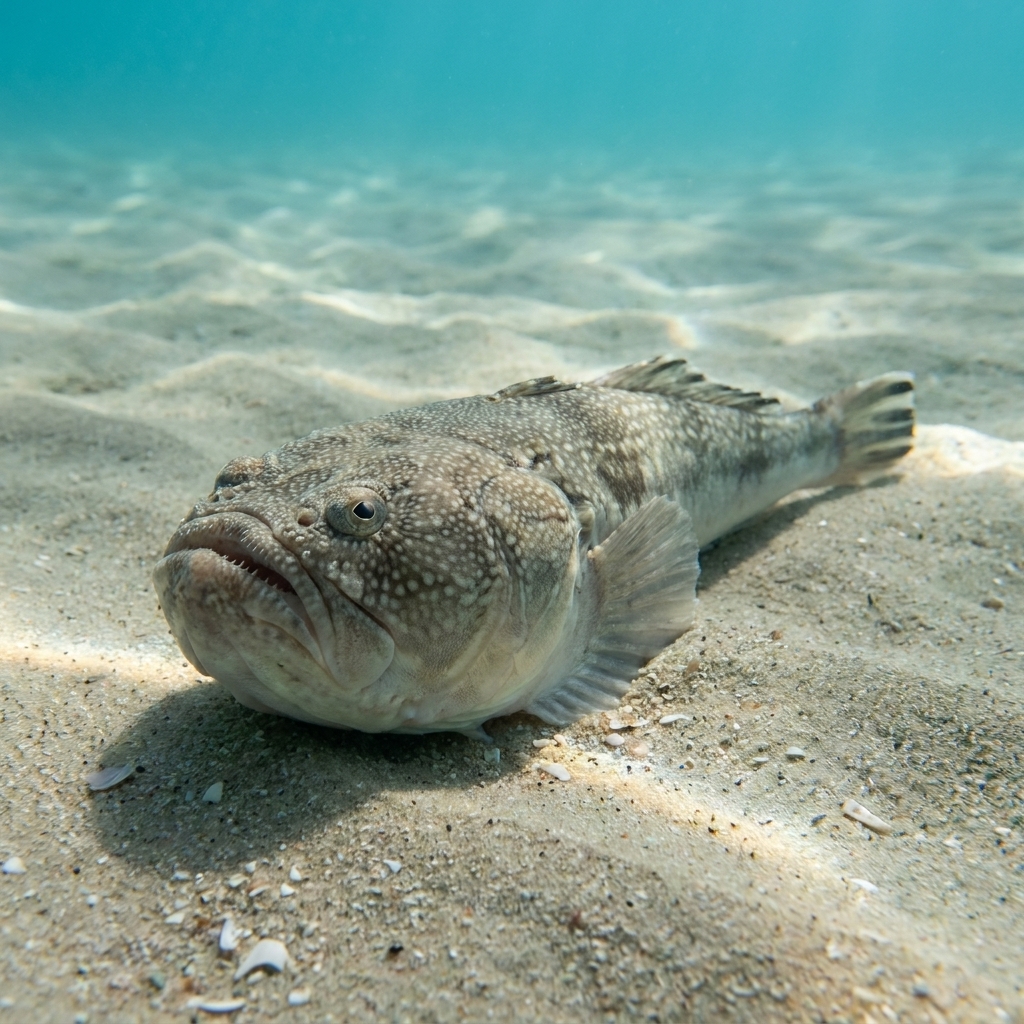
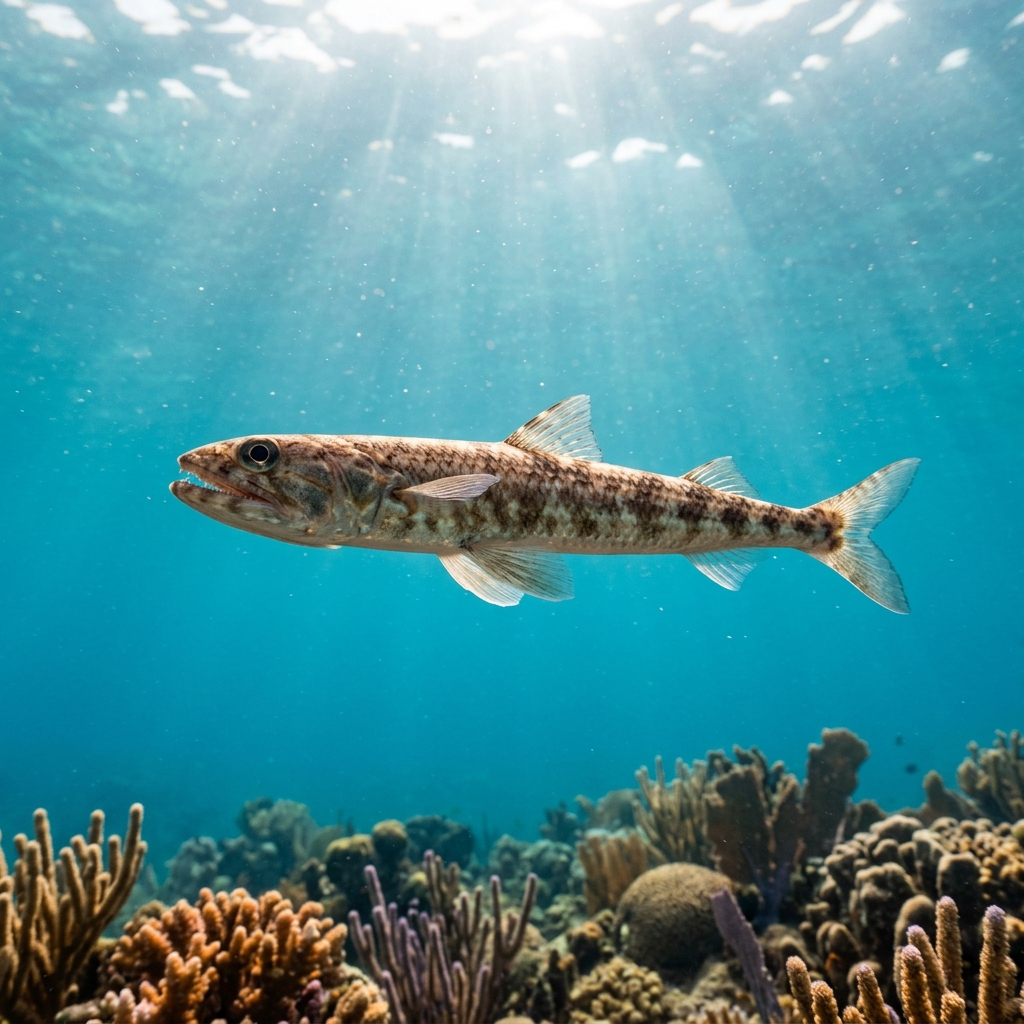
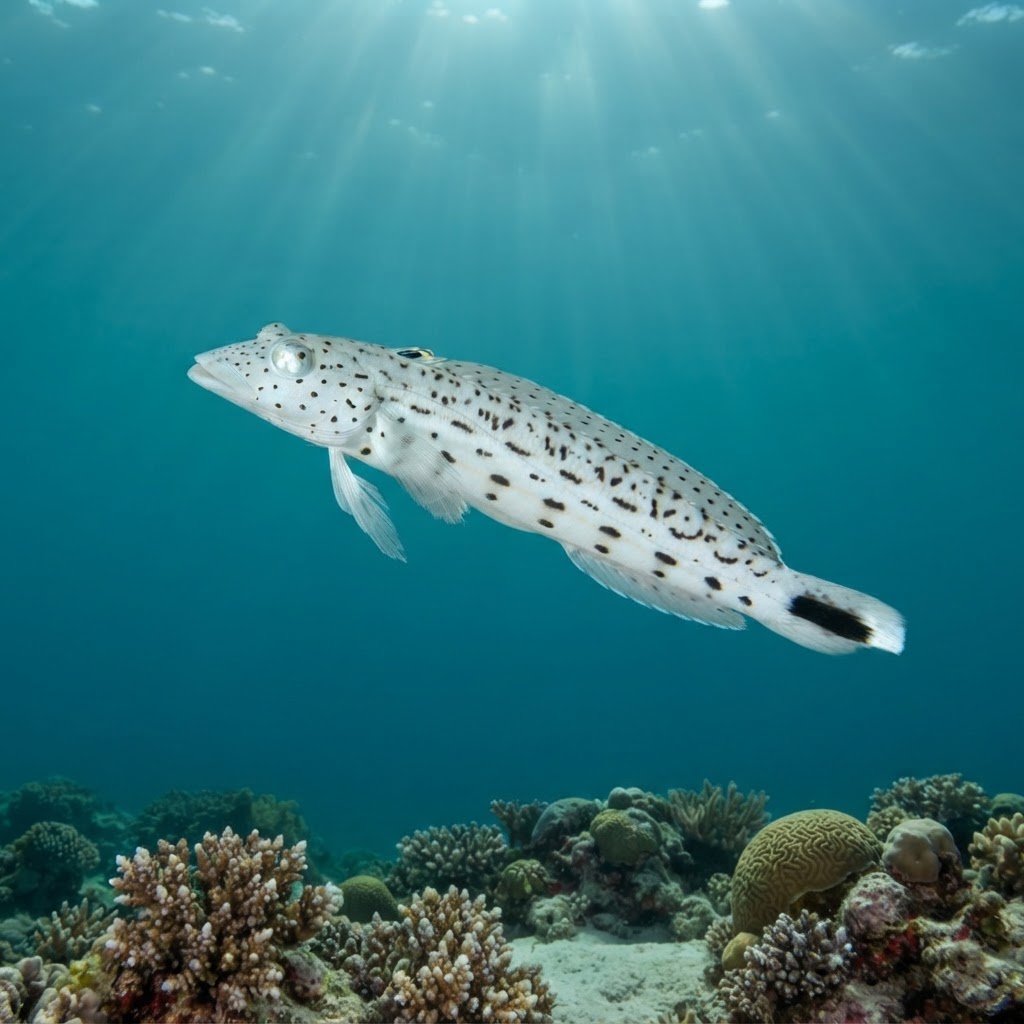
Slender, cylindrical body about 20 cm long, usually seen propped on its pelvic fins on sand or rubble rather than swimming freely. Look for a row of dark saddle-like blotches along the back and fine blue-grey spots scattered across the head and cheeks. Males often show brighter blue markings on the face than the duller-toned females, and the tail carries a dark blotch at its base that helps separate it from similar sandperches.
Spends most of its time perched motionless on sand, rubble or coral debris, propped up on its pelvic fins like a tiny lookout, darting a few centimetres to snap up small invertebrates before settling again. It tends to hold its ground as divers approach, retreating only a short distance rather than bolting, which makes it an easy subject for a slow, patient photo pass over sandy reef flats and gentle slopes.
Like other sandperches, it is a protogynous hermaphrodite, meaning individuals start life as females and some later change into males, a shift that also shows up as the brighter blue facial patterning developing in males.
No clear seasonal pattern shows up in sightings, and with a comfortable range of about 25 to 29C it sits happily on tropical reefs all year, so any month works for a dive trip.
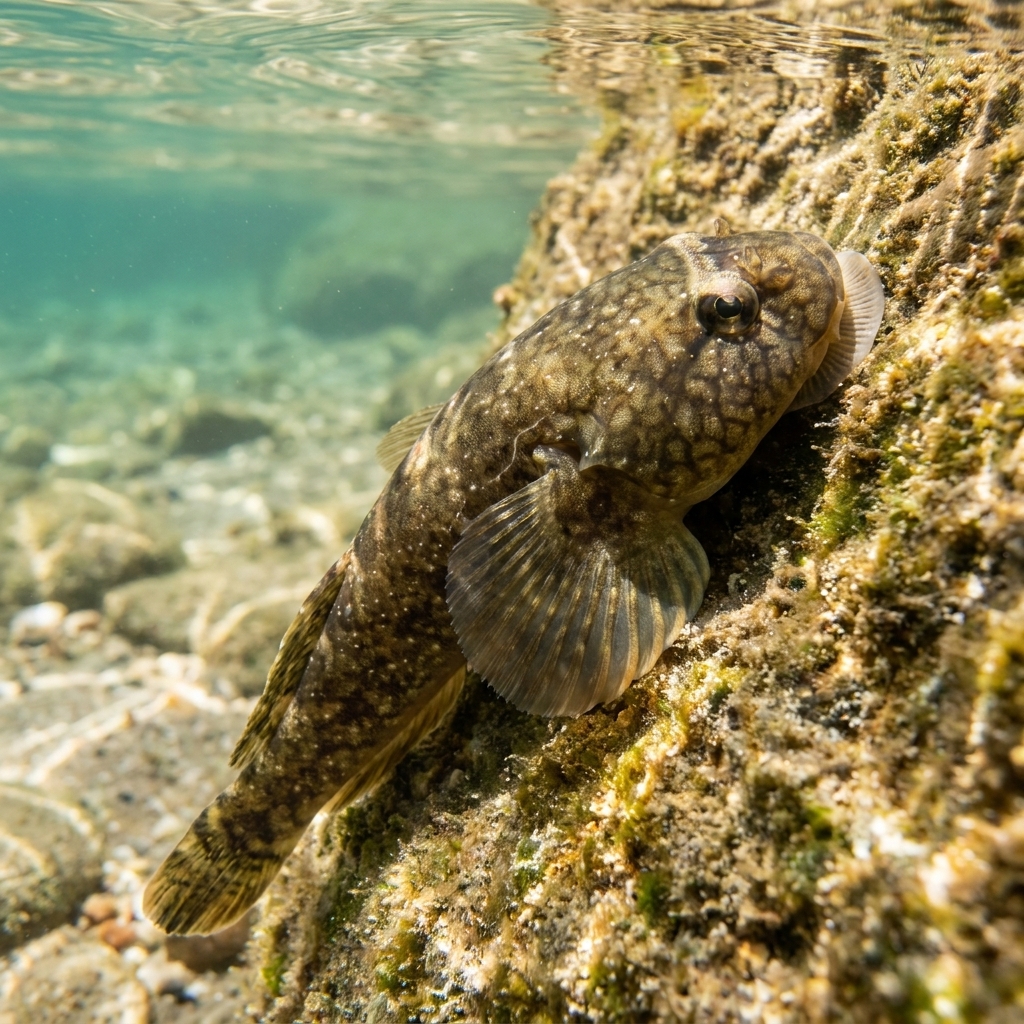
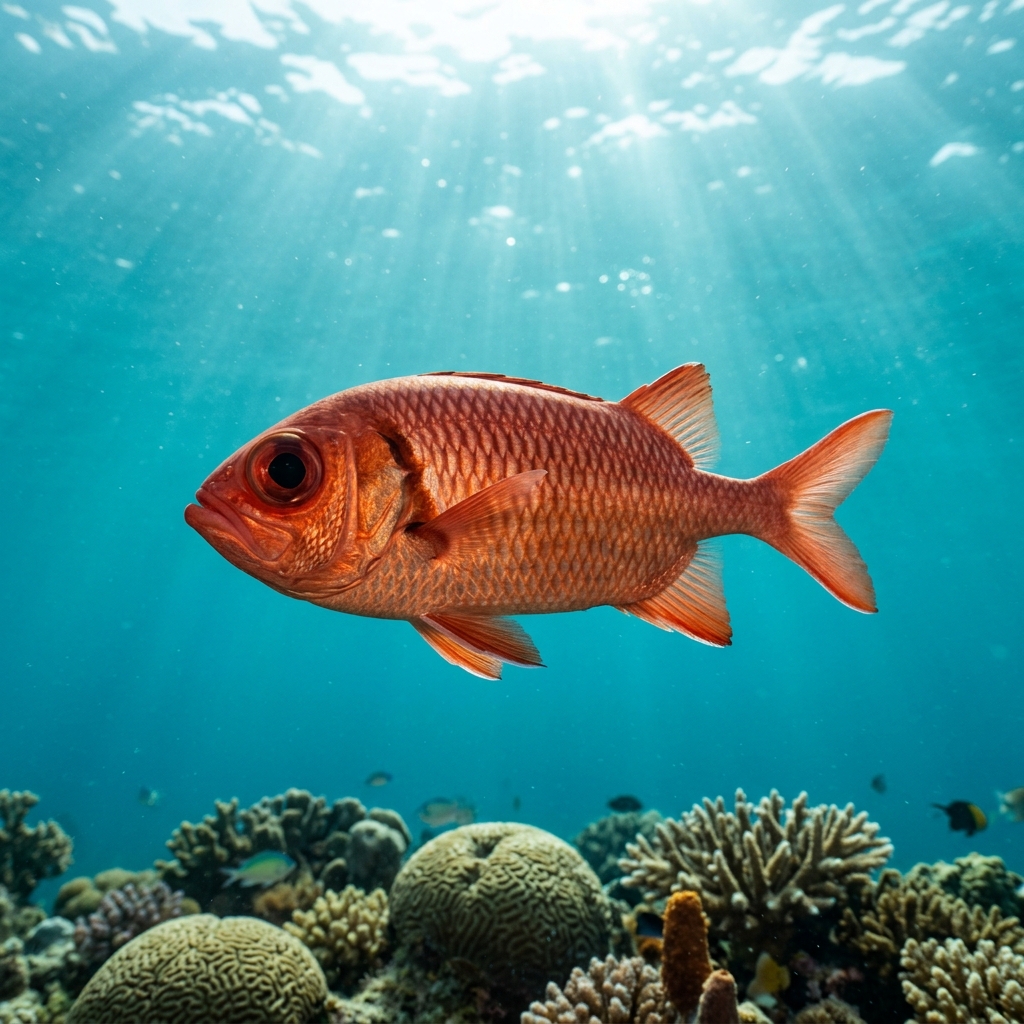
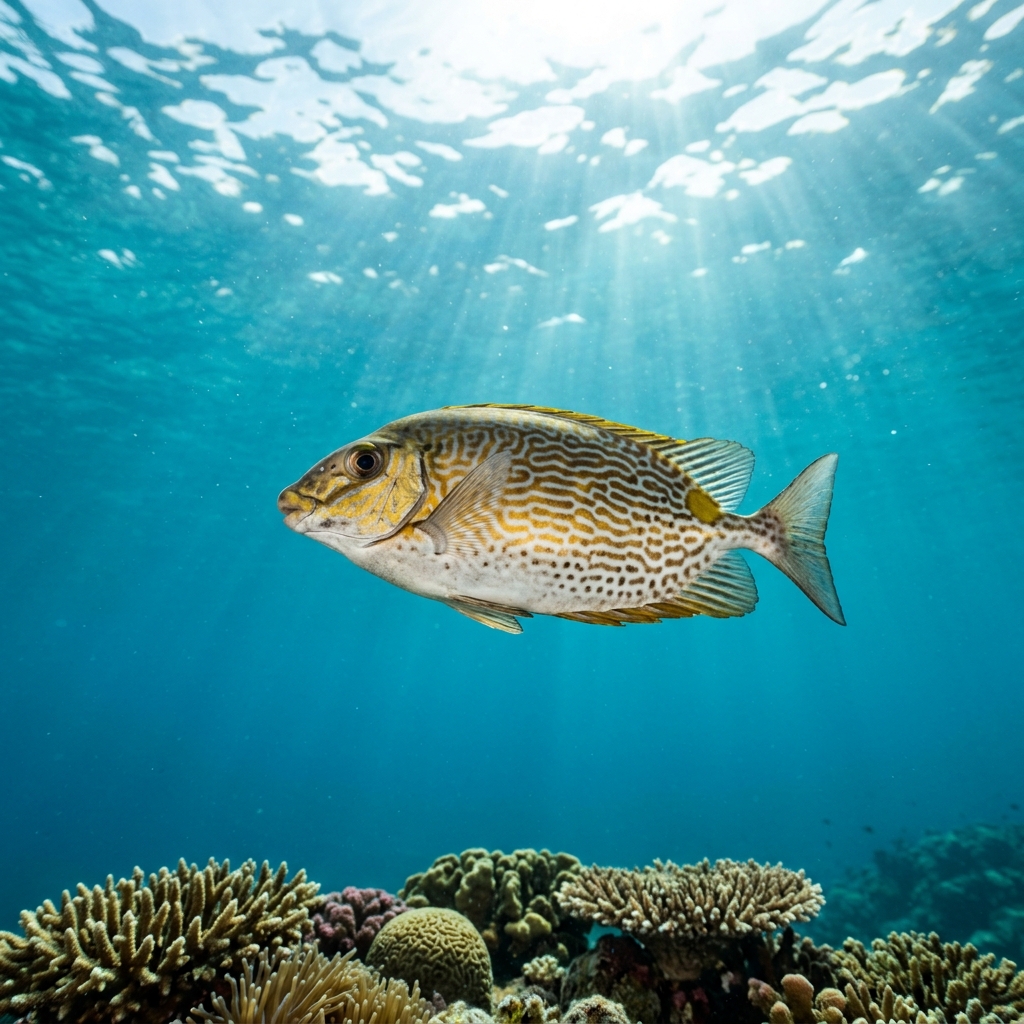
Reef neighbours a diver could mistake it for. Use the identification notes above to tell them apart.
Most reliably logged in Egypt, especially South Sinai and Marsa Alam & the Deep South, with strong numbers also through the Red Sea Riviera and Aqaba in Jordan. Outside the Red Sea it turns up consistently in the Central Atolls of the Maldives and around Koh Lipe and Khao Lak in Thailand, with smaller but steady populations in Kenya's Diani and along the Saudi and Israeli Red Sea coasts.
Mapping where Spotted Sandperch is logged…
South Sinai and Marsa Alam in Egypt are the most reliable spots, alongside the Central Atolls of the Maldives and Koh Lipe and Khao Lak in Thailand. Aqaba in Jordan and Diani in Kenya also produce regular sightings.
There's no strong season in the sightings data, and it tolerates a wide 25 to 29C range, so it's seen on reefs year-round rather than during a particular month.
Look for a slim, torpedo-shaped fish around 20 cm long propped on sand with its pelvic fins, showing dark saddle blotches along its back and blue-grey spotting on the head.
They typically reach about 20 cm in length, making them a small, easy-to-overlook reef fish best spotted by scanning sandy patches close to the bottom.
Yes, they are protogynous hermaphrodites, starting life as females with some later transitioning into males, a change often accompanied by brighter blue facial markings.
Site and sighting data is aggregated from diver logs, iNaturalist and GBIF. For taxonomy and conservation status:
Soldierfish
3,612 sites