Parapercis tetracantha
Bold bar markings on a slender reef fish, most reliably spotted in the Visayas and Bali in 25-29°C water year-round.
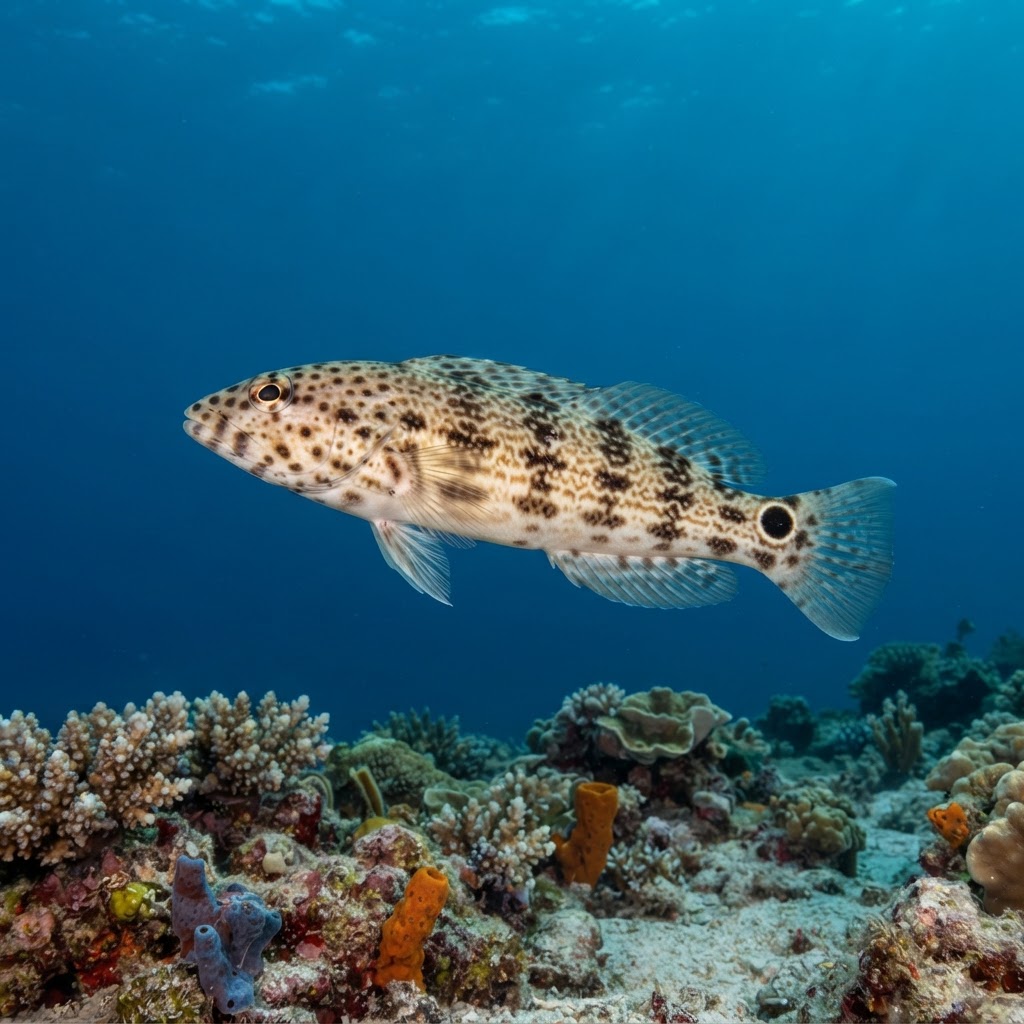
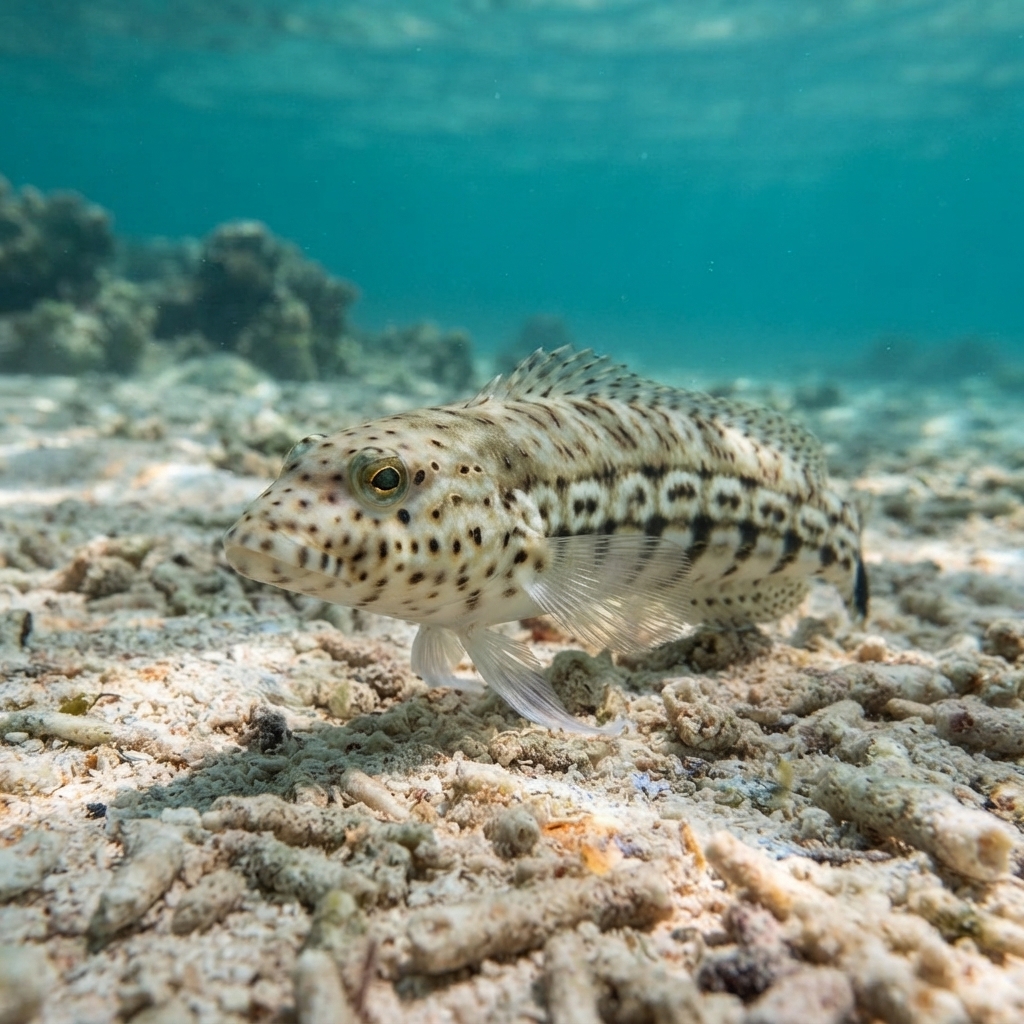
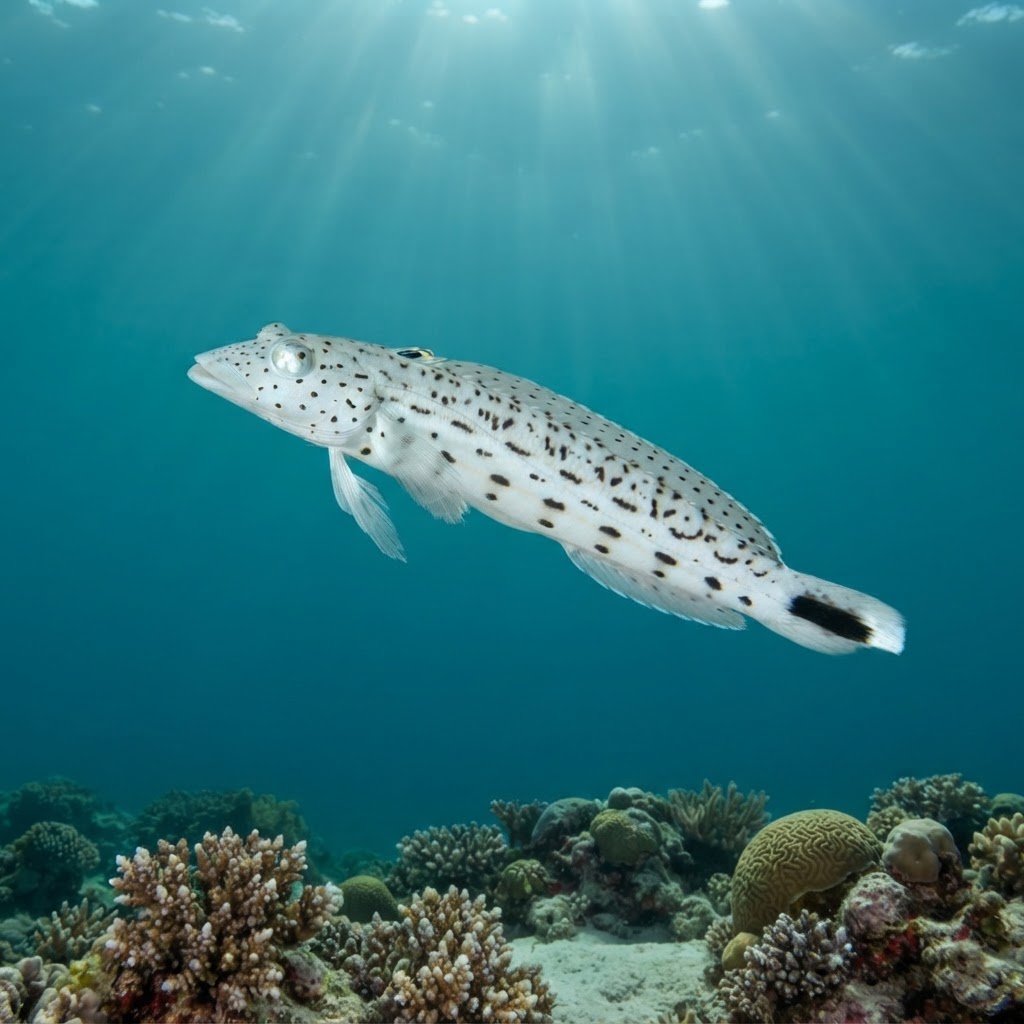
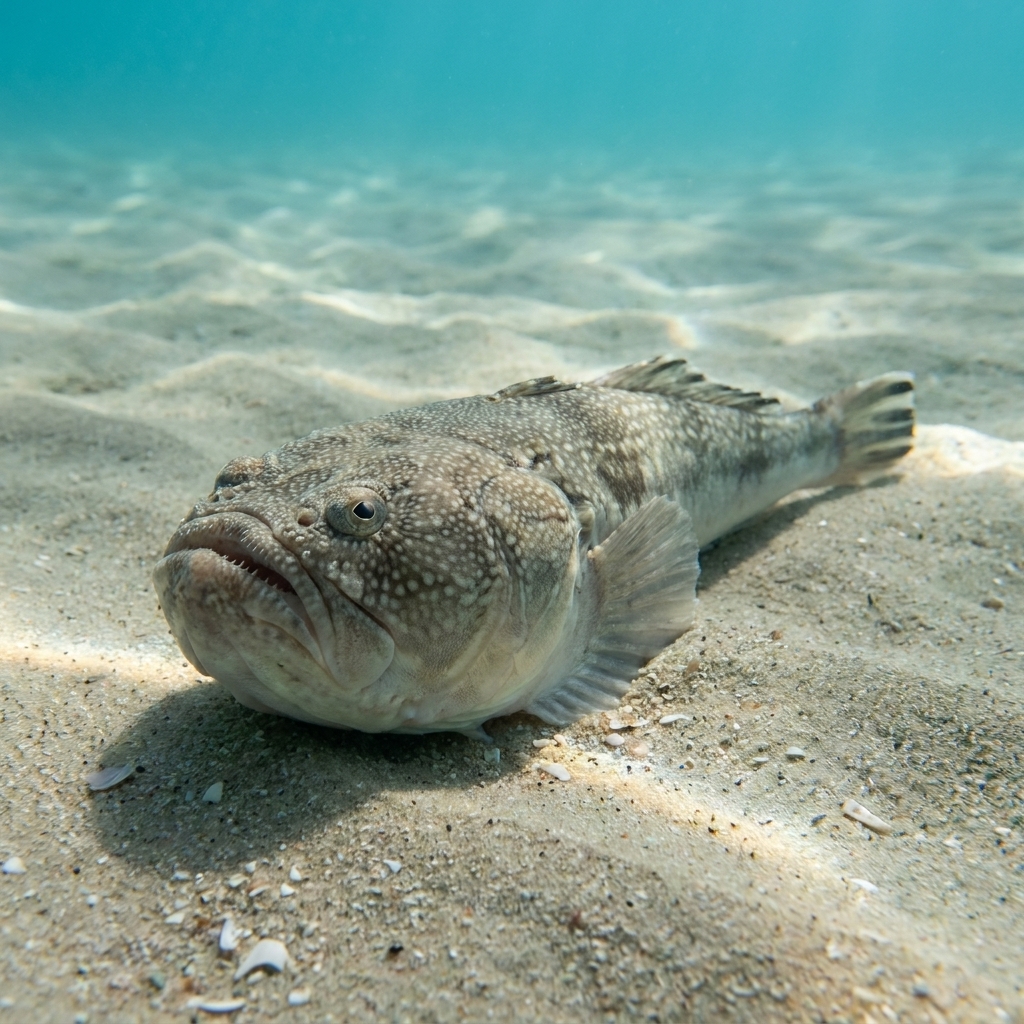
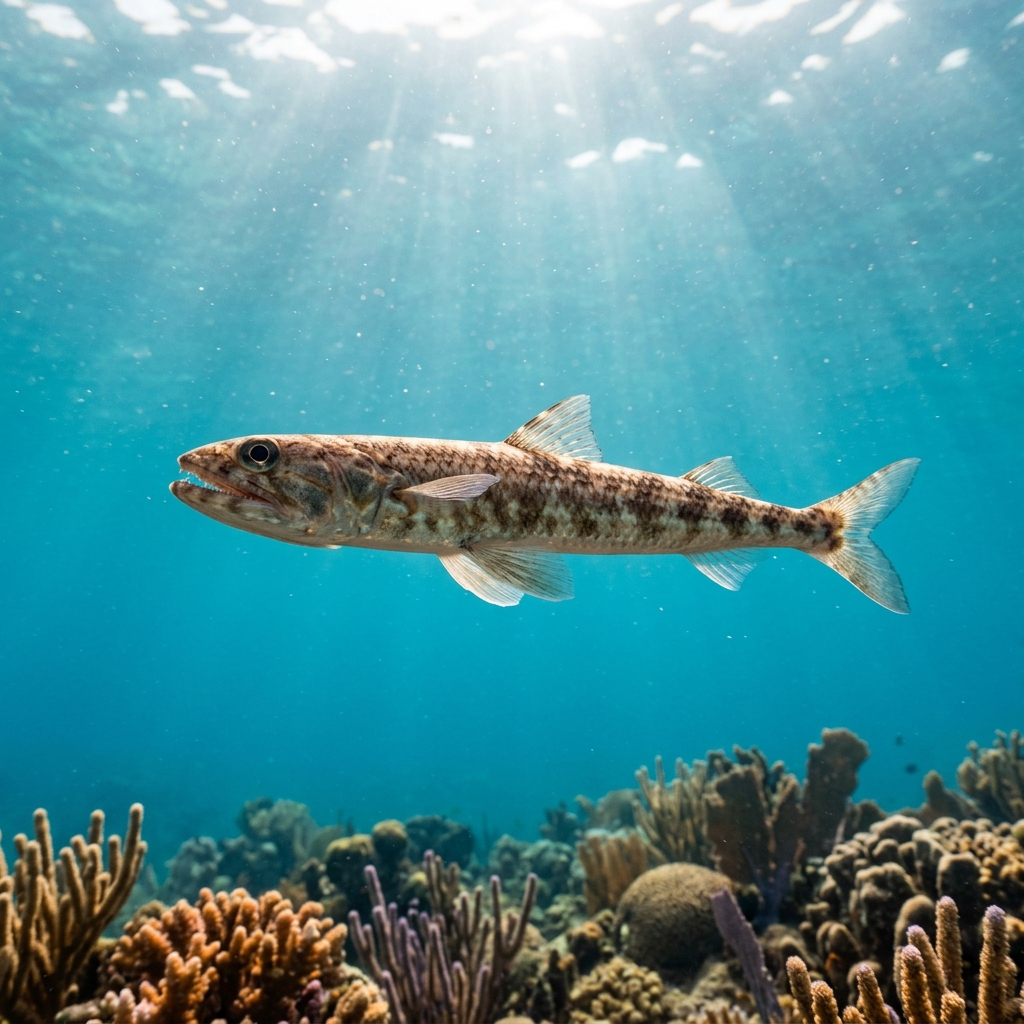
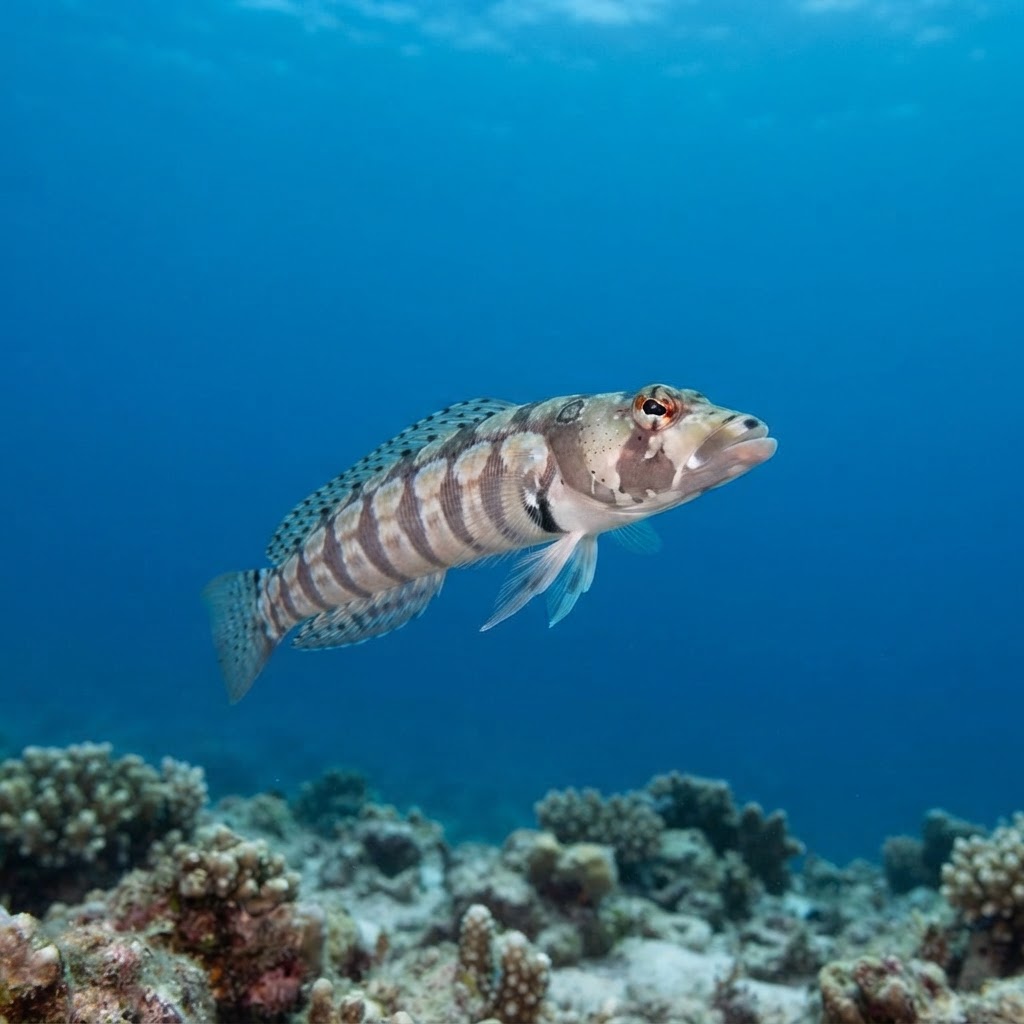
Grows to around 18 cm with a slender, elongate body typical of sandperches, built for resting propped on its pelvic fins rather than swimming continuously. The standout mark is a series of bold dark bands running vertically down a pale to sandy-coloured body, giving it a barred look quite different from the spots or blotches on many relatives. Look for it perched motionless on sand, rubble, or low reef structure rather than out in open water.
Typically seen perched on sand patches, rubble, or the base of the reef between 12 and 25 metres, propped up on its pelvic fins while scanning for small prey. It tends to hold still as divers approach, then dart a short distance to a new perch rather than flee the area outright, making it a manageable subject for a patient photographer. Most sightings are logged as uncommon, so it rewards divers who slow down and check sandy edges and rubble zones rather than swim past them.
Sandperches like this one are ambush feeders, using short sit-and-wait bursts from a raised perch to snatch small invertebrates and fish off the substrate rather than actively hunting across the reef.
Sightings show no detectable seasonal pattern, and with a comfortable range of 25.5 to 29.3°C it stays active on tropical reefs all year round. Plan around good visibility and calm conditions at your chosen site rather than a particular month.
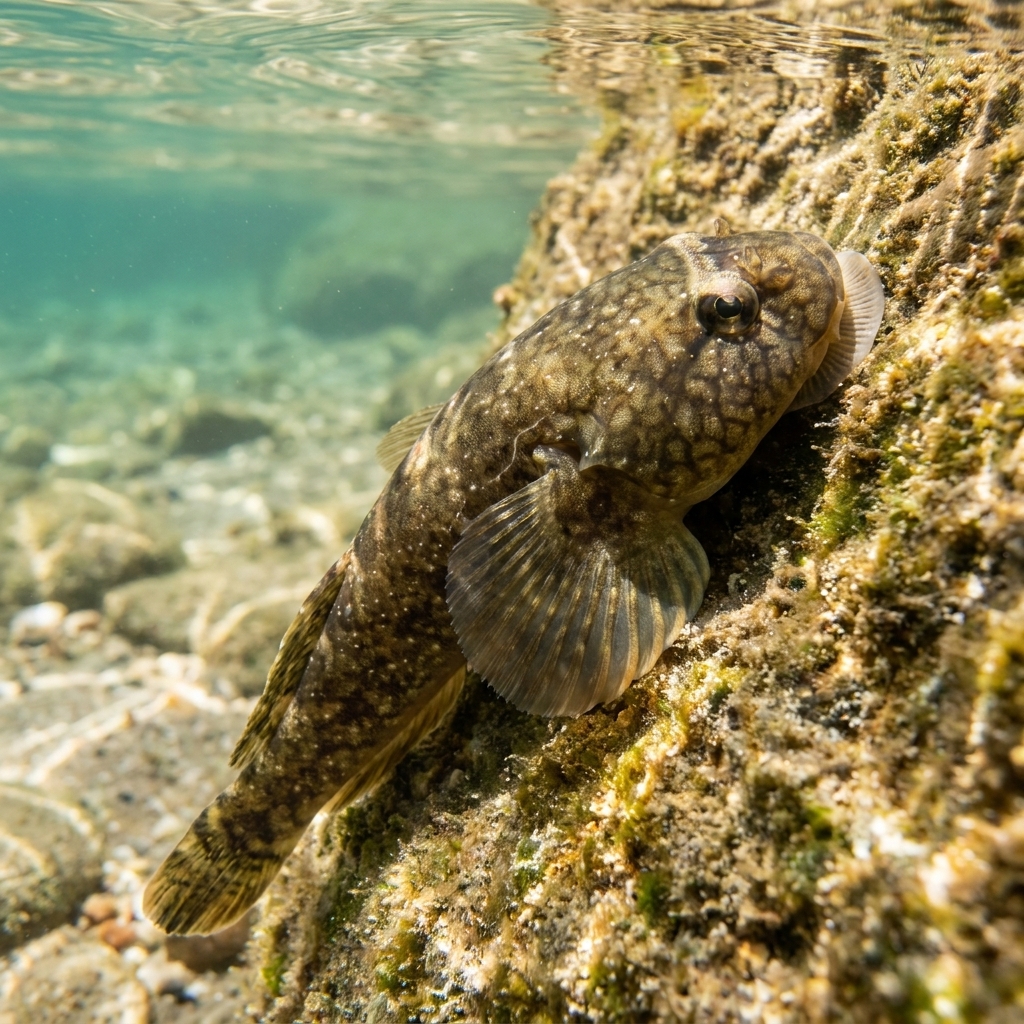
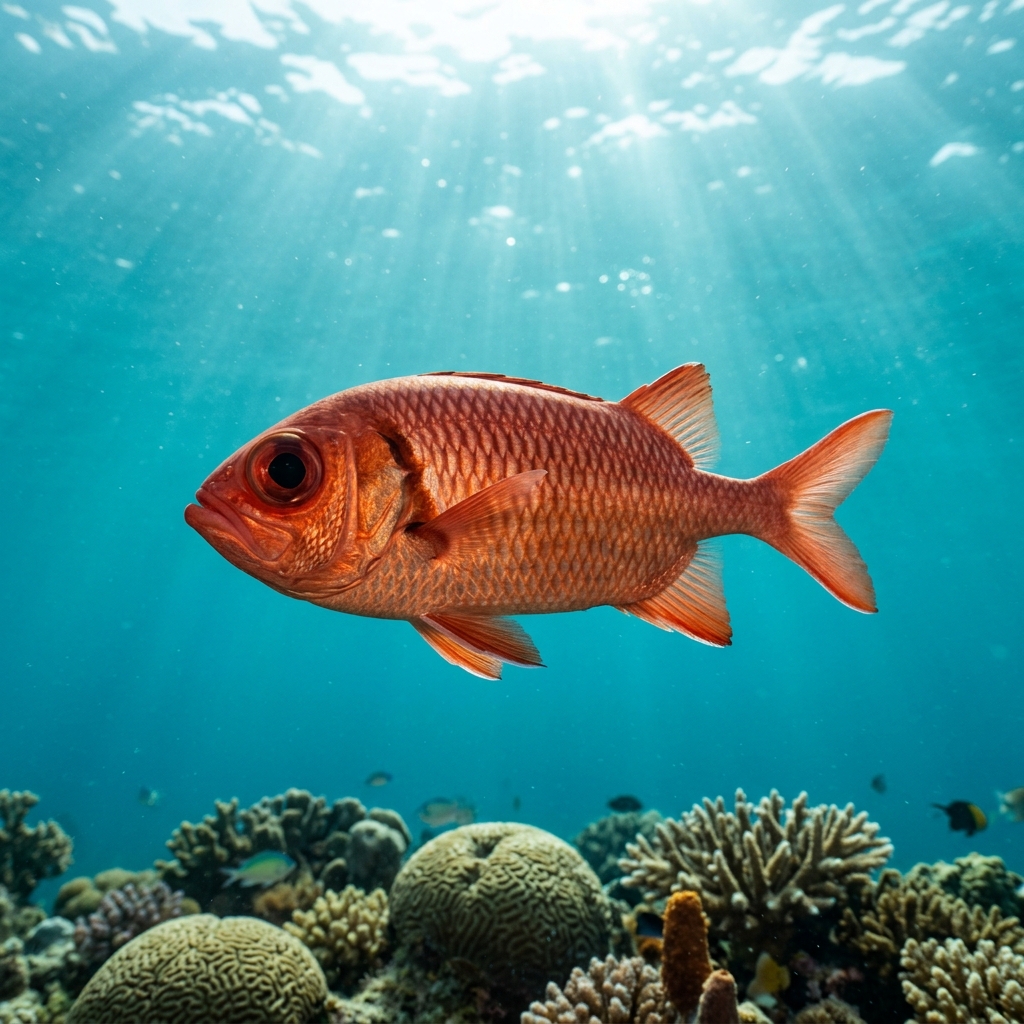
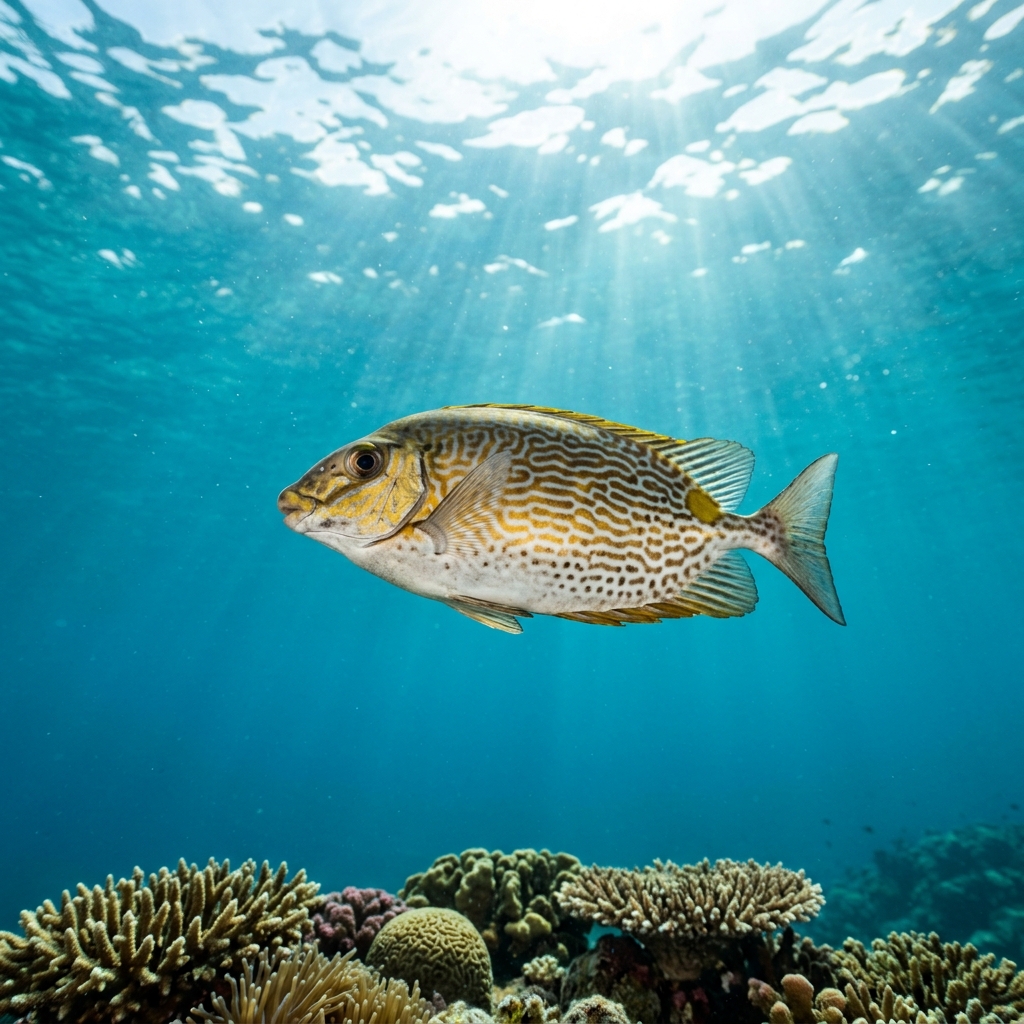
Reef neighbours a diver could mistake it for. Use the identification notes above to tell them apart.
Most commonly logged across the Philippines, especially the Visayas and Luzon, with strong numbers also coming out of Bali and other parts of Indonesia. Smaller but reliable counts come from Timor-Leste around Dili, and it has been recorded as far north as Okinawa in Japan.
Mapping where Black-banded Sandperch is logged…
The most reliable regions are the Visayas and Luzon in the Philippines and Bali in Indonesia, with additional sightings around Dili in Timor-Leste and Okinawa in Japan.
There is no clear season in the sighting data, and its comfortable temperature range of 25.5 to 29.3°C means it is present on tropical reefs throughout the year.
Look for a slender, elongate fish around 18 cm long, pale bodied with distinct dark vertical bars, resting propped on sand or rubble rather than swimming freely.
They typically reach about 18 cm in length, a modest size that keeps them easy to overlook against sand and rubble unless you are looking closely.
No, they pose no threat to divers and simply move a short distance away if approached too closely.
Site and sighting data is aggregated from diver logs, iNaturalist and GBIF. For taxonomy and conservation status:
Soldierfish
3,612 sites