Parapercis clathrata
Common on Visayas reefs in the Philippines, this small sandperch hovers over sand in 26-29C water year-round. Here's how to spot one.
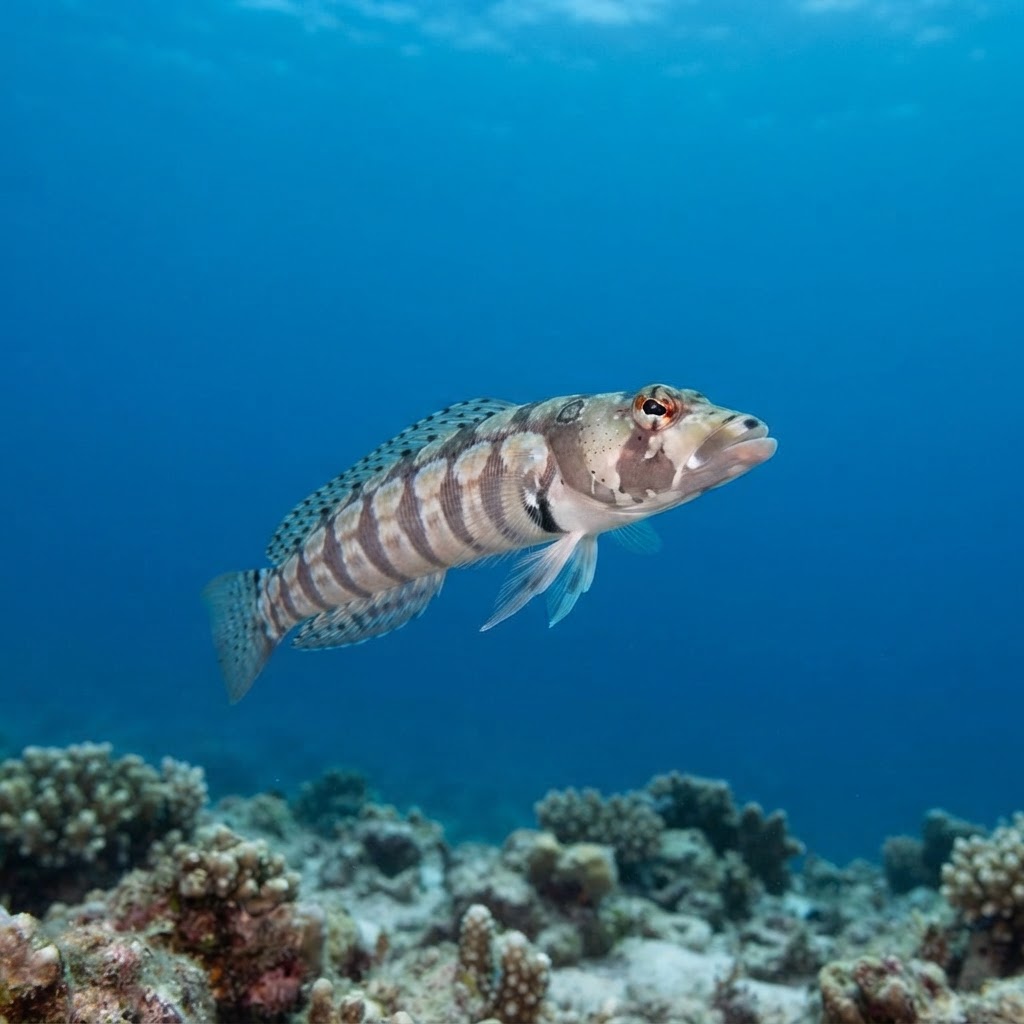
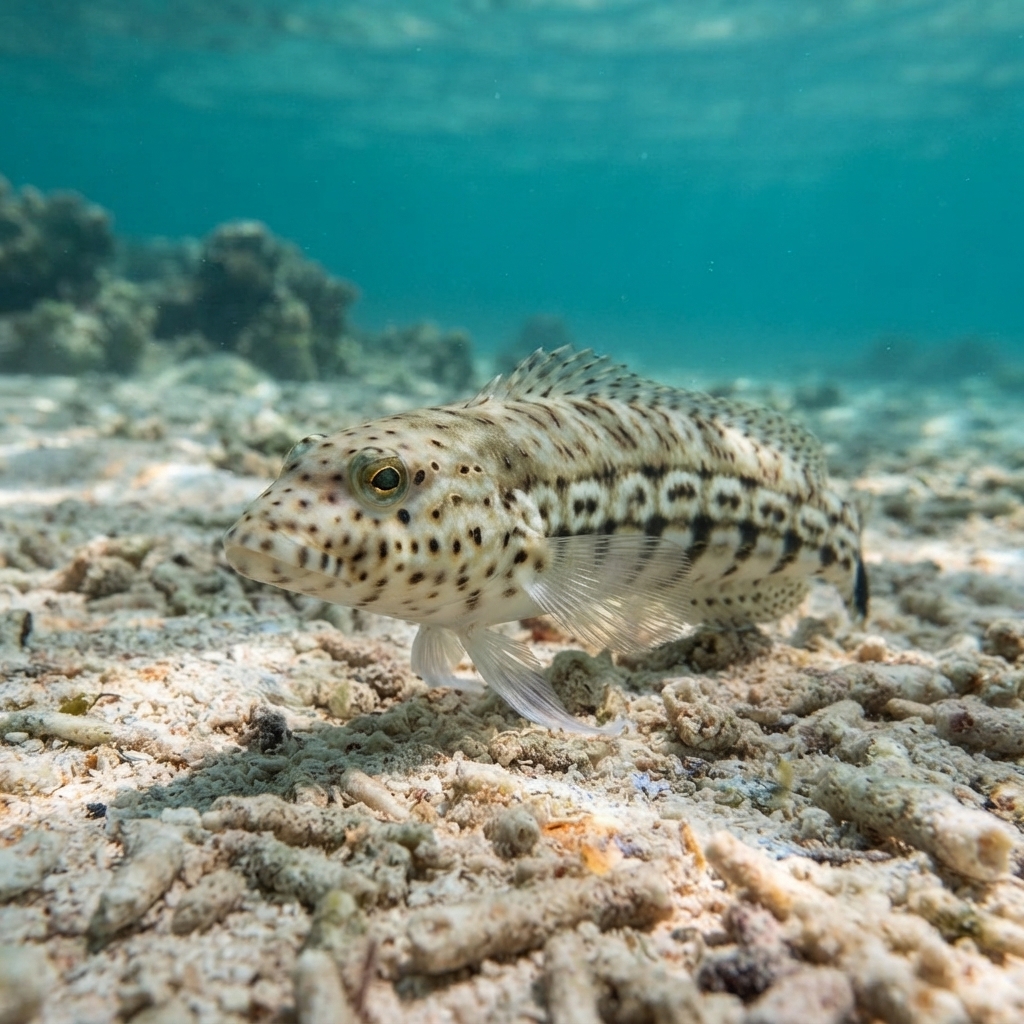
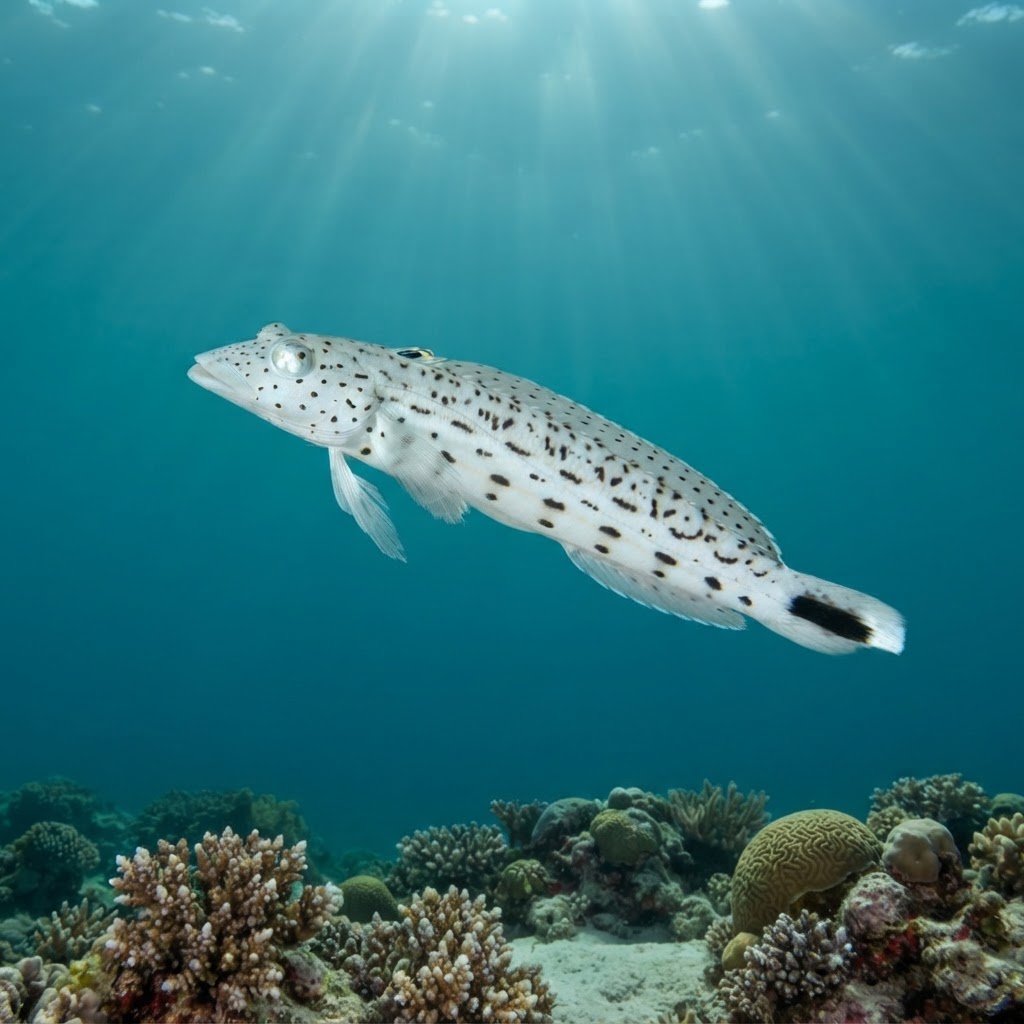
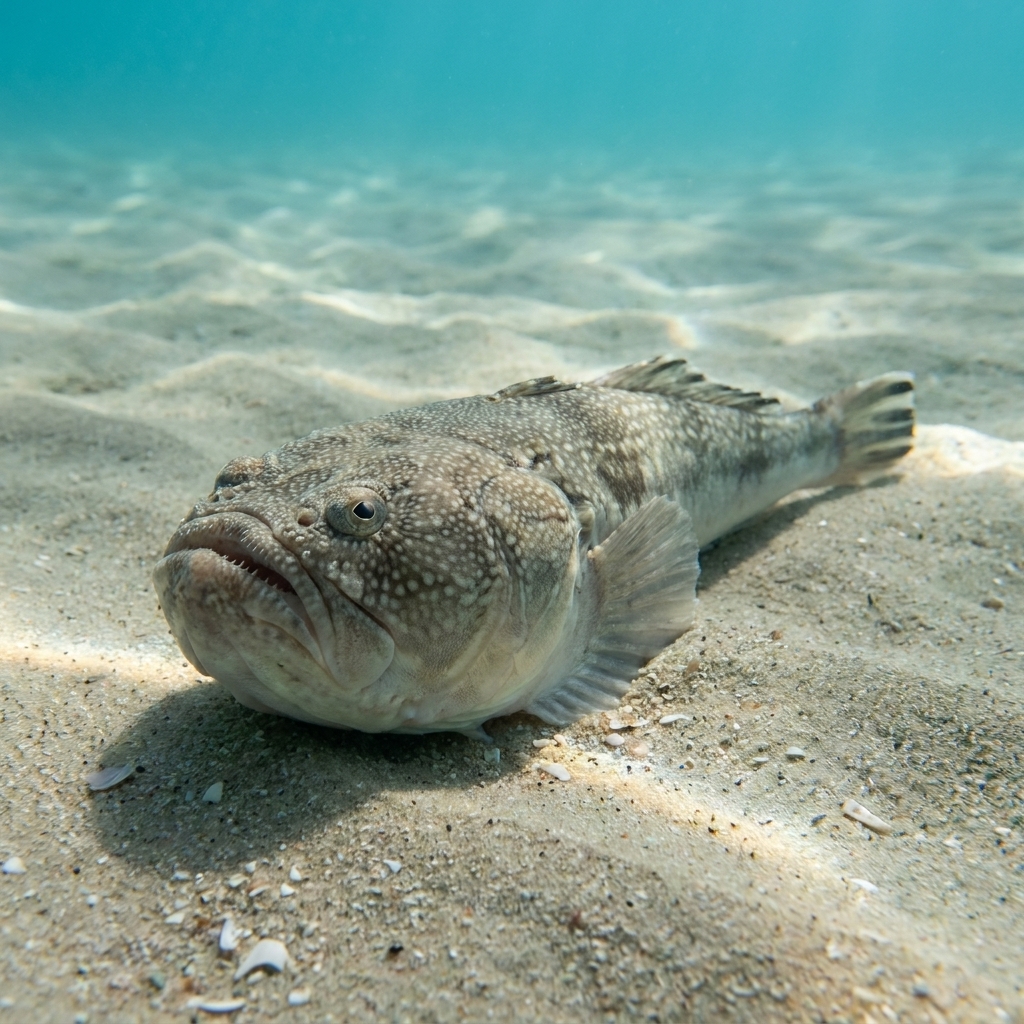
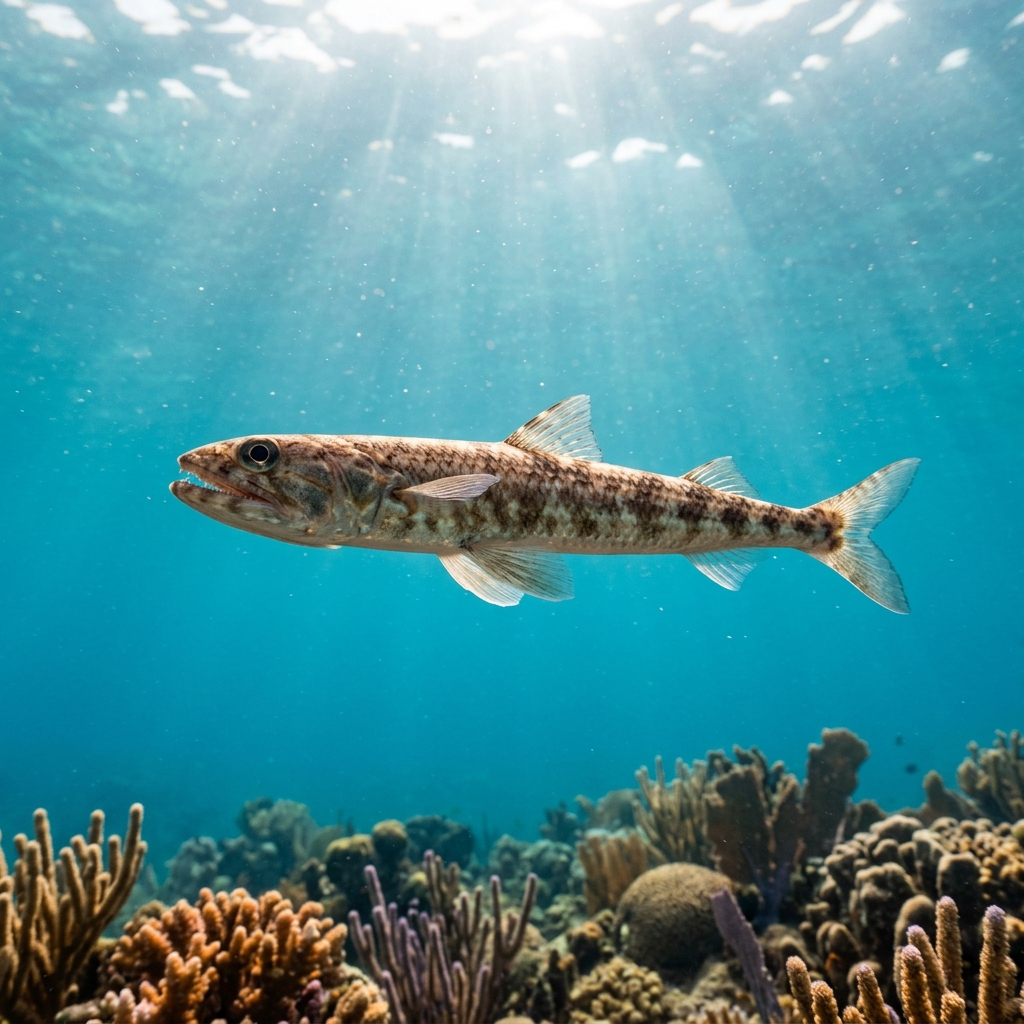
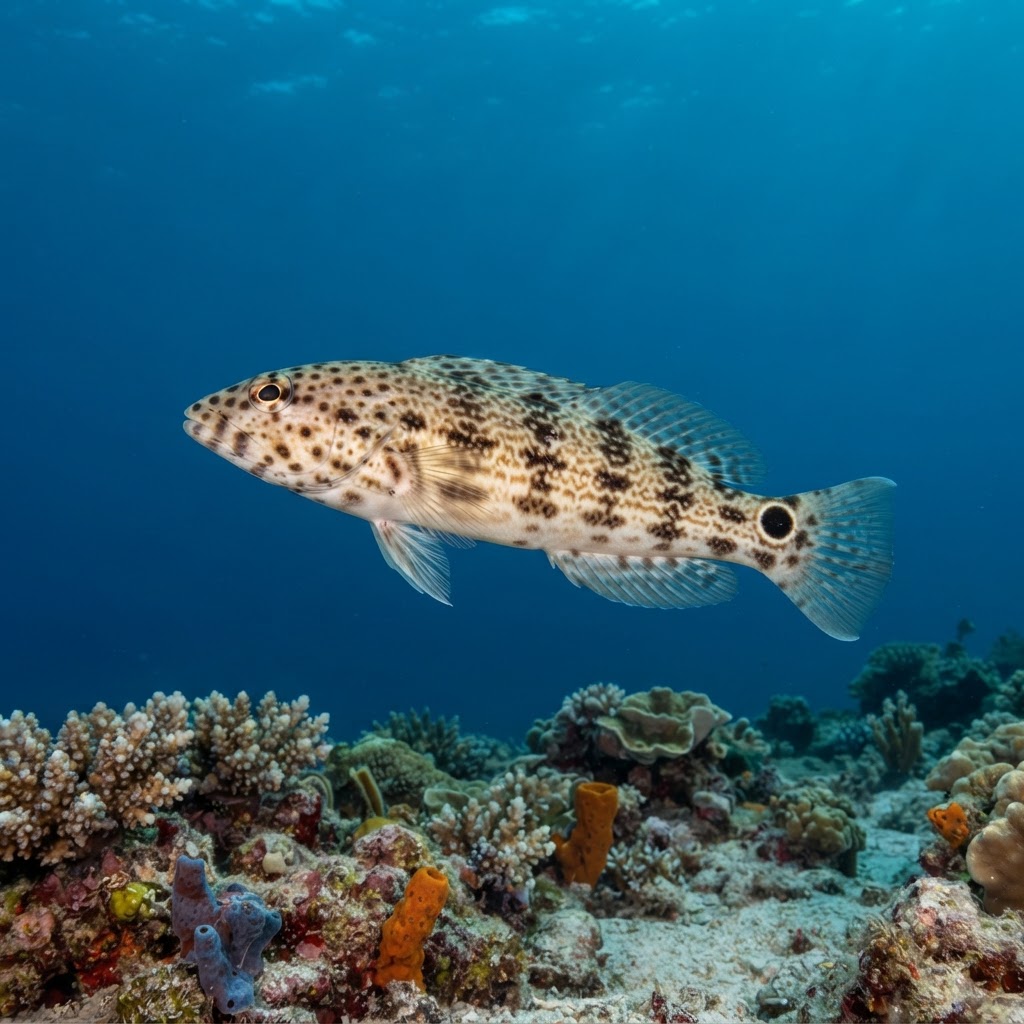
Slender, cylindrical body around 16 cm long, usually seen propped on its pelvic fins just above sand or rubble rather than swimming freely. Pale grey to tan background covered in a dark, net-like (reticulated) pattern of lines that gives the species its name, most visible on the upper body and flanks. It has the classic sandperch head shape: pointed snout, large eyes set high, and a slightly upturned mouth.
Look for it perched motionless on sand patches, rubble, or the base of coral heads, propped up on its pelvic fins like a small tripod. It darts a short distance to snap up a passing invertebrate or small fish, then settles back down in almost the same spot. Divers moving slowly along sandy reef flats or channel edges during the day have the best luck, since it tends to hold its ground rather than bolt at the first sign of a diver.
Like other sandperches, it is a substrate-perching predator that relies on short, precise ambush strikes rather than chasing prey through open water, a strategy that keeps it fuel-efficient and easy to approach slowly for a photo.
No clear seasonal pattern shows up in the sightings, and with a comfortable range of 26.1 to 29C it stays active on tropical reefs all year, so any month works for a dive trip built around seeing one.
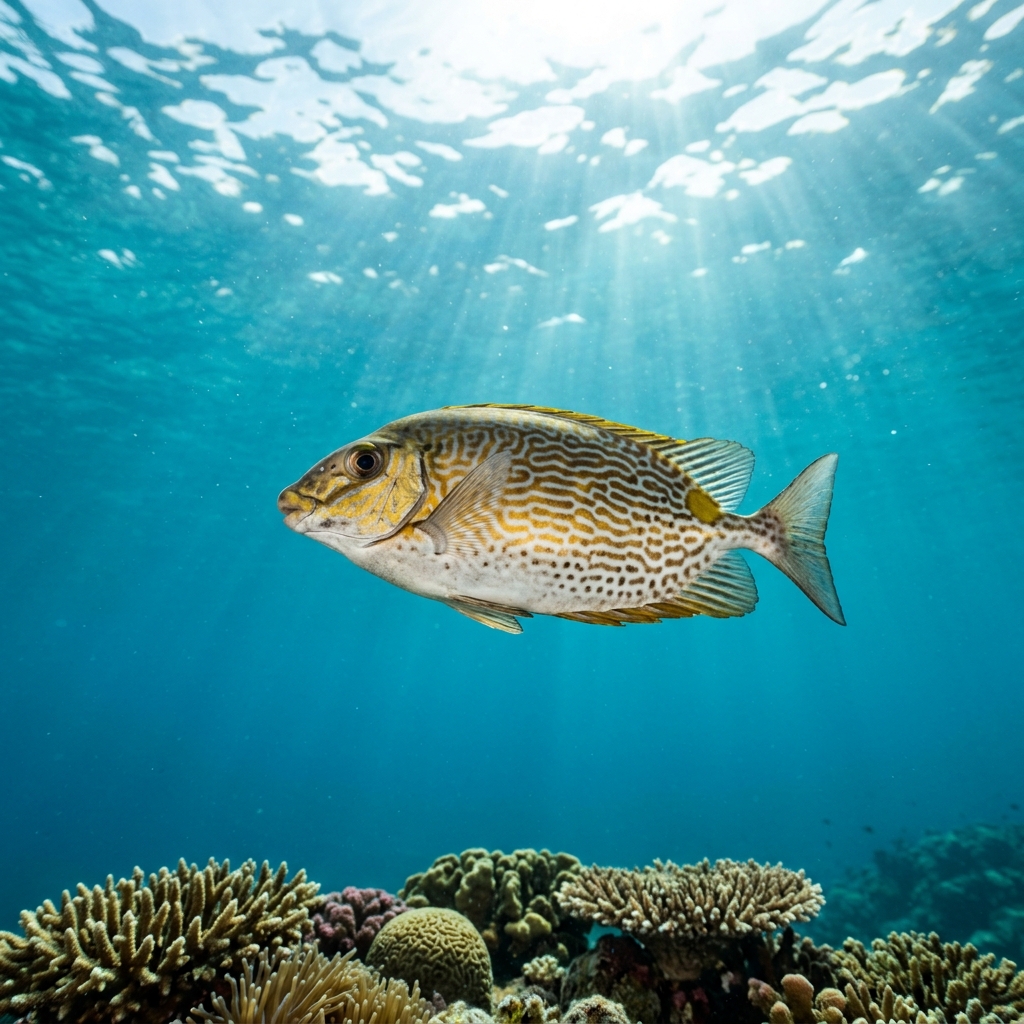
Reef neighbours a diver could mistake it for. Use the identification notes above to tell them apart.
Most reliably logged in the Philippines, especially across the Visayas, where it turns up on a large share of dive sites surveyed. Beyond the Philippines it has strong populations in Malaysia's east coast peninsula sites, Efate in Vanuatu, Nha Trang in Vietnam, Krabi in Thailand, and around Dili in Timor-Leste, with further records from West Papua in Indonesia and Apra Harbor in Guam.
Mapping where Latticed Sandperch is logged…
The Philippines is the strongest bet, particularly the Visayas region, where it is one of the more frequently logged small reef fish. It is also regularly seen in Malaysia, Vanuatu, Vietnam, Thailand, Timor-Leste, and Indonesia.
There is no strong seasonal pattern in sightings, and it favours warm water between 26 and 29C, so it is present on tropical reefs throughout the year rather than tied to a particular season.
Look for a slim, roughly 16 cm fish resting on sand or rubble rather than swimming in open water, propped up on its pelvic fins. Its body carries a dark, net-like pattern of lines over a pale background, which is the easiest feature to key on.
They reach around 16 cm in length, making them one of the smaller reef fish divers photograph on sand flats and rubble patches.
No, they pose no danger to divers. They are small, non-aggressive predators of tiny invertebrates and fish, and simply perch nearby without reacting much to a slow-moving diver.
Site and sighting data is aggregated from diver logs, iNaturalist and GBIF. For taxonomy and conservation status:
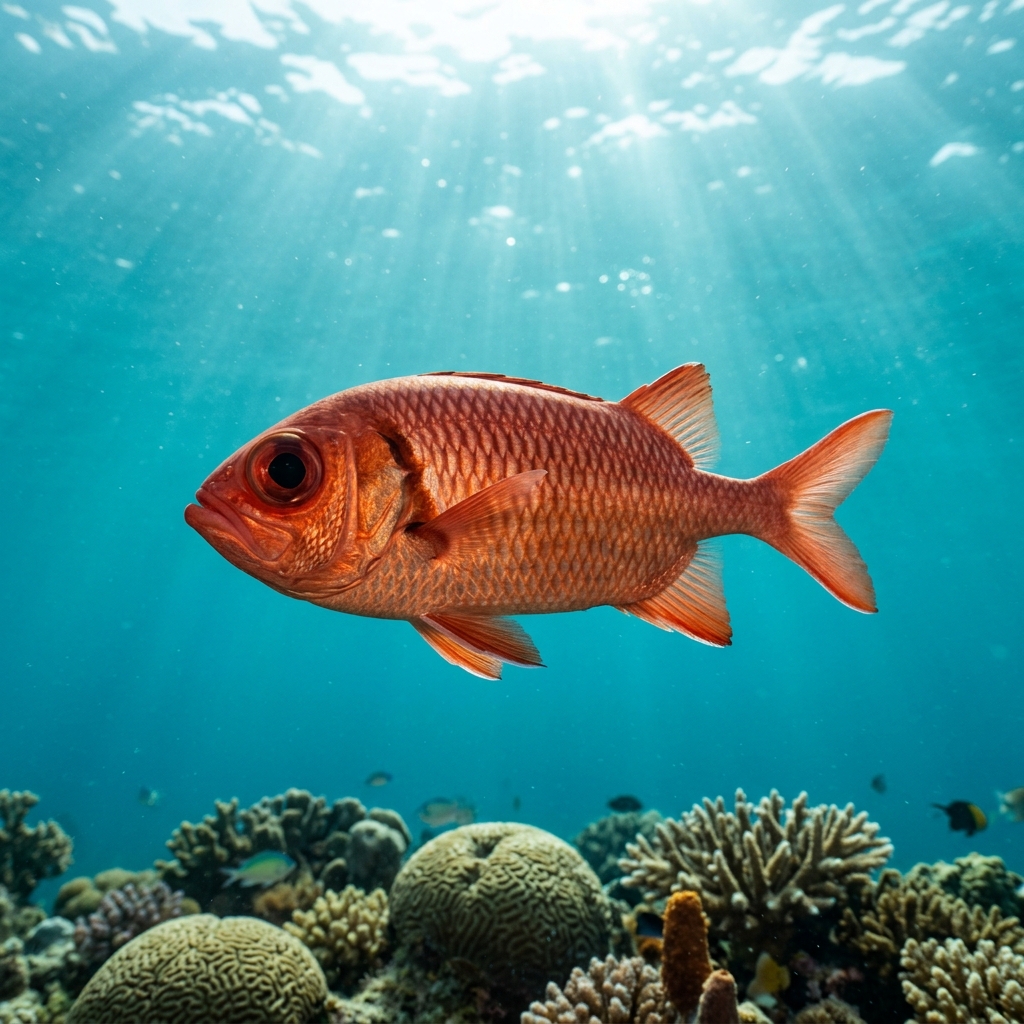
Soldierfish
3,612 sites