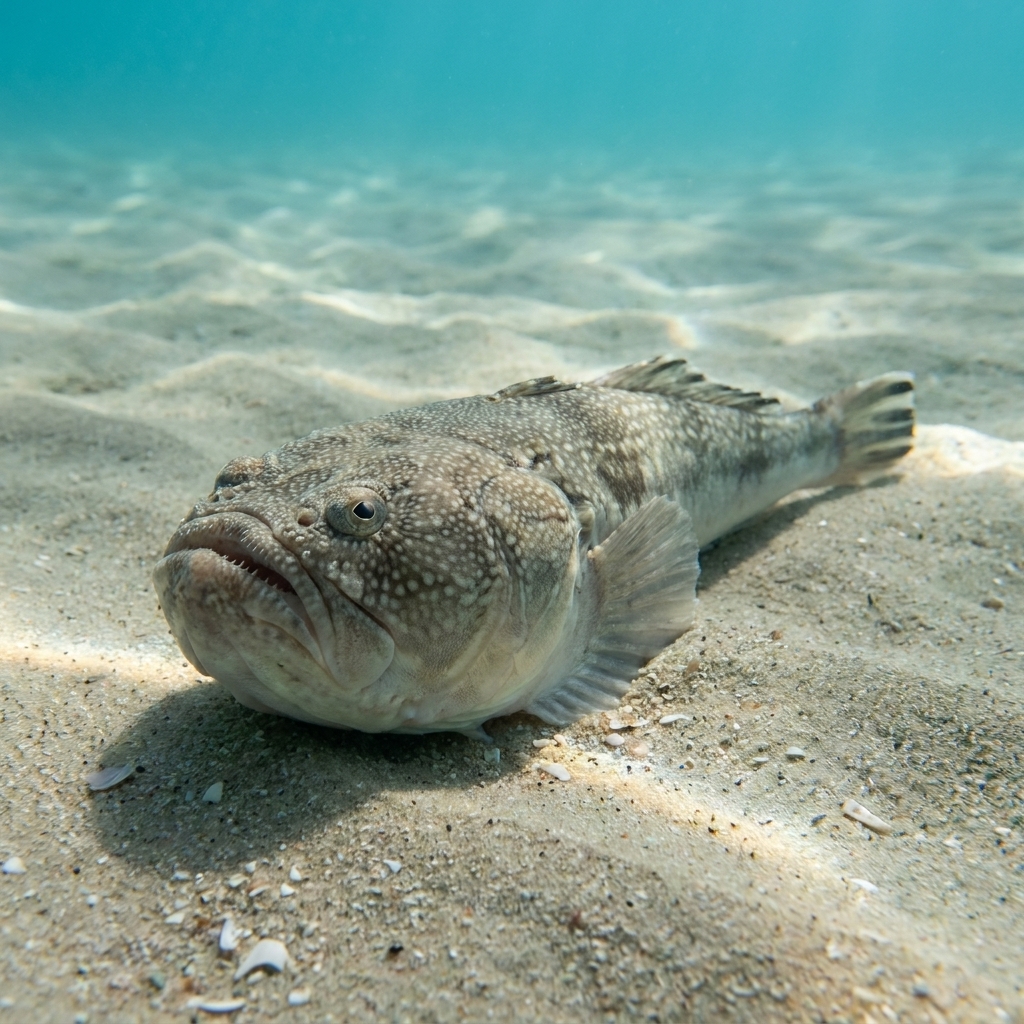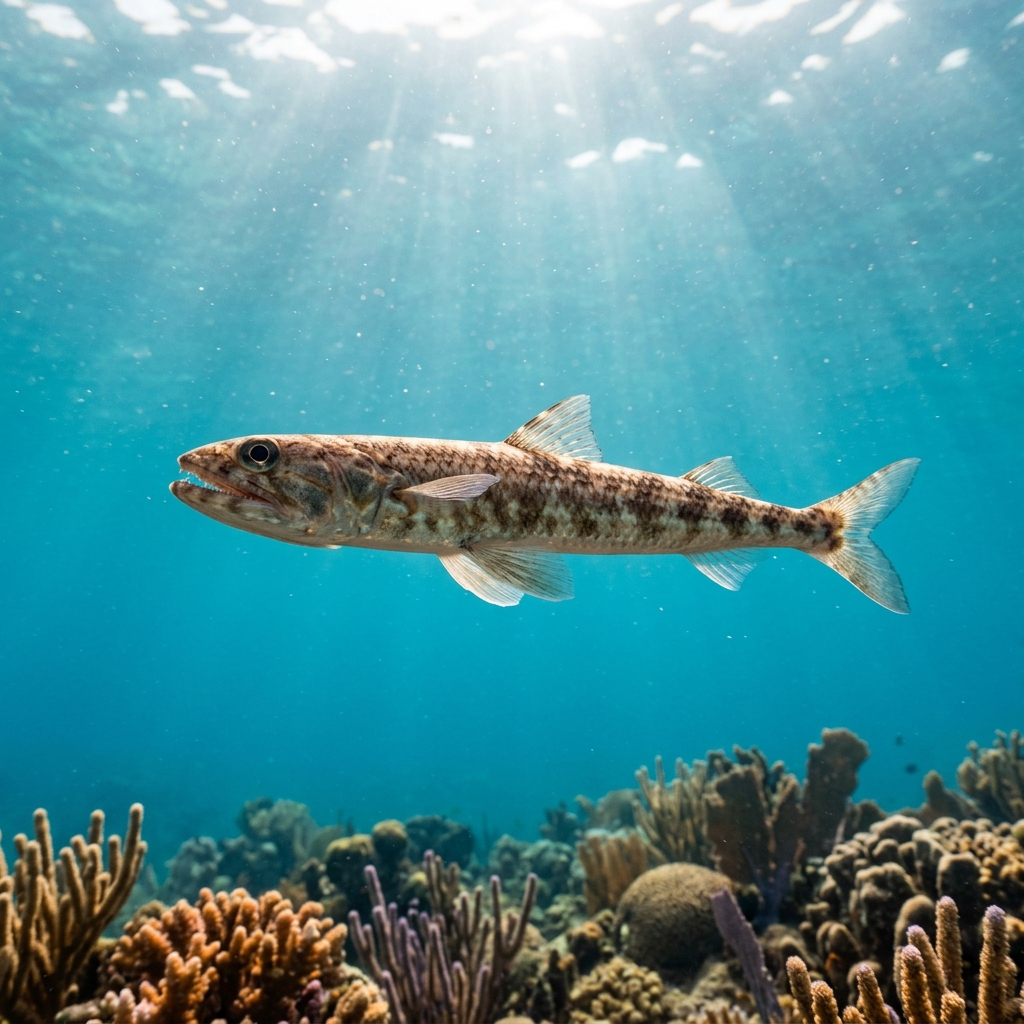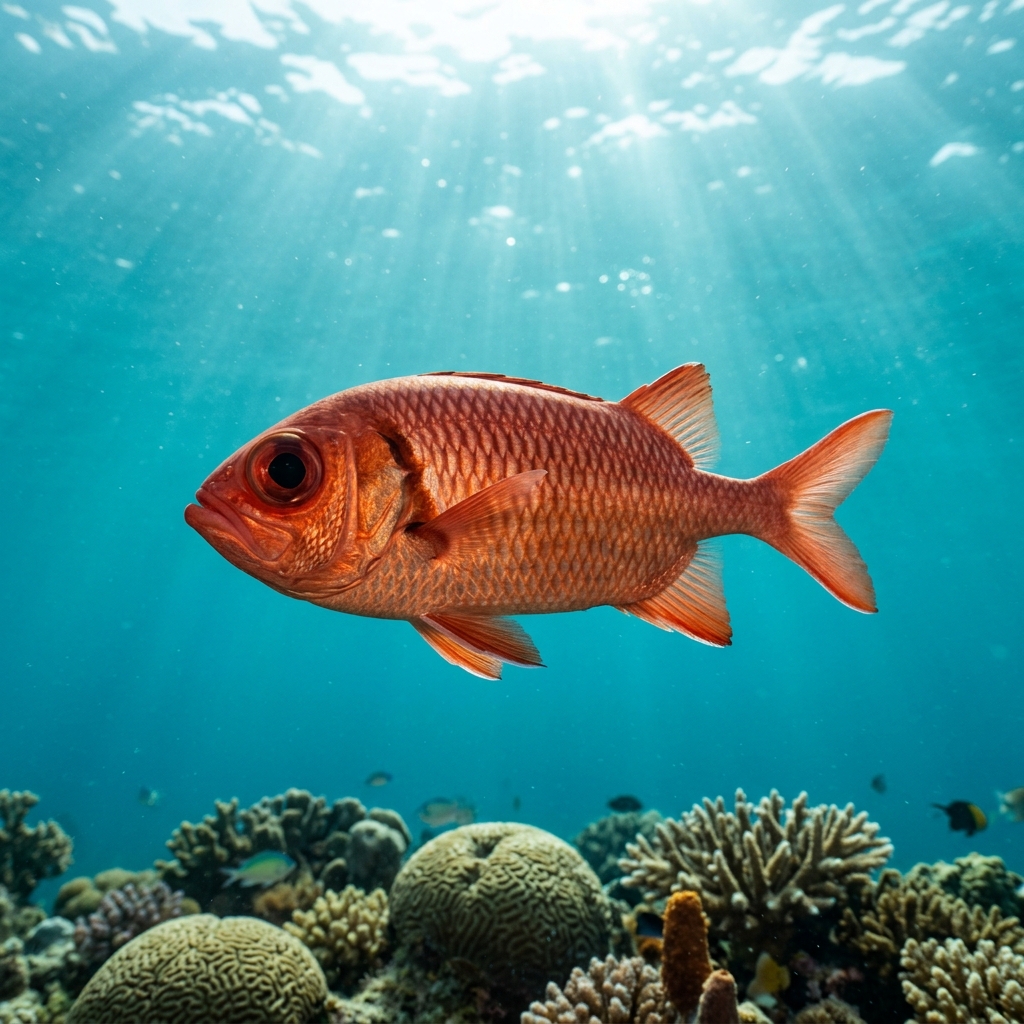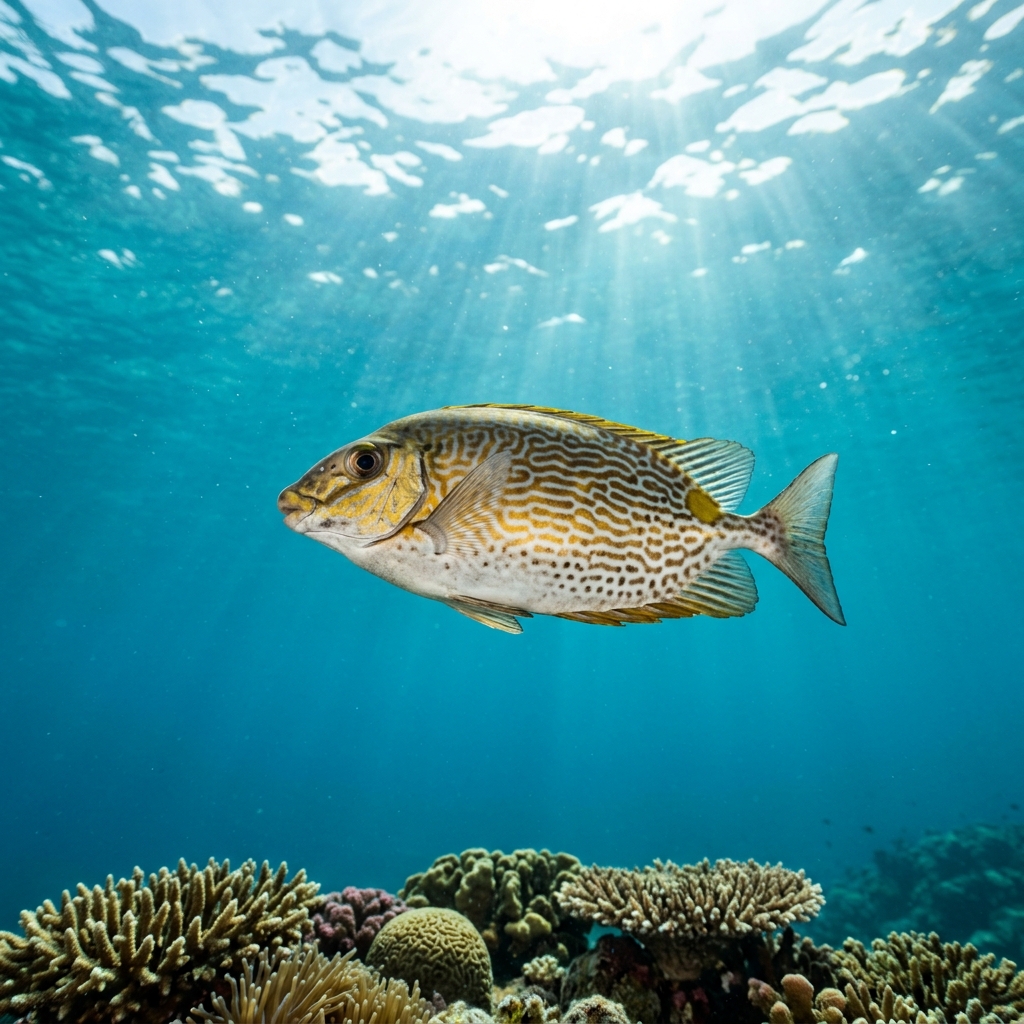
Gobiesocidae spp.
Clingfish are logged across dozens of countries from Florida to Western Australia. Rare but rewarding, here's where and how to find them.
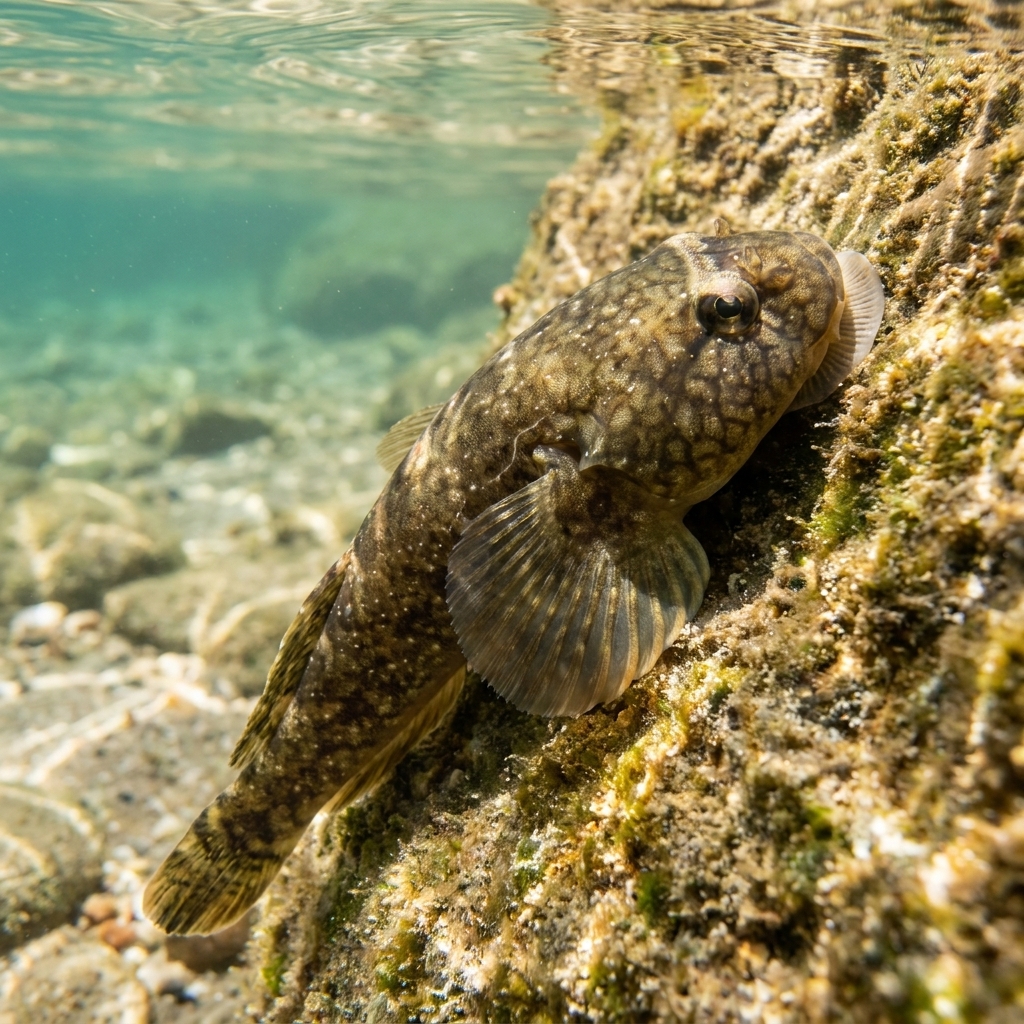
Clingfish are small, flattened fish with a broad, tadpole-shaped body that tapers sharply toward the tail. The defining feature is the adhesive disc on the underside, a modified pelvic fin that acts like a sucker, letting them grip rock, kelp, and urchin spines with remarkable tenacity. Colouration varies across the family from mottled brown and rust to pale cream with darker patches, usually matching whatever substrate they are pressed against. Because they hug surfaces so tightly and rarely move when a diver approaches, they are easy to overlook but unmistakable once you notice the shape.
Clingfish are bottom-huggers, find a rocky surface, a kelp frond, or a sea urchin and look closely because they will be flat against it, barely moving. Their sucker disc is strong enough that surge and current do not dislodge them, so they tend to sit in exposed, wave-washed spots that most fish avoid. They are not skittish; a slow, patient approach will usually reward you with a close look before they shuffle a few centimetres and grip again.
Some clingfish species are known to guard their egg clutches under rocks and shells, with the attending parent fanning and cleaning the eggs until they hatch, an unusual level of parental investment for such a small fish.
In the Northern Hemisphere, clingfish are present year-round with no concentrated season, which makes sense given the family's broad temperature tolerance from 12 to 28 degrees Celsius across both cold temperate and tropical sites. If you are diving in the Southern Hemisphere, sightings appear to concentrate between January and April.
Clingfish are logged most widely in the United States, France, and Australia, with Florida and the Southeast, Brittany and Normandy, and Western Australia among the top regions for sightings. Strong records also come from the Philippines, Spain, Italy, Greece, and Japan, making this a family encountered on a wide range of reef types from temperate kelp beds to tropical shallows. The Izu Peninsula in Japan and the Kvarner Gulf in Croatia are also worth noting for divers exploring those waters.
Mapping where Clingfish is logged…
Clingfish are logged across a wide spread of countries, with the strongest records in the United States (especially Florida), France (Brittany and Normandy, the French Riviera), and Australia (Western Australia and Queensland). They also appear regularly in the Philippines, Spain, Italy, Greece, and Japan.
In the Northern Hemisphere, clingfish are present year-round with no peak season. The family tolerates a wide temperature range, so they turn up in both cool temperate and warm tropical waters regardless of time of year. In the Southern Hemisphere, sightings appear to concentrate between January and April.
Look for a very small, strongly flattened fish pressed tightly against a rock, kelp blade, or sea urchin spine. The body is broad at the head and tapers quickly to a thin tail, and the underside carries a visible sucker disc. Colouration is usually mottled to match the substrate, so the distinctive body shape is the key field mark.
Most clingfish are quite small, many species top out around 3 to 8 centimetres, though a few members of the family reach closer to 15 centimetres. Their flat profile and habit of pressing against surfaces makes them look even smaller underwater.
The sucker disc on a clingfish's belly is formed from modified pelvic fins and generates enough adhesion to hold the fish against rock in strong surge. Unlike a remora, which uses a modified dorsal fin, clingfish evolved their suction independently. The grip is strong enough that lifting one off a surface by hand takes real effort.
Site and sighting data is aggregated from diver logs, iNaturalist and GBIF. For taxonomy and conservation status:
Rabbitfish
3,313 sites