Lotilia graciliosa
A pinhead-sized goby paired with a shrimp on Red Sea sand flats, most often logged around South Sinai and Eilat in 25 to 29C water.
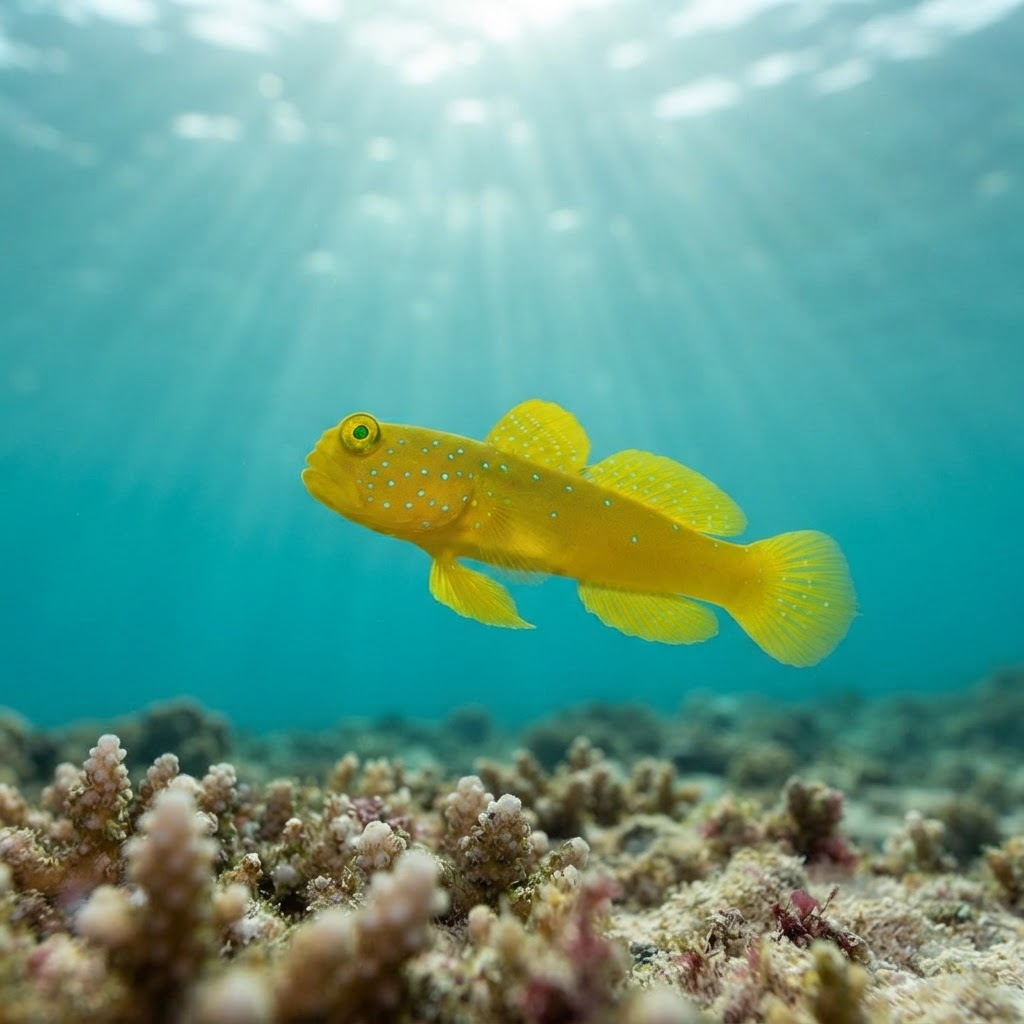
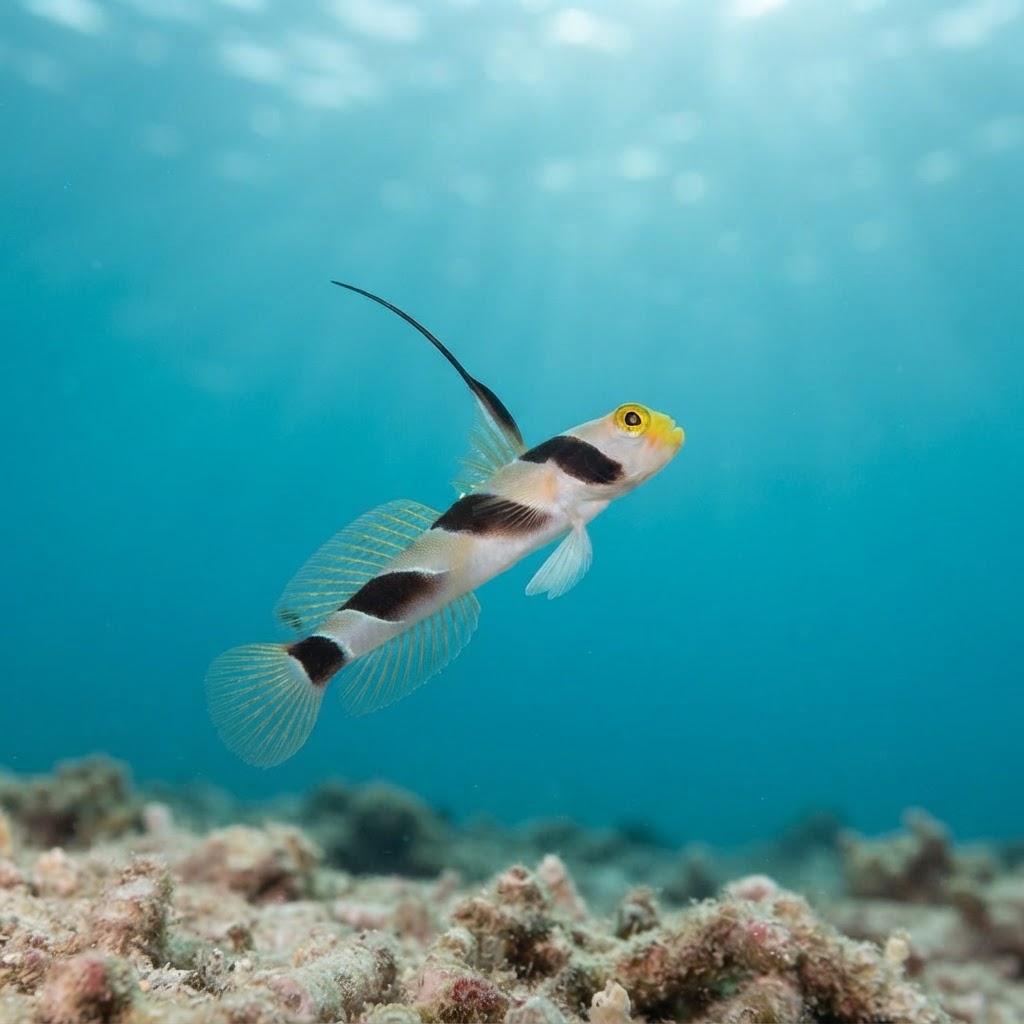
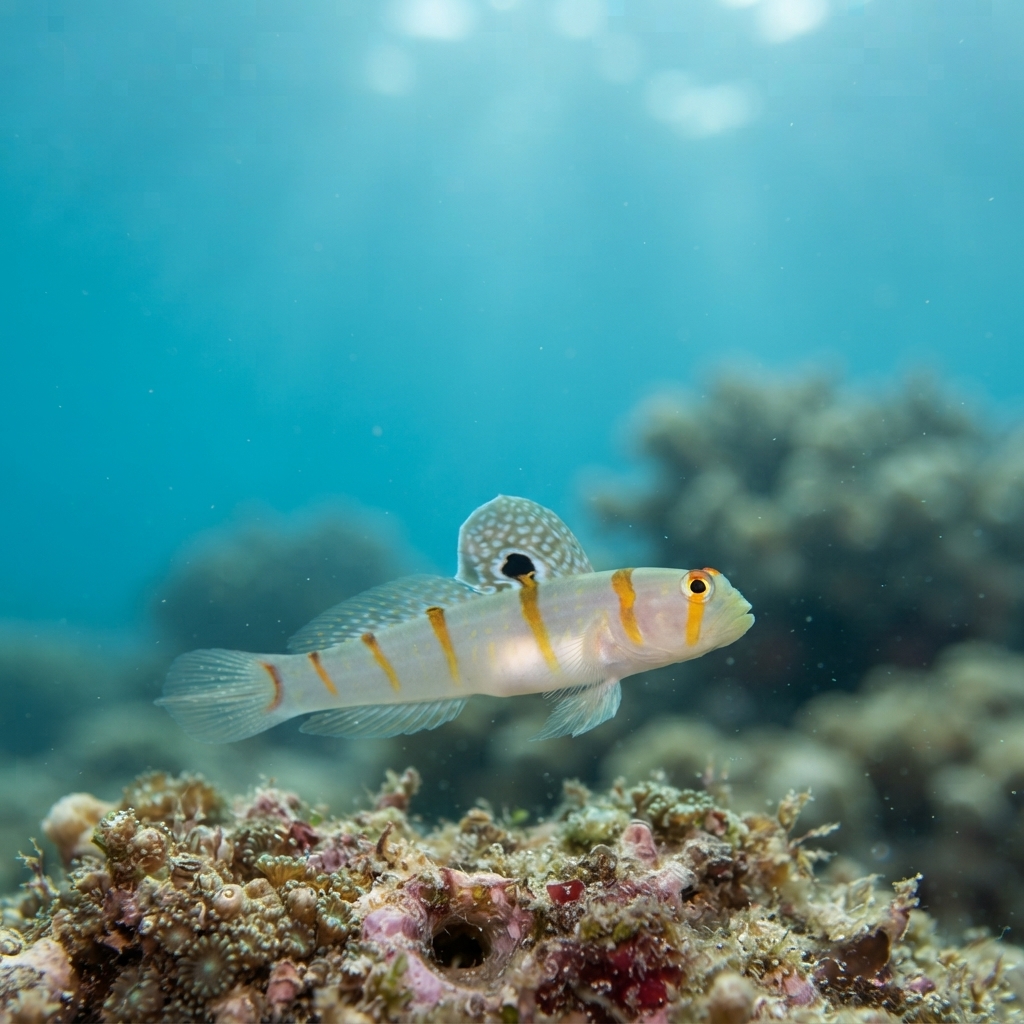
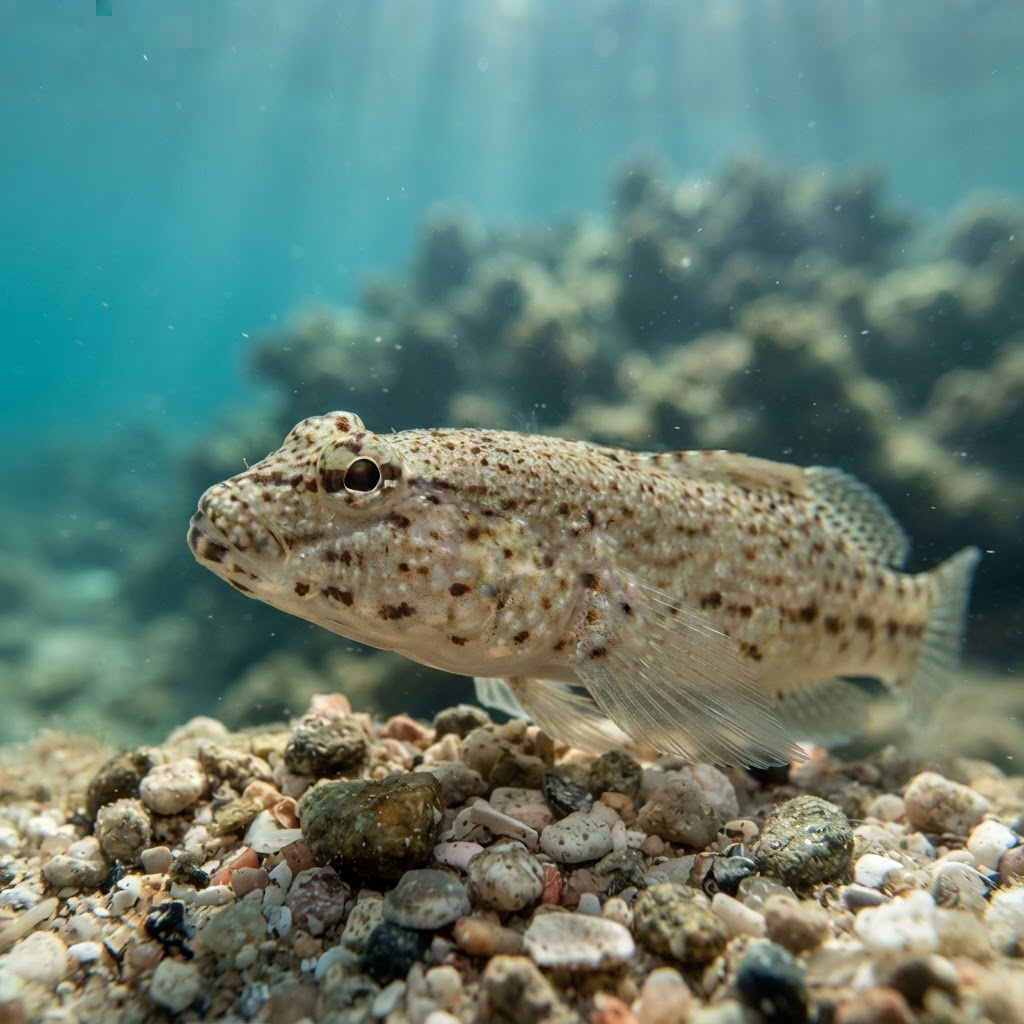
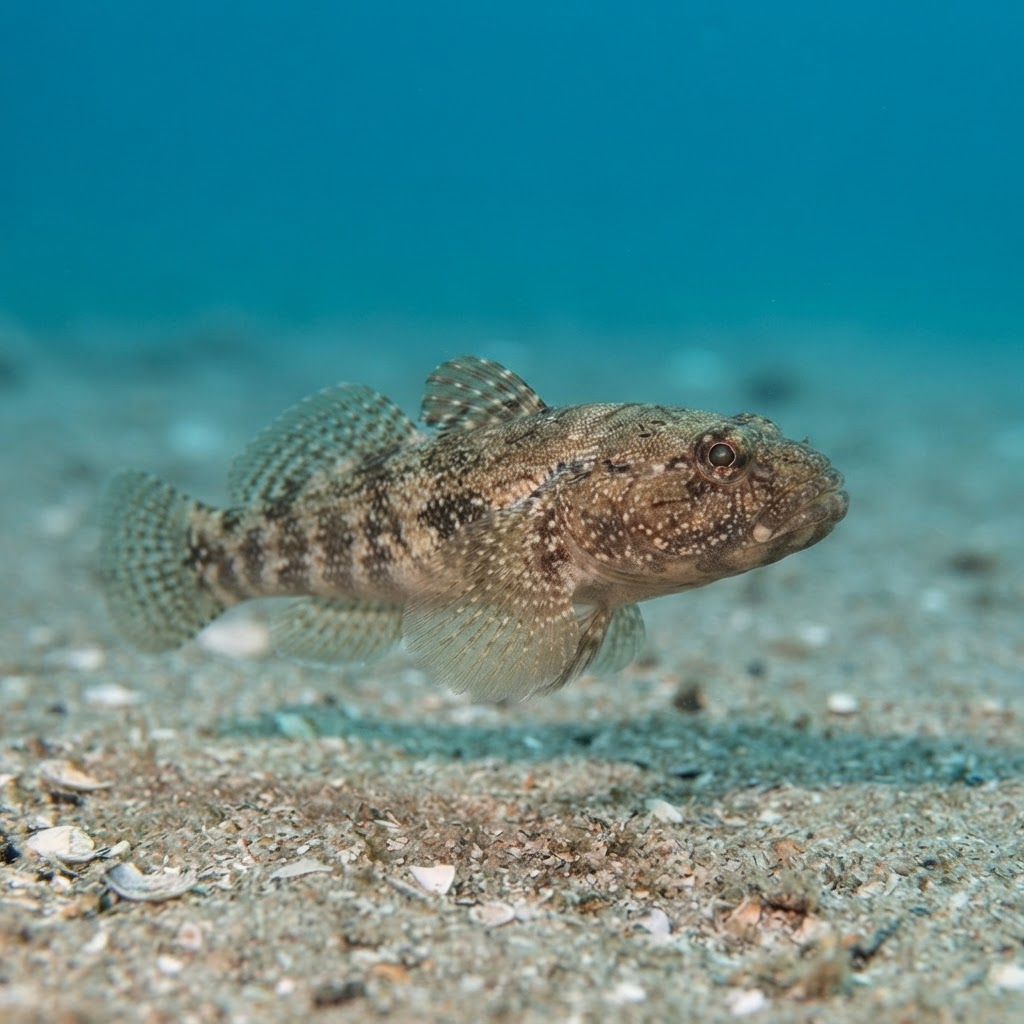
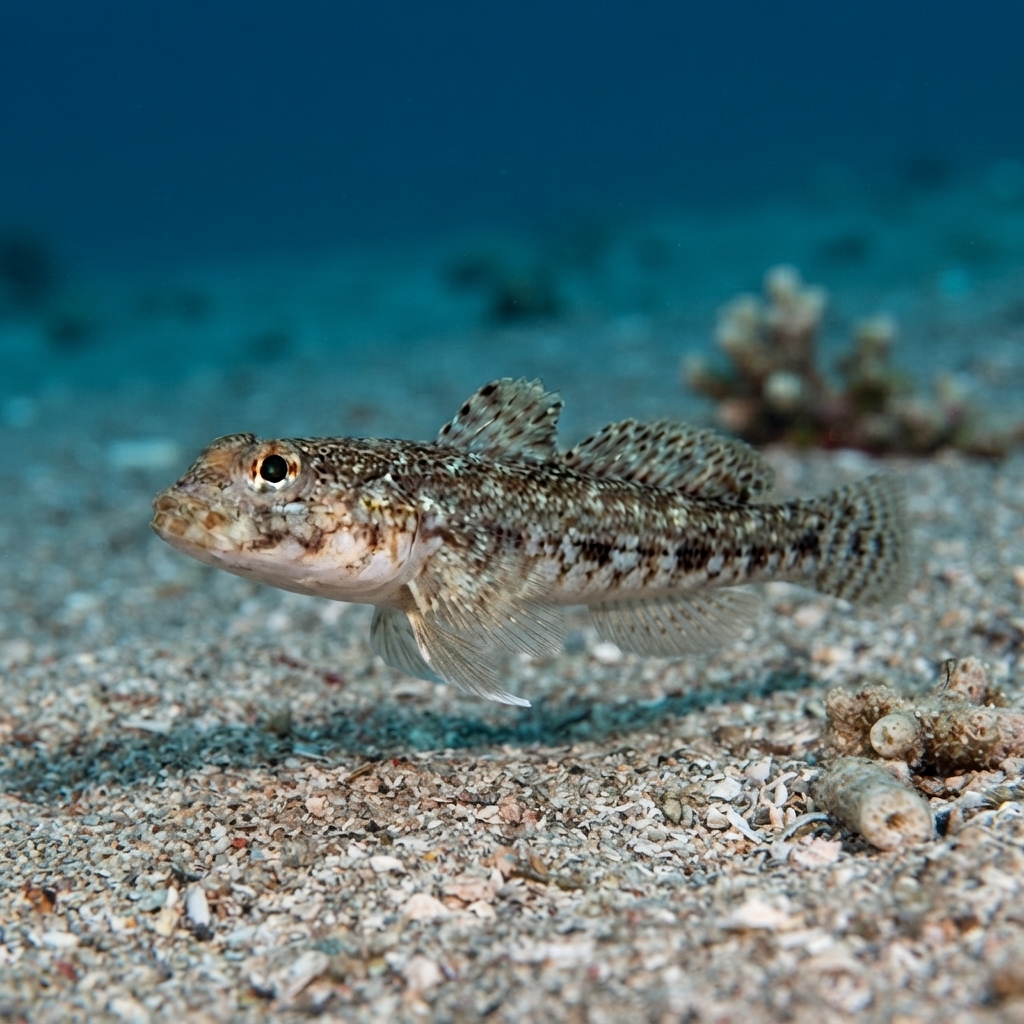
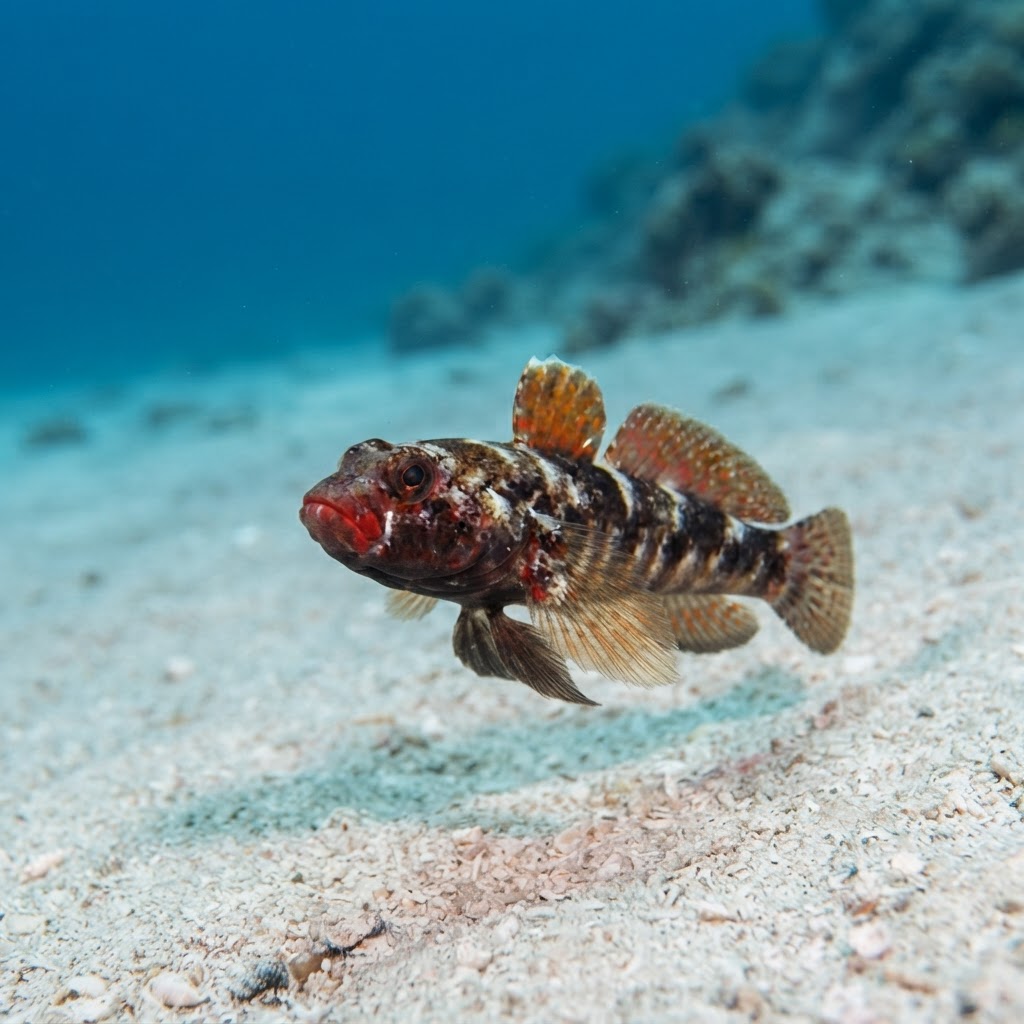
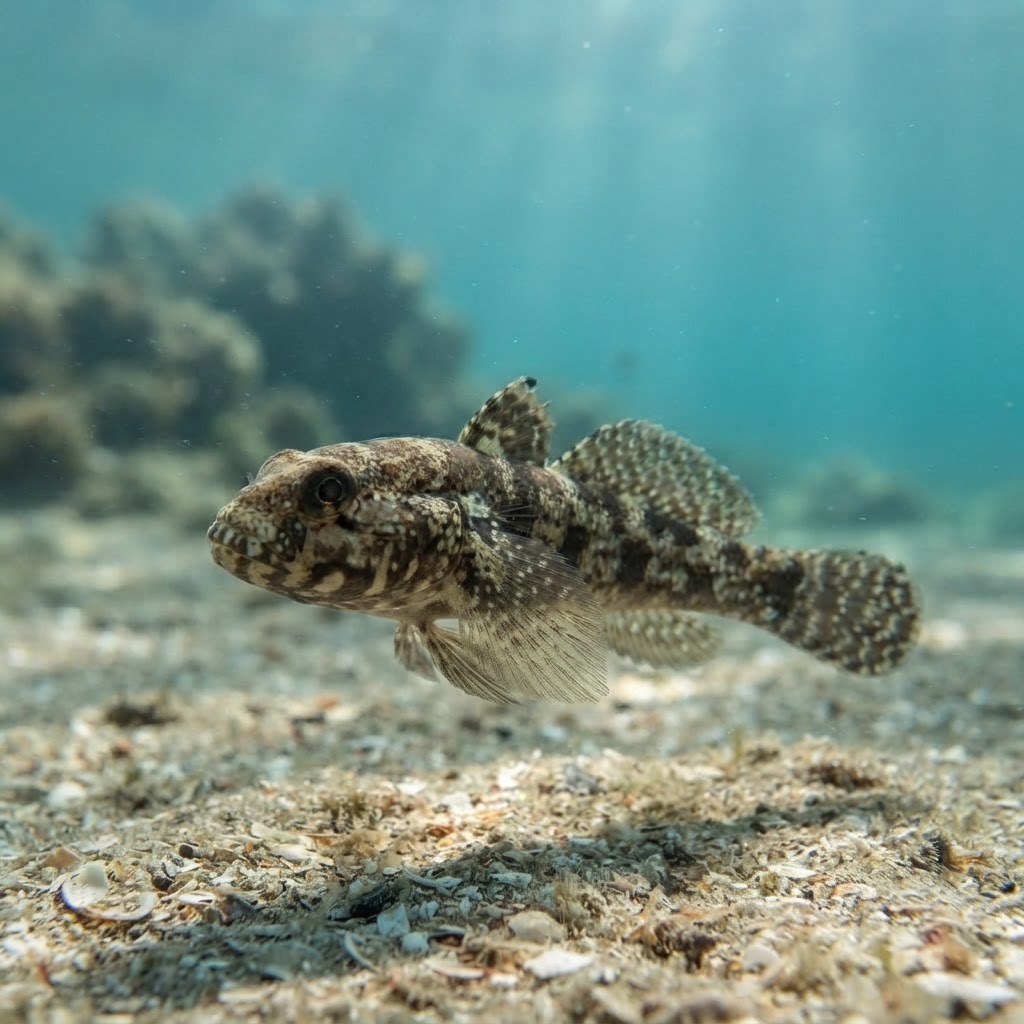
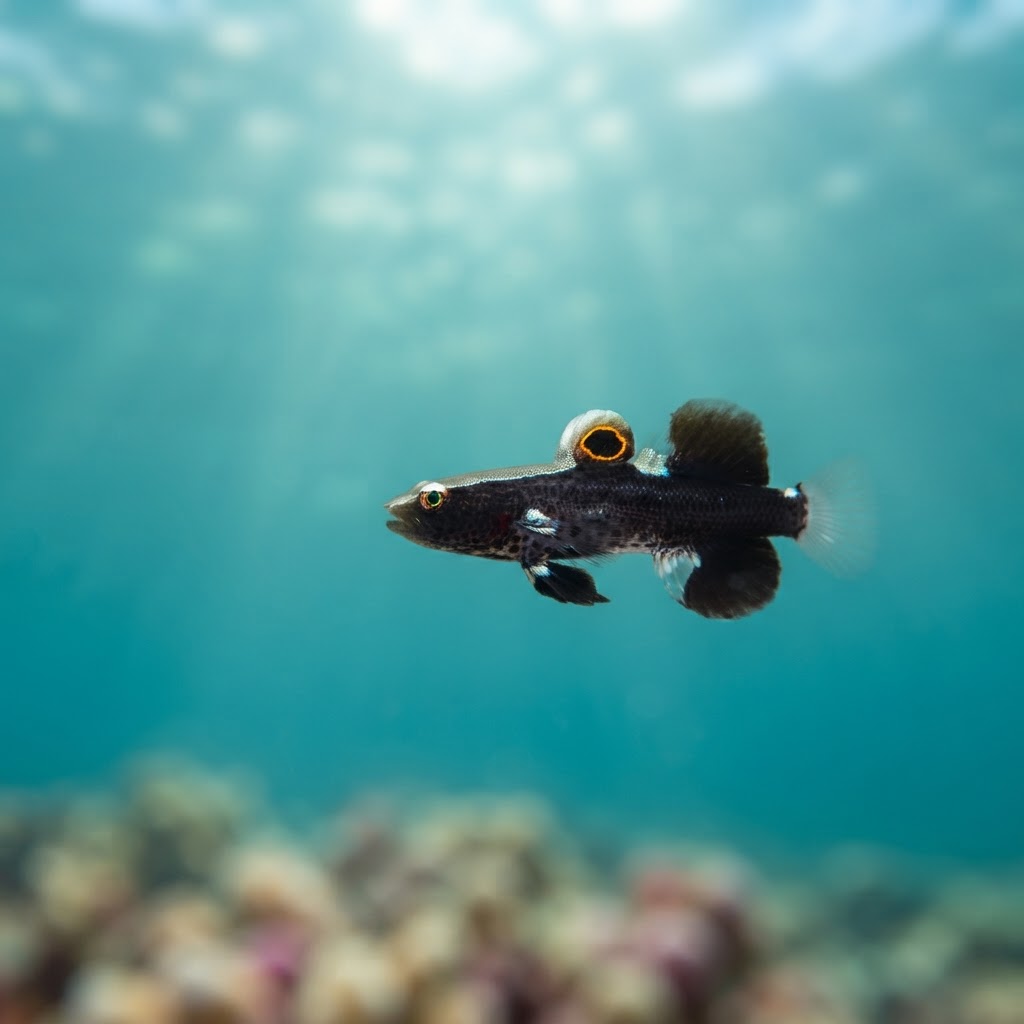
At barely 2cm long, this is one of the smallest gobies you will try to spot on a sandy reef flat, with a slender translucent to pale grey body and a distinct white patch capping the top of its head. It sits propped on its pelvic fins right at the entrance of a burrow, often with a shrimp beside it, rather than hovering freely like many small reef fish. Look for the paired antennae-like first dorsal fin rays it flicks upright when alert.
Watch a patch of open sand near a reef base and you'll likely find this goby stationed at a burrow mouth it shares with a shrimp, the two working as a pair through mutual benefit. It reacts fast to movement, darting backward into the burrow at the first sign of a diver getting close, so a slow approach and a wait from a metre or two away is the only way to get a proper look. Most sightings are on shallow sand flats and slopes rather than deeper reef, and it is logged as uncommon to rare at the sites where divers find it, so patience and a sharp eye for sand-coloured movement pay off.
It shares a burrow with a burrowing shrimp in a classic goby-shrimp partnership: the shrimp digs and maintains the tunnel while the goby, with better eyesight, stands guard and signals danger with a flick of its tail, and both dive for cover together at the first warning.
Sightings show no clear seasonal pattern, and with water temperatures logged between 25.3 and 29.1C year-round in the Red Sea and Gulf of Aqaba, this is a fish you can look for on any month's dive.
Reef neighbours a diver could mistake it for. Use the identification notes above to tell them apart.
Most reliably logged in Egypt, especially South Sinai and the Offshore Red Sea sites, with a further stronghold along Saudi Arabia's Red Sea Coast and in Eilat, Israel. Across all three countries it turns up on sandy patches and rubble flats near reef edges rather than on the reef structure itself.
Mapping where Whitecap Goby is logged…
Best chances are in Egypt's South Sinai and Offshore Red Sea regions, plus Saudi Arabia's Red Sea Coast and Eilat in Israel. Look on sandy flats near reef bases rather than on coral structure.
There is no strong seasonal pattern in sightings, and water stays in a comfortable 25 to 29C range year-round across its Red Sea range, so it can be looked for on any dive at the right sites.
Look for a tiny, pale, almost see-through goby around 2cm long with a white cap on its head, perched at a burrow entrance on sand rather than swimming freely. It often sits right beside a partner shrimp.
Around 2cm long as adults, making it one of the smaller gobies divers try to spot on Red Sea sand flats.
It lives in partnership with a burrowing shrimp, sharing a single tunnel in the sand. The shrimp digs and the goby keeps watch, both diving in together the instant a diver gets too close.
No. It poses no risk to divers and simply retreats into its burrow if approached.
Site and sighting data is aggregated from diver logs, iNaturalist and GBIF. For taxonomy and conservation status:
Slender Goby
806 sites