Gobius incognitus
A 6cm goby common on rocky reefs from Catalonia to Kvarner, best spotted year-round in 15-21C Mediterranean water.
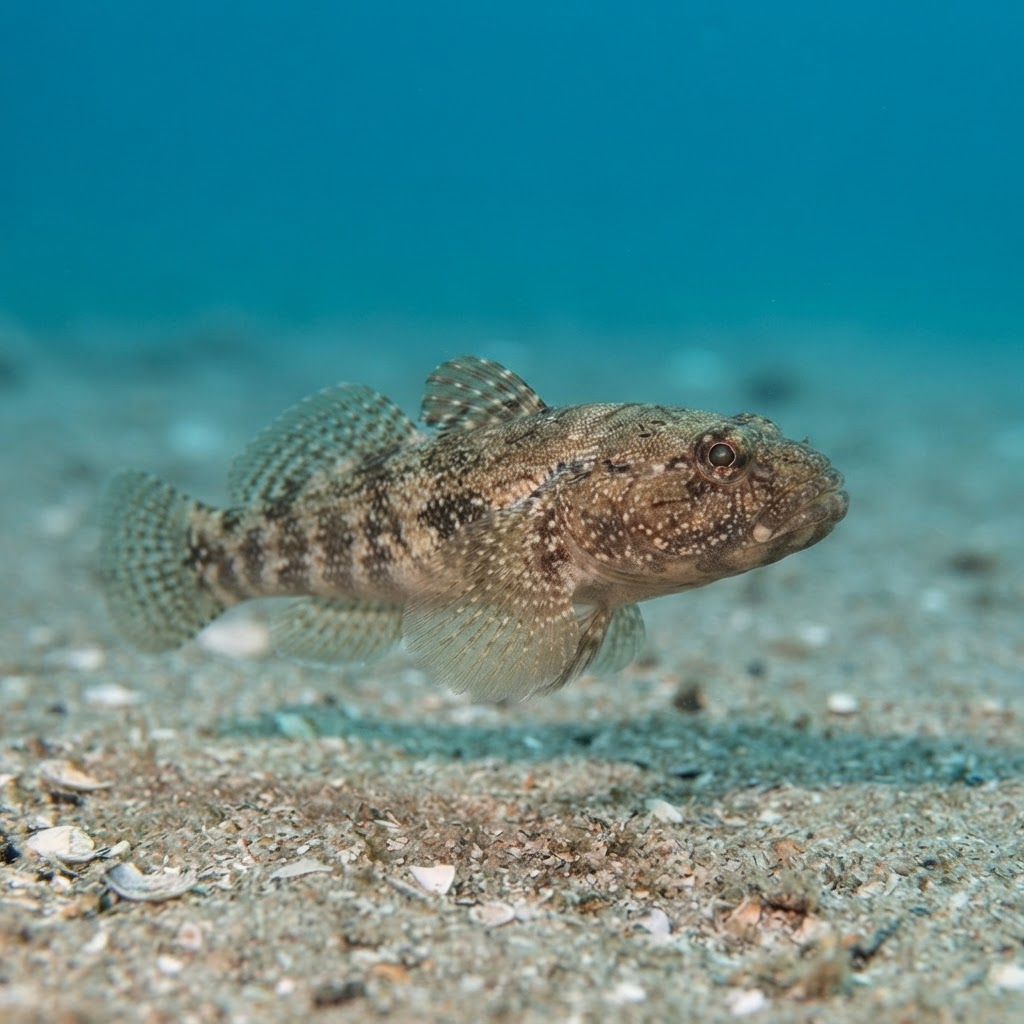
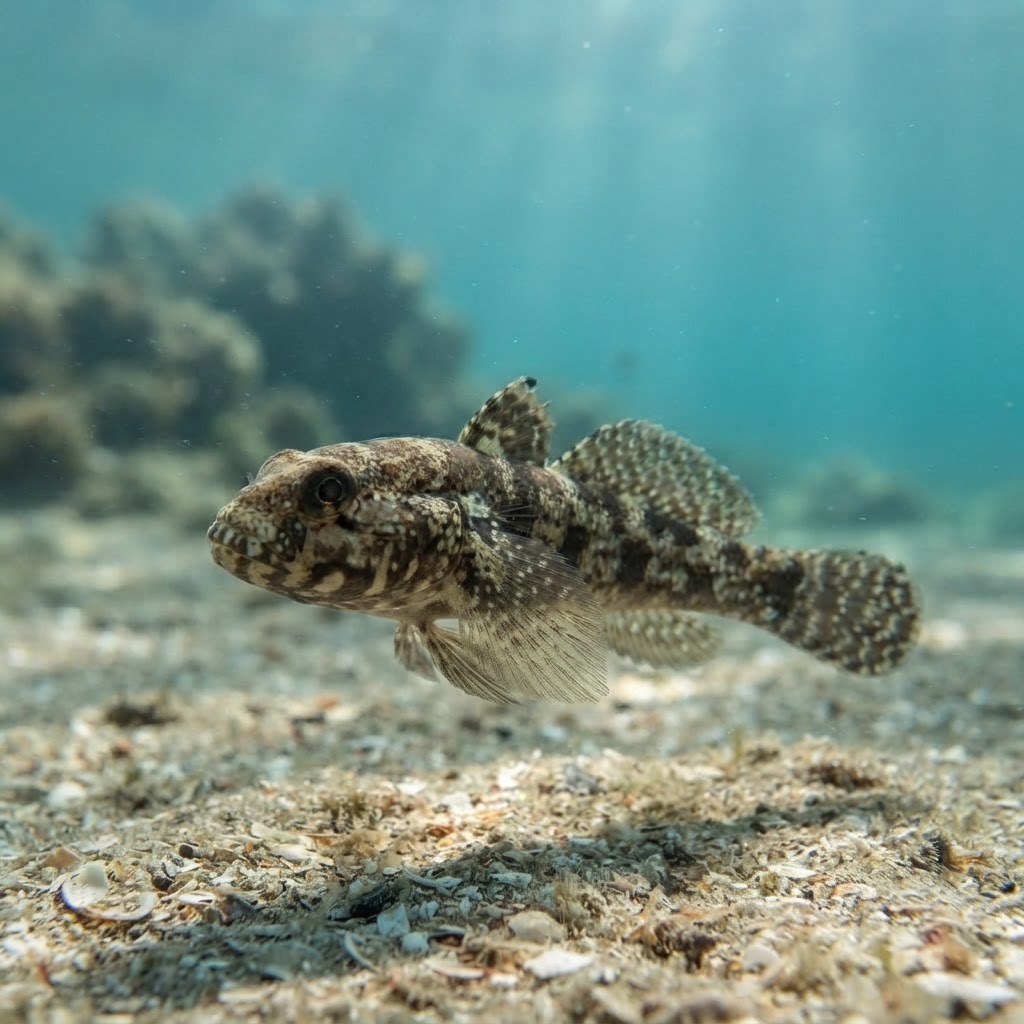
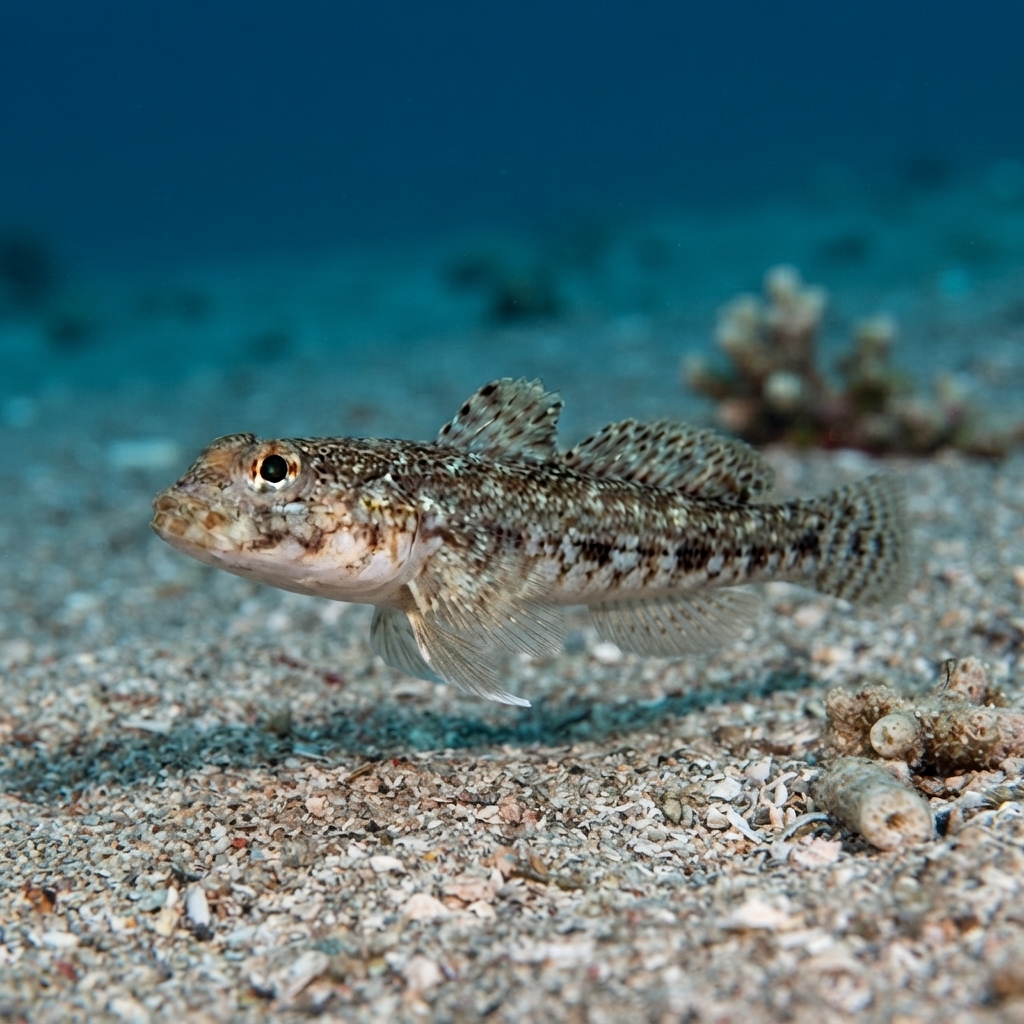
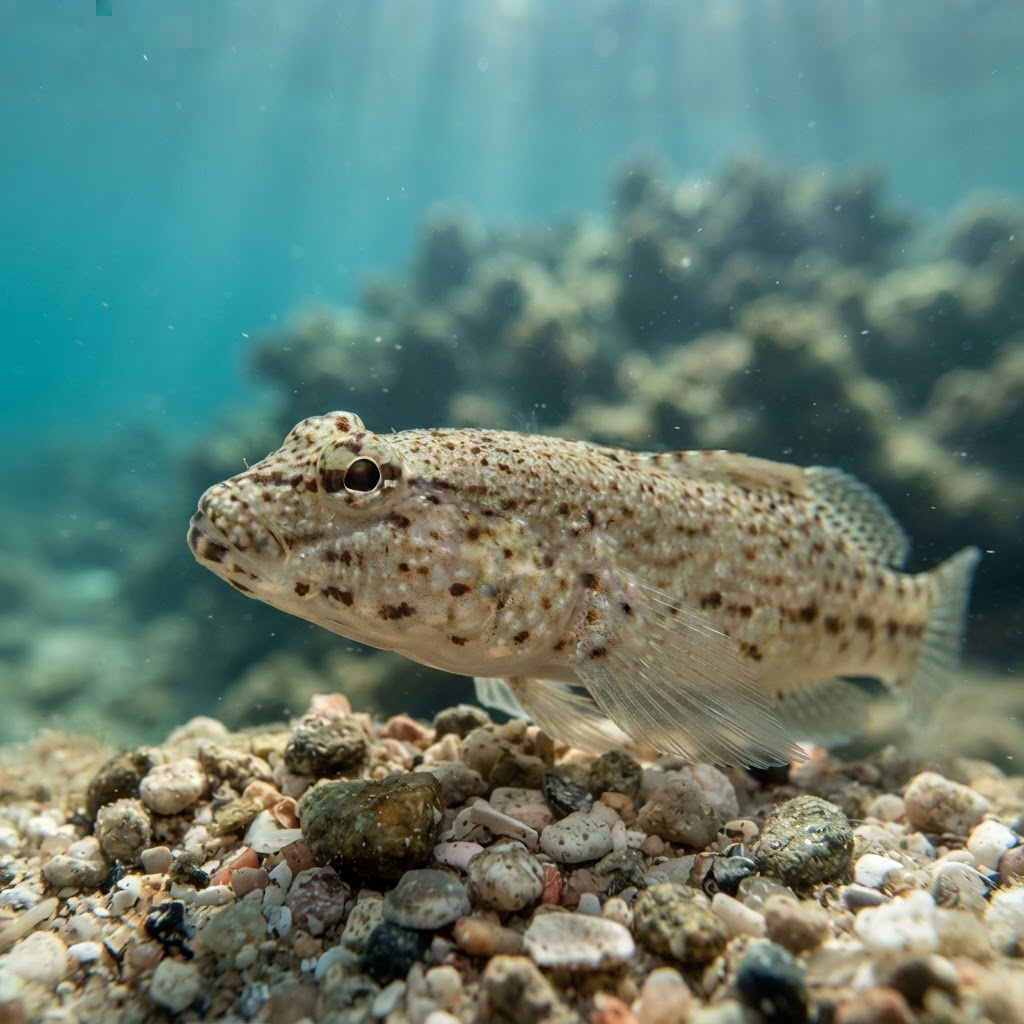
A small, slender bottom-dweller at about 6 cm, mottled brown to grey with faint darker blotches that break up its outline against rock and sand. It rests propped on its pelvic fins rather than swimming freely, and has the classic goby head shape: big eyes set high, blunt snout, no visible neck. There's no strong pattern to lock onto, which is exactly why it earns its name, so divers usually spot it by its perching posture and stillness rather than colour.
Look for it parked motionless on rock, rubble or sand in shallow water, usually under 12 metres, where it blends into the substrate rather than bolting when divers approach. It tends to hold its ground and rely on camouflage rather than fleeing, so slow, close-focus looks along rocky ledges and boulder fields are the best way to pick one out. Most sightings come from casual reef and wall dives rather than any special search technique.
Like most small benthic gobies, it lacks a swim bladder, which is why it's always found resting on the bottom rather than hovering in midwater like many reef fish.
Sightings show no clear seasonal pattern, and with a comfortable range of 15 to 21C it's present on these reefs across the diving calendar, so any month works.
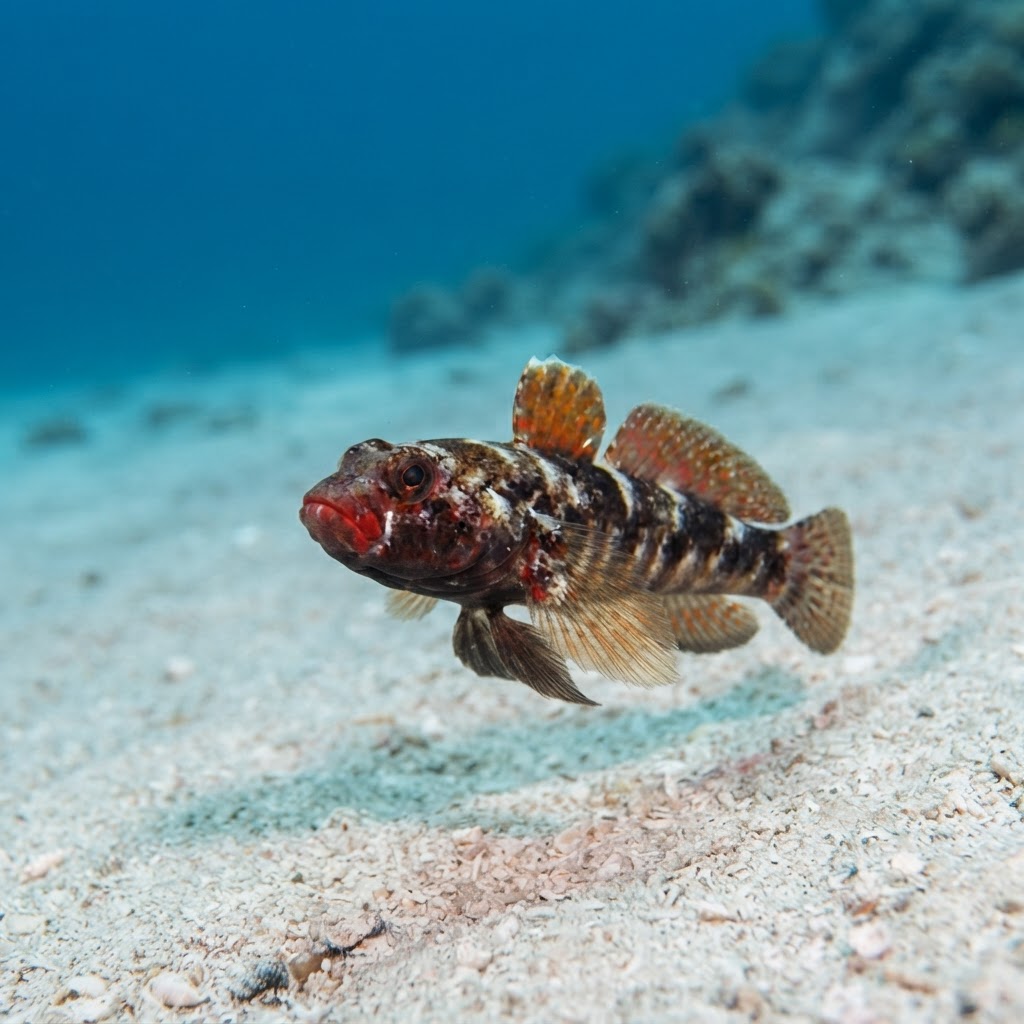
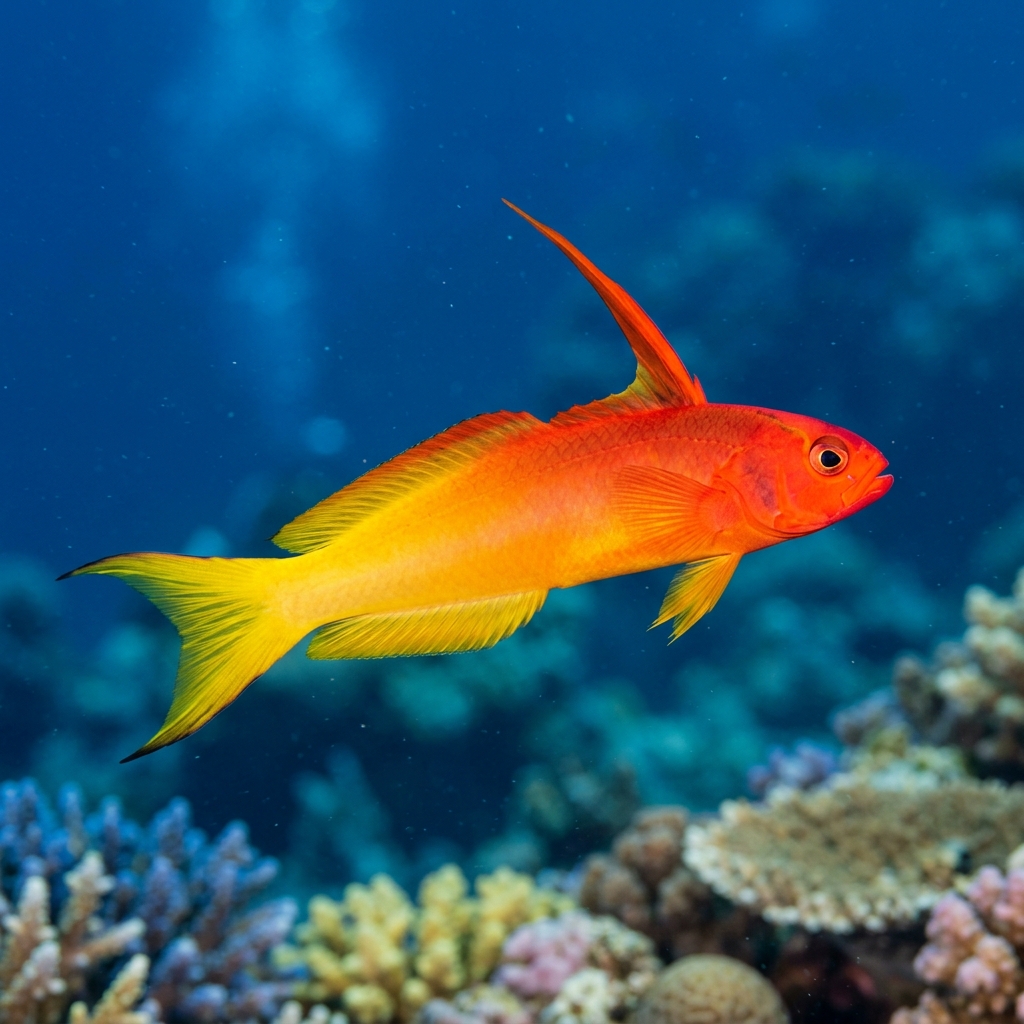
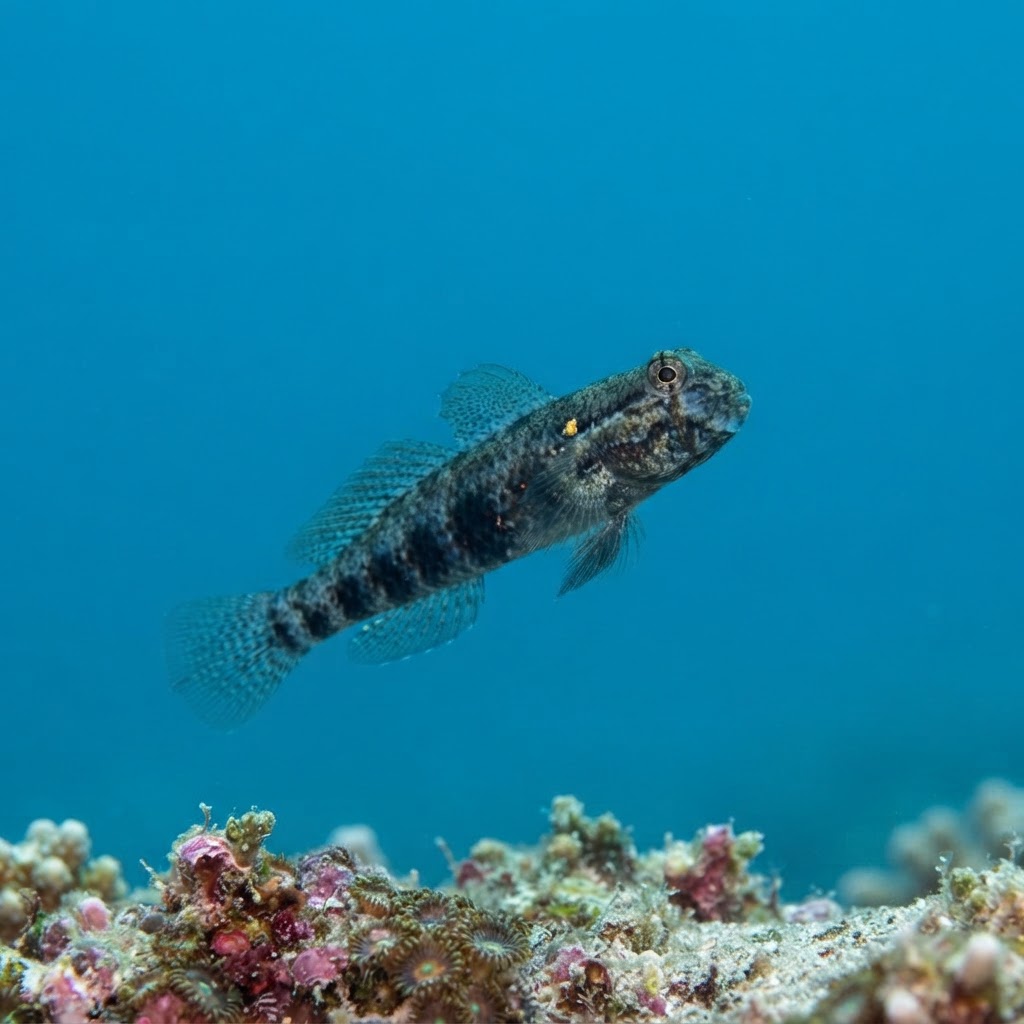
Reef neighbours a diver could mistake it for. Use the identification notes above to tell them apart.
This is a Mediterranean regular, most consistently logged along the French Riviera and Provence and in Catalonia, with strong numbers also coming out of Croatia's Kvarner and Istria regions and the Ionian Islands of Greece. It also turns up reliably in Italy, Cyprus, Malta and Turkey, making it one of the more widely logged small gobies across the basin.
Mapping where Incognito Goby is logged…
It's most reliably logged in the French Riviera and Provence and in Catalonia, Spain, with good numbers also in Croatia's Kvarner and Istria regions and Greece's Ionian Islands. It's a widespread Mediterranean species rather than a destination fish.
There's no strong season in the sighting data, and it tolerates a wide 15 to 21C range, so it's seen on Mediterranean reefs throughout the year.
Look for a small, 6cm mottled brown goby perched still on rock or sand rather than swimming in the open. It has no bold markings, just a blotchy camouflage pattern, big high-set eyes and the typical blunt-headed goby shape.
It's a small species, typically around 6 cm long, so divers need to look closely along the bottom rather than scanning open water.
No. It's a harmless, tiny bottom-dwelling fish that poses no risk to divers and simply holds still or retreats a short distance if approached.
Like other gobies, it has no swim bladder, so it can't hover in midwater. Instead it props itself on its pelvic fins directly on rock or sand, which is why you'll always find it sitting rather than swimming past.
Site and sighting data is aggregated from diver logs, iNaturalist and GBIF. For taxonomy and conservation status:
Red-mouthed Goby
773 sites