Mugil curema
Spot silvery schools of White Mullet off Florida, Tobago and Bonaire in 21-28C water, usually as a rare surprise near the surface.
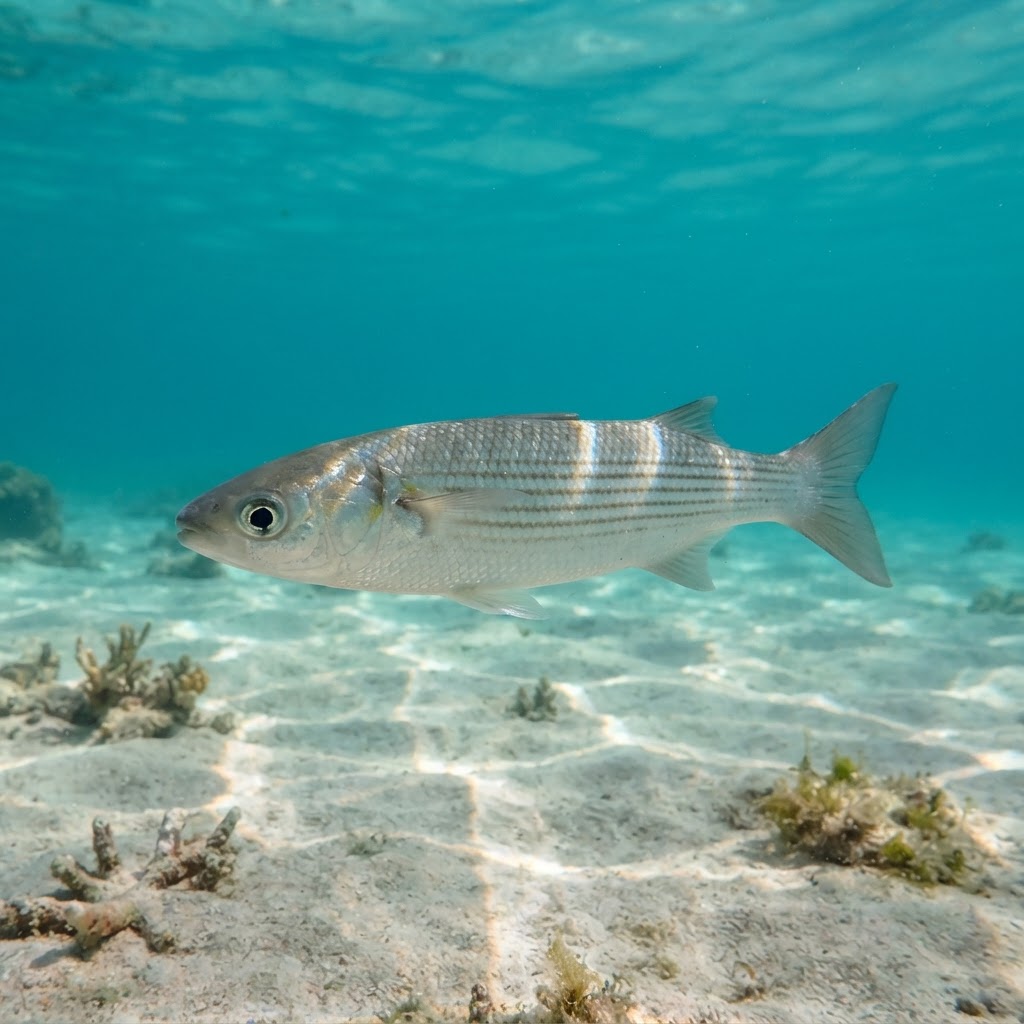
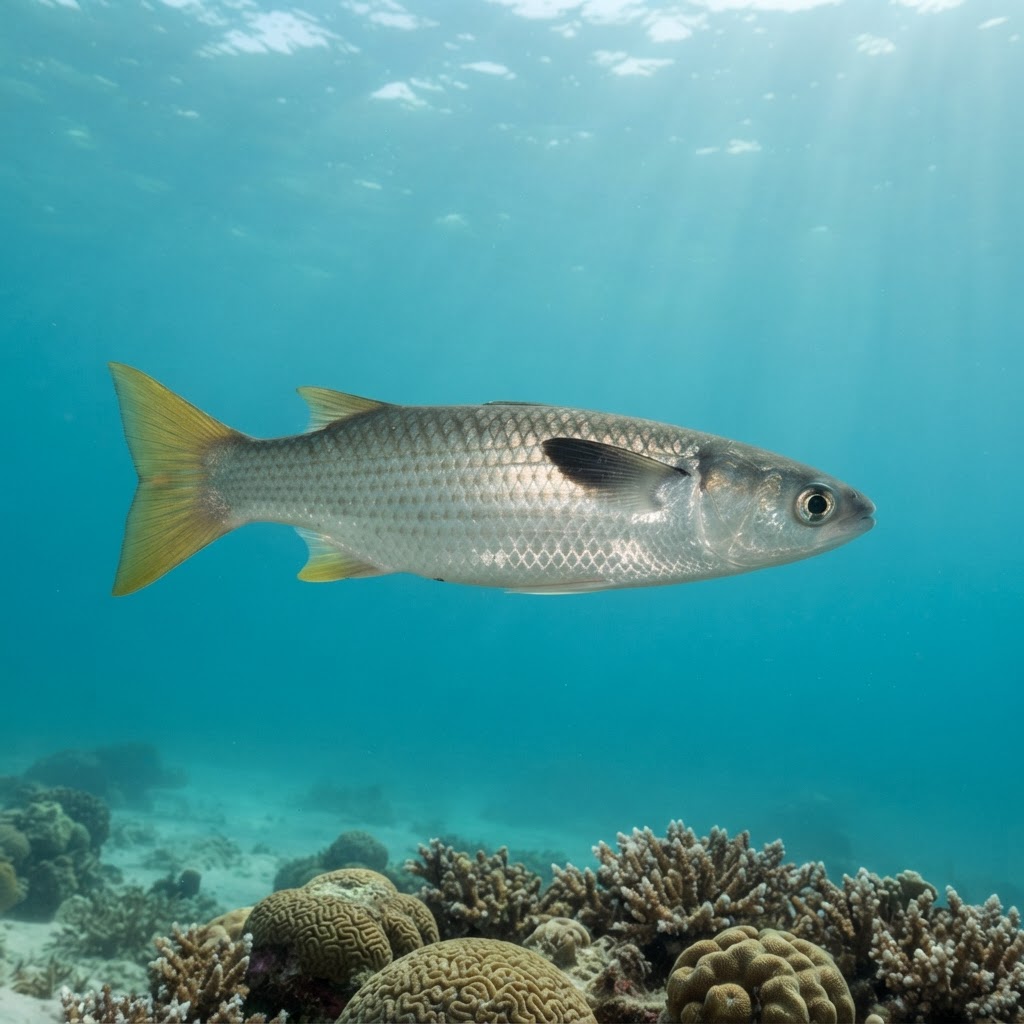
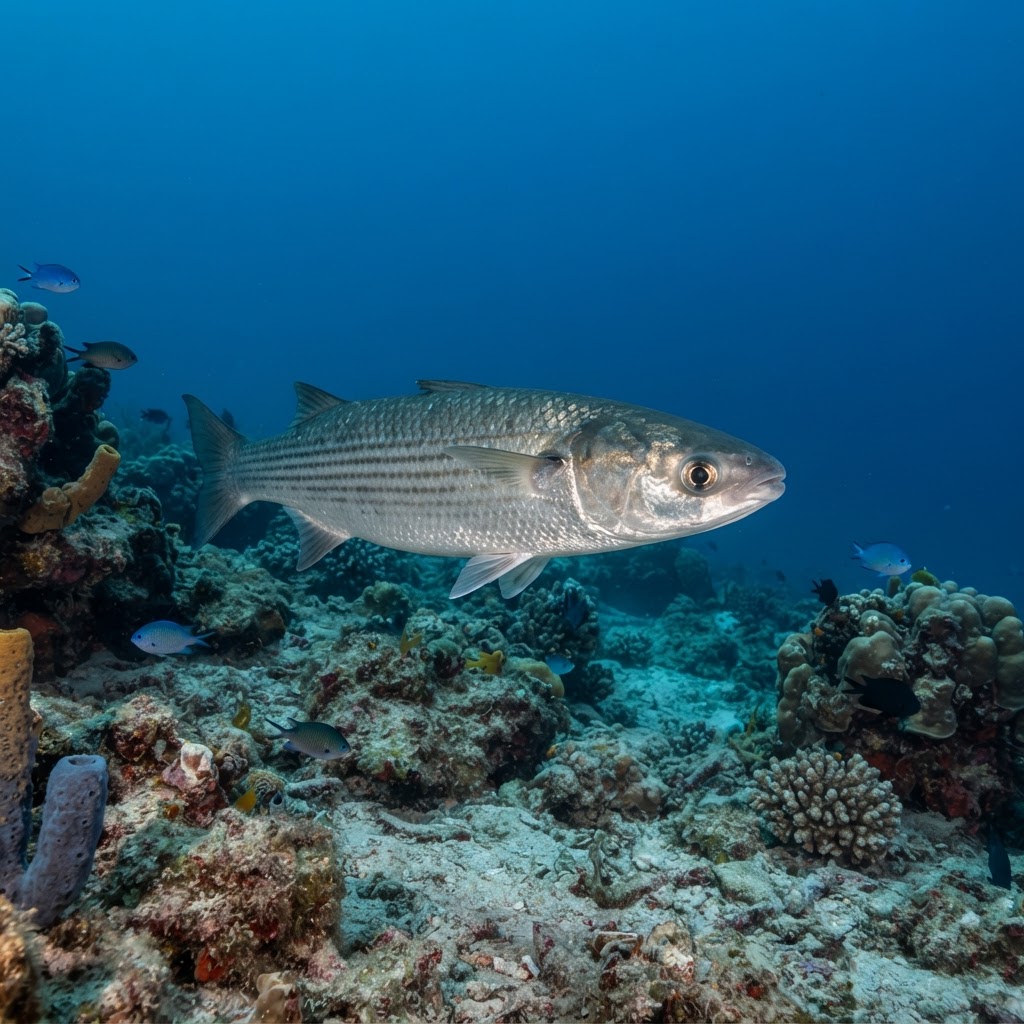
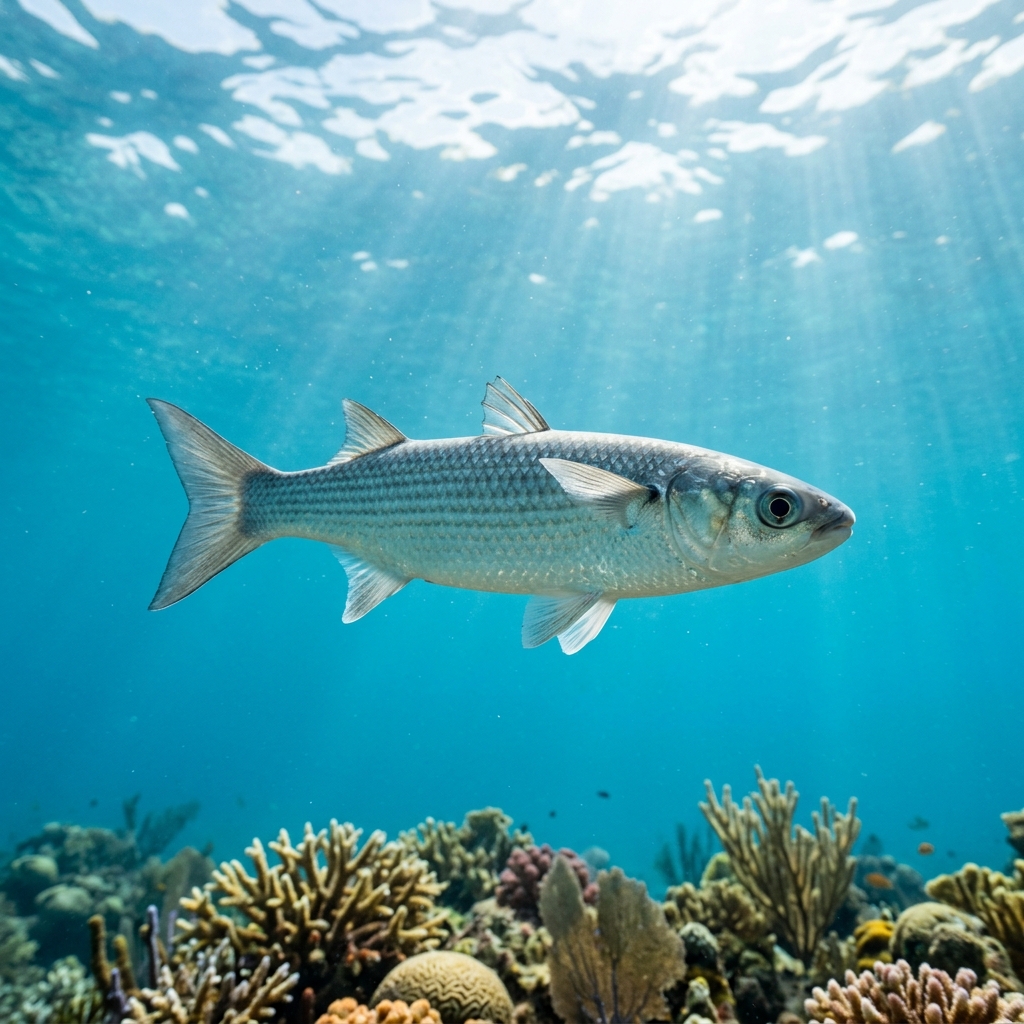
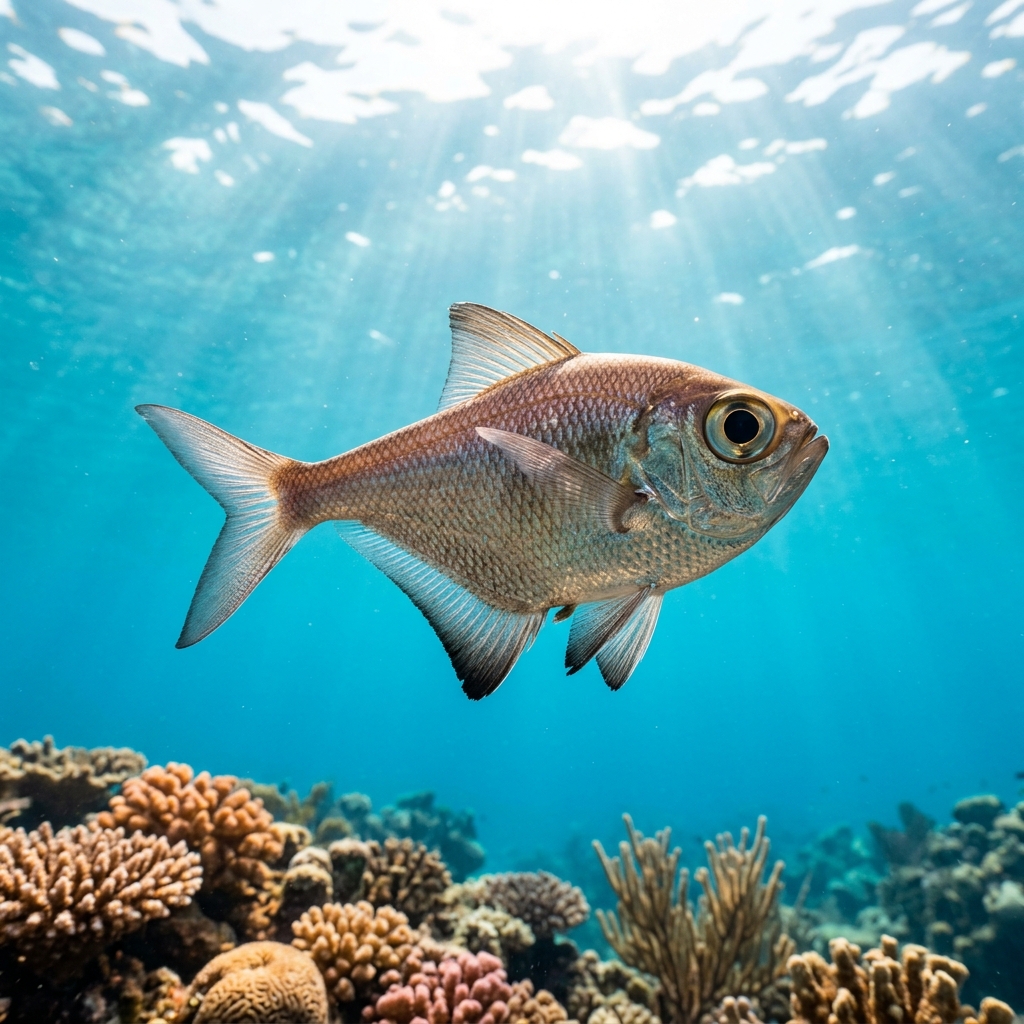
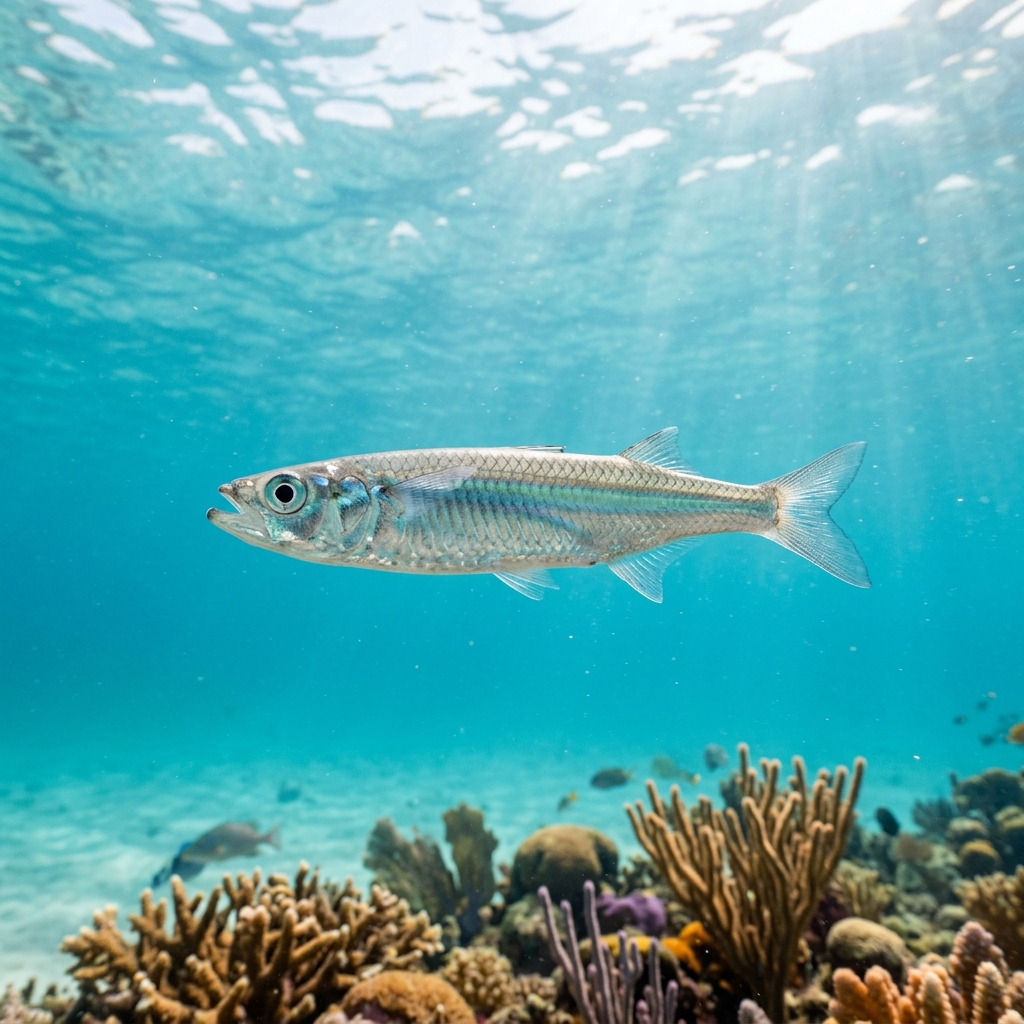
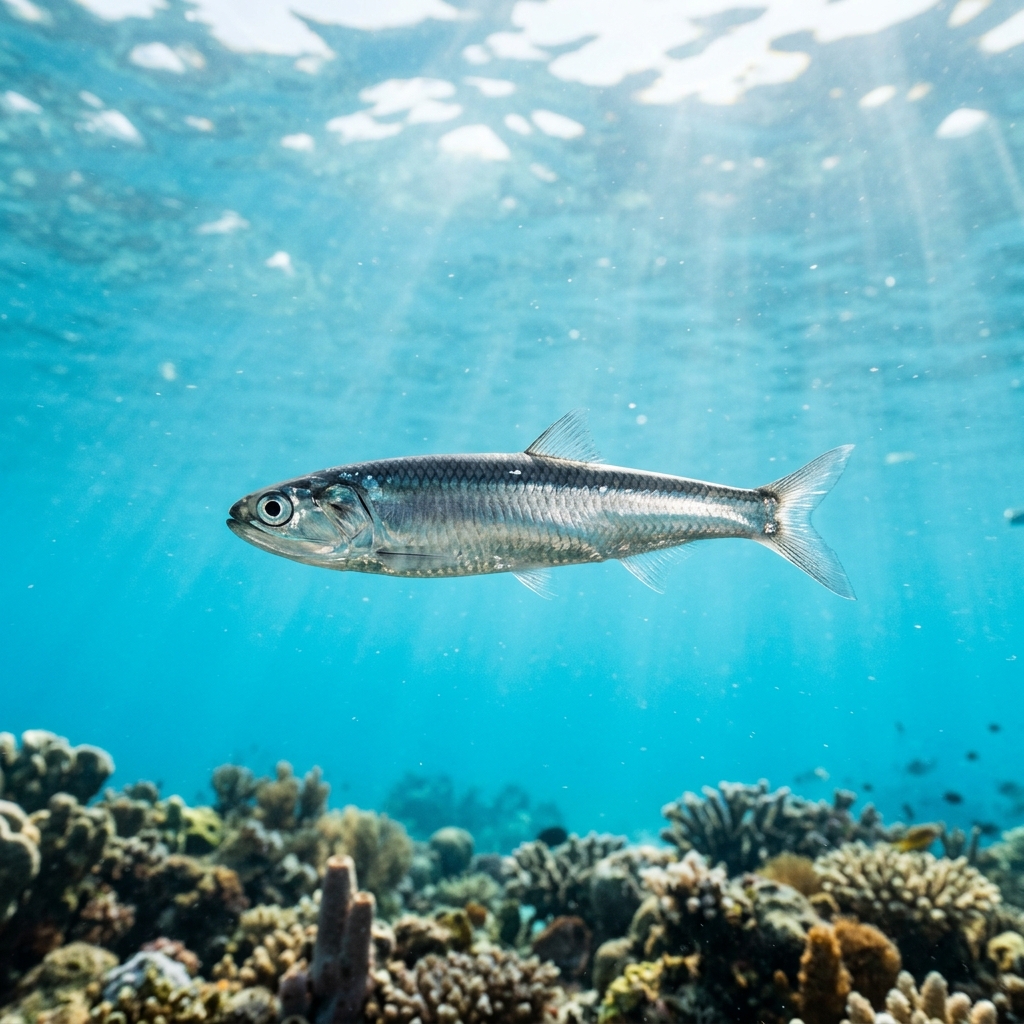
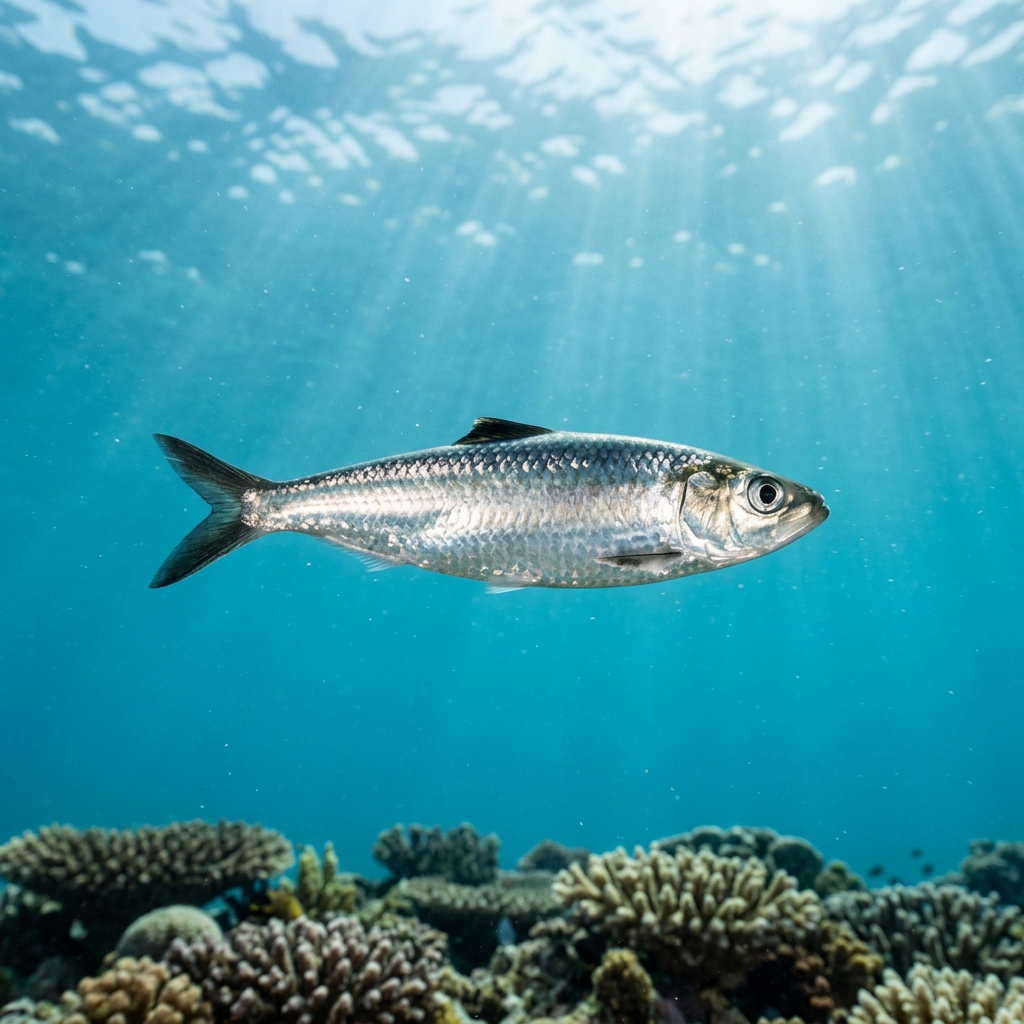
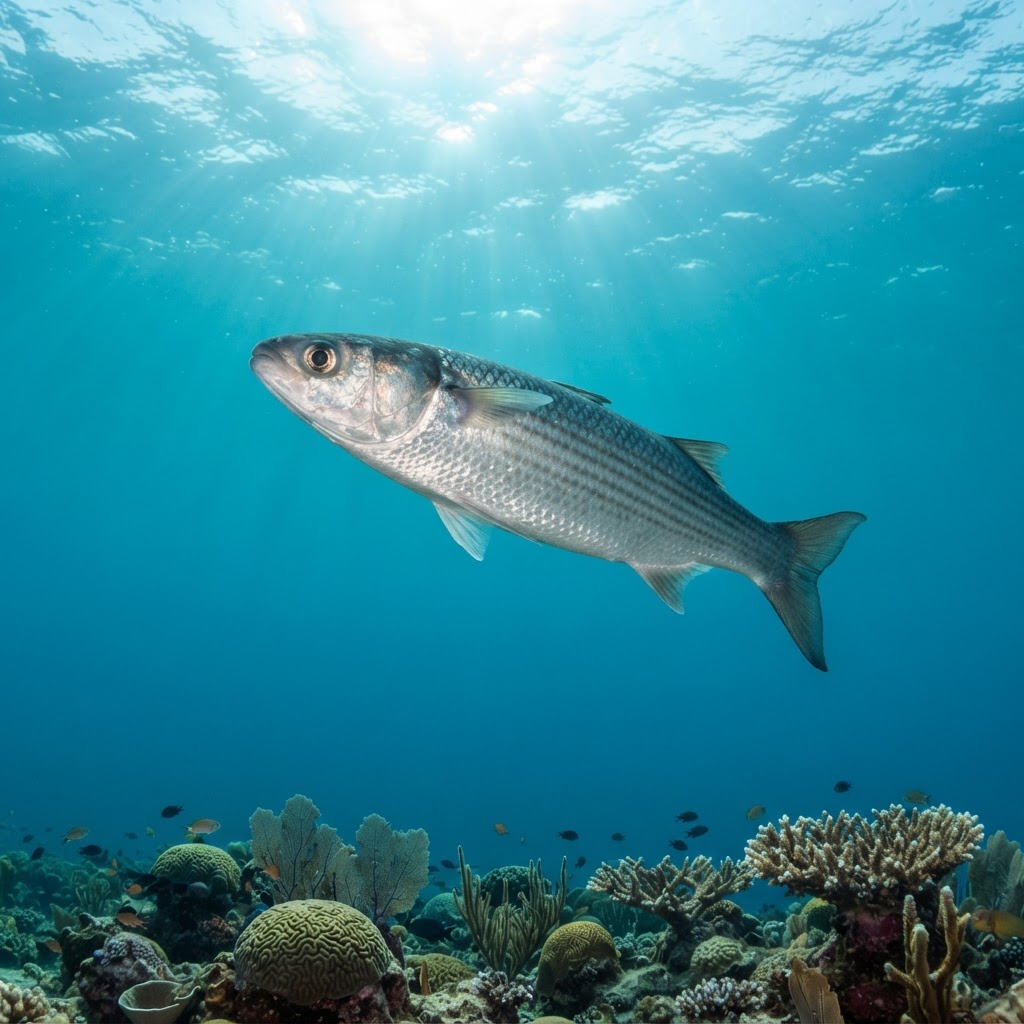
Elongated, streamlined body up to 64cm with silvery flanks that flash bright in sunlight and a slightly darker olive-grey back. Look for a blunt, rounded snout, large eyes, and a deeply forked tail that gives quick, darting bursts of speed. They usually travel in loose schools near the surface rather than sitting still on the reef, so the giveaway is often a shimmering mass moving as one.
Divers usually encounter them cruising in loose, fast-moving schools in open water above the reef, often catching light near the surface before scattering if approached too directly. They keep a fair distance from divers and rarely linger over one spot, more often just passing through a site than settling into it. Most logged sightings describe them as rare to uncommon, so a school gliding overhead is a nice bonus rather than a guaranteed part of the dive.
White Mullet feed by grazing on algae and organic material sifted from sediment, which is part of why they're often seen near the surface or over sandy patches rather than tucked into reef structure.
Sightings show no clear seasonal pattern, and with a comfortable range of 21 to 28C this species turns up on tropical and subtropical reefs throughout the year. Treat it as a year-round possibility rather than something tied to a particular month.
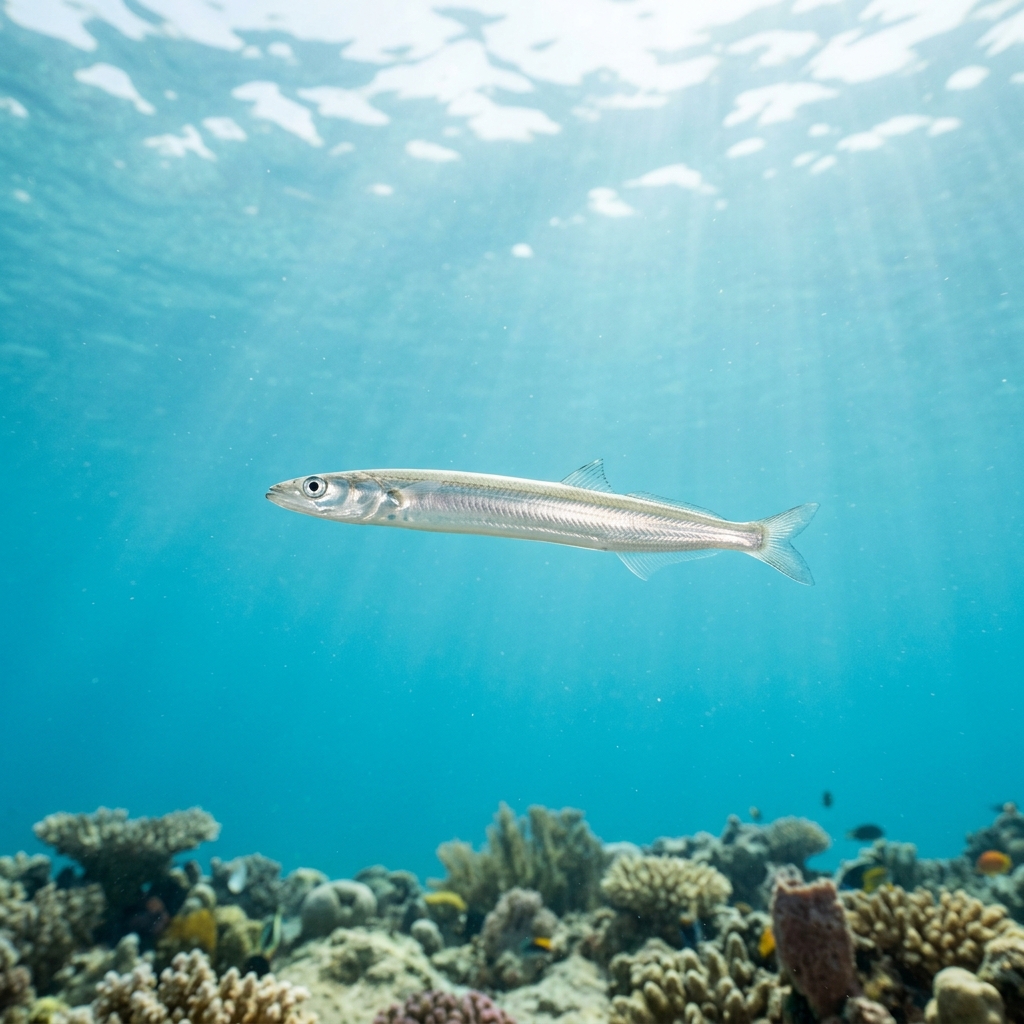
Reef neighbours a diver could mistake it for. Use the identification notes above to tell them apart.
Most reliably logged in Florida in the United States, with additional sightings around Tobago in Trinidad and Tobago and along Bonaire's Leeward Coast. A smaller number of divers have also recorded them off Baja California in Mexico, so this is mainly a warm-water Atlantic and Caribbean species from a diver's perspective.
Mapping where White Mullet is logged…
Florida in the United States is the most consistent spot, with further sightings around Tobago, Bonaire's Leeward Coast, and Baja California in Mexico.
There's no strong season in the data, and their comfort range of 21 to 28C means they can appear on warm reefs at any time of year.
Look for a silvery, torpedo-shaped fish up to 64cm with a forked tail and blunt snout, usually moving in a loose school near the surface rather than resting on the reef.
They typically reach around 64cm in length, giving them a noticeably elongated, streamlined profile compared to smaller schooling reef fish.
No, they pose no threat to divers and typically keep their distance, darting away if you swim too close.
They feed by sifting algae and organic matter from sediment, which is why you'll often spot them over sandy areas or near the surface rather than deep in reef structure.
Site and sighting data is aggregated from diver logs, iNaturalist and GBIF. For taxonomy and conservation status:
Anchovy
2,433 sites