Engraulidae
Dive into shimmering anchovy schools from the Maldives to Croatia. Spot them in water from 15 to 29.5°C across tropical and temperate reefs worldwide.
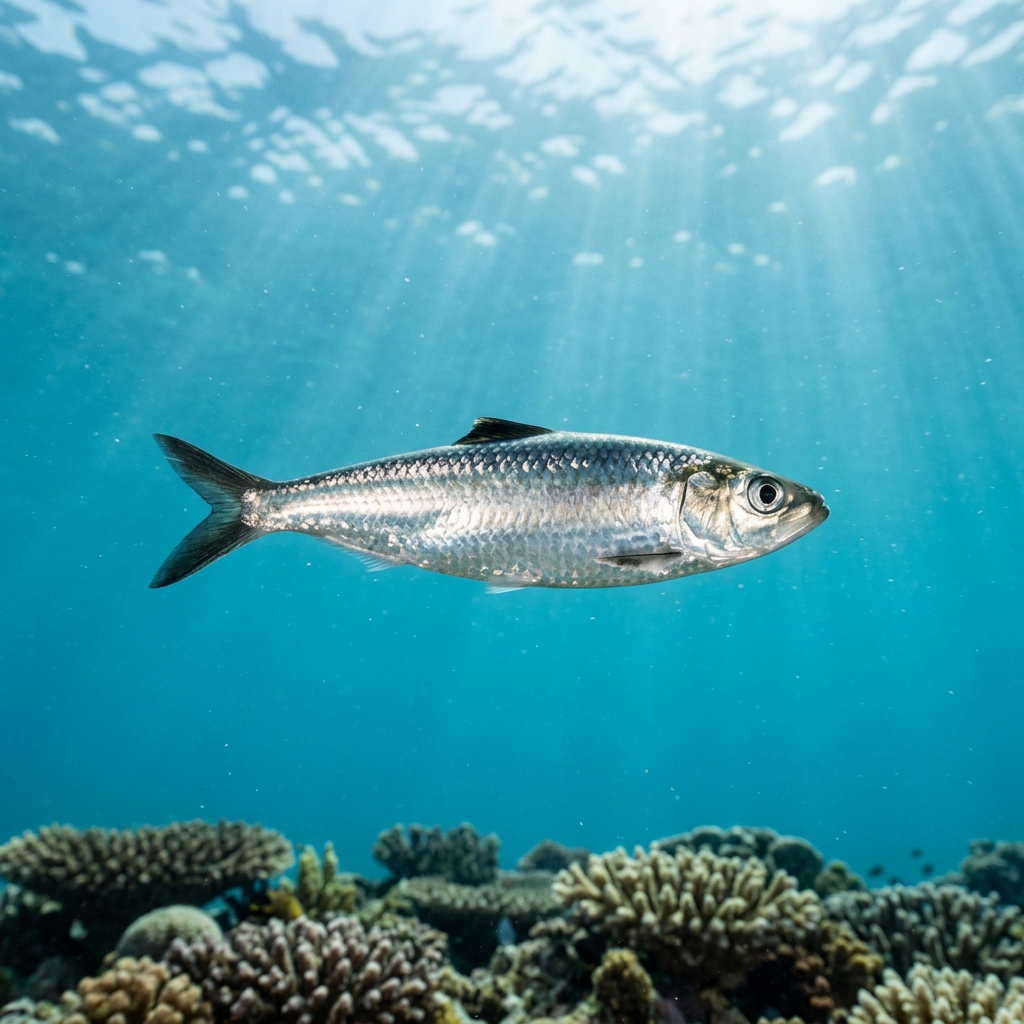
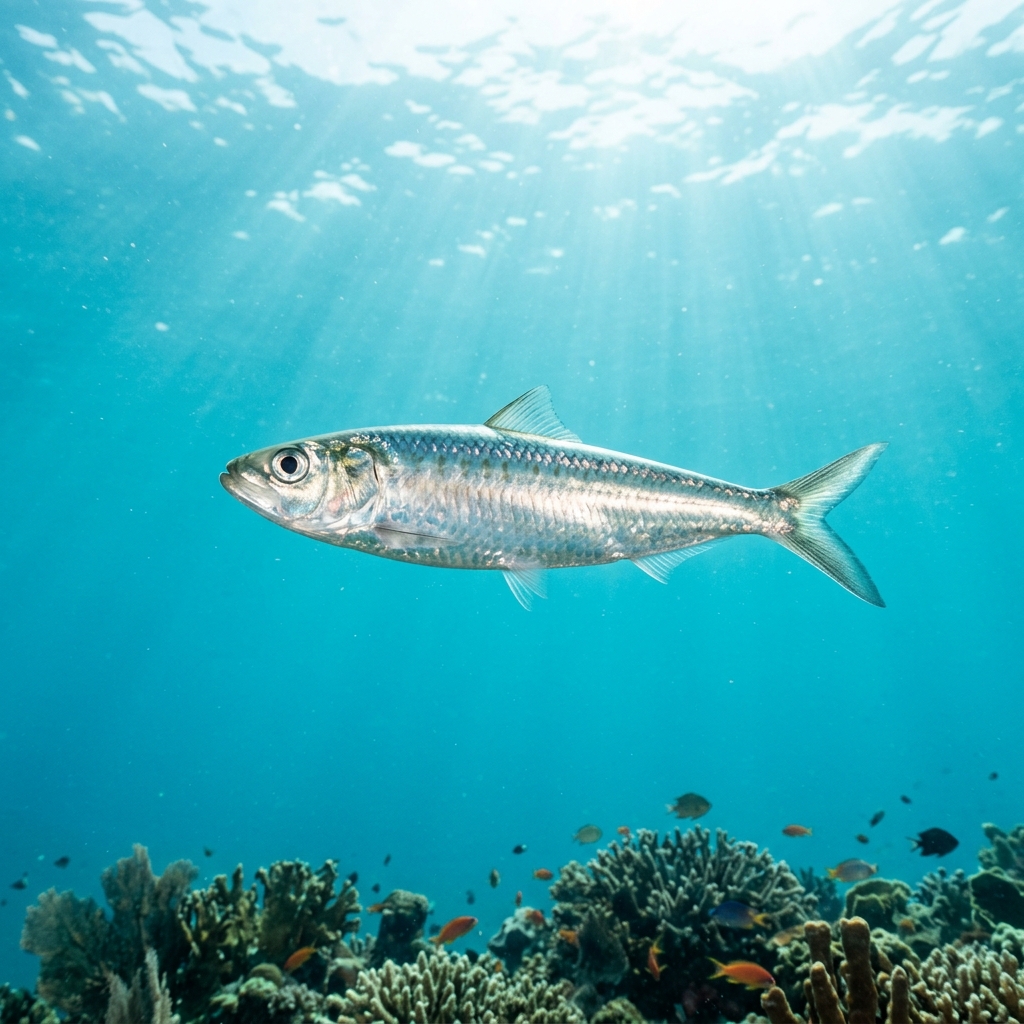
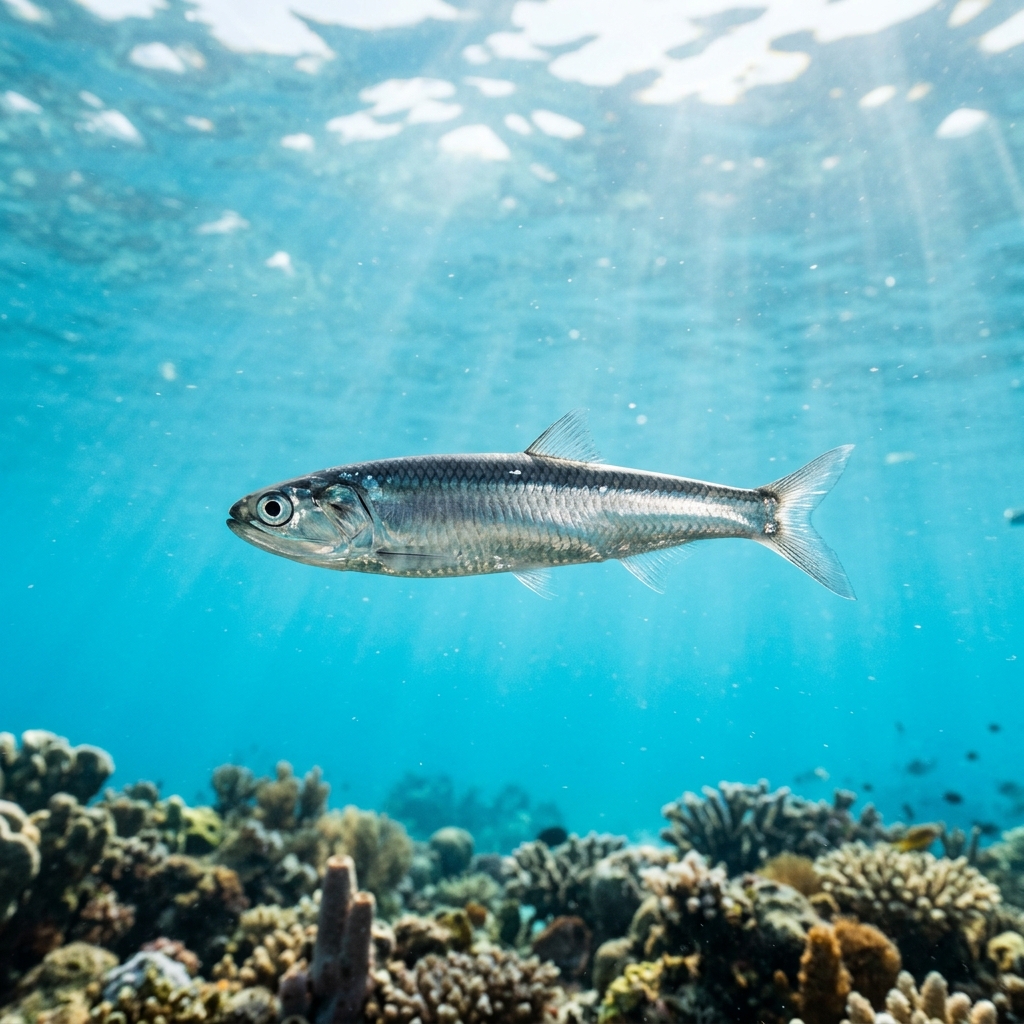
Anchovies are small, slim, torpedo-shaped fish that travel in tight, coordinated schools, creating a rippling silver mass in the water column. Look for the distinctive reflective silver stripe running along the flank and a notably large mouth that extends well behind the eye, which sets them apart from other small silvery schooling fish. Individual fish are typically just a few centimetres long, making them appear as a collective shimmering curtain rather than individuals until you look closely.
Anchovies school in enormous, fast-moving formations that swirl and pivot together in what's called a bait ball when threatened, a defence mechanism that can look like a living tornado in the water column. They tend to occupy open water and the upper reaches of the reef rather than the bottom, filtering tiny plankton as they move. Divers typically find them unbothered by a slow, non-threatening approach, though sudden movement will cause the school to split and reform.
A dense anchovy bait ball is one of the great wildlife spectacles in diving, as it almost always attracts larger predators. Watch the edges of the school for trevally, barracuda, or dolphins working in coordination to compress the fish before striking.
No clear seasonal peak emerges from the data, so anchovies can be treated as a year-round encounter wherever they occur. Their comfortable temperature range of 15 to 29.5°C spans both tropical reef systems and cooler temperate seas, meaning they turn up on dives from the warm Maldivian atolls to the cooler waters of the Adriatic.
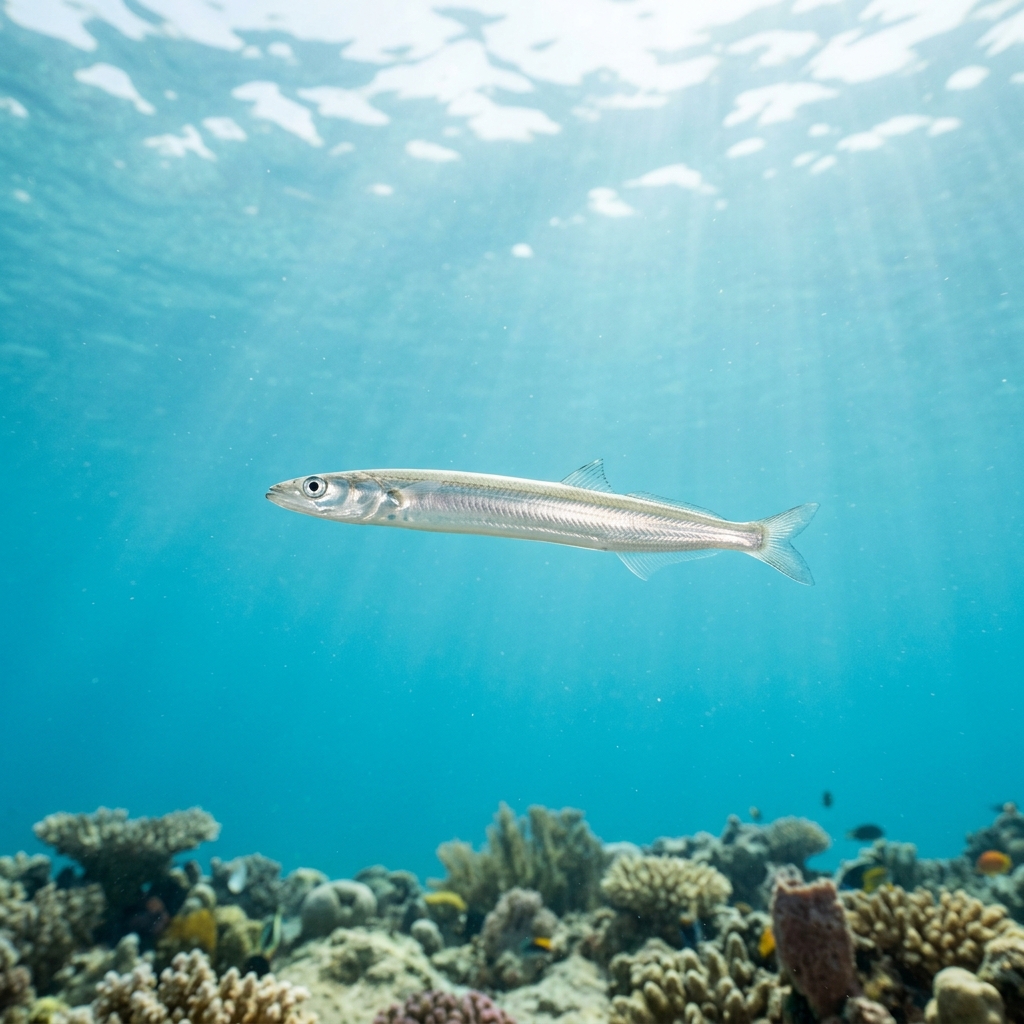
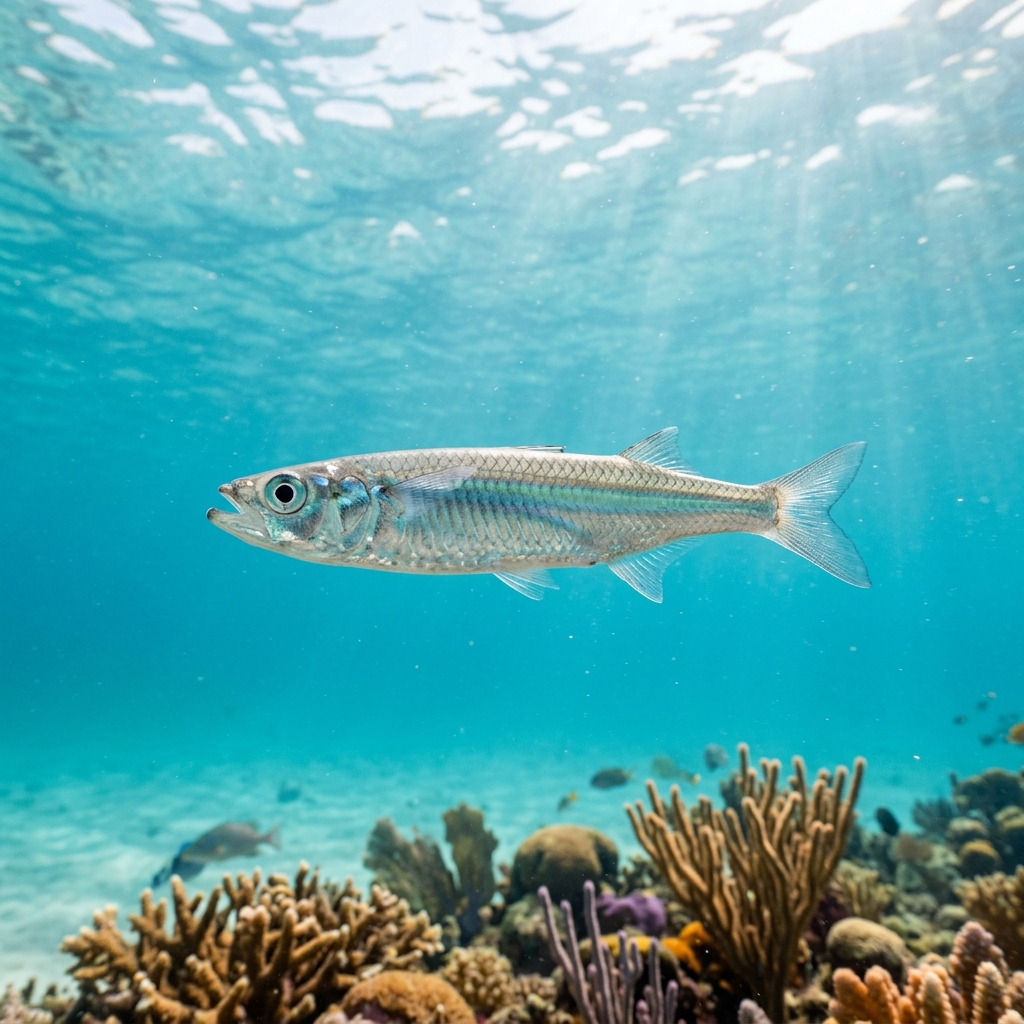
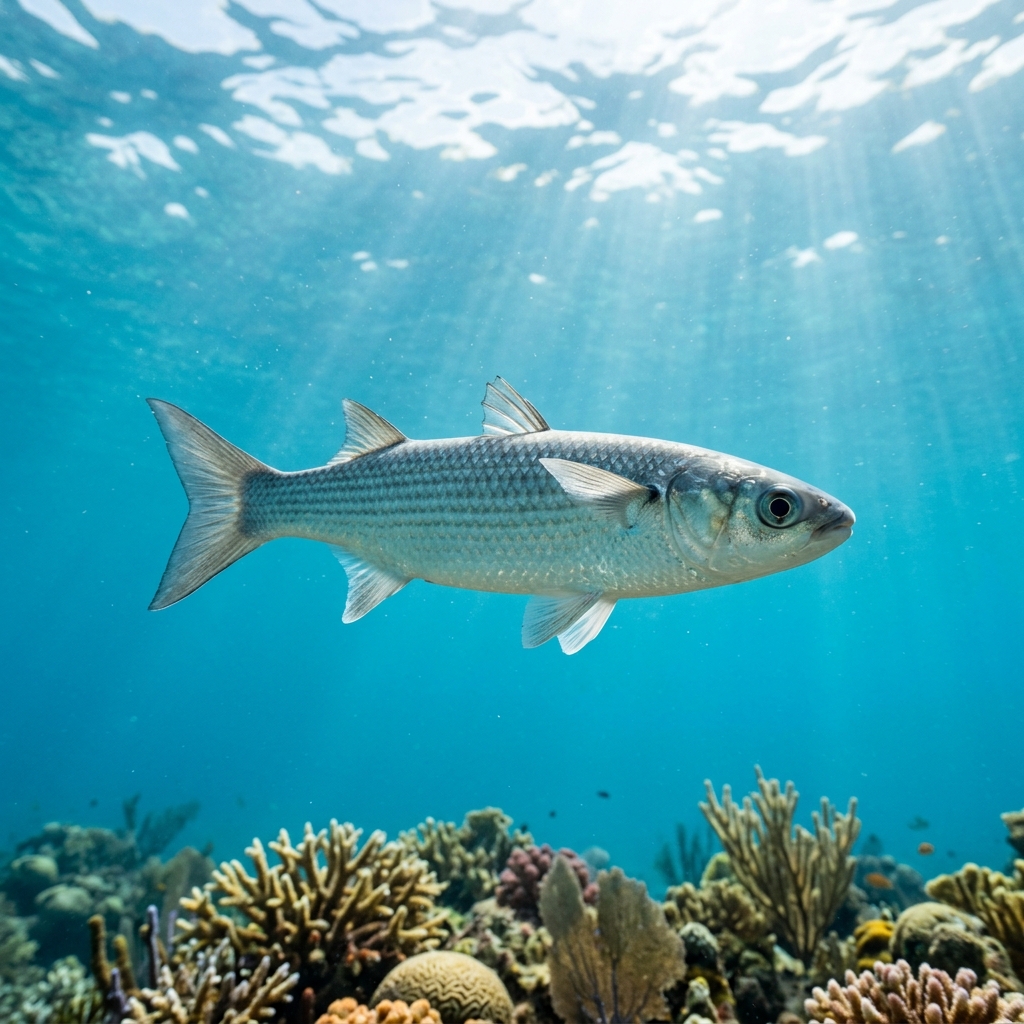
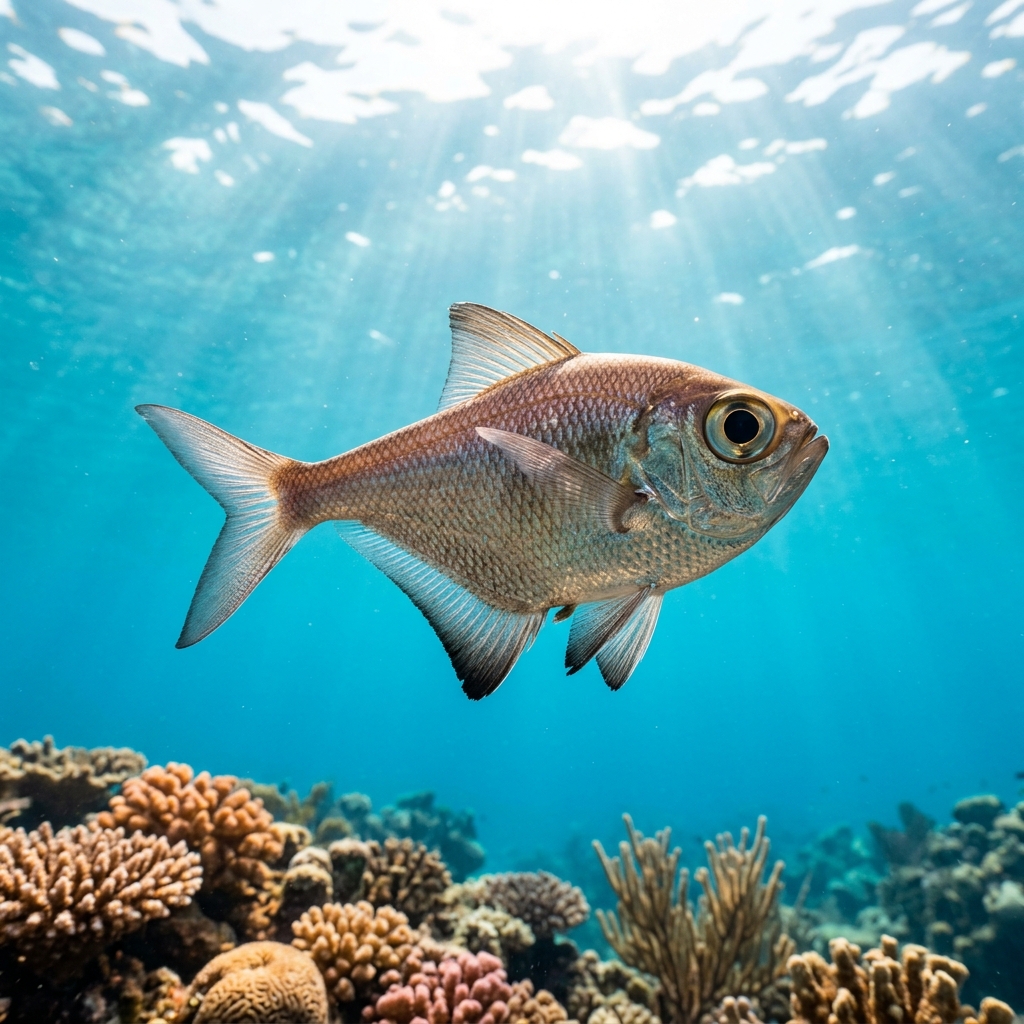
Reef neighbours a diver could mistake it for. Use the identification notes above to tell them apart.
Anchovies are logged across an enormous range of dive destinations, with the strongest presence in the Maldives, particularly the North and Central Atolls and Felidhoo and Mulaku regions. The Mediterranean is a reliable hunting ground, with Greece (especially Attica), Croatia's Central Dalmatian coast, and Italy all well represented. Further afield, Florida and the Southeast United States, Queensland in Australia, and the Philippines round out the top spots.
Mapping where Anchovy is logged…
Anchovies are recorded at dive sites across a huge spread of countries. Top destinations include the Maldives, Greece, Croatia, Italy, the Philippines, Indonesia, Australia, and the United States. In the Mediterranean, Attica in Greece and Central Dalmatia in Croatia are particularly well-represented regions.
There is no single peak season, anchovies are encountered year-round across their range. Their tolerance for water temperatures from 15°C up to nearly 30°C means they thrive in both tropical and temperate dive destinations simultaneously.
Look for very small, slim silver fish with a bright reflective stripe along the flank and an oversized mouth that extends past the eye. They are almost always seen in large, tightly coordinated schools rather than alone. The large mouth extending behind the eye is the clearest single feature separating them from similar silversides and sardines.
Most anchovy species in the family Engraulidae reach somewhere between 10 and 20 cm in length, though many are smaller. Underwater they read as tiny fish, it is the collective mass of the school that creates the visual impact rather than any individual's size.
When threatened by predators, anchovies compress into a tight, rotating sphere called a bait ball. The constant movement makes it harder for predators to single out individuals. For divers, encountering a bait ball under attack by trevally, sharks, or dolphins is one of the most dramatic events possible on a reef dive.
Site and sighting data is aggregated from diver logs, iNaturalist and GBIF. For taxonomy and conservation status:
Sand Eel
1,925 sites