Ammodytidae spp.
Sand eels form dense silvery schools in cold North Atlantic waters. Most commonly logged in Canada, the UK, and Norway, here's where and how to spot them.
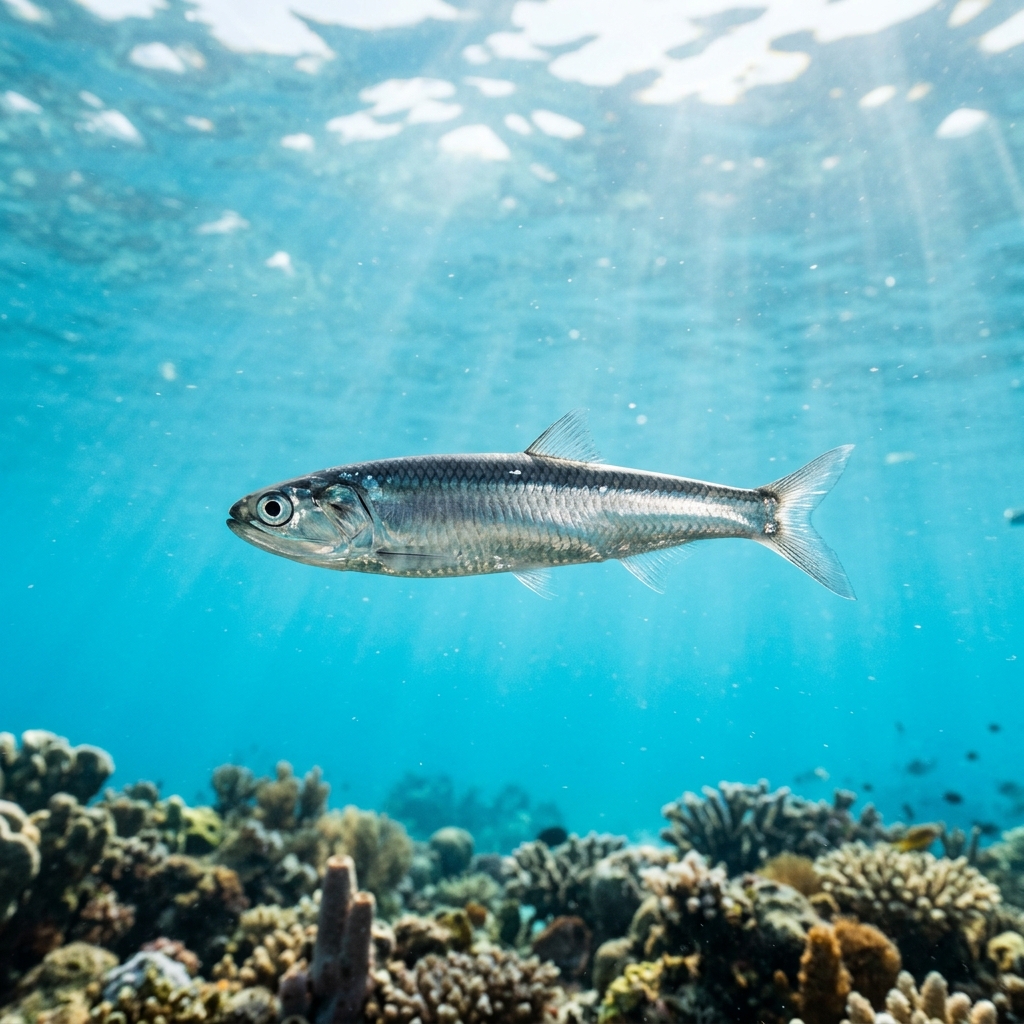
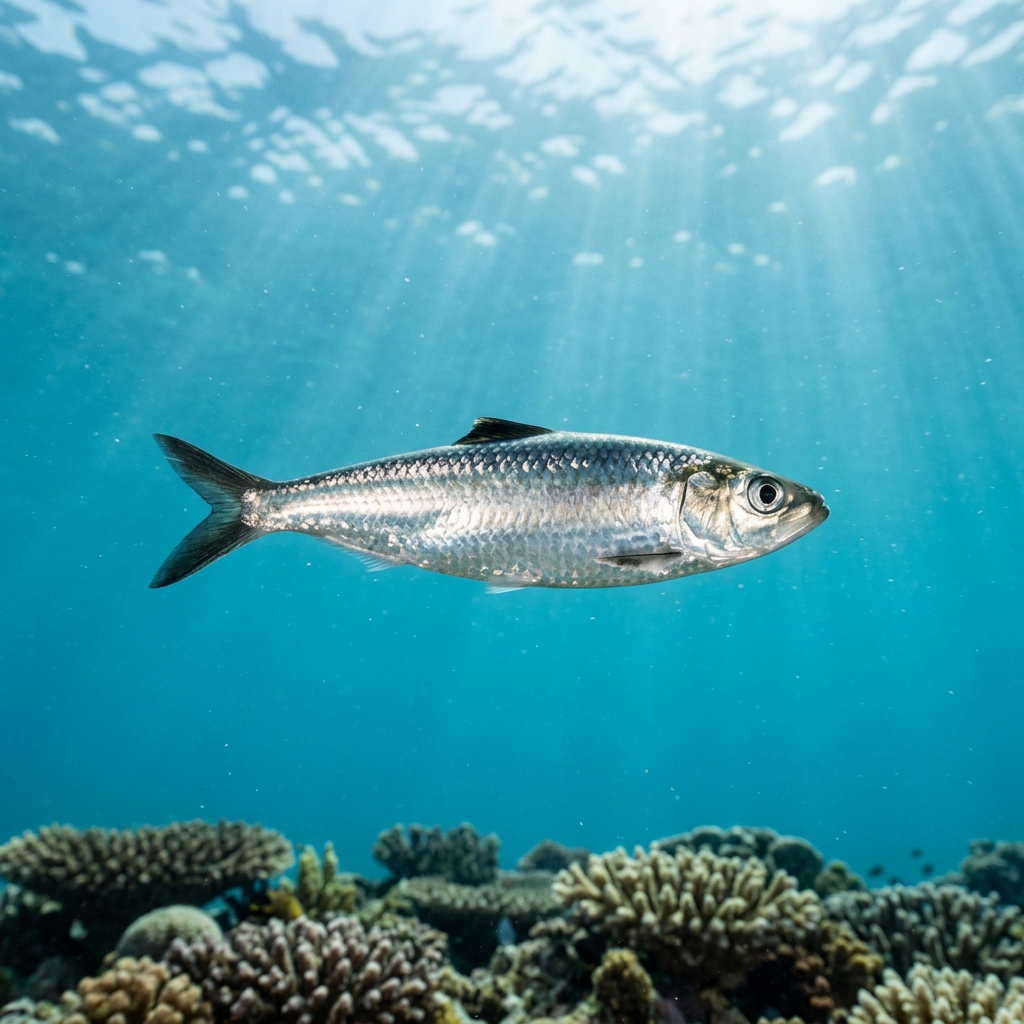
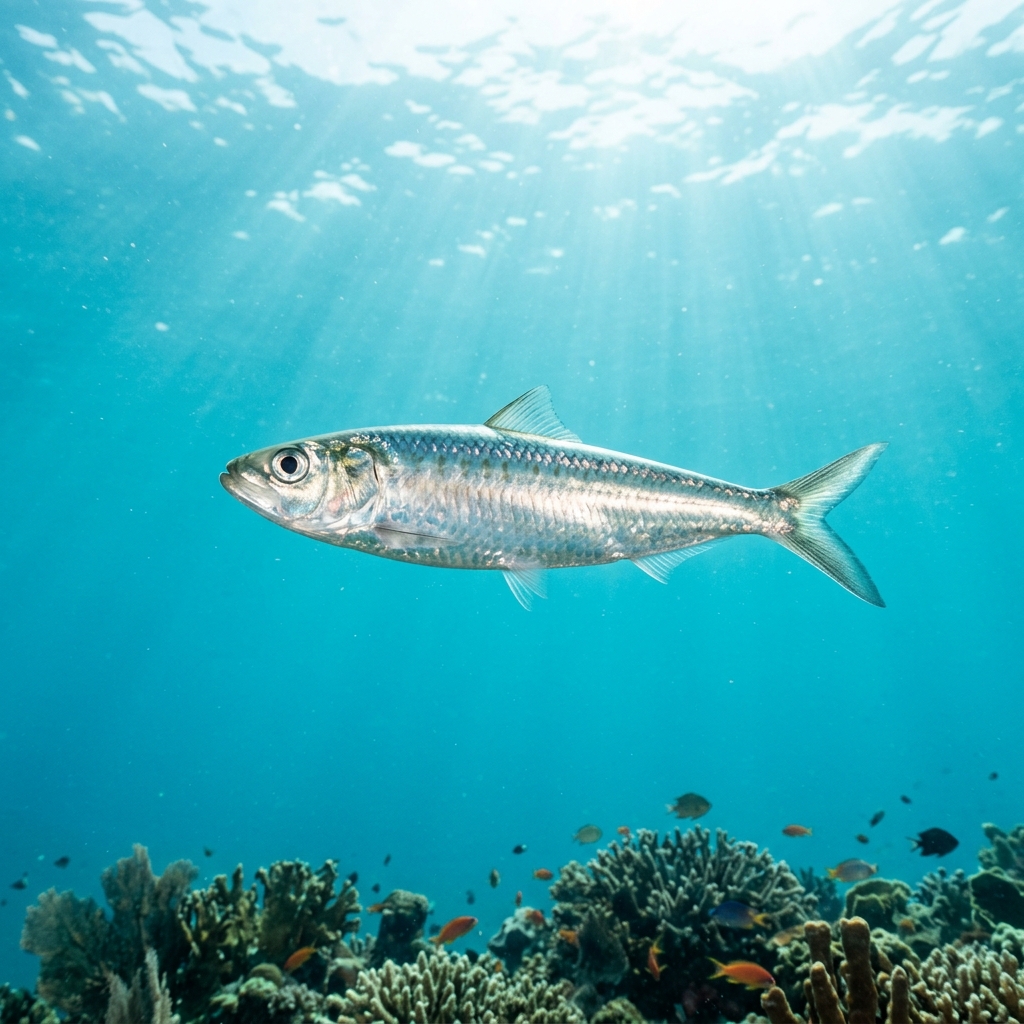
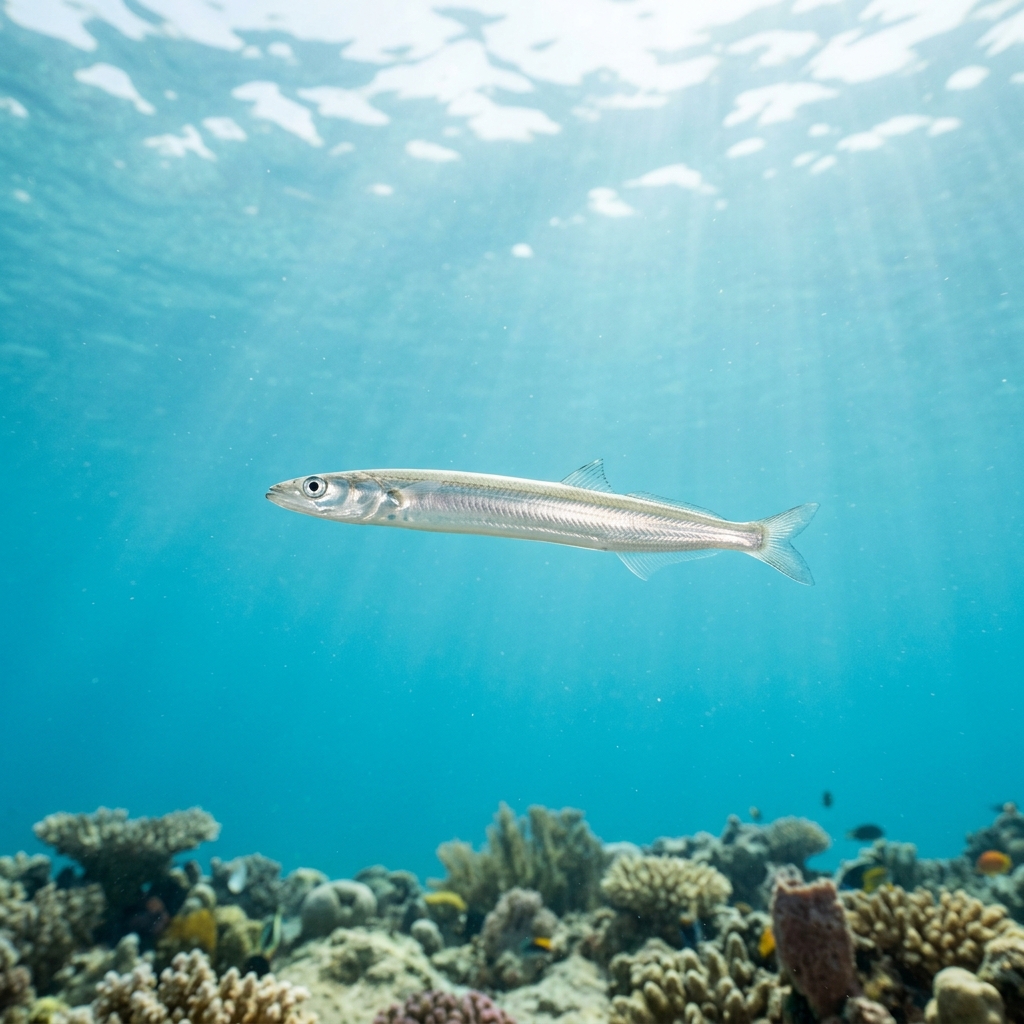
Slender, almost needle-like silver fish with a pale or white underside and a faintly greenish or bluish tint along the back, the elongated body and pointed snout are the giveaway at a glance. In the water they form tight, shimmering schools that move in near-perfect unison, creating a rippling silver curtain effect. Unlike many schooling fish they are notably slim: think more finger-shaped than torpedo-shaped. Size varies across the family but most species encountered by divers are small, fingerlength fish.
When you come across them, sand eels are typically hovering in loose to dense schools in mid-water or close to a sandy bottom, often streaming together in the current. They are skittish around divers, approach too fast and the school parts or dives as a single unit into the sand, which is a distinctive and disarming behaviour unique to this family. Outside of disturbance they are calm, focused on feeding on plankton drifting past in the water column.
The name 'sand eel' describes a real behaviour: when threatened, entire schools can vanish almost instantly by plunging headfirst into soft sandy substrate, burying themselves within seconds. Watching this happen underwater is one of the more surprising sights in temperate diving.
There is not enough seasonal sighting data to identify a peak month or season, so treat them as a year-round possibility wherever their habitat occurs. Their observed temperature range of roughly 4 to 16 °C points firmly to cool and cold-water diving conditions, so plan for drysuit or thick wetsuit dives.
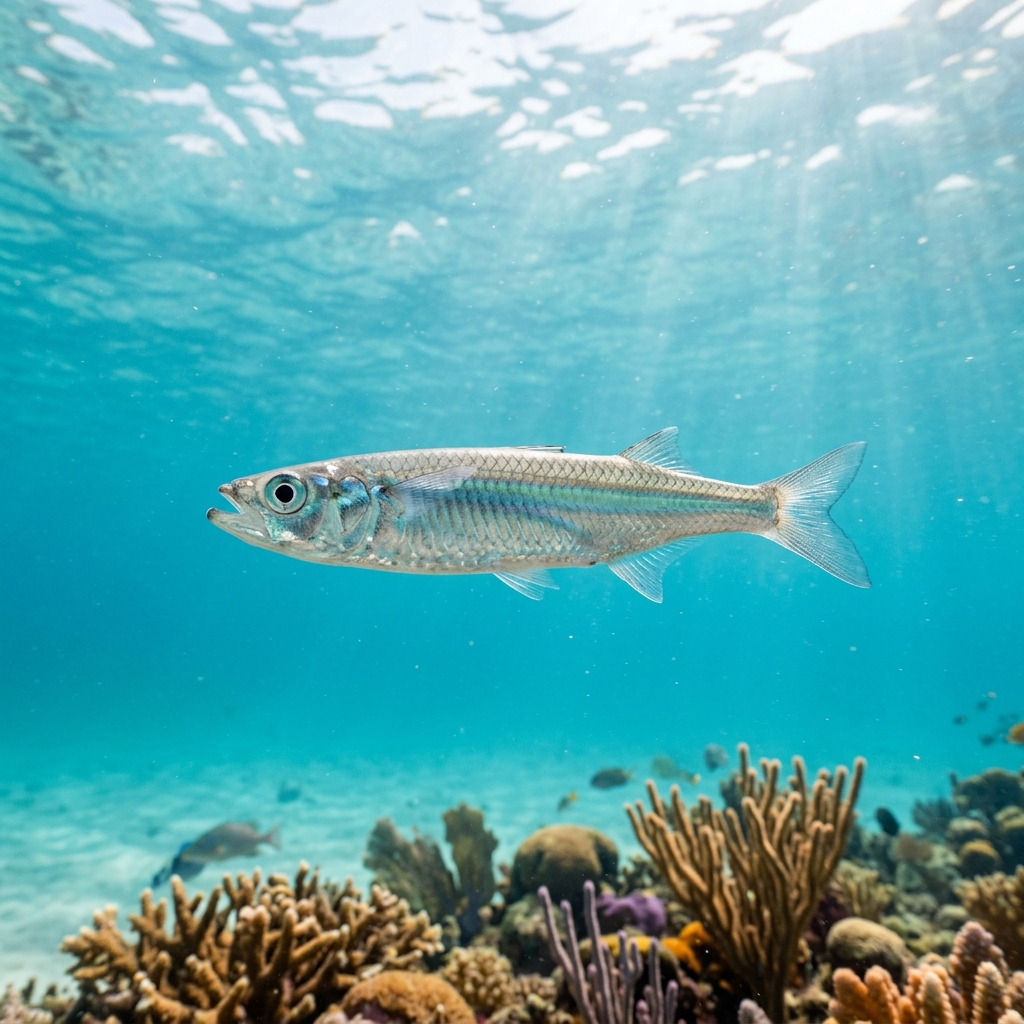
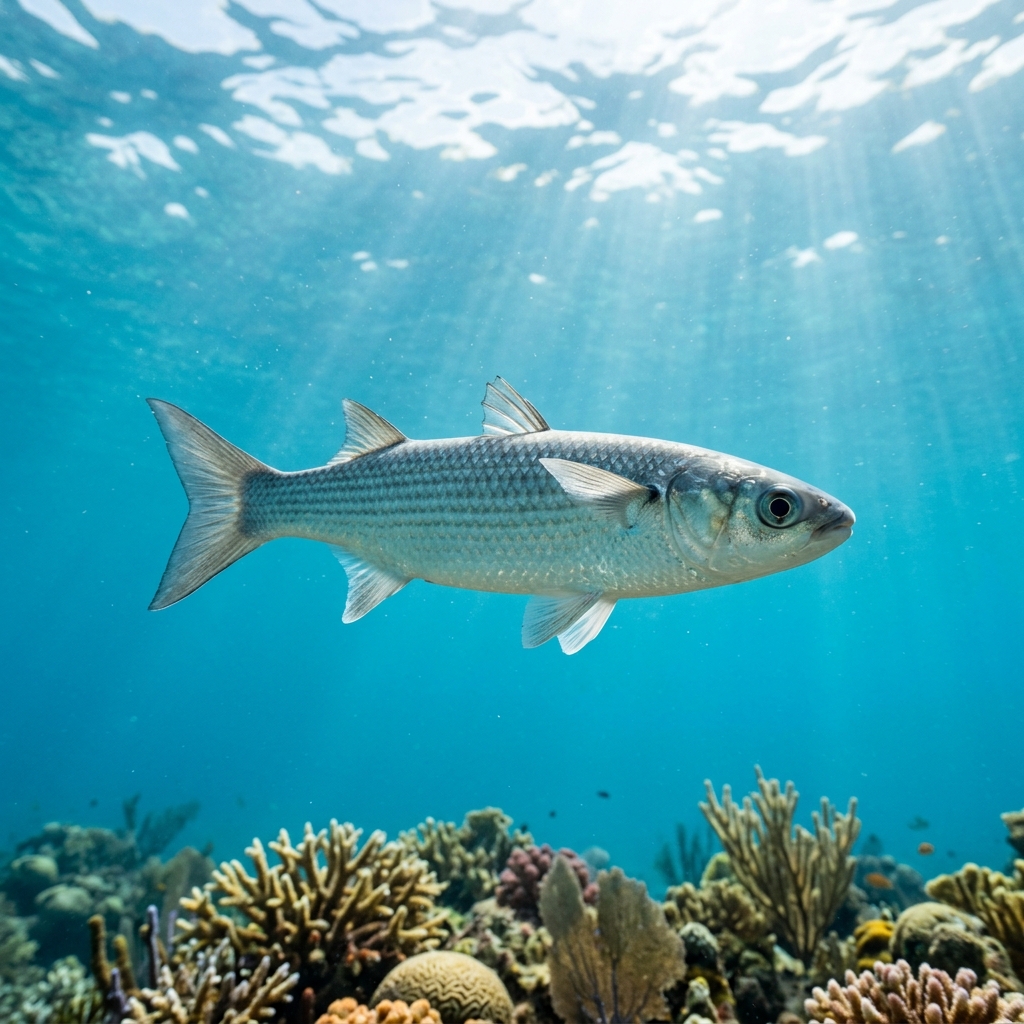
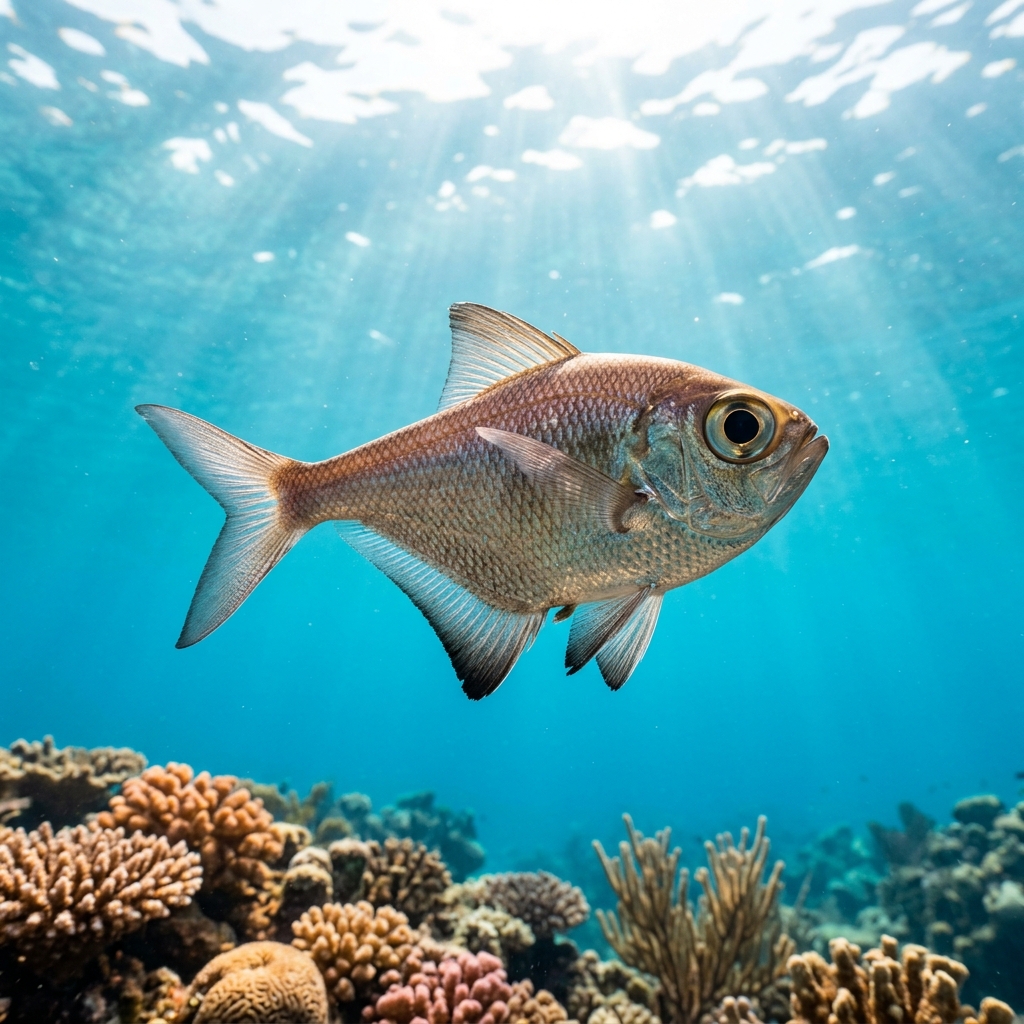
Reef neighbours a diver could mistake it for. Use the identification notes above to tell them apart.
Sand eels are most commonly logged across the cold-water coastlines of the North Atlantic, with the strongest presence in Canada, particularly Nova Scotia, the Bay of Fundy, and the St. Lawrence region, as well as throughout the United Kingdom and Ireland. France's Brittany and Normandy coast and the fjords and shores of Norway and Sweden are also reliable areas, with sightings recorded across a wide spread of Northern European and northeastern North American dive sites.
Mapping where Sand Eel is logged…
Sand eels are most reliably found along cold North Atlantic coastlines. Canada, especially Nova Scotia, the Bay of Fundy, and the St. Lawrence, the United Kingdom, Ireland, France's Brittany and Normandy coast, and Norway and Sweden are the top areas logged by divers. Germany's Northern coastline and the northeastern United States also feature regularly.
No clear seasonal peak has emerged from sighting data, so they should be treated as a year-round possibility in their range. Their observed water-temperature niche, roughly 4 to 16 °C, means you are looking at cold-water diving regardless of season.
Look for a very slender, almost needle-shaped silver fish with a pointed snout, far thinner in proportion than most other schooling species. They school tightly and tend to hover near sandy bottoms. If disturbed they may plunge headfirst into the sand as a group, which is an unmistakable ID clue no other common schooling fish shares.
Not at all. Sand eels pose no threat to divers. They are small, entirely harmless, and more likely to flee from you than approach.
Burying into soft sediment is the Ammodytidae family's primary defence against predators. They can drive headfirst into loose sand with remarkable speed, sometimes disappearing completely within seconds. Divers who approach a school too quickly can trigger this en-masse, you will see the whole school vanish into the seabed at once.
Site and sighting data is aggregated from diver logs, iNaturalist and GBIF. For taxonomy and conservation status:
Anchovy
2,433 sites