Atherinidae
Silversides form swirling, mirror-bright schools across Florida, the Mediterranean, and Australia. Here's where to find them and how to tell them apart.
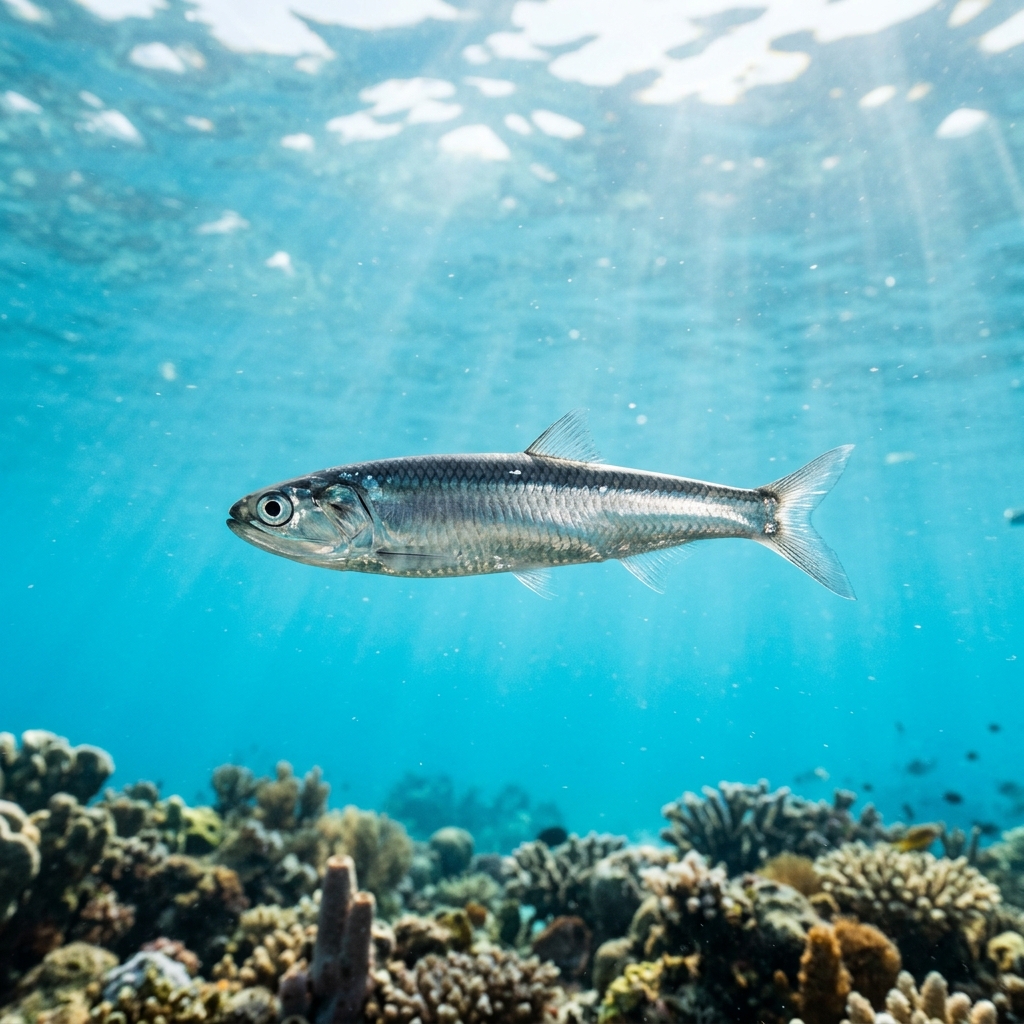
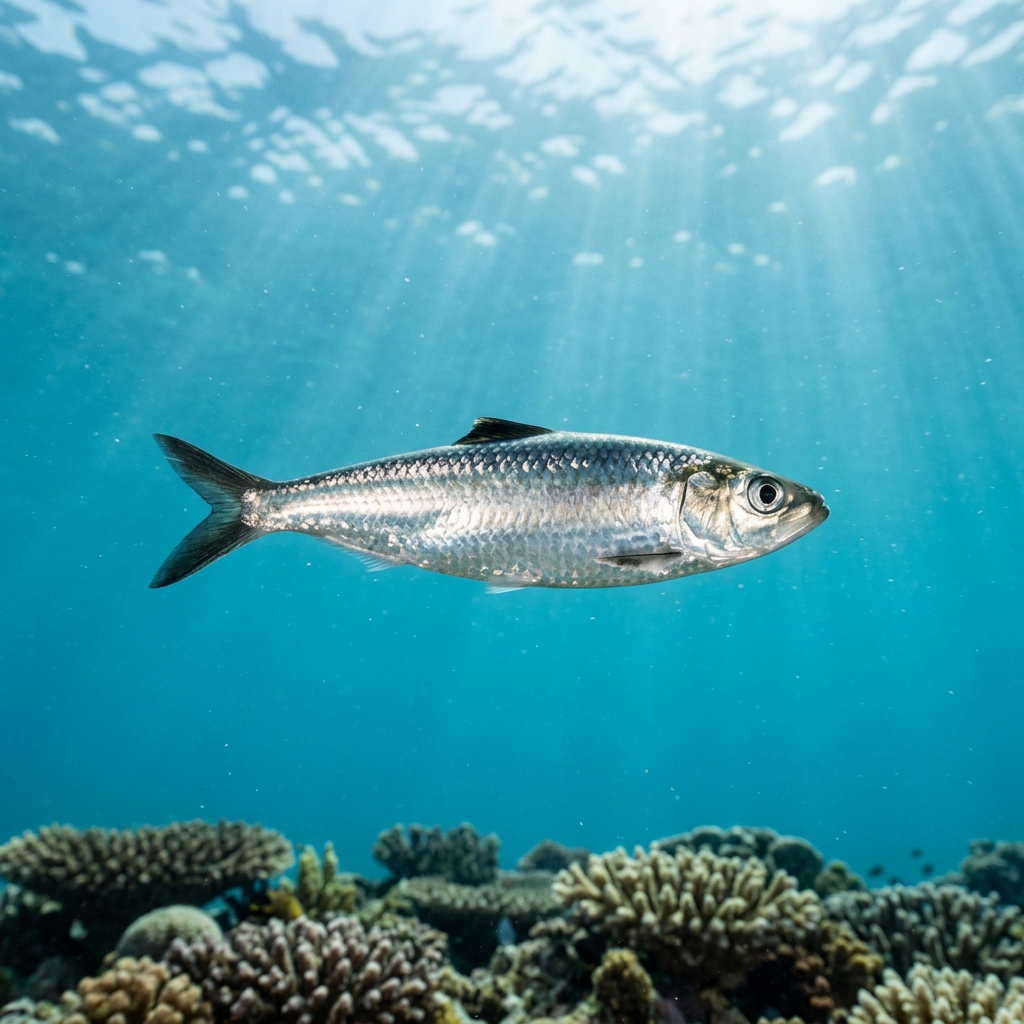
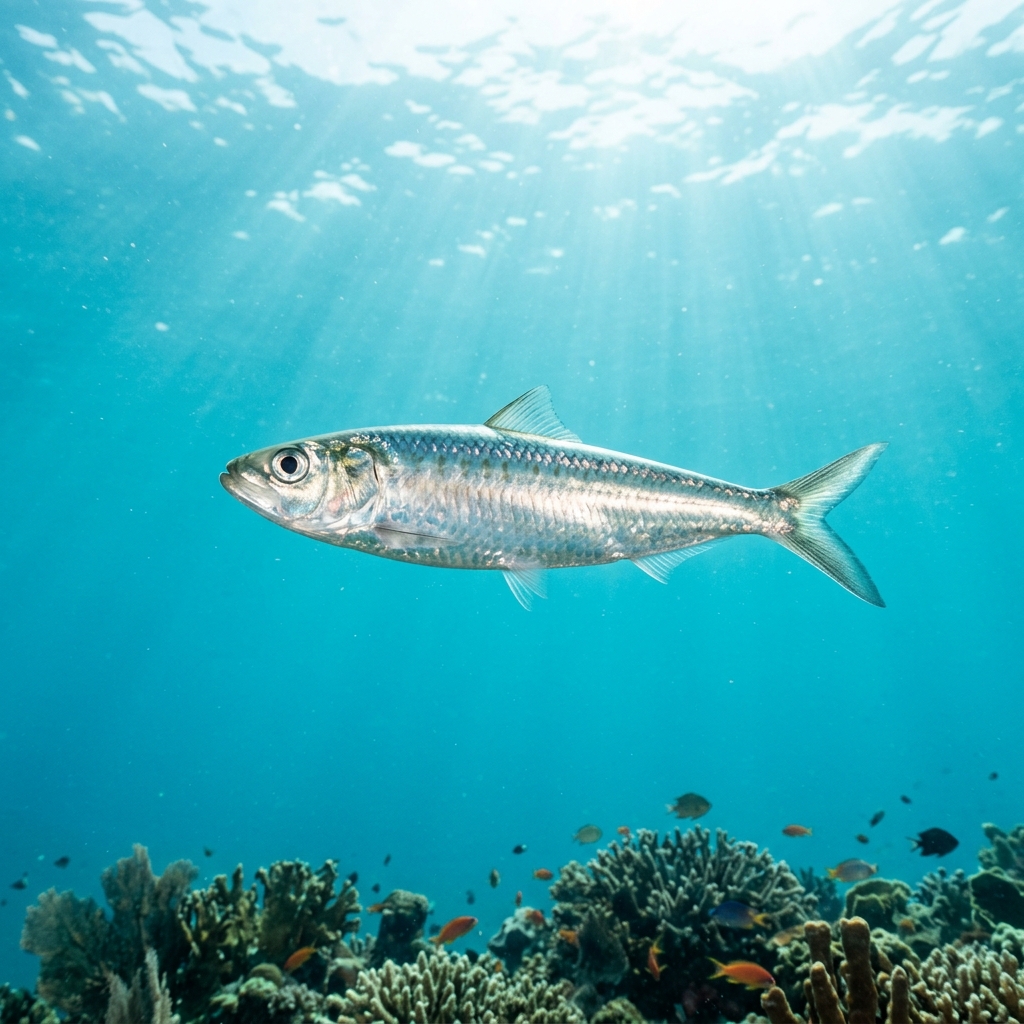
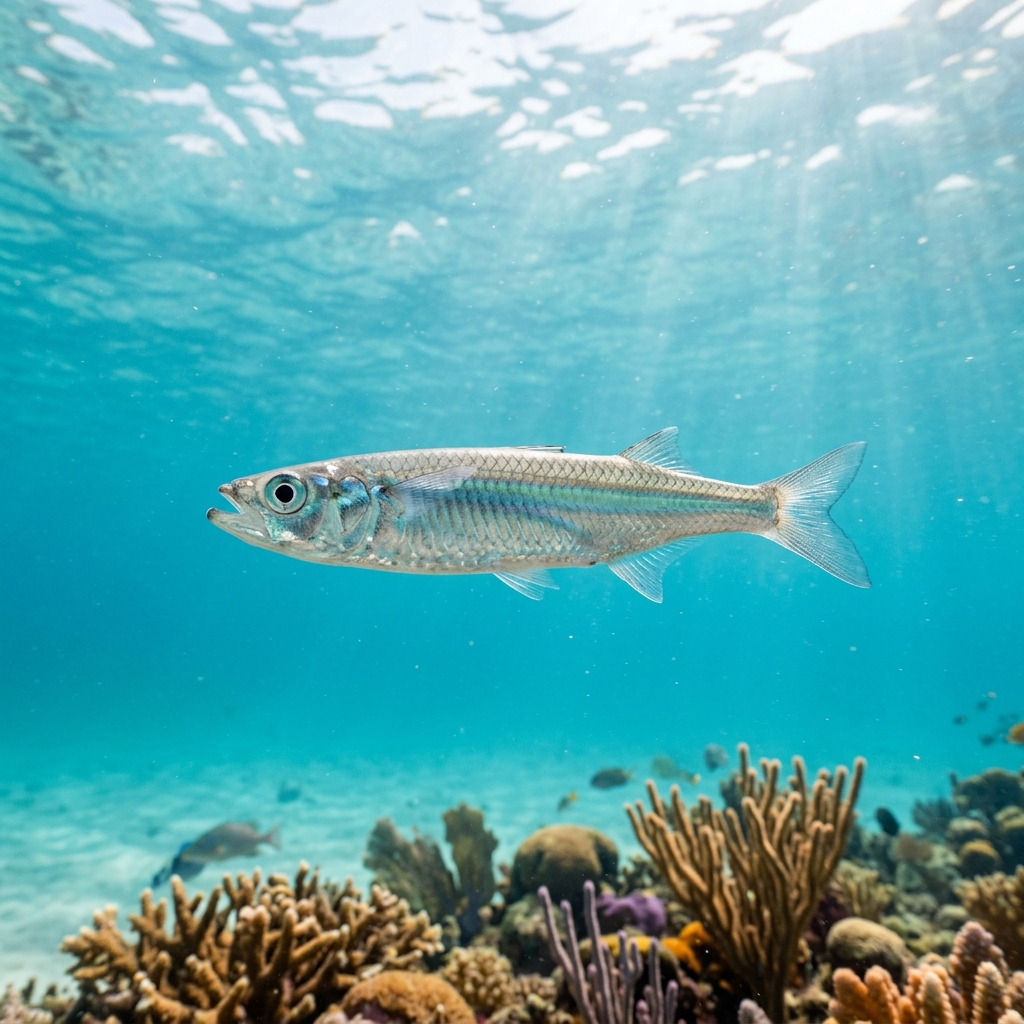
Silversides are slender, torpedo-shaped fish with a bright, mirror-like silver stripe running the full length of the flank, which is the key mark to lock onto underwater. They are typically small, finger-length fish, pale or translucent above the stripe and white below, with a pointed snout. You will almost never see one alone; the defining underwater experience is a dense, tightly coordinated school that refracts light as it turns. Individual members are so similar in size and colouring within a school that telling one from another is beside the point.
When you encounter silversides, they are almost always moving as a single fluid mass, banking and folding in unison in what is called a bait ball or shoal column. Larger predators pushing through a school from below will cause it to erupt into a vortex around the diver, which can be a disorienting and memorable moment. They pay little direct attention to divers but will part and reform around any large object that enters their space.
The synchronised turning of a silverside school is not random; each fish responds to its immediate neighbours with reaction times fast enough to make the whole group behave like a single organism, which is what confuses predators trying to single out one target.
The data shows no clear seasonal peak, and the family's broad temperature tolerance (observed from about 14.5 to 26.1 °C) means they are encountered across tropical, subtropical, and warm-temperate reefs throughout the year.
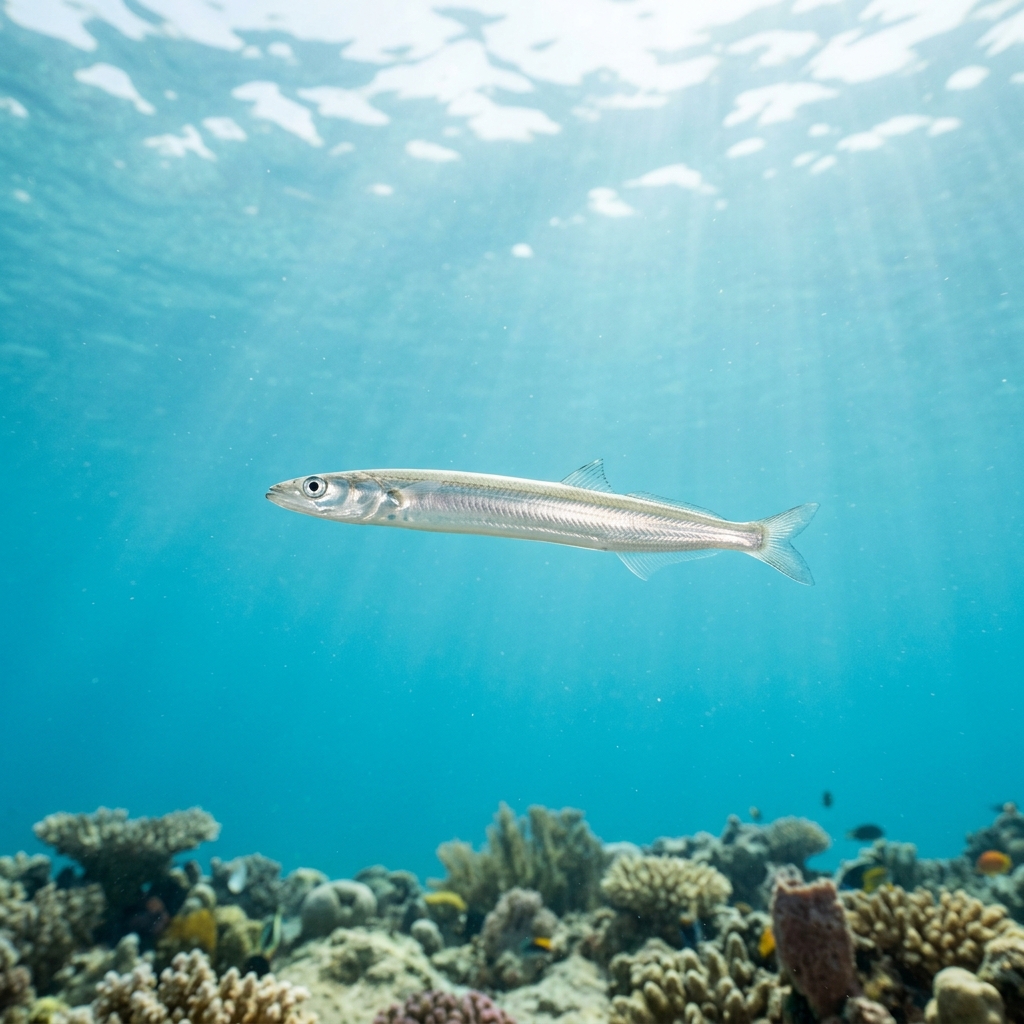
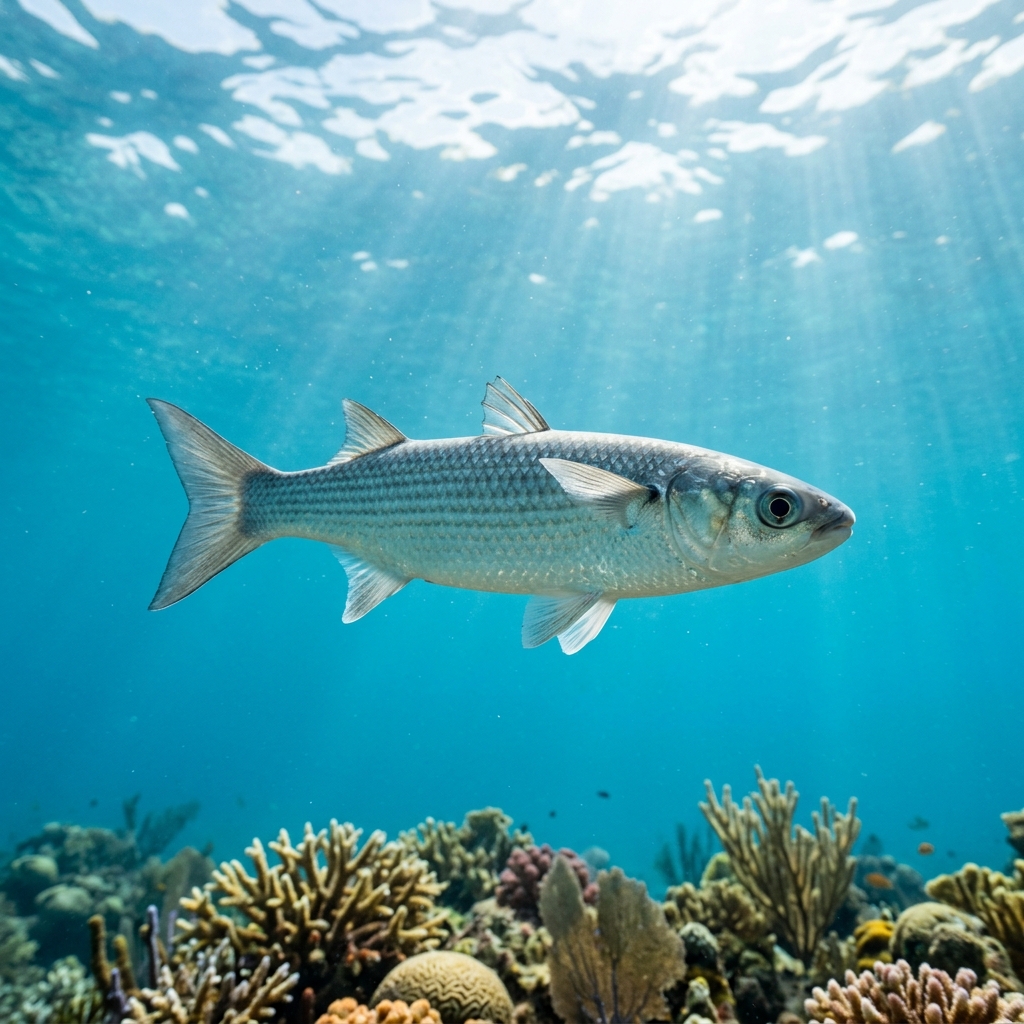
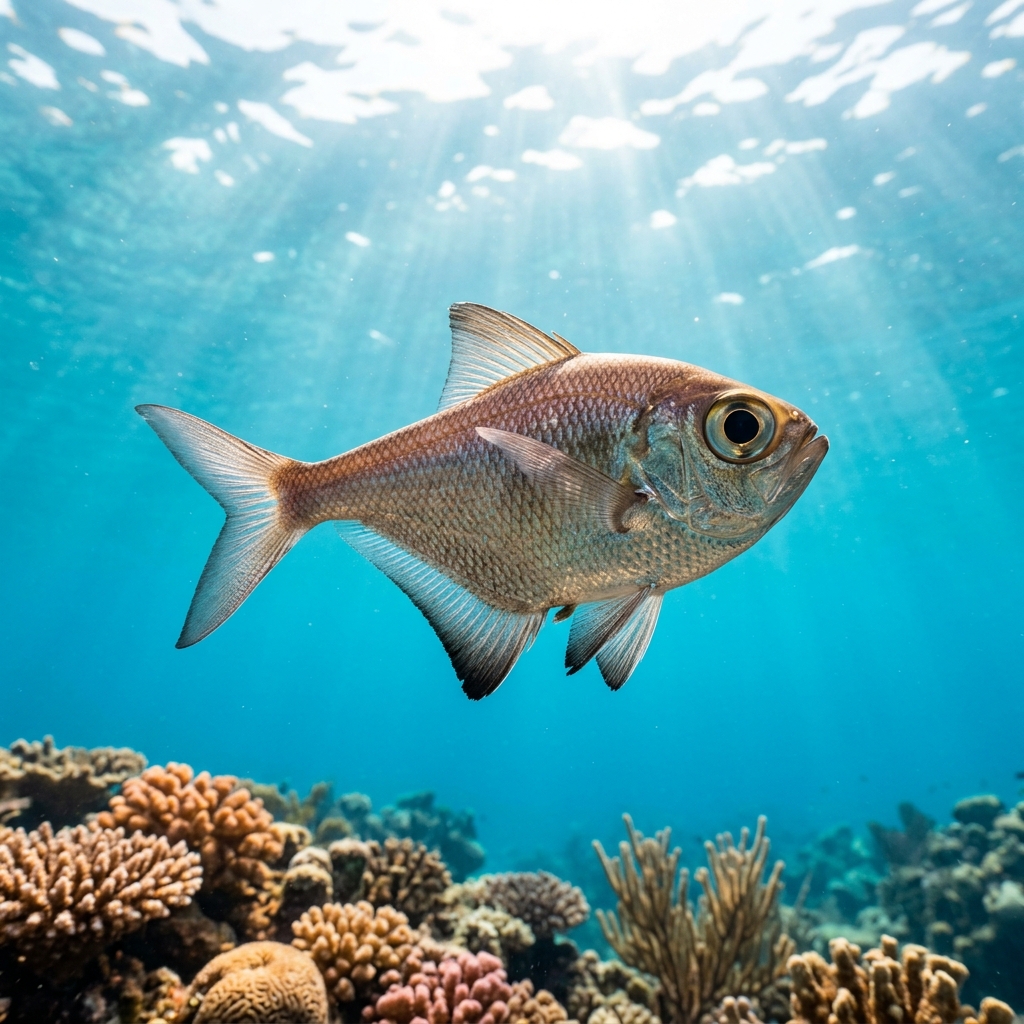
Reef neighbours a diver could mistake it for. Use the identification notes above to tell them apart.
Silversides are most widely logged across the United States, with Florida and the Southeast standing out as the strongest region, followed by the Mediterranean, where Italy, Greece, Spain, Turkey, and Croatia all show strong coverage. The Indo-Pacific is well represented too, particularly around the Izu Peninsula in Japan and across Western Australia and Queensland.
Mapping where Silverside is logged…
Silversides are logged at dive sites across a large number of countries worldwide. The most consistent coverage is in Florida and the broader US Southeast, the central Mediterranean including Italy, Greece, Spain, Turkey, and Croatia, and in the Indo-Pacific around Japan's Izu Peninsula and across Australia.
There is no single peak season in the data. Silversides are observed across water temperatures from roughly 14.5 to 26.1 °C, which covers a wide range of environments, so they can be encountered year-round depending on location.
Look for small, slender fish with a sharply defined silver stripe along each flank and a translucent or pale greenish back. The key is always the school: silversides aggregate in tight, highly coordinated masses. If a small silver-striped fish is schooling in large numbers in mid-water or near the reef edge, silversides are the first family to consider.
Most members of the family are small, typically in the range of 5 to 15 centimetres for the species divers commonly encounter in tropical and temperate reef settings. Size varies across the family's many species, but in the water they read as finger-length, delicate fish.
Schooling is a predator-avoidance strategy. By moving in a tightly coordinated group, individual fish become harder to target. The collective movement confuses predators and gives each fish a statistical safety advantage in numbers. Divers often witness this when a jack or trevally drives through a school, causing it to split and reform.
Site and sighting data is aggregated from diver logs, iNaturalist and GBIF. For taxonomy and conservation status:
Sand Eel
1,925 sites